What Happens If A Plant In Your Pennsylvania Yard Becomes Illegal?
Most Pennsylvania homeowners never imagine that a plant growing quietly in their yard could one day become a legal problem. Plants are plants.
You put them in, they grow, and as long as you’re not doing anything unusual, there’s no reason to think twice about what’s in your garden.
But Pennsylvania’s list of regulated and prohibited plants has been changing, and some of those changes are affecting yards where completely ordinary landscape choices were made years or even decades ago.
What happens when a plant you’ve been growing legally suddenly isn’t legal anymore? It’s a question more Pennsylvania homeowners are facing, and the answers involve a mix of state regulations, enforcement realities, and practical decisions about what to do with established plants that now fall into a legally complicated category.
The rules around invasive species and noxious plants in Pennsylvania are not static, and what was sold freely at a garden center five years ago may carry a very different status today.
Here’s what Pennsylvania law actually says, what it means for your yard, and what your realistic options are if you’re already growing something on the list.
1. You Can No Longer Sell, Give Away, Transport Or Intentionally Propagate It
Sharing plants with neighbors is one of the most neighborly things a gardener can do. But once a plant is added to Pennsylvania’s noxious weed list, that friendly gesture becomes illegal.
Selling, exchanging, transporting, planting, or propagating a listed plant is prohibited unless you have a specific legal exemption or permit from the state.
So what does that mean for everyday homeowners? Simply put, you cannot hand cuttings over the fence, post seedlings on a local buy-nothing group, or dig up a clump of roots to give to a friend.
Even moving the plant from one part of your yard to another part of a different property could be considered illegal transport under Pennsylvania law.
Seeds also count. If a plant produces seeds that you collect and share, that action falls under propagation and is not allowed. Many people do not realize that seeds are treated the same as live plants under these rules.
The law applies to nurseries and garden centers too. Once a species is listed, businesses must stop selling it right away or face penalties.
So if you bought a plant legally before it was listed, that does not mean you can continue to sell or trade it afterward.
Permits do exist for certain research, educational, or commercial purposes, but they are not easy to get. Most homeowners will not qualify.
The safest move is to stop sharing the plant entirely as soon as you learn it has been listed. Staying informed about updates to Pennsylvania’s noxious weed list is a smart habit for any gardener who loves to share plants with others.
2. An Existing Plant May Not Require Immediate Forced Removal
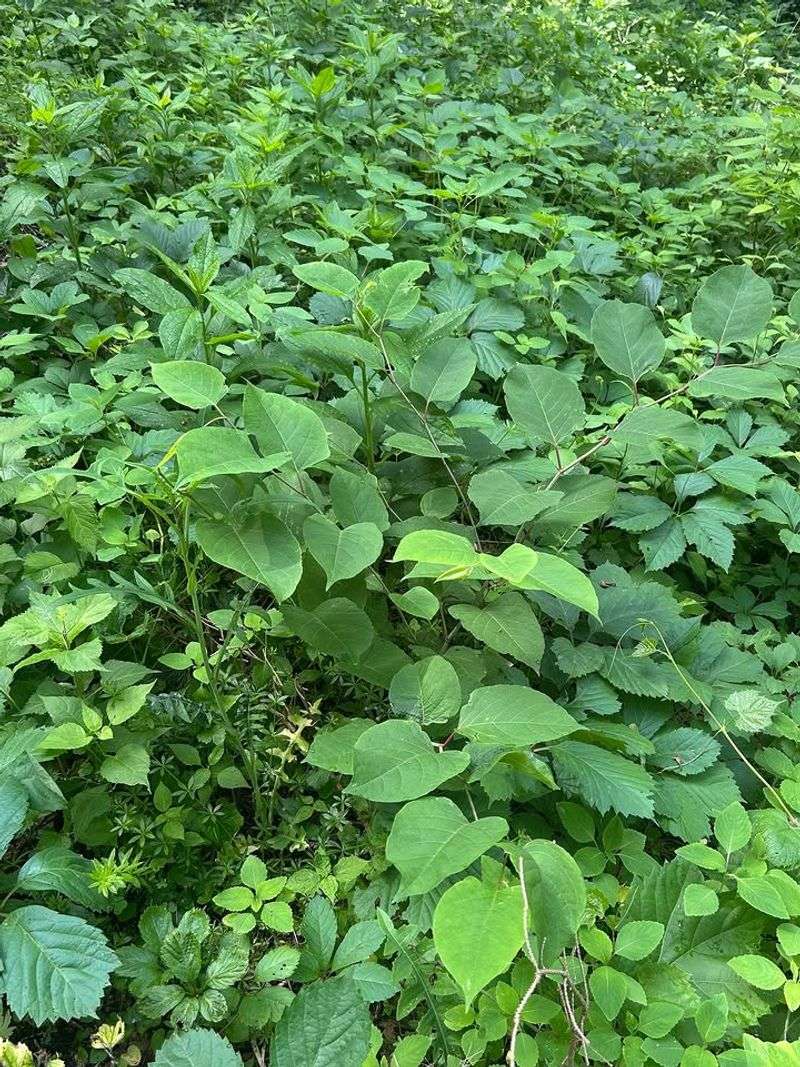
Finding out a plant in your yard is now on the noxious weed list can feel alarming. You might expect someone to show up at your door demanding you pull everything out right away.
Your Pennsylvania Garden Changes Every Week. Your Plan Should Too.
Gardening in Pennsylvania changes quickly throughout the season. Every Friday you’ll receive a simple weekly plan showing exactly what to plant, prune, fertilize, harvest, and protect so you never miss the right timing.
But that is not always how Pennsylvania handles things, and understanding the classification system can bring some relief.
Pennsylvania sorts noxious weeds into two main groups: Class A and Class B. Class A weeds are plants that are not yet widespread across the state.
Because they are limited in range, Pennsylvania actively works to wipe them out. If you have a Class A weed on your property, eradication is taken seriously and enforcement is more likely.
Class B weeds are a different story. These plants are already so widespread across Pennsylvania that the state has decided full eradication is not realistic.
For Class B species, the state generally does not pursue active enforcement against homeowners who already have the plant growing on their land. The focus shifts more toward preventing further spread rather than removing every existing plant.
That said, just because enforcement is less aggressive for Class B plants does not mean you are completely in the clear. Selling, transporting, or intentionally propagating a Class B weed is still illegal.
The restriction on spreading it remains fully in place even when removal of existing plants is not being enforced.
Staying aware of which class your plant falls into helps you understand your actual risk level. Check the Pennsylvania Department of Agriculture website for the most up-to-date classifications.
Rules can change, and a plant that was Class B last year could be reclassified at any time based on new information.
3. The Department Of Agriculture Can Issue A Control Order
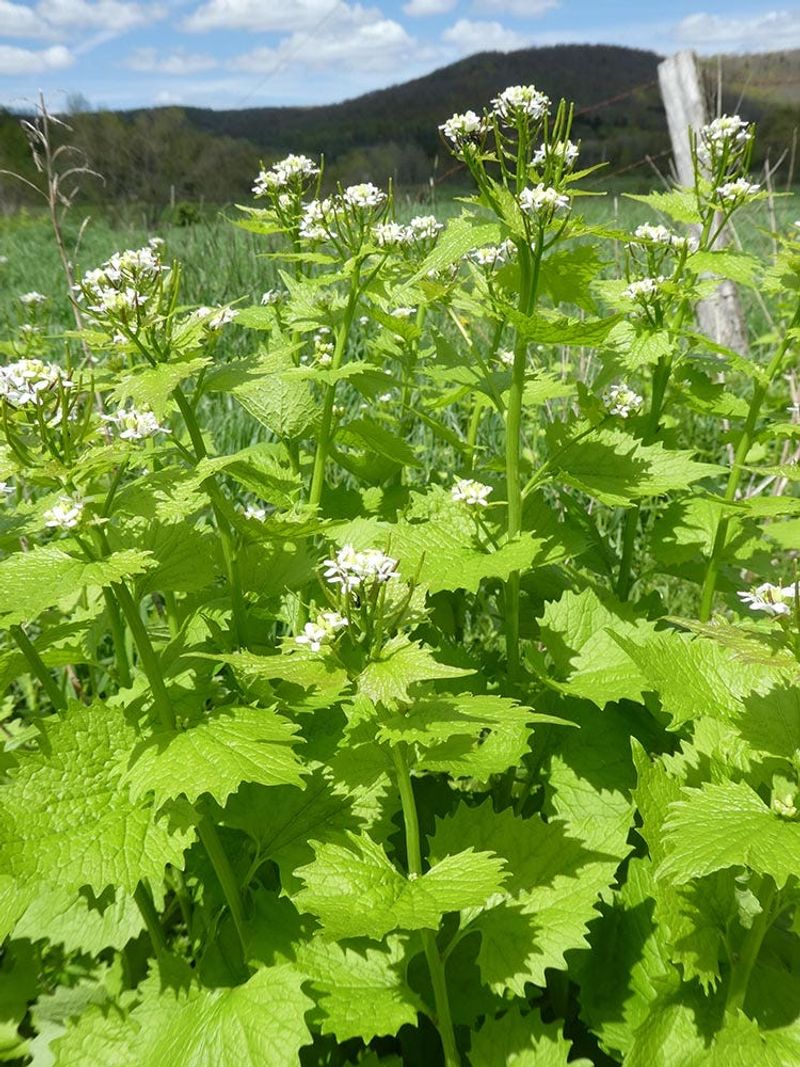
Getting a letter in the mail from a government agency is never fun. But if the Pennsylvania Department of Agriculture decides that a plant on your property needs to be controlled, that is exactly what could happen.
The department has the legal authority to send homeowners a written control order when a regulated plant is found on private land.
A control order is a formal document. It identifies the specific plant species on your property, explains what treatment is required, and gives you a deadline to complete the work.
The order is not a suggestion. It carries legal weight, and ignoring it can lead to serious consequences.
The type of treatment required depends on the plant and the situation. Mechanical control means physically removing the plant by pulling, cutting, or digging it out.
Chemical control involves using approved herbicides to manage or reduce the population. Biological control uses natural methods, like introducing a pest or disease that targets only that plant species.
The department decides which method is appropriate based on the species involved and what makes sense for your specific property.
Not every homeowner with a listed plant will receive a control order. Enforcement tends to focus on situations where the plant poses a significant risk of spreading or causing harm to agriculture, ecosystems, or neighboring properties.
However, if your property is near farmland or natural areas, the risk of receiving an order may be higher.
Reading any official correspondence carefully and responding promptly is always a smart move.
If you receive a control order and feel confused about what it requires, contacting the Pennsylvania Department of Agriculture directly for clarification is a reasonable and encouraged step.
4. Removal Must Be Handled Without Spreading The Plant
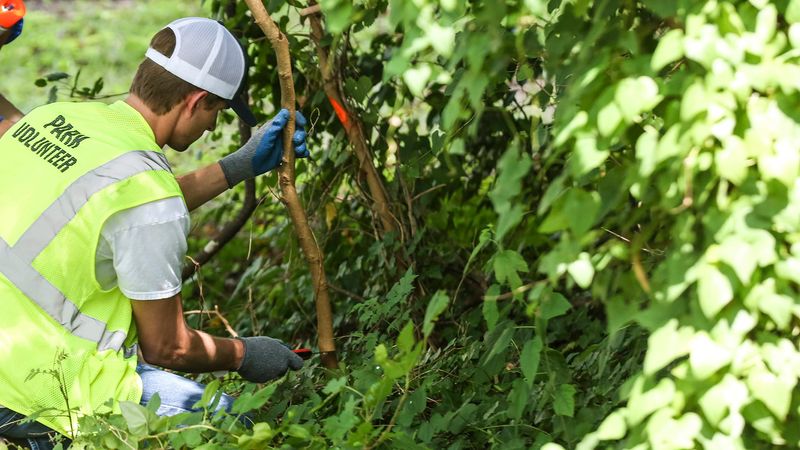
Pulling out an invasive plant feels satisfying, but doing it the wrong way can make the problem much worse.
Some plants are incredibly good at reproducing, and even a small piece of root, stem, or seed left behind can sprout into a new plant. That is why how you remove a listed plant matters just as much as actually removing it.
Penn State Extension recommends taking extra precautions when disposing of invasive or noxious plant material. One of the most effective methods is double-bagging the plant pieces in heavy-duty trash bags before placing them in your regular garbage.
This keeps seeds and viable plant parts contained so they cannot escape and spread to new areas.
Composting is a method many gardeners love, but it is not a safe option for most regulated plants. Home compost piles rarely get hot enough to fully break down seeds or root fragments from invasive species.
Putting noxious weed material in your compost pile could actually help the plant spread to other parts of your yard or a neighbor’s property when you use the compost later.
Before you start removal, check with your local municipality about what disposal methods are allowed in your area. Some communities have specific rules about yard waste, and not every area permits bagged plant material in regular trash.
Following local guidelines protects you legally and helps make sure the plant does not end up somewhere it can cause more trouble.
Wearing gloves and washing your tools, boots, and clothing after handling invasive plants is also a good idea. Some plants have irritating sap, and contaminated tools can carry seeds to new locations without you even realizing it.
5. Ignoring An Official Order Can Become Expensive
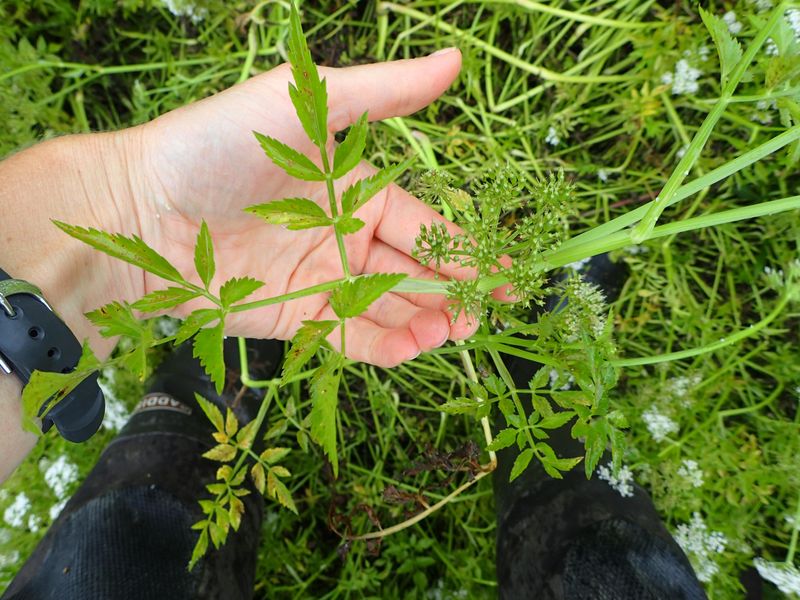
Receiving a control order and deciding to do nothing about it is a choice that can cost you a lot of money.
Pennsylvania law gives local municipalities the power to step in and handle the required treatment themselves if a property owner does not comply. And when that happens, the municipality sends the bill straight to the homeowner.
Recovery of expenses is taken seriously. The cost of professional plant removal, chemical treatment, or biological control can add up quickly, especially on larger properties or in situations where the plant has spread significantly.
You would be responsible for covering every dollar of that expense, and there is little room to argue once the municipality has already completed the work.
Beyond expense recovery, the state has additional tools available for serious cases. Seizure, condemnation, or court-ordered disposal of regulated plants are all options that Pennsylvania can pursue when a property owner repeatedly refuses to comply or when the situation poses a significant risk to surrounding land.
These are not common outcomes, but they are real possibilities under the law. Think of it like ignoring a code enforcement notice about an unsafe structure. The longer you wait, the worse the situation gets, and the more expensive the consequences become.
Acting quickly when you receive any kind of official notice from the Department of Agriculture or your local municipality is always the smarter financial decision.
If the cost of removal is a concern, reach out to the department or local cooperative extension office.
Sometimes programs or resources exist to help homeowners manage regulated plants without bearing the full financial burden alone. Asking for help early is far better than waiting until the bill arrives.
6. Fines Are Possible, But Warnings May Come First
Money talks, and Pennsylvania’s noxious weed law uses financial penalties to make sure people take plant regulations seriously. Civil fines of up to $10,000 per violation are authorized under state law.
On top of that, homeowners can also be required to cover remediation, containment, or eradication costs, which can add thousands more to the total bill.
Criminal penalties are also on the table, especially for violations that are repeated or clearly intentional. Knowingly selling a listed plant after being told it is prohibited, for example, is the kind of violation that could move beyond a civil fine into criminal territory.
The law is designed to create real consequences for people who choose to ignore the rules on purpose.
Here is the part that might surprise you: the law also gives the Pennsylvania Department of Agriculture the option to start with a written warning for minor violations.
If your situation is relatively small in scale and you have no history of prior violations, the department has the flexibility to issue a warning rather than jumping straight to a fine. The goal is compliance, not punishment for its own sake.
Getting a warning does not mean you can ignore the issue. A written warning is still an official notice, and failing to act on it can lead directly to fines or other enforcement actions down the road.
Think of it as a second chance that you do not want to waste. The takeaway here is straightforward. Address any issue as soon as you become aware of it, whether through your own research or through contact from the state.
Early action almost always leads to better outcomes than waiting and hoping the problem goes away on its own.