The Pennsylvania Yard Visitors That Quietly Increase Tick Numbers
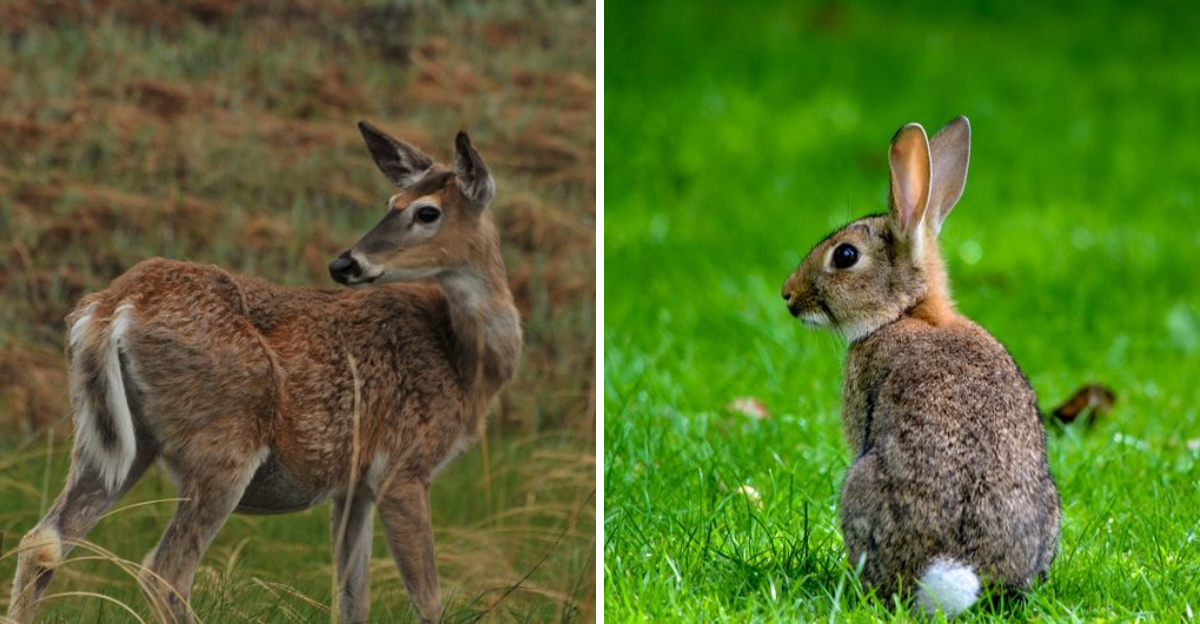
Most Pennsylvania homeowners think about ticks in terms of what’s in the vegetation, the tall grass, the leaf litter, the wooded edges. Fewer people think about the animals visiting their yard as a significant part of the equation.
But the wildlife that moves through your property regularly plays a direct and meaningful role in how many ticks end up in your yard, and some of the most common Pennsylvania yard visitors are quietly depositing ticks with every visit.
Ticks do not travel on their own. They ride. They attach to a host, feed, drop off in a new location, and wait for the next opportunity.
Every animal that moves through your yard is potentially dropping ticks along the way, and certain visitors are far more significant tick transporters than most homeowners realize.
Understanding which yard visitors are contributing most to your local tick population gives you a practical and often overlooked advantage in managing tick pressure around your home and garden.
Here’s the Pennsylvania yard visitors quietly increasing your tick numbers and what you can actually do about it.
1. White-Footed Mice
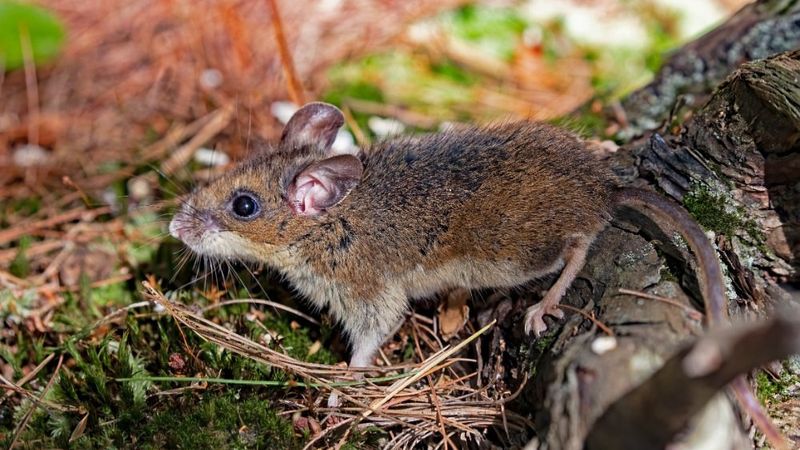
Small, quiet, and almost invisible, the white-footed mouse is one of the biggest reasons tick numbers climb in Pennsylvania yards. Most people never even realize these mice are living just a few feet from their back door.
They hide in leaf piles, under woodpiles, and near stone walls, making themselves right at home without any invitation.
What makes them especially important is their role as a host for larval and nymphal blacklegged ticks. Young ticks attach to these mice for a blood meal, and the mice can also pass Lyme disease bacteria directly to feeding ticks.
That means a single mouse can send out dozens of infected ticks into your yard over just one season.
Spilled birdseed is a surprisingly common reason mice stick around. It gives them an easy food source close to shelter.
Cleaning up fallen seed, moving woodpiles away from the house, and raking leaf litter regularly can all help make your yard less inviting to these small but significant tick carriers.
Keeping grass trimmed short also removes the kind of dense ground cover that mice prefer for traveling and nesting. If you have a stone wall or rock garden near your yard, check it periodically for signs of mouse activity like droppings or chewed material.
Reducing mouse-friendly habitat is one of the most effective ways to cut down on the number of ticks that complete their early life stages right in your own backyard.
2. Eastern Chipmunks
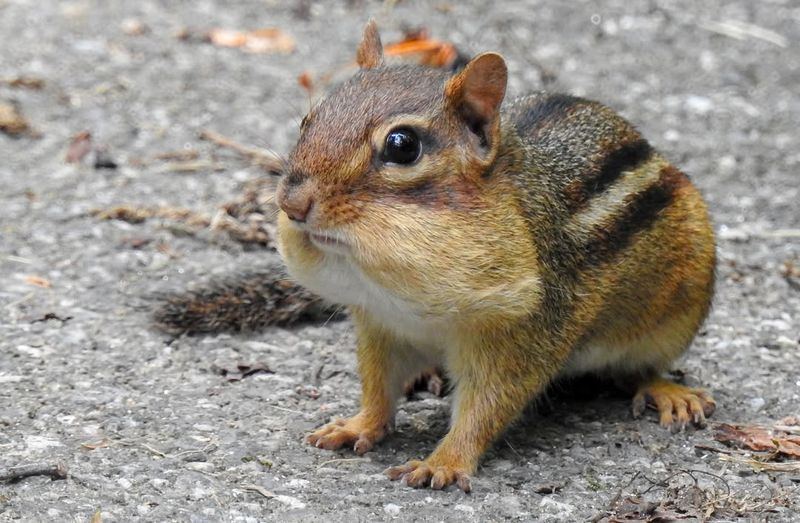
Chipmunks are one of the most charming backyard visitors in Pennsylvania, and also one of the sneakiest contributors to tick problems.
Their constant darting between stone walls, garden beds, and woodland edges makes them excellent transporters of immature blacklegged ticks.
Many homeowners enjoy watching them without realizing what those tiny passengers on their fur might mean for the yard.
Eastern chipmunks are considered important reservoir hosts for the bacteria that causes Lyme disease. Just like white-footed mice, they can infect ticks that feed on them, passing along bacteria that the tick then carries into future encounters with people or pets.
Your Pennsylvania Garden Changes Every Week. Your Plan Should Too.
Gardening in Pennsylvania changes quickly throughout the season. Every Friday you’ll receive a simple weekly plan showing exactly what to plant, prune, fertilize, harvest, and protect so you never miss the right timing.
Their burrows, which can run several feet underground, also create humid little environments where ticks can survive longer.
Because chipmunks move in predictable patterns along fences, garden borders, and stone structures, they essentially create tick highways through your yard.
Larval and nymphal ticks hitch rides along these routes, dropping off in new areas where they wait for their next host.
This behavior helps ticks spread into parts of the yard that might otherwise stay relatively tick-free.
Reducing chipmunk-friendly features like dense shrubs along borders and gaps in stone walls can help discourage their activity near high-traffic human areas.
You do not need to remove every chipmunk from your yard, but being aware of their routes and keeping those zones mowed short and clear of debris goes a long way.
Awareness is the first and most practical tool you have when dealing with these adorable but tick-spreading little neighbors.
3. White-Tailed Deer
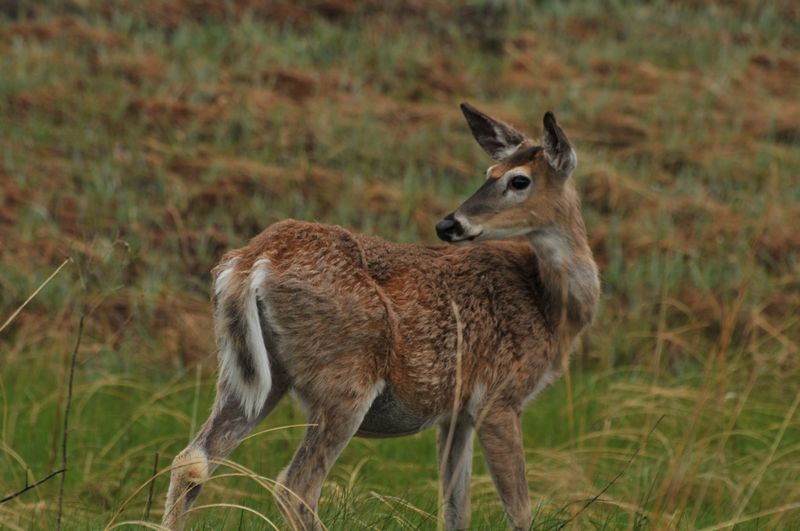
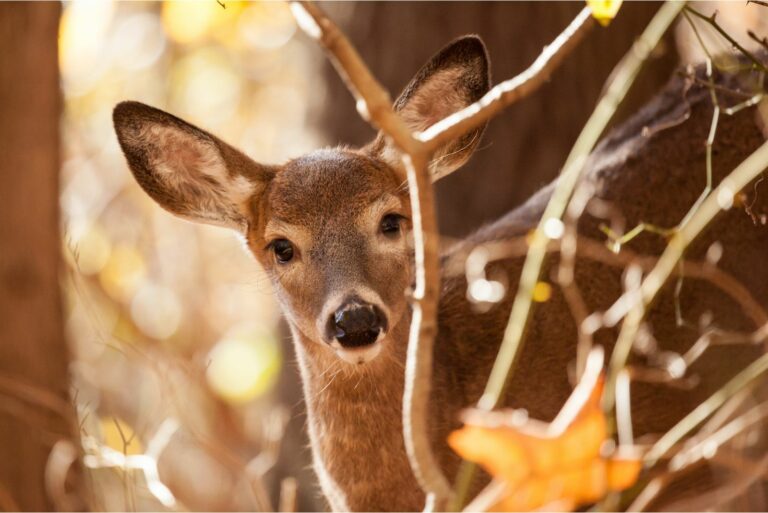
Few animals are as closely linked to ticks in people’s minds as white-tailed deer, and for good reason. Adult female blacklegged ticks prefer to feed and mate on deer before dropping off into the leaf litter below.
Once on the ground, those females lay thousands of eggs, which means a single deer visit can set off a chain reaction of tick activity in your yard.
Interestingly, deer themselves do not pass Lyme disease bacteria to the ticks that feed on them. They are more like a reproduction platform than an infection source.
Still, their role in helping adult ticks complete their life cycle and produce massive numbers of eggs makes them a major factor in how tick populations grow from one season to the next.
The relationship between deer numbers and tick density is more layered than people often expect. A yard with fewer deer visits does not automatically have fewer ticks, because other smaller animals still support young tick stages.
However, reducing deer access to your property does help lower the number of egg-laying female ticks that drop into your yard each fall.
Deer fencing, deer-resistant plantings, and removing food sources like fallen fruit or accessible gardens can all reduce how often deer wander through. Motion-activated lights or sprinklers can also discourage nighttime visits.
Even simple landscaping changes that make your yard less appealing to deer can have a meaningful impact on tick numbers over time, especially when combined with other habitat management steps around your home.
4. Squirrels
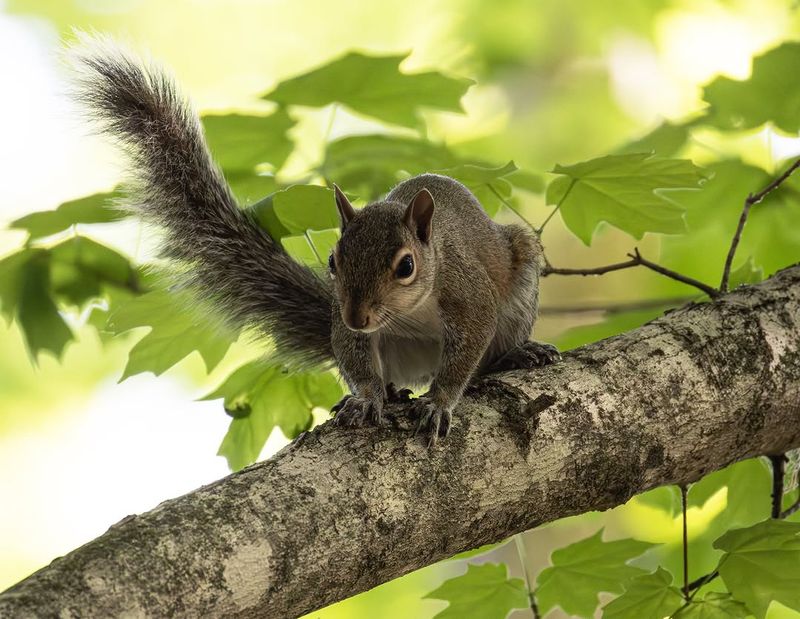
Gray squirrels are everywhere in Pennsylvania yards, and their constant movement between trees, feeders, and woodland borders makes them surprisingly effective at spreading larval blacklegged ticks across a property.
Most people think of squirrels as harmless backyard entertainment, but they quietly play a supporting role in helping tick populations stay active through the warmer months.
As small mammals, squirrels provide blood meals for larval ticks, which are the tiniest and youngest stage of the blacklegged tick life cycle. When a larval tick feeds successfully, it grows into a nymph, which is actually the stage most likely to pass Lyme disease to humans.
So while squirrels may not be the most important reservoir hosts, they still help young ticks move forward through their development.
What makes squirrels especially tricky is how much ground they cover. A single squirrel might travel across your entire yard, through a neighbor’s property, and back again in one morning.
Any attached ticks along for the ride get deposited in new spots as they fall off or are groomed away. This behavior can scatter ticks into areas where people and pets spend the most time.
Bird feeders are a major squirrel magnet, and placing them far from sitting areas, play spaces, and garden beds is a smart move. Keeping the grass around feeders trimmed short reduces the chance that dropped ticks will find a good hiding spot.
Squirrels are nearly impossible to keep out of a yard entirely, but managing where they spend the most time can help reduce tick exposure in the spots that matter most.
5. Eastern Cottontail Rabbits
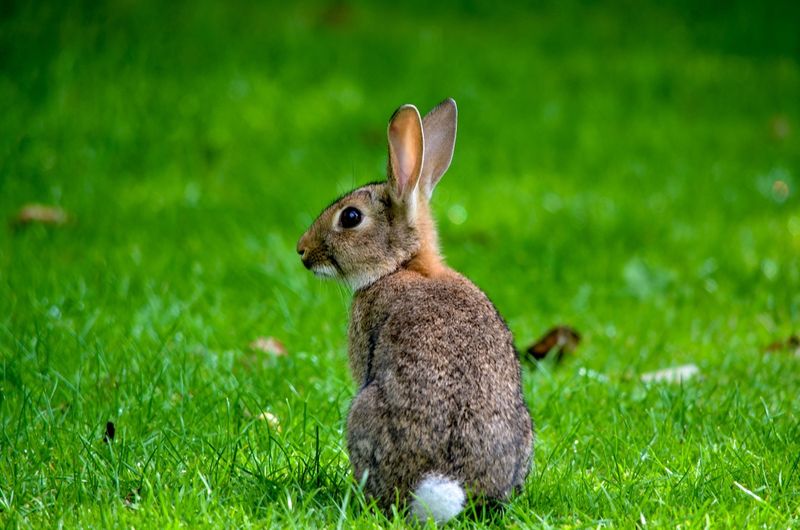
There is something undeniably sweet about spotting a cottontail rabbit nibbling at the edge of your lawn in the early morning. But these fluffy visitors carry more than just a cute appearance.
Eastern cottontail rabbits can host immature blacklegged ticks as well as other tick species, making them a quiet but steady contributor to tick activity in residential yards across Pennsylvania.
Rabbits tend to stick close to areas that offer both food and cover, which means lawns bordered by dense groundcover, tall grass, or overgrown fences are prime rabbit territory. Those same areas also happen to be ideal tick habitat.
Humidity stays higher near thick vegetation, which helps detached ticks survive long enough to find their next host. So when rabbits are comfortable in your yard, ticks often are too.
Unlike deer, rabbits are low to the ground and move through areas where children and pets play. Ticks that drop off a rabbit in a play area or garden path are much more likely to encounter a human or pet host than ticks that fall in a remote woodland corner.
That proximity makes rabbit activity worth paying attention to, even if these animals seem harmless at first glance.
Trimming grass along fence lines, removing brush piles, and keeping garden borders clean are practical steps that make your yard less inviting to rabbits. Dense groundcover plants along borders can be replaced with lower-growing, less hospitable alternatives.
You do not need to chase every rabbit away, but tidying up the edges of your yard removes the overlap between rabbit habitat and tick-friendly zones quite effectively.
6. Raccoons
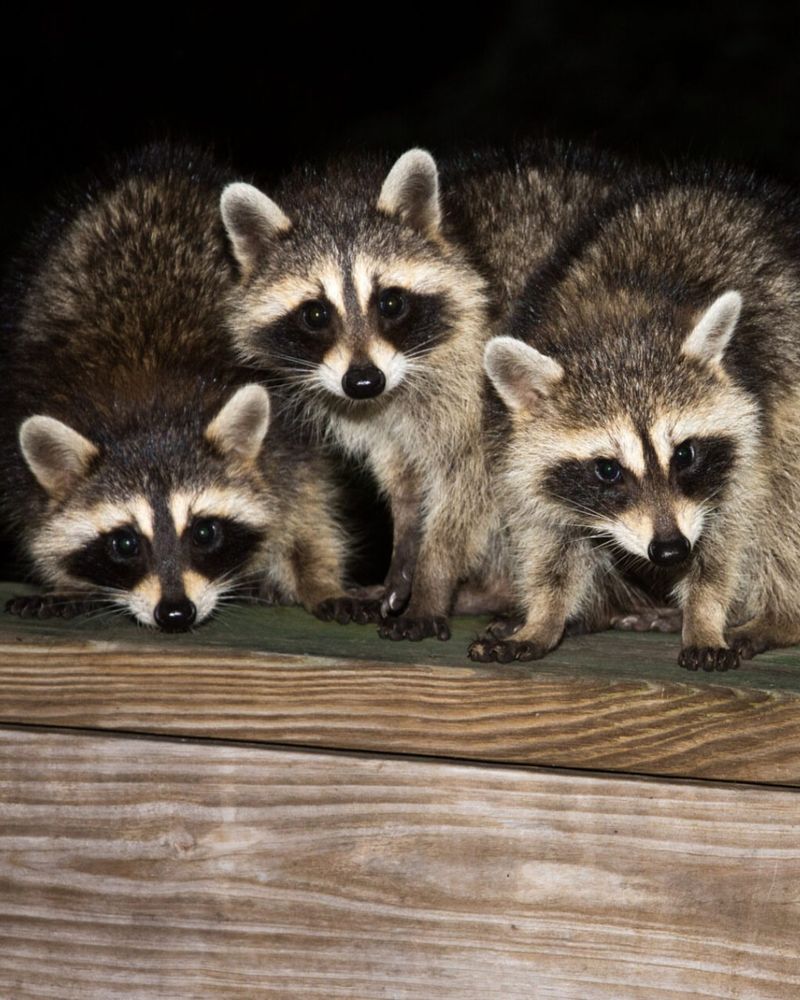
Raccoons are bold, clever, and surprisingly frequent nighttime visitors to Pennsylvania yards. Most people know them as nuisance animals around trash cans and compost bins, but there is another reason to pay attention when raccoons are roaming your property.
Young blacklegged ticks can feed on raccoons, and their wide-ranging nighttime travels mean they can bring attached ticks into the most frequently used corners of your yard.
Unlike smaller animals that stay mostly at the edges of a property, raccoons venture right into the middle of things. They poke around sheds, woodpiles, pet food bowls, and garbage cans, which puts them in close contact with areas where your family spends time.
Any ticks they carry can drop off in patios, near doorways, or along garden paths where people walk barefoot or children play.
Raccoon activity tends to spike in spring and fall, which overlaps with peak tick season in Pennsylvania. This timing is not ideal, since it means raccoons are most active precisely when ticks are most likely to be questing for a host.
A raccoon that visits your yard several nights in a row during these periods can quietly deposit ticks in multiple locations around your property.
Securing garbage cans with locking lids, removing outdoor pet food at night, and storing compost in sealed bins are all effective ways to reduce raccoon visits. Sealing gaps under decks and sheds removes potential den spots.
Keeping woodpiles elevated and away from the house also helps. Fewer raccoon visits mean fewer opportunities for ticks to reach the high-traffic areas of your yard where exposure risk is greatest.
7. Ground-Foraging Birds
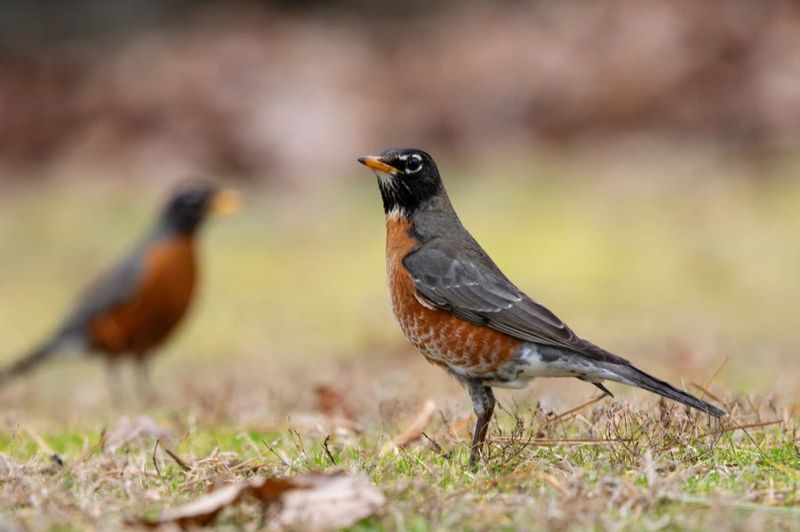
Robins, catbirds, thrushes, and other birds that spend time scratching through leaf litter might seem like the most tick-unfriendly creatures imaginable, since birds are sometimes thought to eat ticks. The reality is more complicated.
Ground-foraging birds can actually pick up larval and nymphal ticks while moving through leaf litter, and they are capable of transporting those attached ticks into new areas of your yard or even your neighbor’s property.
Research has shown that some ground-foraging bird species can also act as reservoir hosts for the bacteria that causes Lyme disease.
That means a robin feeding in your garden is not just moving ticks around, it can potentially infect the ticks that feed on it, adding another layer to how Lyme bacteria spread through a neighborhood.
This finding surprised many researchers and is still being studied more closely.
Birds move quickly and cover a lot of ground in a single morning. A thrush that spends an hour working through the leaf litter under your shrubs could deposit ticks in several spots before flying off to the next yard.
Because birds are mobile in ways that mammals are not, they also help spread ticks across larger distances and into yards that might not otherwise have direct contact with woodland edges.
Keeping leaf litter raked and thinned out reduces the amount of foraging habitat available near the house.
This does not mean removing every leaf, but managing the depth and location of leaf accumulation near patios, play areas, and garden paths makes a real difference.
Encouraging birds to forage away from high-traffic zones by placing feeders and birdbaths at the far edges of your yard is a simple and bird-friendly strategy.