The Native Ohio Plants To Grow Instead Of Hostas To Deter Beetles
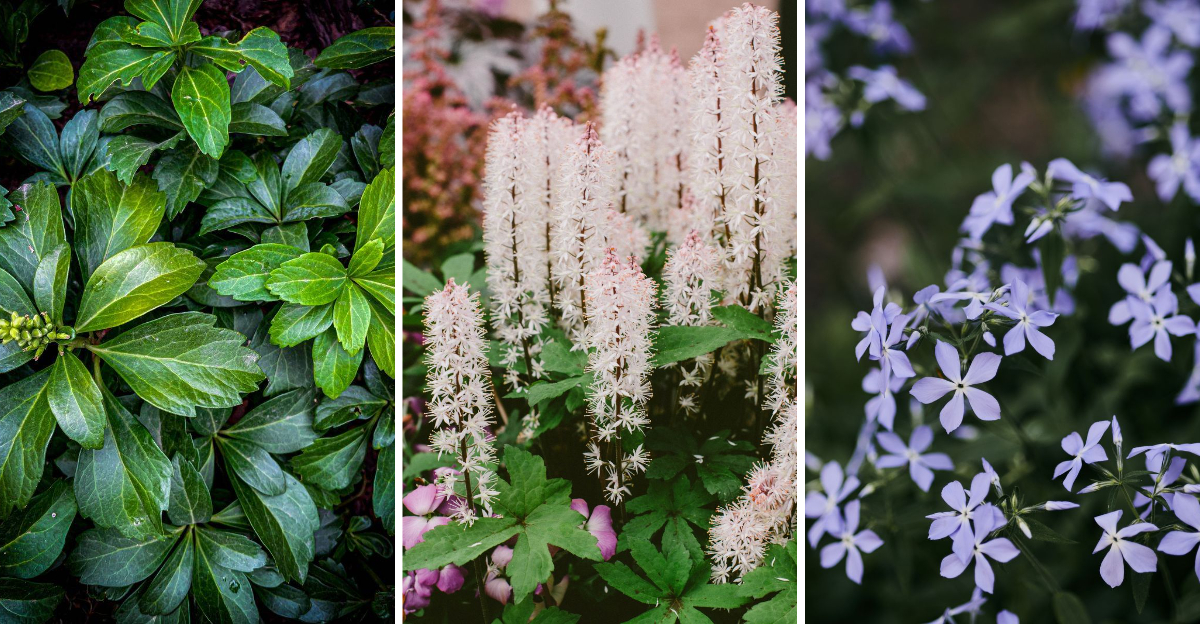
August without fail. Ohio soil already grows something better suited for this fight. Native plants resist pests that hostas never could handle. Damaged foliage stops being your summer reality once you switch.
Local roots dig much deeper, drink far less, and resist disease naturally. Insects that plague imported plants often ignore native Ohio species entirely.
Coneflowers, sedges, and wild geraniums thrive where hostas struggle. Pests skip tougher leaves and move toward easier targets instead. Your garden gains resilience while pests lose their favorite target.
Change happens fast once you remove the bait. Momentum builds season after season, not just once. Nothing stays truly static in a garden built on native strength.
Everything ahead depends on the decision you make right now. Keep going, because what comes next changes everything about your own summer garden forever now.
1. Wild Ginger
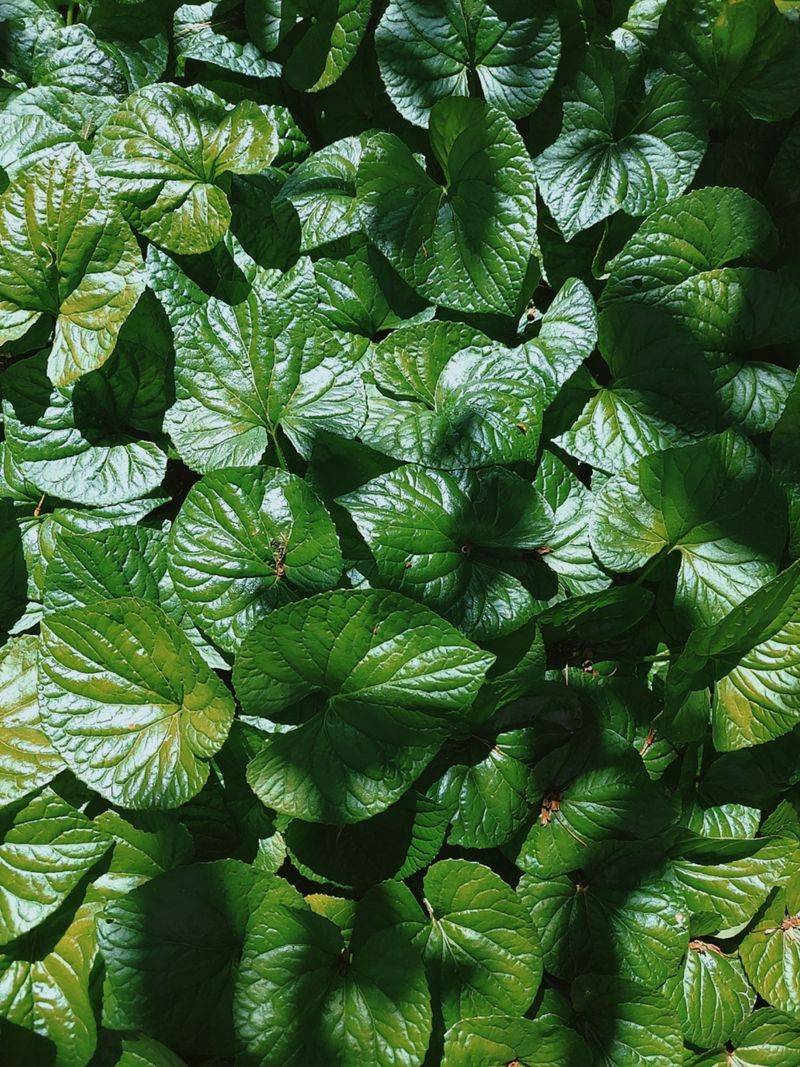
Forget the spice rack. Wild ginger is a slow-creeping ground cover that beetles tend to avoid.
Its waxy, heart-shaped leaves form a dense mat that shades out weeds and stays lush all season long.
Native to woodland areas across the eastern United States, wild ginger thrives in deep shade where most plants struggle. It spreads gradually through underground rhizomes, creating a carpet of coverage without ever getting pushy or invasive.
Beetles tend to leave wild ginger alone. The plant produces aromatic compounds that may make it less appealing to chewing insects. That natural defense makes it a smart swap for beetle-damaged hostas.
Plant wild ginger in moist, well-drained soil with plenty of organic matter. It pairs beautifully with ferns and trillium under large shade trees. Once established, it needs almost no attention from you.
Watering during dry spells helps young plants settle in during their first season. After that, rainfall usually handles the rest. Wild ginger is remarkably drought-tolerant once its root system matures.
One fun detail: wild ginger flowers bloom at ground level in spring. The small, brownish-purple blooms hide beneath the leaves. Ants actually help pollinate them by crawling along the forest floor.
Growing the native Ohio plants to deter beetles starts with smart ground-level choices. Wild ginger earns its spot by being tough, beautiful, and completely unbothered by beetles that damage hostas every summer.
2. Christmas Fern
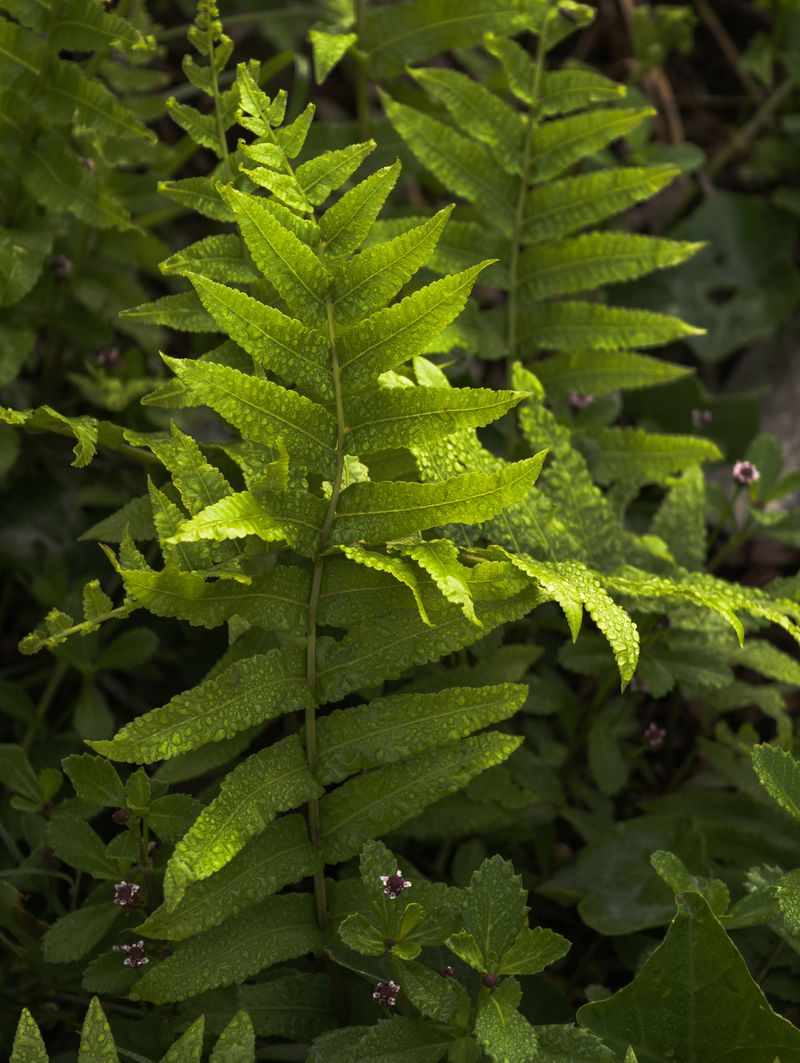
Some plants hold up better than others. Christmas fern stays green through snow, ice, and the coldest days of a Midwest winter. That toughness alone makes it worth every inch of garden space.
This native fern grows in clumping mounds of glossy, dark green fronds. Each frond can reach up to two feet long, creating bold texture in shaded beds. The deep green color pops against lighter plants and bare soil.
Beetles tend to overlook Christmas fern. Ferns generally lack the soft, succulent leaf tissue that beetles prefer.
Their firm fronds and fibrous structure tend to make them a less appealing meal for Japanese beetles and similar pests.
Plant it along slopes or under deciduous trees where soil erosion is a problem. The fern roots hold soil firmly in place through heavy rains. It handles both dry shade and moist shade with equal ease.
Your Ohio Garden Changes Every Week. Your Plan Should Too.
Gardening in Ohio changes quickly throughout the season. Every Friday you’ll receive a simple weekly plan showing exactly what to plant, prune, fertilize, harvest, and protect so you never miss the right timing.
Established plants need almost no care after the first growing season. You can cut back old fronds in early spring before new growth emerges. Fresh, bright green fiddleheads will unfurl and replace them quickly.
Christmas fern works well alongside wild ginger, trillium, and other woodland natives. Mixing textures creates a layered look that feels like a natural forest floor. That combination also discourages pests by reducing monoculture planting.
Choosing native Ohio plants to deter beetles means picking plants with built-in armor. Christmas fern brings that armor in the form of tough fronds that pests tend to pass over.
3. Foamflower
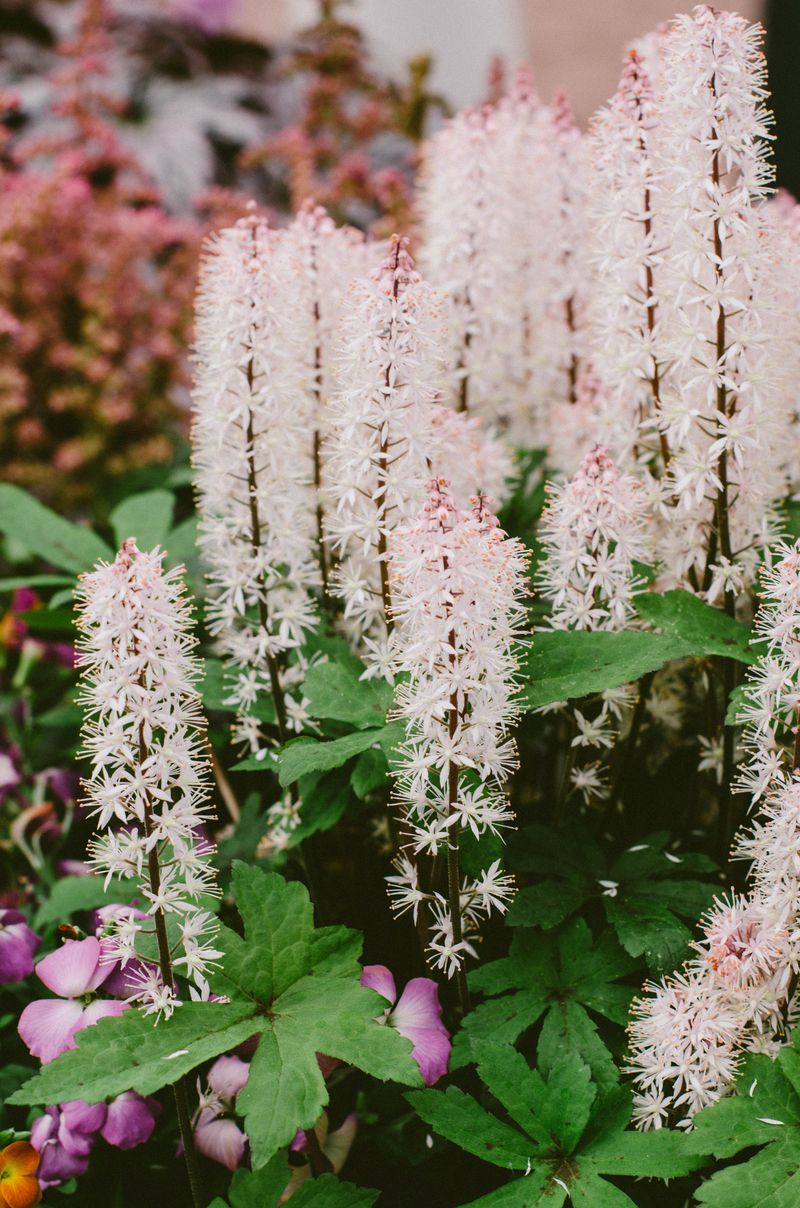
Foamflower earned its name honestly. Each spring, it sends up frothy white flower spikes that look like tiny clouds floating above the forest floor. The display lasts for weeks and draws pollinators from across the garden.
Beyond the blooms, foamflower offers attractive, lobed leaves with burgundy markings that persist through the growing season.
The foliage stays low and spreading, filling gaps between taller shade plants. It creates a soft, layered effect that hostas simply cannot match.
Beetles find foamflower far less interesting than hostas. The plant belongs to the saxifrage family, and some of its compounds may make it less attractive to common leaf-chewing insects. That natural chemistry keeps the foliage looking clean and intact all summer.
Foamflower spreads through stolons, sending out runners that root into nearby soil. It fills a bed steadily without becoming aggressive. You can pull unwanted runners easily if the spread gets ahead of your plan.
Moist, humus-rich soil in partial to full shade suits foamflower best. It performs well under maples, oaks, and other large canopy trees. Consistent moisture during the first summer helps the plant establish strong roots quickly.
Pairing foamflower with Christmas fern or wild columbine creates a layered woodland scene. The contrast between feathery flowers and bold fern fronds is notably striking. Visitors to your yard will stop and stare.
Swapping hostas for native Ohio plants to deter beetles pays off beautifully with foamflower. It rewards you with spring color, season-long foliage, and a garden bed that stays largely beetle-free and worth showing off.
4. Wild Columbine
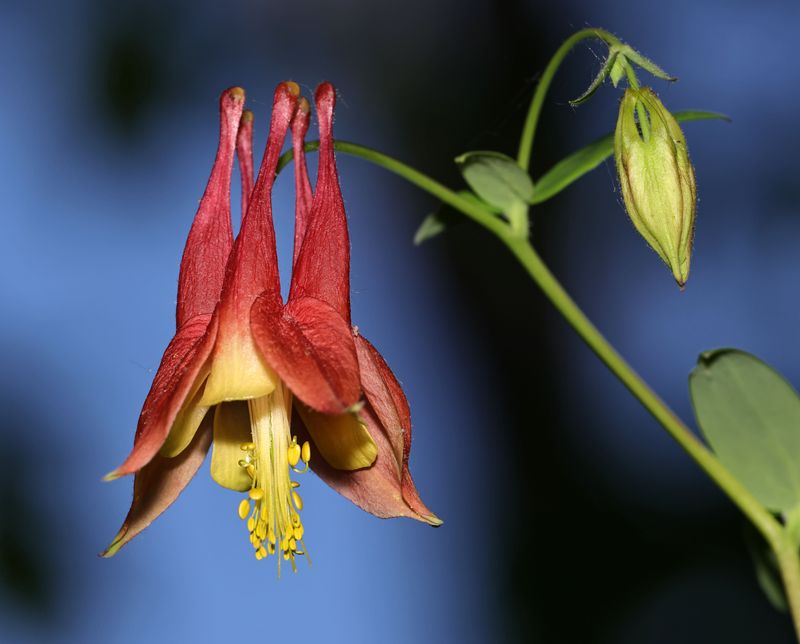
Wild columbine is the hummingbird magnet your garden has been missing. Its nodding red-and-yellow blooms dangle like tiny lanterns from slender stems in mid to late spring. The whole plant has an airy, whimsical quality that feels nothing like a typical garden filler.
Native to rocky woodland edges and open slopes across eastern North America, wild columbine adapts to a wide range of conditions.
It handles dry shade, partial sun, and even rocky, nutrient-poor soils without complaint. That flexibility makes it one of the easiest natives to establish.
Japanese beetles and other chewing pests tend to avoid wild columbine. The plant contains alkaloids that may make it less palatable to many leaf-feeding insects. Your blooms and foliage stay clean while neighboring hostas get damaged.
Columbine self-seeds freely once established, popping up in unexpected spots around the garden. Those seedlings transplant easily when young, letting you fill new areas at no extra cost. Over time, a single plant becomes a small colony.
Cut spent flower stalks after blooming to encourage a second flush of growth. The blue-green foliage remains attractive well into fall even after flowering ends. Leaving some seed heads standing feeds goldfinches during late summer.
Wild columbine pairs well with woodland phlox and wild ginger in shaded beds. The color combination of red, white, and green creates a natural, layered look. That kind of planting also confuses beetle populations by removing easy monocultures.
Among native Ohio plants to deter beetles, wild columbine stands out for its beauty and its built-in pest resistance. Plant it once and enjoy it for years.
5. Woodland Phlox
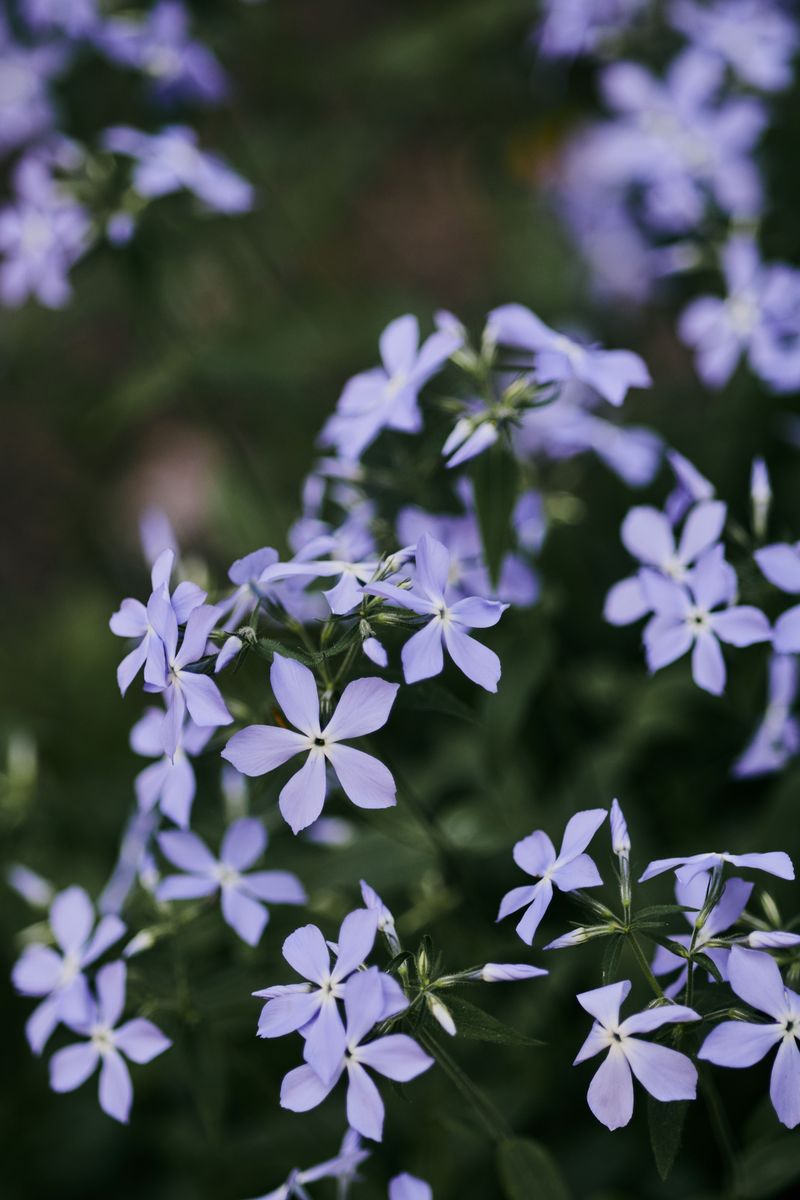
Walk past a patch of woodland phlox in April and the fragrance alone stops you cold. Clusters of lavender-blue flowers cover the plant so densely that the foliage almost disappears beneath them.
It is one of the most rewarding spring natives you can grow in a shaded bed. Woodland phlox spreads slowly by rhizomes, forming low colonies that fill space without overwhelming neighbors.
The semi-evergreen foliage stays tidy through mild winters and greens up quickly after cold snaps. It creates a reliable ground-level layer under taller shrubs and trees.
Beetles find woodland phlox far less tempting than hostas. The plant produces aromatic oils that may help repel some chewing insects.
Those same oils are exactly what makes the flowers smell so good to human noses and pollinators.
Plant woodland phlox in moist, well-drained soil with morning sun and afternoon shade. It tolerates heavier clay soils better than many native wildflowers.
Amending the planting area with compost helps it establish faster in tough conditions. After flowering ends, shear the plant back by one-third to keep it tidy and compact. New foliage flushes in quickly and stays attractive through the rest of the growing season.
Division every three to four years keeps colonies vigorous and healthy. Combine woodland phlox with wild columbine for a stunning spring display in shaded borders.
The blue and red color pairing feels bold yet natural. Pollinators including native bees and butterflies flock to both plants simultaneously.
Native Ohio plants to deter beetles do not have to sacrifice beauty. Woodland phlox proves that pest resistance and gorgeous spring color can absolutely coexist in the same garden bed.
6. Sedge
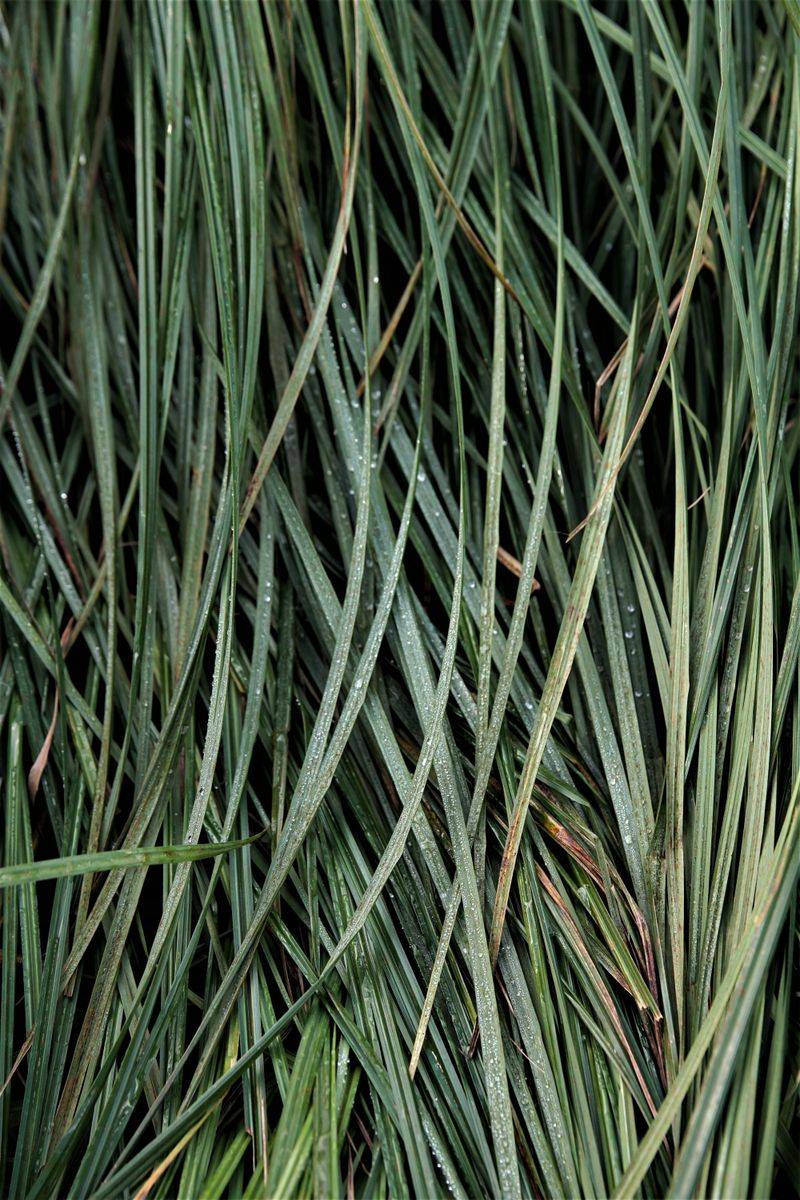
Sedge looks like ornamental grass but plays by completely different rules. Native Carex species thrive in the shaded, moist spots where true grasses struggle and give up.
If your yard has a problem corner that nothing seems to fill, sedge is probably the answer. Several Carex species are native to Ohio, including Pennsylvania sedge and plantain-leaved sedge.
Each forms graceful, arching clumps of fine-textured foliage that sway gently in the slightest breeze. The movement adds life to shaded beds that often feel static and flat.
Beetles tend to pass over sedge. The fibrous, tough leaf blades offer little soft tissue worth chewing.
Japanese beetles show little interest in Carex, making it a useful buffer plant around more vulnerable species.
Sedge tolerates a remarkable range of conditions, from wet stream banks to dry shade under dense tree canopies. That adaptability is rare among ground covers and makes it endlessly useful.
Most Carex species stay evergreen through mild winters, adding year-round structure. Plant sedge in fall or early spring for best establishment. Space plants about twelve inches apart and let them fill in naturally over the first two seasons.
Minimal watering after year one keeps them thriving without much effort from you. Mix sedge with foamflower or wild ginger for a textural contrast that feels notably lush.
The fine blades of Carex play beautifully against broad, bold leaves. That layered planting also reduces open soil where weeds love to germinate.
When building a lineup of native Ohio plants to deter beetles, sedge fills the structural role hostas once played. It does the job better, looks sharper, and never ends up covered in holes.
7. Wild Geranium
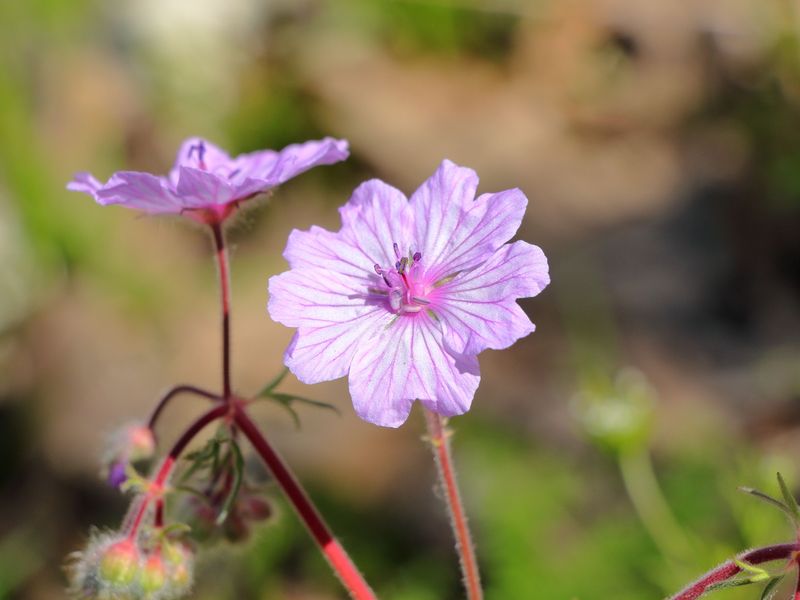
Wild geranium is the kind of plant that makes you wonder why anyone ever planted hostas in the first place.
Its rosy-purple flowers bloom for weeks in spring, and the deeply lobed leaves stay attractive well into fall. Nothing about this plant feels ordinary or forgettable.
Native across eastern North America, wild geranium grows naturally in woodland edges, meadows, and open forests.
It tolerates a range of light conditions from full shade to partial sun. That flexibility makes it one of the most versatile native plants for Ohio gardens.
Beetles tend to avoid wild geranium due to its mildly astringent foliage. The plant contains tannins that may make the leaves less appealing to many leaf-feeding insects. While hostas get eaten through, wild geranium sits nearby largely unaffected.
Wild geranium grows in clumps that slowly expand through self-seeding and rhizome spread. It fills a bed gradually without ever becoming a nuisance.
You can divide clumps every few years to share plants with neighbors or expand your planting area.
Plant it in average to moist soil with good organic content for best performance. It handles clay soils reasonably well with some amendment.
Consistent moisture during establishment speeds up the process significantly in drier spots.
Pairing wild geranium with woodland phlox creates a spring-flowering duo that pollinators absolutely love.
The two plants bloom at slightly different times, extending the seasonal display. That sequential blooming keeps the bed looking interesting from March through June.
Among native Ohio plants to deter beetles, wild geranium earns high marks for beauty, toughness, and natural pest resistance. Your shaded beds will benefit from the switch.
8. Allegheny Spurge
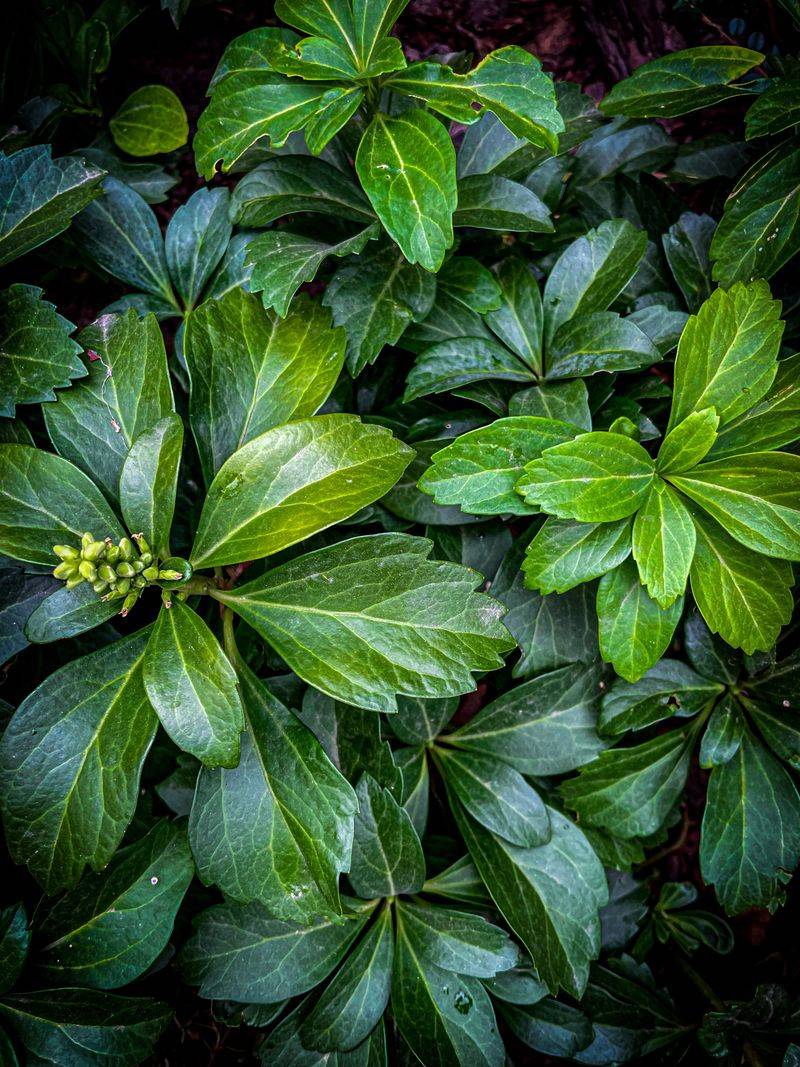
Allegheny spurge is an underused native ground cover, and it deserves far more attention than it gets.
This slow-spreading evergreen forms a tidy, low mat of glossy leaves that looks polished in shaded beds year-round. It is the kind of plant that requires relatively little upkeep to look tidy and intentional.
Native to the Appalachian region and well-suited to Ohio conditions, Allegheny spurge tolerates deep shade, dry soil, and tree root competition.
Those are exactly the conditions that defeat most other ground covers. Where hostas sulk and thin out, Allegheny spurge just keeps going.
Beetles tend to avoid this plant. The foliage contains compounds that may help deter chewing insects, making it one of the more naturally resistant ground covers available.
Gardeners who choose Allegheny spurge over hostas often notice fewer pest problems in shaded beds.
The plant blooms in early spring with small, fragrant white flower spikes that rise above the foliage.
The blooms attract early pollinators before most other garden plants have woken up. That early nectar source makes it notably valuable beyond its visual appeal.
Space plants about twelve to eighteen inches apart for ground cover use. Growth is slow at first but accelerates once the root system establishes firmly.
Patience in the first two seasons pays off with a dense, weed-suppressing mat by year three.
Combine Allegheny spurge with Christmas fern for a shade planting that looks great in every season. The contrast between glossy spurge foliage and bold fern fronds is notably striking.
Both plants resist beetles, so the combination creates a low-maintenance, pest-resistant bed.
Finishing your lineup of native Ohio plants to deter beetles with Allegheny spurge is a smart move. It anchors shaded spaces with evergreen elegance and tends to discourage beetles through the season.