The Oregon Lavender Task Gardeners Should Finish Before August Ends
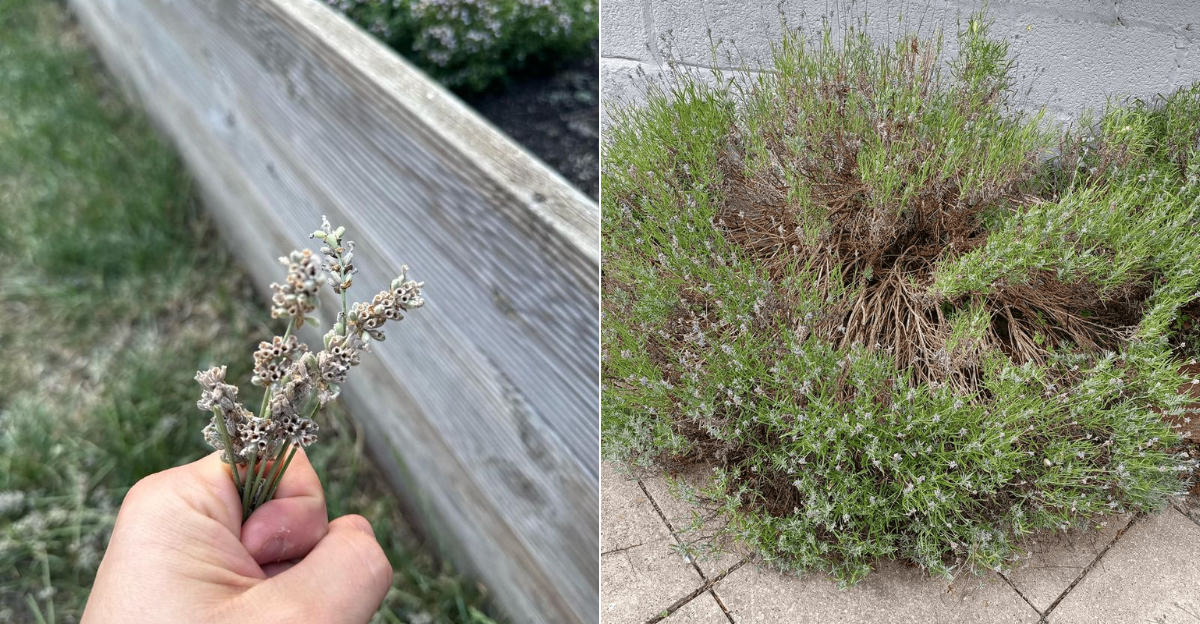
Lavender can still look lovely in late August, even as the best moment for one important task starts to slip away. The flowers may have faded, but the plant has not finished its summer work.
A timely trim can shape what happens next. Leave it too late, and fresh growth may not have enough time to firm up before cooler weather arrives.
Lavender is tough, but it does not appreciate bad timing. The job itself is simple. The real challenge is knowing how far to cut without reaching into old wood.
One careless snip can leave the plant sparse for much longer than expected.
Finish this task before August ends, and the shrub has a better chance to stay compact through fall. It may also return next season with a neater shape and a stronger display.
That is a pretty good reward for a few careful minutes with the pruners.
1. Finish This Before September
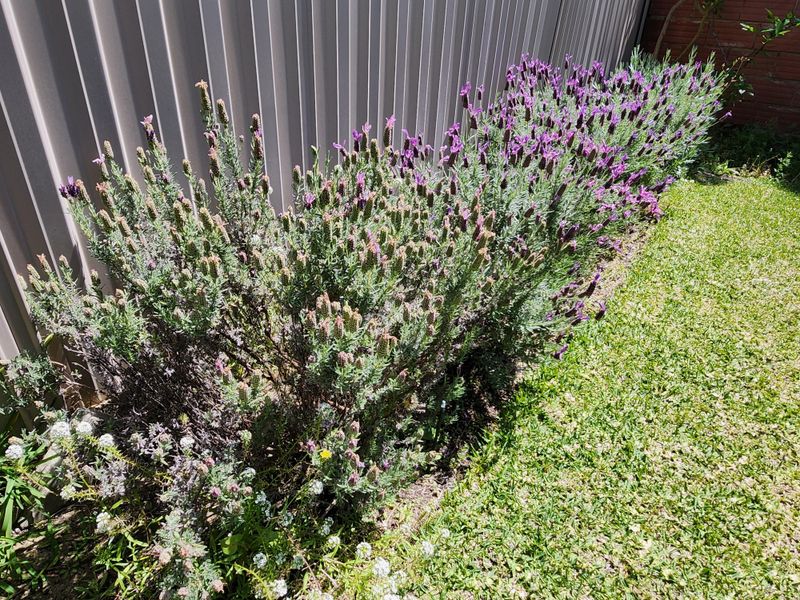
Most lavender varieties in Oregon finish blooming sometime in July or early August. Once those purple flower spikes start to fade and dry out, the clock starts ticking on your pruning window.
Waiting too long into September can cause real problems for your plants heading into fall.
When you prune right after blooming ends, you give the plant time to recover and harden off before the cold sets in. That recovery period matters a lot in our climate.
Wet Pacific Northwest winters can be tough on lavender that has not had enough time to settle after a late trim.
Think of the post-bloom trim as your plant’s summer reset. It clears away the old flower stems, tidies up the shape, and encourages the plant to put its energy into its roots and core structure instead of holding onto spent growth.
That energy shift is exactly what lavender needs before winter.
Aim to finish this task by the last week of August at the latest. Even finishing in mid-August gives your plants extra recovery time.
The earlier you act after blooming ends, the better your lavender will look and feel going into the colder months ahead.
2. Remove Spent Flower Stems Now
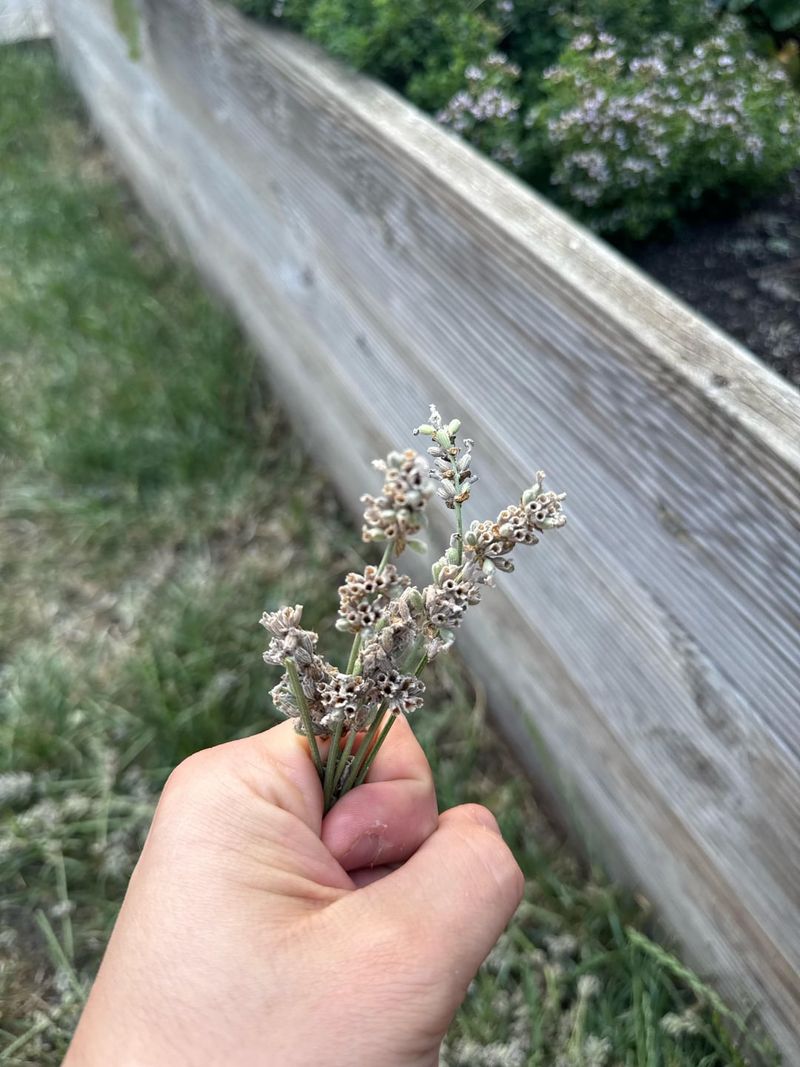
Spent flower stems are more than just an eyesore. Left on the plant too long, they can trap moisture, invite fungal issues, and make the plant work harder than it needs to.
Removing them promptly after blooming is one of the simplest ways to keep lavender healthy.
You can spot spent stems pretty easily. They are the ones where the purple color has faded to a dull gray or brown, and the tiny florets have dried up and dropped off.
Grab a pair of clean snips and cut those stems back to just above where the green leafy growth begins.
Do not just yank or pull the stems out. Lavender stems can be brittle, especially in dry summer heat, and pulling can damage the surrounding wood or uproot small root sections.
A clean cut is always the better move.
Once you remove the spent flower stems, you will notice the plant already looks tidier and more compact.
Your Oregon Garden Changes Every Week. Your Plan Should Too.
Gardening in Oregon changes quickly throughout the season. Every Friday you’ll receive a simple weekly plan showing exactly what to plant, prune, fertilize, harvest, and protect so you never miss the right timing.
That visual improvement is a good sign that the plant is ready to focus its energy downward into its roots and core.
Getting rid of spent growth now also prevents seeds from dropping and creating a mess of unwanted seedlings around the base of your established plants later on.
3. Stay Above The Woody Base
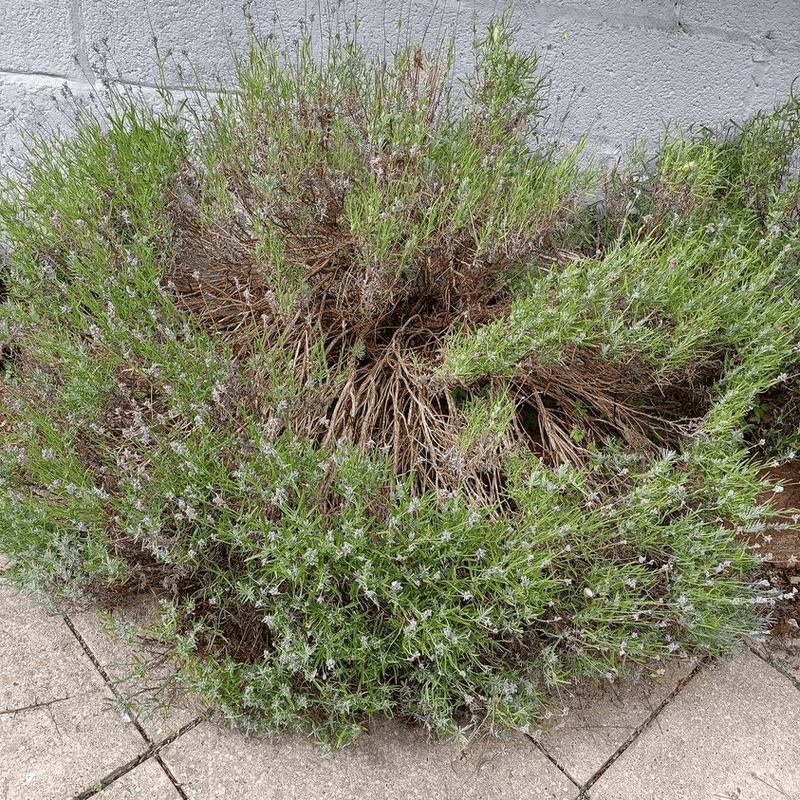
One of the most common mistakes Oregon gardeners make with lavender is cutting too far down into the woody part of the plant.
That brown, bark-like section at the base might look like damaged wood, but it is actually the structural heart of the plant.
Cutting into it can cause serious damage that the plant struggles to recover from.
Lavender does not regrow easily from old wood the way some other shrubs do. If you cut below the green growth zone and into the woody base, you risk getting a plant that simply stops producing new shoots from that area.
Over time, that leads to bare, leggy patches that no amount of watering or fertilizing can fix.
The green zone is your guide. Look for the point where soft, leafy, green growth begins along each stem.
That is exactly where your cut should land. Keep your shears above that line every single time, without exception.
A good rule of thumb is to never remove more than one-third of the plant in a single session.
This keeps the plant balanced and ensures there is always enough green growth left to support healthy regrowth.
Staying above the woody base is the single most protective habit you can develop as a lavender grower in Oregon.
4. Leave Green Growth On Every Stem
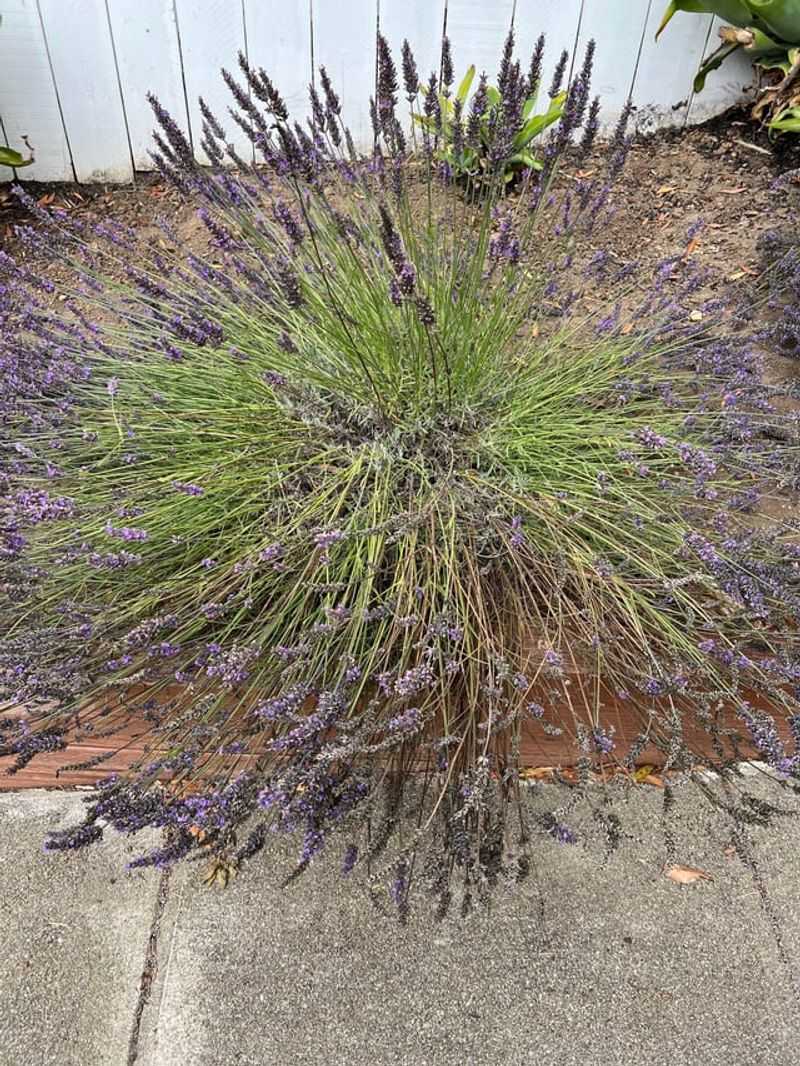
Here is something every lavender grower should tattoo on their brain: always leave green growth on every stem you cut. This is not optional advice.
It is the rule that separates gardeners who get thriving lavender from those who end up with a plant that never quite bounces back.
Green growth is where the plant stores its energy and launches new shoots. When you strip a stem of all its green and cut it back to bare wood, you are essentially removing the plant’s ability to regenerate from that point.
The stem may linger for a while, but it will not produce new growth the way a properly trimmed stem will.
Even if a stem looks mostly spent or scraggly, check for small green leaf clusters along its length before you cut. Those little clusters are growth points, and they are exactly what you want to preserve.
Trim just above them and let them do their work through fall and into spring.
Some Oregon gardeners get overly enthusiastic with their pruning shears and go too short in the name of neatness. Resist that urge.
A lavender plant that looks a little rough right after trimming but still has green on every stem is in a much better position than one that looks perfectly tidy but has nothing left to grow from.
5. Shape The Plant Lightly, Not Harshly
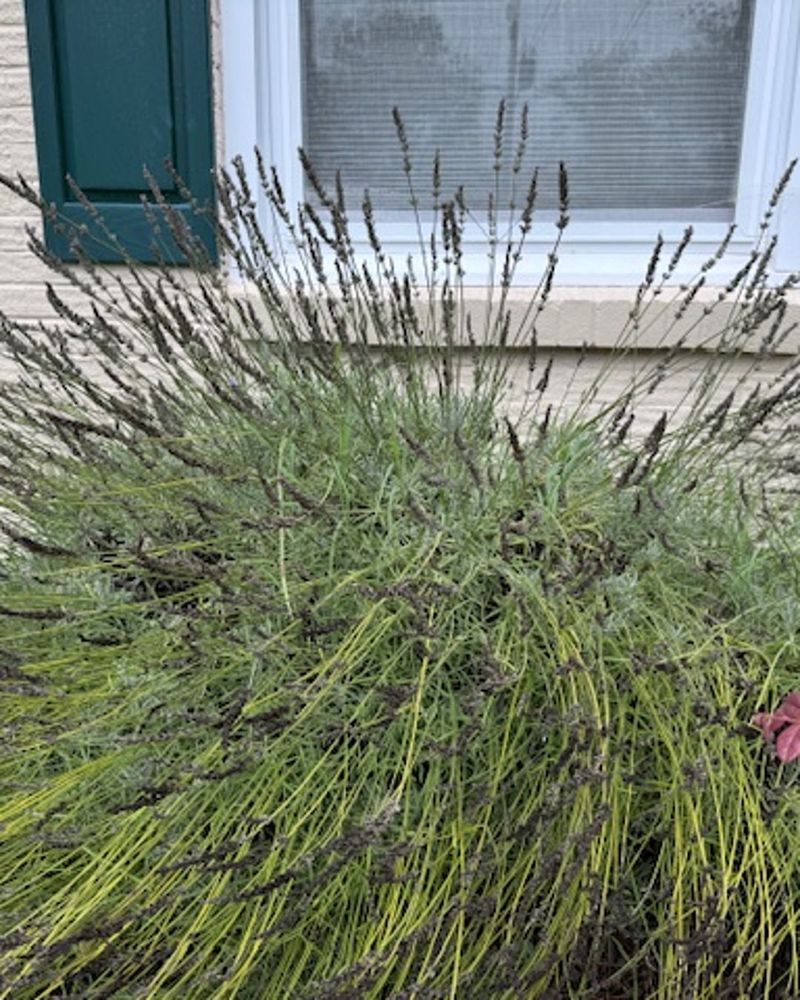
Lavender looks its best when it grows in a tidy, rounded mound shape. Achieving that shape does not require aggressive cutting.
In fact, the lighter your hand, the better the results tend to be, especially when you are trimming in late summer close to the end of the season.
Think of late-summer shaping as maintenance, not renovation. You are not trying to drastically change the plant’s size or structure right now.
You are just cleaning up the edges, removing spent growth, and encouraging the plant to keep a compact form heading into fall and winter.
Work your way around the plant evenly. Step back every few cuts to check the overall shape from a distance.
It is easy to over-trim one side without noticing until you have already gone too far. Taking a few extra seconds to look at the whole plant from different angles saves you from creating a lopsided mess.
Lavender that is shaped lightly and consistently each year tends to stay healthier and more vigorous than plants that are ignored for several seasons and then cut back hard all at once. Building a gentle shaping habit now means less corrective work later.
Your plants will hold their form better, produce more blooms, and fill out more naturally with each passing year.
6. Late Trimming Can Stress Lavender Before Winter
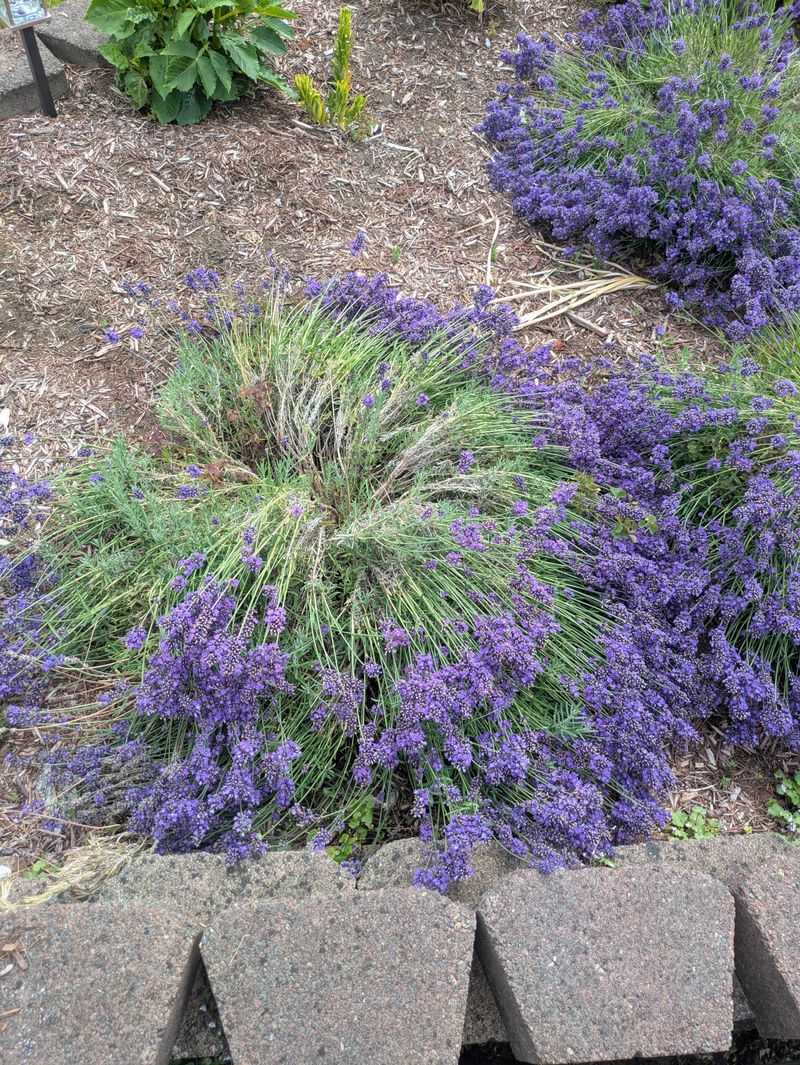
Timing matters more than most gardeners realize when it comes to lavender care. Trimming too late in the season, especially into September or October, leaves the plant in a vulnerable state when cold weather arrives.
New growth that gets triggered by a late trim does not have enough time to harden before temperatures drop.
In our region, fall can bring rain and cooler temperatures earlier than expected.
A plant with tender new growth heading into that kind of weather is much more likely to suffer through the winter than one that was trimmed on time and had weeks to settle before the cold hit.
Soft, new growth is also more susceptible to frost damage. When a late trim pushes the plant to produce fresh shoots in September, those shoots can get caught by an early frost and suffer damage that sets the whole plant back.
That kind of setback can affect next year’s bloom cycle significantly. The solution is simple: finish your trimming before the end of August.
That window gives your lavender enough warm days to stabilize, toughen up slightly, and prepare for whatever fall and winter bring our way.
Think of August as your due date, not your starting point. Getting ahead of the calendar is one of the easiest ways to protect your lavender through the colder months.
7. Skip The Hard Fall Cutback
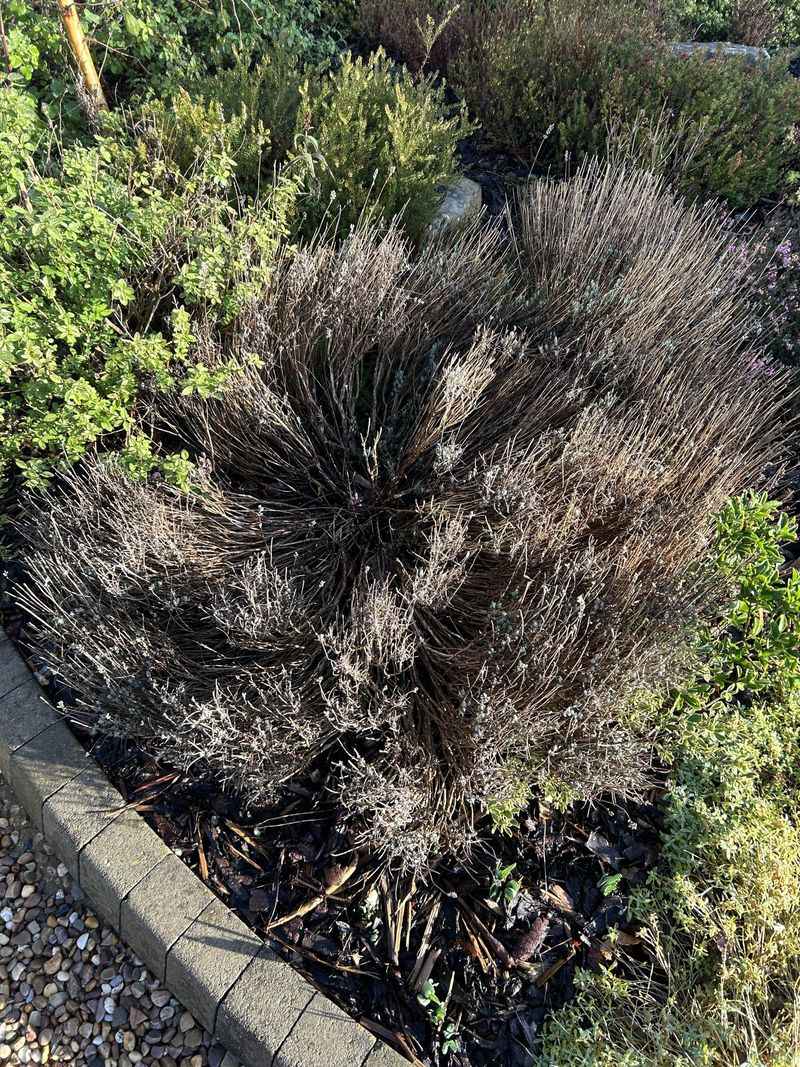
Fall cutbacks might work well for some perennials, but lavender is not one of them. Cutting lavender back hard in fall, especially in a climate like ours, is one of the fastest ways to weaken the plant before winter even begins.
Hard cutbacks remove the protective green growth the plant needs to buffer against cold and wet conditions.
Some gardeners assume that cutting plants back hard in fall gives them a fresh start in spring. With lavender, the opposite is often true.
A plant that was trimmed too aggressively in fall may come out of winter looking sparse, struggling to push new growth, or with significant sections that simply stopped producing.
The best approach is to save any major reshaping for early spring, right as new growth begins to emerge.
At that point, the plant is waking up and has the energy and warmth it needs to recover from more significant trimming. Late August is for maintenance, not transformation.
If your lavender is very overgrown and you feel like it needs a serious reset, do that work gradually over two or three seasons rather than all at once. Each year, take a little more off until the plant is back to a manageable size and shape.
Patience pays off with lavender, and skipping the hard fall cutback is one of the smartest habits you can build as a grower.
8. Clean Snips Keep Stems From Tearing
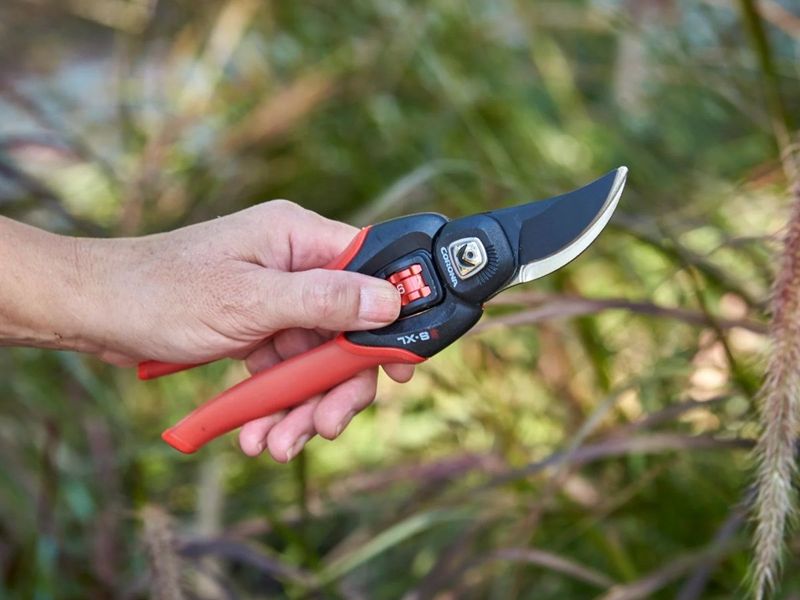
Sharp, clean tools are not just a nice-to-have when working with lavender. They are genuinely important.
Dull blades crush and tear stems instead of cutting them cleanly, and that damage creates ragged edges where moisture and pathogens can enter more easily. A clean cut heals faster and more completely.
Before you start trimming, take a minute to wipe your pruning shears with rubbing alcohol or a diluted bleach solution. This simple step removes any bacteria or fungal spores that might have hitchhiked from another plant.
Lavender is fairly resilient, but there is no reason to introduce unnecessary risk when a quick wipe takes seconds.
Bypass pruners are the best tool for lavender trimming. They work like scissors, with two blades passing each other to make a clean slice.
Avoid anvil-style pruners, which press one blade down onto a flat surface and tend to crush softer stems rather than cut them neatly.
After each use, clean and dry your tools before storing them. A little oil on the blades keeps them from rusting and helps them glide smoothly through stems next time.
Good tools last for years when they are cared for properly.
Treating your pruning shears well is just as much a part of good lavender care as any of the trimming techniques themselves. Sharp tools, clean cuts, and healthy plants all go together.