Who Is Responsible When A Neighbors Invasive Weeds Crowd Out Your Oregon Garden?
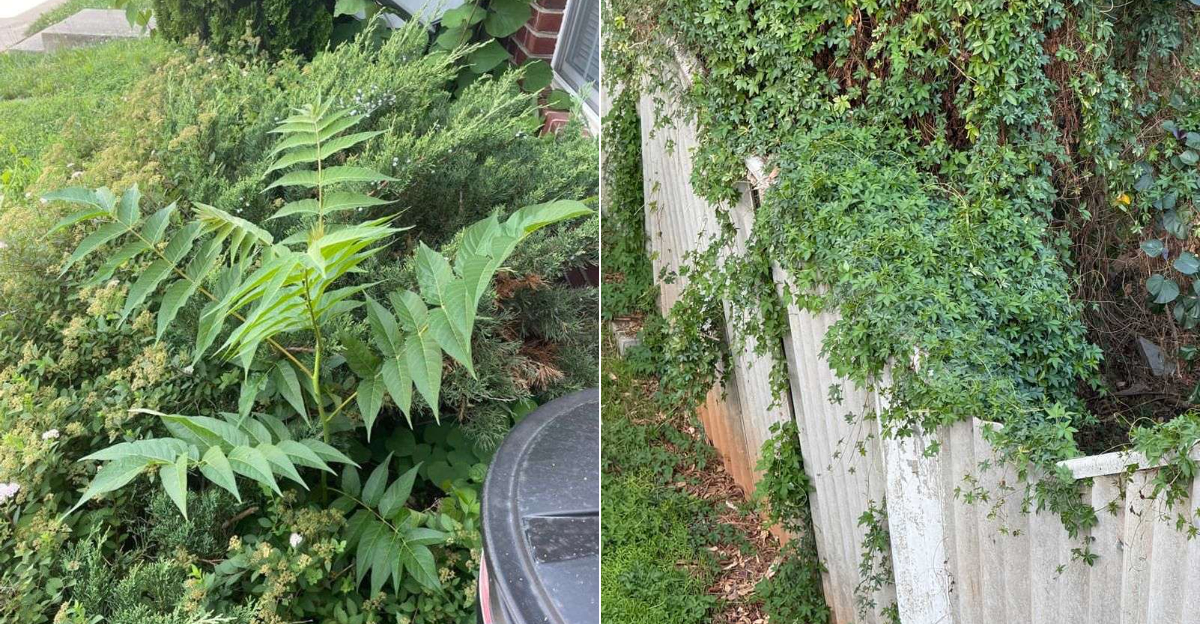
Invasive weeds do not stop at the fence just because the property line says they should. A few stray shoots can creep into a garden bed and start a quiet takeover before either neighbor realizes how far the problem has spread.
That can leave one homeowner with damaged plants and a very awkward question. Who has to fix it?
Oregon property disputes often become tense once roots or seeds cross into another yard. The answer may depend on where the weeds began and what each neighbor knew about the problem.
A quick trim may seem like the easiest solution, but it does not always settle responsibility. It can also create a fresh argument if someone damages plants on the other side.
No one wants a weed patch to spark a neighborhood feud. Still, clear boundaries matter when one yard starts to affect another.
The next move deserves more thought than a frustrated grab for the shovel.
1. Start With Where The Weeds Are Rooted
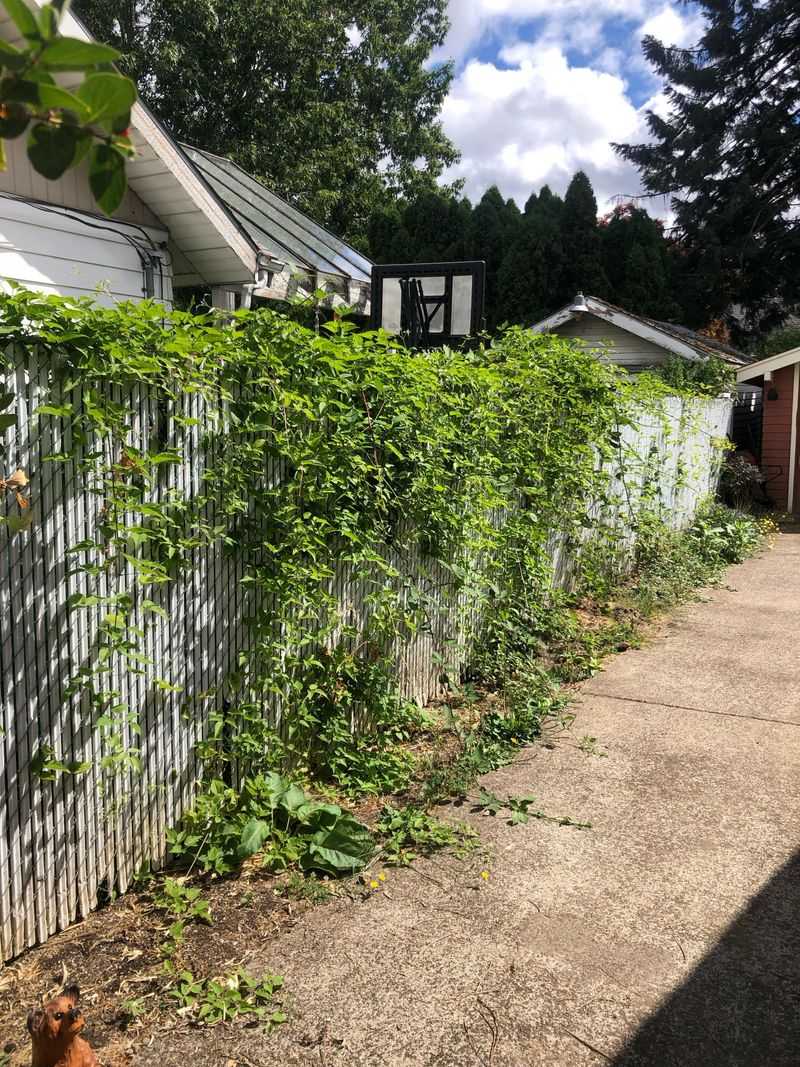
Roots tell the real story. Before you talk to your neighbor or call anyone, figure out exactly where the weeds are coming from.
The origin point matters a lot when it comes to who is responsible for dealing with them.
Walk the edge of your property carefully. Look at where the plants are thickest and where the main root system seems to start.
If the bulk of the growth is clearly on your neighbor’s side, that is important information to have on record.
In most cases, the person who owns the land where the plant is rooted is considered the primary responsible party. This is a general legal principle that applies in many property disputes across the country.
It does not mean your neighbor will automatically be forced to act, but it does give you a starting point for any conversation or complaint.
Sometimes roots travel far underground before the plant pops up in your yard. Japanese knotweed, for example, can send roots many feet in every direction.
Even if you only see the plant in your garden, the root origin could be entirely on your neighbor’s property.
Knowing the root source also helps you explain the problem clearly to a county weed official or an attorney if it ever comes to that. Start here before anything else.
It makes every next step easier and more effective.
2. Crossing The Property Line Changes Things
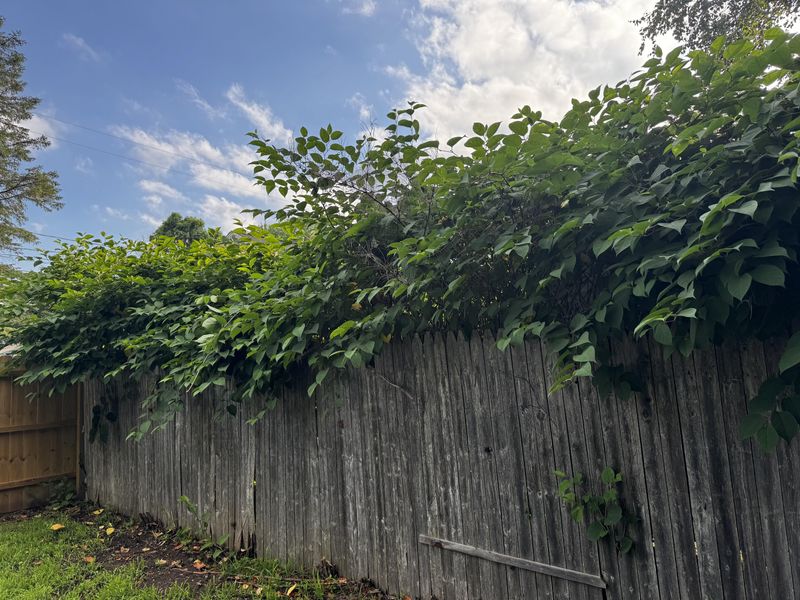
Once a plant crosses onto your property, the situation shifts. You are no longer just watching someone else’s weed problem.
You now have an active invasion happening on land you own and maintain.
Legally, when invasive plants spread from a neighbor’s yard into yours, you generally have the right to address the portion that is on your side. Courts and local agencies tend to look at where the plant is actively growing when deciding what actions are reasonable.
The crossing of a property line is often the moment things become a shared issue.
That said, simply having weeds cross the line does not automatically mean your neighbor owes you money or must drop everything to fix it. Responsibility depends on several factors.
Your Oregon Garden Changes Every Week. Your Plan Should Too.
Gardening in Oregon changes quickly throughout the season. Every Friday you’ll receive a simple weekly plan showing exactly what to plant, prune, fertilize, harvest, and protect so you never miss the right timing.
Did your neighbor plant the invasive species on purpose? Have they been ignoring it for years despite knowing it spreads?
Those details matter in any formal dispute.
A friendly conversation is still usually the best first move. Many neighbors genuinely do not realize how far their plants have traveled.
Showing them the spread in a calm, non-confrontational way often gets results faster than any legal process.
If the conversation does not go well, having documented proof that the plant crossed your property line is extremely useful. Take photos before you do anything else.
The more clearly you can show the direction of spread, the better your position becomes in any future discussion or complaint.
3. You Can Usually Clear Your Side
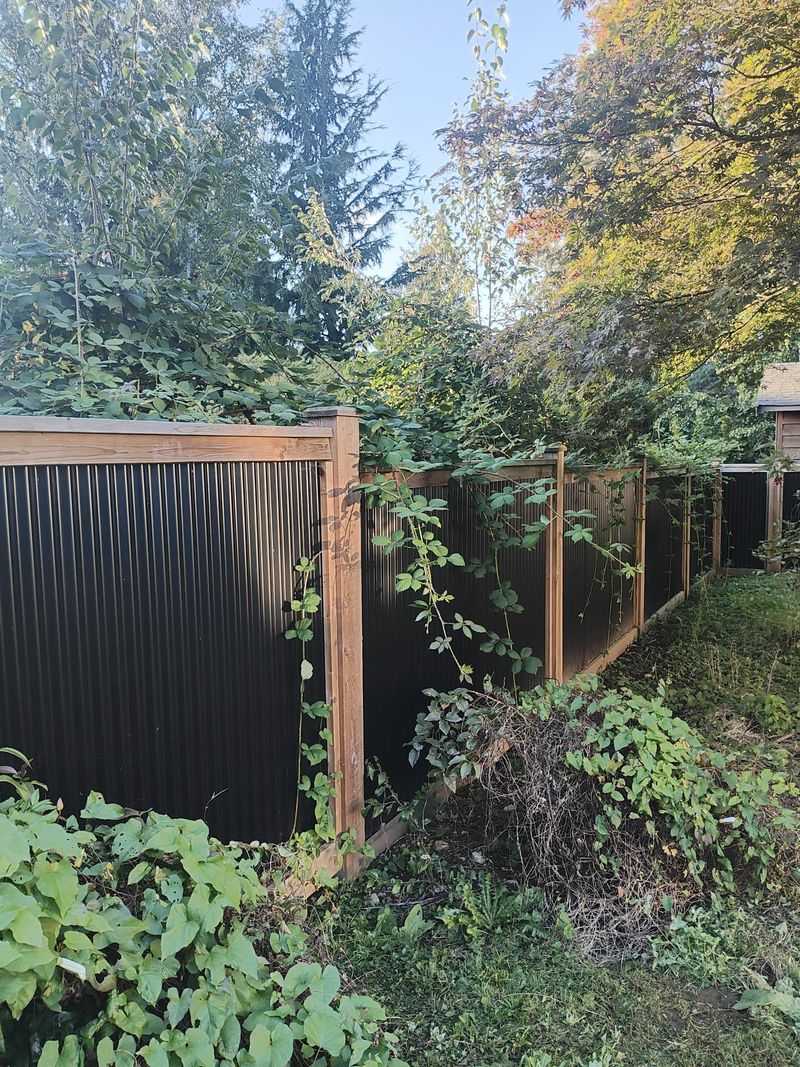
Good news: you do not have to wait for your neighbor to act before protecting your own garden. In most situations, you have every right to remove invasive plants that are growing on your property.
You do not need permission to work on your own land.
Pulling, cutting, or digging out weeds that are rooted in your yard is generally considered a normal part of property maintenance.
This applies even when those weeds originated from a neighboring lot. The key rule is simple: stay on your side of the line.
For tough invasive species like English ivy, Himalayan blackberry, or Japanese knotweed, removal can take real effort. These plants are stubborn.
Cutting them back without getting the roots often just delays regrowth by a few weeks. If possible, try to remove as much of the root system as you can reach from your side.
Some homeowners choose to install a root barrier along the property edge. These are physical barriers placed underground that block roots from crossing into your garden beds.
They work especially well for spreading grasses and knotweed. Garden centers in Oregon carry several options.
Keep a record of your removal efforts. Note the dates, take photos before and after, and save any receipts for tools or materials you buy.
If the problem keeps coming back because of your neighbor’s inaction, that paper trail becomes valuable evidence if you ever need to escalate the situation.
4. Do Not Trespass To Pull Their Weeds
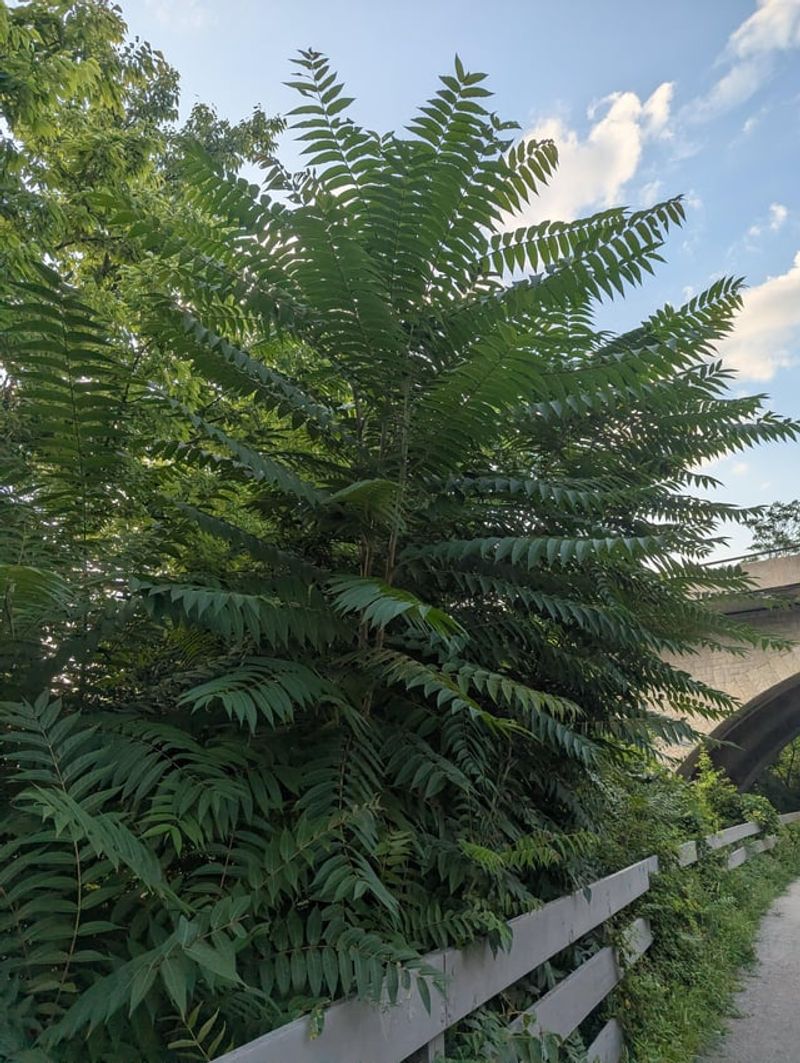
Frustration can push people to act fast. When you watch invasive weeds creep closer to your prized rose bushes or vegetable beds, the urge to just go next door and rip everything out is real.
But crossing onto your neighbor’s property without permission is trespassing, and it can backfire badly.
Even if your neighbor’s yard is the source of the problem, you do not have the legal right to enter their property and remove plants without their consent.
Doing so could expose you to liability and actually weaken your position in any future dispute. It shifts the focus from their weed problem to your trespassing.
There is also a practical concern. If you damage any of their plants or property while removing weeds, even unintentionally, they could hold you responsible.
What started as a weed complaint could turn into a property damage argument going the other way.
The right move is to communicate first. Send a written note or letter describing the problem.
Written communication creates a record and gives your neighbor a fair chance to respond. Many disputes are resolved at this stage without any need for outside help.
If they refuse to act and the weeds keep spreading, your next step is to contact a local authority, not to grab a shovel and head next door.
Staying on the right side of the property line keeps you legally protected and makes any formal complaint you file far more credible and effective.
5. Invasive Does Not Automatically Mean Illegal
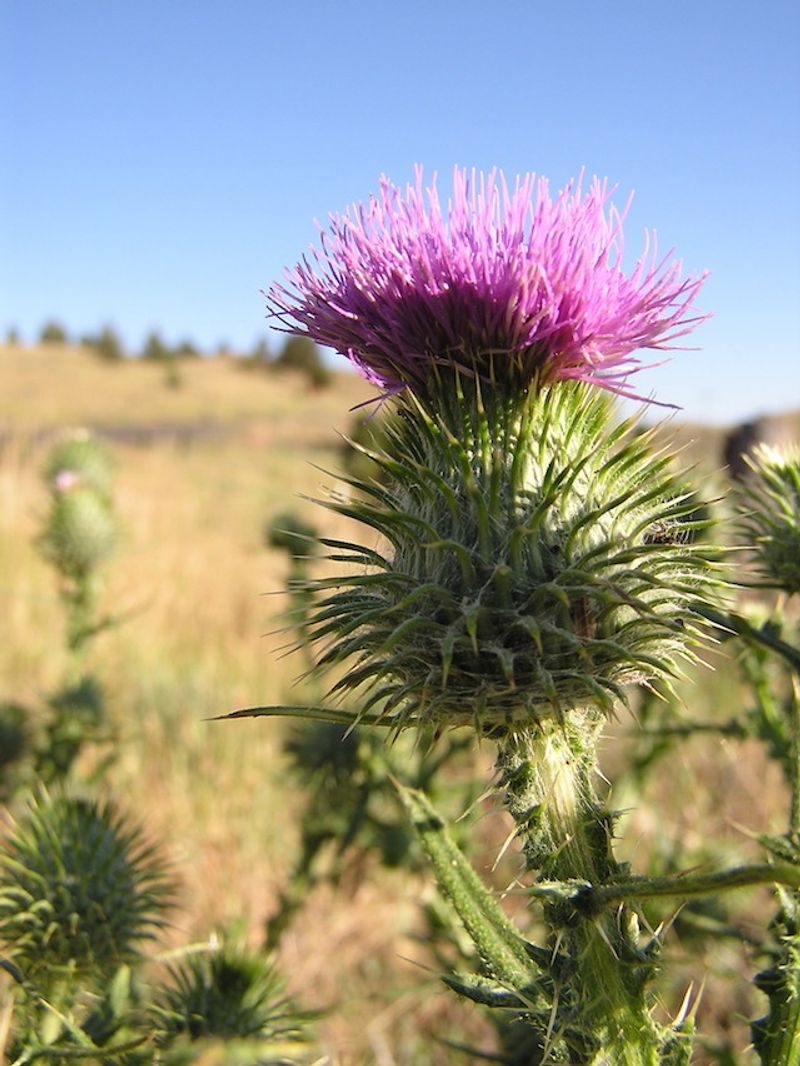
Here is something a lot of people do not realize: just because a plant is invasive does not mean your neighbor is breaking any law by having it on their property. Invasive and illegal are two very different things in the eyes of the law.
A plant is considered invasive when it spreads aggressively and crowds out native or desirable plants. But that label alone does not come with automatic legal penalties.
The legal status of a plant depends on whether it appears on an official noxious weed list and what your local county or state rules say about it.
Oregon does maintain a noxious weed list through the Oregon Department of Agriculture. Plants on that list may be subject to control requirements.
Some are classified as Class A or Class B weeds, which carry specific obligations for landowners. But not every invasive plant makes that list.
Common backyard invaders like English ivy and Himalayan blackberry are widely considered problematic, but their legal status can vary by county. Some areas have stricter rules than others.
Checking your specific county’s weed regulations is always worth doing before assuming your neighbor is in violation.
Understanding this distinction helps you approach the situation more accurately. If the weed in question is on a noxious weed list, you have a stronger case for asking your neighbor to act.
If it is not listed, your options may be more limited, though local nuisance ordinances can still apply in certain situations.
6. Damage Makes The Claim Stronger
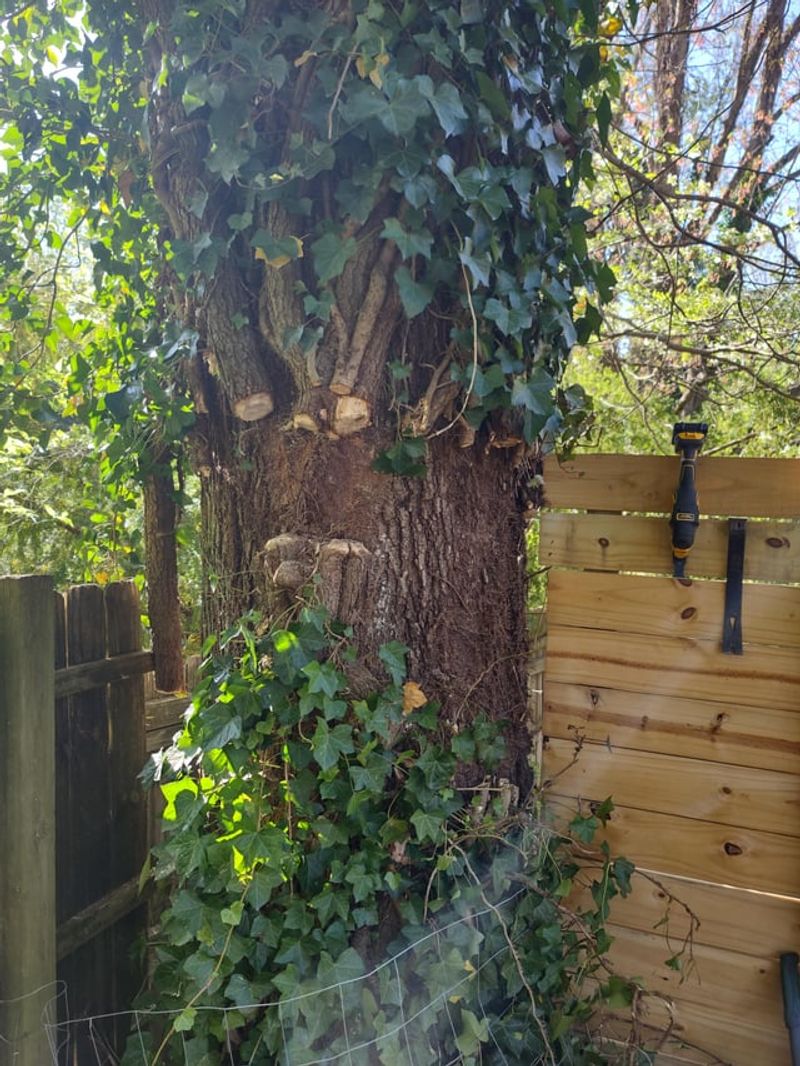
Proving that weeds crossed the property line is one thing. Proving that they caused real, measurable damage to your garden is what gives a legal or formal complaint real weight.
Damage is the factor that turns a nuisance into a legitimate claim.
If invasive plants have smothered your vegetable beds, destroyed ornamental plantings, or caused you to spend significant money on removal and replanting, those losses matter.
Courts and county officials take documented damage much more seriously than a general complaint about weeds looking messy.
Start by calculating what you have lost. Did you have to replace plants?
Did you hire someone to remove the invasive growth? Did you lose a full season of vegetables or flowers you were counting on?
Write it all down with as much detail as possible. Include costs wherever you can.
Photos are your best friend here. Take wide shots to show the overall spread and close-up shots to show specific plants that were affected.
Before-and-after images are especially powerful. If you have old photos of your healthy garden, save them as comparison evidence.
Oregon small claims court allows residents to seek compensation for property damage without hiring an attorney.
If your documented losses are under the filing limit, this can be a straightforward and affordable way to pursue the matter.
Having clear evidence of actual damage, not just the presence of weeds, is what makes that kind of claim worth filing in the first place.
7. Local Nuisance Rules May Apply
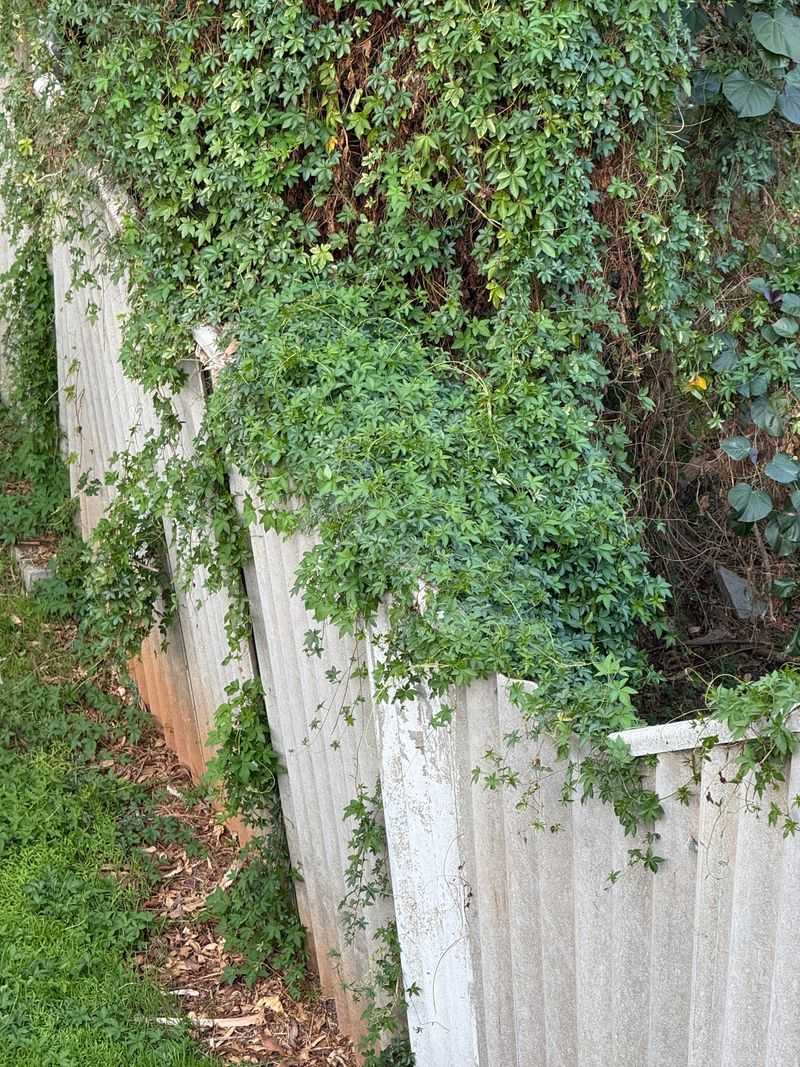
Many cities and counties across Oregon have local ordinances that address overgrown vegetation and nuisance properties.
These rules exist separately from Oregon noxious weed laws and can sometimes give you another avenue for getting help.
Nuisance ordinances typically require property owners to keep their land reasonably maintained.
If your neighbor’s yard has become so overgrown that it is affecting surrounding properties, that situation may qualify as a violation of local code.
Cities like Portland, Eugene, and Salem all have property maintenance standards on the books.
To find out what applies in your area, start with your city or county’s code enforcement office.
A quick phone call or website search can tell you whether invasive plant overgrowth falls under any current local rules.
Some areas have very specific requirements about vegetation height and spread near property lines.
Filing a nuisance complaint is generally free and does not require an attorney. You describe the problem, provide any evidence you have, and a code enforcement officer may visit the property to assess the situation.
If a violation is confirmed, your neighbor can receive an official notice requiring them to address the issue.
Keep in mind that nuisance rules vary a lot from one jurisdiction to another. What qualifies in one city may not apply in the next town over.
Doing your homework on local rules before filing gives you a much clearer picture of what to expect and how strong your complaint actually is.
8. County Weed Officials May Help
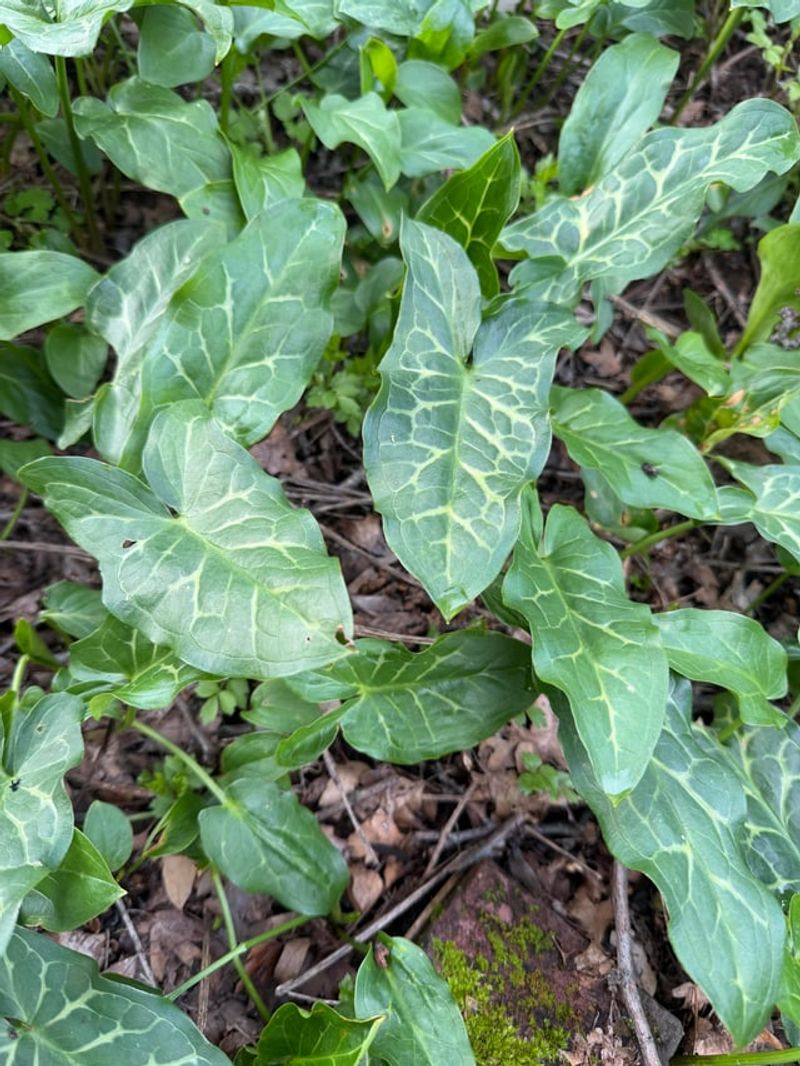
Not many people know this, but every county in Oregon has a weed control program or weed board.
These offices exist specifically to help manage noxious and invasive plants at the local level. Reaching out to them can be one of the most effective moves you make.
County weed officials have the authority to inspect properties, identify regulated noxious weeds, and in some cases issue notices to landowners who are not controlling listed species.
They are familiar with local plant problems and know exactly which regulations apply in your area.
Contacting your county weed board is usually free. You can call or email them, explain the situation, and ask whether the plant causing you trouble is on the county’s noxious weed list.
If it is, they may be able to send someone out to assess the situation directly.
In some counties, officials can require landowners to manage noxious weeds on their property.
If your neighbor is harboring a Class A or Class B noxious weed and doing nothing about it, the county may have the authority to step in and compel action.
That kind of official pressure can be far more effective than anything you could say on your own.
Even if the weed is not on the county list, weed board staff can often point you toward other resources or agencies that might be able to help.
They are a genuinely useful and underused resource for exactly the kind of situation you are dealing with right now.
9. Photos Can Prove The Spread
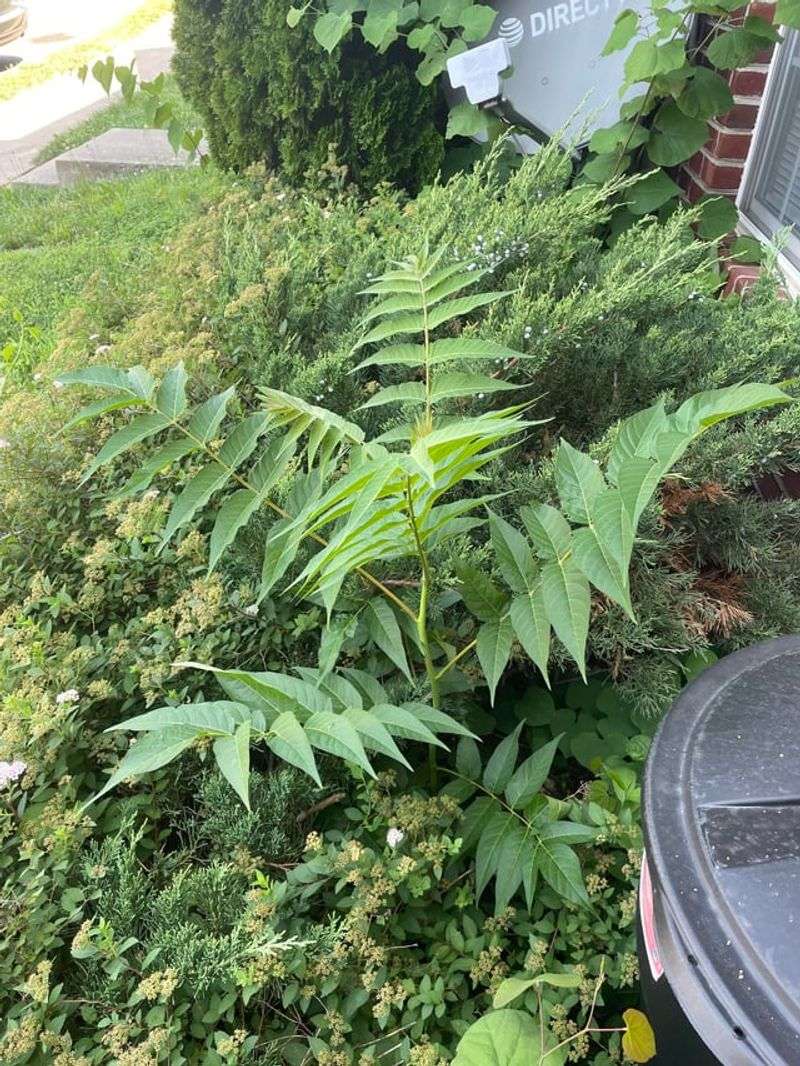
A picture really is worth a thousand words when it comes to property disputes. Photos taken consistently over time can show exactly how fast an invasive plant is spreading and where it is coming from.
That kind of visual evidence is hard to argue against.
Start documenting as soon as you notice the problem. Take wide-angle shots that show the full scope of the invasion and close-up shots that clearly identify the plant species.
Make sure to capture the property line in the frame when possible so the direction of spread is obvious.
Timestamps matter. Most smartphones automatically record the date and time a photo was taken.
Do not edit or filter your photos, as that can strip out that data. Keep the originals saved in a secure location, like a cloud backup, so they cannot be lost or disputed later.
Monthly photos are ideal. Even if nothing seems to be changing quickly, a series of dated images taken from the same spot can clearly show growth over time.
That kind of consistent documentation is exactly what code enforcement officers, county weed officials, and judges in small claims court find most persuasive.
Video walkthroughs of your property can also be helpful. A short recording where you narrate what you are seeing, point out where the plants are coming from, and show the damage to your garden adds another layer of evidence.
Combine your photos and videos in a simple folder organized by date, and you will be well prepared for any formal process you choose to pursue.