The Tomato Pruning Mistake That Reduces Your Harvest
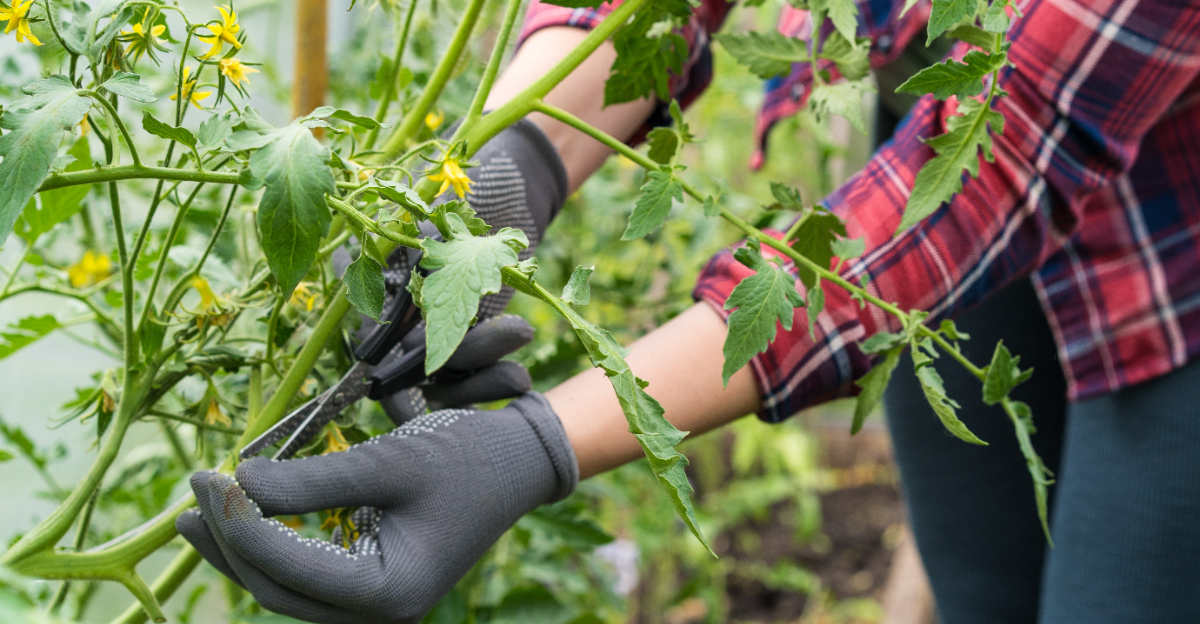
Most gardeners grab their shears with total confidence, sure they know exactly where to cut. A tomato plant looks harmless enough, just another thing waiting to be shaped.
But one habit, repeated season after season, quietly wipes out half the harvest before a single fruit forms. Nobody notices until the branches sit empty where tomatoes should have been.
The difference between a smart cut and a costly one isn’t about instinct or muscle memory. It comes down to something most people skip before they ever touch the plant.
Before you reach for those shears this season, it’s worth knowing what actually decides how you should prune. That one detail changes everything that follows.
Determinate Tomatoes Aren’t Built Like Indeterminate Ones
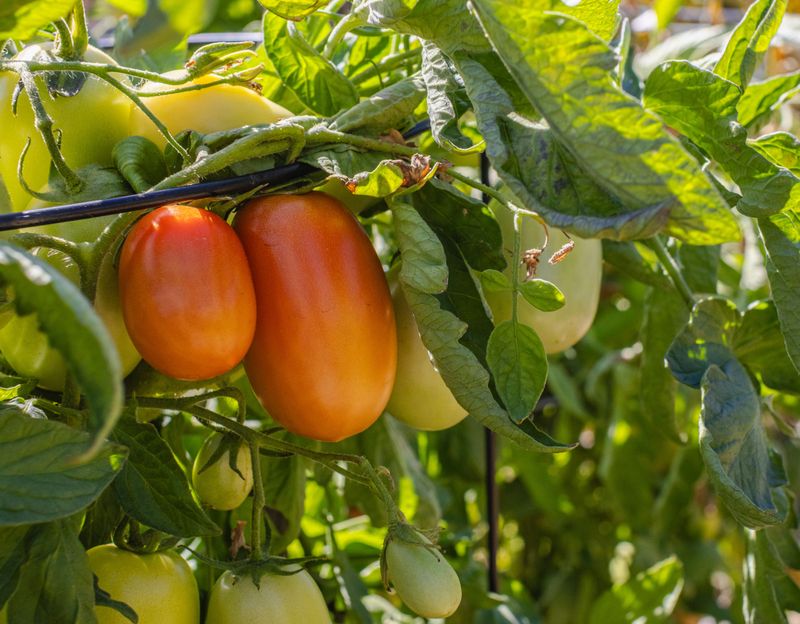
Compact and stubborn, determinate tomatoes grow by their own rules. They hit a set height, stop growing taller, and pour all their energy into one big fruit flush.
Pruning a determinate plant is like cutting the punchline out of a joke. You remove the very growth that holds all the fruit.
Determinate varieties form fruit buds at the tips of most branches. Snip those tips and you have just removed the most productive parts of the plant.
Many home gardeners do not realize their Roma or Rutgers tomato is determinate. The tag gets tossed, the name gets forgotten, and the shears come out anyway.
These plants are genetically programmed to stop growing on their own. Pruning will not make them bushier or more productive.
Think of a determinate plant like a short story. It has a beginning, a middle, and a very clear ending you should not mess with.
Skipping pruning on these varieties is not laziness. It is actually the smartest move you can make in your garden this season.
The tomato pruning mistake that reduces your harvest often starts right here. One misidentified plant, one confident snip, and your yield drops fast.
Let the determinate plant do what it was bred to do. Step back, water it well, and watch the fruit set without any interference from your shears.
Those Side Shoots Are Where The Fruit Actually Forms
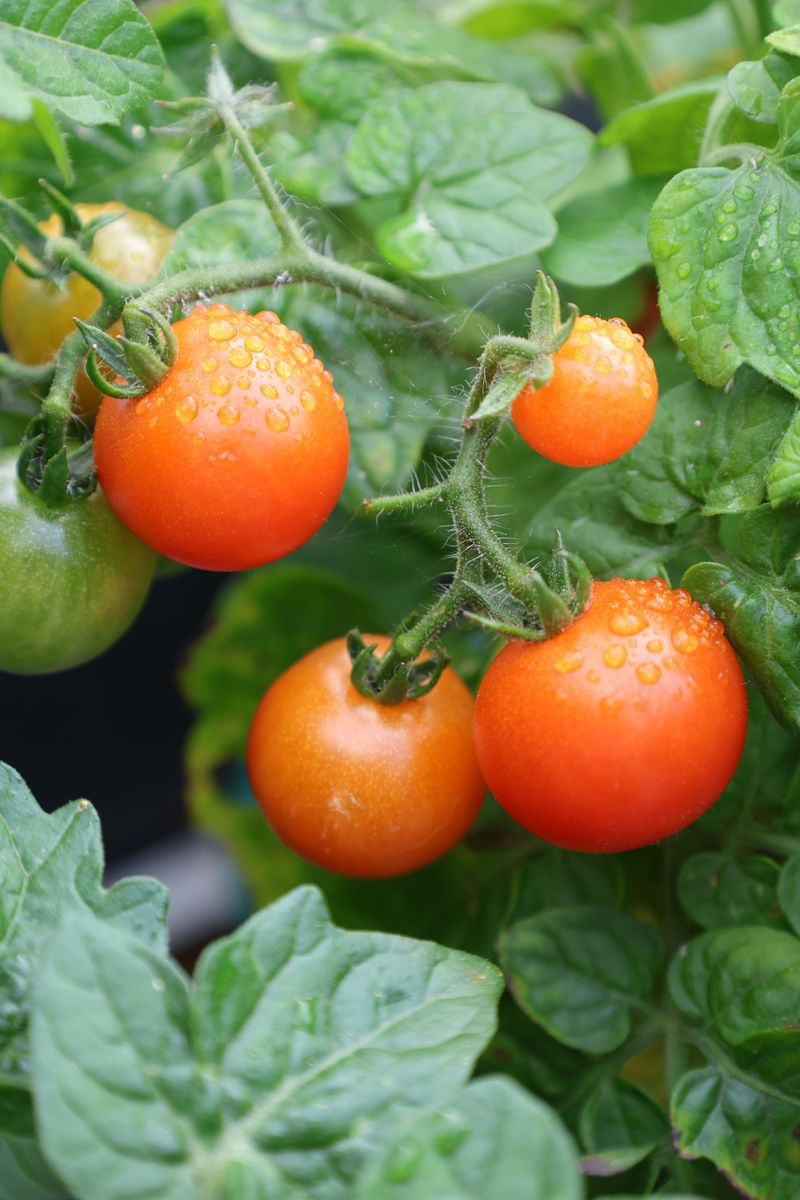
Side shoots get a bad reputation in the gardening world. Many tutorials call them useless, weedy, or energy-wasting growth that should be removed immediately.
On determinate tomatoes, that advice is flat-out wrong. Those side shoots are loaded with flower clusters just waiting to become fruit.
Most side shoots on a determinate variety carry their own set of blooms. Remove the shoot and you remove the bloom and you remove the tomato.
Picture a family tree where every branch leads to treasure. Cutting a branch does not just remove one thing; it removes everything below it too.
Gardeners who follow generic pruning guides often apply indeterminate advice to all tomato types. That one-size-fits-all approach quietly destroys potential harvests every single year.
Side shoots on determinate plants function differently than suckers on indeterminate ones. They are structural branches the plant needs to complete its fruiting cycle.
Even experienced gardeners confuse the two. A little extra research before pruning season saves a lot of frustration come harvest time.
Watch where your plant is forming its earliest flower buds. If buds appear on side branches rather than just the main stem, leave those branches alone.
Your tomato plant is giving you clear signals if you slow down and look. Respecting those signals is the fastest path to a fuller, heavier harvest this year.
Removing Suckers Can Cut Yield By Half

A few careless cuts can cost you a big share of your harvest. That is the real cost of over-pruning a plant that was never meant to be pruned at all.
Suckers on indeterminate tomatoes are worth removing to control size. On determinate varieties, those same shoots are future tomatoes hiding in plain sight.
Removing suckers from determinate tomatoes can significantly reduce fruit set and overall yield. That is a real setback, not a minor one.
The mistake feels productive in the moment. You are out in the garden, making decisions, tidying things up, feeling like a skilled grower.
But the plant does not care how confident you feel. It only responds to what you leave behind or what you take away.
Suckers on a determinate plant grow quickly and set fruit fast. Removing them early in the season means fewer branches, fewer blooms, and far fewer tomatoes on your table.
Some gardeners notice the problem when harvest time arrives and the plant looks thin. By then, there is nothing left to do but learn from it.
Catching the mistake before it happens is the whole game. Label your plants clearly when you transplant them each spring so you always know what you are working with.
A half-empty harvest bowl is a powerful teacher. The tomato pruning mistake that reduces your harvest is almost always avoidable with just a little upfront knowledge.
Reading The Plant Label Prevents The Mix-Up
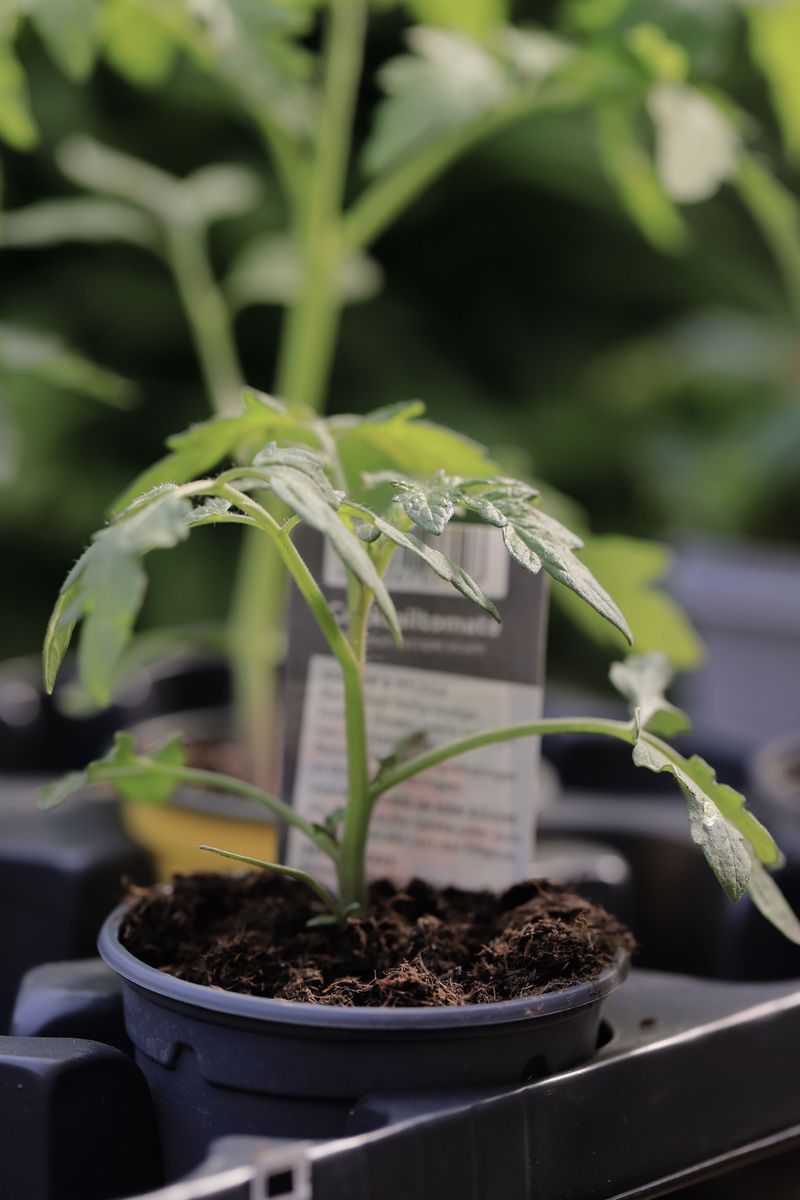
That little plastic tag stuck in the pot at the nursery holds more value than most gardeners realize. It tells you exactly how to treat the plant all season long.
Determinate and indeterminate are the two key words to look for. One means hands-off, the other means pruning is welcome.
Most nursery tags include the growth habit right below the variety name. Roma says determinate. Sungold says indeterminate. The information is right there waiting to be read.
The problem is that tags get pulled out and tossed before the plant goes in the ground. Five minutes later, nobody remembers what type it was.
A simple solution is to take a photo of the tag with your phone before planting. That photo lives in your camera roll all season and takes zero extra effort to access.
Another option is to write the variety name on a weatherproof stake and place it beside each plant. Garden centers sell them cheaply, and they hold up through rain and heat.
Knowing your variety also helps with spacing, staking, and watering decisions. The label is not just about pruning; it is a full care guide in miniature form.
Gardeners who skip this step often spend the whole season guessing. Guessing leads to mistakes, and mistakes lead to the exact harvest loss we are trying to avoid.
Read the label, save the information, and make your pruning decisions from a place of knowledge. That one habit changes everything about how your garden performs.
Indeterminate Varieties Are The Ones That Actually Benefit From Pruning

Not all tomatoes hate the shears. Indeterminate varieties grow continuously and actually produce better fruit when pruned with intention and care.
These plants keep climbing all season long. Without pruning, they become tangled, leafy jungles that trap moisture and block sunlight from reaching the fruit below.
Removing suckers on indeterminate plants redirects energy toward fewer, larger, and more flavorful tomatoes. It is a genuine trade-off that experienced growers use deliberately.
Beefsteak, Cherokee Purple, and most cherry tomato varieties fall into the indeterminate category. These are the plants that reward a careful pruning routine.
The key word is careful. Even on indeterminate varieties, removing too much growth too fast stresses the plant and slows fruit development significantly.
A good rule of thumb is to remove suckers when they are small, no bigger than your pinky finger. Small suckers snap off cleanly and the wound heals fast.
Larger suckers should be cut with clean, sharp pruners to avoid tearing the stem. A torn stem is an open invitation for disease to enter the plant.
Pruning indeterminate tomatoes also improves air circulation around the lower leaves. Better airflow means less fungal disease, which is one of the top reasons tomato plants struggle mid-season.
So yes, pruning has a real place in the tomato garden. You just have to know which plant is on the receiving end of your shears before you start cutting.
A Quick Check Before You Reach For The Shears
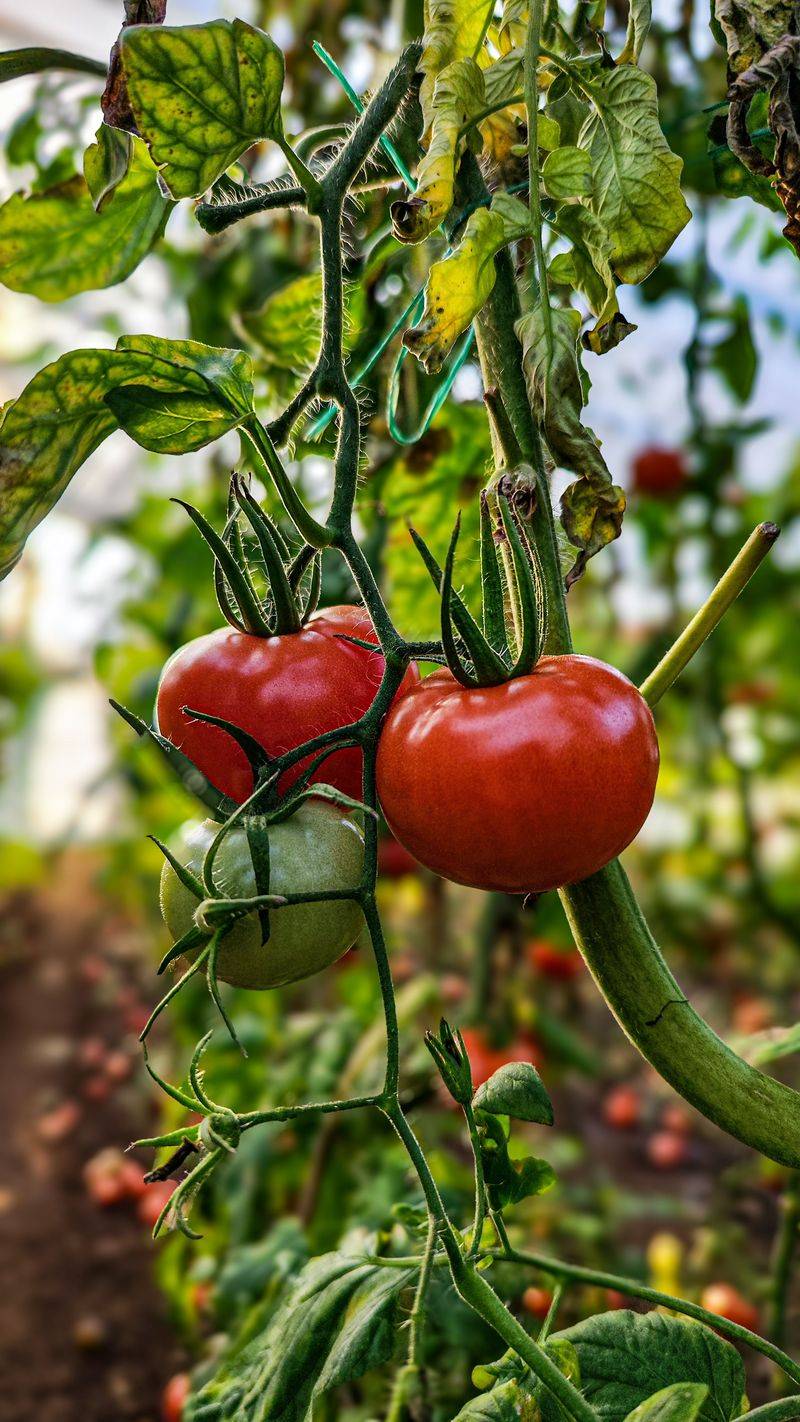
Before you cut a single stem this season, take sixty seconds and confirm what type of tomato you are growing. That one pause could protect your entire harvest.
Check the label, look up the variety online, or ask at your local nursery. Three options, all of them fast, all of them free.
If you already tossed the tag, search the variety name you wrote on your planting calendar. Most gardeners jot it down somewhere even if they forget about it later.
A quick online search for your tomato variety will tell you within seconds whether it is determinate or indeterminate. Type the name plus the word tomato and the answer appears immediately.
Once you confirm the type, your pruning plan becomes simple. Indeterminate gets careful suckering; determinate gets left alone to do its thing.
Keep your shears clean and sharp regardless of which type you are working with. Dirty tools spread disease from plant to plant faster than almost anything else in the garden.
Wipe blades with a disinfectant wipe between plants if you are working through a large garden. It takes ten seconds and protects months of effort.
The tomato pruning mistake that reduces your harvest is not about bad intentions. Most gardeners who make it are simply working without complete information.
Now you have that information. Go check your plants, confirm your varieties, and make every cut count this growing season.