The One Watering Mistake That’s Splitting Your Tomatoes
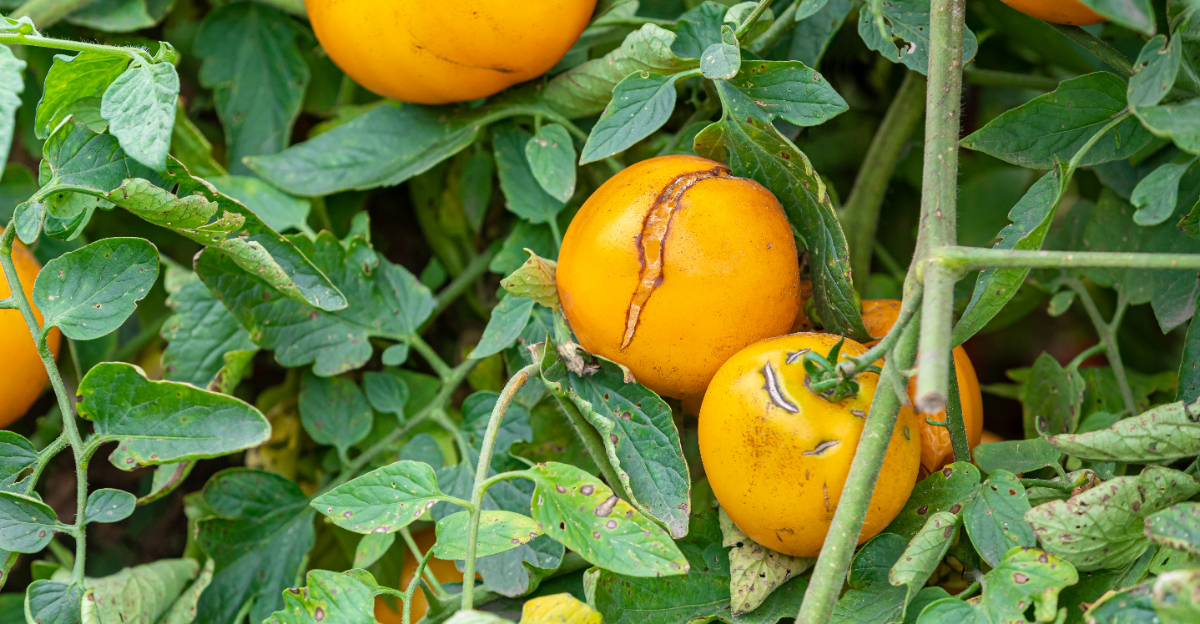
Cracks can appear quickly, splitting fruit you have tended for weeks. Growers everywhere watch this happen every summer without warning. Nothing about it feels random once you understand the mechanics.
Water drives everything inside that fruit, silently building pressure. You control every variable here.
Skip a few days of rain, then soak the soil heavily, and splitting often follows. Skin cannot stretch as fast as flesh expands.
Pressure builds until the strain becomes inevitable, splitting the surface open. Heat intensifies the problem, especially during intense midsummer heat. Humidity swings confuse the plant’s internal signals constantly.
Roots absorb water unevenly, sending stress through developing fruit. Variety matters too, since some skins resist stress better. Timing matters, because internal stress builds before any crack becomes visible.
Nutrients play a supporting role few gardeners consider. Every factor connects, forming a pattern you can actually control. Understanding this pattern now determines whether your next harvest remains intact.
Why Tomatoes Split On The Vine
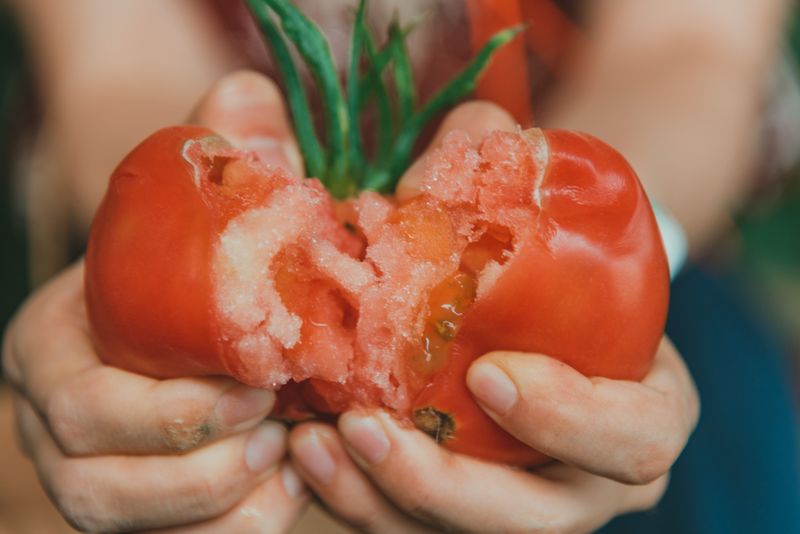
Picture this: a perfect, red tomato hanging heavy on the vine, and then a crack appears out of nowhere. Splitting on the vine is not a mystery once you understand what is happening inside the fruit.
Tomato skin is tough, but it is not elastic. When the interior of the fruit grows faster than the skin can stretch, something has to give, and the surface tears open under pressure.
That rapid internal growth is almost always triggered by a sudden surge of water following a dry spell. The fruit absorbs moisture quickly, swells from the inside, and the skin splits because it simply cannot keep up with the pace of that expansion.
There are two main types of splits to watch for. Radial splits run from the stem down the side of the tomato, cutting deep into the flesh. Concentric splits circle around the top near the stem, staying closer to the surface.
Radial splits tend to be more damaging, often ruining the fruit entirely, while concentric splits are usually shallower and appear as the tomato nears full ripeness.
Both types point to the same root cause: a sudden shift in moisture the plant could not absorb evenly. Recognizing which type you are seeing helps you pinpoint exactly what went wrong and how to prevent it moving forward.
How Inconsistent Watering Causes Splitting
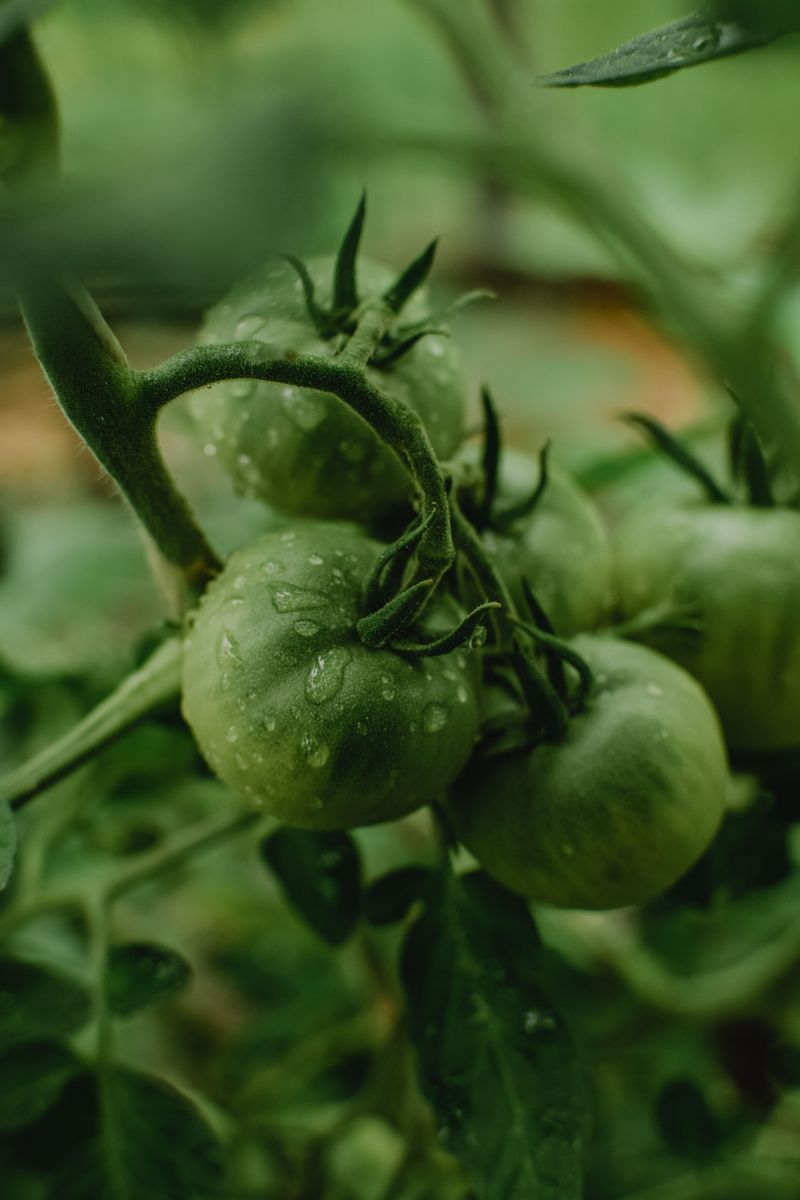
Inconsistent watering is the single biggest reason tomatoes split on the vine, and it happens more often than most gardeners realize.
A few hot, dry days can stress the plant significantly, slowing fruit development and thickening the skin as it adapts to scarcity.
Then a heavy rainstorm or a deep, unplanned watering session arrives without warning. The roots soak up all that moisture at once and send it rushing straight into the fruit.
The tomato flesh expands rapidly from the inside, while the skin, which toughened up during the dry stretch, cannot keep pace with that sudden surge.
Think of it like blowing up a balloon too fast. At some point, the pressure wins and something splits open.
The fix sounds simple: water consistently. Aim for roughly one to two inches of water per week, adjusting for your soil type and climate, spread evenly across several days rather than delivered all at once.
Drip irrigation systems are a reliable option for keeping soil moisture steady. Mulching around the base of your plants also helps lock in moisture between sessions. A two-to-three inch layer of straw or wood chips makes a noticeable difference.
Avoiding that feast-or-famine cycle is the most powerful thing you can do to protect your tomatoes from splitting this season.
Other Contributing Factors: Heat, Nitrogen, And Variety
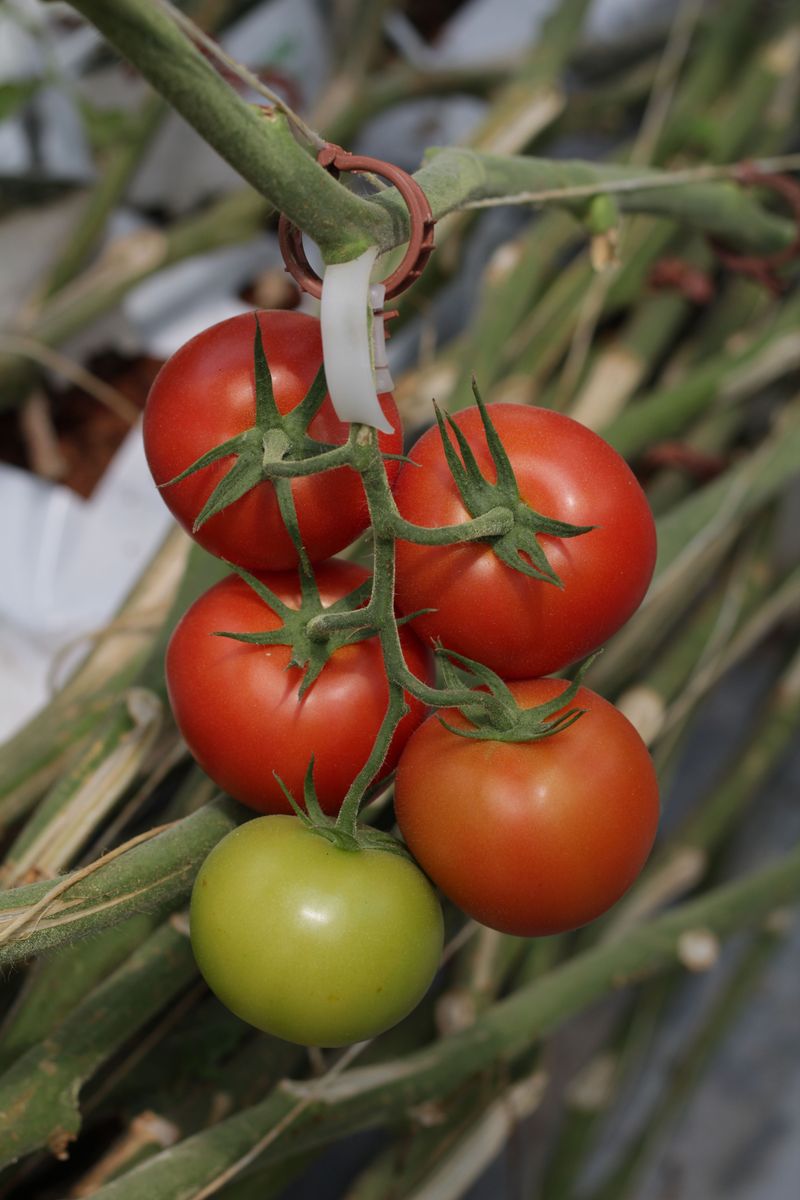
Watering gets most of the blame, but other factors push tomatoes toward splitting too. Heat is a major one gardeners often overlook, especially during long summer heat waves.
When temperatures spike above 90 degrees Fahrenheit, tomato plants get stressed almost immediately. That stress speeds up fruit development unevenly, making the skin more likely to crack under pressure it never had time to prepare for.
Too much nitrogen in the soil is another hidden problem many gardeners never suspect. Nitrogen is great for leafy growth, but too much of it pushes the plant to grow fruit too fast.
Fast-growing fruit outpaces the skin’s ability to expand at a matching rate. The result is the same internal pressure that eventually leads to a split, regardless of how carefully you water.
Soil with heavy nitrogen often results from over-fertilizing early in the season, before fruit even sets. Switching to a fertilizer with more phosphorus and potassium once fruit sets helps balance things out.
The variety of tomato you grow also plays a real role in how often splitting occurs. Some types have thinner skins naturally prone to cracking under pressure.
Larger tomatoes, like beefsteaks, tend to split more often than smaller varieties. Their size means more internal flesh expanding against a limited amount of skin.
Choosing the right variety for your climate and watering habits can help reduce splitting, though consistent watering remains the most important factor.
Tomato Varieties Most Prone To Splitting
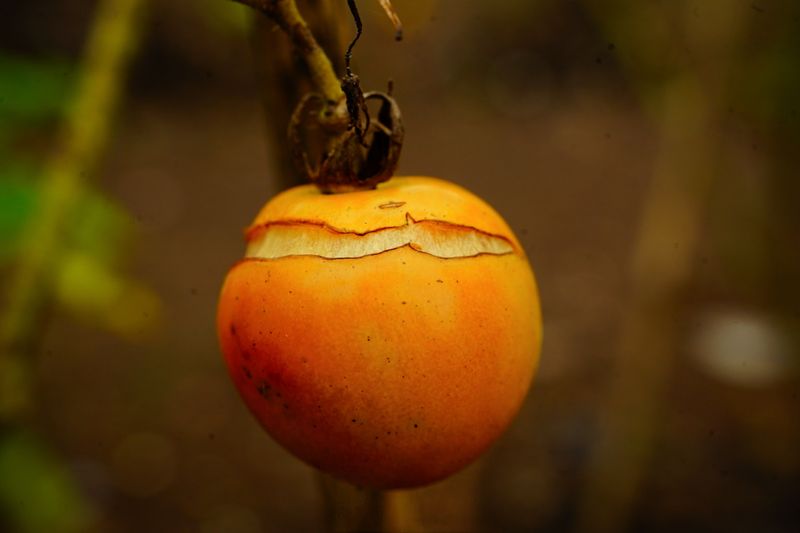
Not all tomatoes are created equal when it comes to splitting, and knowing which ones crack the easiest can save you a lot of disappointment. Big, juicy varieties are the usual suspects.
Beefsteak tomatoes are among the most prone to splitting because of their sheer size. More flesh means more internal pressure when moisture floods in suddenly.
Heirloom tomatoes are also high on the list. Their skins tend to be thinner and less resilient than modern hybrid varieties bred for toughness.
Brandywine, Black Krim, and Cherokee Purple are popular heirlooms that gardeners love for their flavor. But these same varieties crack at the first sign of uneven watering.
Roma tomatoes fall somewhere in the middle. Their thicker flesh and lower water content make them a bit more resistant, though not immune to splitting under stress.
Cherry tomatoes are the biggest surprise for many gardeners. Despite their small size, varieties like Sweet 100 and Sun Gold split constantly near harvest time.
Their thin skins and high sugar content make them sensitive to even small changes in soil moisture. Picking them just before full ripeness can prevent most of that splitting.
If splitting has been a repeated problem in your garden, consider planting crack-resistant varieties like Celebrity or Mountain Fresh.
Performance can vary by region, though. Check with a local nursery or extension service to confirm what works best for your area.
How To Prevent Splitting
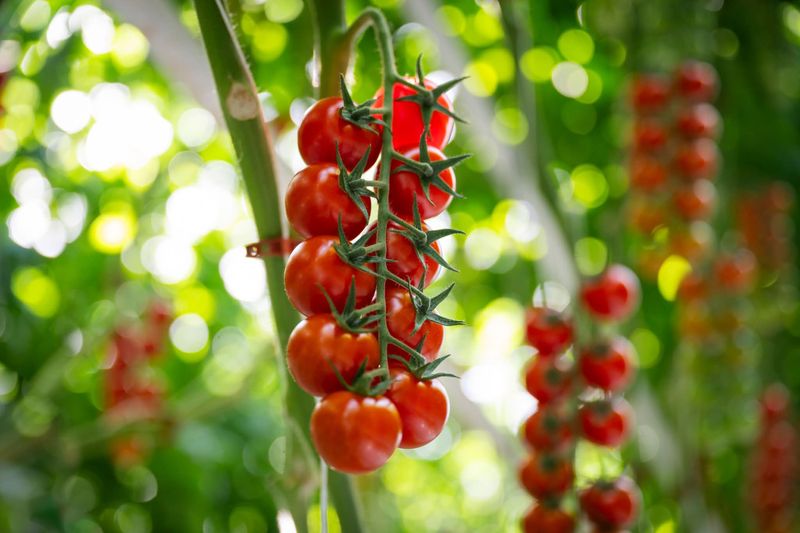
Preventing tomatoes from splitting starts with building a steady, reliable watering routine. Your plants should never swing between bone-dry and soaking wet soil.
Water deeply and consistently, aiming for the same amount at the same time each day. Early morning watering gives roots time to absorb moisture before afternoon heat sets in.
Checking soil moisture with your finger before watering helps you avoid guessing wrong every time.
Installing a drip irrigation system takes the guesswork out of the process. These systems deliver a slow, steady stream of water right to the root zone, avoiding sudden surges entirely.
Mulching is your second most effective method in this fight. A thick layer of organic mulch keeps soil temperature stable and slows moisture evaporation between waterings.
Straw, shredded leaves, and wood chips all work well. Spread them two to three inches deep around each plant, keeping mulch a few inches away from the stem.
Avoid over-fertilizing with high-nitrogen products once your plants start flowering. Switch to a tomato-specific fertilizer that supports fruit development without pushing rapid, uneven growth.
Harvest tomatoes as soon as they reach full color. Leaving ripe fruit on the vine too long increases the chances of splitting, especially after rainfall.
A little planning and consistency go a long way. Consistency wins. Small daily habits protect your tomatoes better than any single fix ever could
What To Do With Split Tomatoes
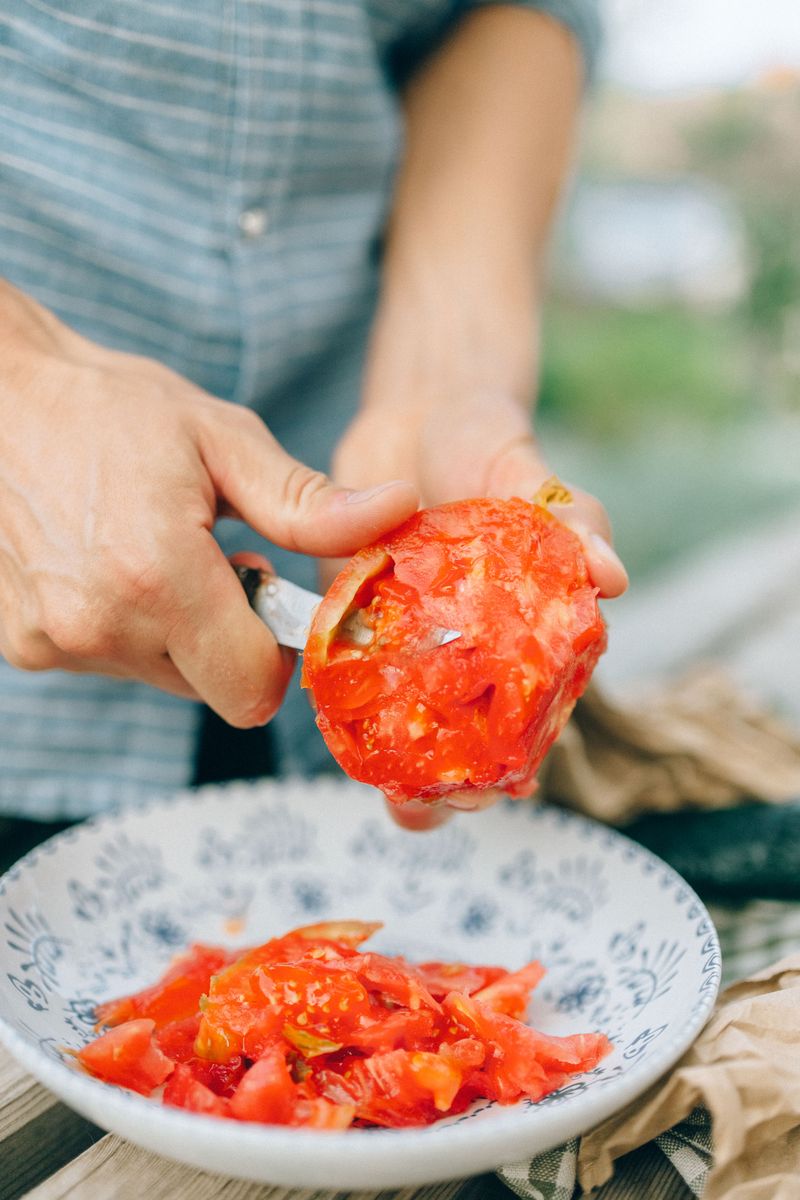
Finding split tomatoes in your garden does not have to mean tossing them in the compost bin. Many cracked tomatoes are still perfectly good to eat if you act fast.
Check the split carefully before deciding what to do. A shallow crack with no signs of mold or insect damage means the tomato is still usable.
Bring those tomatoes inside immediately after spotting the crack. Once the skin breaks open, the fruit becomes vulnerable to bacteria and pests very quickly.
Use split tomatoes the same day you pick them for the best results. Slice away any damaged flesh and use the rest in cooking without hesitation.
Homemade tomato sauce is one of the best uses for cracked fruit. Cooking breaks everything down anyway, so minor skin damage becomes completely irrelevant in the pot.
Salsa, bruschetta topping, and roasted tomato soup are other great options. These recipes celebrate bold tomato flavor, and a split tomato delivers plenty of that.
If you have more cracked tomatoes than you can use right away, freeze them whole. Frozen tomatoes work beautifully in cooked dishes all through the winter months.
A split tomato does not mean the harvest is lost. It is a reminder to adjust your watering habits so your next batch of tomatoes stays whole, gorgeous, and worth showing off.