The Simple Habit That Keeps Petunias Full All Summer
Your petunias looked incredible in June, then their appearance began to decline. Blooms thinned, stems lengthened, and color faded over time.
Gardeners often blame humidity, but that isn’t the real problem. Something deeper happens beneath those wilting baskets, and most people miss it completely.
Scissors solve what soil never will. Bravery matters more than fertilizer when petunias turn leggy.
Cutting back firmly forces new growth to surge forward immediately. Heat accelerates this decline faster than gardeners expect, but recovery moves just as fast.
Removing spent flowers alone won’t save a declining basket. Real intervention requires cutting stems back substantially, not just trimming faded blooms.
Nutrients rush quickly toward fresh buds once you remove the leggy growth. Timing changes everything, and hesitation costs you blooms.
Confidence with pruning shears always separates thriving petunias from straggly disappointments. Understanding why legginess happens changes how you garden forever. You cannot afford to skip what comes next.
The Trick To Keeping Petunias Full All Season
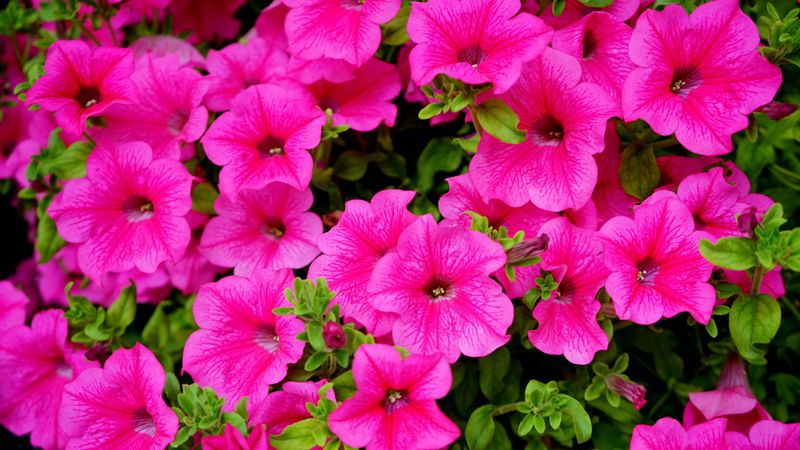
Petunias change appearance quickly. One week they look full and colorful, and the next they look sparse and untidy.
That fast change catches a lot of gardeners off guard every single summer season. The fix is not complicated, but it does require you to act before the plant declines further.
The simple habit that keeps petunias full all summer is regular, hard cutting back of the long, stretched stems.
Most people wait too long, hoping the plant will bounce back on its own. Petunias rarely do that without your help.
Cutting the stems back by one-third to one-half every few weeks encourages the plant to redirect its energy into fresh growth.
When you cut a stem, the plant pushes out two or three new side shoots from below the cut. Those new shoots produce fresh buds, and suddenly your plant looks full again.
Timing matters a lot here. Start your first hard cut in early to midsummer, adjusting for your local growing season.
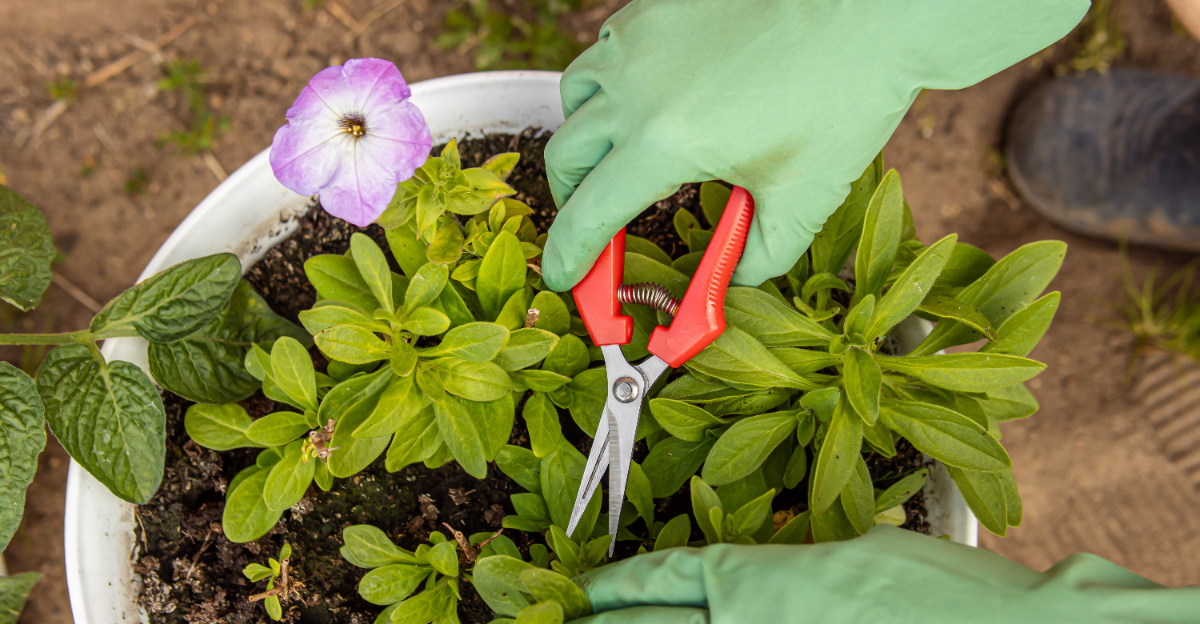
Use clean, sharp scissors or pruning shears so you do not crush or tear the stems. A clean cut heals faster and reduces the chance of disease sneaking in.
Cutting back feels scary the first time, but petunias are incredibly tough and resilient plants.
They typically bounce back within a week or two, depending on heat, water, and sunlight. Once you see that green flush of new stems, you will never hesitate to cut again.
Why Petunias Turn Leggy In The First Place
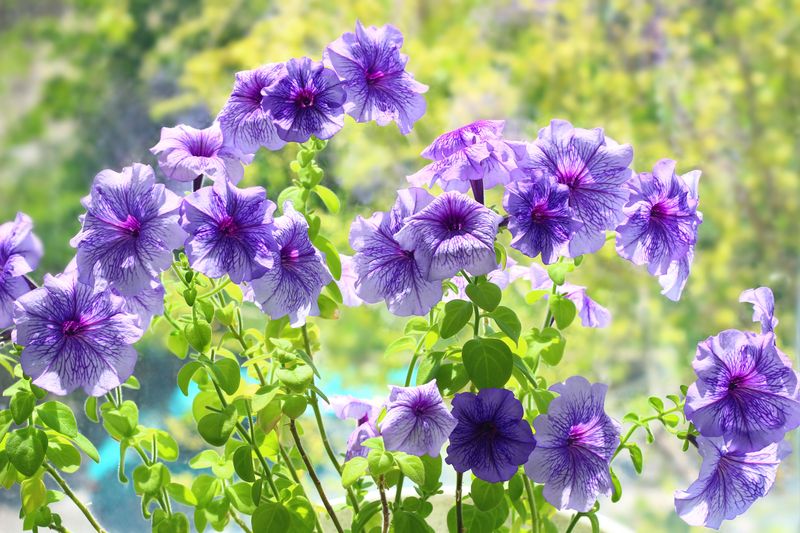
Picture a petunia stem that is eight inches long with one flower at the very tip. That is legginess, and it happens to almost every petunia by midsummer.
Understanding why it happens makes the solution feel much more logical and less intimidating.
Petunias are naturally fast growers. They push energy toward the tips of their stems to produce flowers as quickly as possible.
As the season goes on, those stems get longer and longer while the base of the plant stays bare and woody.
Sunlight plays a big role in this process. Petunias stretch toward the sun, and the lower leaves get shaded out and drop off over time.
Heat speeds up the whole process significantly. In warm climates, petunias can turn leggy within a few weeks, though timing varies by variety and conditions.
Genetics also matter a bit. Many gardeners find that older petunia varieties tend to get leggy faster than newer Wave or Supertunia types, which are often bred for a fuller, more compact habit.
But even the best modern varieties will stretch if you do not step in with a good pair of scissors. The plant is not struggling or sick when it looks leggy. It is actually doing exactly what nature designed it to do.
Your job as a gardener is to interrupt that natural pattern with a well-timed trim. Once you cut back those long stems, the plant redirects its energy into new, compact, bushy growth. That is the key technique, and it works reliably.
Snipping Faded Blooms Won’t Stop Legginess
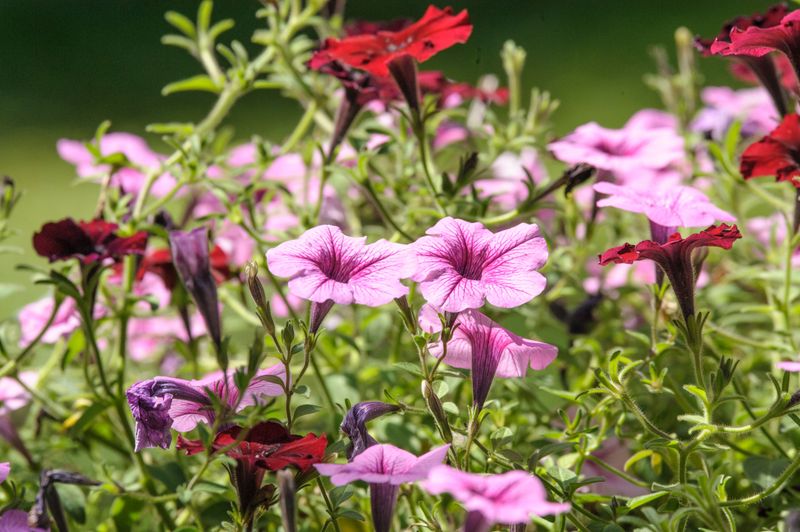
Snipping spent blooms feels productive. You walk through the garden, pinch off faded flowers, and everything looks tidy for about a day.
But removing faded flowers alone will not stop your petunias from turning into long, bare, stretched-out stems.
Here is why: removing a faded bloom only removes the seed pod forming behind it. The stem itself keeps growing longer and longer.
Pinching off faded blooms encourages the plant to bloom again at the tip, but it does nothing to create new branching or compact growth.
So your petunia keeps blooming, technically, but only at the ends of those increasingly long stems. The base stays bare and the plant looks sparse.
Many gardeners spend entire summers faithfully snipping spent blooms and still wonder why their plants look so thin by August.
The answer is that they skipped the harder, more effective step: cutting the whole stem back by a significant amount.
Hard pruning and snipping spent blooms are not the same thing at all. Removing faded flowers is maintenance; cutting back is a full reset.
Think of it like trimming your hair versus getting an actual haircut. One tidies things up; the other changes the shape entirely.
You can absolutely do both at the same time. Pinch off faded blooms as you go, then do a hard cut on the longest stems every few weeks.
That combination keeps petunias looking their absolute best from planting day all the way through the first frost of fall.
Cutting Back Petunias The Right Way
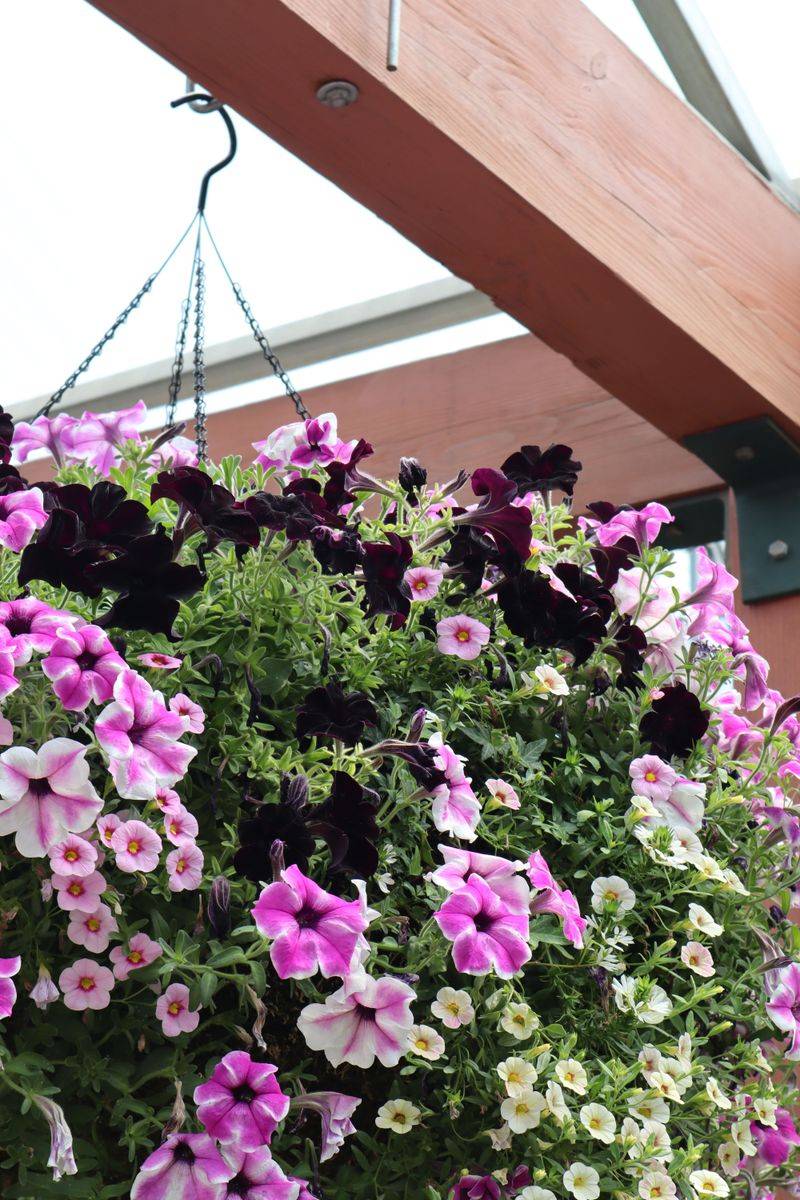
Grab your shears and take a breath. This is the part that feels scary but is actually the most rewarding step in the whole process. Cutting back petunias correctly takes about ten minutes and pays off for weeks afterward.
Start by identifying the longest, most stretched-out stems on the plant. These are your main targets for the first round of cuts.
Cut each long stem back by about one-third to one-half its total length. Make the cut just above a leaf node, which is the small bump where a leaf meets the stem.
Cutting above a leaf node is important because that is exactly where new shoots will sprout after the trim. Do not cut all the stems at once if you want continuous blooms. Stagger your cuts over a week or two so some stems are always blooming.
If the plant is really bad, go ahead and cut the whole thing back at once. It will recover fast and come back fuller than before.
Sharp tools make a big difference here. Dull blades crush the stem instead of cutting it cleanly, and crushed stems heal slowly.
Wipe your scissors with rubbing alcohol between plants to avoid spreading any fungal issues from one pot to another.
After cutting, remove all the trimmed stems and any dead leaves from around the base of the plant. Good airflow at the base prevents mold and keeps the plant healthy. A clean cut supports faster, fuller regrowth in the following weeks.
Feeding Petunias After A Hard Trim
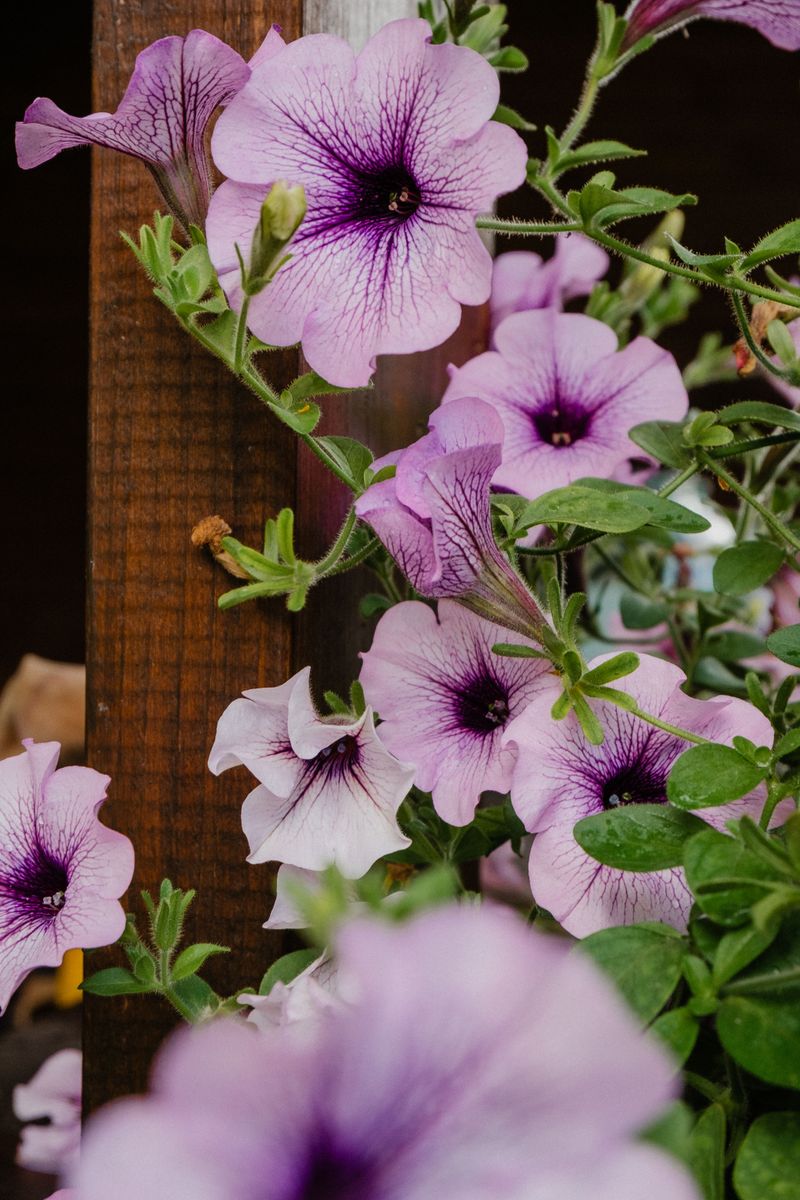
Cutting back is only half the equation. What you do right after the trim determines how fast and full your petunias come back.
Petunias are heavy feeders, meaning they burn through nutrients faster than most annual flowers in your garden.
After a hard cut, the plant shifts into a growth surge. It starts pushing out new shoots and buds at a rapid pace.
That growth surge demands a lot of nutrients, especially nitrogen for leaf growth and phosphorus for strong root and bloom development.
A balanced liquid fertilizer works really well here. Look for something with an NPK ratio close to 10-10-10 or 20-20-20 on the label.
Apply it right after you trim, then again about one week later when you start to see new growth appearing.
Slow-release granular fertilizers are a great option too, especially for containers and hanging baskets that get watered frequently.
Heavy watering leaches nutrients out of the soil fast, so granular food topped up monthly keeps levels stable. Avoid fertilizing during extreme heat, as high temperatures can add stress to the plant.
Wait for a cooler morning or evening to both water and fertilize your freshly trimmed plants whenever possible.
One more tip: yellow leaves after a trim can signal a nitrogen shortage, though overwatering or other stress factors may also be responsible.
A quick feeding often helps, but check watering habits too if the issue persists. Feed well, and your petunias will reward you with a flush of blooms that fills out the display again.
Special Tips For Trailing And Spreading Varieties
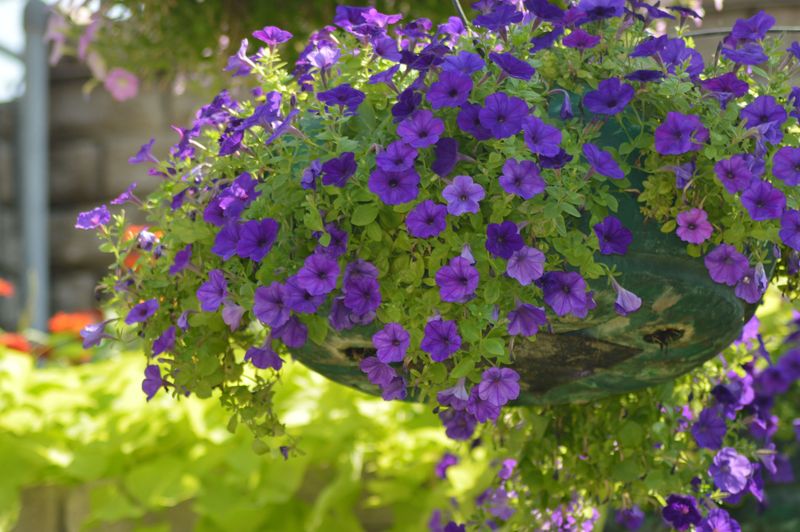
Trailing petunias are a whole different level of gorgeous when they are healthy. They spill over pots and baskets in long, colorful curtains of blooms.
But they also get leggy faster than upright varieties, which means they need your attention a bit sooner in the season.
Wave petunias, Supertunias, and Surfinia types are the most popular trailing varieties you will find at garden centers.
These plants can grow long trailing stems by midsummer, especially in warm, sunny spots, with length varying by variety.
For trailing types, cut the longest cascading stems back by about half their length every three to four weeks. This keeps the basket or container looking full and balanced from all sides.
Do not just trim the top of a hanging basket. Lift it up and check the undersides too, where stems often get bare and scraggly.
Spreading varieties like Wave petunias can also be cut back in garden beds. Use hedge shears for a quick, even trim across large plantings.
After cutting a trailing variety, give the plant a generous drink of water and a dose of balanced fertilizer right away.
Trailing petunias in containers dry out faster than those in the ground, so check soil moisture every single day in hot weather.
A self-watering pot or a drip irrigation line takes the guesswork out of keeping moisture levels steady all season long. With practice, this habit for trailing petunias becomes easier to maintain over time.