The Himalayan Blackberry Seed Dispersal Window Oregon Gardeners Miss Every Single August
August gives Himalayan blackberry one last chance to make next year’s problem much worse in Oregon. The canes may look tired after weeks of heat, but the fruit tells another story.
Once those berries ripen, birds and other wildlife can carry the seeds well beyond the original patch.
A neglected corner can suddenly help launch new growth across the yard or into nearby open space. The plant does not waste an opportunity.
This window is easy to miss because the blackberry may no longer look aggressive. Its newest growth slows, and the focus shifts away from the thorny canes.
Meanwhile, the seeds prepare for travel.
A well-timed cleanup can interrupt that cycle before the fruit disappears. Miss the moment, and removal next season may involve far more than the patch you can see today.
1. August Is When Seeds Start Moving
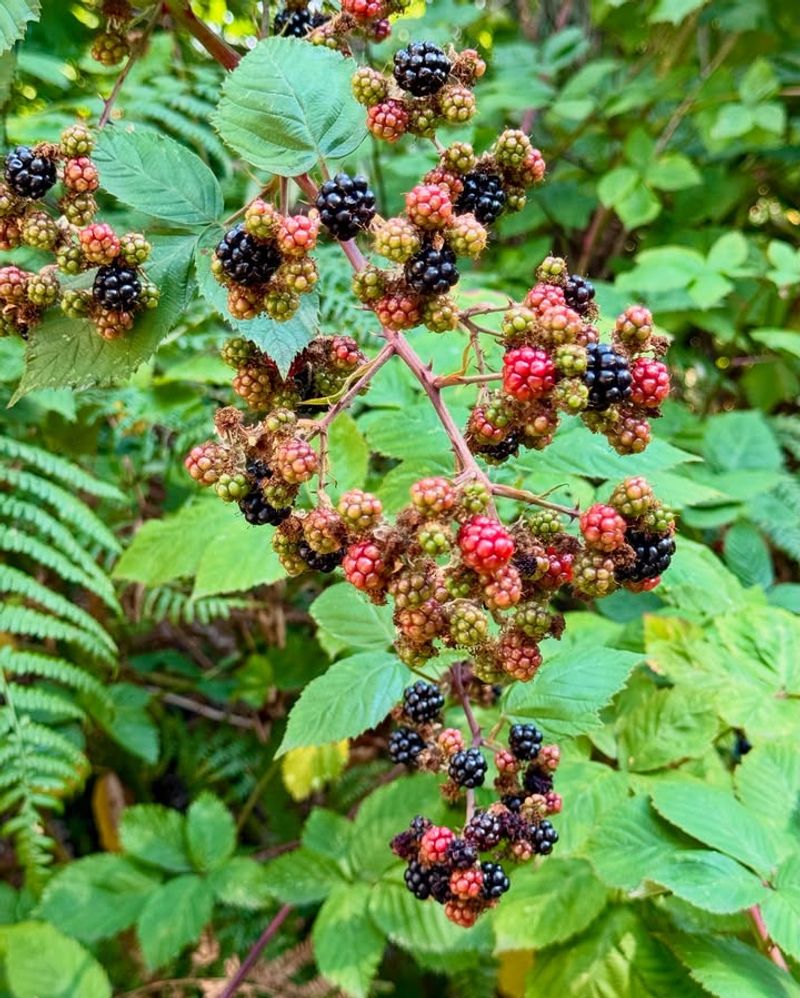
Late July quietly sets the stage, but August is when the real action begins. Himalayan blackberry berries shift from red to deep purple-black, and that color change is your first warning.
Once berries reach full ripeness, they loosen from the cane on their own. A light breeze, a passing animal, or even heavy rain can knock them free.
Seeds inside ripe berries are fully mature by early August. Each berry holds between 1 and 6 hard seeds, and those seeds can survive in soil for years.
Once they land in a new spot, they wait patiently for the right conditions to sprout. That patience is part of what makes this plant so hard to manage.
Most gardeners are busy with summer vacations or other garden tasks in August. The blackberry patch often gets ignored until the fruit is long past ripe.
By the time cleanup starts, seeds have already scattered across a wide area. Acting in the first two weeks of August, before berries drop on their own, is the most effective way to stop new plants before they ever start.
Early action during this window saves a lot of work later.
2. Ripe Berries Are The Real Warning Sign
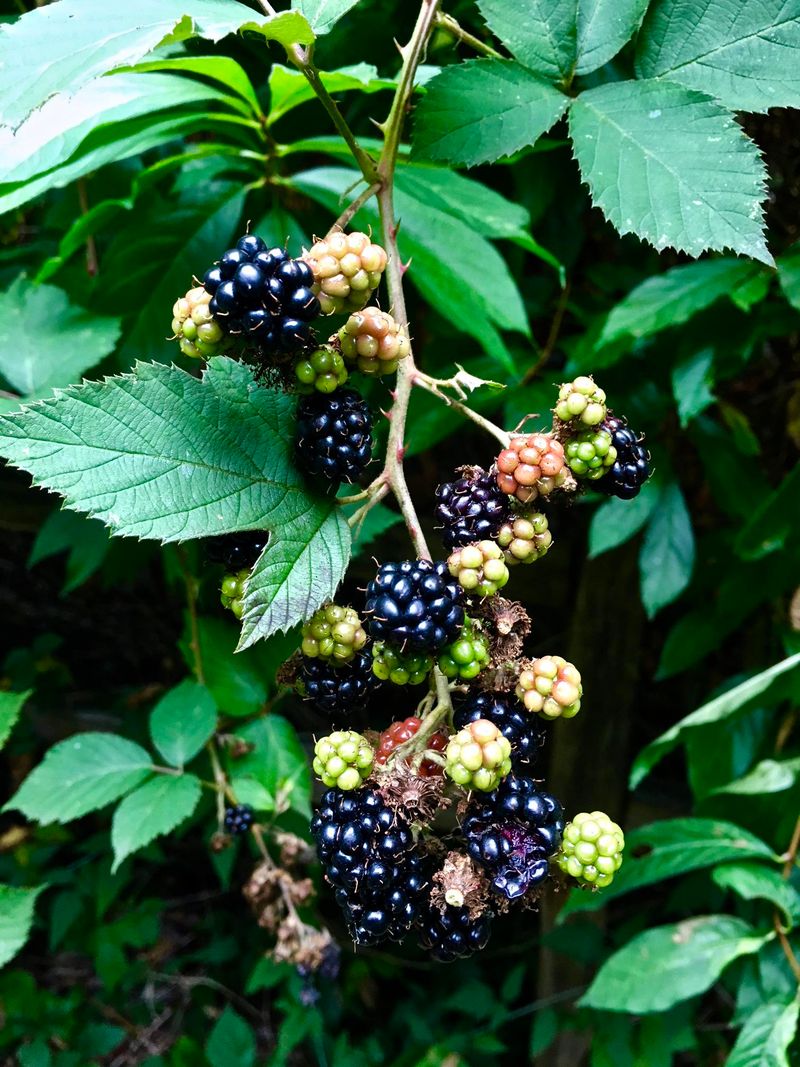
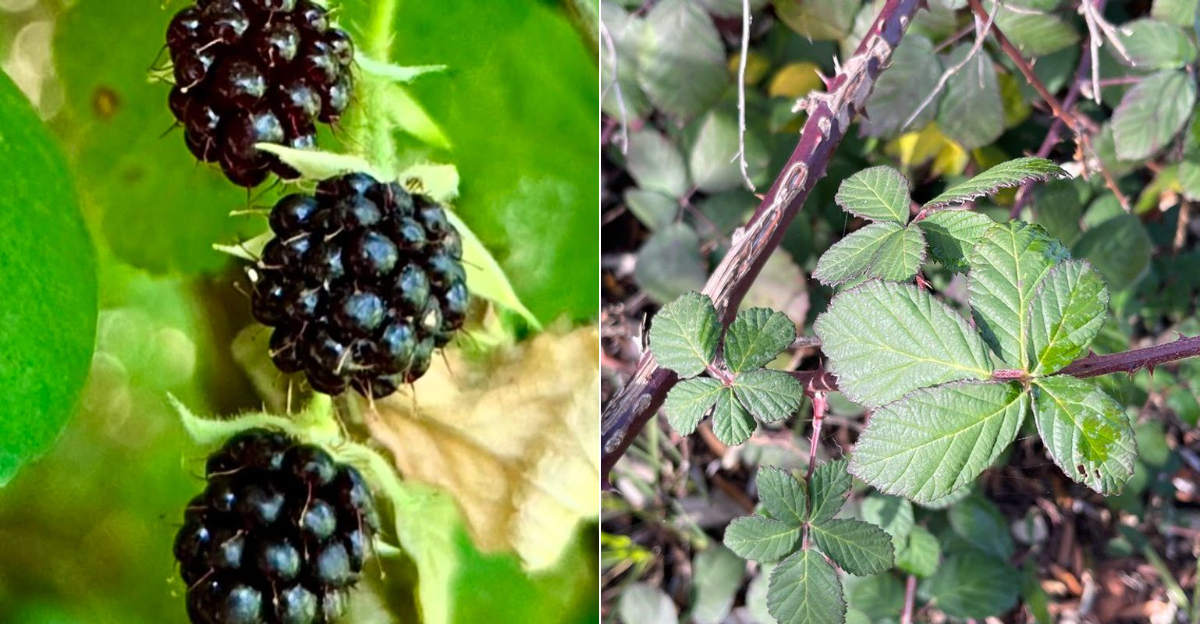
Color is the clearest clue you have. When berries turn fully black and feel soft to a gentle squeeze, the seeds inside are ready to travel.
Green or red berries are still developing, and their seeds are not yet viable. But fully black, juicy berries are loaded with mature seeds just waiting to be carried away.
Oregon gardeners mistake ripeness for harvest time and think picking berries for jam is enough. The problem is that wildlife does not wait for you to pick.
Birds and mammals find the ripe fruit fast, sometimes within hours of it reaching peak ripeness. Every berry that gets eaten before you remove it is a seed delivery waiting to happen.
Watch your canes closely starting in late July. Check every few days for that deep black color spreading across the clusters.
Do not wait until an entire cane is fully ripe before acting. Instead, remove berry clusters as soon as most of the fruit on a cluster turns black.
Your Oregon Garden Changes Every Week. Your Plan Should Too.
Gardening in Oregon changes quickly throughout the season. Every Friday you’ll receive a simple weekly plan showing exactly what to plant, prune, fertilize, harvest, and protect so you never miss the right timing.
This approach catches the seeds before they have any chance to move. A pair of gloves, pruning shears, and a sealed bag are all the tools you need to respond quickly when you spot the warning sign.
Staying alert during this short window makes a big difference in what you face next spring.
3. Birds Spread Blackberry Seeds Fast
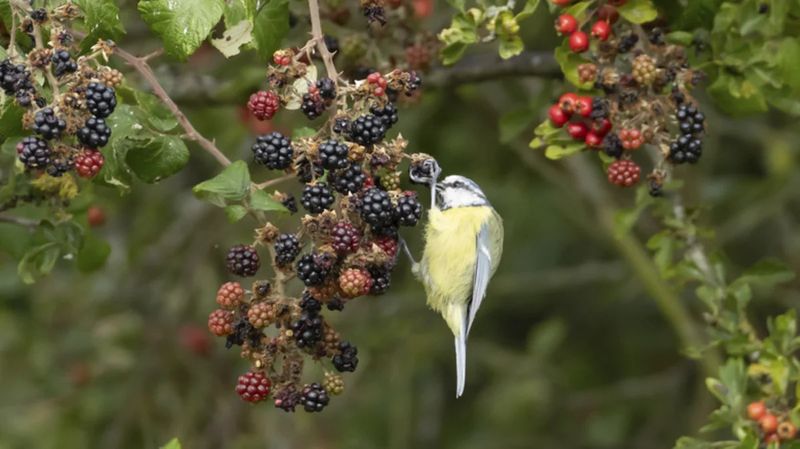
Robins, starlings, cedar waxwings, and dozens of other bird species love ripe blackberries. They eat the fruit whole and then fly off to perch somewhere else, often far from where they fed.
The seeds pass through their digestive systems unharmed and land in droppings wherever the bird happens to stop.
Studies have shown that birds can carry seeds hundreds of meters from the parent plant in a single feeding session.
A flock of starlings working through a blackberry patch can move thousands of seeds in just one afternoon.
That is a staggering number of potential new plants, all launched in a single August day.
Fences, rooftops, power lines, and neighboring yards are common landing spots for bird droppings loaded with blackberry seeds. This is why new blackberry plants often seem to appear out of nowhere, far from any existing patch.
The birds are the delivery system, and August is their busiest season for this work. Reducing the number of ripe berries available to birds is the most direct way to slow this process.
You do not have to remove every berry, but cutting fruiting canes before peak ripeness removes the food source birds rely on.
Fewer berries mean fewer seeds on the move, and that adds up to fewer new plants popping up in unwanted places next year.
4. Mammals Carry Seeds Beyond The Yard
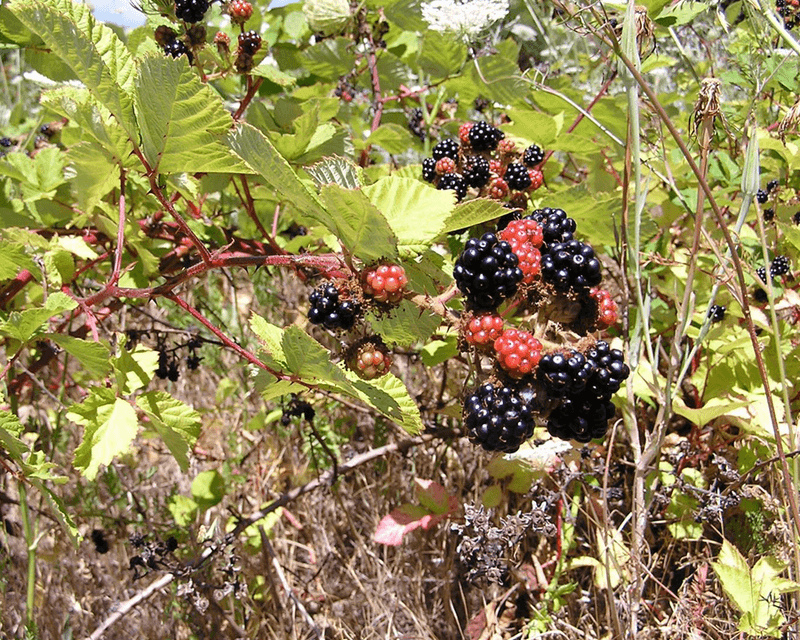
Raccoons, deer, coyotes, and even neighborhood dogs and cats all play a role in blackberry seed dispersal. These animals eat ripe berries directly from the canes or pick up fallen fruit from the ground.
Like birds, their digestive systems do not break down the hard seeds inside each berry.
Mammals tend to travel longer distances than birds before depositing seeds. A deer feeding on blackberries at the edge of your yard might wander a mile or more overnight.
The seeds it carries get deposited along forest edges, creek banks, and open fields. This is one reason Himalayan blackberry spreads so aggressively in Oregon’s rural and suburban areas.
Raccoons are especially active in August when fruit is abundant. They are strong climbers and can reach canes that other animals miss.
They also tend to feed in the same areas night after night, concentrating seed deposits in spots near water or shelter. Removing ripe fruit before nightfall limits the amount available to nocturnal feeders.
Even clearing fruit from the lower canes that are easiest for mammals to reach makes a noticeable difference.
Combining this approach with bird management creates a much stronger barrier against seed spread.
Every ripe berry you remove before an animal eats it is one less seed heading somewhere you do not want a new blackberry plant to grow.
5. Waiting For Fall Cleanup Backfires
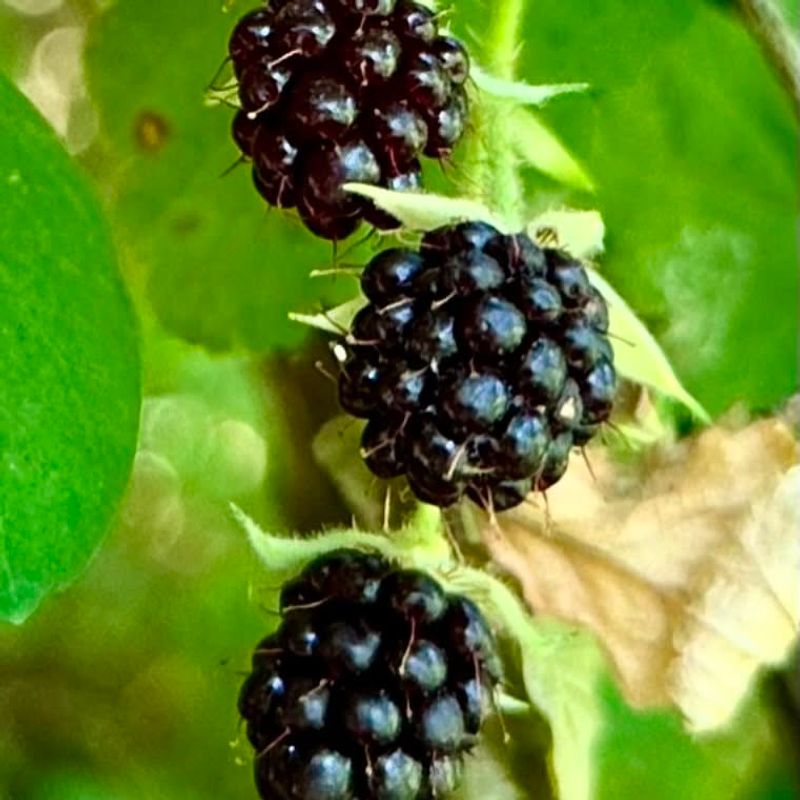
Fall feels like the natural time to tackle garden cleanup. The summer heat has eased, the kids are back in school, and the yard suddenly gets more attention.
For most plants, fall cleanup works just fine. For Himalayan blackberry, waiting until fall is one of the most common mistakes gardeners make.
By September, nearly all the ripe fruit from August has already been eaten, dropped, or carried away. The seeds are already in the soil.
Cutting canes in October does nothing to stop the seeds that moved in August. You are cleaning up after the fact, not preventing the spread.
Fall cleanup also misses another critical point. Blackberry roots and crowns are still storing energy through September and into October.
Canes cut in fall often resprout vigorously the following spring because the root system is still fully energized.
Cutting during the active growing season, especially when fruiting canes are removed before berries ripen, stresses the plant more effectively.
Combining summer fruit removal with cane cutting puts real pressure on the plant at the right time. Fall is still a good time to cut back canes that are not fruiting.
But if your goal is to stop seed spread, you need to act in August, not October. The timing of your effort matters just as much as the effort itself.
6. Cut Fruiting Canes Before Berries Drop
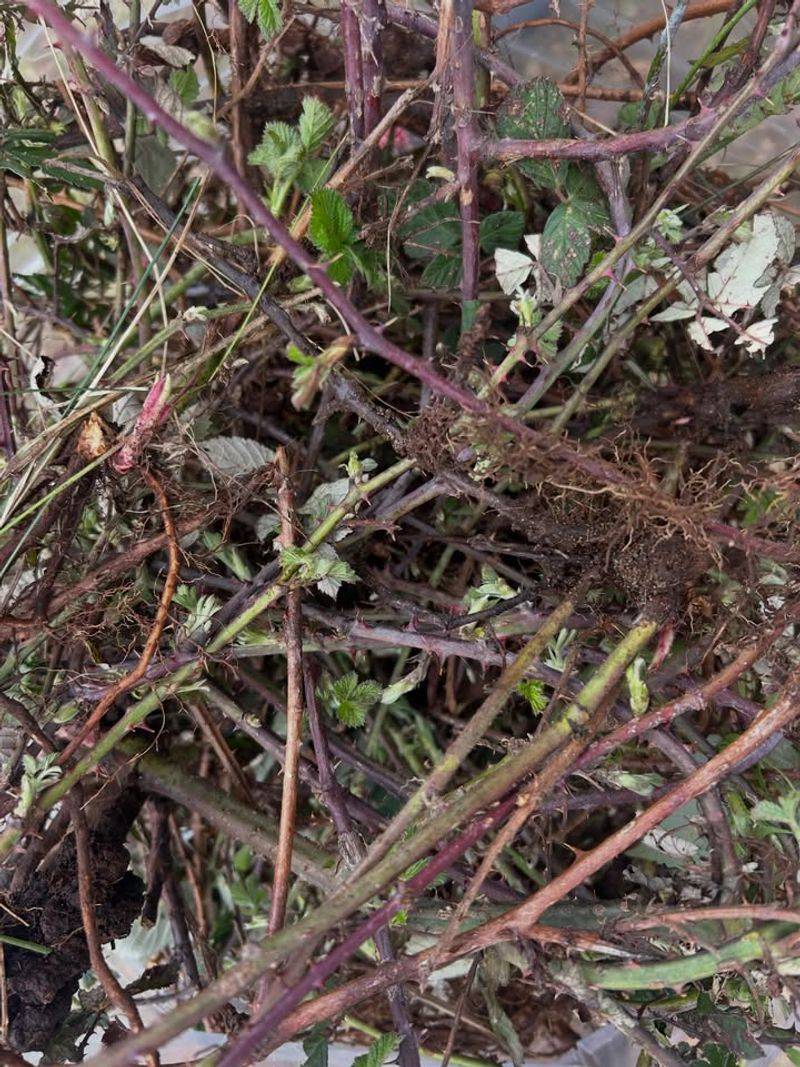
Pruning shears or loppers work well for most blackberry canes. For thicker, older canes, a pruning saw does the job cleanly.
The goal is to remove the entire fruiting cane, not just the berry cluster at the tip. Leaving the cane in place still allows the plant to regrow quickly and does not address the root problem.
Target canes that are in their second year of growth. Himalayan blackberry follows a two-year cycle.
First-year canes, called primocanes, grow tall and leafy but do not fruit. Second-year canes, called floricanes, are the ones that flower and produce berries.
Cutting floricanes in July or early August, before berries fully ripen, removes the seed source entirely.
Work from the outside of the patch inward so you are not pushing through thorny growth to reach the center. Wear thick gloves and long sleeves because the thorns are sharp and persistent.
Cut canes close to the ground when possible. Leaving long stubs makes it easier for the plant to regrow from the cut point.
Place cut canes directly into a contractor-grade trash bag, not a pile on the ground. Canes with berries on them can still ripen and drop seeds even after cutting.
Bagging them immediately removes that risk and keeps your cleanup effort from creating a new problem in the same spot.
7. Bag Ripe Fruit Instead Of Composting It
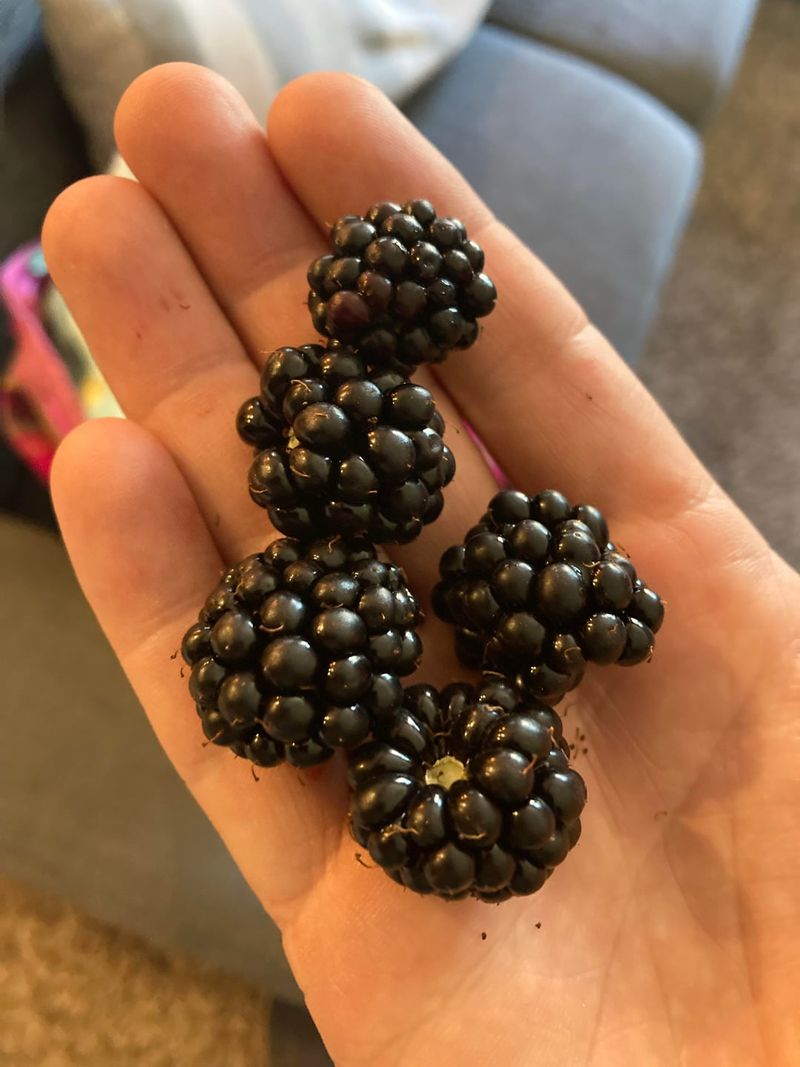
Oregon home compost piles rarely get hot enough to destroy blackberry seeds. A standard backyard compost bin reaches temperatures between 90 and 130 degrees Fahrenheit in the active zone.
Blackberry seeds can survive temperatures well above that range. Tossing berry-covered canes or dropped fruit into your compost pile is essentially planting next year’s blackberry patch in your own backyard.
Sealed trash bags going to a landfill are a much safer option for ripe fruit and fruiting canes. Some areas offer yard debris pickup that goes to commercial composting facilities.
These industrial sites reach temperatures high enough to break down seeds reliably. Check with your local waste service to confirm whether they accept blackberry material and whether their process handles seeds properly.
Do not leave bags sitting open in the sun. Ripe fruit ferments quickly, and the smell attracts wildlife that may tear open the bag.
Seal each bag tightly with a twist tie or zip tie before leaving it out. If you are collecting large amounts over several days, store sealed bags in a covered bin or garage until pickup day.
One more thing worth remembering: even dried or shriveled berries still contain viable seeds. Do not assume that old-looking fruit is safe to compost.
When in doubt, bag it and send it out with the trash to make sure the seeds go nowhere new.
8. Do Not Leave Berry Clusters On The Ground
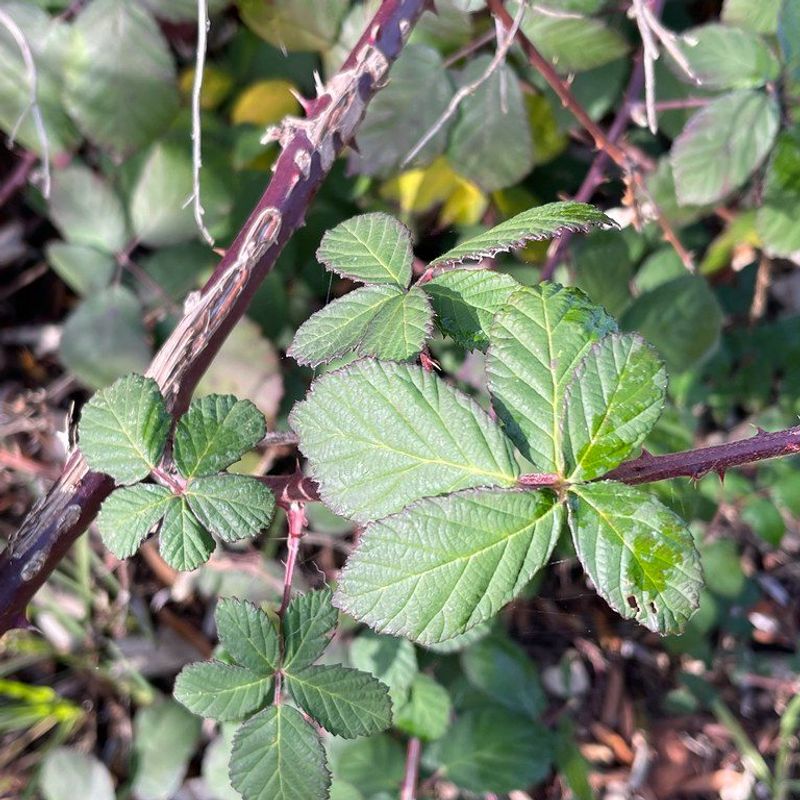
Fallen berries are easy to overlook. You cut the canes, you bag the big clusters, and then you step back and feel like the job is done.
But look down. Ripe berries that were already loose before you started cutting may have dropped during the process.
Those berries are sitting on bare soil, and their seeds are ready to sprout.
Raking or hand-picking fallen fruit off the ground is a step many gardeners skip. It takes extra time, and it is not glamorous work.
But leaving even a small number of ripe berries on the ground undoes part of the effort you just put into cutting the canes. Each berry on the ground is a seed bank waiting for rain and warmth to activate it.
After cutting, do a slow walk around the base of the patch and collect any fallen fruit you can find. Use a rake to pull berries out from under cut canes and leaf litter.
Add them to your sealed trash bag along with the canes. Pay special attention to areas near the drip line of the patch where berries tend to fall outward when canes are cut.
Ground cleanup takes maybe ten extra minutes, but it closes a gap that could otherwise send dozens of seeds into your soil.
Finishing the job all the way to the ground is what separates a good August cleanup in Oregon from a great one.