Why Well-Fed Plants Still Look Terrible And What The Oregon Soil Is Actually Telling You
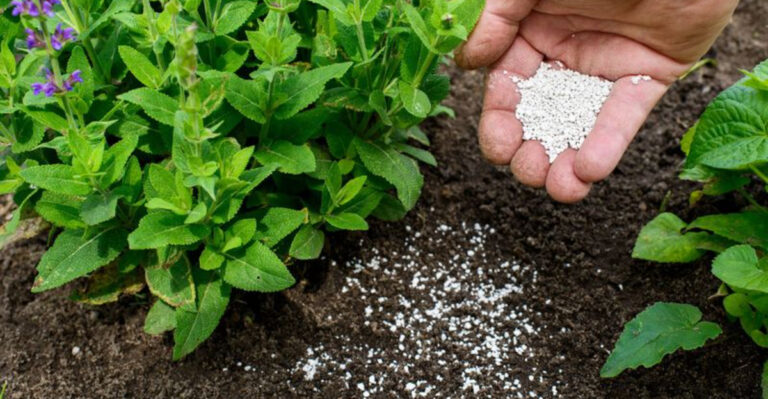
The fertilizer went in. The label got followed. The plants still look terrible.
Yellow leaves. Stunted growth. Beds that seemed fine last season now producing a fraction of what they should. Many Oregon gardeners do the logical thing at this point. They buy more fertilizer and try again.
The cycle repeats. The results stay the same.
Here is the question nobody thinks to ask until they have wasted several bags and half a season. What if the problem has nothing to do with what is going into the soil and everything to do with what is already happening inside it?
Soil gives signals that most gardeners misread. The symptoms visible on leaves above ground often point to something happening several inches below, in conditions that more fertilizer cannot fix and might actually make worse.
There is a specific set of soil problems that mimic nutrient deficiency convincingly enough to fool experienced gardeners repeatedly.
Understanding what those problems actually look like changes how a garden gets managed entirely. The soil in your beds right now might be telling you something worth listening to.
1. Yellow Leaves Are The Soil’s First Warning About Too Much Water
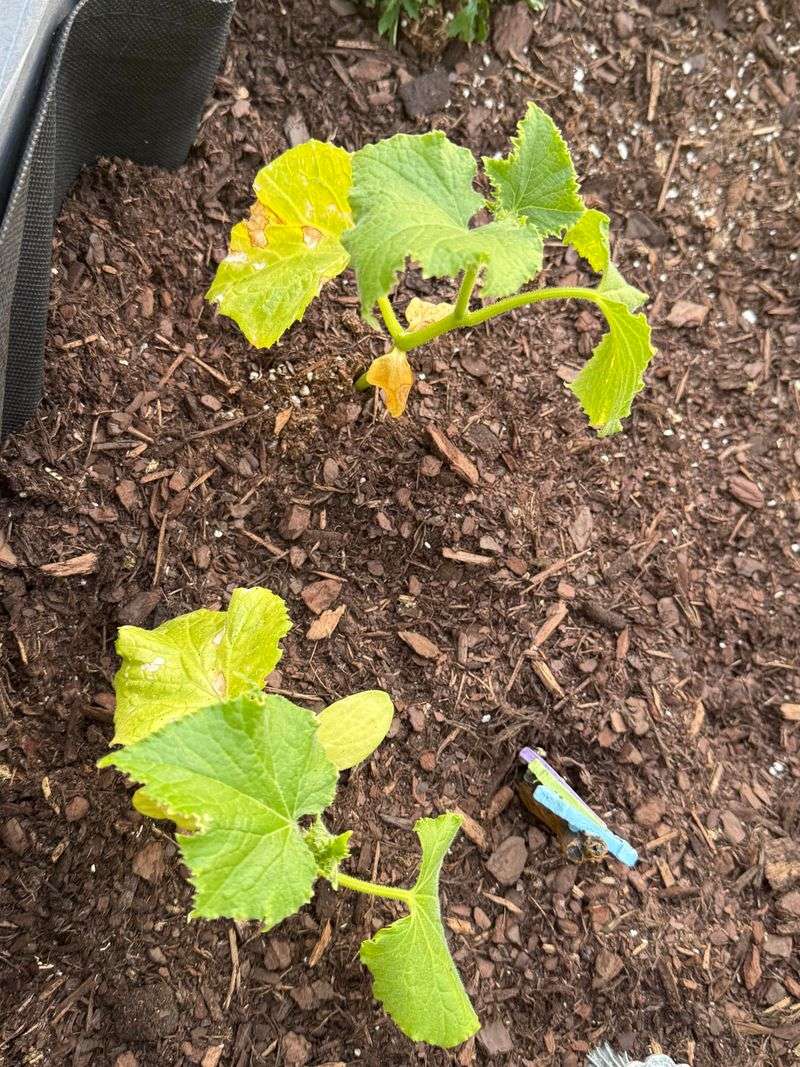
Yellow leaves send most gardeners straight to the fertilizer bag. That reaction is understandable and often wrong.
Before adding anything to the soil, push a finger or trowel a few inches down and check what is actually happening below the surface. The answer is frequently more informative than anything visible on the leaves above ground.
When soil stays saturated too long, roots begin to struggle for oxygen. Waterlogged soil pushes air out of the pore spaces that roots depend on to function.
Without that oxygen, roots cannot absorb nutrients even when those nutrients are physically present in the surrounding soil.
Yellowing from poor drainage tends to appear first on lower leaves and spread upward. This pattern looks almost identical to nitrogen deficiency.
The distinguishing factor is the soil itself. Wet, heavy, and slow to drain points toward a drainage problem. Dry and crumbly points toward a feeding problem. Those are very different situations requiring very different responses.
A quick diagnostic: push a wooden dowel or pencil six inches into the soil and pull it out. If it comes out muddy and dark during what should be a dry period, drainage needs attention before fertilizer does.
Wet roots are also more vulnerable to pathogens that compromise nutrient uptake further.
Fixing drainage first, through aeration, compost additions, or adjusting bed grade, gives roots a real chance to use what is already in the soil.
Feeding a plant with compromised roots is an expensive way to accomplish nothing.
2. Slow Growth Usually Means The Soil Cannot Breathe, Not That It Is Hungry
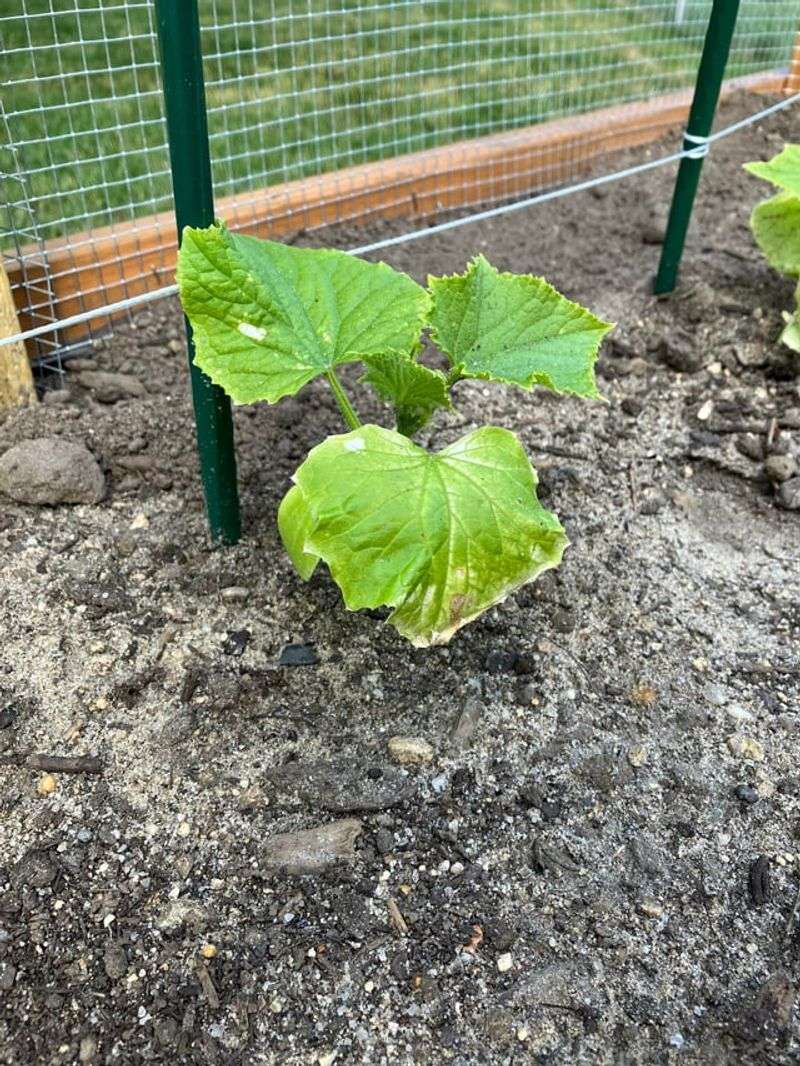
Slow growth points toward nitrogen deficiency in most gardening conversations, and that assumption leads to a lot of unnecessary fertilizer purchases.
Roots that cannot breathe will not grow regardless of what gets applied at the surface. Soil oxygen matters as much to plant development as any nutrient in any bag.
Your Oregon Garden Changes Every Week. Your Plan Should Too.
Gardening in Oregon changes quickly throughout the season. Every Friday you’ll receive a simple weekly plan showing exactly what to plant, prune, fertilize, harvest, and protect so you never miss the right timing.
Compacted soil is one of the most common and least discussed causes of stunted growth. When soil particles pack too tightly together, there is no room for air or water to move through the profile properly.
Roots hit resistance almost immediately and stay shallow rather than spreading out to access nutrients and moisture.
Soil temperature adds another layer that often gets ignored. Cold, waterlogged soil in early spring significantly slows root metabolism.
Cool, wet soils delay nutrient uptake even when fertility levels are technically adequate. The nutrients exist. The plant simply cannot process them under those conditions.
Adding nitrogen fertilizer to compacted, cold, or saturated soil typically produces runoff or surface buildup rather than plant uptake. The fertilizer sits there. The plant continues struggling.
A better starting point is loosening the top six to eight inches with a garden fork, checking moisture levels, and allowing soil temperatures to warm before feeding anything.
If growth improves after aeration with no additional fertilizer, compaction was the real diagnosis all along.
Slow growth is a symptom. Soil structure is the actual conversation worth having.
3. Soggy Soil Blocks Roots From Taking Up Nutrients
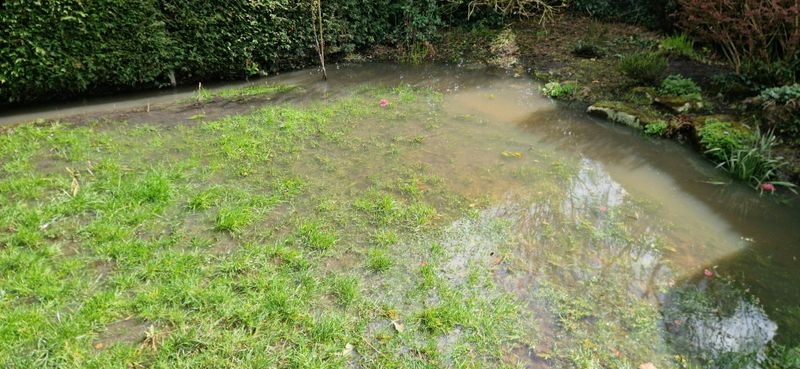
Soggy soil does not just stress roots. It effectively switches off the system responsible for getting nutrients into the plant in the first place.
Roots absorb nutrients through water movement and active biological processes, both of which require oxygen to function correctly.
When soil becomes saturated, water replaces the oxygen that normally occupies soil pores. Root function deteriorates quickly under those conditions.
Stressed roots lose their ability to regulate absorption. Beneficial soil microbes that convert nutrients into plant-available forms also struggle in low-oxygen environments.
The combined effect means a plant can sit in soil that has been fertilized repeatedly and still show deficiency symptoms because the uptake pathway is compromised at the biological level.
Research on anaerobic soil conditions confirms that oxygen-depleted soils reduce the availability of nitrogen, phosphorus, and potassium even when those nutrients are measurably present. The nutrients exist. The delivery system does not.
One practical improvement is adding organic matter to break up dense soil and create more pore space throughout the profile.
Checking whether beds have even a gentle grade helps too. Flat beds hold water considerably longer than beds with any slope at all.
Before adding fertilizer to a soggy bed, wait for drainage to improve. Then do a quick squeeze test with a handful of soil. If it crumbles when you open your hand, conditions are ready. If it holds a tight, wet ball, drainage still needs attention first.
Fertilizing a waterlogged bed is not gardening. It is composting at a premium price.
4. Compacted Beds Need Air Before More Fertilizer
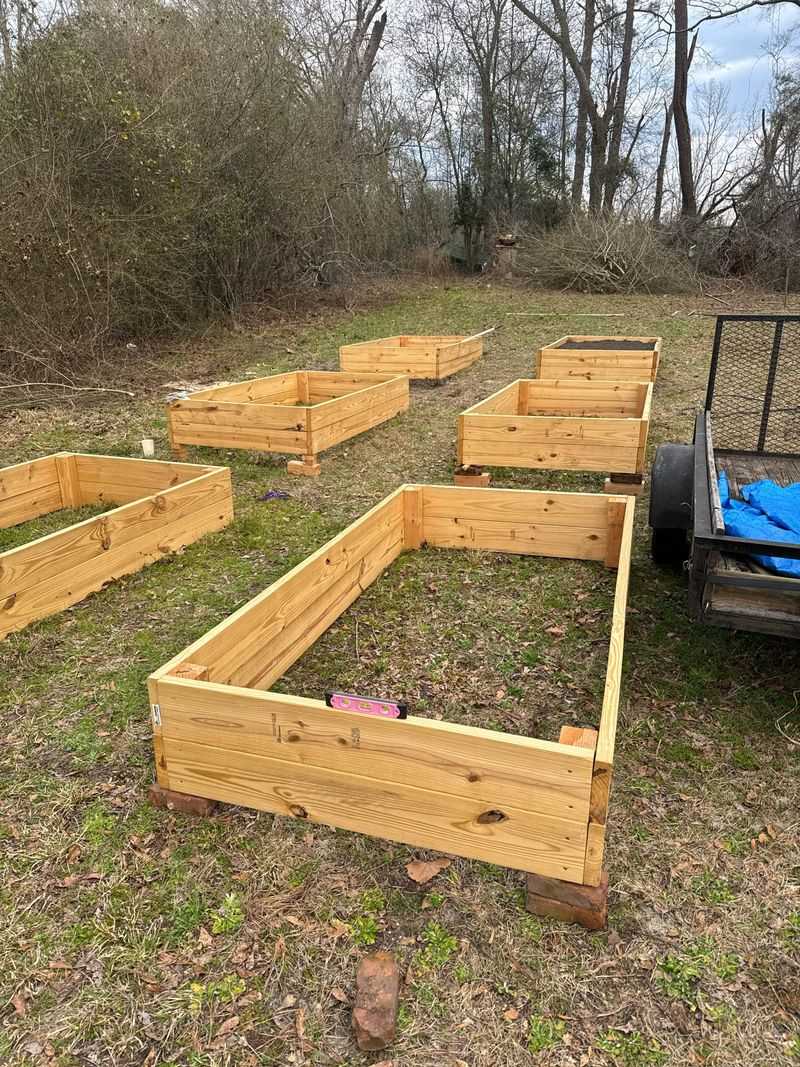
A garden bed gets compacted surprisingly fast. A few passes across the same area, a season of heavy rain, or years without amendment can press soil particles together enough to seriously limit what roots can do.
Compacted soil has very few air pockets. Roots need those spaces to grow, breathe, and extend outward toward water and nutrients.
When soil packs tight, roots stay shallow and weak. Shallow roots mean the plant cannot reach deep soil moisture or nutrients regardless of surface applications.
Avoiding foot traffic on garden beds entirely and using permanent pathways to protect planting areas prevents this from building up in the first place.
Even light, repeated pressure over the same spots reduces soil pore space enough to affect plant performance noticeably across a season.
Aeration addresses the immediate problem. A garden fork loosened to six to eight inches deep in established beds opens the structure back up.
A broadfork works well in raised beds without disrupting soil layers. Following aeration with two to three inches of compost worked in lightly helps restore both structure and biology.
Adding fertilizer to compacted soil before aerating wastes both the product and the effort. Nutrients pile up near the surface, wash away with the next rain, or build to levels that create new problems.
Air first. Amendment second. Fertilizer only if a soil test still indicates a specific need afterward.
The front door has to open before anything useful gets moved inside.
5. Clay Soil Needs Structure More Than Quick Feeding
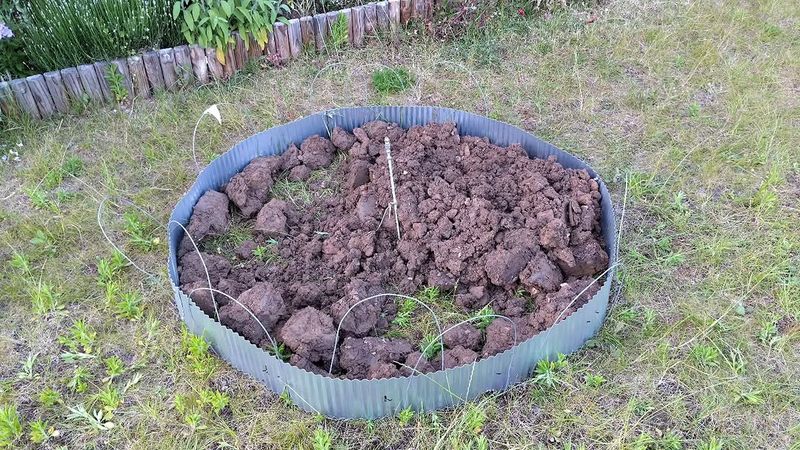
Clay soil holds nutrients well, sometimes exceptionally well. That is not the problem.
The problem is that clay particles pack so tightly together that water moves through slowly, oxygen struggles to reach roots, and roots have genuine difficulty pushing through the profile at all.
Applying fertilizer to unimproved clay creates the right ingredients in the wrong environment. The nutrients arrive but the conditions for using them do not exist yet. Clay needs to be opened structurally before feeding becomes a productive action.
Compost is the most effective long-term solution for clay. Two to four inches of finished compost added each season and worked into the top eight to ten inches gradually improves structure.
The organic matter creates aggregates, small clumps of soil particles with air and water channels between them. Consistent compost additions over two to three seasons can meaningfully improve clay drainage and root penetration.
One important note: adding sand to clay without also adding compost can worsen drainage rather than improve it. Sand fills existing pore spaces without creating the organic aggregation that clay actually needs.
Raised beds positioned over clay offer faster results for gardeners who cannot wait for multi-season improvement.
They provide an immediately better root environment while the native clay below slowly responds to organic matter additions.
Patience and organic matter are the two most effective tools for clay soil. The fertilizer bag can wait until the soil is actually ready to use it.
6. Moving To Raised Beds Often Fixes What Fertilizer Didn’t
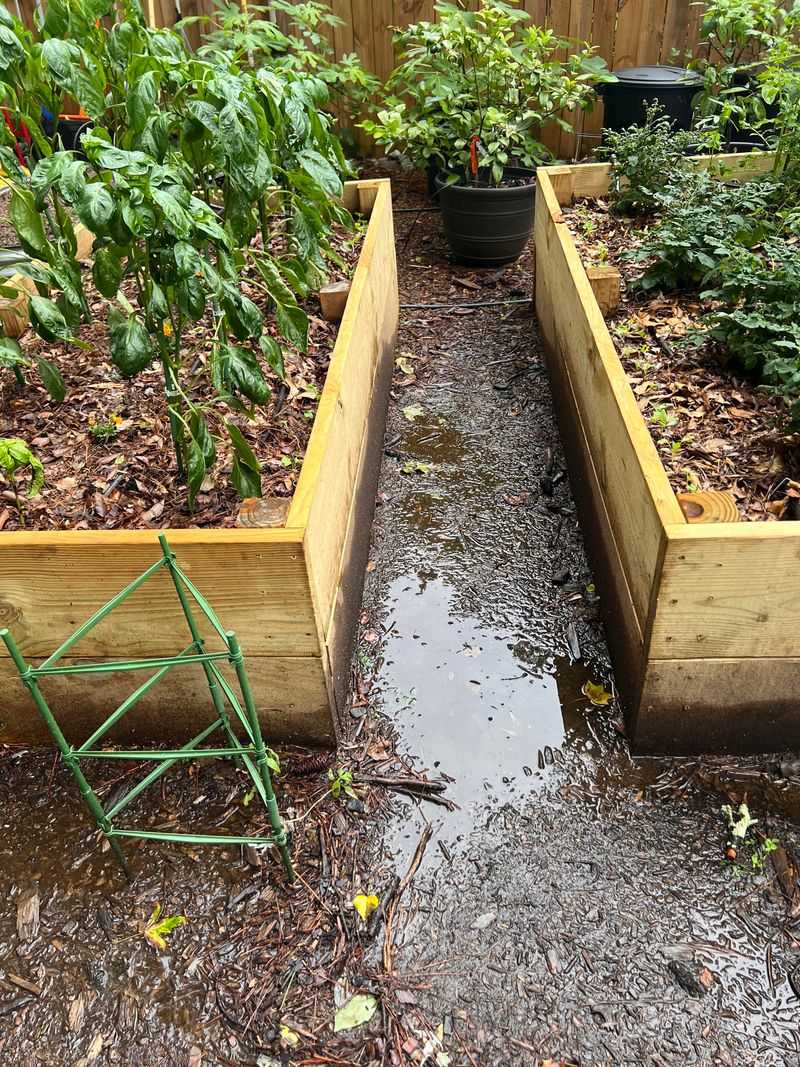
Roots do their best work invisibly. They spread, absorb, and anchor the entire plant from below, but they need specific conditions to perform any of those functions correctly.
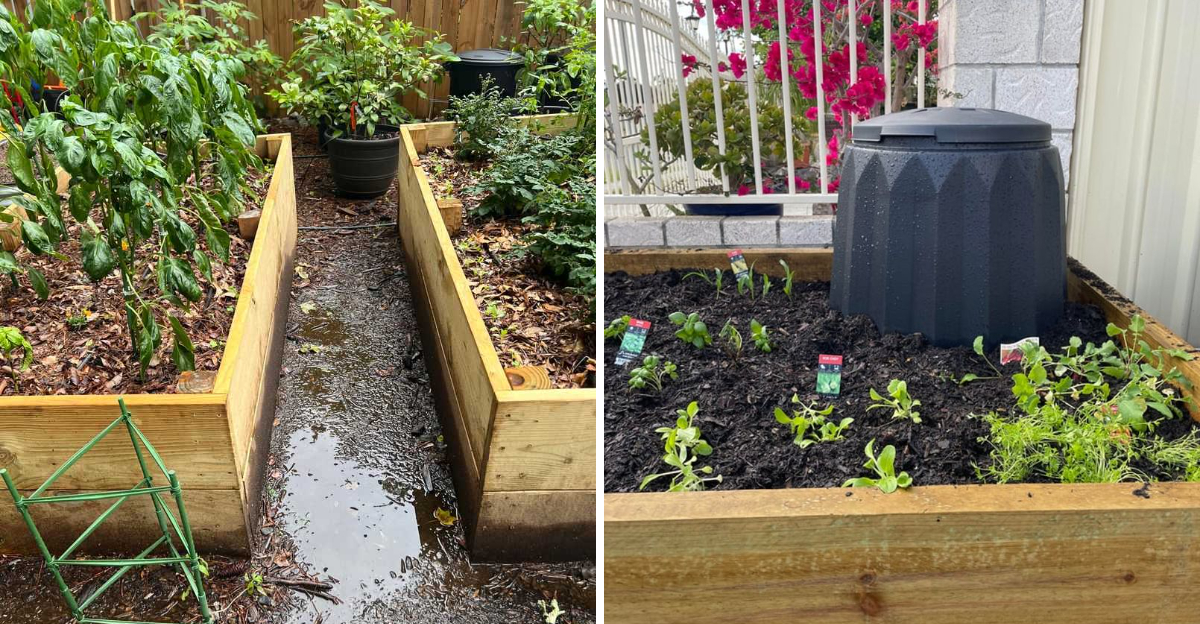
When native soil is compacted, waterlogged, or structurally compromised, raised beds offer a practical reset.
Raised beds drain faster than in-ground beds because gravity pulls water downward and away from the root zone more efficiently.
Faster drainage keeps oxygen levels higher throughout the soil, which is the primary condition roots need to absorb nutrients and support growth. A well-built raised bed with quality fill can show visible improvement in struggling plants within weeks.
Filling raised beds with a blend of topsoil, compost, and organic material rather than native soil alone produces the best results.
A common starting ratio is one-third topsoil, one-third compost, and one-third other organic material such as aged bark or coconut coir.
This combination drains adequately, holds sufficient moisture, and creates a biologically active environment that roots respond to quickly.
Raised beds also warm up faster in spring, which activates root metabolism earlier in the season. Plants begin accessing nutrients sooner without waiting for cold, wet native soil to catch up to seasonal temperatures.
The investment in raised beds pays off quickly for gardeners who have repeatedly struggled with drainage and compaction issues in the ground.
Once roots can breathe freely, required fertilizer inputs often drop significantly. It turns out plants do not need more food. They mostly just need better housing.
7. One Addition That Solves Drainage And Feeding Problems At The Same Time
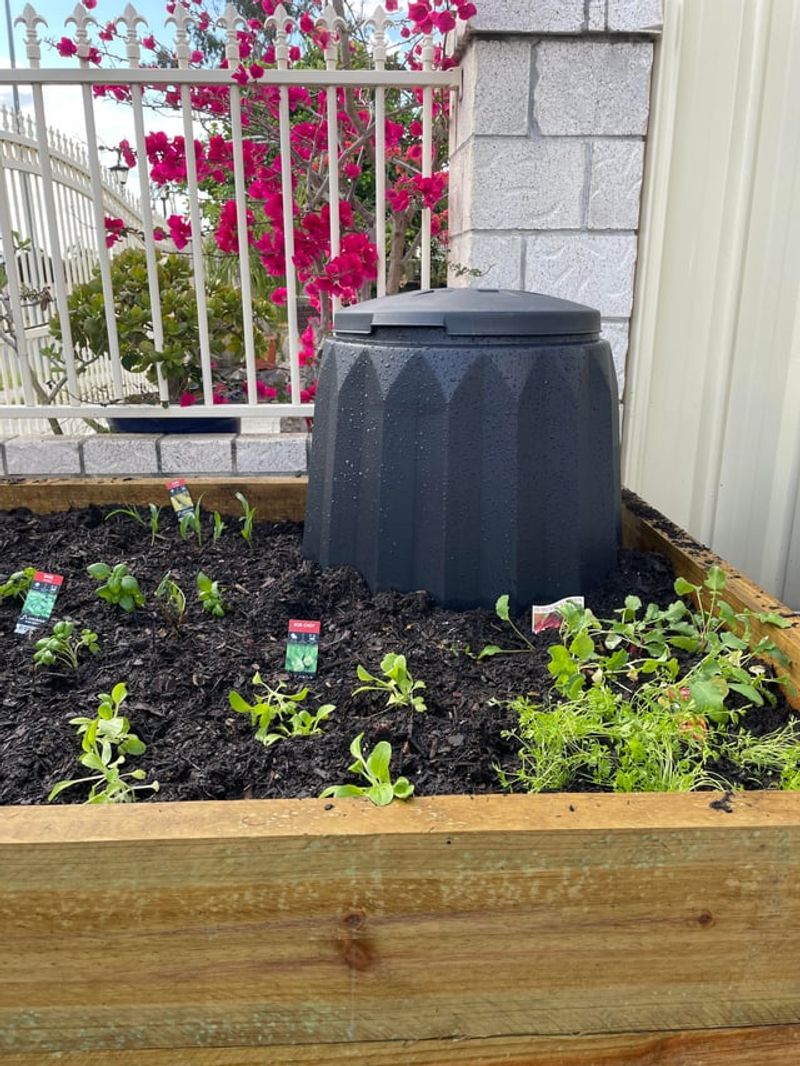
Compost does two jobs at once, and that combination is what makes it more useful than almost anything else added to a garden.
It improves soil structure to address drainage problems, and it releases nutrients slowly in forms that roots can actually absorb. No synthetic fertilizer replicates both of those functions in a single application.
In sandy soil, compost holds water and nutrients in place long enough for roots to reach them before they drain away.
In clay soil, compost breaks up dense structure and creates pore space for air and water movement throughout the profile. Either way, the root environment improves in the direction it needs to go.
The organic matter in compost also feeds soil microbes, which convert nutrients into plant-available forms through biological activity.
That microbial layer is a significant part of how plants get fed, and it is something synthetic fertilizer cannot create or replace.
Compost works gradually rather than immediately, and that timeline is worth accepting rather than fighting.
A two-inch layer added annually builds soil quality steadily and reduces dependence on purchased fertilizers over time.
Start with finished compost that smells earthy and looks dark and crumbly rather than identifiable food scraps or yard material. Work it into the top six inches before planting.
Over time, the soil holds the right moisture, drains the excess, and feeds plants more reliably than any bagged product applied to a structurally compromised bed.
One material. Two problems solved. Several bags of fertilizer left unopened.