When Should Michigan Gardeners Stop Fertilizing Summer Blooms For A Better Fall Display?
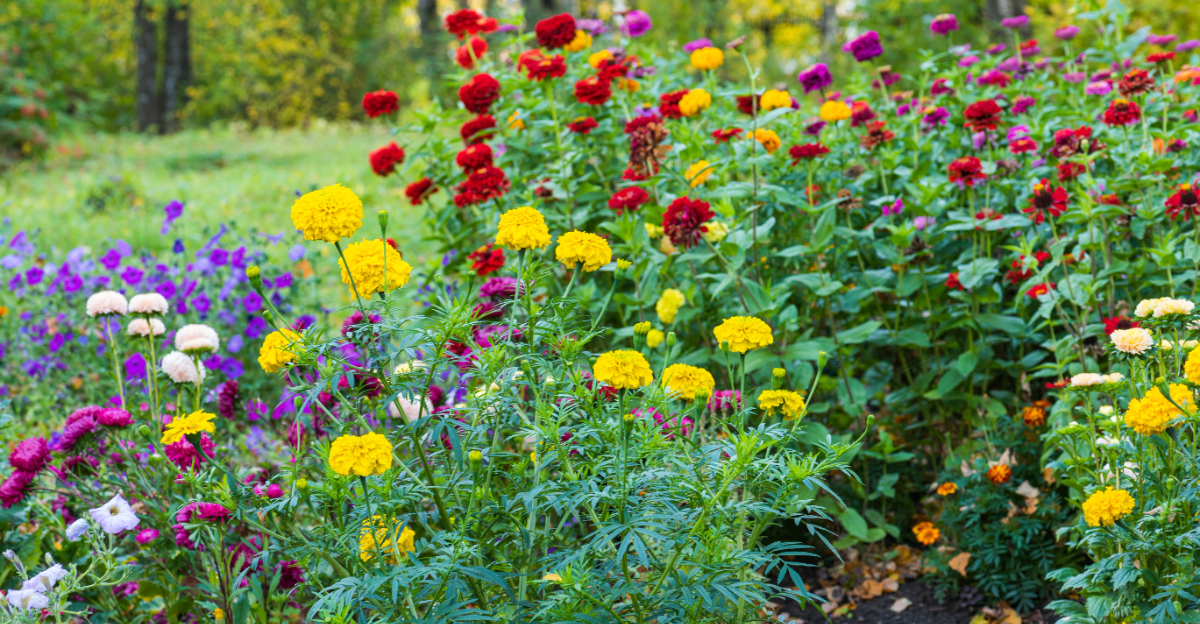
Late July through early August marks the ideal time for Michigan gardeners to stop fertilizing most summer blooming perennials for a stronger fall display.
Continuing to fertilize too late in the season encourages tender new growth that won’t have enough time to harden off before temperatures drop.
This vulnerable growth becomes especially susceptible to stress once cooler fall nights arrive unexpectedly.
Stopping fertilization now allows plants to shift energy toward root development instead, building strength for next year’s blooming season.
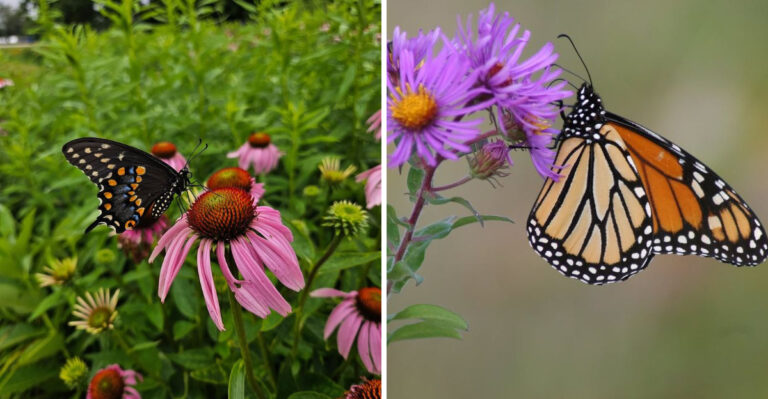
Fall blooming perennials, like asters or certain sedums, can continue receiving light feeding a bit longer than earlier summer bloomers.
Checking individual plant needs helps determine the right cutoff date more precisely across a mixed garden bed.
Watering consistently, even without fertilizer, remains important for supporting healthy root growth through the rest of the season.
Timing this cutoff correctly helps Michigan gardens transition smoothly into a strong, colorful fall display.
1. Stop Feeding Established Perennials By The End Of July
Most Michigan gardeners are surprised to learn that July is the natural finishing line for routine fertilizing of established summer perennials.
Once August rolls in, the vast majority of well-rooted perennials simply do not need another round of feeding.
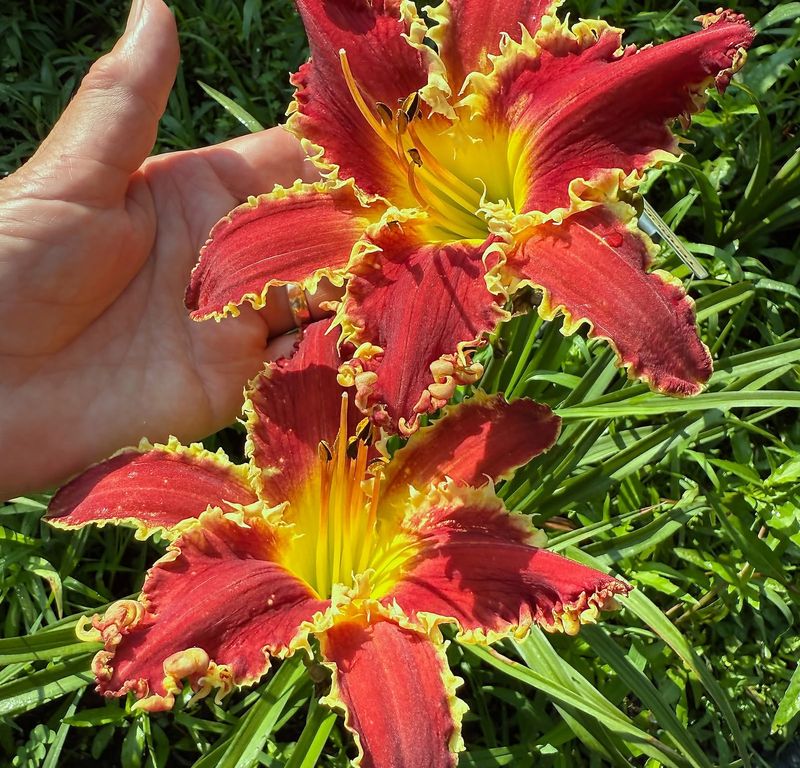
Plants like Bee Balm, Coneflower, Garden Phlox, Black Eyed Susan, Daylily, and Sedum have already built up enough stored energy by midsummer to carry themselves through the rest of the season.
Fertilizing established perennials after July can actually disrupt the natural rhythm these plants follow as days get shorter and temperatures start to cool.
Their internal signals are already shifting toward seasonal slowdown, and adding nutrients at this stage can confuse that process.
Gardeners sometimes worry that a fading display means the plant is struggling, but most late-summer changes in perennials are completely normal and healthy.
Skipping August fertilizer does not mean abandoning your plants.
Watering consistently, keeping weeds down, and watching for signs of pest activity are all far more valuable late-season tasks.
The exact calendar date matters less than the habit of avoiding automatic feeding once midsummer passes.
A good rule of thumb is to treat the end of July as your mental checkpoint.
If you have been feeding your perennials regularly through spring and early summer, they have the nutrients they need.
Trusting the plant rather than reaching for the fertilizer bag is one of the smartest moves a Michigan gardener can make heading into fall.
2. August Fertilizer Can Encourage Tender New Growth
Picture this: you scatter a bit of nitrogen fertilizer on your perennials in mid-August, hoping to give them a boost, and within a week you notice fresh, bright green shoots pushing up.
That might seem like a win, but those tender new stems are actually a problem waiting to happen.
Nitrogen encourages soft, fast growth that has not had enough time to toughen up before Michigan nights start cooling in September and October.
New growth produced in late summer tends to be especially vulnerable because it lacks the cellular strength of growth that developed earlier in the season.
Your Michigan Garden Changes Every Week. Your Plan Should Too.
Gardening in Michigan changes quickly throughout the season. Every Friday you’ll receive a simple weekly plan showing exactly what to plant, prune, fertilize, harvest, and protect so you never miss the right timing.
When temperatures drop, that soft tissue struggles far more than mature stems and leaves do.
The plant ends up spending energy producing growth it cannot fully support through the changing season, which can leave the whole plant looking worn out and ragged by October. There is also a bigger picture to consider here.
When a plant puts energy into producing new leaves and stems in August, that energy is being pulled away from the gradual seasonal preparation the plant would naturally be doing.
Roots benefit from that stored energy too, and redirecting it toward unnecessary top growth is not a trade most gardeners would choose if they understood what was happening below the surface.
One light application is unlikely to cause dramatic visible harm, but the pattern of routine August fertilizing adds up over time.
Letting your perennials follow their natural late-summer rhythm is a much kinder approach than nudging them with extra nitrogen they do not need.
3. Extra Nitrogen Does Not Guarantee More Fall Flowers
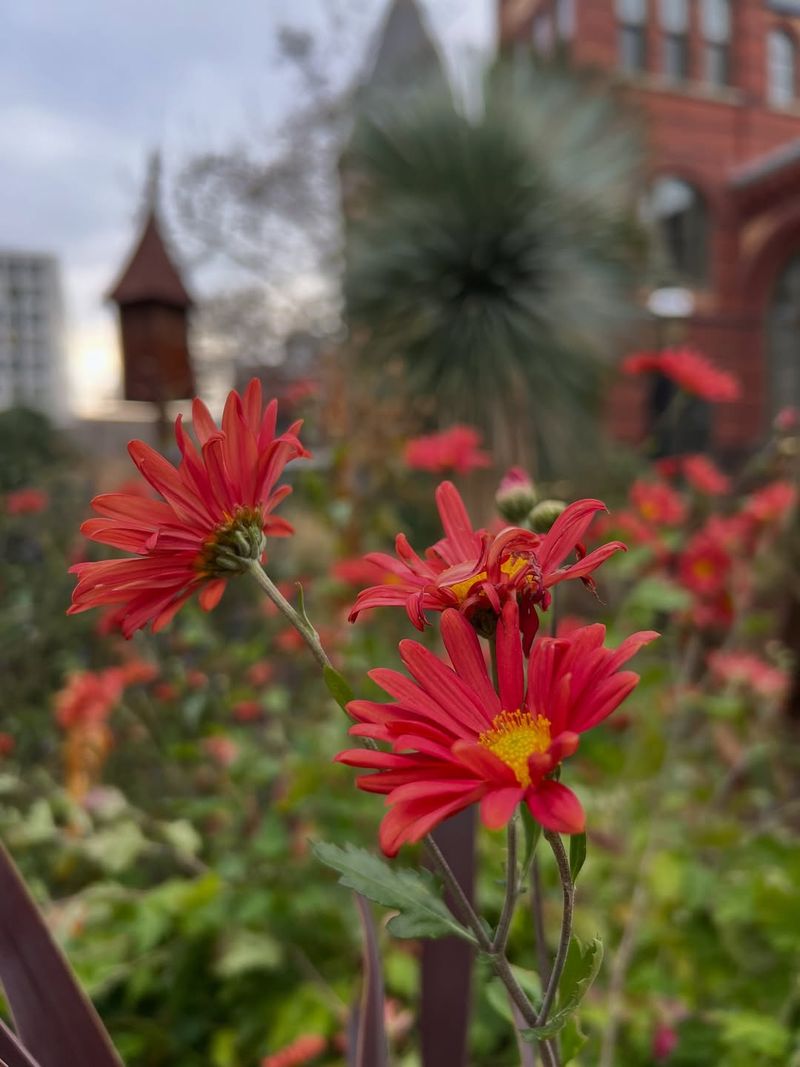
Many gardeners assume that more fertilizer automatically means more flowers, but that logic breaks down quickly in late summer.
Flower production is driven by a combination of factors including plant genetics, available sunlight, soil moisture, the care the plant received earlier in the season, and whether flower buds have already formed.
Pouring on extra nitrogen in August cannot override those biological realities. What extra nitrogen actually does well is push foliage production.
Leaves, stems, and new shoots respond enthusiastically to nitrogen, growing faster and larger than they might otherwise.
The problem is that abundant leafy growth does not come with a matching increase in flower buds.
In fact, some plants produce fewer flowers when they are growing too vigorously because energy is flowing into leaves rather than reproductive structures.
Tall, lush plants fed too heavily can also flop over without enough structural support, which makes a garden bed look messy rather than beautiful.
Coneflowers and Garden Phlox are especially prone to leaning when they have been pushed into extra vegetative growth late in the season.
A flopped plant is harder to enjoy and harder to manage. Before reaching for fertilizer, take a walk through your garden and actually look at your plants.
Are the leaves a healthy green color? Are buds forming? Is the plant a reasonable size for its variety? Healthy plants with well-formed buds are already on track for a good fall display.
Judging plant health honestly is always more useful than assuming every fading display needs a nutrient fix.
4. Fall Blooming Perennials Usually Need Water More Than Fertilizer
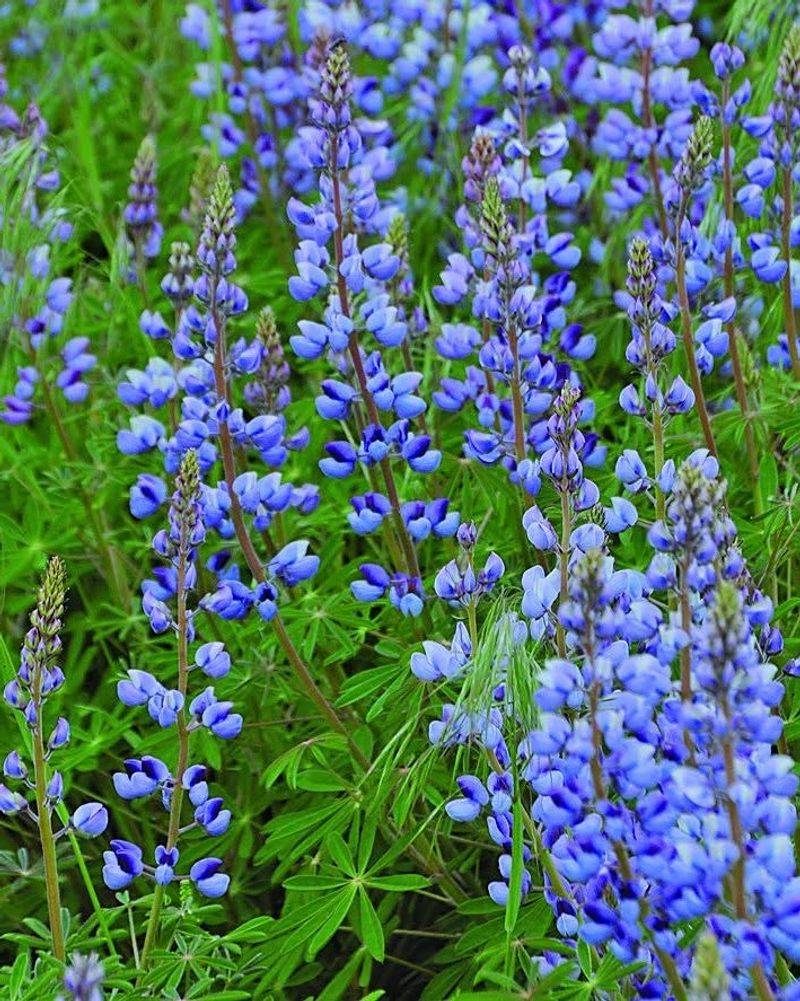
Asters, Sedums, Goldenrods, and Sneezeweeds are some of Michigan’s most reliable fall bloomers, and they share one common late-summer need that most gardeners overlook: consistent soil moisture.
These plants are gearing up to produce their best display of the year, and dry soil at the root zone can limit that performance far more than a lack of fertilizer ever would.
Checking moisture at the surface is not enough. Stick your finger or a small tool several inches into the soil near the base of the plant. If it feels dry at that depth, the roots are not getting what they need.
During extended dry stretches in August and early September, watering the root zone deeply and consistently is one of the most impactful things you can do to support a strong fall bloom.
Fertilizer simply cannot fix the problems that come from dry, compacted, or damaged soil.
A plant with stressed roots cannot absorb nutrients effectively anyway, which means adding fertilizer to a thirsty plant is mostly a wasted effort.
Getting the moisture right first gives the plant the foundation it needs to actually use whatever nutrients are already present in the soil.
Poor drainage on the other end of the spectrum can be just as limiting. Waterlogged soil restricts oxygen to the roots and can prevent plants from thriving even when nutrients are available.
Matching your watering approach to actual soil conditions rather than a fixed schedule will serve your fall bloomers far better than any late-season fertilizer application.
5. Removing Spent Flowers Can Improve The Remaining Display
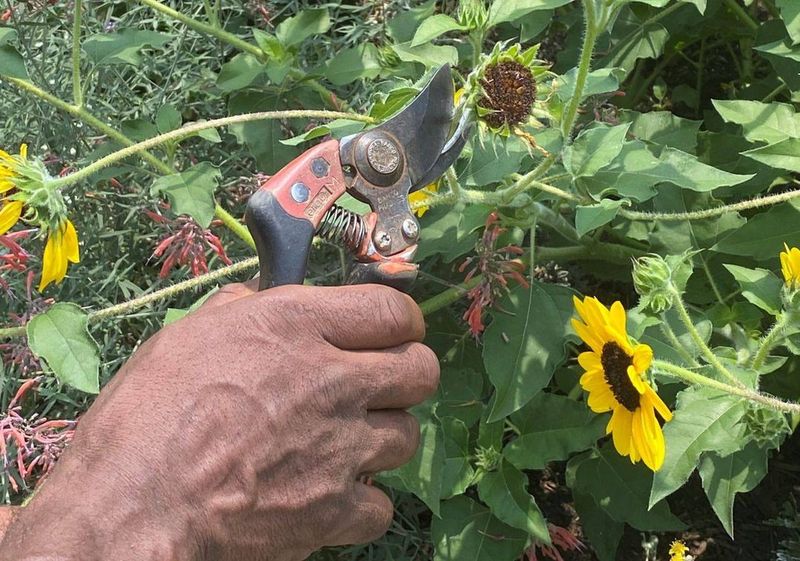
One of the most underrated late-summer garden tasks is also one of the simplest.
Removing finished flowers from repeat blooming plants redirects the plant’s energy toward developing buds that have not yet opened, giving you more color for longer without any fertilizer involved.
It also keeps your flower beds looking tidy and cared for during the stretch between peak summer bloom and fall. The technique matters here.
Cut spent flowers just above a healthy leaf pair or side branch rather than stripping large amounts of green foliage away.
Leaves are working hard to collect sunlight and support root development, so removing too many does more harm than good.
A clean, precise cut above a leaf node gives the plant a clear signal about where to direct new energy.
Not every perennial will reward you with another full flush of flowers after deadheading, and that is perfectly fine.
Plants like Coneflower and Black Eyed Susan are often better left standing because their seed heads provide food for birds and add visual texture to the fall garden.
Knowing which plants benefit from deadheading and which ones are better left alone is part of becoming a more confident gardener. The comparison between deadheading and August fertilizing is worth thinking about.
Deadheading costs nothing, requires no special products, and works with the plant’s natural energy flow rather than against it.
For most Michigan gardeners looking to extend their summer display into fall, removing spent blooms is a far more reliable strategy than reaching for the fertilizer bag one more time.
6. Annual Flowers May Still Need Limited Feeding
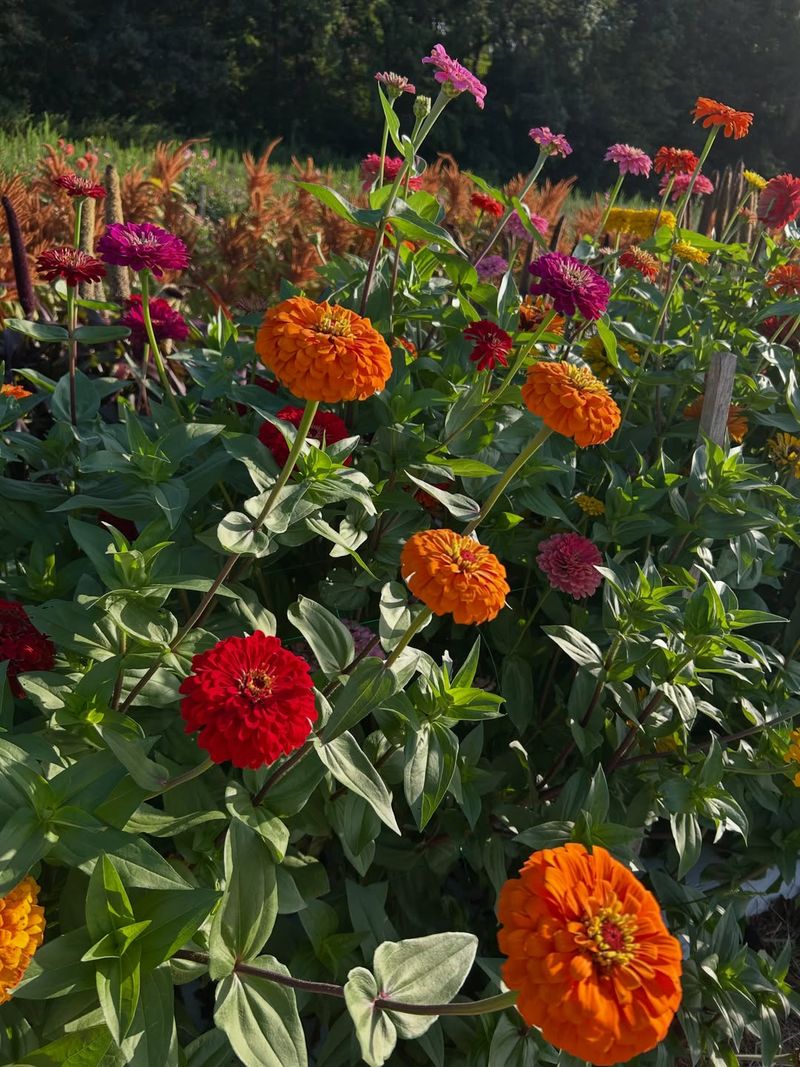
Annuals play by a completely different set of rules than established perennials, and that distinction matters a lot when you are deciding whether to keep fertilizing in late summer.
Unlike perennials that have years of root development to draw from, annual flowers are completing their entire life cycle in a single season.
Petunias, Zinnias, Marigolds, and similar plants are designed to keep blooming until frost stops them, which means they may genuinely benefit from continued feeding when soil nutrients run low.
The key word is limited. Annuals growing in nutrient-poor soil can show real improvements with a modest, well-timed fertilizer application in August.
Look for pale foliage, reduced flowering, or noticeably slowed growth as signs that nutrients might actually be lacking.
Following the product label carefully and avoiding the temptation to apply more than recommended will keep your plants healthy rather than overwhelming them.
Here is something worth watching for though: annuals that are producing enormous amounts of lush green leaves but very few flowers are often getting too much nitrogen already.
More fertilizer in that situation will make the problem worse, not better.
Reducing feeding and ensuring the plant has adequate sunlight and consistent moisture is usually the better fix when blooms are sparse.
Paying attention to how your annuals actually look and grow gives you much better information than any fixed feeding schedule.
Some years the soil stays rich enough that annuals thrive without extra feeding at all. Other years a single light application in early August makes a visible difference. Observation beats assumption every single time.
7. Container Flowers Require Separate Treatment
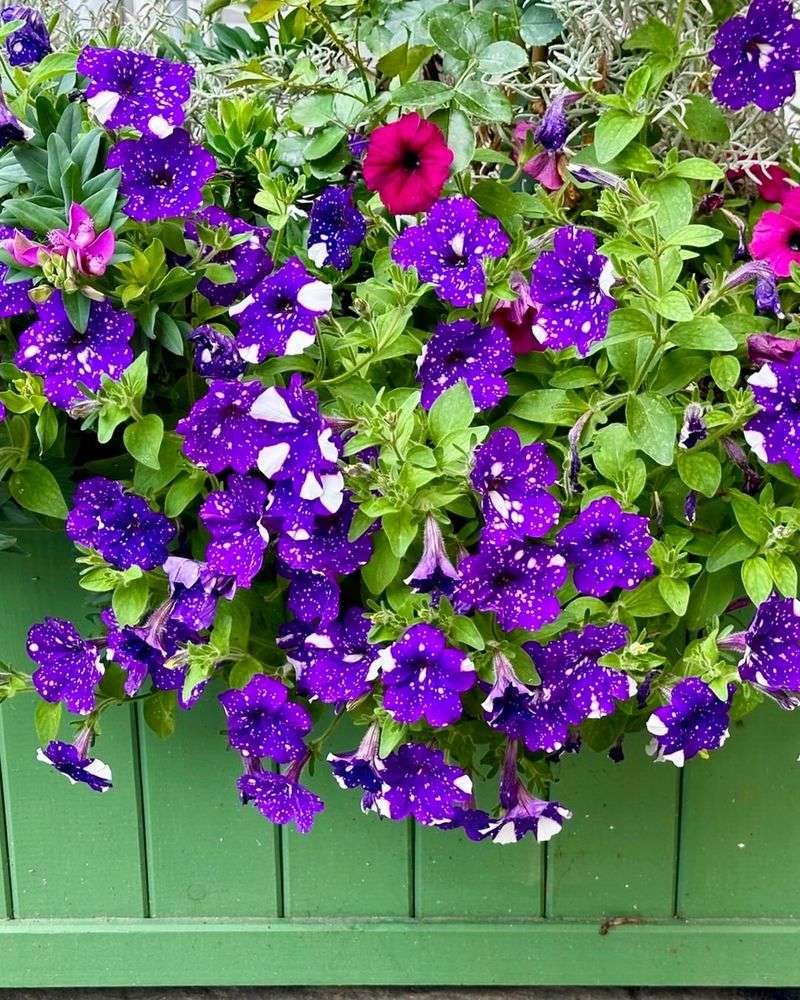
Container gardening has its own logic, and the fertilizer rules that apply to plants growing in open garden soil do not transfer directly to pots and planters.
Every time you water a container, some of the dissolved nutrients in the potting mix get flushed out through the drainage holes.
Over weeks of regular summer watering, that adds up to a significant nutrient loss that plants growing in the ground simply do not experience.
Actively flowering container plants may genuinely need continued light feeding well into August because their growing medium has been depleted in ways that garden soil has not.
A Petunia or Calibrachoa in a pot on your deck is in a fundamentally different nutritional situation than the same plant growing in a prepared garden bed.
Recognizing that difference helps you make smarter decisions for each plant. Even so, container feeding should be thoughtful rather than automatic.
When a potted plant shows signs of stress from heat, waterlogged soil, or root crowding, adding fertilizer is not the answer.
Stressed roots cannot absorb nutrients effectively, and piling on more fertilizer in that situation can actually make the root environment worse.
Addressing the underlying stress first is always the right move.
As the growing season winds down and plant growth naturally slows, reduce your feeding frequency rather than maintaining the same schedule all the way to frost.
The plant type, potting mix quality, how often you water, and how much of the season remains all factor into the right approach.
Thoughtful observation will always guide you better than a one-size-fits-all container feeding calendar.
8. Use A Soil Test To Plan Next Year’s Feeding
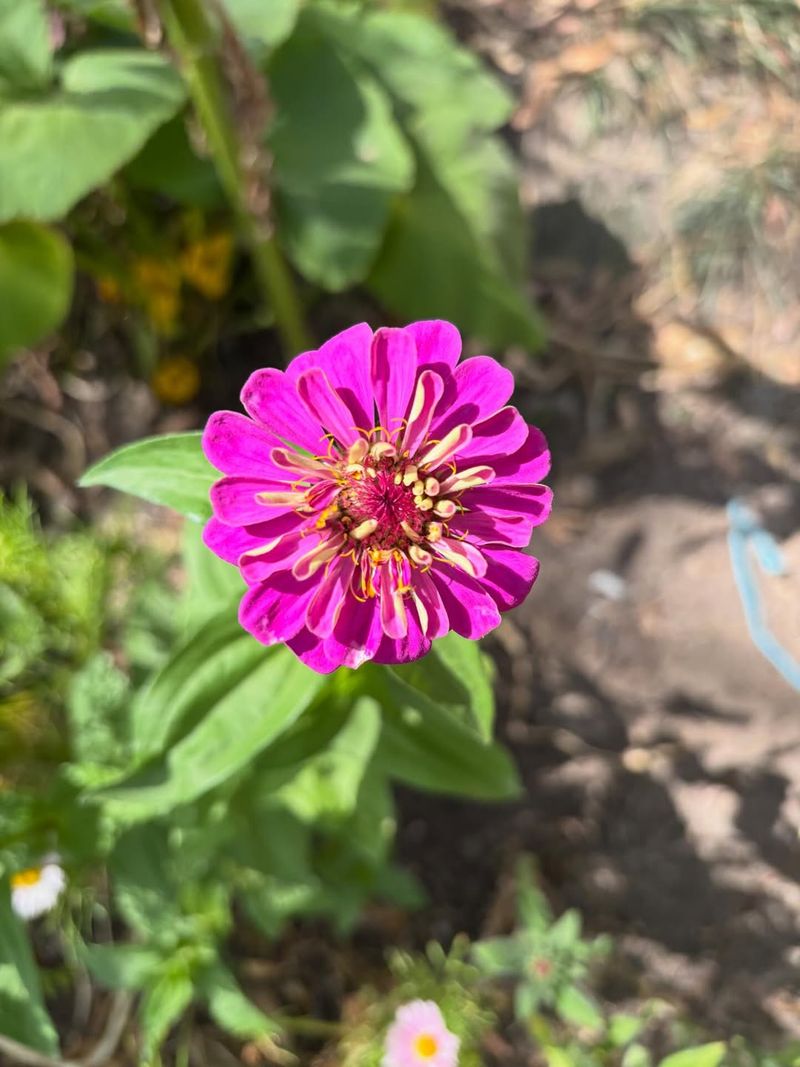
August is genuinely one of the best months to step back and evaluate how your garden actually performed this season rather than scrambling to fix things with last-minute fertilizer.
Walking through your beds with fresh eyes and a notepad can reveal patterns that are easy to miss when you are focused on day-to-day maintenance.
Weak stems, pale foliage, poor flowering, overcrowded clumps, and drainage problems are all worth documenting now so you can address them thoughtfully before next spring.
A Michigan State University Extension soil test takes the guesswork completely out of next year’s fertilizer planning.
Instead of applying products based on what you assume the soil needs, a soil test tells you exactly what nutrients are present, what is lacking, and what the soil pH is.
Applying fertilizer without that information is a bit like filling a prescription without a diagnosis, well-intentioned but not necessarily accurate.
Soil acidity matters more than many gardeners realize.
Michigan soils vary widely in pH, and a pH that is too high or too low can prevent plants from absorbing nutrients even when those nutrients are present in the soil.
A soil test catches those issues and gives you specific recommendations for amendments that will actually make a difference.
Established perennials generally do best when any necessary fertilizer is applied in spring rather than late summer.
August care should center on consistent moisture, healthy foliage maintenance, removing spent blooms where appropriate, and setting the stage for a smooth seasonal transition.
Ending the season with good information and a smart plan puts every Michigan gardener ahead of the game before the first spring thaw.