Arizona Homeowners Are Choosing This Native Tree Instead Of Desert Willow
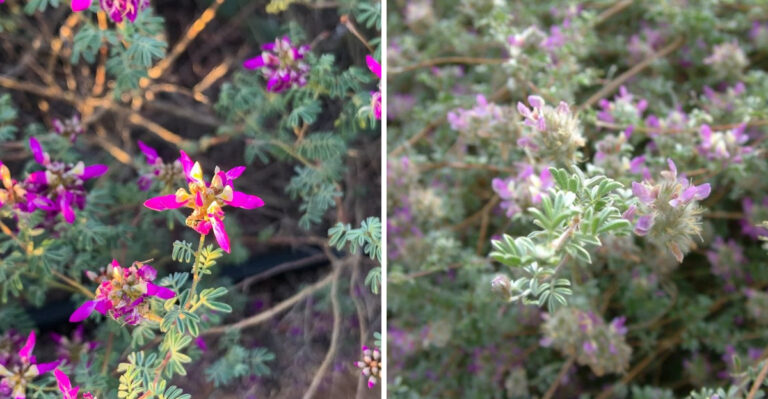
Desert willow has earned its place in plenty of landscapes, but it is no longer the only tree catching homeowners’ attention. More people are looking for a native option with a different look and fewer maintenance concerns.
Choosing the right tree is about more than flowers or fast growth. Long-term performance matters just as much once summer heat settles in.
One native species stands out for handling harsh conditions while fitting naturally into desert landscapes. It has quietly become a favorite for new yards and replacement projects.
Across Arizona, this tree is proving that beauty and resilience can go hand in hand without demanding constant care.
If you are thinking about planting something new, this lesser-known native may deserve a spot at the top of your list.
1. Meet Arizona Rosewood
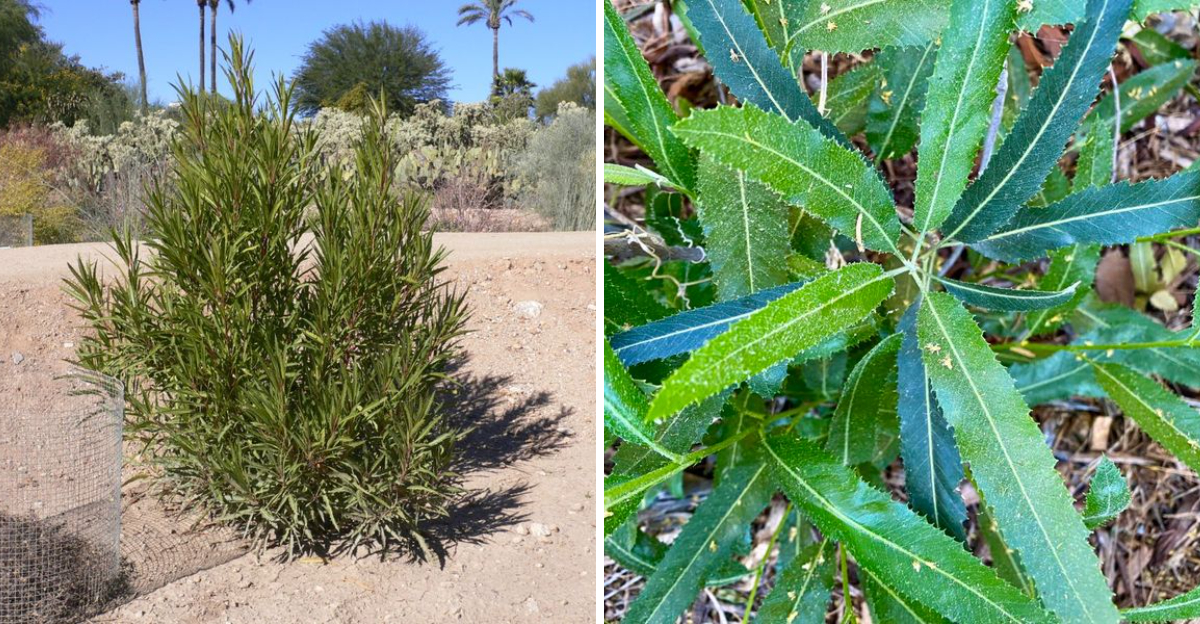
Not many native trees can handle full desert sun, rocky ground, and drought without missing a beat. Arizona Rosewood does exactly that, and it does it quietly.
Botanically known as Vauquelinia californica, it grows naturally across the Sonoran Desert and into parts of Mexico.
Most people have never heard of it, which is honestly surprising. It reaches about 10 to 20 feet tall at maturity, depending on soil and water availability.
That puts it in a useful middle range between a large shrub and a small tree.
Homeowners in hot, dry climates often struggle to find plants that look polished without demanding constant care. Arizona Rosewood fits that gap well.
Its leathery, dark green leaves stay on the branches year-round, giving the plant a clean, structured look through every season.
It does not drop its leaves in fall like a Desert Willow does, which means less yard cleanup. The bark has a warm reddish-brown tone that adds visual interest even when the plant is not blooming.
Planted along a fence line or near a patio, it creates a natural backdrop that looks intentional and low-maintenance at the same time.
2. Evergreen Leaves Keep The Landscape Green Year-Round
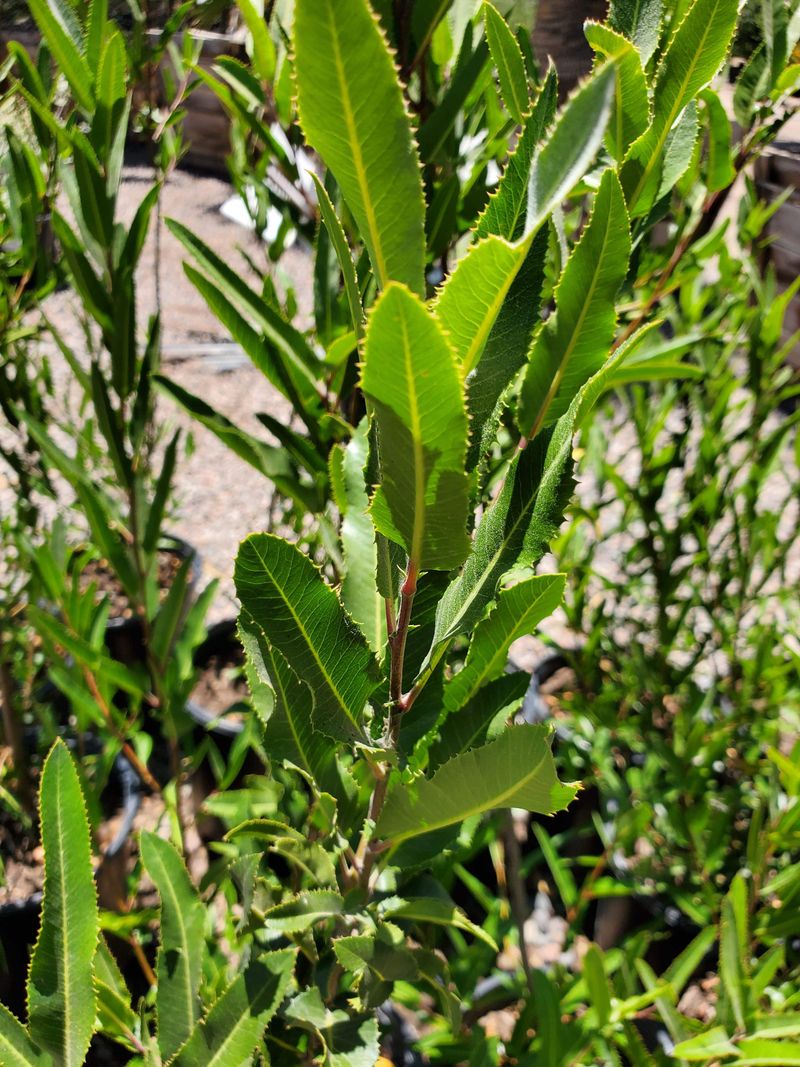
Bare branches in winter make a yard look forgotten. Vauquelinia californica sidesteps that problem entirely by holding onto its leaves through every season.
Its foliage stays a deep, glossy green even during cold snaps. Temperatures in the low 20s Fahrenheit can stress many desert plants, but this tree handles those dips reasonably well in most cases.
Results can vary depending on your specific microclimate and soil conditions.
Desert Willow, by comparison, drops all its leaves in late fall and stays bare through winter. For homeowners who want year-round structure in their yard, that seasonal nakedness can feel like a letdown.
This evergreen fills that visual gap without any extra effort on your part.
The leaves themselves are long and narrow with slightly serrated edges. Up close, they have a leathery texture that helps the plant conserve moisture during dry stretches.
That texture also makes the foliage more resistant to wind damage than softer-leafed plants.
Planted near a wall or along a property line, the dense evergreen canopy creates a consistent green presence that anchors the whole yard. It works especially well as a background plant behind lower-growing flowering shrubs.
Your Arizona Garden Changes Every Week. Your Plan Should Too.
Gardening in Arizona changes quickly throughout the season. Every Friday you’ll receive a simple weekly plan showing exactly what to plant, prune, fertilize, harvest, and protect so you never miss the right timing.
The contrast between its dark leaves and lighter blooms nearby can make a simple planting feel much more intentional and well-designed.
3. Dense Branches Create A More Private Yard
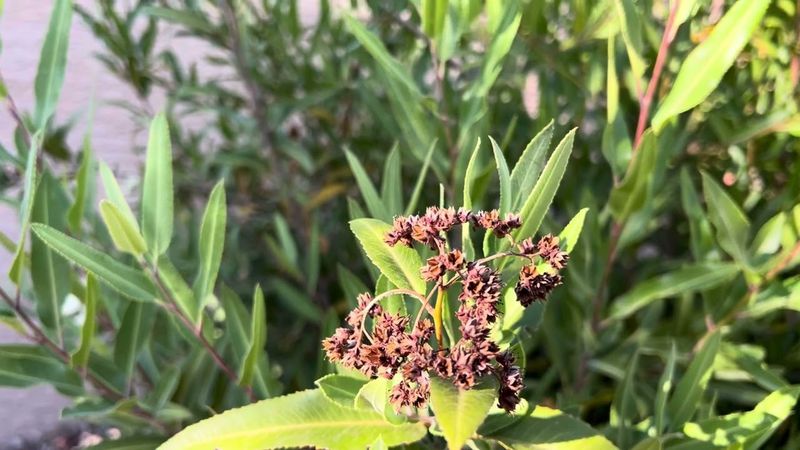
Privacy is one of the top reasons homeowners plant trees along their property lines. Arizona Rosewood branches out densely from a fairly young age, making it a solid natural screen.
Unlike Desert Willow, which has an open, airy structure, this tree fills in more tightly. Branches grow in multiple directions close together, leaving fewer gaps for neighbors or street traffic to see through.
Over time, a row of these trees can form a living wall that feels both natural and intentional.
Reaching up to 20 feet in height, it provides vertical coverage that fences alone cannot match. A six-foot fence blocks the view at eye level, but a taller tree blocks upper-story windows and elevated sightlines too.
That extra height matters in neighborhoods where homes sit close together.
Sound buffering is another benefit worth mentioning. Dense foliage absorbs some ambient noise from streets and neighboring yards, though it will not eliminate noise entirely.
Even a modest reduction in street sound can make an outdoor sitting area feel more relaxed.
Because the tree is evergreen, that privacy does not disappear in winter. Deciduous trees and shrubs offer great screening from spring through fall, but then leave your yard exposed for months.
4. Plant It In Well-Drained Soil
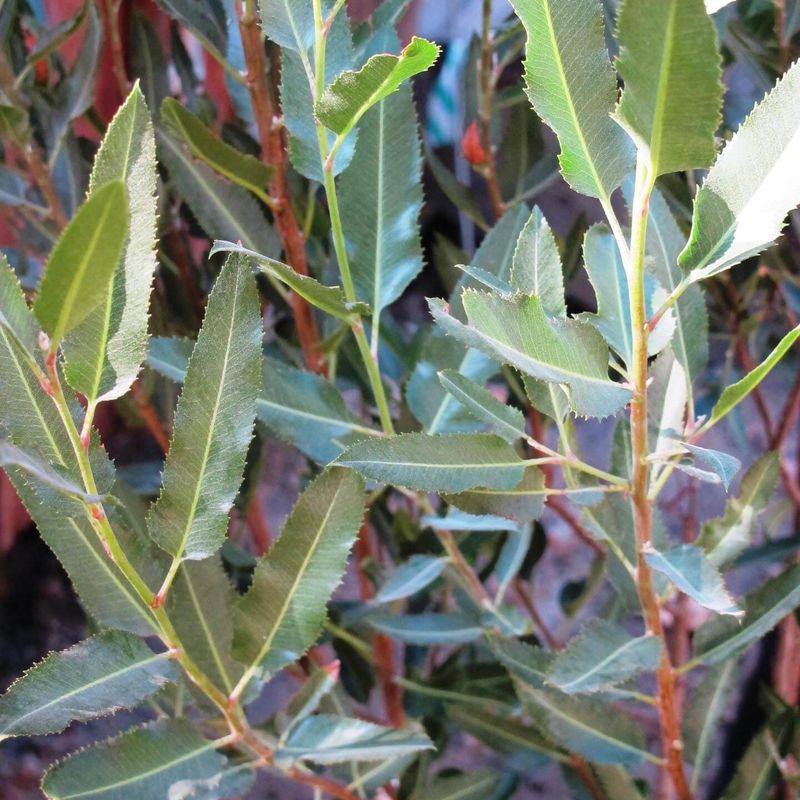
Soil drainage is where many desert plantings go wrong. Roots sitting in wet, compacted soil struggle to establish, and Vauquelinia californica is no exception to that rule.
Rocky, gravelly, or sandy soil suits this tree well. It naturally grows on slopes and canyon walls in the wild, where water drains quickly after rain.
Replicating those conditions in a home landscape gives it the best possible start.
Heavy clay soil holds moisture too long and can cause root problems over time. If your yard has clay-heavy ground, consider amending the planting area with decomposed granite or coarse sand before installing the tree.
Raised planting mounds also help in areas where drainage is consistently poor.
Avoid planting near irrigation zones designed for lawn grass or thirsty tropical plants. Overwatering is one of the more common mistakes with drought-tolerant natives.
Once established, it prefers to dry out between waterings rather than sit in consistently moist soil.
Full sun exposure pairs well with good drainage. A spot that gets six or more hours of direct sun daily is ideal for strong, healthy growth.
Partial shade can work in some cases, but growth tends to be slower and the plant may not develop its characteristic dense canopy as quickly.
5. White Spring Flowers Attract Bees And Butterflies
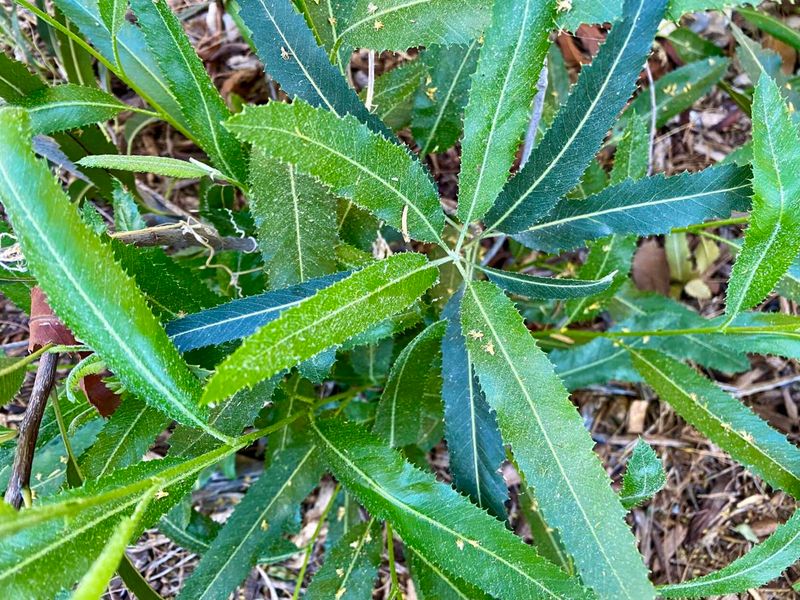
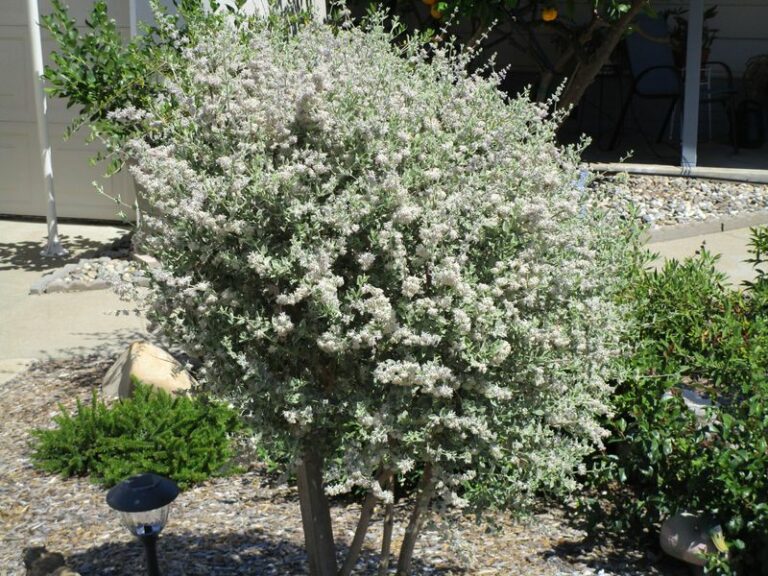
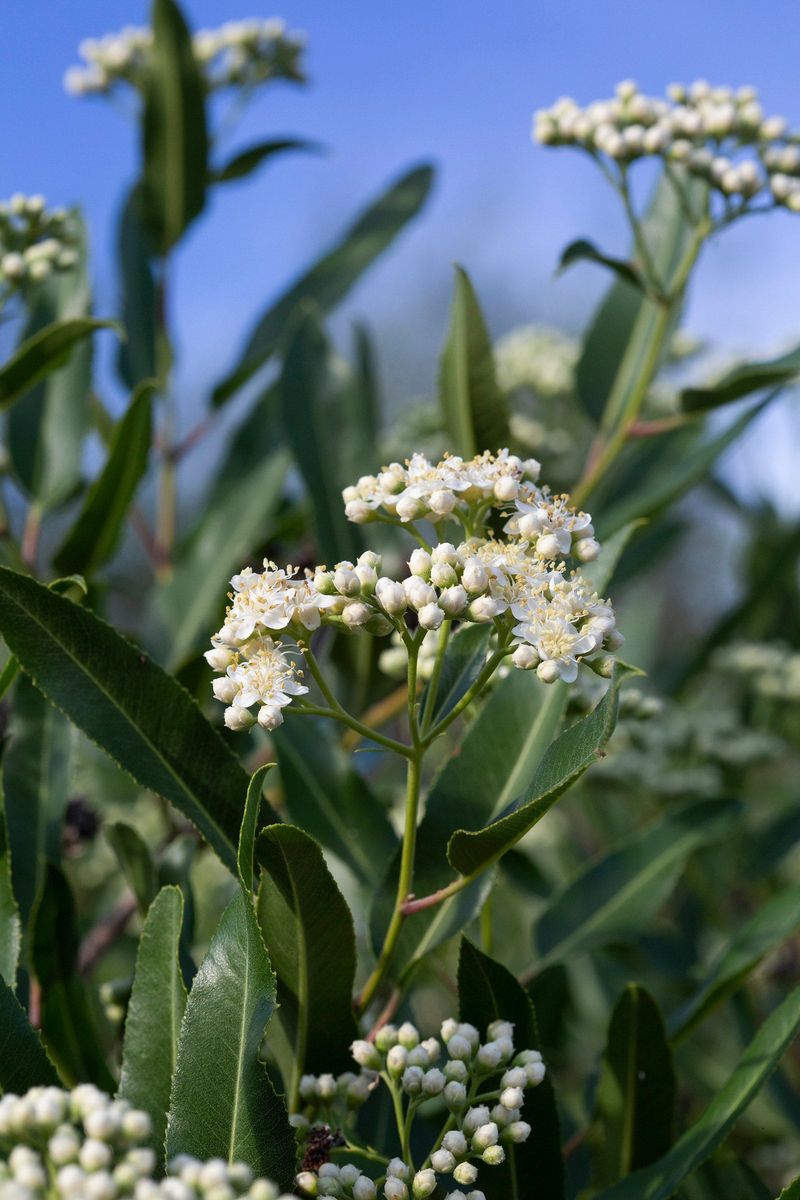
Clusters of small white flowers appear on Vauquelinia californica in late spring, usually from April through June depending on elevation and local conditions. Up close, they look delicate and almost frothy against the dark green foliage.
Native bees are drawn to these blooms reliably. The flowers produce nectar that supports pollinators during a time when many other desert plants have not yet started blooming.
That timing makes this evergreen especially useful for gardeners trying to support local bee populations.
Butterflies also visit the flowers, though less predictably than bees. Swallowtails and other species have been observed nectaring on the blooms in desert gardens.
Planting it near other native flowering plants can increase overall pollinator activity in your yard throughout the season.
From a design standpoint, the white flowers contrast beautifully with the dark leaves. It does not produce the showy, trumpet-shaped blooms that Desert Willow is known for, but the effect is still attractive in a quieter, more restrained way.
Gardeners who prefer a naturalistic style tend to appreciate that subtlety.
After blooming, the plant produces small seed capsules that persist on the branches into fall. Birds occasionally feed on these seeds, adding another layer of wildlife value.
6. Water Young Trees Until They Become Established
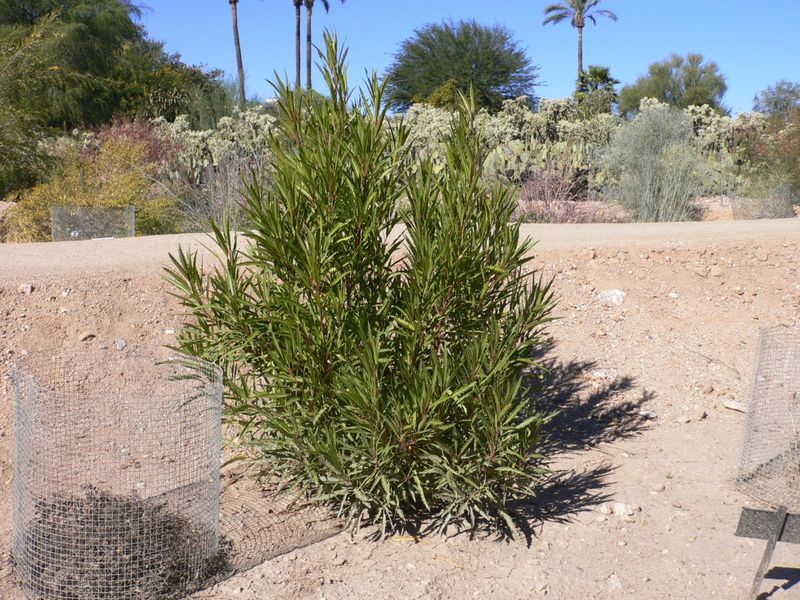
Drought tolerance is a long-term trait, not a day-one guarantee. Young Arizona Rosewood trees need consistent watering during their first one to two years in the ground to build a strong root system.
Right after planting, water deeply every few days for the first few weeks. Deep watering encourages roots to grow downward rather than staying shallow near the surface.
Shallow roots make plants more vulnerable to heat stress and dry spells later on.
As weeks pass, gradually stretch out the time between waterings. By the end of the first growing season, watering once every week or two is usually enough, though this depends on your soil type, sun exposure, and seasonal temperatures.
Pay attention to how the leaves look rather than following a rigid schedule.
Wilting or slightly curled leaves can signal that the tree needs water sooner than expected. Catching that early and adjusting your schedule prevents unnecessary stress during the establishment period.
Once roots reach deeper soil layers, the tree becomes much more self-sufficient.
Mulching around the base helps retain soil moisture between waterings. A layer of decomposed granite or wood chip mulch about two to three inches deep works well.
Keep mulch pulled back a few inches from the trunk to avoid moisture buildup against the bark.
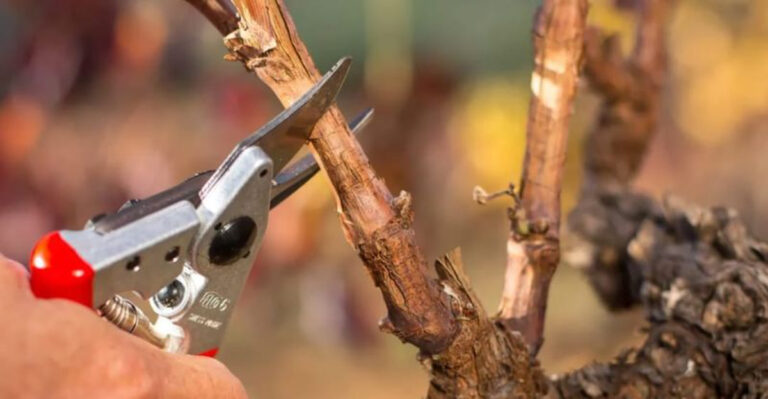
7. Prune Only To Maintain Its Natural Shape
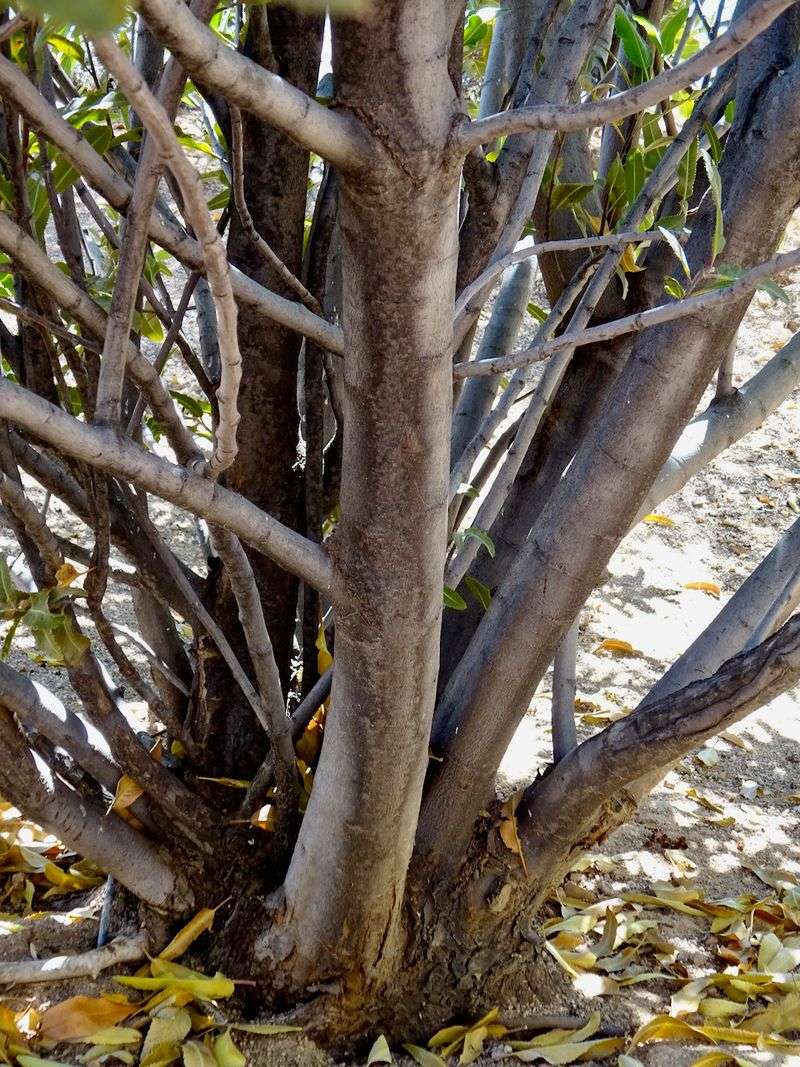
Heavy pruning is not something Arizona Rosewood asks for. Left mostly alone, it develops a naturally rounded, multi-stemmed form that looks clean without much intervention.
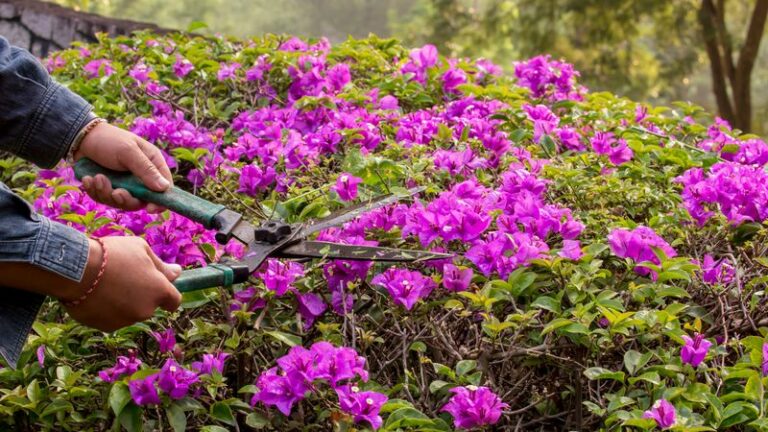
Aggressive shearing into tight hedges or geometric shapes can stress the plant and reduce flowering. It also forces the tree to put energy into regrowth rather than root development and overall health.
A light touch almost always produces better results than heavy cutting.
The best time to prune is late winter or very early spring, just before new growth begins.
Removing crossing branches, damaged wood, or stems that grow inward toward the center of the canopy keeps airflow moving through the plant.
Good airflow reduces the chance of fungal issues during wetter stretches of weather.
If the tree is being used as a privacy screen, occasional shaping along the outer edges helps maintain a consistent height and width. Even then, removing no more than about one-quarter of the canopy at a time is a reasonable guideline to follow.
Taking too much at once can slow the plant down noticeably.
Tools matter too. Sharp, clean pruning shears make cleaner cuts that close faster than ragged ones.
Wiping blades with a clean cloth between plants is a good habit that reduces the risk of spreading any potential issues from one plant to another.