Protect Your Maryland Hydrangeas By Avoiding These August Mistakes
Heat turns your hydrangeas from thriving to struggling overnight without warning. Maryland summers challenge you in ways spring never prepared you for.
Humidity clings to your leaves and invites disease surprisingly fast. Watering too often can quietly weaken your thirsty roots. Wrong pruning hides blooms you haven’t even noticed forming yet.
Fertilizing now pushes growth your plant simply cannot protect. Your containers dry out far faster than garden beds ever will. Mulch shields roots you truly cannot see from intense heat.
Transplanting now unsettles everything you have built here in Maryland. Afternoon wilting looks dramatic but rarely means your plant has struggled. Rushing leads you toward decisions your hydrangeas won’t recover from.
Precision matters more than the effort you think you are making. Small mistakes compound faster than you would ever expect.
Every choice you make now shapes next spring’s entire bloom. You won’t want to miss what happens next.
1. Prune Old-Wood Varieties At The Wrong Time

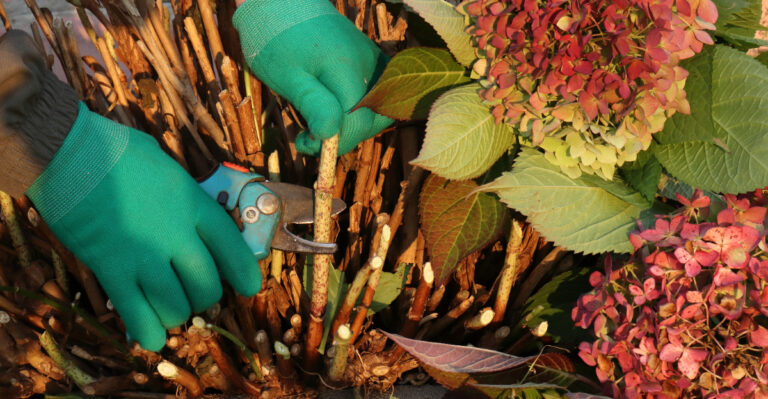
Before pruning, it’s worth checking the timing first. Pruning old-wood hydrangeas in August is one of the fastest ways to lose next year’s blooms entirely.
Old-wood bloomers like Bigleaf and Oakleaf hydrangeas set their flower buds on last year’s stems. When you cut those stems in summer, those buds go with them.
By August, next season’s buds are already forming on the wood. Snipping them off now means a spring with little to no bloom.
Many Maryland gardeners make this mistake because the spent flowers look messy. The fix is simple: leave them alone until late winter or very early spring.
Removing spent blooms on old-wood varieties is also risky in August. Even removing just the flower head can disturb bud sites sitting right below the cut.
If your hydrangea is a new-wood bloomer like Smooth or Panicle types, August pruning is slightly less damaging. But it still pushes tender new growth that cannot harden before frost hits.
The safest move for any Maryland hydrangea in August is to keep the pruners in the shed. Let the plant rest, conserve energy, and prepare naturally for the cooler months ahead.
Think of those old stems as a savings account for spring color. Every cut you skip now is a bloom you get to enjoy next June.
2. Overwatering Can Quietly Cause Root Rot
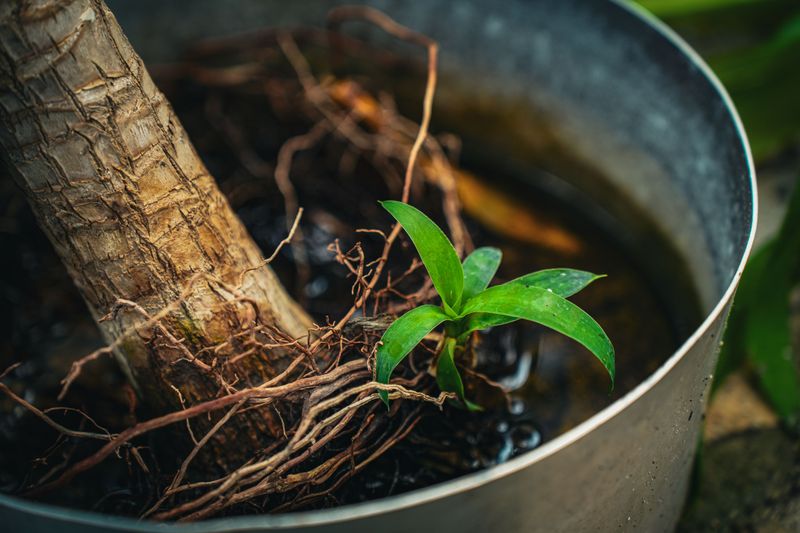
Soggy roots are a common, easily overlooked cause of hydrangea decline. Overwatering is actually more common than underwatering, and August’s humidity makes the problem even sneakier.
When soil stays wet for too long, oxygen cannot reach the roots. Without oxygen, roots begin to break down, and the plant starts showing signs that look exactly like drought stress.
Yellow leaves, drooping stems, and mushy soil near the base are classic warning signs. Many gardeners see the droop and water more, which makes the situation far worse.
Soil type varies across Maryland, from clay-heavy areas to sandier coastal soils. Clay soil holds moisture longer, so it’s worth checking your specific soil type before assuming how much water your hydrangea needs.
Your Maryland Garden Changes Every Week. Your Plan Should Too.
Gardening in Maryland changes quickly throughout the season. Every Friday you’ll receive a simple weekly plan showing exactly what to plant, prune, fertilize, harvest, and protect so you never miss the right timing.
A simple finger test saves a lot of trouble. Push your finger two inches into the soil near the plant’s base, and only water if it feels dry at that depth.
Good drainage is the real key to avoiding root rot in the first place. Raised beds, amended soil with compost, or container planting can all help water move through properly.
Protecting your Maryland hydrangeas means watching the soil, not just the plant. The leaves can look thirsty even when the roots are already drowning.
Water deeply but infrequently, aiming for about one inch per week total. Let the top layer of soil dry slightly between sessions to keep the root zone healthy and breathing.
3. Heavy Fertilizing Pushes Weak Growth
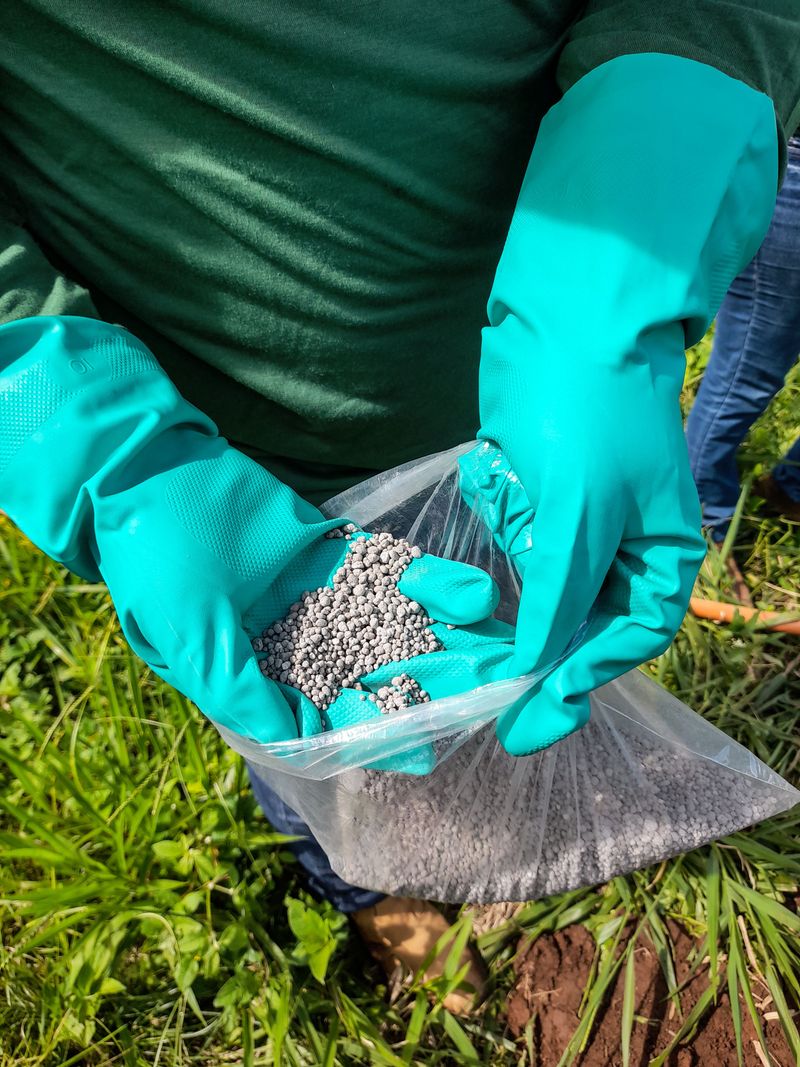
Feeding your hydrangeas feels like good gardening, but August is the wrong time to go heavy on fertilizer. Too much food this late in summer triggers soft, weak growth that cannot survive what is coming.
New stems pushed by late-season fertilizer are tender and full of water. When Maryland’s first frost arrives, that growth gets damaged fast, stressing the entire plant heading into winter.
Nitrogen is the main concern in August. High-nitrogen fertilizers encourage leafy, lush stems that look great briefly but create real problems when temperatures start dropping in September and October.
A well-timed feeding schedule makes all the difference for healthy hydrangeas. Most experts suggest stopping fertilization by late July so the plant can begin hardening off naturally before fall.
If you missed the July window, skip the August feeding entirely. One skipped feeding will not hurt your plant, but one poorly timed feeding absolutely can.
Soil that is already rich in organic matter often does not need extra fertilizer at all during the growing season. A spring compost top-dressing usually provides enough slow nutrition to carry plants through summer.
Watch for signs of over-fertilization, like brown leaf edges or unusually fast, floppy stem growth. These are signals the plant is getting more than it needs right now.
Strong, healthy hydrangeas going into fall come from balanced care all season long. Ease off the fertilizer now and let the plant focus on building strength, not just size.
4. Misreading Wilting During Afternoon Heat
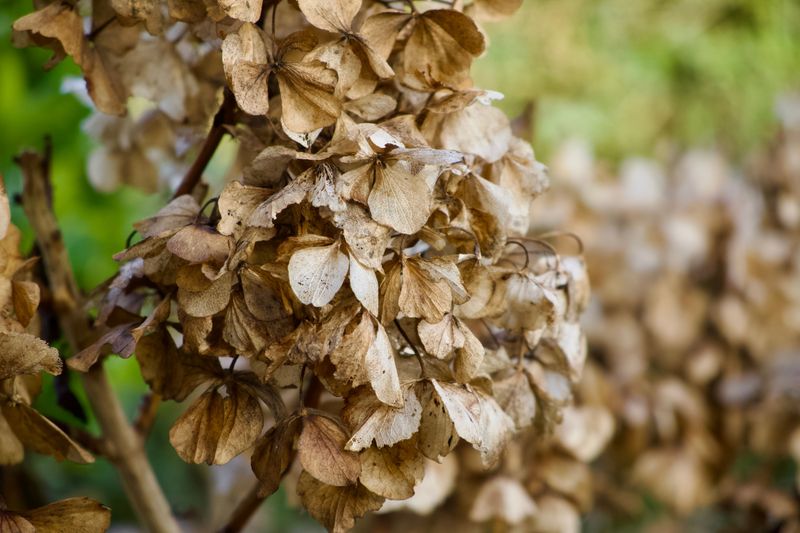
Wilting hydrangeas on a hot August afternoon can understandably concern any gardener. But not all wilting means your plant is in trouble, and reacting too fast can cause more harm than good.
Hydrangeas naturally wilt during peak afternoon heat as a self-protection move. They close their leaf pores to slow water loss, which causes that familiar droopy look between noon and four in the afternoon.
Check your plant again in the early evening once temperatures drop. If the leaves perk back up on their own, the wilting was temporary and the plant is doing exactly what it should.
Persistent wilting that does not recover by nightfall is a different story. That kind of droop signals actual water stress and needs your attention right away.
Morning watering is the smartest habit for Maryland summers. Giving plants a deep drink before the heat peaks means moisture reaches the roots before the hardest part of the day begins.
Afternoon watering can actually scorch leaves when water droplets sit on foliage in direct sun. Wet leaves plus intense heat create small burn spots that damage the plant over time.
Shade cloth or nearby taller plants can buffer afternoon sun for struggling hydrangeas. Even partial shade from three to six in the afternoon makes a noticeable difference in plant stress levels.
Protecting your Maryland hydrangeas from heat stress starts with smart observation. Learn the difference between natural afternoon droop and true distress, and you will respond with confidence every time.
5. Skipping Mulch Exposes Roots To Heat

Bare soil around a hydrangea in August is a problem waiting to happen. Without mulch, the ground heats up fast, moisture evaporates quickly, and roots sit in stressful, fluctuating temperatures all day long.
A good layer of mulch acts like a blanket for the root zone. It keeps soil cooler, holds in moisture after watering, and creates a stable environment where roots can stay comfortable even when the air above is scorching.
Maryland summers can push ground temperatures notably high. Unmulched soil can reach temperatures that slow root function and cause plants to struggle even when water is available.
Shredded hardwood bark, pine straw, or wood chips all work well around hydrangeas. Apply a two to three inch layer, keeping the mulch pulled a few inches away from the main stem to prevent rot.
Mulch also suppresses weeds that compete with your hydrangea for water and nutrients. Fewer weeds mean less stress on the plant during the toughest weeks of summer.
Refreshing your mulch layer in August is a quick win that pays off immediately. If the layer has thinned out since spring, top it off to restore its protective benefits right away.
Organic mulches break down slowly over time and add nutrients back into the soil. That slow decomposition is a bonus that keeps on giving long after the summer heat fades.
Healthy roots are the foundation of beautiful blooms, and mulch is the easiest way to protect them. Do not skip this simple step when August heat intensifies.
6. Cutting Spent Blooms Too Aggressively

Trimming spent blooms sounds straightforward until you go too far with the scissors. Cutting back faded flowers too aggressively in August is a common mistake that costs gardeners a full season of flowers.
On old-wood varieties, cutting too deep removes the bud nodes that hold next spring’s flower potential. Every extra inch you cut below the spent bloom increases the risk of losing those future buds.
The right technique is to snip just below the spent flower head, leaving as much stem as possible intact. A clean cut right at the base of the faded bloom is all you really need.
Many gardeners get overly enthusiastic and cut back several inches or even down to the main branch. That level of trimming belongs in late winter, not in the middle of a Maryland summer.
New-wood bloomers like Limelight or Incrediball are more forgiving when it comes to trimming spent blooms. Even so, aggressive cutting in August pushes new growth that may not have time to harden before cold weather arrives.
Leaving some spent blooms on the plant is actually a smart choice in late summer. Those dried flower heads add winter interest and provide a small layer of protection for the buds below.
Restraint is a gardening skill that takes practice to build. Knowing when to put the pruners down is just as important as knowing how to use them properly in the first place.
Your hydrangeas will thank you for a lighter touch in August. Save the big cuts for late winter and enjoy fuller, more colorful blooms as your reward next season.
7. Neglecting Deep Watering During Dry Spells
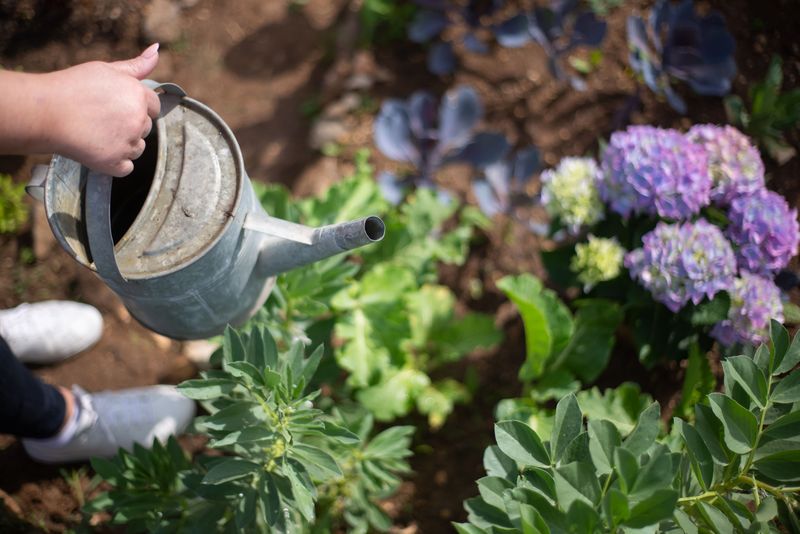
A quick splash of water from a hose is not enough when Maryland hits a dry stretch in August. Shallow watering only wets the top inch of soil, leaving the deeper roots dry and undersupplied.
Hydrangeas are relatively shallow-rooted, but even established plants need water to reach a reasonable depth. When water only wets the surface, the plant cannot access what it needs to stay healthy and strong.
Dry spells in August are more common in Maryland than many gardeners expect. Even when the air feels humid, the soil can dry out quickly between rain events, especially in sunny, open garden spots.
Deep watering means soaking the soil slowly until moisture penetrates six to eight inches down. A slow drip from a soaker hose or a long, low-flow session with a regular hose works better than a fast, heavy spray.
Watering deeply but less often encourages roots to grow downward in search of moisture. Deeper roots make for a stronger, more drought-tolerant plant that handles summer stress much better over time.
A rain gauge helps track how much natural rainfall your garden is actually getting. When weekly totals fall below one inch, step in with supplemental watering to fill the gap.
Early morning is the best time to water deeply, giving moisture time to soak in before heat speeds up evaporation. Consistency during dry spells is what separates thriving hydrangeas from struggling ones.
Protecting your Maryland hydrangeas through August dry spells starts at the roots. Deep, consistent watering is one of the most powerful habits you can build all season long.
8. Moving Plants During Peak Summer Heat
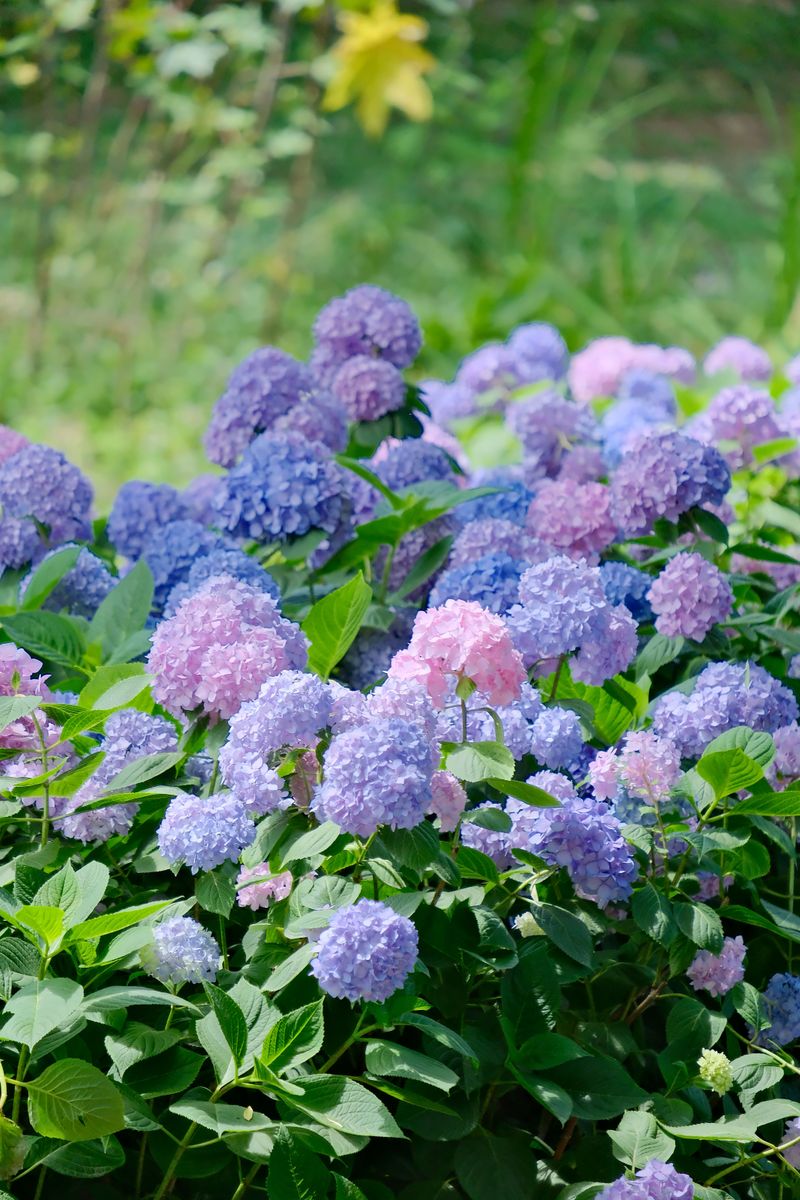
Transplanting a hydrangea in August carries a high risk of stress. Moving a plant during peak summer heat puts significant stress on the root system.
When a hydrangea is dug up and relocated, it loses a significant portion of its roots in the process. In cooler months, the plant can recover slowly, but August gives it almost no margin for error.
Heat and transplant shock together are a tough combination for any shrub to handle. The plant must simultaneously heal damaged roots AND cope with high temperatures, intense sun, and reduced soil moisture.
Maryland’s August sun is often intense and prolonged, especially in open garden beds with no afternoon shade. A freshly moved hydrangea has almost no ability to manage that kind of heat exposure right after transplanting.
If you absolutely must move a plant, wait until late September or October when temperatures drop significantly. Cooler soil and shorter days give the plant a much better chance of establishing before winter arrives.
Marking the spot where you want to move the plant is a great August task instead. Plan now, prepare the new location, and do the actual move when the season cooperates with your goals.
Watering a plant you plan to move in fall is still important during summer. Keeping it healthy now means it will be stronger and better prepared to handle the transplant process later.
Protecting your Maryland hydrangeas sometimes means protecting them from your own good intentions. Patience in August leads to a successful move and a thriving plant in the seasons ahead.