Hydrangea Pruning Mistake That Maryland Gardeners Keep Making In August
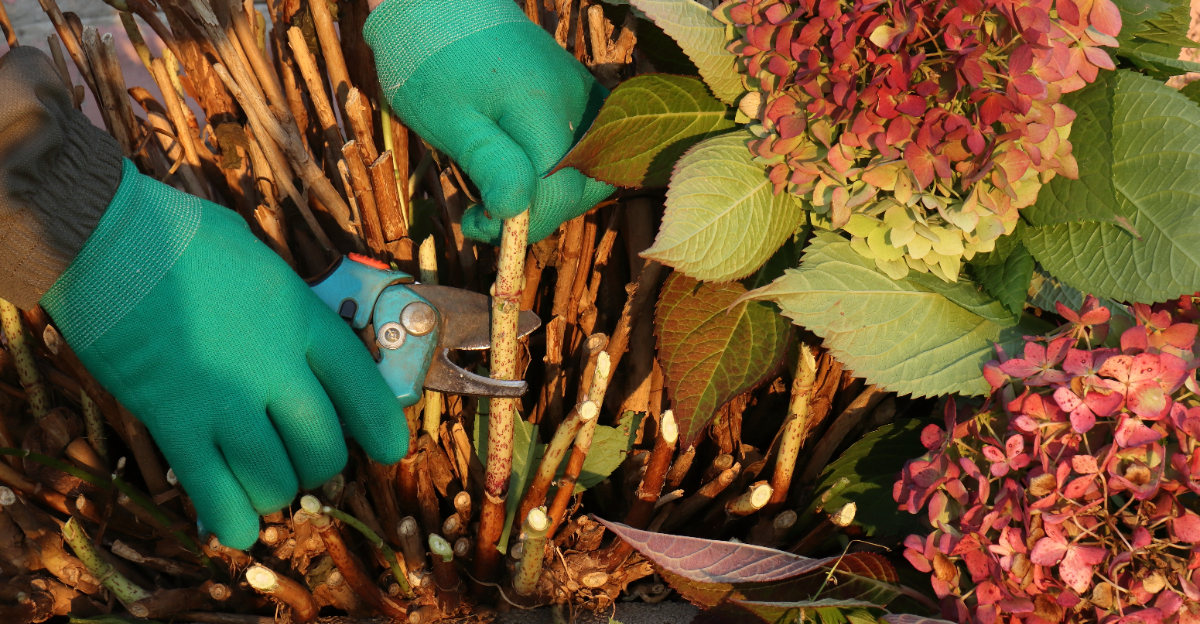
Every August, Maryland gardeners reach for their shears with the best intentions, ready to tidy up leggy hydrangea stems before fall arrives.
One quiet habit undoes all that effort. It strips away next summer’s blooms before they even have a chance to form, leaving healthy shrubs looking bare and disappointing months later.
Hydrangeas don’t follow the same rules as other flowering shrubs. Treating them like a typical hedge or rose bush can cost an entire season of color, and most people never realize why until it’s too late.
If your hydrangeas have been thinning out or skipping blooms altogether, something in your routine is likely to blame.
Cutting Back Old Wood Removes Next Year’s Blooms
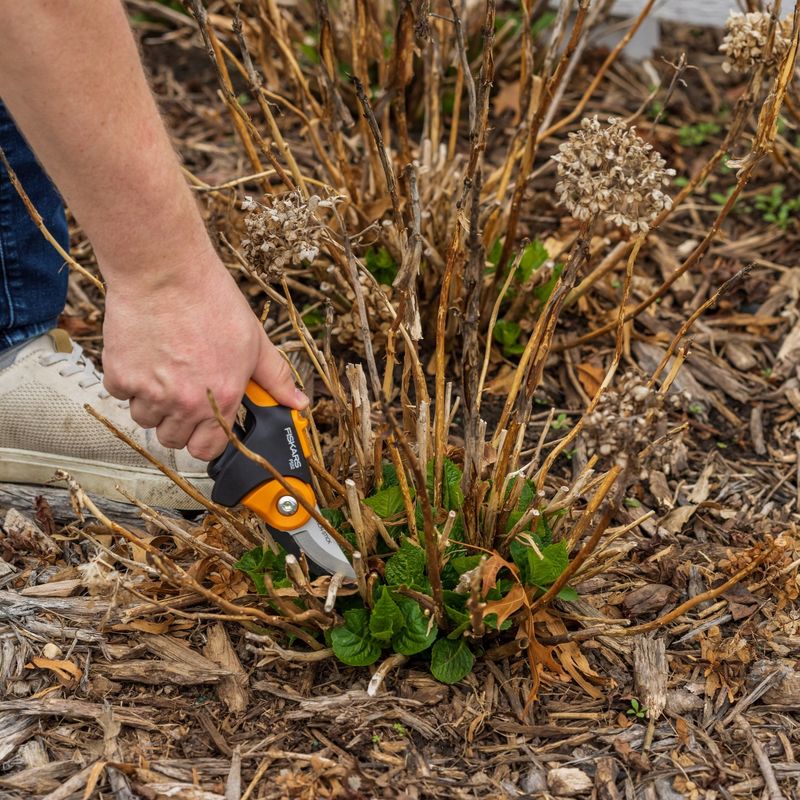
Old wood holds secrets most gardeners never see coming. On many hydrangea varieties, the flower buds for next summer are already forming on those thick, brown canes right now.
August pruning feels productive and tidy. But when you cut those older stems down, you are removing the exact wood that carries next year’s blooms.
Think of old wood like a savings account. The plant spent all spring and summer depositing future flowers into those canes, and one snip empties the whole account.
Bigleaf and oakleaf hydrangeas are the most affected by this mistake. Both species bloom on old wood, meaning last year’s growth produces this year’s flowers.
This kind of confusion often comes from applying one-size-fits-all advice to every shrub in the yard. What works for roses or spirea simply does not apply here.
You might see green leaves still growing after you cut, which feels encouraging. But green leaves do not equal future blooms when the bud-bearing wood is already gone.
The fix is straightforward: learn which type of hydrangea you have before touching it with shears. A quick look at the tag or a simple online search saves you an entire season of disappointment.
Old wood isn’t spent wood. Resist the urge to remove anything that looks rough or brown during late summer cleanup.
Wrong Timing Confuses Natural Bloom Cycles
Timing is everything in gardening, and hydrangeas have a strict internal clock. Cutting stems in August interrupts a biological process that started months earlier.
By midsummer, old-wood bloomers have already set their buds for next spring. Those tiny, almost invisible buds sit quietly on the canes, waiting for winter to pass.
August feels like the perfect cleanup month because the heat is winding down. Gardeners see faded blooms and browning edges and assume the plant is done for the season.
That assumption is where the trouble starts. The plant is not done; it is preparing. Pruning now sends mixed signals to the shrub’s growth system.
When stems get cut in late summer, some varieties respond by pushing out tender new growth. That new growth is extremely vulnerable to an early frost, which can catch Maryland gardens off guard in fall.
Frost damage on new growth weakens the entire plant heading into winter. The shrub then spends energy recovering instead of storing nutrients for spring blooming.
Your Maryland Garden Changes Every Week. Your Plan Should Too.
Gardening in Maryland changes quickly throughout the season. Every Friday you’ll receive a simple weekly plan showing exactly what to plant, prune, fertilize, harvest, and protect so you never miss the right timing.
Timing errors like this one are also the most avoidable kind. A simple rule helps: if you cannot remember when to prune, wait until late winter or very early spring instead.
Waiting feels counterintuitive when the garden looks messy in fall. But a slightly untidy shrub now means an explosion of color next June, and that trade-off is absolutely worth it.
Bigleaf Varieties Are Affected Most By This
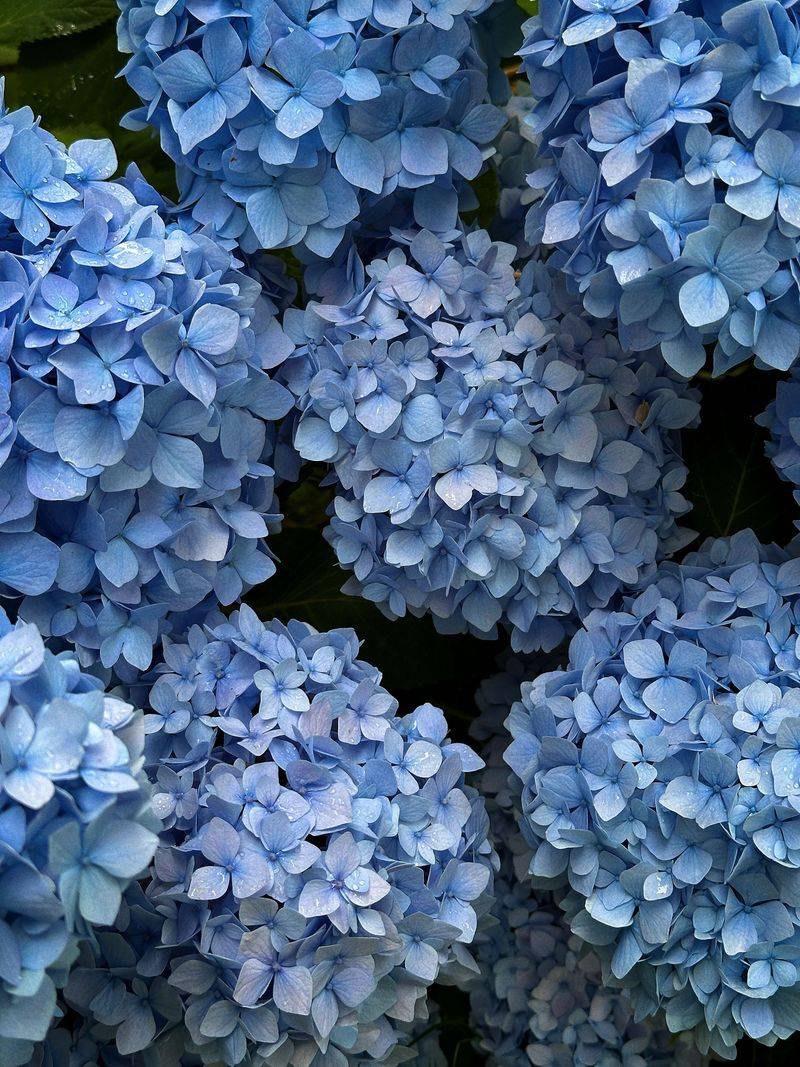
Bigleaf hydrangeas are among the most common varieties found at Maryland garden centers each spring. They are also the most commonly pruned at exactly the wrong time.
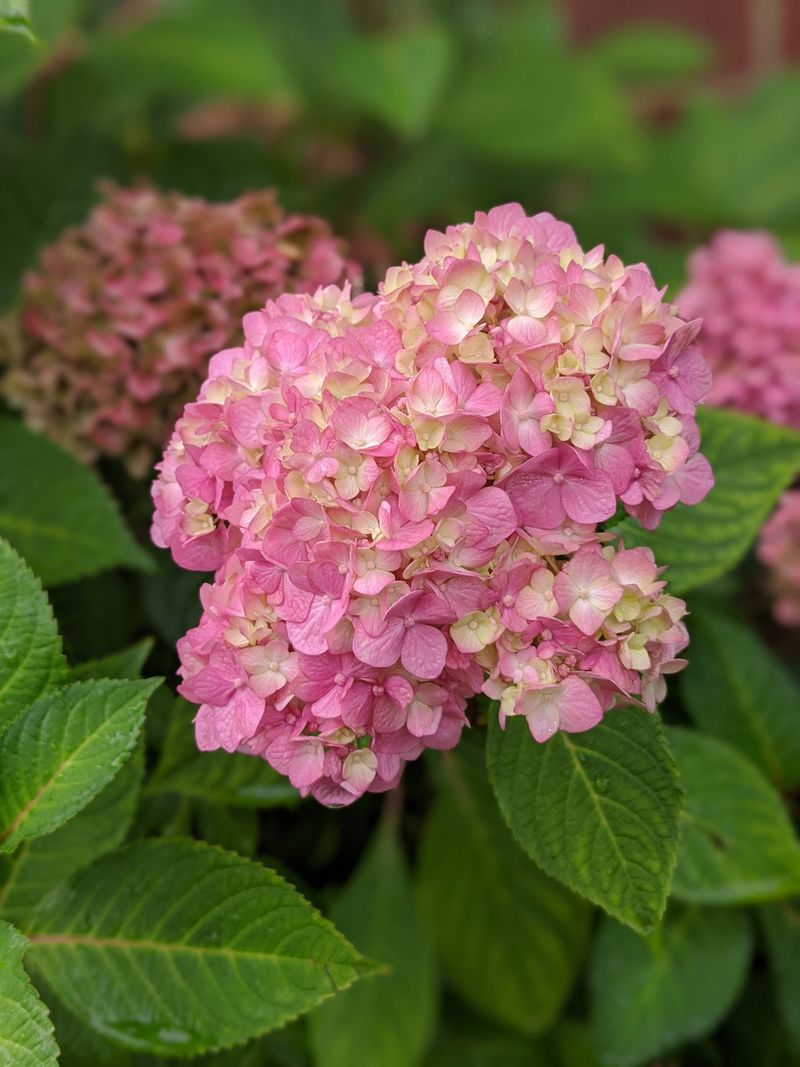
Known scientifically as Hydrangea macrophylla, bigleaf types produce those classic large, round flower heads in shades of blue, pink, and purple. Gardeners love them for their bold, showstopping color.
The catch is that bigleafs bloom almost entirely on old wood. Cutting them back in August removes the very canes that would have flowered the following summer.
Many gardeners buy a bigleaf variety, prune it aggressively in late summer, and then wonder why it never blooms. The shrub looks healthy, grows new leaves, and seems fine, but flowers never appear.
This cycle can repeat for years without the gardener ever connecting the pruning to the missing blooms. The plant gets blamed for being a bad performer when the shears were the real problem all along.
Newer reblooming varieties like Endless Summer were developed specifically to address this frustration. These cultivars can bloom on both old and new wood, giving gardeners more flexibility.
Even reblooming types produce more flowers when old wood is protected through the summer. Protecting those canes from August cuts is still the smartest approach.
Understanding your specific variety changes everything about how you care for it. Check the plant tag or call your local nursery before making any cuts this August.
Fall Cleanup Habits Make It Worse

Fall cleanup is a deeply satisfying garden ritual. There is something rewarding about cutting things back, raking leaves, and making the yard look neat before winter arrives.
For most shrubs, aggressive fall cleanup is perfectly fine and even beneficial. Hydrangeas are a notable exception to that general rule.
The habit of cutting everything back in October or November carries over from other plants and gets applied to hydrangeas without a second thought. That is where the seasonal mistake compounds itself.
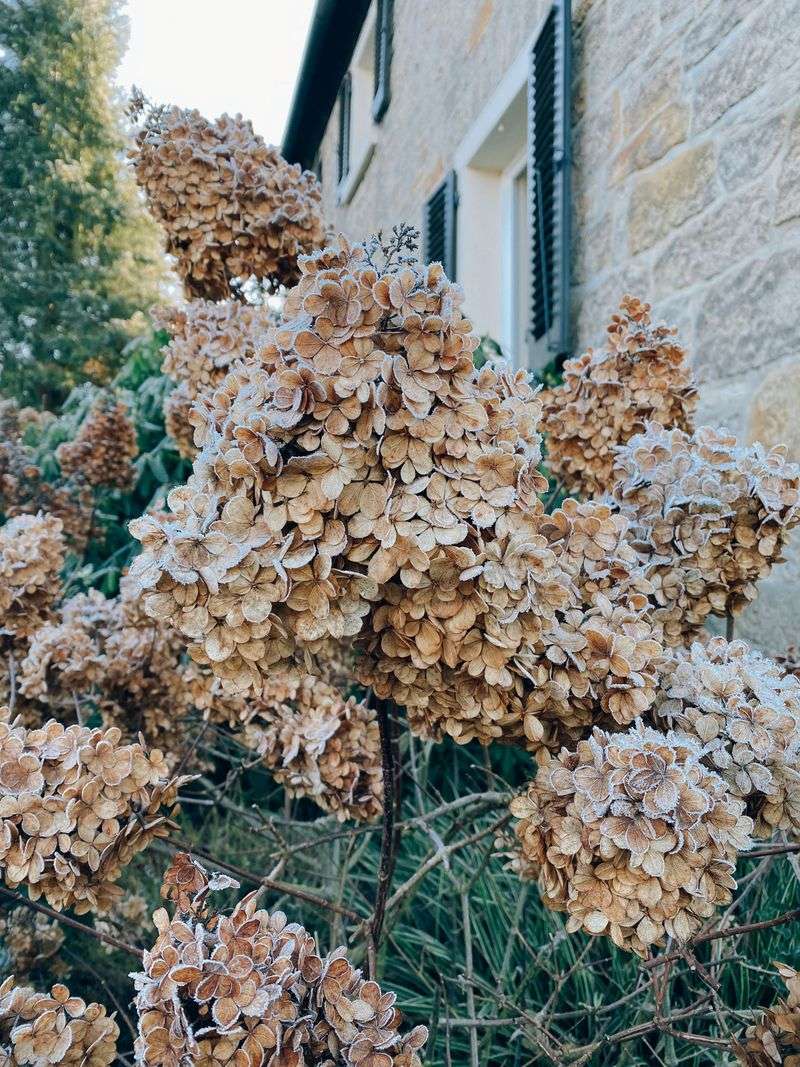
Those dried, papery flower heads that linger on hydrangea canes through fall are not just decorative. They actually help protect the buds forming just below them on the stem.
Removing the dried blooms strips away a small but meaningful layer of insulation. Maryland winters can bring sudden temperature swings that damage exposed buds on vulnerable canes.
Leaving the old flower heads in place through winter is a low-effort way to protect next year’s blooms. They look attractive with frost on them and provide habitat for beneficial insects too.
The cleanup instinct is not wrong; it just needs to be redirected. Focus fall energy on mulching the base of the plant instead of cutting back the stems above ground.
A two- to three-inch layer of mulch around the root zone protects against freeze-thaw cycles that stress the plant. Healthy roots mean stronger canes and bigger blooms when spring finally arrives.
New Growth Gets Prioritized By Mistake
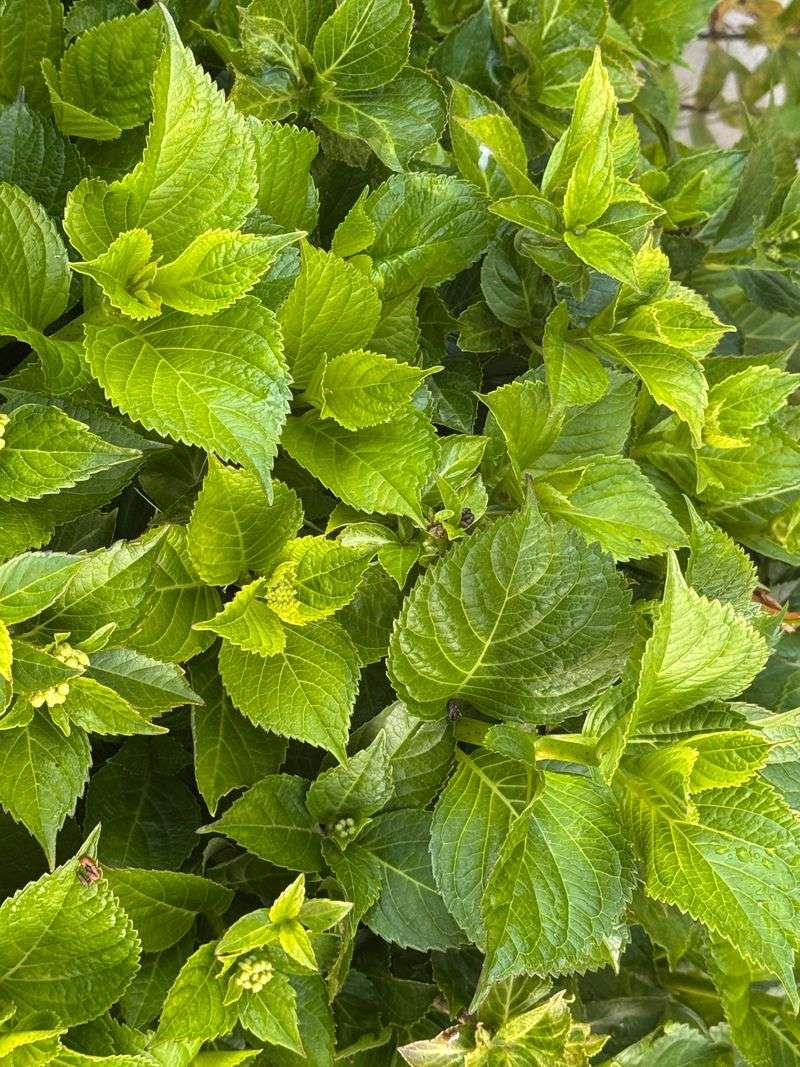
Fresh green shoots at the base of a hydrangea look like progress. Gardeners often encourage them by cutting away the older canes to give new growth more space and light.
The logic sounds reasonable on the surface. New growth equals new life, and clearing out the old stuff seems like good plant parenting.
But on old-wood bloomers, that new growth at the base will not flower until the following year at the earliest. The old canes being removed were the ones scheduled to bloom this coming season.
Removing productive old canes in favor of unproven new shoots is like trading a sure thing for a maybe. The plant loses its most flower-ready wood in exchange for stems that need another full year to mature.
New shoots are also more fragile heading into winter. They lack the protective bark layer that older canes develop over time, making them more susceptible to cold snaps.
A late frost in April can damage tender new growth, leaving the plant with little ready to bloom that season. Meanwhile, the old canes that would have survived were already cut away in August.
Letting new shoots grow alongside the old canes is the smarter approach. Both can coexist, and the older wood will deliver reliable blooms while the new growth matures at its own pace.
Patience with hydrangeas always pays off. The plant knows what it is doing when you let it grow on its own schedule.
Correct Pruning Windows Protect Future Flowers
Knowing when to prune changes everything about how your hydrangeas perform. The correct window is not August, and it is not fall; it is late winter or very early spring.
For old-wood bloomers, the ideal time to prune is just before new growth begins, usually in late winter to very early spring in Maryland. At that point, winter damage is visible and easy to identify.
Spent canes snap cleanly and feel hollow when bent. Healthy canes flex slightly and may already show tiny green buds swelling near the nodes.
Removing only dry or damaged wood at this stage leaves all the bud-bearing canes intact. The plant heads into spring with its full flower potential still in place.
For new-wood bloomers like panicle hydrangeas and smooth hydrangeas, the window is more flexible. These types can handle late summer or fall pruning without losing next year’s blooms.
Knowing which type you have is the single most important piece of hydrangea knowledge a gardener can hold. One label check at planting time prevents years of frustration and missed blooms.
This kind of setback is almost always rooted in good intentions applied at the wrong time. The solution is not complicated; it just requires a small shift in habit.
Mark your calendar now for late February, set a reminder, and put the shears away until then. Your hydrangeas will reward that patience with a noticeably fuller bloom next season.