8 Early-August Moves Every Virginia Gardener Needs For A Strong Fall Harvest
Frost feels far away, but your fall garden disagrees. Virginia soil holds onto summer heat longer than most gardeners expect.
Fall crops are already plotting their comeback beneath that warmth. You have a narrow window, and it’s closing faster than you think.
Timing decides everything between a thin harvest and a full crop. Cooler nights are coming, but they won’t wait for you to catch up.
Every gardener in Virginia faces the same critical turn this week. Seeds sown too late simply won’t mature before frost arrives.
Beds left unprepared will leave you with weak, stunted growth. Nutrients get depleted fast, and August soil needs a serious refresh.
Pests multiply quickly when summer crops linger past their prime. Small mistakes now lose you entire rows later in October.
Nothing about this entire process rewards hesitation or guesswork. Act now, because your fall harvest depends on exactly what you do next.
1. Direct Sow Beets, Chard, And Beans
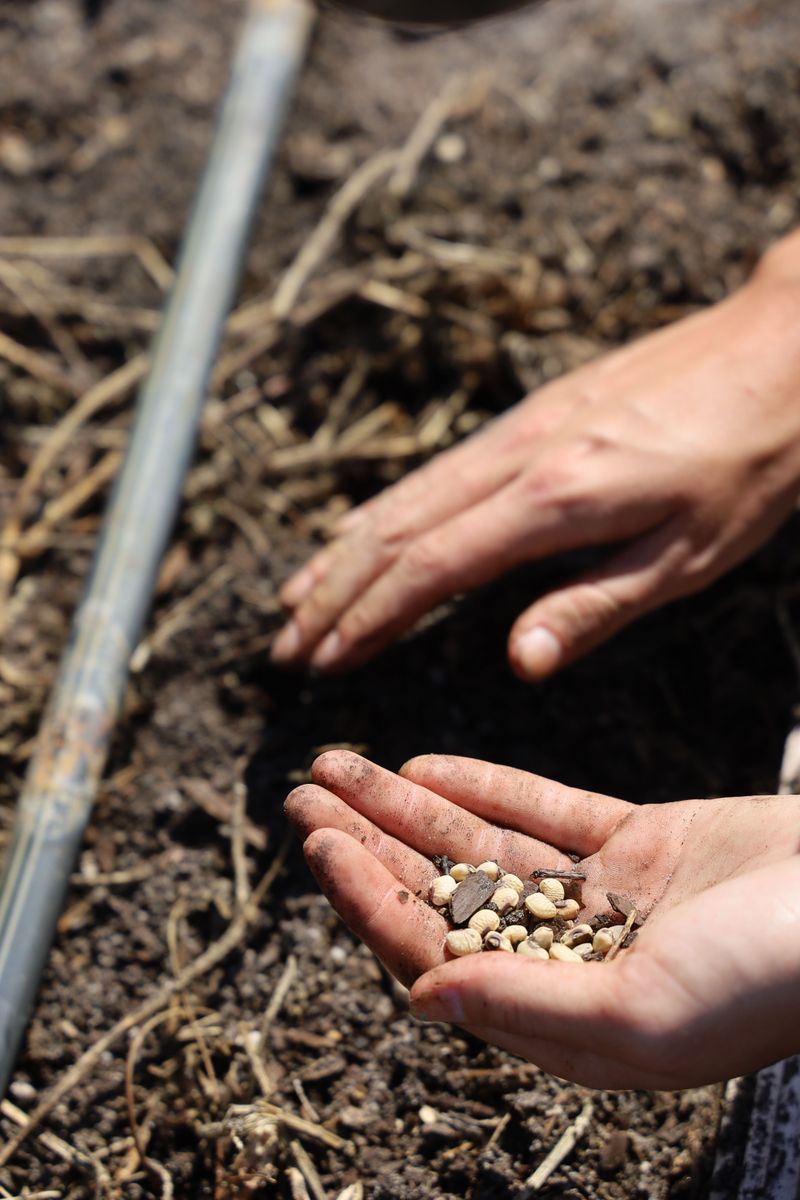
August soil provides warm, favorable conditions for seeds. Beets, chard, and beans absolutely love being sown directly into the ground right now in Virginia.
Beets mature quickly. They can go from seed to harvest in about 50 to 60 days, which lines up perfectly with your fall window.
Swiss chard is even more forgiving. It tolerates both heat and frost, making it one of the most reliable choices you can plant this month.
Beans need warm soil to germinate, and August still delivers that. Sow bush bean varieties now for a quick fall crop before temperatures drop.
Prepare your bed by loosening the soil about six inches deep. Mix in a little compost to give those seeds a nutritious head start.
Plant beet seeds about half an inch deep and two inches apart. They will need thinning once they sprout, so do not skip that step.
Water the bed gently right after sowing. Keeping the soil consistently moist during germination is the single most important thing you can do.
Mark your planting date on a garden calendar. Counting back from your first frost date helps you know exactly when to expect your harvest.
Chard seedlings can handle light frost, so they often outlast other fall crops. Plant a short row now and another in two weeks for a staggered supply.
Direct sowing is fast, affordable, and satisfying. Your Virginia fall garden plan gets a strong start the moment those seeds hit the ground.
2. Transplant Fall Broccoli And Cabbage Seedlings
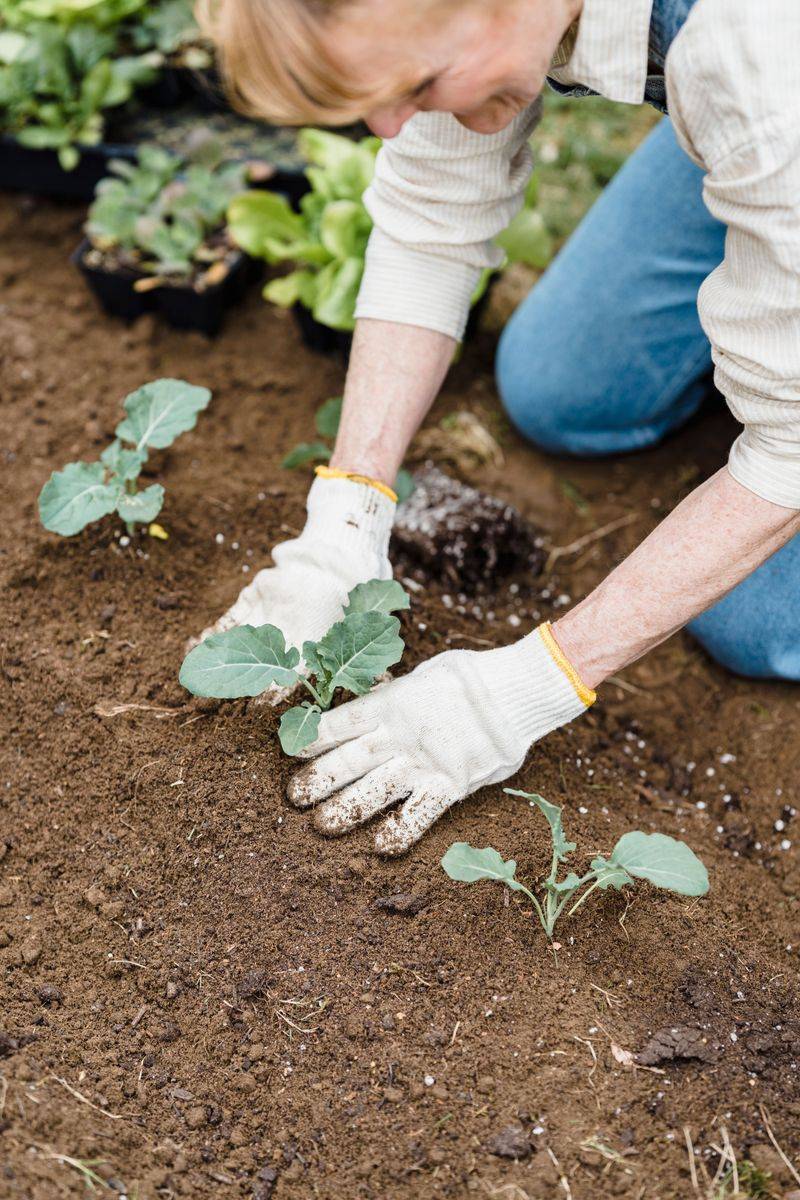
Transplanting a sturdy seedling gives your fall garden a head start. Broccoli and cabbage transplants give your Virginia fall garden plan a serious head start over direct-sown seeds.
Start your seedlings indoors six to eight weeks before your expected first frost. In most parts of Virginia, that typically means starting them sometime in late June or early July, depending on your specific frost zone.
If you missed that window, check local garden centers now. Many carry fall transplants in August, saving you the trouble of starting from scratch.
Your Virginia Garden Changes Every Week. Your Plan Should Too.
Gardening in Virginia changes quickly throughout the season. Every Friday you’ll receive a simple weekly plan showing exactly what to plant, prune, fertilize, harvest, and protect so you never miss the right timing.
Choose a spot that gets at least six hours of sunlight each day. Both broccoli and cabbage are heavy feeders, so rich, well-amended soil is non-negotiable.
Dig holes slightly deeper than the root ball of each transplant. Setting the plant a bit lower helps anchor it against late-summer wind and afternoon storms.
Water each transplant thoroughly right after planting. The goal is to eliminate air pockets around the roots and encourage immediate soil contact.
Apply a thin layer of mulch around each plant. Mulch keeps moisture in and slows the growth of weeds that would compete for nutrients.
Watch for cabbage worms and aphids from the start. A simple row cover can protect young plants without any sprays or chemicals.
Broccoli heads form best when daytime temperatures drop below 70 degrees. Planting now means those cool days arrive right when your plants need them most.
Strong transplants equal a strong harvest, and that is a trade worth making every single August.
3. Clear Spent Summer Crops From Beds
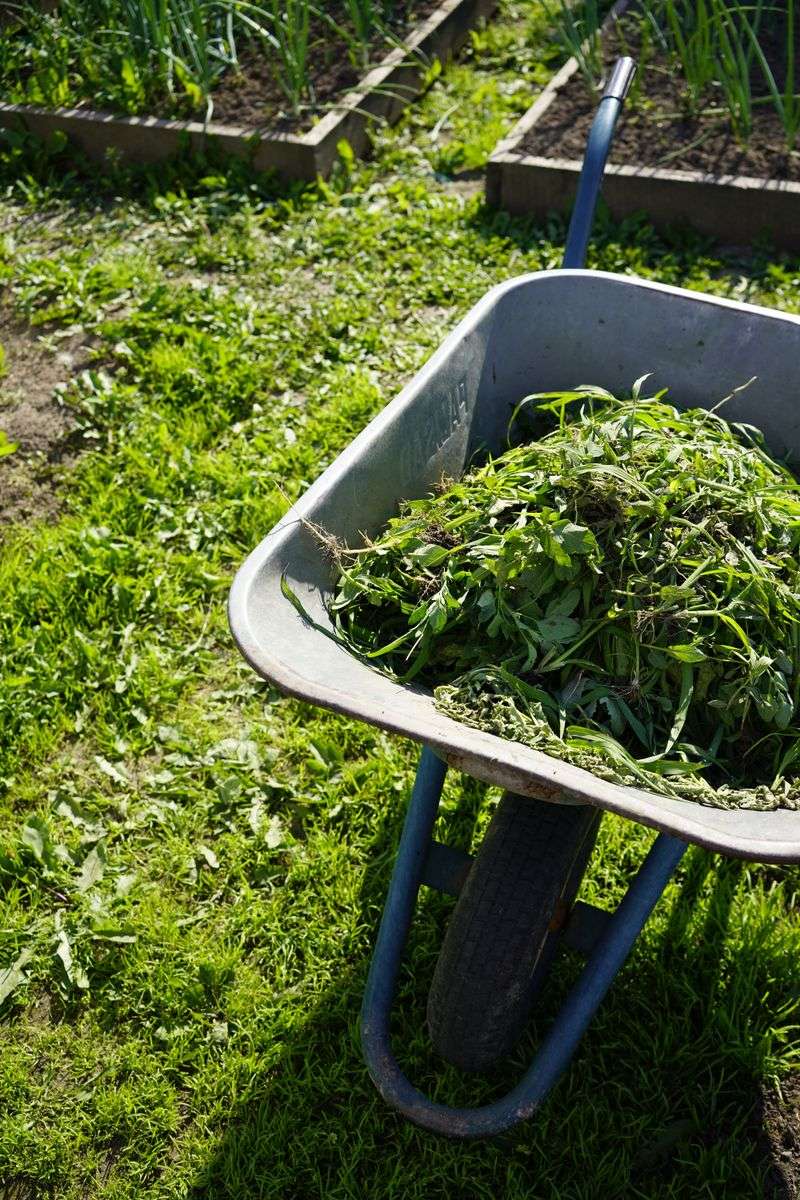
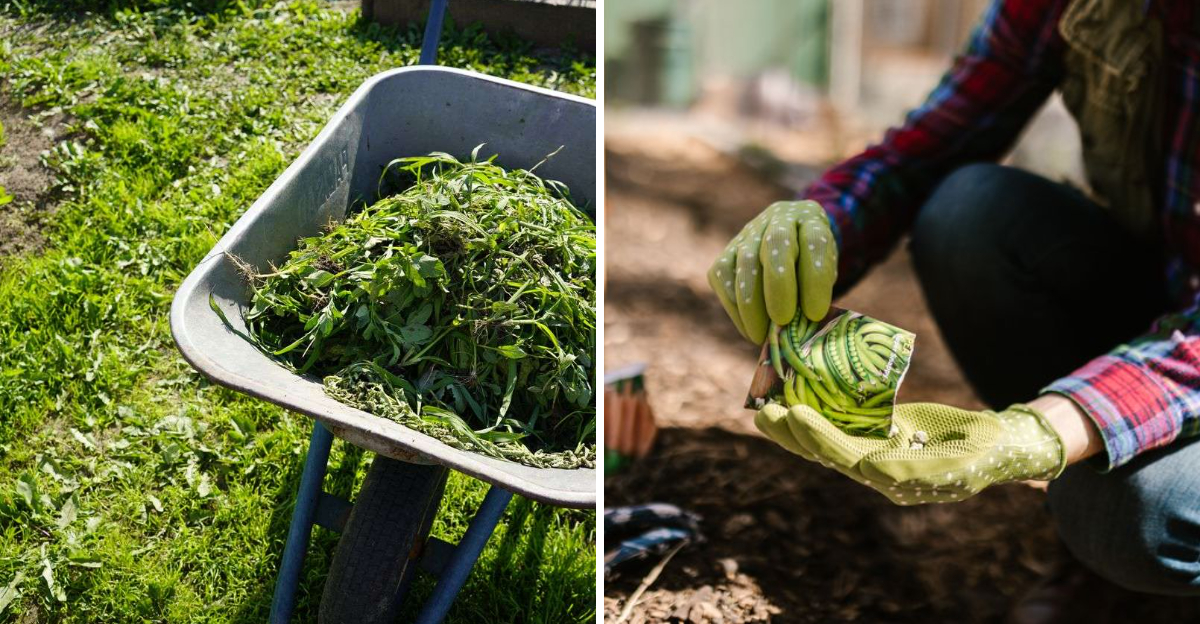
Removing spent summer plants marks a shift toward the fall growing season. Clearing spent crops is one of the most important steps in any serious Virginia fall garden plan.
Old tomato plants, cucumber vines, and pepper bushes take up space that cool-season crops desperately need. Leaving them in the ground also invites disease and pests to overwinter.
Start by cutting plants at the base rather than yanking them out. This keeps the root system intact and reduces soil disturbance, which protects beneficial microbes.
Healthy plant debris can go straight into your compost pile. Diseased material, though, should be bagged and removed to prevent spreading problems to next season.
Once plants are out, rake the bed clean. Removing old leaves and fruit scraps eliminates hiding spots for slugs, beetles, and fungal spores.
Check the soil surface for any volunteer seedlings or weed sprouts. Getting rid of them now saves you a much bigger battle in September.
This clearing process also gives you a fresh look at your bed layout. You might spot drainage issues, compacted spots, or areas that need extra compost before planting again.
Removing productive summer plants can feel like a loss. But think of it as making room for a whole new wave of delicious produce.
A clean bed supports stronger, faster growth. Cool-season crops like spinach, kale, and radishes will settle in faster when they are not competing with summer leftovers. Clear it out now, and your beds will be ready to perform at their very best this fall.
4. Test Soil And Add Compost
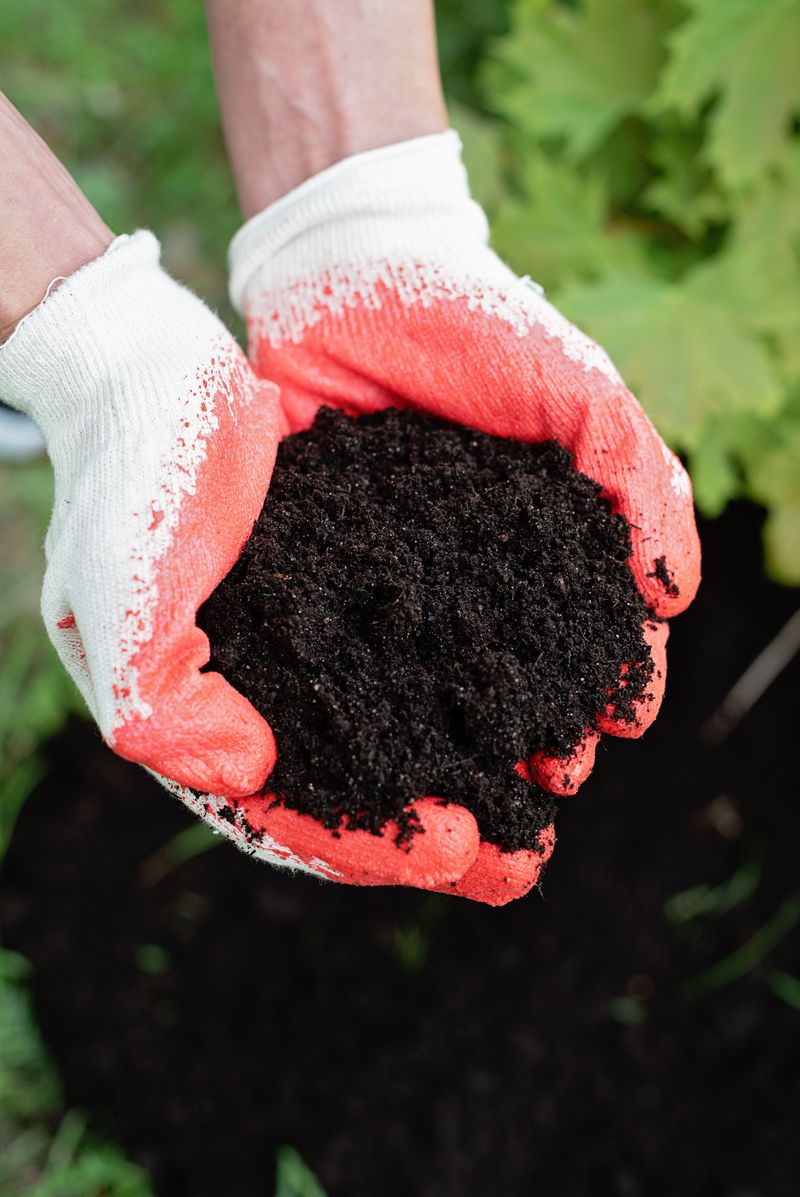
Healthy soil is the foundation of every great harvest. Before you plant a single fall crop, take ten minutes to test what your soil is actually working with.
Soil test kits are available at most garden centers and through your local Virginia Cooperative Extension office. They measure pH, nitrogen, phosphorus, and potassium levels.
Most cool-season vegetables prefer a pH between 6.0 and 7.0. If your soil is too acidic or too alkaline, nutrients become locked up and unavailable to plant roots.
Lime raises pH in acidic soil, while sulfur lowers it in alkaline conditions. Your test results will tell you exactly what to add and how much.
Compost is the universal soil improver, and August is a perfect time to work it in. Spread two to three inches across your cleared beds and mix it into the top six inches.
Compost supplies a broad range of nutrients. It also adds organic matter, improves drainage, and feeds the microbial life that makes nutrients available to plants.
Even if your soil looks fine on the surface, it may be depleted after a full summer of growing. Testing removes the guesswork and puts you in control.
A balanced, well-amended bed will support faster germination and stronger root development in fall crops. That translates directly to bigger, tastier vegetables on your table.
Skip this step, and your plants will be working with fewer available nutrients. Prepare the soil before you plant.
5. Order Cool-Season Seeds Now
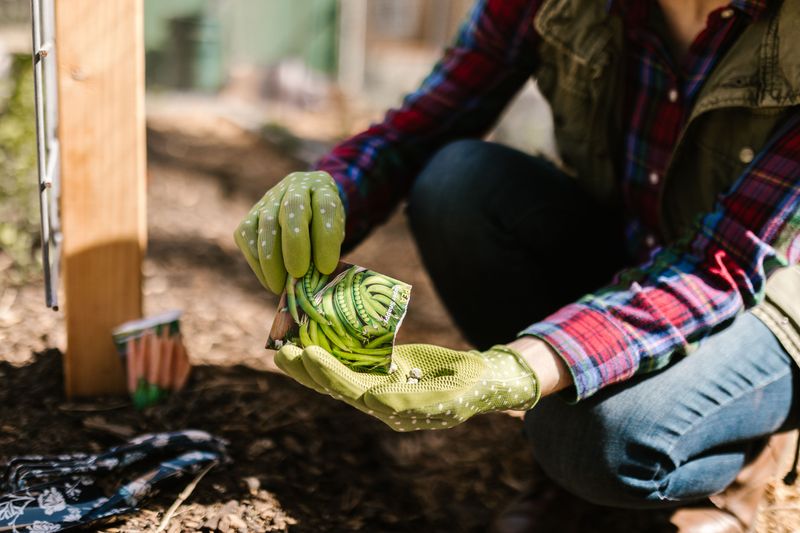
Seed catalogs are especially tempting in the middle of summer. Ordering cool-season seeds now is one of the smartest moves in your Virginia fall garden plan.
Popular varieties sell out faster than you might expect. Spinach, arugula, kale, turnips, and Asian greens all move quickly once fall gardeners start placing orders in late July and August.
Shopping online gives you access to specialty seed companies with far more variety than your local garden center. Heirloom and open-pollinated options are especially worth exploring for unique flavors.
When choosing varieties, pay attention to the days-to-maturity number on the packet. Select types that can mature before your area’s first expected frost date.
In northern Virginia, first frost typically arrives in mid-October. Central and southern parts of the state often get a few more weeks, sometimes pushing into early November, though exact timing varies by year.
Order a mix of fast-maturing crops like radishes and slow growers like Brussels sprouts. That combination keeps your garden productive across the entire fall season.
Once your seeds arrive, store them in a cool, dry spot away from direct sunlight. A sealed container in a drawer or cabinet works perfectly.
Check germination rates on older seed packets before you rely on them. Seeds lose viability over time, and fall planting windows are too short to waste on duds.
Buying seeds now also gives you time to plan your bed layout before you actually need to plant. A little prep on paper saves a lot of scrambling in the garden.
6. Schedule Fall Lawn Seeding Early
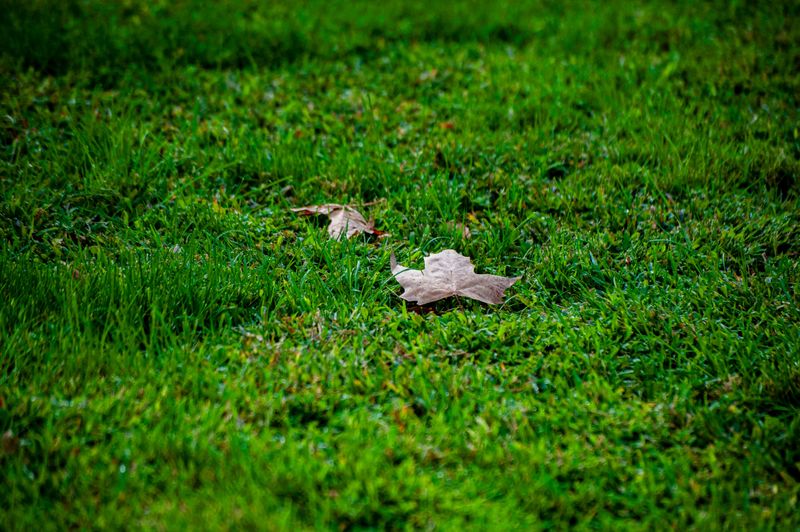
Your lawn likely shows signs of summer stress. Fall is the absolute best time to overseed or repair turf in Virginia, but timing the effort right makes all the difference.
Tall fescue is the most popular cool-season grass for Virginia lawns. It thrives when soil temperatures drop into the 50s and 60s, which typically happens in mid-September.
Scheduling your seeding now means you can gather supplies, rent equipment, and prep the ground without rushing. Last-minute lawn projects rarely go as smoothly as planned ones.
Aerating your lawn before seeding dramatically improves results. Core aeration breaks up compacted soil and creates ideal pockets for seed-to-soil contact.
Overseed bare or thin patches first, then apply a starter fertilizer designed specifically for new grass. These products are high in phosphorus, which encourages strong root growth.
Aim to seed at least six weeks before your first expected frost. That gives new grass enough time to establish before cold weather slows growth to a crawl.
Water newly seeded areas lightly but frequently, keeping the surface moist until germination occurs. Once the grass is about two inches tall, you can shift to deeper, less frequent watering.
Avoid mowing new seedlings until they reach three to four inches in height. Cutting too early stresses young plants and can pull them right out of the ground.
A thick, healthy lawn heading into winter recovers well in spring. Planning now supports healthier turf for months to come.
7. Mark First Frost Date For Planning
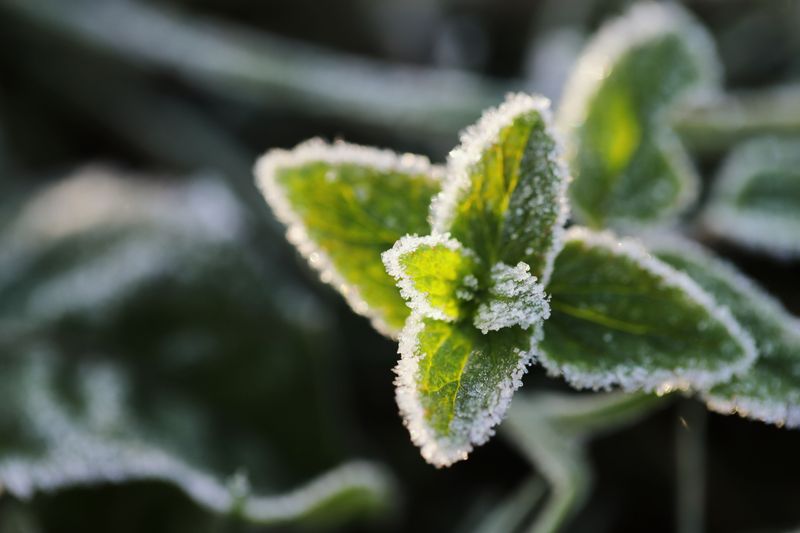
Knowing your first frost date gives you a key planning reference. Every planting decision in your Virginia fall garden plan should trace back to this one number.
Virginia’s frost dates vary significantly by region. Northern areas near the mountains can typically see frost as early as mid-October, while coastal and southern zones often don’t freeze until late October or November, though exact dates vary year to year.
Check the Old Farmer’s Almanac or your local extension office for the average first frost date in your specific county. Zip code-based frost date tools online are also surprisingly accurate.
Once you have that date, count backward based on the days-to-maturity for each crop you want to grow. Add about two weeks as a buffer for slower-than-expected growth.
Write this date somewhere visible in your garden space. A note on the shed wall, a sticky on the fridge, or a pinned reminder on your phone all work great.
Use the frost date to prioritize which crops to plant first. Slow-growing vegetables like Brussels sprouts and broccoli need to go in before quick crops like radishes.
Frost dates also help you plan for protection. Knowing when cold is likely means you can have row covers and cold frames ready before you actually need them.
Some gardeners treat frost dates as hard stop signs, but they are really just guides. Many crops tolerate light frost and keep producing well into November with minimal protection.
Understanding your frost window makes fall planning easier to manage. Mark that date and let it guide every move you make this fall.
8. Water Deeply To Establish Seedlings
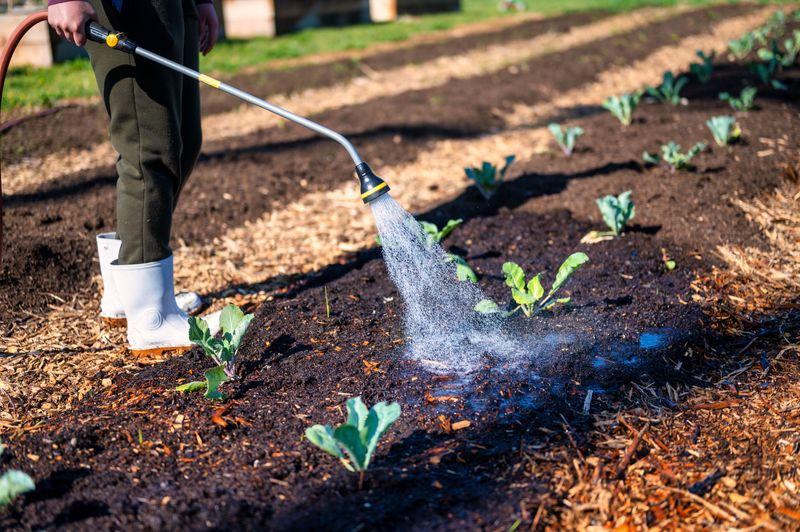
August heat is intense, and young seedlings are especially sensitive to it. Deep, consistent watering is what separates thriving fall transplants from stressed, struggling ones in your Virginia fall garden plan.
Shallow watering encourages roots to stay near the surface, where soil dries out fastest. Deep watering pushes roots downward into cooler, more stable soil layers.
Aim to water at the base of each plant rather than overhead. Wet foliage in warm weather creates the perfect environment for fungal diseases to take hold.
A soaker hose or drip irrigation system delivers water slowly and directly to the root zone. These methods also conserve water compared to sprinklers, which lose a lot to evaporation.
Water newly transplanted seedlings every day for the first week. After that, shift to every two or three days, depending on rainfall and how quickly your soil dries out.
Press a finger about two inches into the soil to check moisture levels before watering. If it feels dry at that depth, it is time to water; if moist, wait another day.
Morning is the best time to water your garden. The soil absorbs moisture before afternoon heat peaks, and any splash on leaves has time to dry before nightfall.
Mulching around seedlings dramatically reduces how often you need to water. A two-inch layer of straw or shredded leaves holds moisture in and keeps roots cooler.
Consistent hydration through August builds the strong root systems that carry fall crops through cooler, drier September weather. Consistent watering now supports a stronger fall harvest.