Virginia’s Weirdest Native Fruit Is Finally Ripening And Most People Miss It
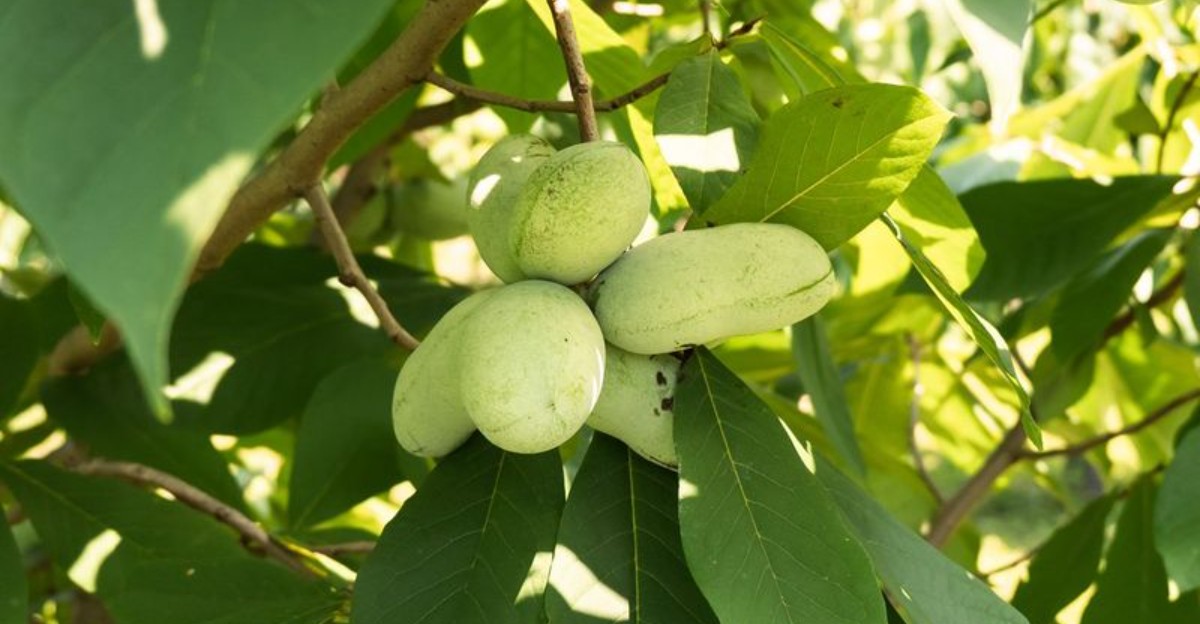
Most people walk right past one of Virginia’s strangest native fruits without ever knowing it is there.
Hidden in forests and shady spots, pawpaws look unusual, taste surprising, and only appear for a short time each year. When late summer arrives, these green fruits begin to ripen.
Inside is a creamy treat with a sweet flavor many people compare to banana, mango, or custard. It is the kind of wild fruit that makes you wonder how it stayed hidden for so long.
Pawpaw season is short, which makes finding one feel like discovering a little secret in nature. Knowing where to look and when to pick makes discovering this overlooked gem even more exciting.
Virginia’s Hidden Fruit Most People Walk Right Past
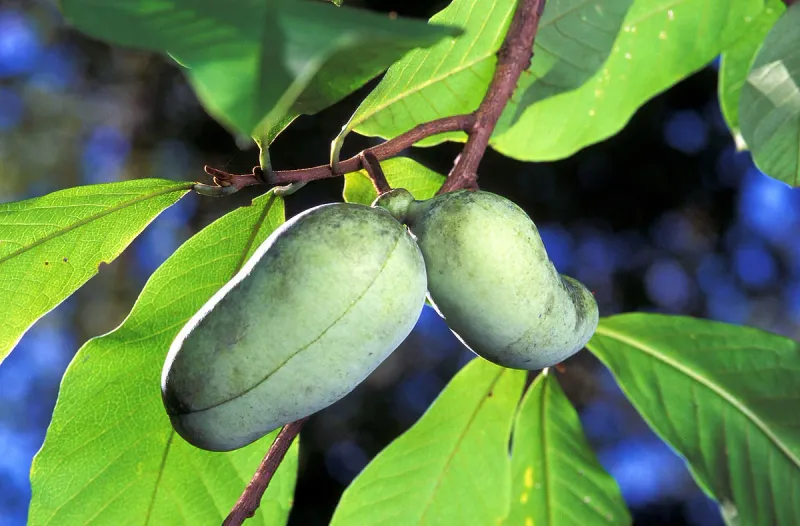
Tucked into the shady corners of Virginia’s forests grows a fruit so unusual that most folks assume it belongs somewhere tropical.
The pawpaw, known by scientists as Asimina triloba, is actually a member of the Custard-Apple family, a group that mostly lives in warm regions. That makes the pawpaw a bit of a rebel, thriving far north of its relatives.
You will find it growing throughout much of the state, especially in rich forests, stream valleys, and moist woodland areas, yet countless residents have never even heard of it.
What makes this fruit worth noticing? For starters, it is often considered the largest edible fruit native to North America.
These oblong green fruits grow in clusters, often hiding beneath leaves that can stretch up to 12 inches long.
The drooping, oversized foliage gives the tree a jungle-like look that feels out of place in a woodland. Because pawpaws grow as understory trees, often reaching around 15 to 30 feet tall, they blend easily into the forest background.
They also spread through their roots, forming thick clusters people call pawpaw patches. Walking through these patches, you might never guess that dinner-worthy fruit hangs right above your head.
Once you learn to spot the big leaves and low branches, though, a whole new world opens up. The forests suddenly become a treasure hunt, and the pawpaw becomes the prize few people ever claim for themselves during the fleeting weeks it ripens.
Catch The Short Window When Pawpaws Turn Sweet
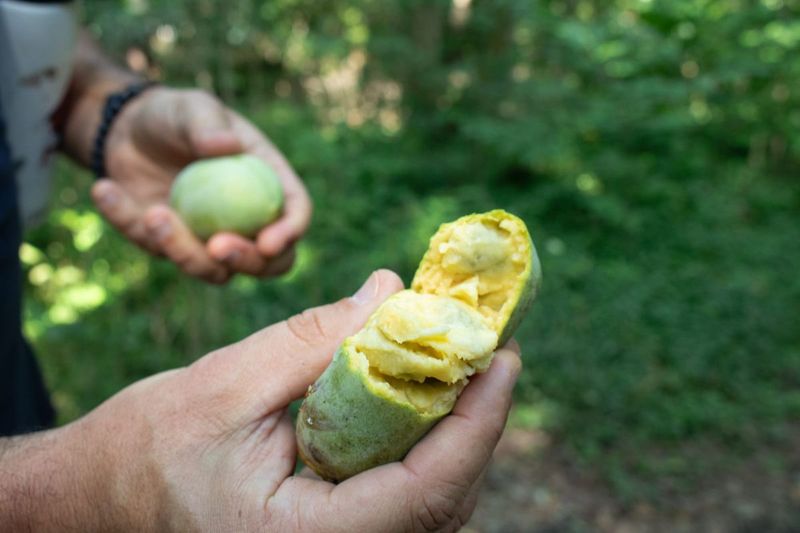
Timing is everything when it comes to pawpaws, and that is exactly what makes them so tricky to enjoy. These fruits play hard to get, staying firm and unappealing for weeks before suddenly turning soft and delicious.
Across Virginia, the magic usually happens from late August through September. During this stretch, the fruit shifts quickly from unripe to perfectly ready, then becomes increasingly soft and difficult to handle.
Miss the window, and you are out of luck until next year. A ripe pawpaw feels a lot like a ripe peach, giving slightly when you press it gently.
Along with that softness comes a sweet, fruity smell that practically announces the fruit is ready. Foragers who know these clues can find perfect pawpaws while everyone else walks past unaware.
Your Virginia Garden Changes Every Week. Your Plan Should Too.
Gardening in Virginia changes quickly throughout the season. Every Friday you’ll receive a simple weekly plan showing exactly what to plant, prune, fertilize, harvest, and protect so you never miss the right timing.
The catch is that ripe pawpaws do not last long once picked. Their delicate skin and creamy insides mean they spoil within days, which is why you almost never see them stacked in grocery stores.
That short shelf life keeps pawpaws out of big farms and markets, adding to their mysterious reputation. In wild spaces, this brief harvest season turns finding a sweet pawpaw into a small victory.
Patience and good timing pay off in the best way possible. When you finally catch one at its peak, the reward feels genuinely special, making every trip into the forest worthwhile during those precious late-summer weeks.
The Flavor That Makes Pawpaw So Unforgettable
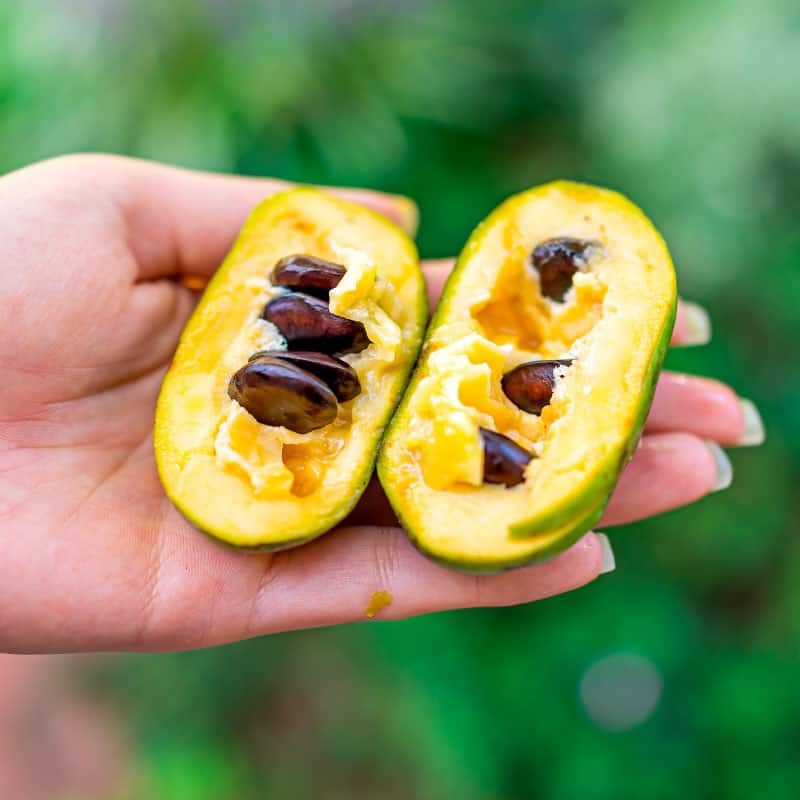
Take one bite of a perfectly ripe pawpaw, and you will understand why people never forget the experience. The taste is unlike almost anything else growing wild in the state.
Beneath the fruit’s inedible green skin sits a soft, creamy flesh with a texture close to custard. Scattered through it are large brown seeds you simply eat around.
Describing the flavor is where things get fun. Many people say it tastes like a super-ripe banana, mixed with hints of mango, pineapple, papaya, and even melon.
Some folks pick up notes of chocolate or nuts too, giving each bite a rich, layered sweetness. This wild mix of flavors feels almost too fancy for a fruit growing in the woods.
Over the years, the pawpaw earned several colorful nicknames because of its unusual taste. People have called it the Custard Apple, Wild Banana, Dog Banana, and even Mandango.
Each name hints at just how surprising that first spoonful can be. The velvety texture makes it feel like nature’s own pudding, ready to scoop straight from the skin.
For anyone who assumes local fruit means plain apples or berries, the pawpaw completely changes the story. It proves that forests hide flavors as exciting as any tropical island.
Once you taste one, ordinary fruit might never feel quite the same, and you will understand why this odd little treasure keeps its loyal fans coming back.
Look Along Forest Edges For This Forgotten Fruit
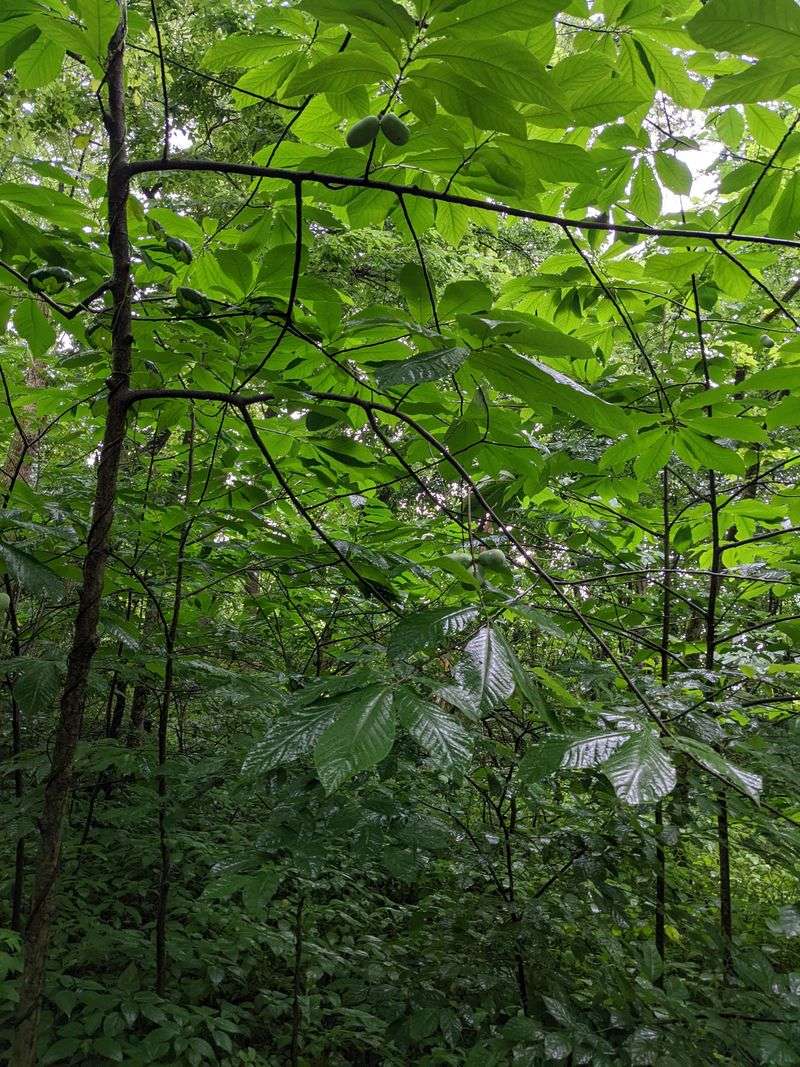
Finding pawpaws in the wild is easier once you know their favorite hangouts. These trees are picky about where they grow, so a little knowledge goes a long way.
More than anything, pawpaws love the cool, shady understory of hardwood forests. They settle into forested bottomlands, floodplain forests, swamp edges, and rich, moist woods.
Some of the best searching happens along stream valleys, riverbanks, and floodplains. These trees crave fertile, damp soil, so water is almost always nearby.
Right in Richmond, wild pawpaws grow thick along the James River, giving locals a perfect place to explore. Keep in mind that while grown trees can handle plenty of sun, they usually prefer the partial shade of the forest canopy.
Filtered sunlight helps them flower and set fruit, which is why forest edges make ideal spots to look. That balance of light and shade is where pawpaws feel most at home.
As you wander these areas, watch for their distinctive large, drooping leaves. Their habit of growing in clusters, or patches, makes them stand out once you train your eye.
Spotting one tree often means several more are close by. Bring comfortable shoes and be ready to walk near water, since that is where the fruit hides best.
With a bit of patience and the right location, you can turn an ordinary hike into a rewarding pawpaw hunt through quiet, green riverside forests.
Know The Signs Of A Perfectly Ripe Pawpaw
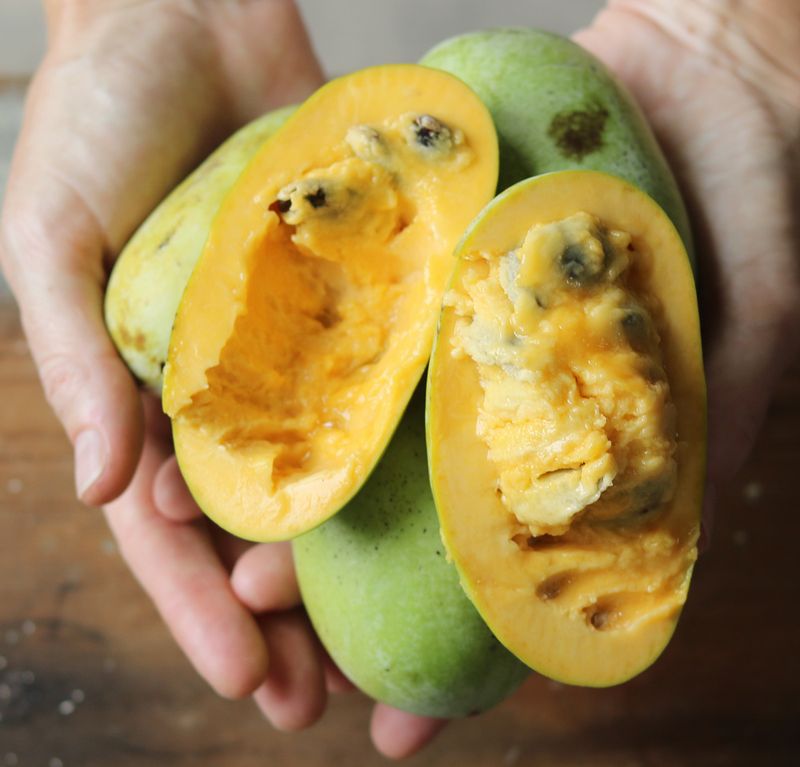
Picking a pawpaw at just the right moment takes a little detective work. Unlike apples or oranges, these fruits do not always show their ripeness with bright colors, so you have to use other senses.
Touch is your best friend here. A ripe pawpaw feels soft when gently squeezed, much like a ripe peach ready to eat.
Smell matters just as much. When a pawpaw reaches its peak, it gives off a sweet, fruity aroma that signals its flavors are ready to enjoy. That fragrant clue often tells you more than the color ever could.
Color changes are often subtle. Many pawpaws stay green when ripe, though some may develop a slight yellow tint as they mature.
Do not rely on that change alone, though, since it is not always obvious. Softness and smell remain the most trustworthy signs across pawpaw patches.
Once ripe, pawpaws bruise very easily because their skin and flesh are so delicate. Handle them like eggs, cradling each one carefully as you pick and carry it home.
Some pawpaws drop naturally when fully ripe, which can be a helpful hint. Still, it is smarter to gently test the fruit for softness and aroma before it tumbles to the ground.
A fall can damage that tender flesh in seconds. With practice, reading these signs becomes second nature, and you will start bringing home perfectly sweet pawpaws every time you head into the woods during harvest season.
More Than A Snack, Pawpaw Supports Local Wildlife
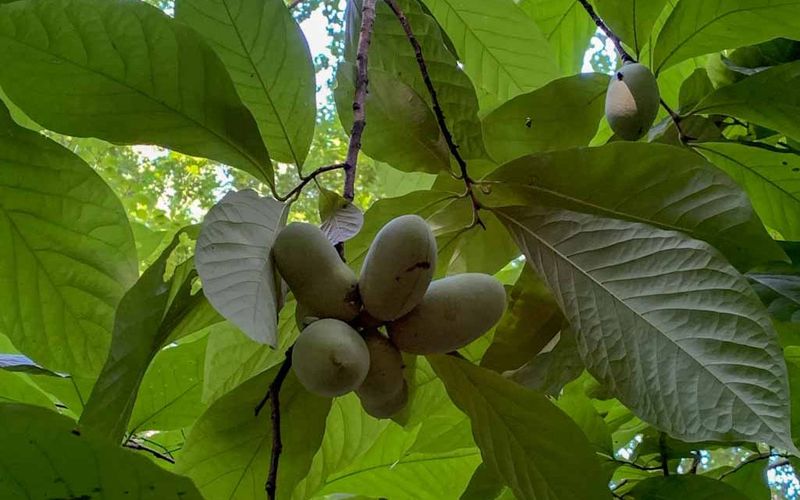
Pawpaws do far more than treat human taste buds. Throughout Virginia’s forests, these trees play a big role in feeding and sheltering local wildlife.
When the sweet fruit ripens, plenty of animals come running. Deer, raccoons, opossums, squirrels, mice, and wild turkeys all enjoy the juicy pawpaw harvest.
Smaller mammals and birds join the feast too, making these trees an important part of the forest food web. A ripe pawpaw patch becomes a busy dining spot for the whole neighborhood.
One relationship stands out above the rest. Pawpaw is the primary host plant for zebra swallowtail butterfly caterpillars.
These caterpillars munch only on pawpaw leaves and nothing else. As they eat, they absorb special chemicals from the foliage that protect them from hungry predators.
Those same chemicals do something clever for the tree, too. They give crushed pawpaw leaves a strange scent, almost like asphalt, which keeps deer and most plant-eating animals from nibbling the leaves.
That means the trees rarely get browsed, letting them grow tall and healthy. This partnership between plant and insect shows just how connected everything in the woods really is.
By supporting butterflies and feeding countless creatures, the pawpap earns its place as a true forest hero. Planting or protecting these trees helps keep natural web strong and full of life for many seasons to come.
Bring This Native Fruit Tree Into Your Backyard
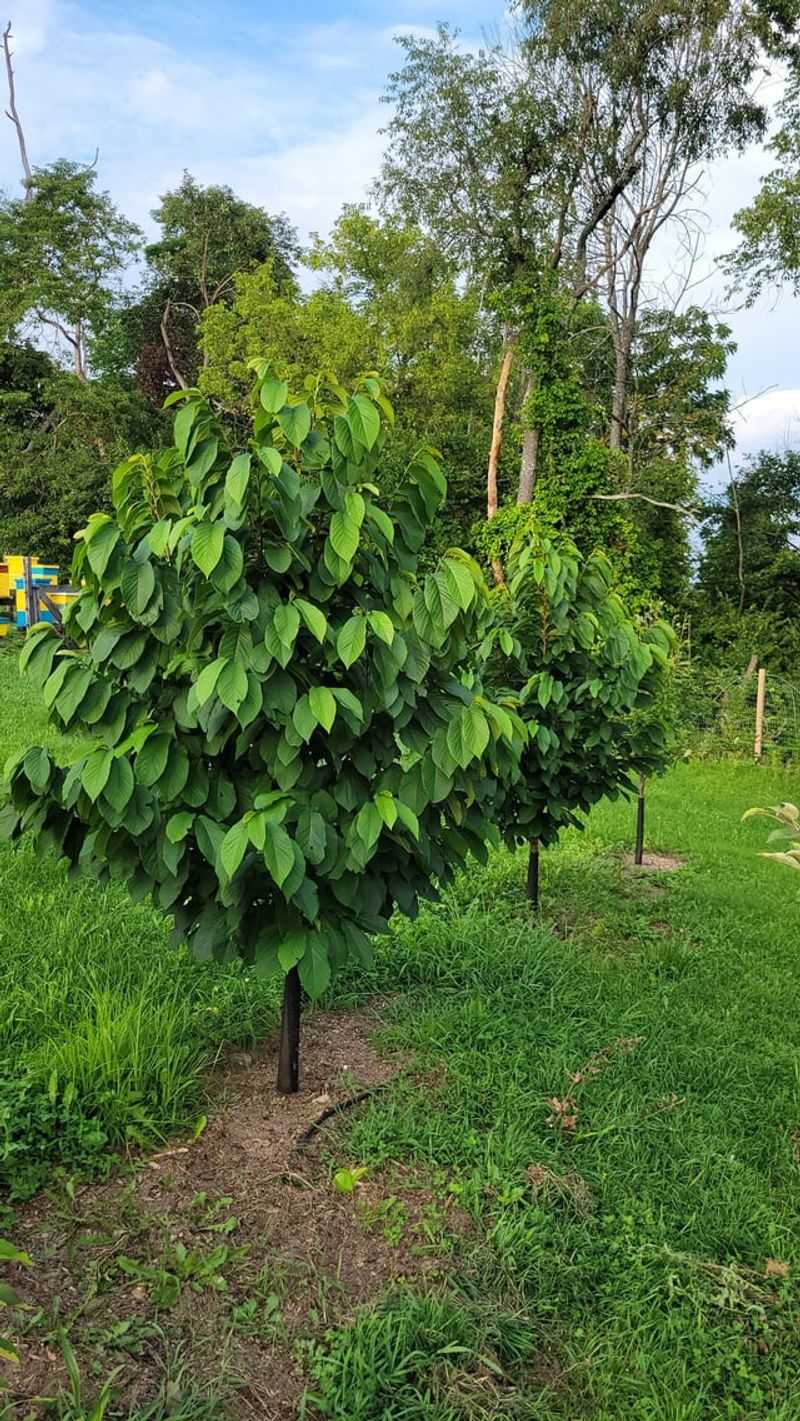
Imagine picking fresh, tropical-tasting fruit right from your own yard. That dream is exactly why more gardeners are falling in love with the pawpaw tree.
The Virginia Native Plant Society recognizes pawpaws as a true native, which gives them a special place in local landscapes. Growing one means enjoying an unusual fruit you can almost never buy in stores.
These small to medium trees grow a thick canopy of leaves, offering welcome shade on hot afternoons. Their lush look also adds a unique touch to any garden.
Getting started takes a little planning. Experts suggest buying small container-grown trees, since pawpaws are tough to transplant from wild suckers.
They prefer moist, fertile, well-drained soil with a pH between 5.5 and 7.0. Although young pawpaws grow naturally in shaded forests, established trees usually produce more fruit with increased sunlight.
Here is the most important secret to success: pollination. Pawpaws usually cannot pollinate themselves, so you will need at least two unrelated trees planted nearby for fruit to form.
That teamwork between trees makes all the difference come harvest time. As a bonus, pawpaws are often less attractive to deer than many other plants, though young trees may still need protection.
For anyone wanting a native, wildlife-friendly, and downright fascinating addition to their yard, the pawpaw checks every box. With the right spot and a planting partner, your backyard could soon grow its own sweet surprise.
Avoid These Mistakes Before Growing Pawpaws
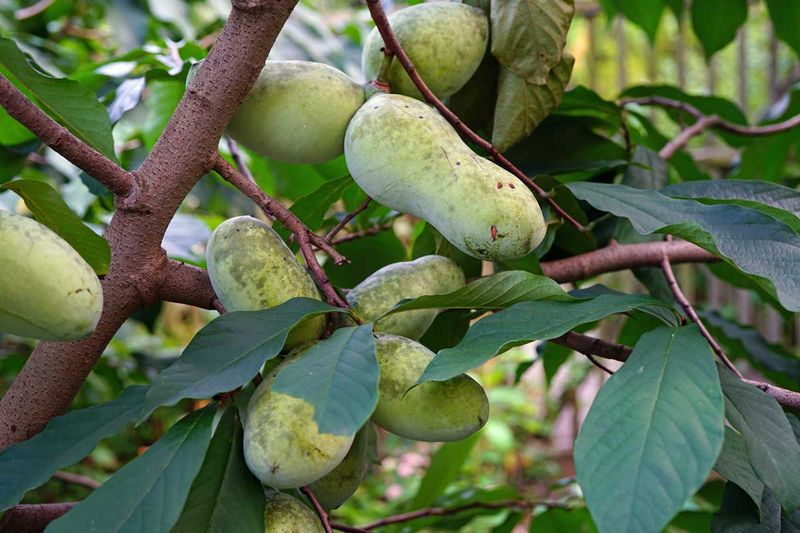
Growing pawpaws in your backyard is rewarding, but a few common slip-ups can spoil the fun. Knowing them ahead of time sets you up for a much sweeter harvest.
The first mistake is choosing a bad spot. Pawpaws love moist, fertile, well-drained soil and struggle in poor dirt or windy, exposed areas.
Even though they grow as understory trees in the wild, they still need filtered sunlight to bloom and fruit. Plant them in deep, heavy shade, and you will get very little to show for it.
Another big blunder is forgetting about pollination. Pawpaw flowers usually need pollen from at least two different trees to produce fruit, since they rarely pollinate themselves.
Oddly enough, their flowers smell slightly unpleasant and attract flies and beetles instead of bees. Sometimes home gardeners even hand-pollinate with a small brush to guarantee fruit.
Patience is the next lesson. Young pawpaw trees often take several years before they produce their first fruit, so do not expect instant results.
Rushing the harvest is a mistake too. Picking pawpaws while they are still firm and green leads to disappointment every time.
Instead, wait for that telltale softness and sweet aroma before you pluck one. Those clues, not the color, tell you the fruit is truly ready.
Steer clear of these errors, and your pawpaw patch can reward you with the wild, tropical flavor of the state’s strangest and most delightful native fruit.