Oregon Tomatoes Need This Done In August To Keep Producing Through September
August tomatoes can make an Oregon gardener feel rich.
The vines are tall, the fruit clusters are heavy, and fresh yellow flowers keep opening as though summer plans to stay forever.
But the calendar is already changing the rules. Nights will cool. Daylight will shrink. Ripening will slow long before the plants look finished.
That is where the real August decision begins.
A tomato plant can keep making new growth that looks promising, but not all of it has enough time to become ripe fruit. The smartest move is to shift from encouraging more to finishing better.
That means choosing what gets the plant’s energy now.
The fruit already sizing up deserves protection. The leaves shading those tomatoes still matter. The watering routine needs steadiness.
Disease cleanup becomes more important. Cool-night protection should be ready before the forecast gets dramatic.
So what do Oregon tomatoes need in August to keep producing through September?
They need gardeners to stop chasing every new blossom and start helping the fruit already on the vine reach the finish line.
1. Stop Chasing Unripe New Fruit
Tiny new tomatoes look exciting, but August asks for honesty.
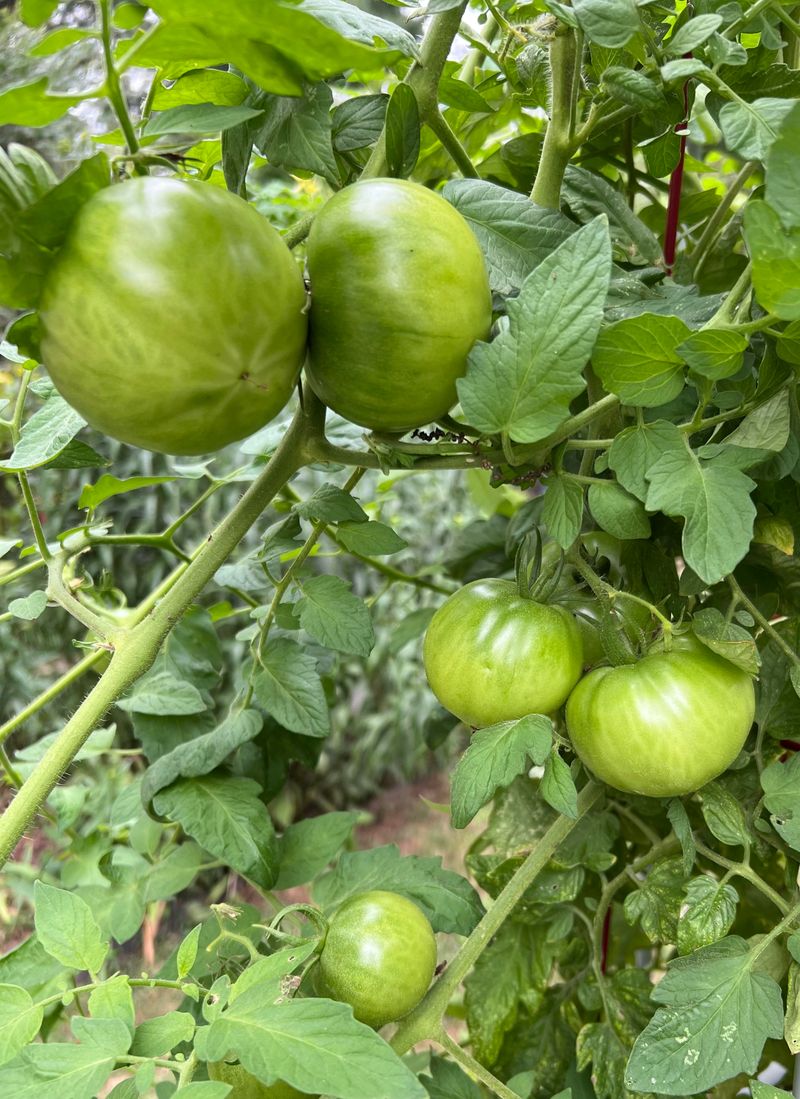
A cluster of marble-sized fruit may seem like a future harvest. In many Oregon gardens, though, those little tomatoes are racing against shorter days and cooler nights. The plant may spend energy sizing them up while larger fruit nearby is much closer to ripening.
The best fruit is already established. Golf-ball-sized tomatoes, full clusters, and mature green fruit have a stronger chance of turning color before cold weather slows the vine.
New fruit is the gamble. A blossom that sets late may not have enough warmth left to become a useful tomato.
Start by looking at the whole plant. Notice which clusters are already filling out and which are just beginning.
The plant has limited energy. Leaves make sugars, roots move water, and the vine decides where those resources go.
August care should guide that energy. The goal is not a jungle of fresh growth. The goal is ripe fruit.
Do not strip every small tomato at once. Some regions of Oregon have a longer season, and mild coastal or valley gardens may still carry young fruit farther.
Cooler inland and high-elevation gardens need stricter choices. Late tiny fruit there may have little realistic chance.
Remove only the least likely fruit. Leave the tomatoes that already have size, firmness, and time on their side.
This is the August mindset shift.
A good September tomato harvest comes from finishing the right fruit, not cheering on every new one.
2. Pinch Late Blossoms In Cool Zones
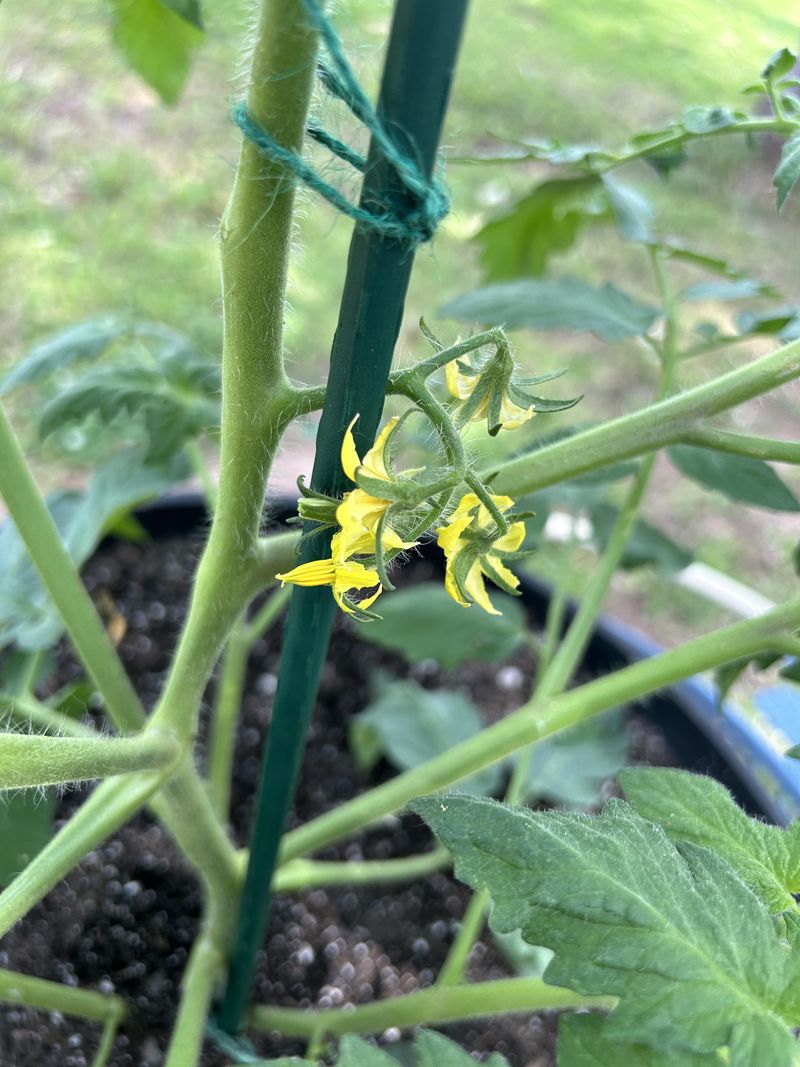
Late blossoms can steal energy from better fruit.
A fresh yellow flower in August looks hopeful, but it still has to pollinate, set fruit, size up, mature, and ripen. In many Oregon areas, that timeline is too long once nights begin cooling.
Cooler zones should pinch more decisively. Central Oregon, eastern Oregon, high-elevation gardens, and frost-prone valleys often run out of warm nights earlier than gardeners expect.
Your Oregon Garden Changes Every Week. Your Plan Should Too.
Gardening in Oregon changes quickly throughout the season. Every Friday you’ll receive a simple weekly plan showing exactly what to plant, prune, fertilize, harvest, and protect so you never miss the right timing.
A blossom needs time. Without enough frost-free days ahead, it becomes a drain rather than a promise.
Pinching redirects the plant. Instead of pushing energy into new fruit, the vine can support tomatoes already forming.
Use clean fingers or small scissors. Snap or snip the flower cluster gently without tearing the main stem.
Do not remove every flower statewide. Coastal gardens and protected western valley sites can sometimes ripen tomatoes later into fall.
Local timing matters. A warm urban garden in the Willamette Valley is not the same as a chilly garden near Bend.
Watch the forecast pattern. Repeated cool nights slow ripening even before frost arrives.
Make one careful pass. Remove the newest blossoms that clearly arrived too late for your location.
Leave flowers on plants with a long mild window. Over-pruning in a warm pocket can reduce harvest unnecessarily.
The goal is precision.
Pinch late blossoms where the season is short, and let the plant finish the fruit with a real chance.
3. Thin Only Excess Foliage
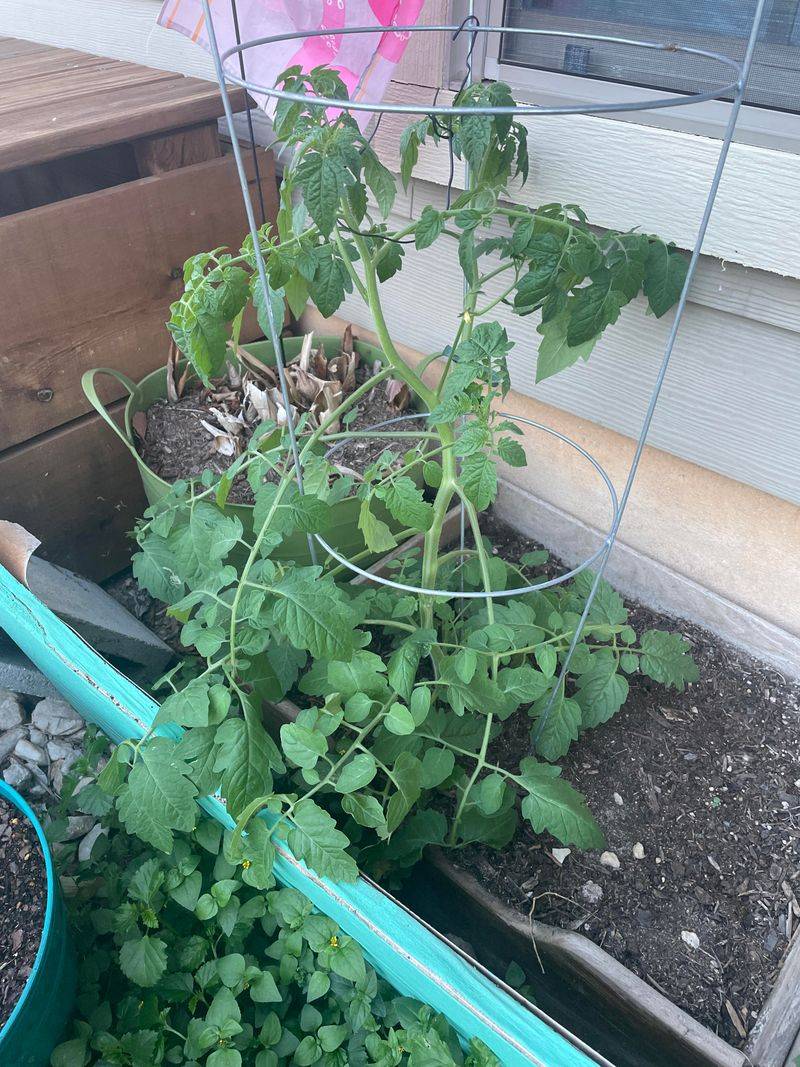
August pruning should be careful, not dramatic.
Tomato plants can look crowded by late summer. Lower leaves may yellow, spotted foliage may appear, and branches can tangle inside cages. Some cleanup helps, but heavy pruning can cost you ripening power.
Leaves are still working. Every healthy green leaf helps feed the fruit.
Remove the weakest foliage first. Yellow leaves, badly spotted leaves, broken stems, and leaves resting on soil are good targets.
Soil-touching leaves are trouble. They pick up moisture and disease spores more easily after irrigation or rain.
Crowded lower growth can go. Opening the base slightly improves airflow and makes watering, scouting, and cleanup easier.
Stop before the plant looks bare. A tomato vine does not need to be stripped to ripen well.
Healthy upper leaves should stay. They make energy and shade fruit during hot afternoons.
Work slowly. Remove a few leaves, step back, and check how much fruit is now exposed.
Sanitize tools during disease cleanup. Spotted leaves can spread problems from one cut to another.
Do not prune during wet foliage conditions. Handling damp plants can move disease around the vine.
Avoid cosmetic pruning. A tidier plant is not always a more productive plant.
The best August tomato pruning is selective.
Take away what is no longer helping, but leave enough foliage to power September production.
4. Keep Fruit Protected From Sun
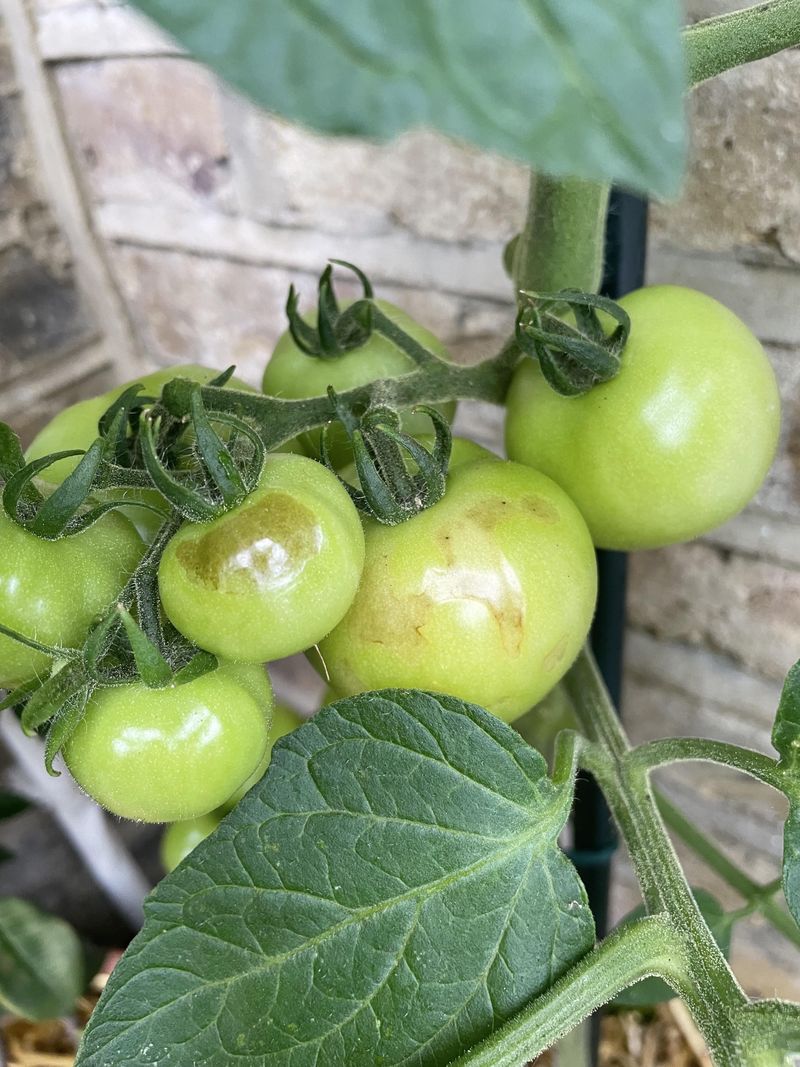
Fruit needs shade more than gardeners think.
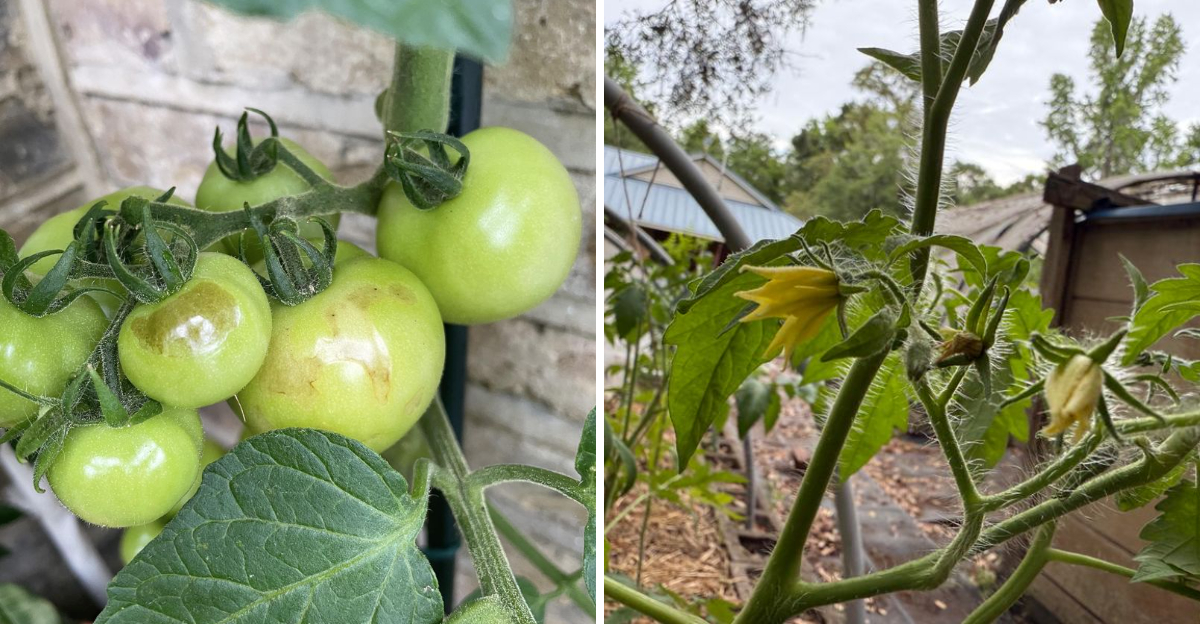
Sunscald shows up as pale, papery, or bleached patches on tomato skin. It often appears after leaves that once shaded the fruit are removed during late-season pruning.
The damage can happen fast. A tomato that spent weeks under leaves is not ready for sudden exposure to strong August sun.
West-facing fruit is most vulnerable. Afternoon light can be intense even in Oregon, especially during late-summer heat spells.
Look before pruning. Notice which leaves cast shade over ripening clusters.
Leave protective foliage in place. Even a slightly ragged leaf can be useful when it shields good fruit.
Do not open the canopy all at once. Sudden exposure creates more risk than gradual thinning.
Use temporary shade during heat. A piece of shade cloth over a cage or frame can protect exposed clusters for a few days.
Keep airflow under shade cloth. Fabric should not press tightly against damp leaves or fruit.
Remove shade when heat eases. Tomatoes still need light and air to stay productive.
Harvest blushing fruit before heat spikes. Fruit with first color can finish indoors and avoid sun injury outdoors.
Sunscald does not improve later. Once a patch forms, the mark stays.
Protecting fruit is more valuable than making the plant look neat.
In August, those leaves are not clutter. They are the vine’s built-in sun protection.
5. Water Deeply And Consistently
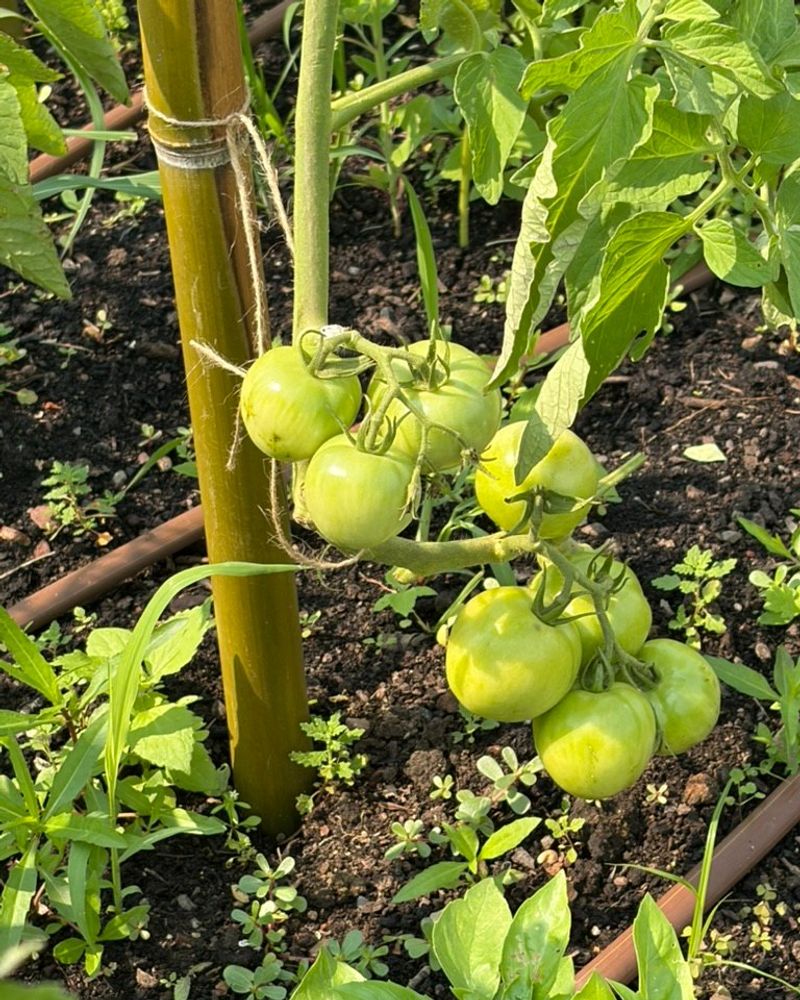
Late-season tomatoes dislike moisture swings.
Dry soil followed by a sudden soak can lead to cracked fruit, stress, and uneven ripening. Too much water can also create problems, especially as Oregon nights begin cooling and plants use less moisture.
Check the soil before watering. Press a finger or trowel a couple of inches down near the root zone.
Dry soil at depth means water. Moist soil means wait.
Use drip irrigation or soaker hoses when possible. They keep water at the roots and off the leaves.
Avoid overhead watering. Wet foliage in late summer can help leaf diseases spread.
Water slowly. A deep soak supports roots better than a quick surface splash.
Mulch helps maintain steadiness. Straw, shredded leaves, or clean organic mulch can reduce evaporation and soil temperature swings.
Keep mulch away from stems. Air should move around the base of the plant.
Adjust for cooler nights. Plants may need less water as September approaches.
Rain changes the schedule. A real soaking rain can replace irrigation, while a misty drizzle may not reach the root zone.
Check containers more often. Potted tomatoes dry faster than in-ground plants, even late in the season.
Consistency keeps fruit moving.
A steady root zone helps tomatoes ripen without cracking under the pressure of late-summer extremes.
6. Harvest Tomatoes At First Color
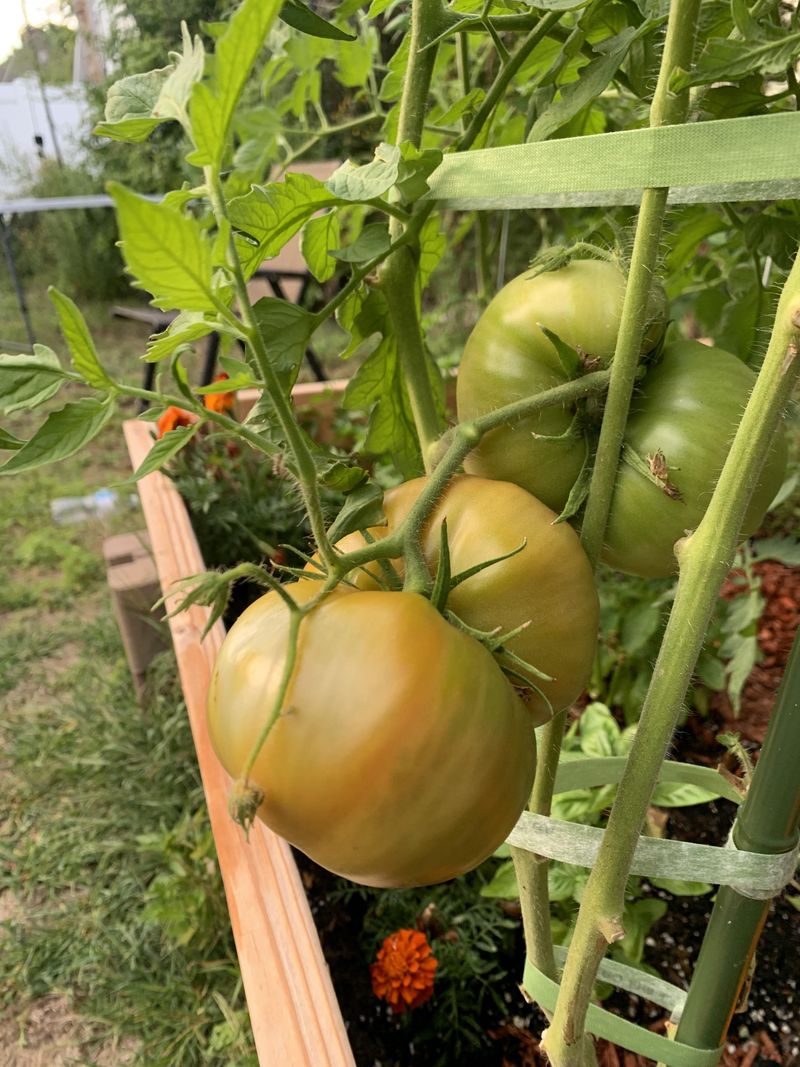
The first blush is your picking signal.
A tomato that begins turning pink, orange, red, or yellow has reached a stage where it can finish ripening indoors. Leaving it on the vine may feel more natural, but August and September bring extra risks.
This early color stage is valuable. The fruit has already begun the ripening process from within.
Indoor ripening protects it. A countertop tomato avoids cracking rain, cold nights, birds, pests, and sudden weather swings.
Flavor can still develop well. Once the fruit has started changing color, it does not need to stay attached to the vine to finish.
Pick gently. Twist or clip the stem so the fruit is not bruised.
Keep ripening fruit at room temperature. A shaded counter or shallow tray works well.
Do not refrigerate tomatoes that still need to ripen. Cold temperatures can damage texture and slow the process.
Check daily. Fruit can move from blush to full color quickly indoors.
Separate damaged tomatoes. One split or soft fruit can make a tray messy fast.
Use the ripest first. Late-season tomatoes should not sit ignored once they are ready.
Mature green fruit is different. It may ripen indoors only when it has reached full size and developed a slight sheen.
Picking at first color is not giving up.
It is protecting tomatoes that already earned their place in the harvest.
7. Remove Spotted Leaves Promptly
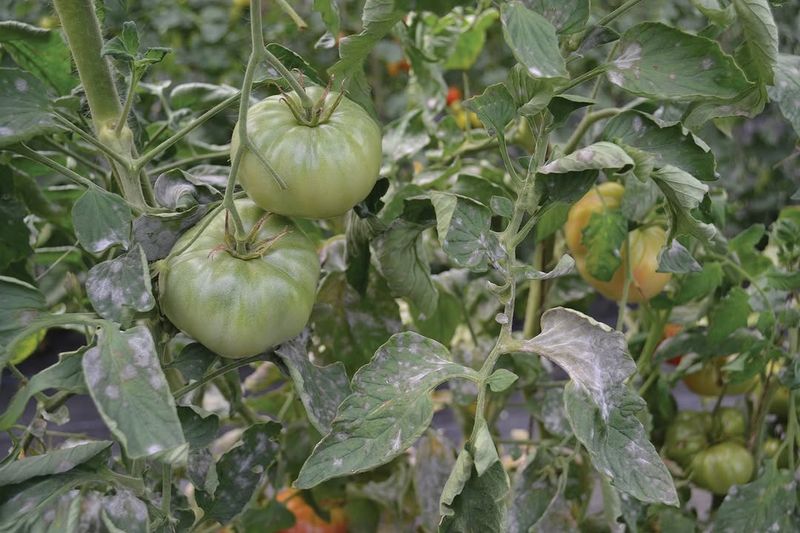
Spotted leaves should not sit on the plant.
Late summer brings the perfect setup for tomato leaf diseases: older foliage, cooler nights, moisture, and crowded vines. Removing the worst leaves can slow the spread and help the plant keep producing.
Start low on the plant. Many tomato leaf problems begin near the soil and move upward.
Look for dark spots, yellow halos, and tiny circular marks. Early blight and Septoria leaf spot are common late-season concerns.
Remove severely affected leaves. A leaf covered in spots is not helping much anymore.
Leave lightly marked leaves when the plant needs them. Stripping too much foliage can slow ripening and expose fruit.
Bag removed leaves. Do not drop them on the soil beneath the plant.
Skip the home compost pile for diseased foliage. Many backyard piles do not get hot enough to handle plant disease reliably.
Water at the base going forward. Keeping leaves dry is one of the most practical disease-reduction habits.
Avoid working among wet plants. Damp foliage spreads problems more easily when touched.
Clean pruners between plants. This matters most when symptoms are obvious.
Improve airflow without over-pruning. A cleaner lower canopy can help, but the plant still needs leaf cover.
Leaf removal is not a cure.
It is a sanitation step that helps the vine stay productive long enough to finish more fruit.
8. Prepare Vines For Cool Nights
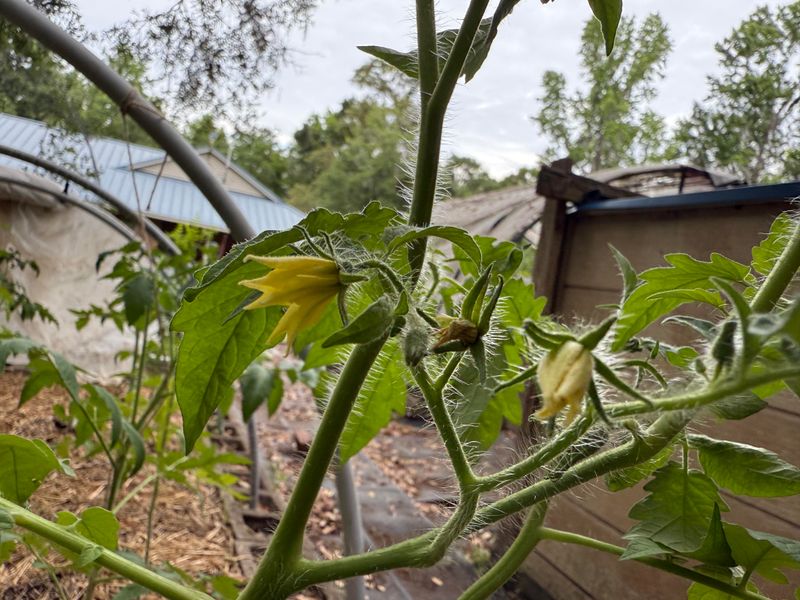
Cool nights can arrive before the plant looks ready.
Oregon tomatoes often keep fruiting into September, but a cold snap can slow ripening, damage foliage, or end the outdoor season suddenly. Having protection ready matters more than scrambling at sunset.
Watch local forecasts closely. Temperatures can vary sharply between neighborhoods, valleys, slopes, and coastal areas.
Row cover is useful. Floating fabric can trap a small amount of warmth around the plant during chilly nights.
Support the cover with cages or hoops. Fabric should not press hard against leaves or fruit.
Secure the edges. Wind can lift loose cover right when the plant needs protection most.
Cover before sunset. Trapping warmth from the day works better than covering after the garden has already cooled.
Remove or vent covers during warm days. Trapped heat and humidity can stress the plant and encourage disease.
Harvest blush-stage tomatoes before cold nights. Fruit already showing color is safer indoors.
Pick mature green fruit before a serious frost threat. Some may ripen inside with proper handling.
Do not rely on plastic touching the plant. Plastic can transfer cold and trap moisture unless used carefully over supports.
Keep supplies nearby. Folded row cover, clips, rocks, and hoops should be ready before the first cold forecast.
Cool-night preparation extends the finish.
Even a few protected nights can give August fruit enough time to color through September.