The One Watering Habit That Saves Oregon Hydrangeas During A Drought
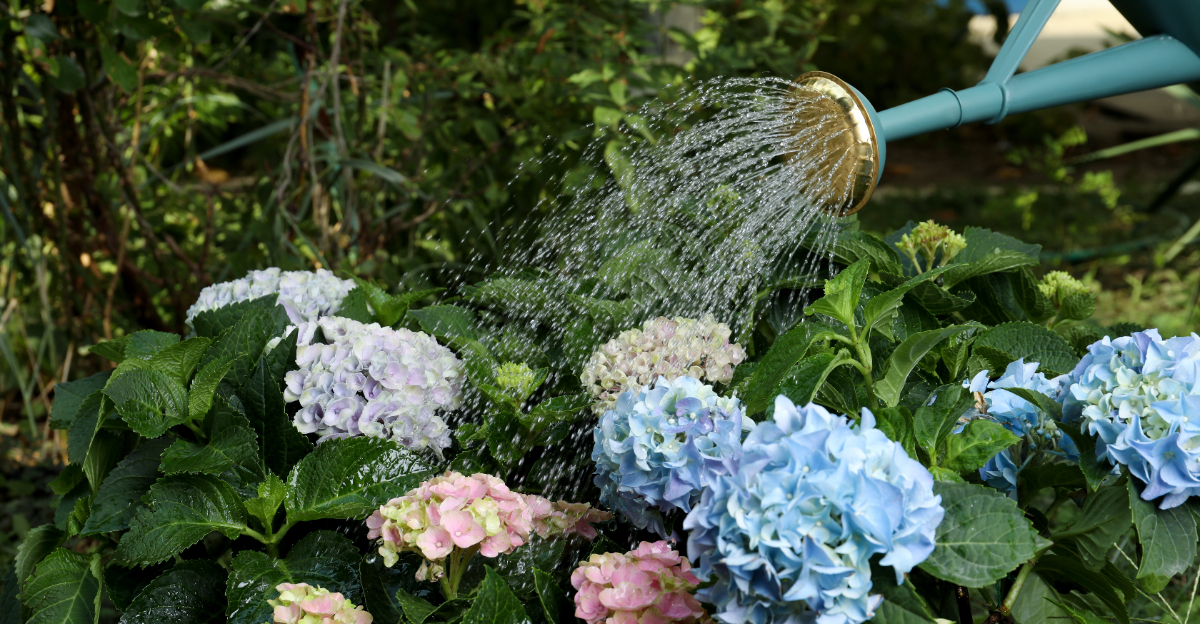
By late summer, Oregon’s hydrangeas start telling on their owners. Petals curl inward like tiny fists, leaves go matte and papery, and what was a showstopping mophead turns into something you want to hide from the neighbors.
Water it wrong for a few weeks, and the plant is already struggling by the time the heat peaks, no matter how much shade you add.
Fix the rhythm, though, and stems stiffen, color returns, and the plant stops panicking at every 90-degree afternoon.
This is not about watering more. It’s about watering with intention, at the right depth, at the right hour, so roots stay cool while the sun does its worst overhead.
Deep, Infrequent Watering Builds Drought-Resistant Hydrangea Roots
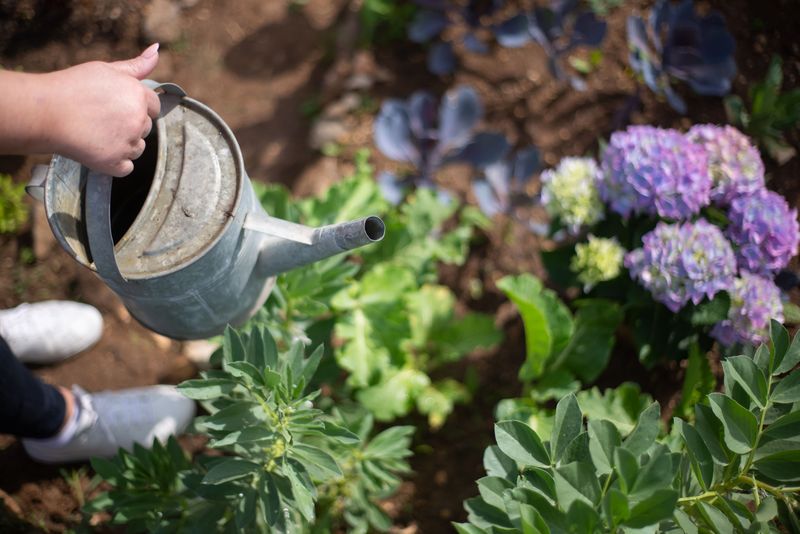
Shallow watering is the quiet enemy of healthy hydrangeas. When you sprinkle a little water every day, roots stay near the surface instead of growing deeper.
Deep watering changes how your hydrangeas survive dry spells. Soaking the soil six to eight inches down forces roots to chase that moisture lower into the ground.
Roots that grow deep can tap into cooler, moister soil layers during a drought. That underground reservoir keeps your plant hydrated long after the surface has baked dry.
Water your hydrangeas once or twice a week, but do it slowly and thoroughly. A slow trickle for twenty minutes beats a fast splash for two minutes.
This watering habit saves Oregon hydrangeas during a drought by training roots to be self-sufficient. Strong, deep roots mean your plant handles heat stress without wilting dramatically overnight.
Think of it like building endurance in an athlete. You are not just feeding the plant today, you are preparing it for the tough weeks ahead.
A soaker hose laid at the base of your plant makes deep watering incredibly easy. Set a timer, walk away, and let the water do the slow, steady work it needs to do.
Gardeners who switch to deep watering often notice thicker stems and bigger blooms within one season. Your hydrangeas will reward your patience with a show that impresses every neighbor on the block.
Morning Watering Reduces Water Loss From Oregon’s Summer Heat
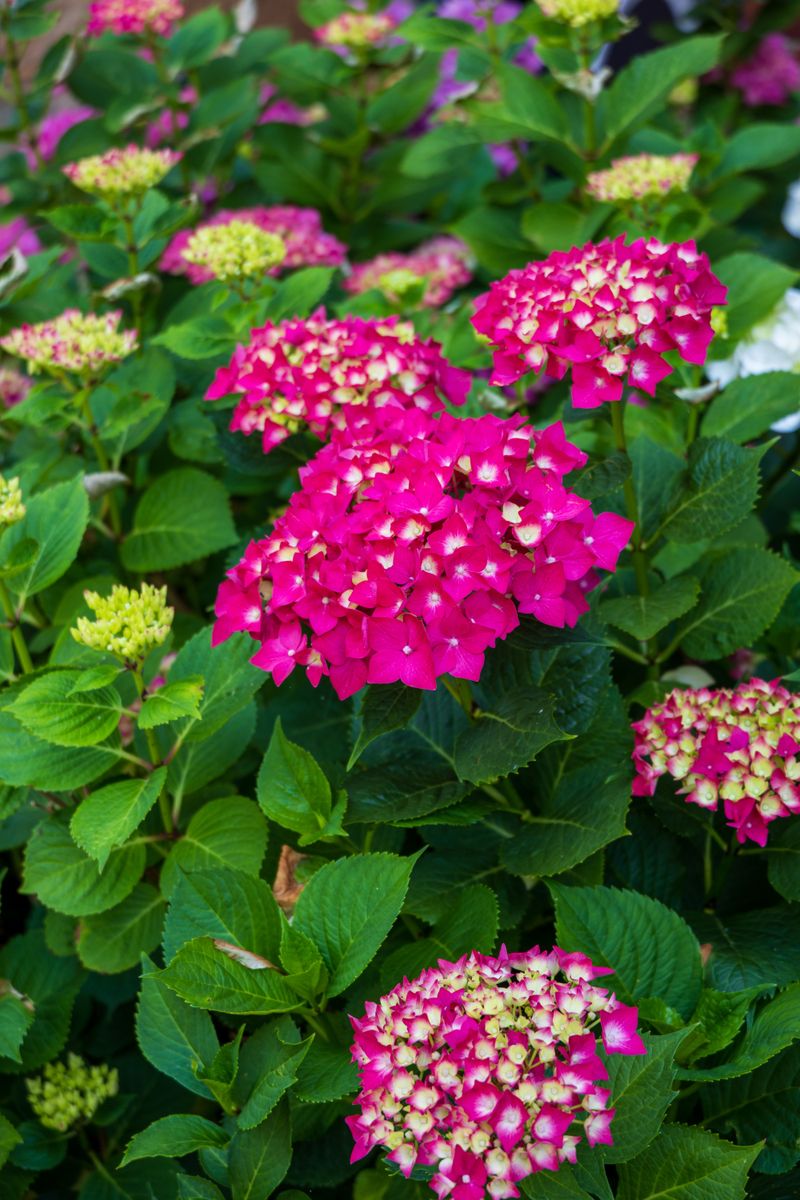
Picture this: you water your hydrangeas at noon, and half of it evaporates before the roots even drink. Oregon’s summer afternoons can hit scorching temperatures that steal moisture fast.
Morning watering is the simple fix that stretches every drop you give your plants. Cool air and calm winds mean water soaks into the soil instead of vanishing into thin air.
Watering before 9 a.m. gives roots hours to absorb moisture before the heat peaks. Your hydrangeas enter the hottest part of the day already well-hydrated and ready to handle the stress.
Wet foliage in the evening can invite fungal problems like Botrytis blight and leaf spot. Morning watering lets leaves dry quickly once the sun rises, keeping your plants healthier overall.
This watering habit saves Oregon hydrangeas during a drought by maximizing every gallon you use. Less evaporation means you actually need less water to keep plants thriving through the season.
Your Oregon Garden Changes Every Week. Your Plan Should Too.
Gardening in Oregon changes quickly throughout the season. Every Friday you’ll receive a simple weekly plan showing exactly what to plant, prune, fertilize, harvest, and protect so you never miss the right timing.
Early morning also tends to bring calmer winds in many regions. That matters because wind pulls moisture from both soil and leaves faster than most gardeners realize.
Set your alarm or your irrigation timer for 6 a.m. Your hydrangeas will respond with firmer stems and brighter blooms within the week.
Consistency is the secret weapon here. Watering at the same time each morning builds a reliable moisture rhythm that hydrangeas absolutely love during long, rainless stretches.
Soil Moisture Checks Prevent Overwatering And Root Stress
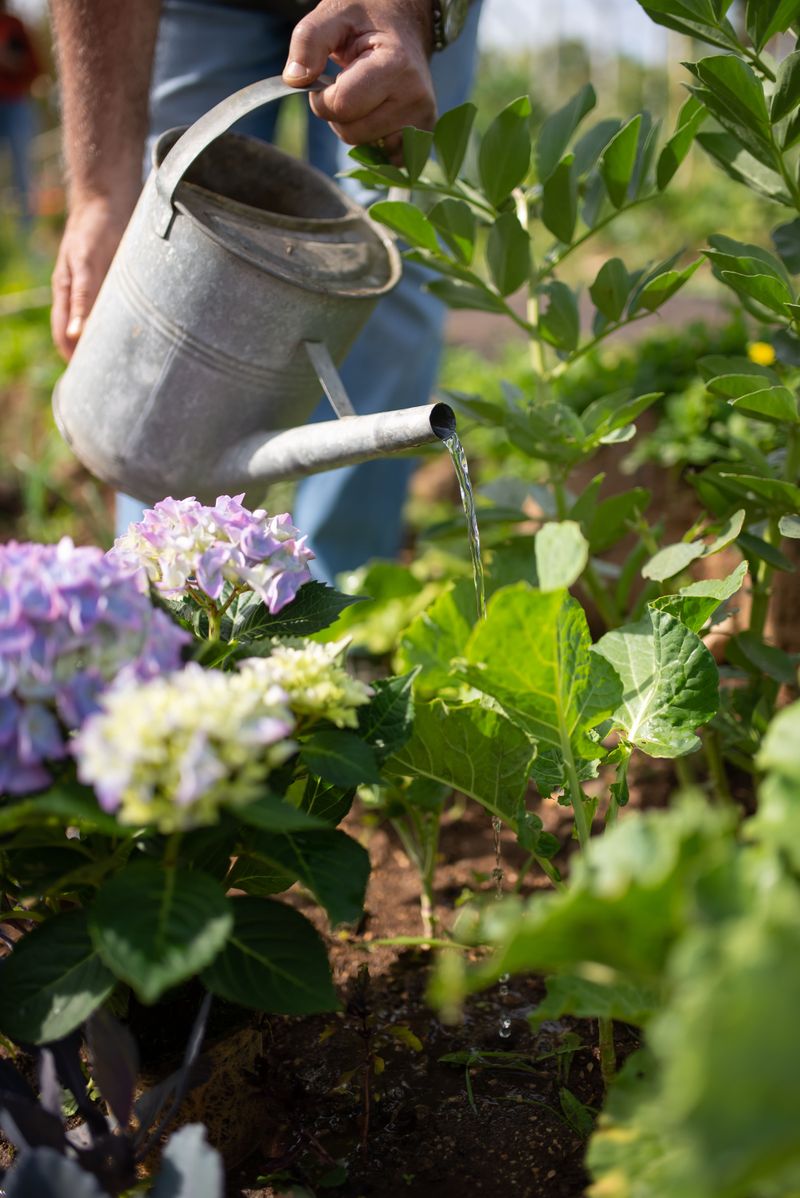
Guessing when to water is one of the most common mistakes hydrangea growers make. You might think the soil looks dry on top, but six inches down it could still be damp.
Overwatering is just as harmful as drought stress for hydrangeas. Soggy roots lose oxygen and decay, leaving your plant looking worse than if you had simply skipped a watering day.
A simple finger test takes five seconds and saves you from both problems. Push your finger two inches into the soil near the plant base and feel for moisture.
If the soil feels damp, skip watering that day and check again tomorrow. If it feels dry and crumbly, your hydrangea is ready for a deep, thorough drink.
A cheap soil moisture meter makes this process even more precise and reliable. You can find an affordable one at most garden or hardware stores, and it removes much of the guesswork.
This watering habit saves Oregon hydrangeas during a drought by keeping roots in their ideal moisture range. Not too wet, not too dry, just consistently satisfied.
Check your soil at the same time each morning while you sip your coffee. Making it part of your routine means you rarely miss a day when your plant truly needs help.
Healthy roots are invisible, but their effects show up in every bloom. Plants with well-managed soil moisture produce larger flower clusters and hold their color longer into the season.
Mulching Locks In Moisture Between Watering Sessions
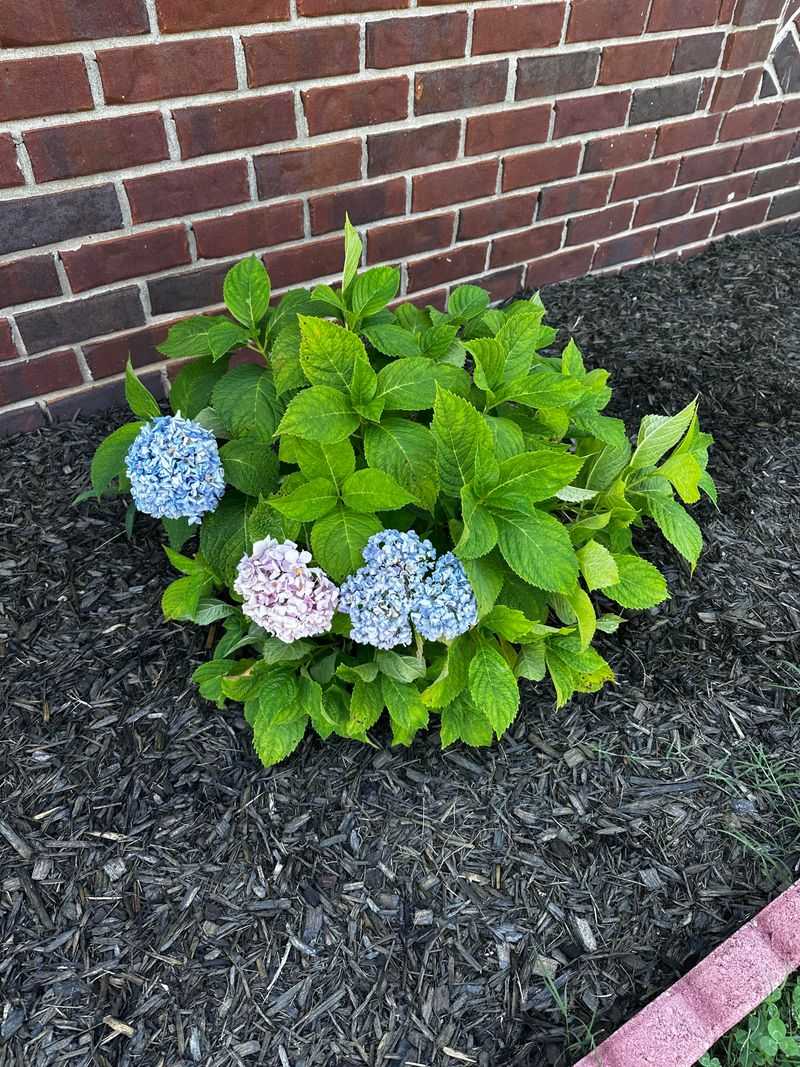
Bare soil under a hydrangea is basically an open invitation for moisture to escape. The sun bakes it, the wind dries it, and your plant suffers quietly between watering sessions.
Mulch acts like a cozy blanket that keeps moisture locked in the ground where roots need it most. A three-inch layer of wood chips or shredded bark makes a dramatic difference fast.
In Oregon’s dry summers, mulched hydrangeas can go longer between waterings than unmulched ones. Many gardeners find they need to water less often after adding a proper mulch layer.
Mulch also keeps soil temperatures cooler, which reduces stress on roots during heat waves. Cooler roots mean a calmer, more productive plant even when temperatures soar above ninety degrees.
Apply mulch in a wide ring around each plant, keeping it a few inches away from the main stem. Mulch piled against the stem can trap moisture and cause rot right at the crown.
This watering habit saves Oregon hydrangeas during a drought when combined with a good mulching routine. The two strategies work together like a team, stretching your water supply further than either could alone.
Organic mulches like wood chips break down slowly and feed the soil over time. That bonus nutrition supports stronger root systems that handle dry stretches with impressive resilience.
Refreshing your mulch layer each spring sets your hydrangeas up for a successful, drought-ready season. One simple afternoon of work pays off all summer long.
Container Hydrangeas Need Different Watering Timing Than Garden Beds
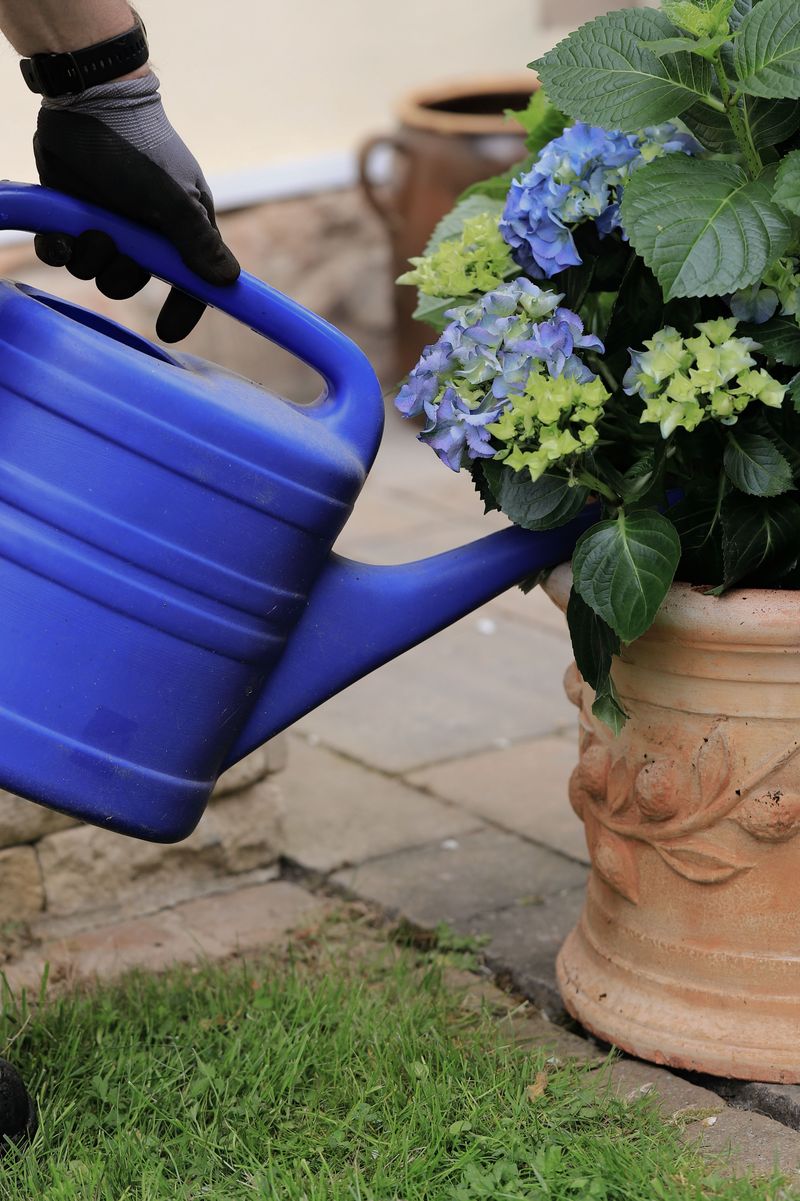
Potted hydrangeas play by entirely different rules than their in-ground cousins. Containers dry out shockingly fast, especially on hot Oregon patios with full afternoon sun exposure.
A garden bed holds moisture for days, but a pot can go bone dry within twenty-four hours during a heat wave. That speed catches a lot of gardeners off guard once late-summer heat sets in.
Container hydrangeas need checking every morning during dry spells. Lift the pot slightly or stick your finger into the soil to feel how dry it has become.
Water container plants until water flows freely from the drainage holes at the bottom. That confirms the entire root ball has been soaked, not just the top inch of mix.
Pots placed in full afternoon sun may need watering twice a day during extreme heat. Moving containers to a spot with afternoon shade reduces stress and cuts your watering frequency significantly.
This watering habit saves Oregon hydrangeas during a drought, especially for those growing in containers on decks or patios. Consistent attention to pots prevents the rapid wilting that discourages so many gardeners.
Adding water-retaining crystals to potting mix can help containers hold moisture longer between sessions. Some gardeners avoid them for woody plants, though, due to the risk of root rot.
A self-watering container is another smart investment for busy gardeners. The built-in reservoir keeps roots hydrated even when life gets hectic and you forget to check for a day.
Signs Of Drought Stress Signal It’s Time To Adjust Watering
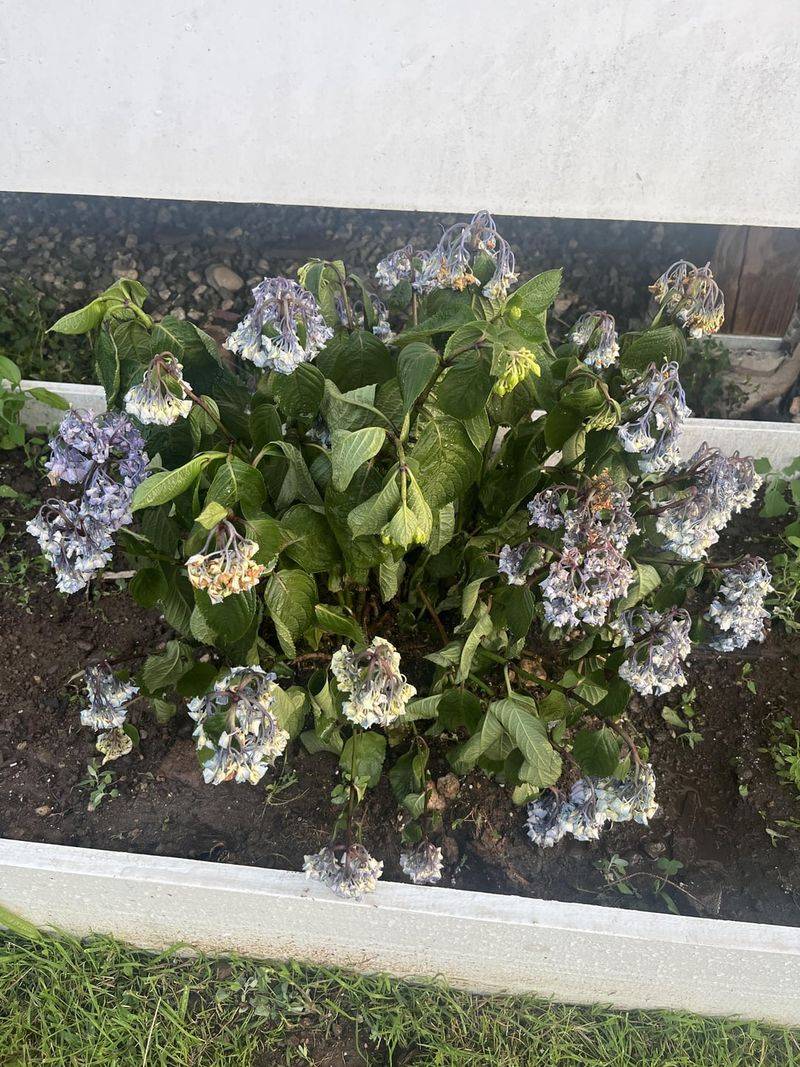
Your hydrangea will tell you exactly what it needs if you know how to listen. Wilting leaves in the early morning are one of the clearest distress signals a plant can send.
Morning wilt is different from afternoon wilt, and that difference matters a lot. Afternoon drooping is normal heat response, but morning wilt means the plant is genuinely running low on moisture.
Leaf edges that turn brown and crispy are another sign that drought stress has set in. Those crispy tips mean cells at the leaf margins have dried out and cannot recover.
Flower clusters that droop and fade faster than usual are also a red flag worth acting on. Blooms under stress lose their color quickly and drop petals days earlier than healthy ones would.
When you spot these signs, resist the urge to flood your plant with a huge amount of water all at once. A sudden deluge after drought stress can shock roots that have adjusted to dry conditions.
Instead, increase watering gradually over two or three days to bring moisture levels back up gently. Slow recovery is far kinder to stressed roots than an abrupt soaking session.
This watering habit saves Oregon hydrangeas during a drought by helping you respond before damage becomes permanent. Catching stress signals early gives you time to adjust before blooms or roots suffer lasting harm.
Healthy hydrangeas are expressive plants that reward attentive gardeners. Keep watching, keep adjusting, and your blooms will thank you all season long.