Why Oregon Master Gardeners Are Switching To Phosphorus Fertilizers This Week
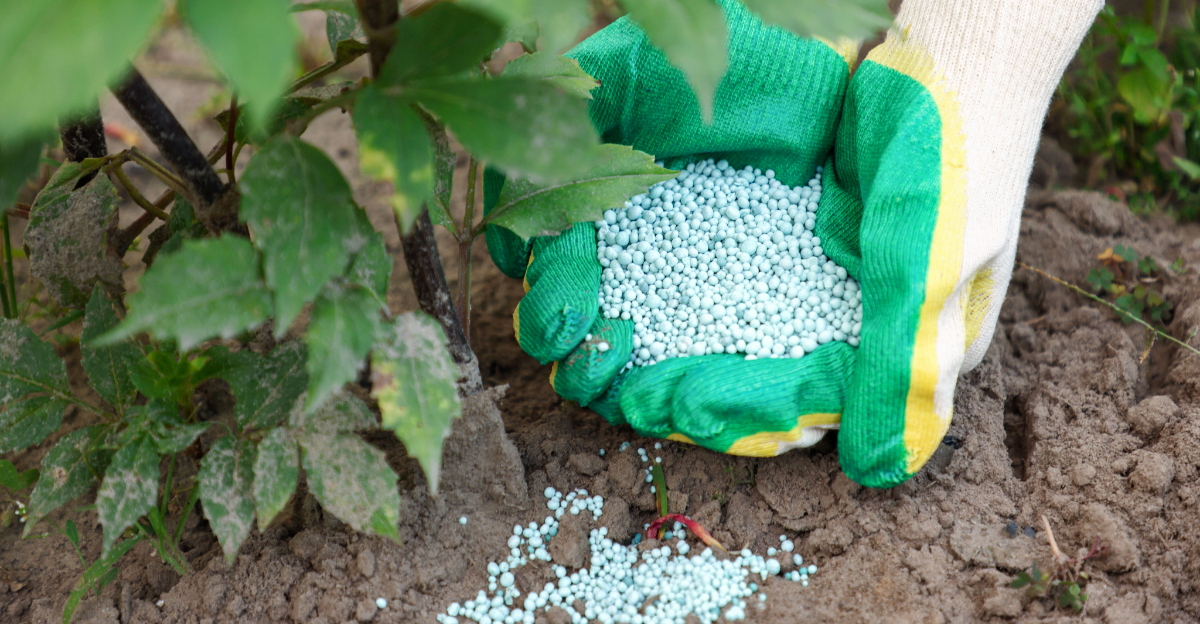
Something quiet is happening in Oregon backyards this week, and the growers who notice it tend to get spring gardens everyone else envies. It has nothing to do with mulch or watering schedules.
The shift centers on one overlooked nutrient, and the growers making the switch aren’t guessing. Their timing comes from a sharper read of what the soil is quietly signaling right now.
Early August isn’t just about surviving the heat here. It’s the narrow window where root systems either build the reserves they’ll need for fall and next spring, or quietly fall behind before cooler weather arrives.
If your bulbs, perennials, or that one stubborn garden bed have underperformed year after year, the reason might be simpler than you think, and fixable before the season shifts
Fall Root Establishment Is Driving The Switch
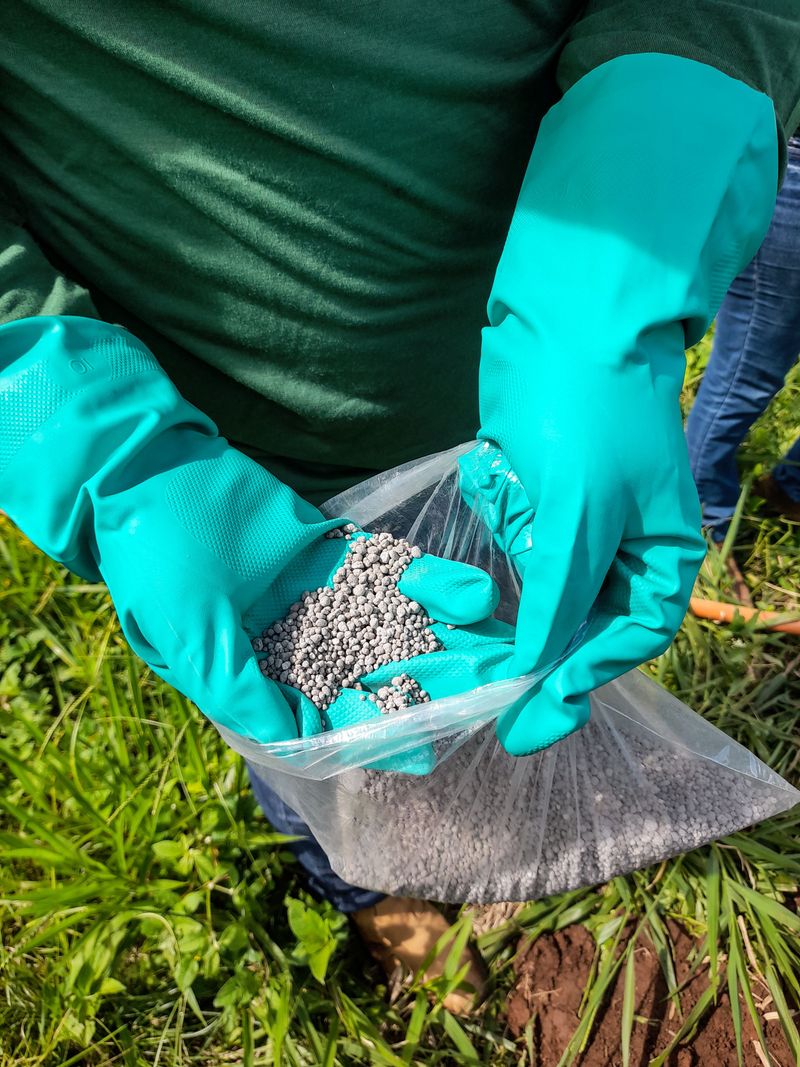
Roots are working overtime right now, even as the air turns cool. Fall is the season when plants quietly push energy downward, building the underground systems that fuel next year’s growth.
Phosphorus fertilizers support this process directly. The nutrient is the key player in root cell development and energy transfer within the plant.
Oregon master gardeners switching to phosphorus fertilizers this week are doing it with intention. They know the soil is still warm enough to absorb nutrients, but the window is closing fast.
When roots get phosphorus during fall establishment, they branch out more aggressively. More branching means more surface area to pull in water and nutrients come spring.
Think of phosphorus as the foundation poured before a house goes up. Without a solid base, whatever’s built on top tends to become unstable and weak.
Skipping this fall application is one of the most common mistakes backyard growers make. They wait until spring, but by then the opportunity for deep root development has already passed.
Master gardeners understand that timing beats quantity far more often than not. A smaller, well-timed phosphorus application in fall outperforms a heavy spring dose almost every season.
This isn’t a passing habit. It’s a direct response to what plant roots are doing underground right now. Get root establishment right now, and next spring’s growth follows almost on its own.
Cooling Soil Temperatures Change What Plants Need
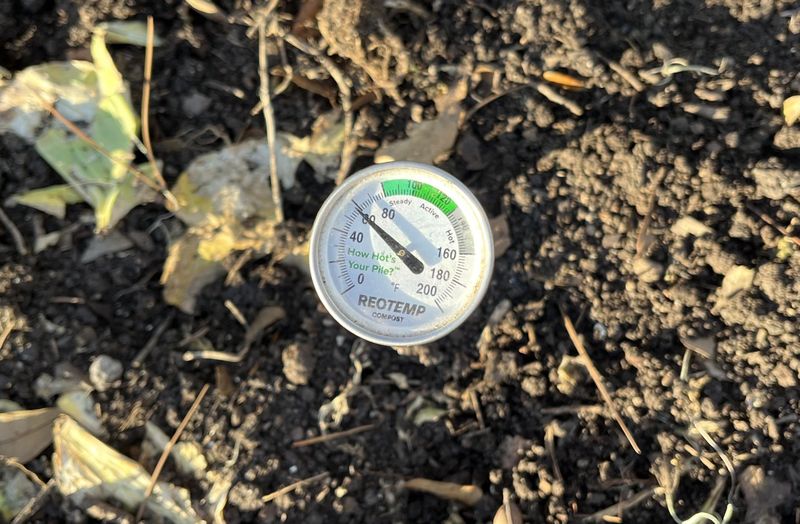
Soil temperature is one of the most overlooked factors in home gardening. When it drops below 55 degrees Fahrenheit, plant biology shifts in ways most Oregon gardeners never expect.
Nitrogen becomes far less effective in cooler soil. Plants absorb it much more slowly, so feeding with nitrogen-heavy blends in fall gives limited return.
Phosphorus uptake also slows in cold soil, but plants can still draw on reserves already placed near the root zone, which is why fall timing matters.
Pacific Northwest soils tend to cool early in the season, which makes timing especially relevant for local growers.
Master gardeners here track soil temps closely. A cheap soil thermometer from any garden center gives you the data needed to make smart fertilizing decisions all season long.
Your Oregon Garden Changes Every Week. Your Plan Should Too.
Gardening in Oregon changes quickly throughout the season. Every Friday you’ll receive a simple weekly plan showing exactly what to plant, prune, fertilize, harvest, and protect so you never miss the right timing.
Once temperatures dip consistently, plants redirect their energy away from leafy top growth. They start investing in roots, storage organs, and cold hardiness instead.
Phosphorus supports all three of those processes. It aids in the transfer of energy that keeps root cells active even as the surface of the garden goes dormant.
Switching fertilizer formulas based on season is not complicated. It just requires paying attention to what the soil is doing, not just what the calendar says.
Cool soil is not inactive soil. It is a system in transition, and phosphorus fertilizers help plants navigate that transition with far less stress and much better results.
A Soil Test Comes Before Any Switch
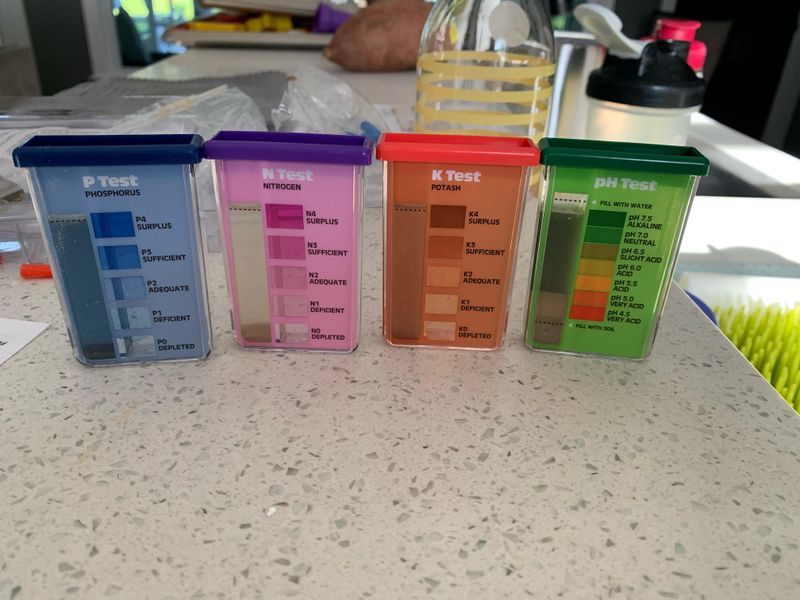
Before you buy a single bag of fertilizer, grab a soil test kit. Skipping this step is like taking medicine without knowing your diagnosis first.
Soil tests reveal exactly what nutrients are present, what is lacking, and what the pH level looks like. All three factors affect how well phosphorus actually works in your garden.
Oregon soils vary widely from region to region. Coastal gardens tend to be more acidic, while eastern areas can run more alkaline, and each type handles phosphorus absorption differently.
A basic soil test costs between ten and twenty dollars at most extension offices or garden centers. The information you get back is worth far more than that small investment.
Master gardeners rarely guess at fertilizer needs. They test first, interpret the results, and then apply only what the soil actually requires to perform well.
Phosphorus can build up to excessive levels over time. When that happens, it begins blocking other nutrients like zinc and iron from being absorbed by plant roots.
Testing also helps you choose the right phosphorus product for your specific situation. Bone meal, rock phosphate, and synthetic options each behave differently depending on soil conditions present.
The results from your test will guide the exact amount to apply. Over-applying phosphorus does not help plants grow faster. It creates problems that take years to correct.
Smart gardening starts with knowledge, not assumptions. A soil test is the single most empowering step you can take before making any fertilizer switch this fall.
Bulbs And Perennials Benefit Most Right Now
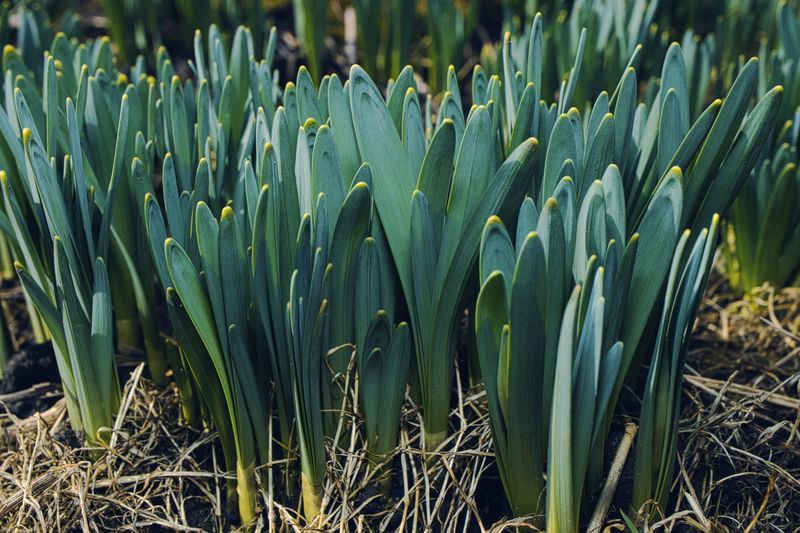
Bulbs are underground storage units, and phosphorus is exactly the fuel they need to fill up before winter. Planting bulbs without phosphorus nearby is like sending someone on a road trip with an empty gas tank.
Tulips, daffodils, alliums, and dahlias often respond well to available phosphorus during their first weeks in the ground. The nutrient helps them build the root network that anchors and feeds them through spring bloom.
Perennials going dormant right now are doing the same thing. They are pulling energy down into their crowns and root systems, preparing for a cold rest and a strong spring return.
Adding a phosphorus-rich amendment like bone meal at planting time puts the nutrient exactly where roots will find it. Placement matters just as much as product choice when feeding bulbs.
Sprinkle bone meal into the planting hole before setting the bulb in place. Cover lightly with soil so the amendment sits just below the root zone of the bulb itself.
Perennial beds benefit from a surface application of rock phosphate or a balanced fertilizer with elevated phosphorus. Scratch it lightly into the top inch of soil around the plant crowns.
Master gardeners treat fall bulb and perennial feeding as a priority step. Plants that get phosphorus now tend to outperform those that receive their first feeding in spring.
You will see the difference when blooms arrive. Stronger stems, deeper color, and earlier flowering are all signs that fall phosphorus applications did exactly what they were supposed to do.
Common Mistakes When Applying Phosphorus In Oregon Soils
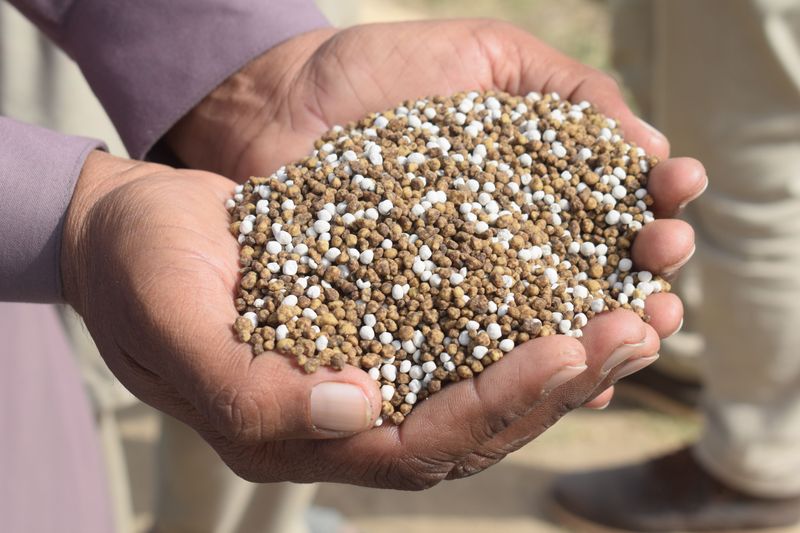
Phosphorus sounds simple until you watch it fail because of one avoidable mistake. The most common error is applying it on top of dry, compacted soil and expecting results.
Phosphorus does not move through soil the way nitrogen does. It stays close to where it is placed, so surface applications on hard ground rarely reach the root zone.
Watering the soil before and after applying phosphorus fertilizer helps it work as intended. Moisture helps the nutrient bind to soil particles and move into the zone where roots can actually access it.
Another frequent mistake is applying too much at once. Oregon gardeners often assume that more fertilizer means more benefit, but phosphorus excess causes real and lasting damage to soil health.
High phosphorus levels disrupt the natural balance of soil microbes. These tiny organisms are essential for breaking down organic matter and making other nutrients available to plant roots.
Applying phosphorus in fall without checking soil pH is also a problem. At pH levels below 5.5 or above 7.5, phosphorus becomes largely locked and much harder for plants to access.
Mixing phosphorus fertilizers directly with lime is another error to skip. The two products react and reduce each other’s effectiveness when combined before application.
Timing the application too late in the season is a lesser-known but equally costly mistake. Once soil temperatures drop below 40 degrees, root activity slows and nutrient uptake drops sharply.
Avoiding these missteps does not require advanced training. A little knowledge applied consistently leads to healthier plants and a more productive garden every single season.
Handling Soil That Already Has Enough Phosphorus
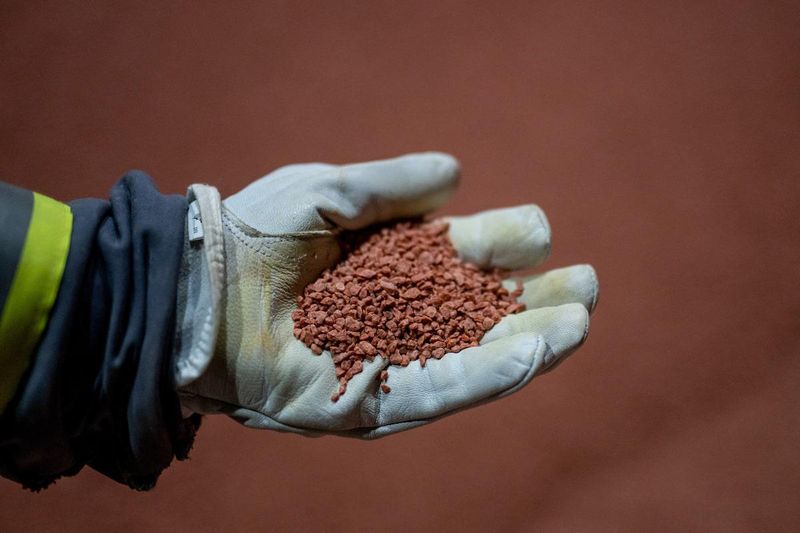
Not every garden needs more phosphorus, and that is perfectly fine. In fact, many Pacific Northwest garden soils already test high due to years of compost and fertilizer applications.
When your soil test shows adequate or elevated phosphorus, the best move is to skip the phosphorus fertilizer entirely this fall. Adding more will not help plants grow better.
Focus instead on potassium, which supports cold hardiness and root strength without the risks that come with phosphorus overload. A potassium-rich fertilizer like greensand or sul-po-mag works well in fall.
High phosphorus soils benefit most from a break in fertilizing and a boost in organic matter. Compost added to the surface will improve soil structure without spiking nutrient levels further.
Cover crops like crimson clover or winter rye are another smart option. They hold nutrients in place over winter and add organic material back to the soil as they break down.
If phosphorus levels are extremely high, consider growing phosphorus-hungry plants like corn or sunflowers next season. They pull the nutrient from the soil naturally and can gradually help draw levels back down over several seasons.
Reducing or eliminating phosphorus fertilizers from your routine is not a setback. It is a sign that your soil management has been working and that your garden is in a healthy place.
Master gardeners who understand phosphorus fertilizers know when to add and when to hold back. That kind of restraint is just as valuable as any product you can buy at a garden center.
Healthy soil is the goal, not a perfect fertilizer schedule. When your numbers are already good, the smartest move is simply to protect what you have already built.