What Your Orchid Needs After August Flowering For Better Blooms In Louisiana
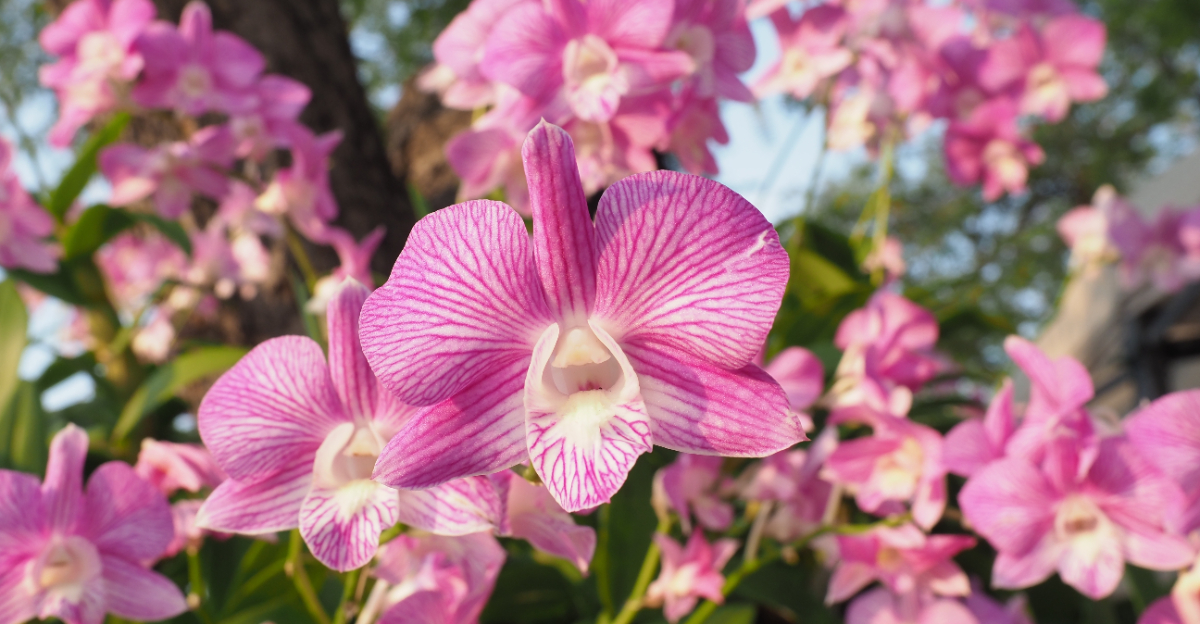
Your orchid just stopped blooming, and that quiet feels strange. Uncertainty settles in fast when flowers disappear without warning. Louisiana humidity challenges your patience more than almost any other climate.
Afternoon sun in this region affects tender leaves surprisingly fast. Roots reveal the real truth long before any flower does.
Nobody expects how quickly neglect can completely undo an entire growing season. Timing shapes everything once your orchid finishes its flowering cycle. Nutrients matter here, but precise timing matters even more.
Water alone cannot revive a worn, quiet orchid plant. Confidence separates thriving growers from uncertain Louisiana gardeners today. Every decision you make now shapes next season’s flowering potential.
Nothing about this recovery process rewards waiting or hesitant guessing. Small adjustments now prevent smaller blooms later this year.
Growth depends on choices you make in the coming weeks. You decide right now whether this orchid blooms again or fades quietly.
1. Trim Spent Flower Spikes Back To A Node
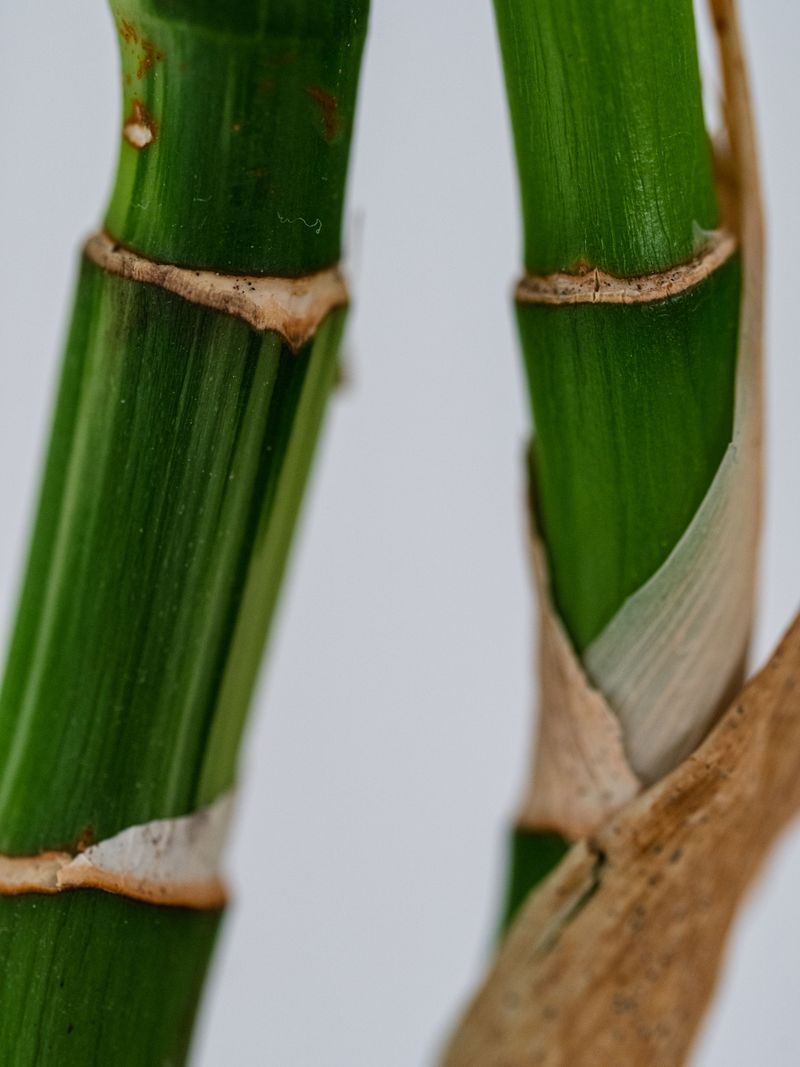
That spent, brown flower spike no longer benefits the plant. Once the last bloom drops, it is time to grab a clean pair of scissors and make a smart cut.
Look closely at the spike and find the small bumps along its length. Those bumps are nodes, and they hold the potential for new flower growth on certain orchid types.
For Phalaenopsis orchids, cutting just above a lower node can trigger a secondary bloom spike. That means more flowers without waiting for a full new growth cycle to begin.
For other varieties like Dendrobiums or Cattleyas, cut the spike all the way down to the base. These types bloom from new growth, so keeping old spikes is just wasted energy for the plant.
Always sterilize your cutting tool before and after each cut. A quick wipe with rubbing alcohol prevents the spread of bacteria or fungal disease between plants.
After trimming, the plant shifts its energy away from that spent spike. It redirects nutrients toward root development and new leaf production instead.
In the Gulf South heat, infection risk is higher due to moisture in the air. A clean cut seals faster and reduces the chance of rot setting in at the wound site.
Trimming is a small action with a big payoff. Give your orchid this fresh start, and it will channel all its strength toward preparing for the next gorgeous bloom cycle.
2. Repot If Roots Look Crowded Or Rotted
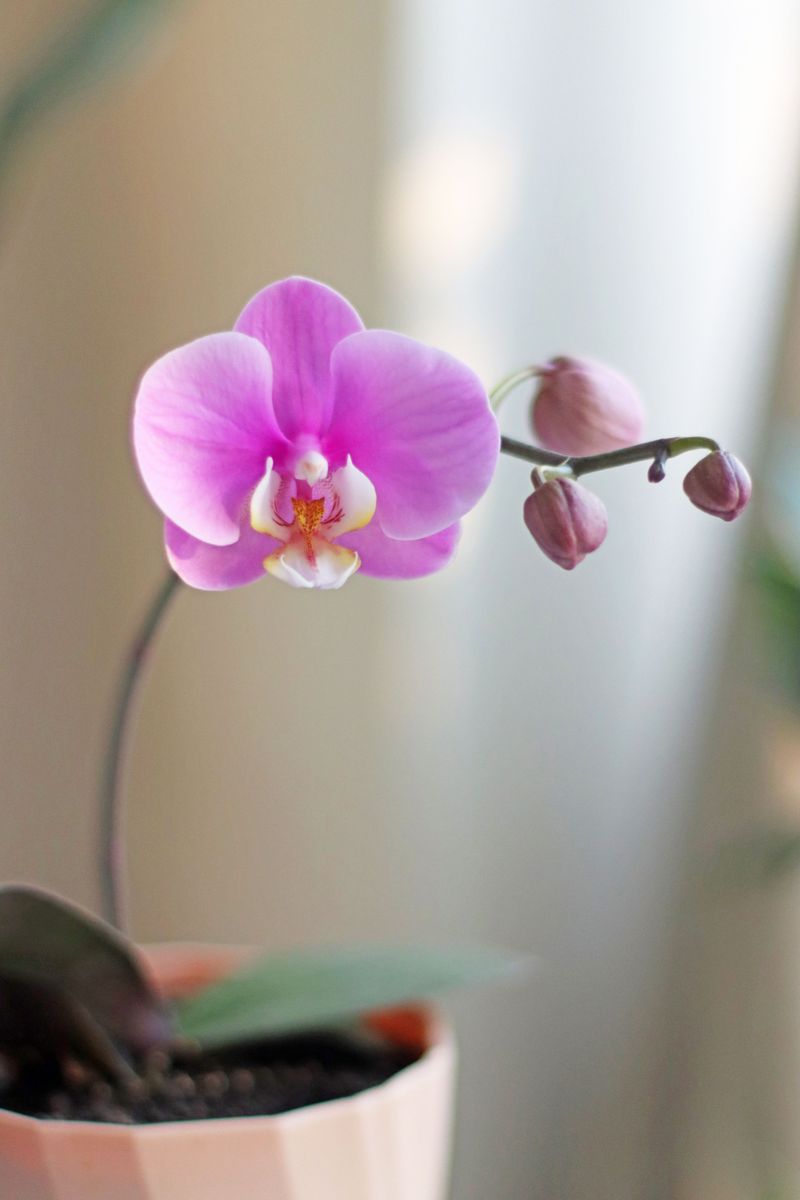
Roots tell the truth about your orchid’s health. If they look brown, mushy, or crammed into every corner of the pot, it is repotting time.
Late summer can be a reasonable time to repot in the South, depending on the plant’s growth cycle. The plant just finished blooming, and it is entering a natural rest phase where it can handle the stress of a move.
Pull the orchid gently from its container and shake off the old bark mix. You will likely find a tangle of roots, some healthy and firm, others soft and dark.
Your Louisiana Garden Changes Every Week. Your Plan Should Too.
Gardening in Louisiana changes quickly throughout the season. Every Friday you’ll receive a simple weekly plan showing exactly what to plant, prune, fertilize, harvest, and protect so you never miss the right timing.
Trim away any rotted roots with sterilized scissors. Healthy roots are white or silvery-green and feel firm when you press them lightly between your fingers.
Choose a pot just one size larger than what you had before. Orchids actually prefer being slightly snug, so do not jump to an oversized container thinking bigger is better.
Fresh orchid bark mix is the right growing medium for most varieties popular in Louisiana. Avoid standard potting soil, which holds too much moisture and deprives the roots of oxygen.
Clear plastic pots are a favorite among orchid growers because they let you see root condition without disturbing the plant. That visibility makes it easier to catch problems early.
After repotting, hold off on watering for two or three days. This short dry period encourages new roots to reach outward in search of moisture, which strengthens the whole root system fast.
3. Reduce Watering Slightly During The Rest Period
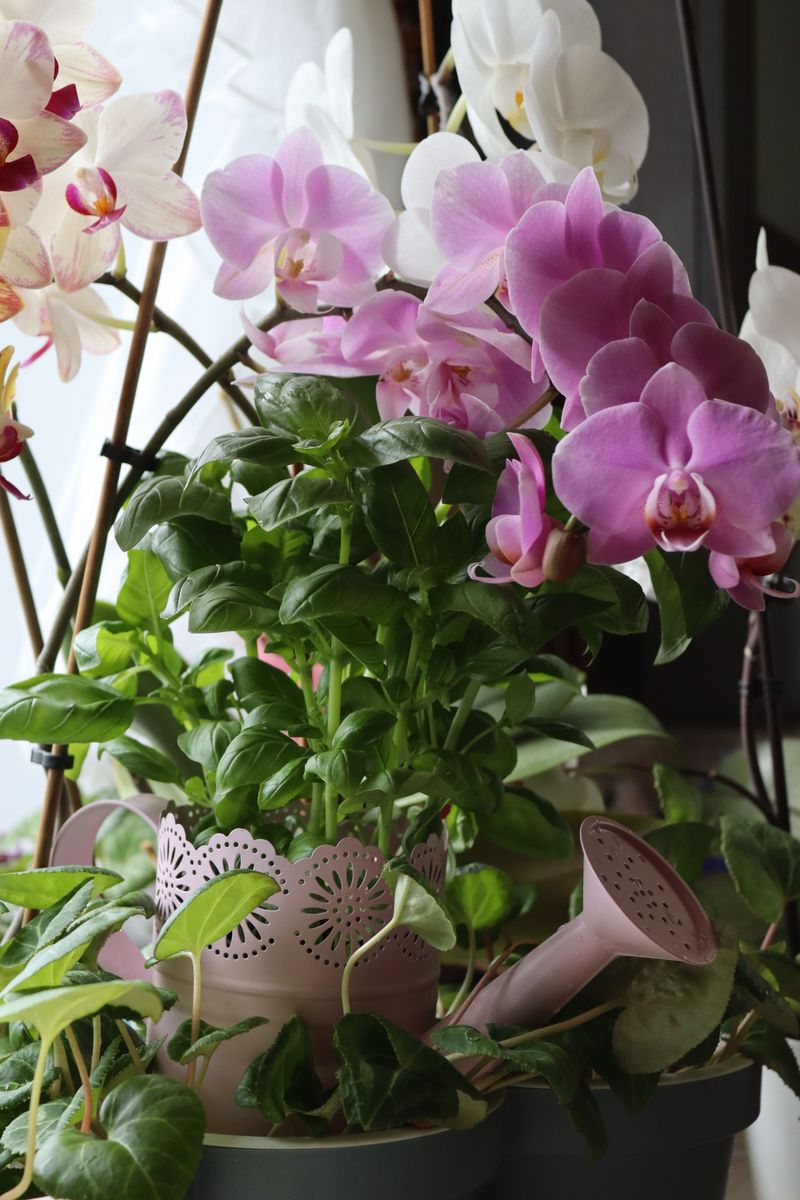
After months of blooming, your orchid is genuinely tired. Pulling back on water is one of the kindest things you can do for it right now.
During the active bloom cycle, orchids need consistent moisture to fuel flower production. Once that cycle ends, their water demand drops noticeably.
A good rule of thumb is to water when the top inch of bark feels dry. In Louisiana’s humid climate, that often means watering less frequently than in a drier region. Check the bark rather than following a fixed schedule.
Overwatering is actually the number one mistake orchid owners make during the rest period. Soggy roots in a humid environment are a recipe for root rot and fungal problems.
Check the pot weight as a quick test. A light pot means the bark has dried out and the plant is ready for water. A heavy pot means moisture is still present.
Morning watering works best in the South. It gives the roots time to absorb what they need before the afternoon heat causes rapid evaporation from the growing medium.
When you do water, drench the bark thoroughly and let excess drain completely. Never let the pot sit in standing water, since that traps moisture around the roots and invites rot.
Scaling back does not mean neglecting your plant. A slightly drier rest period mimics natural conditions and signals the orchid to prepare for its next spectacular round of blooming ahead.
4. Feed With A Balanced Fertilizer Every Two Weeks

Orchids are hungry after a long bloom season. Feeding them the right nutrients during the rest period sets the stage for stronger, more vibrant flowers next time around.
A balanced fertilizer with equal parts nitrogen, phosphorus, and potassium works well during this phase. Look for a 20-20-20 formula labeled safe for orchids.
Some growers swear by the “weakly, weekly” approach, mixing fertilizer at half strength and applying it every week. For Louisiana’s climate, every two weeks at half strength is a safe and effective rhythm.
Nitrogen supports leaf and root growth, which is exactly what your orchid is focused on right now. Phosphorus will become more important later when you want to encourage blooming again.
Flush the pot with plain water every third feeding. This prevents salt buildup from fertilizer residue, which can damage roots over time and slow the plant’s recovery.
Avoid fertilizing a dry plant. Always water first, then apply the fertilizer solution so the roots are hydrated and ready to absorb the nutrients efficiently.
Organic fertilizers like diluted fish emulsion are another solid option. They release nutrients slowly and are gentler on sensitive orchid roots than synthetic blends.
Consistency matters more than perfection here. Sticking to a regular feeding schedule, even a simple one, gives your orchid the steady nutrition it needs to build energy for the next bloom cycle.
5. Increase Humidity To Support New Root Growth
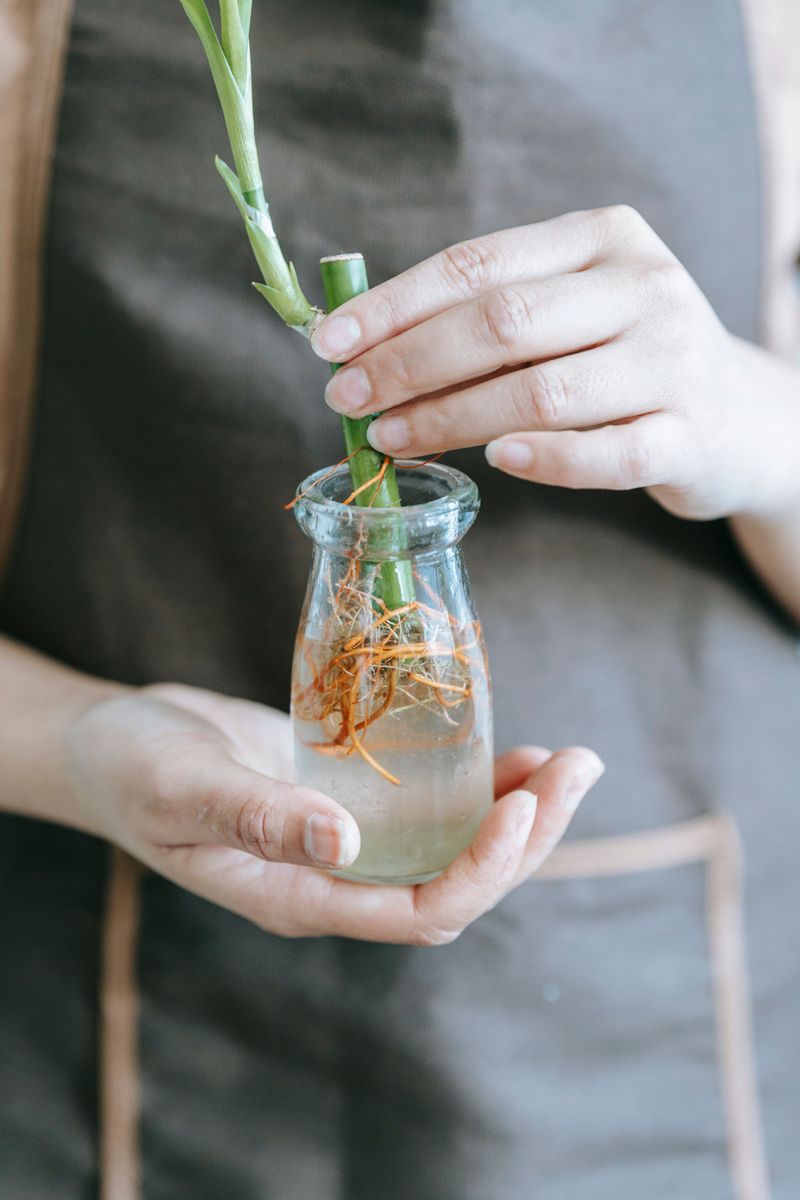
Roots crave moisture in the air. After August flowering, your orchid shifts energy into growing new roots, and humidity is the fuel that keeps that process moving.
Most orchids thrive at humidity levels between 50 and 70 percent. Louisiana summers naturally hit those numbers outdoors, but indoor air conditioning can drop indoor humidity dramatically.
A simple humidity tray is an easy fix. Fill a shallow tray with pebbles, add water just below the pebble surface, and set the pot on top so it never sits in the water.
As the water in the tray evaporates, it creates a humid microclimate right around the plant. That steady moisture in the air encourages aerial roots to develop and grow outward.
Grouping orchids together also raises local humidity. Plants naturally release moisture through their leaves, so a cluster of orchids creates a shared humid environment that benefits everyone in the group.
A small cool-mist humidifier near your orchid collection is another solid investment. Running it for a few hours each morning can make a noticeable difference in root and leaf health.
Avoid misting the leaves directly in humid Southern climates. Standing water on leaves invites fungal spots, especially when airflow is limited inside the home.
Good air circulation paired with higher humidity is the sweet spot. A small fan on low keeps air moving without drying things out, and your orchid’s new roots will thrive in that balanced environment.
6. Provide Bright Indirect Light Throughout The Day
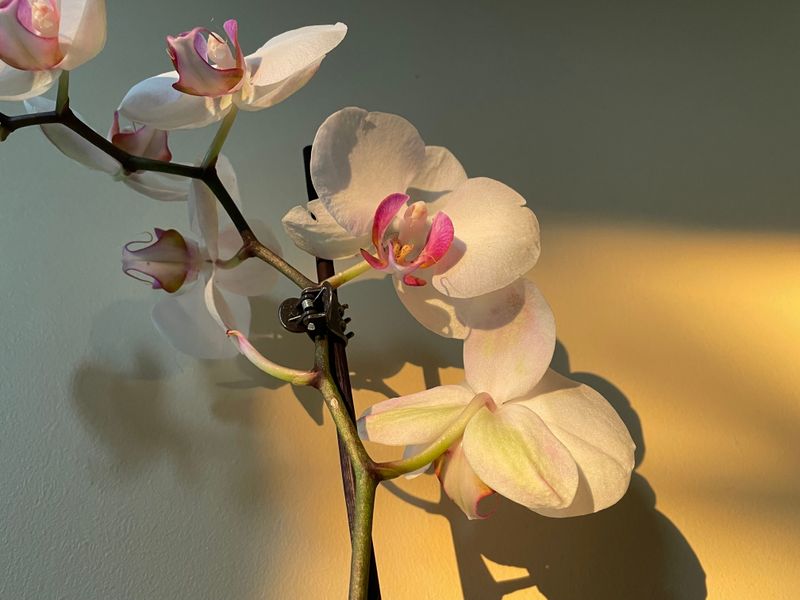
Light is the engine behind every future bloom. Getting the right kind of light during the rest period is just as important as anything else you do for your orchid.
Bright indirect light is the sweet spot for most orchid varieties popular in the Gulf South. Think of a spot near a window where sunshine fills the room but never lands directly on the leaves.
An east-facing window is often ideal. Morning sun is gentle and energizing, and it gives the plant a strong light dose without the scorching intensity of afternoon rays.
Leaf color is a reliable clue about light levels. Deep, dark green leaves usually mean the plant is not getting enough light. Pale yellow-green leaves mean it may be getting too much.
Healthy orchid leaves should be a medium, grassy green. That color signals the plant is photosynthesizing efficiently and building the energy reserves it needs for future flowering.
Sheer curtains are a great tool in Southern homes. They filter harsh sunlight while still allowing a bright, even glow to reach the plant throughout the day.
Artificial grow lights are worth considering if natural light is limited in your space. Full-spectrum LED grow lights placed 12 to 18 inches above the plant work well for supplementing low-light conditions.
Consistent light exposure builds consistent results. An orchid that receives steady, appropriate light after blooming will build stronger leaves and a more robust root system, leading to richer blooms next season.
7. Move Plants Away From Direct Afternoon Heat
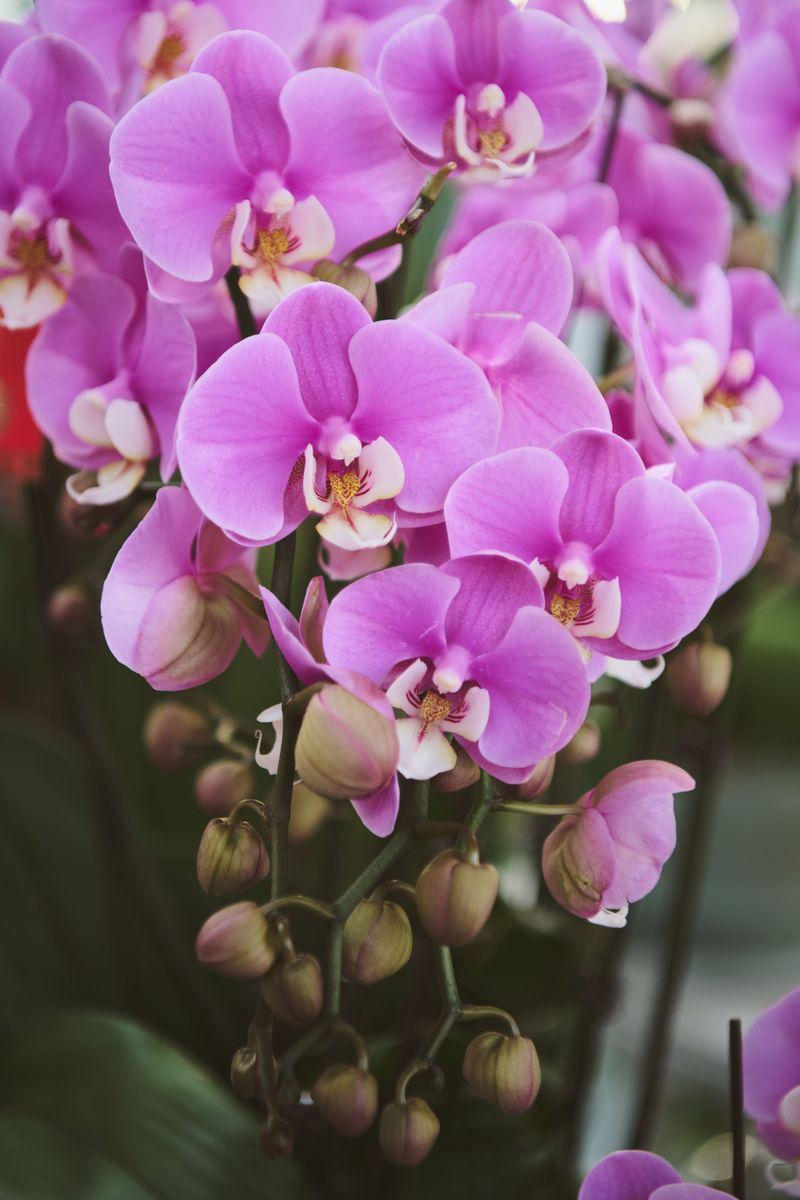
August afternoons in the Gulf South bring intense heat. Temperatures can regularly climb into the mid-90s or higher, and that kind of heat can significantly stress the plant.
Direct afternoon sun through glass is even more intense than outdoor sun. A windowpane acts like a magnifying lens, concentrating heat and light onto the plant’s leaves.
Leaf burn shows up as white or tan patches on the upper leaf surface. Once that damage appears, those patches do not recover, and the leaf’s ability to photosynthesize is permanently reduced in that spot.
Moving your orchid a few feet back from a south or west-facing window makes a real difference. The light level drops enough to protect the plant without cutting off its access to brightness.
You can also use a sheer curtain or light shade cloth to filter the harshest rays. This is especially helpful during the peak heat hours between noon and four in the afternoon.
Temperature swings also matter. Orchids actually need a slight drop in nighttime temperature to trigger new bloom spikes, so keeping them away from heat vents and sunny windows helps preserve that natural rhythm.
A ten-degree difference between day and nighttime temps is often enough to encourage blooming. In the South, early fall evenings can naturally provide that shift if you open a window slightly.
Protecting your plant from heat extremes is not complicated. Small adjustments in placement can mean the difference between a stressed orchid and one that builds toward its next bloom.
8. Watch For Pests Hiding In Leaf Joints
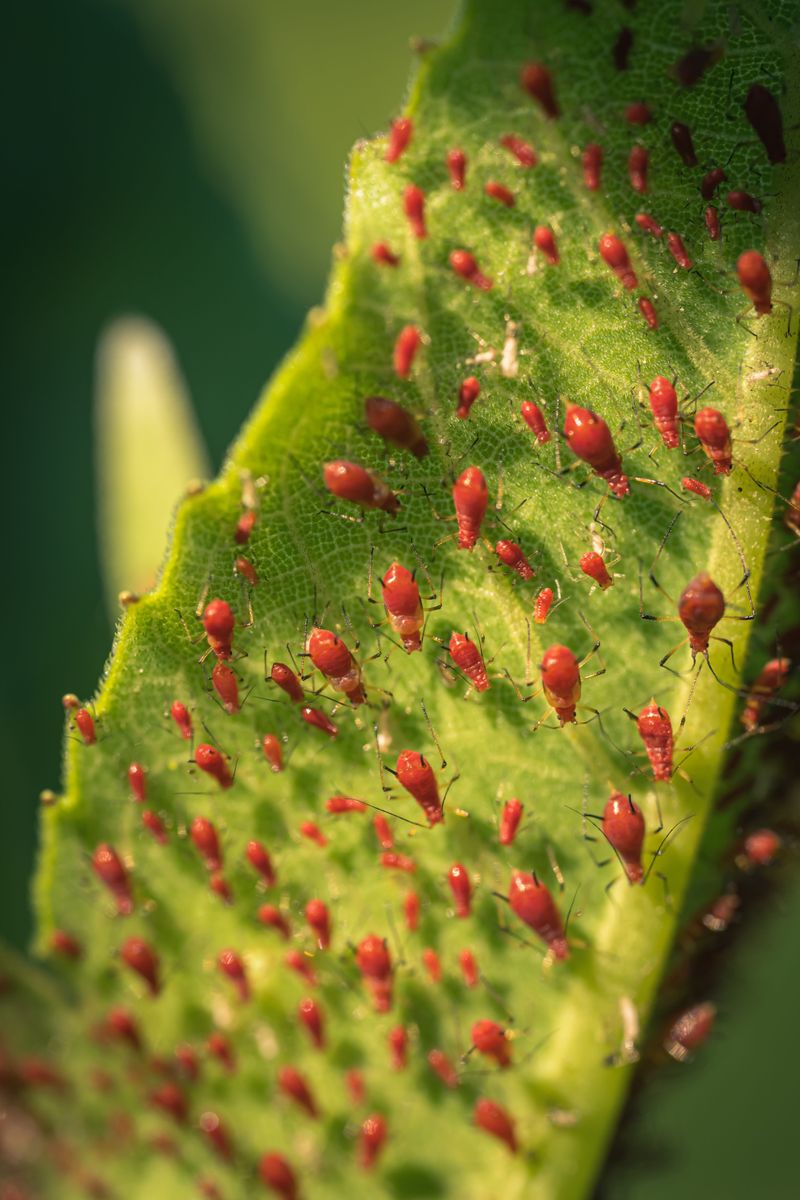
Pests are drawn to a weakened plant. After the energy drain of blooming, your orchid is more vulnerable to insects than at any other point in the year.
Leaf joints, the tight spaces where leaves meet the main stem, are prime hiding spots. Scale insects, mealybugs, and spider mites all love to tuck themselves into those sheltered crevices.
Mealybugs look like tiny white cotton puffs. They suck sap from the plant and excrete a sticky substance that can attract mold and further weaken your orchid’s recovery.
Scale insects appear as small brown or tan bumps along stems and leaf undersides. They are easy to miss because they look like part of the plant itself at first glance.
Spider mites are harder to spot with the naked eye. Look for fine webbing between leaves or a dusty, stippled texture on leaf surfaces as your first clue they have moved in.
A weekly inspection habit catches problems early. Run your fingers gently along the leaf joints and undersides, and check the base of the plant where pests often congregate in humid conditions.
For minor infestations, a cotton swab dipped in rubbing alcohol removes pests on contact. For larger problems, a neem oil spray diluted in water is an effective and plant-safe treatment option.
Staying watchful now helps protect the plant’s recovery. Catching pests early during the rest phase keeps your orchid healthy and on track for better blooms in the season ahead.