How Louisiana Gardeners Can Prepare Before Heavy Gulf Rains Arrive
Louisiana skies don’t ease into a storm, they slam the door open. One minute you’re pulling weeds, the next your basil pots are floating past the fence line.
Every gardener along the Gulf Coast has a story about the storm that caught them off guard. Flattened trellises, soaked seedlings, and a patio turned into a shallow pond tend to stick in memory.
The good part is that most of that damage can be stopped before it starts. Storm prep doesn’t require a landscaping crew or a weekend of labor, just a handful of smart moves timed right.
This list covers eight ways to protect your plants before Gulf rains hit hard. Consider this the moment your Louisiana garden stops reacting to storms and starts standing up to them.
1. Clear Drainage Paths Before The Rain Starts
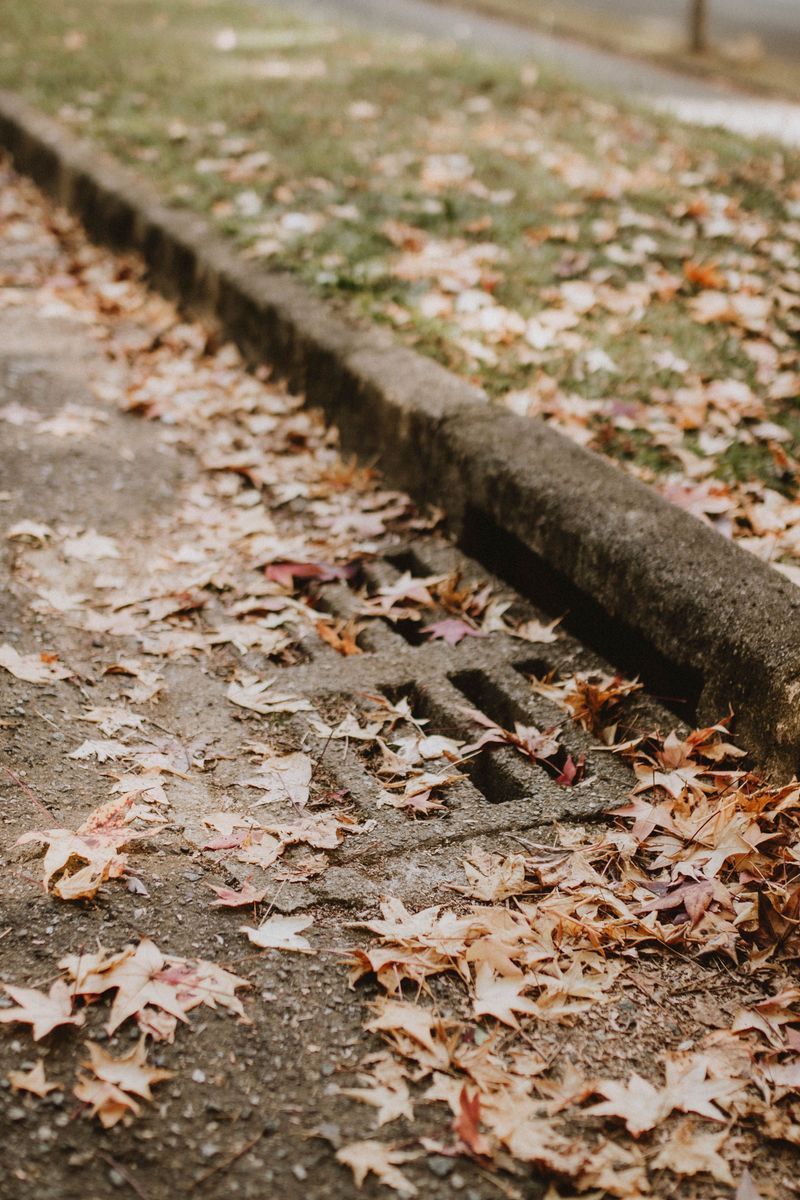
Standing water turns a garden against itself, and it moves fast when Gulf rains hit hard. Before any storm system approaches, walk your entire yard and trace where water naturally flows.
Look for low spots, compacted soil, or debris blocking natural channels. Leaves, mulch clumps, and old plant stems love to clog drainage paths without you noticing.
Use a hand rake or garden hoe to clear those channels thoroughly. Even a small blockage can redirect a flood straight into your root zone.
Check the edges of raised beds too. Soil buildup along borders can act like a dam, trapping moisture where it does the most damage.
French drains are worth considering if your yard floods repeatedly. A simple trench filled with gravel can redirect hundreds of gallons away from vulnerable plants.
Also inspect any buried drainage pipes or surface drains on your property. Roots and sediment love to clog these spots quietly over time.
Clearing these paths takes maybe thirty minutes, but it can save hours of cleanup afterward. Think of it as drawing a map for the water, showing it exactly where to go.
When drainage flows freely, your soil stays loose, roots breathe easier, and plants bounce back faster. A clear path today keeps your garden healthy when Louisiana rains arrive with everything they have got.
2. Stake Tall Or Top-Heavy Plants Ahead Of Time
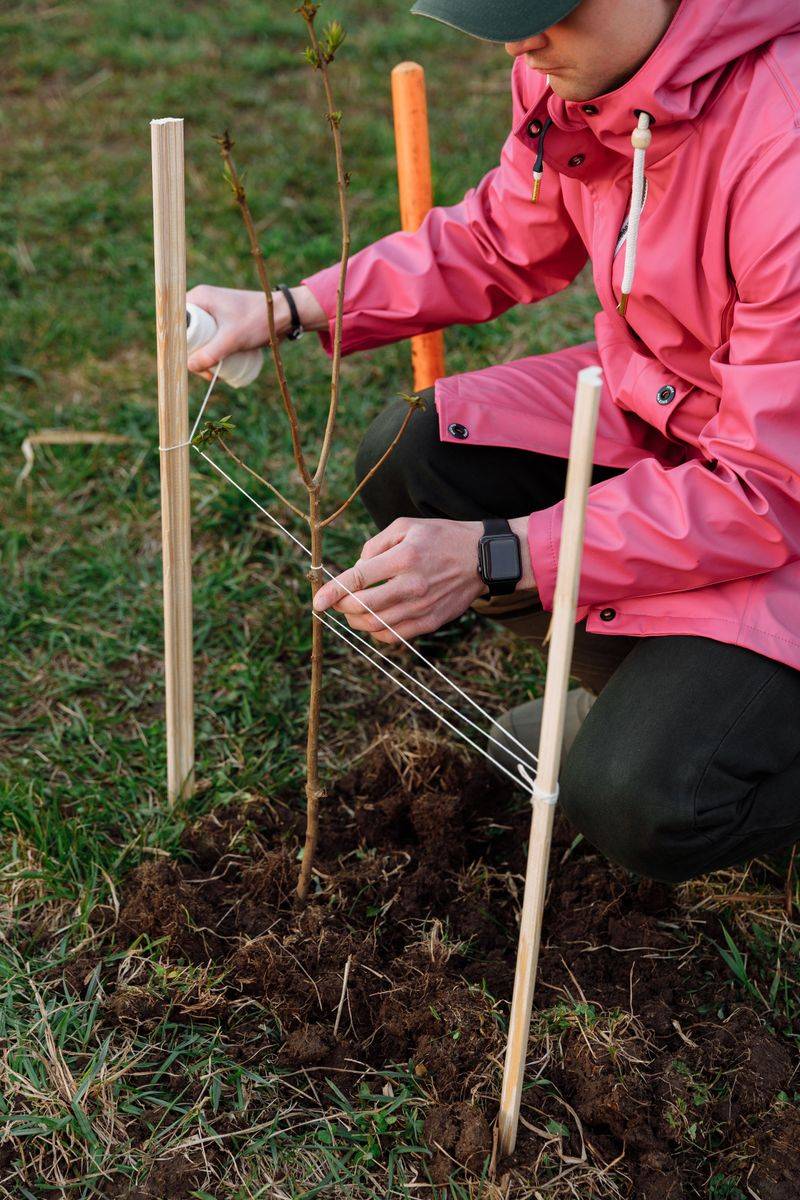
Tall plants and Gulf winds are a bad combination. Tomatoes, sunflowers, dahlias, and peppers can snap at the stem or uproot entirely when heavy rain teams up with gusts.
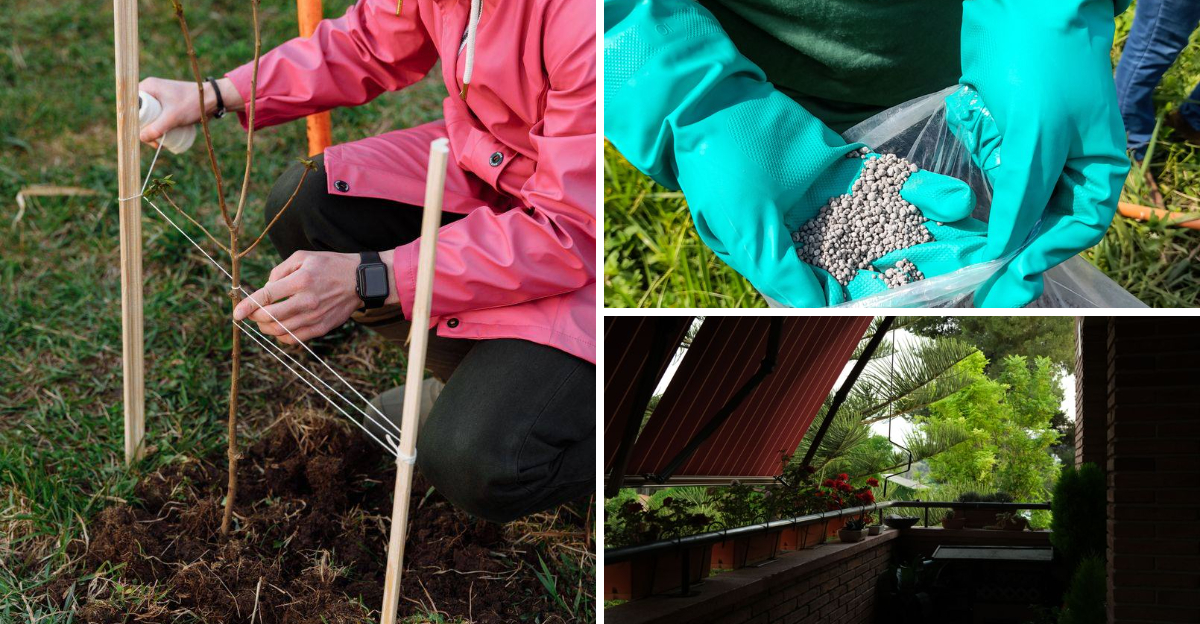
Staking before a storm is far easier than rescuing a bent plant after one. Get your bamboo stakes, metal cages, or wooden dowels in the ground while conditions are still calm.
Push stakes at least eight inches deep to anchor them properly. Shallow stakes pull out in saturated soil, leaving your plant just as exposed as before.
Use soft garden twine or stretchy plant tape to attach stems to stakes. Avoid wire or string that cuts into the stalk as the plant sways.
For top-heavy plants like large tomatoes, add a second tie point higher on the stem. Two contact points distribute wind stress much more effectively than one.
Your Louisiana Garden Changes Every Week. Your Plan Should Too.
Gardening in Louisiana changes quickly throughout the season. Every Friday you’ll receive a simple weekly plan showing exactly what to plant, prune, fertilize, harvest, and protect so you never miss the right timing.
Pepper plants are sneaky, they look sturdy but their root systems are shallow. A single good gust in wet soil can tip them right over.
Check existing stakes for wobble before each storm season. Stakes that have been in the ground all summer may have loosened as soil shifted around them.
Spending twenty minutes staking your tallest plants now keeps them producing long after the storm passes. A supported plant recovers fast; a snapped one rarely gets a second chance.
3. Refresh Mulch To Stop Soil From Washing Away
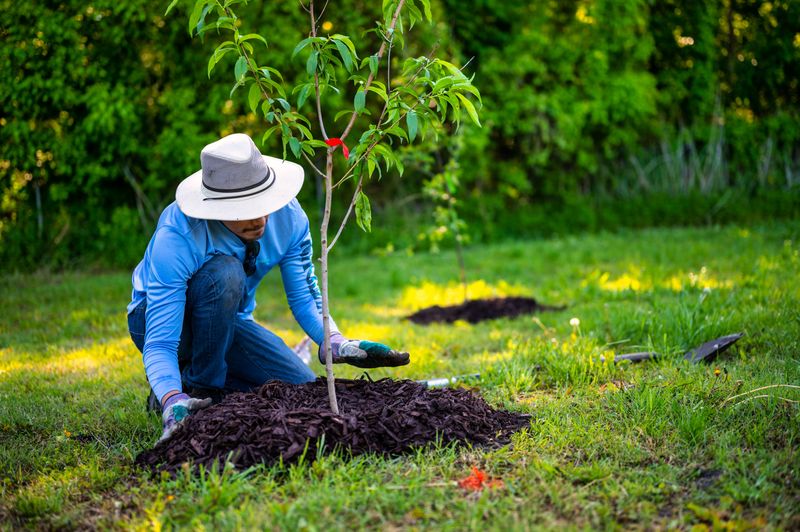
Bare soil and heavy rain are a destructive pair. When fat Gulf raindrops hit exposed dirt, they splash soil particles loose and send them flowing downhill fast.
A fresh layer of mulch acts like a protective blanket. It absorbs impact, slows water movement, and holds your precious topsoil exactly where it belongs.
Aim for two to three inches of mulch around your plants and along bed edges. Thinner layers compress quickly under heavy rain and lose their protective power.
Wood chips, pine straw, and shredded bark all work beautifully in the Gulf South climate. Pine straw is especially popular here because it drains well and stays put during downpours.
Keep mulch a few inches away from plant stems and trunks. Mulch piled against stems traps moisture and invites rot, which is the last thing you need during a wet season.
Replenish mulch every season since it breaks down over time. Old, compacted mulch loses its ability to slow water and can actually harden into a crust that blocks drainage.
Before a predicted storm, walk your beds and spot any thin or bare patches. Those gaps are where erosion will start, so fill them in quickly.
Fresh mulch is one of the cheapest, most effective storm prep moves a gardener can make. It costs very little and pays back every time the sky opens up.
4. Move Potted Plants To Higher, Sheltered Ground
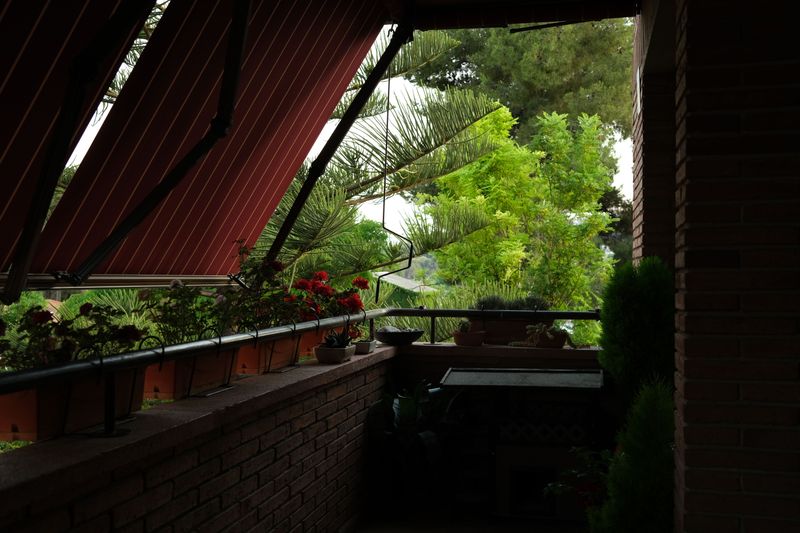
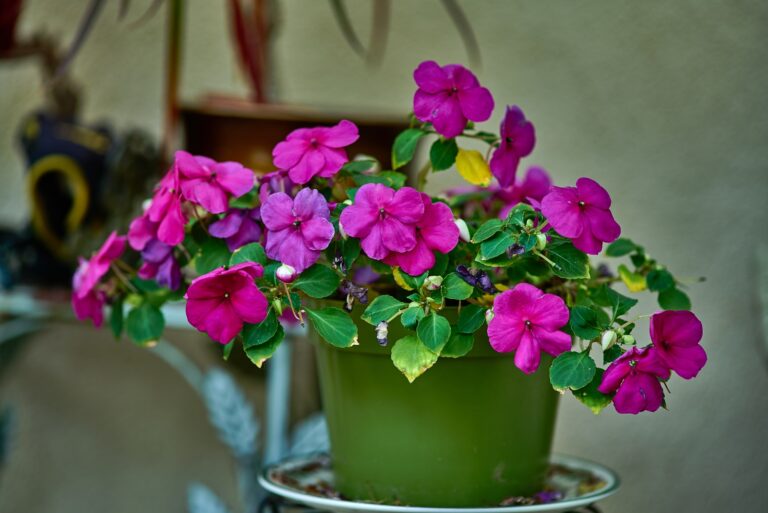
Containers are garden superstars in normal weather, but they become liabilities when storms roll in. Pots tip, flood, and overflow in ways that can stress or waterlog even hardy plants.
Moving containers to higher ground or a covered area before heavy Gulf rains arrive is one of the easiest wins in storm prep. It takes ten minutes and saves a lot of heartache.
A covered porch, carport, or garage works perfectly as a temporary shelter. The goal is to protect roots from waterlogging and pots from toppling over in wind-driven rain.
Group pots together in a sheltered spot so they support each other against gusts. Clustered containers are far more stable than isolated ones standing alone on open pavement.
Heavy ceramic pots are less likely to blow over, but they can still flood if drainage holes get clogged. Check every pot’s drainage hole before moving it inside.
Lightweight plastic pots should move indoors during serious storm warnings. They catch wind like sails and can fly across a yard, damaging both plants and property.
If you cannot move everything, at least relocate your most delicate or expensive plants. Prioritize seedlings, tropical specimens, and anything recently transplanted since their roots are most vulnerable to waterlogging.
A quick relocation today means your favorite potted herbs and flowers survive to see the sunshine again. Protect what you love before the first raindrop falls.
5. Check Gutters And Downspouts For Blockages
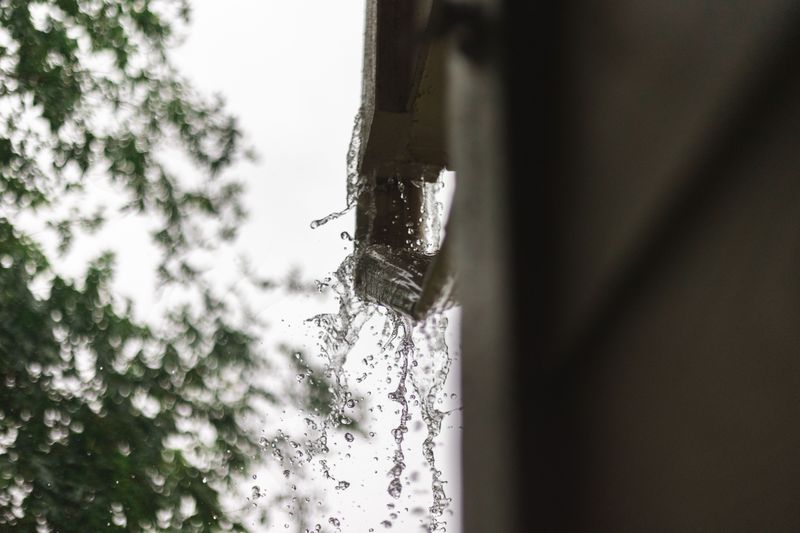
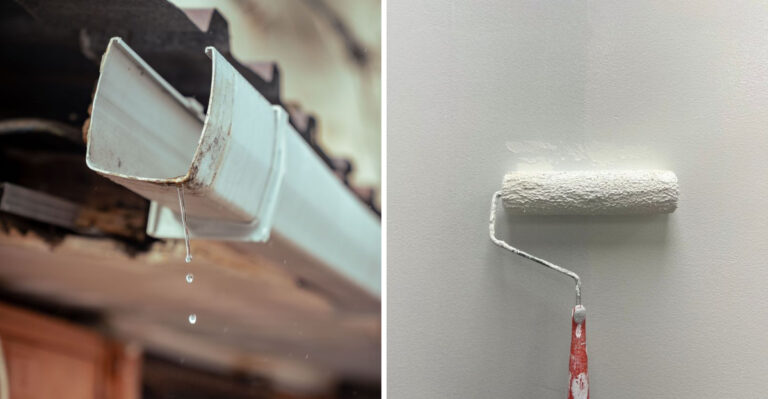
Clogged gutters turn a manageable rainstorm into a flooding event fast. When water has nowhere to drain, it spills over the edges and pours straight down along your home’s foundation.
That overflow often flows directly into garden beds planted near the house. Plants that seemed fine before a storm can end up sitting in standing water from diverted roof runoff.
Grab a ladder and check your gutters before storm season peaks. Remove leaves, seed pods, and any debris that has built up since your last cleaning.
Pay close attention to downspout openings where blockages are most common. A clog just inside the downspout opening can back up an entire gutter section.
Use a garden hose to flush the downspout after clearing debris by hand. Running water will reveal any hidden blockages deeper in the pipe that you cannot see.
Make sure downspouts direct water at least three to four feet away from your foundation. Extensions are inexpensive and can be found at any hardware store in the region.
If water pools near your beds after every rain, the downspout may be pointing the wrong direction. A simple extender or splash block can redirect that flow away from vulnerable plants.
Gutters are easy to forget until they fail at the worst possible moment. A clean system protects your Louisiana garden and your home at the same time, which is a two-for-one win worth having.
6. Hold Off On Fertilizing Right Before A Downpour
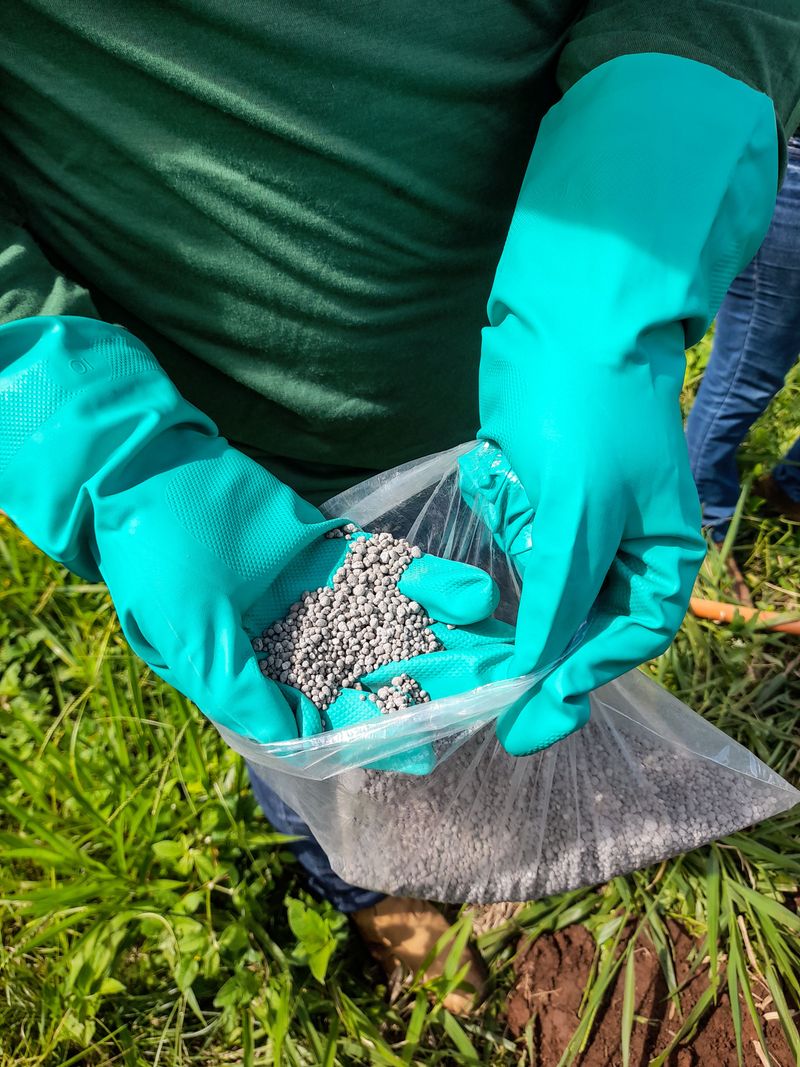
Fertilizing before a big storm sounds productive, but it often backfires badly. Heavy rain washes granular and liquid fertilizers straight out of the soil before roots absorb a single nutrient.
That runoff does not just waste your money. It carries nitrogen and phosphorus into storm drains, ditches, and eventually waterways, contributing to algae blooms and water quality problems.
A good rule of thumb is to skip fertilizing within forty-eight hours of a predicted storm. Nutrients need time to settle into the soil and begin breaking down for plant use.
If you already fertilized and a storm arrives sooner than expected, water lightly to push the fertilizer a little deeper into the soil. This reduces surface runoff without overdoing moisture.
Slow-release granular fertilizers are less risky than liquid formulas in wet weather. They release nutrients gradually, so even if some washes off the surface, deeper pellets continue working.
Compost is another smart option when rain is forecast. It binds to soil particles better than synthetic fertilizers and improves drainage at the same time, making it a storm-friendly amendment.
After a major storm passes and soil drains out, that is actually a great moment to fertilize. Roots are primed and soil is loose, making nutrient absorption more efficient than usual.
Timing your fertilizing schedule around Gulf weather patterns keeps your Louisiana garden fed without flushing dollars down the drain. Patience here pays off with healthier plants and a cleaner environment.
7. Raise Vulnerable Beds With Extra Soil Or Borders
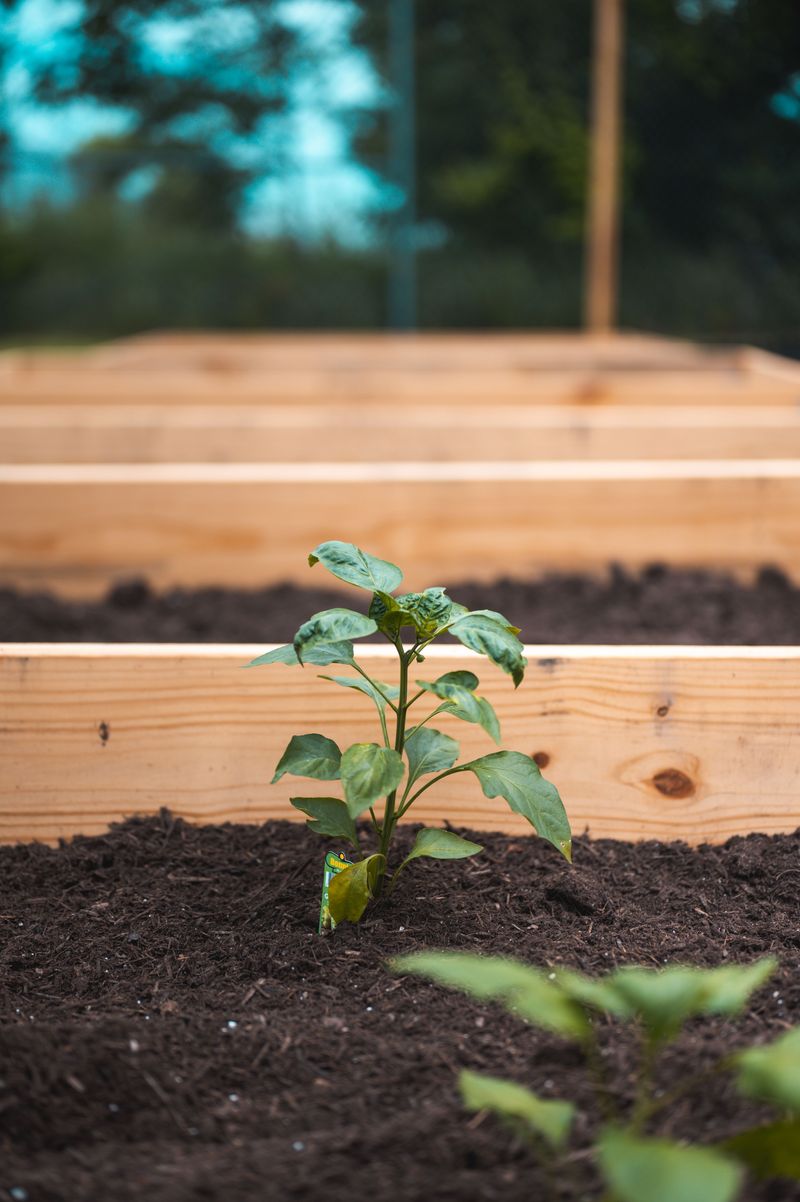
Low-lying garden beds are the first to flood when Gulf rains arrive. If your beds sit at or below grade, they are basically waiting to become temporary ponds every storm season.
Adding extra soil to raise the bed surface is one of the most effective long-term fixes available. Even two or three extra inches of elevation changes how water behaves around your plants dramatically.
Use a mix of quality topsoil and compost when building up beds. This improves both elevation and drainage, giving roots a better environment in wet and dry conditions alike.
Borders help contain that added soil and keep it from eroding during storms. Cedar planks, concrete blocks, galvanized metal edging, and landscape timbers all work well in the humid Gulf South climate.
If your beds are already raised but still flood, the surrounding ground may be the problem. Grading the soil around your beds to slope away from them redirects water flow effectively.
Tall borders also protect plants from being pelted by heavy splashing during downpours. Splash from bare soil carries fungal spores, and keeping it off leaves reduces disease pressure significantly.
For new beds, plan elevation from the start rather than adding it later. A six-to-twelve-inch raised bed built before storm season gives you maximum protection with minimum scrambling.
Raised beds are one of the best investments a Gulf South gardener can make. Higher ground means drier roots, and drier roots mean plants that survive and thrive long after storms pass.
8. Inspect The Yard For Erosion After Storms Pass
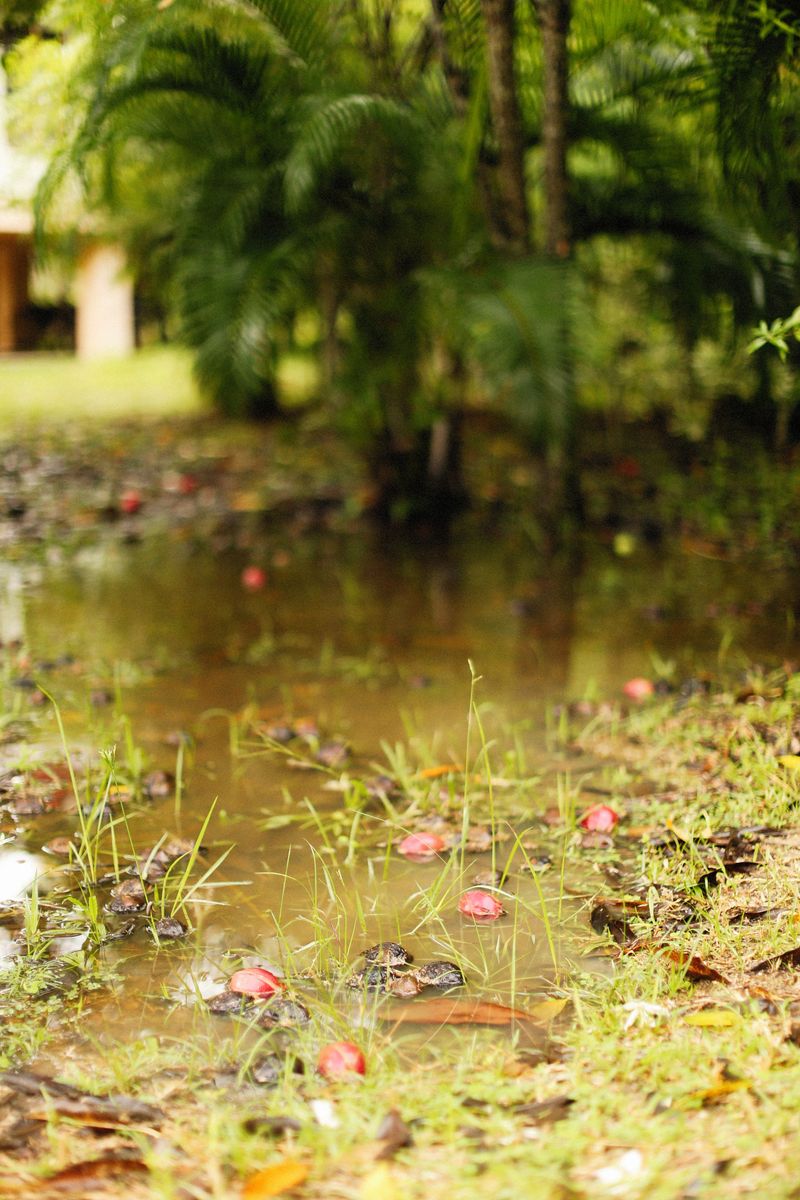
Once the sky clears and the ground stops dripping, the real detective work begins. Walking your yard after heavy Gulf rains arrive and depart tells you exactly where your storm prep succeeded and where it fell short.
Look for bare patches where topsoil washed away, especially on slopes and along bed edges. Exposed roots are a red flag that erosion took more than just dirt.
Note any areas where water pooled for more than a few hours after the storm ended. Persistent pooling means drainage is still compromised and needs attention before the next system rolls in.
Check your mulch coverage and replenish any spots that thinned out during the storm. Bare soil left unprotected between storms invites a second round of erosion with the next rain.
Inspect stakes and ties on tall plants since water-saturated soil loosens anchors quickly. Tighten or replace anything that shifted so plants stay supported through the rest of storm season.
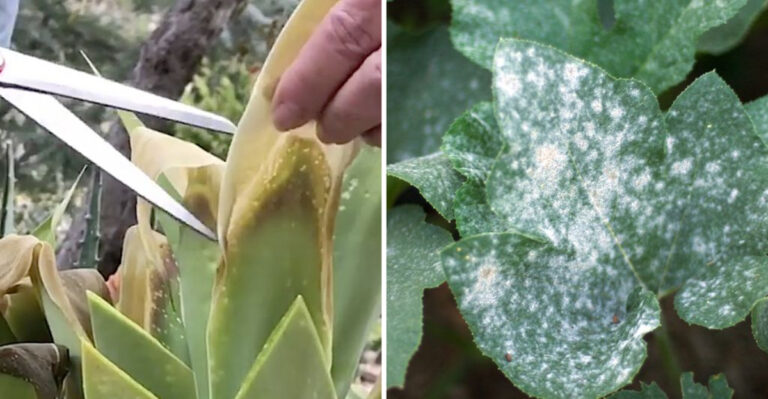
Look for signs of fungal issues on leaves, especially if foliage stayed wet for an extended period. Catching early signs of disease right after a storm gives you time to treat before it spreads.
Take notes or even photos of problem spots so you remember them when planning next season. A visual record of erosion patterns helps you make smarter decisions about where to add borders or mulch.
Post-storm inspection is the closing chapter of your preparation before heavy Gulf rains arrive again. What you learn now shapes a stronger, more resilient garden for every season ahead.