Georgia Plants That Bring In Dragonflies And Cut Down Mosquitoes After Summer Storms
Mosquitoes seem to take over almost overnight after a round of summer storms. Just when you are ready to enjoy the evening outside, they suddenly become impossible to ignore.
Dragonflies often arrive for the very same reason. A yard filled with flying insects quickly becomes an attractive hunting spot.
The plants growing around your home can influence how long they stay. Some create the kind of space these fast, skilled hunters are naturally drawn to.
After summer storms, many Georgia landscapes become especially appealing to dragonflies. A few well-chosen plants can make those visits much more common.
There is more happening above your yard than most people notice.
The right planting choices can encourage more dragonflies to stick around, helping your outdoor space feel far more enjoyable after rainy weather.
1. Swamp Milkweed Attracts Hunting Dragonflies
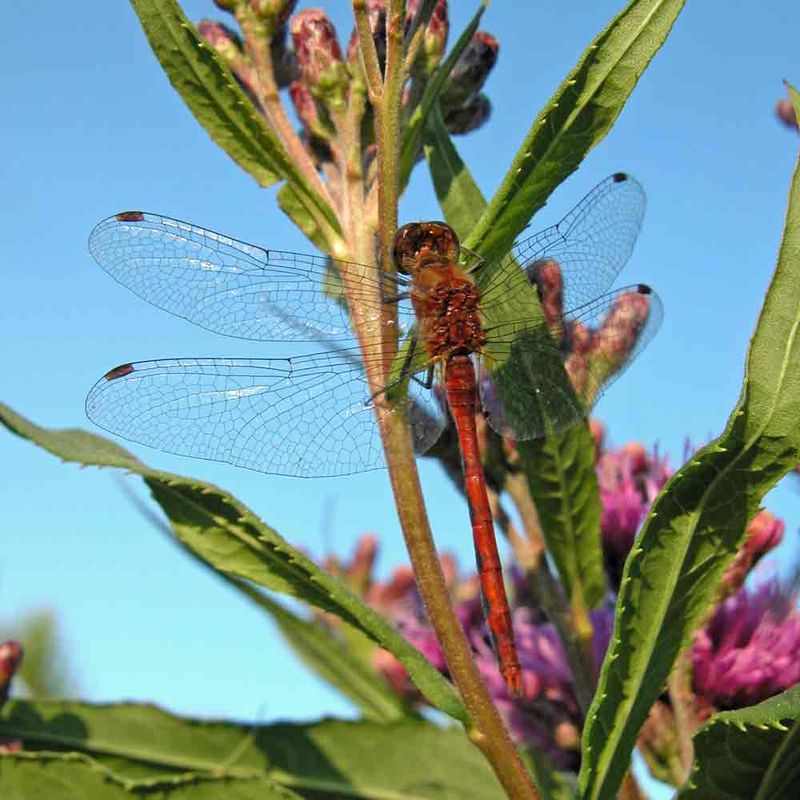
Swamp milkweed pulls dragonflies in like a magnet. Its flat-topped pink flower clusters sit at just the right height for dragonflies to perch and scan for prey.
Plant it near any wet spot and watch the activity pick up fast.
Known by its botanical name Asclepias incarnata, swamp milkweed grows well in consistently moist or occasionally flooded soil. It can handle Georgia’s heavy summer rains without much trouble.
Most plants reach three to four feet tall by midsummer.
Dragonflies use tall, sturdy stems as launching pads when hunting. Swamp milkweed gives them exactly that.
The stems stay upright even after a hard rain, which is more than you can say for some softer garden plants.
Beyond dragonflies, this plant brings in a range of flying insects that dragonflies feed on. More prey means more dragonfly visits.
That chain reaction is exactly what you want in a mosquito-heavy yard.
Plant swamp milkweed in full sun for the best results. Partial shade works but may reduce flowering.
Give it room to spread since it can form a clump over several seasons. It comes back reliably each year in most Southeast gardens, so one planting goes a long way.
2. Blue Flag Iris Grows Well In Wet Soil
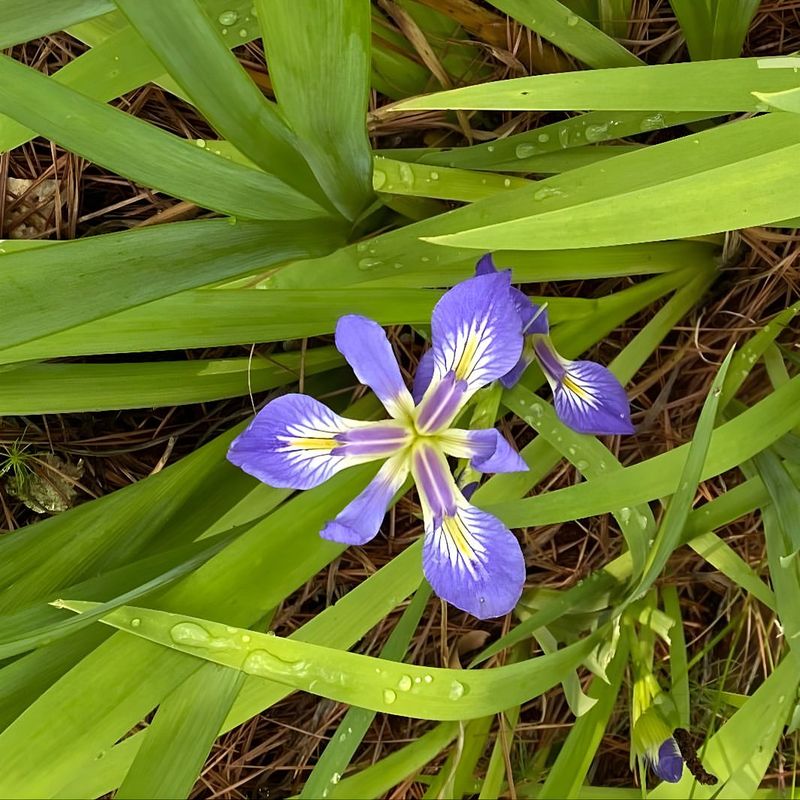
Few plants look as striking in a wet garden as blue flag iris. Its purple-blue blooms rise above sword-shaped leaves in late spring, right before mosquito season ramps up.
Getting it established early gives you a head start.
Iris virginica, the native blue flag iris, is well-suited to the wet soils common after heavy summer storms. It grows along pond edges, in rain gardens, and in low spots that stay soggy for days after a downpour.
Standing water does not bother it much.
Dragonflies are drawn to the upright leaf structure. Those tall, stiff leaves make excellent perching spots between hunting flights.
A clump of blue flag iris near open water can host several dragonflies at once on a warm afternoon.
One thing to keep in mind: blue flag iris spreads by rhizome over time. That is mostly a good thing since more plants mean more perching habitat.
Just be ready to divide the clump every few years if space gets tight.
Your Georgia Garden Changes Every Week. Your Plan Should Too.
Gardening in Georgia changes quickly throughout the season. Every Friday you’ll receive a simple weekly plan showing exactly what to plant, prune, fertilize, harvest, and protect so you never miss the right timing.
Plant it in full to partial sun along the water’s edge or in any consistently wet area of your yard. It pairs nicely with pickerelweed and soft rush for a layered, dragonfly-friendly planting.
Native plant nurseries in the region usually carry it during spring.
3. Pickerelweed Provides Perches For Adult Dragonflies
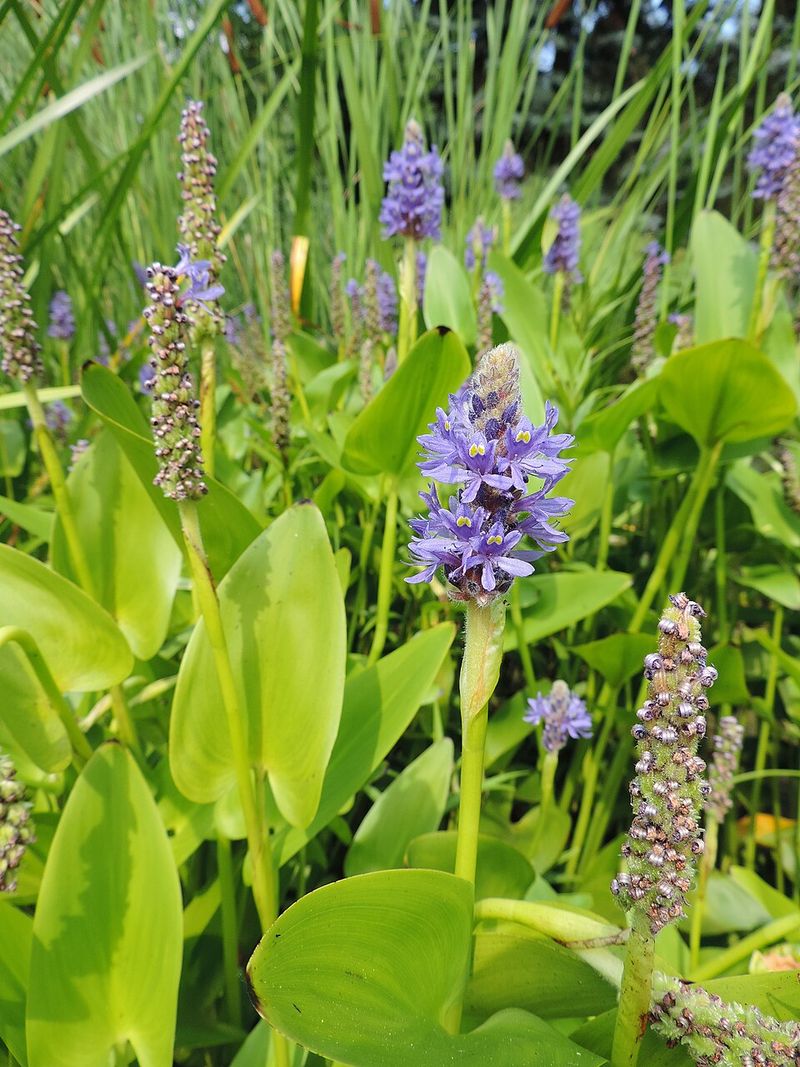
Pickerelweed is one of those plants that earns its place fast. Purple flower spikes shoot up above the water line all summer long, giving dragonflies a visible, reliable place to land between hunting runs.
Pontederia cordata grows right in the water, typically in six inches to a foot of depth. After a heavy storm floods low areas of your yard, pickerelweed handles the surge without skipping a beat.
It is genuinely tough for a flowering aquatic plant.
Adult dragonflies need elevated perches to watch for prey and rivals. Pickerelweed delivers that with its upright stems and flower spikes.
On warm sunny days, you can often spot multiple dragonfly species resting on a single stand of this plant.
Mosquitoes lay eggs in still, shallow water. Dragonfly larvae in that same water feed on mosquito larvae before they ever reach the surface.
Pickerelweed creates the habitat that supports that entire cycle from start to finish.
Plant it in a backyard pond, a rain garden with a shallow basin, or any low spot that holds water reliably. Full sun brings out the best flowering.
It spreads at a moderate pace and can be divided if it gets crowded. Nurseries that carry native aquatics usually stock it through summer.
4. Buttonbush Draws The Insects Dragonflies Eat
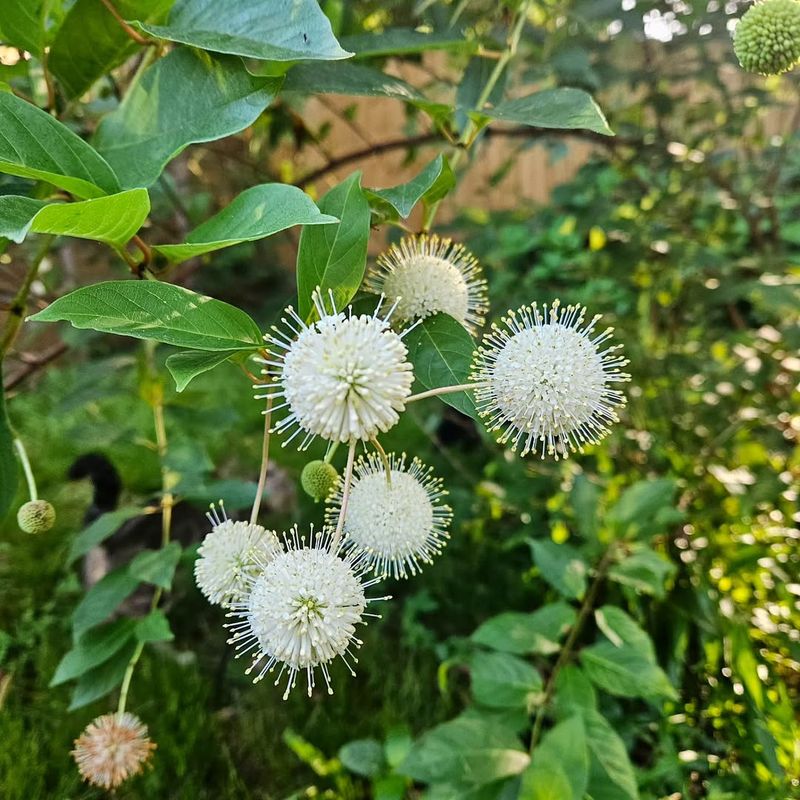
Buttonbush does something most aquatic plants cannot: it functions as a full shrub while standing in water. Its round white flower clusters are insect magnets, and where insects gather, dragonflies follow to feed.
Cephalanthus occidentalis grows naturally along stream banks and pond edges across the Southeast. It tolerates extended flooding better than almost any other native shrub.
After summer storms push water levels up, buttonbush keeps right on blooming.
The connection to dragonflies here is indirect but powerful. Buttonbush attracts midges, gnats, small flies, and other soft-bodied insects in large numbers.
Dragonflies are active aerial hunters, and a shrub covered in small flying insects is basically an open buffet for them.
Mosquitoes are part of that insect mix too. Dragonflies patrolling near a buttonbush in bloom will pick off mosquitoes along with everything else.
It is a natural system that works without any effort from you once the plant is established.
Give buttonbush plenty of room since it can reach six to twelve feet tall and wide over time. Plant it at the water’s edge or in a consistently wet area.
Full sun produces the most flowers. Pruning in late winter keeps it manageable if space is limited.
Native plant sales often offer small starter plants at reasonable prices.
5. Joe Pye Weed Attracts Many Flying Insects
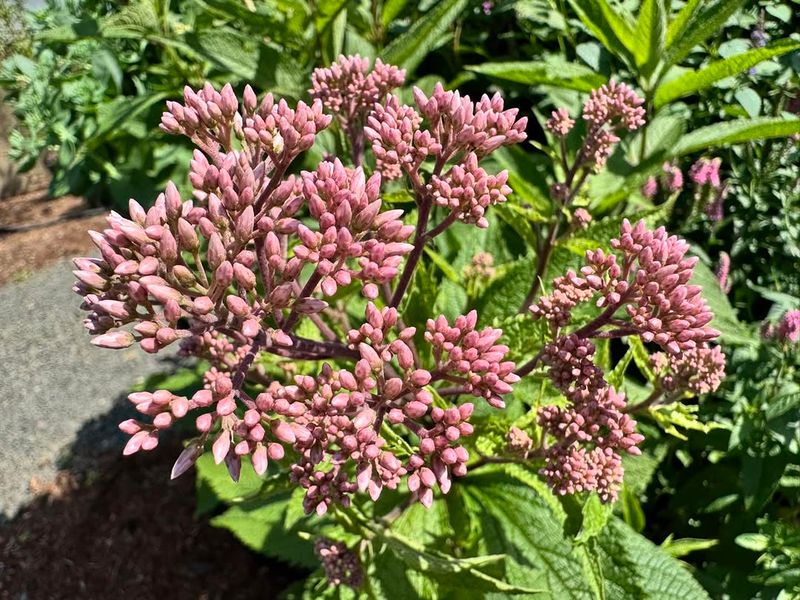
Joe Pye weed towers over most garden plants, and that height is part of what makes it so effective. Tall stems give dragonflies a high vantage point, and the massive flower clusters pull in more flying insects than almost anything else in a late-summer garden.
Eutrochium purpureum, the native Joe Pye weed, thrives in moist to average soil and handles the wet conditions that follow Georgia’s summer storm season well. It can reach five to seven feet tall in a single season under good conditions.
Butterflies, bees, moths, and flies all flock to the blooms. Dragonflies are not after the nectar but they are absolutely after the insects.
Positioning this plant near a water source increases dragonfly activity even more since they patrol both zones.
One practical note: Joe Pye weed needs space. Crowding it against other plants reduces airflow and limits how well it blooms.
Give it a back-of-border spot with room to spread and you will get the most out of it each season.
Cut stems back in late fall or leave them standing through winter for wildlife value. New growth returns reliably in spring.
Clumps can be divided every few years to maintain vigor. Moist, rich soil with full to partial sun gives you the best results without much extra maintenance.
6. Cardinal Flower Blooms After Heavy Summer Rains
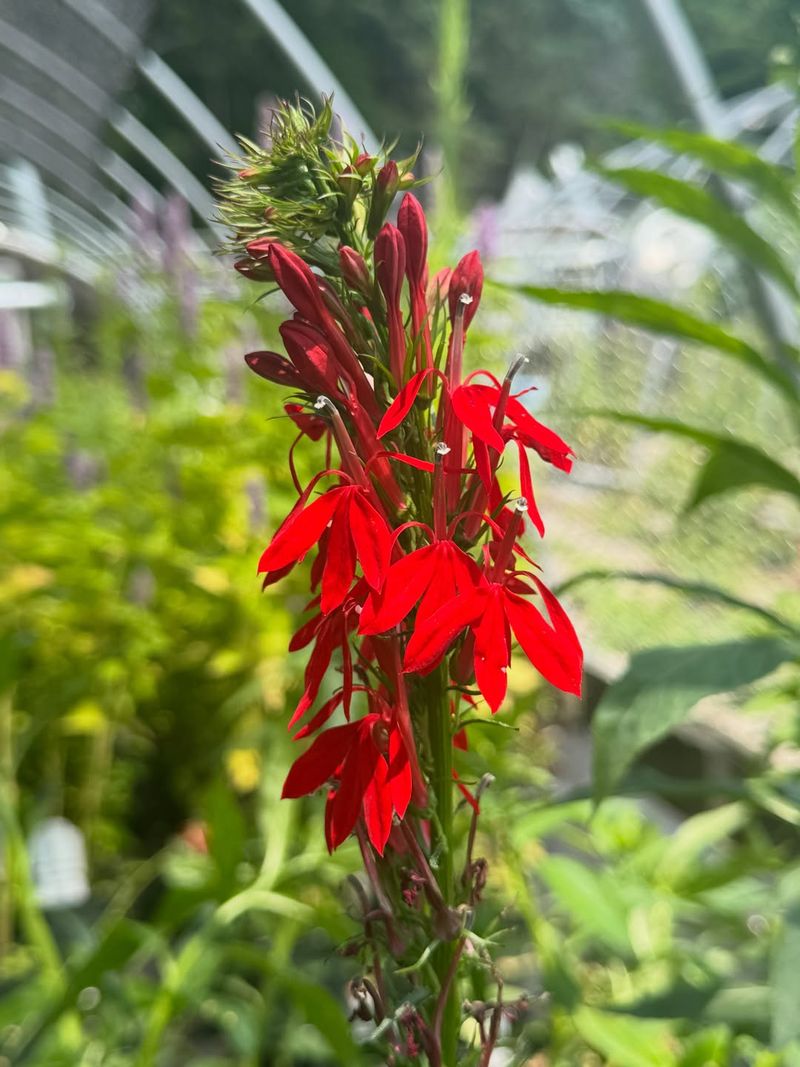
Bright red and impossible to miss, cardinal flower does something clever: it blooms hardest right after the heavy summer rains that also spike mosquito populations. That timing is not a coincidence, it is just how this plant is built.
Lobelia cardinalis loves wet soil and can even handle short periods of standing water after a storm. It grows naturally along stream banks and in low meadows across the Southeast.
In a garden setting, it thrives in rain gardens and wet borders.
Hummingbirds get most of the attention with cardinal flower, but dragonflies use the area too. The tall flowering spikes give dragonflies elevated perches.
Meanwhile, the insects attracted to the blooms become easy targets for dragonflies hunting nearby.
Cardinal flower is a short-lived perennial in most gardens, typically lasting two to three years before fading. It self-seeds fairly well though, so a small planting can maintain itself over time without replanting.
Letting a few seed heads mature each fall helps the colony persist.
Plant in full sun to partial shade along a pond edge, rain garden, or any consistently moist area. Afternoon shade can actually help in hotter spots since intense heat combined with dry soil stresses the plant.
Water during dry stretches to keep the soil from drying out completely between rains.
7. Soft Rush Grows Well Along Pond Edges
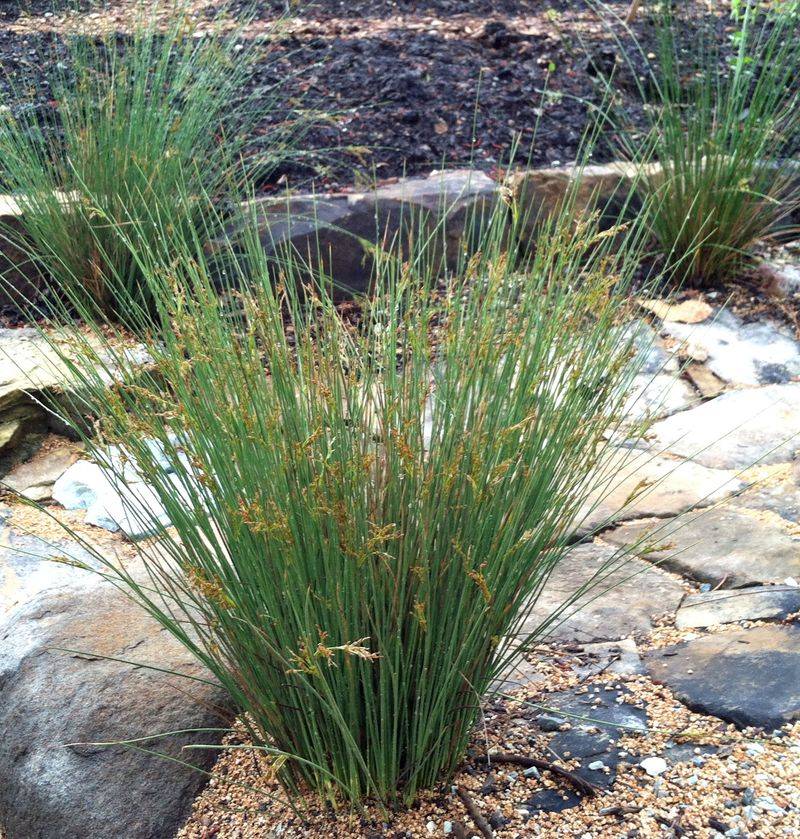
Soft rush might look plain compared to flowering plants, but dragonflies treat it like prime real estate.
Slender, upright stems give them perfect perching spots, and the dense clumps create protected habitat right at the water’s edge where dragonfly larvae develop.
Juncus effusus grows naturally in wet ditches, pond margins, and low spots that stay saturated for long periods. It handles the soggy aftermath of summer storms without any sign of stress.
Few plants are as reliably low-maintenance in wet conditions.
Dragonfly larvae spend months underwater before emerging as adults. Soft rush stems that extend from the water’s edge give newly emerged dragonflies a surface to climb and dry their wings.
That emergence process is critical, and soft rush supports it well.
Mosquitoes also breed in the same shallow water zones where soft rush grows. Having dragonfly larvae in that water means mosquito larvae face constant pressure from below the surface.
Above the water, adult dragonflies perching on the stems hunt any mosquitoes that hover nearby.
Plant soft rush in full sun to partial shade along any water feature or consistently wet area. Clumps spread steadily over several seasons.
Divide them every few years to prevent overcrowding. It pairs well with pickerelweed and blue flag iris for a layered edge planting that supports multiple stages of dragonfly life.
8. Lizard’s Tail Thrives In Moist Soil
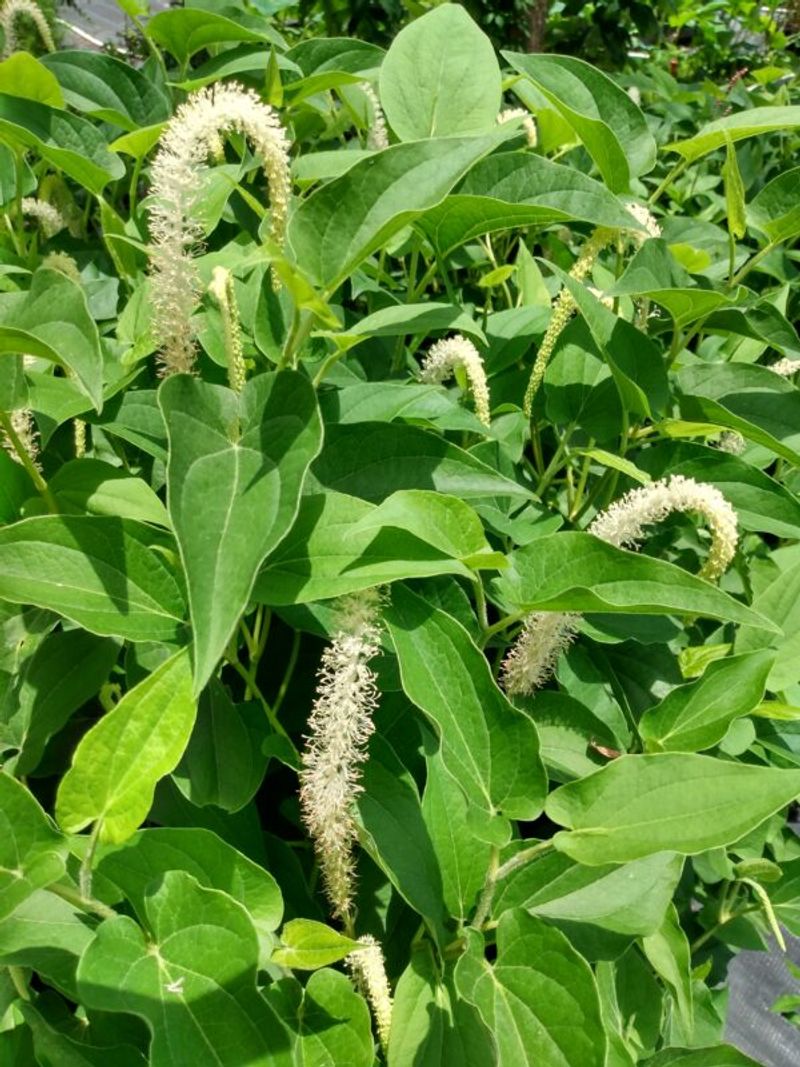
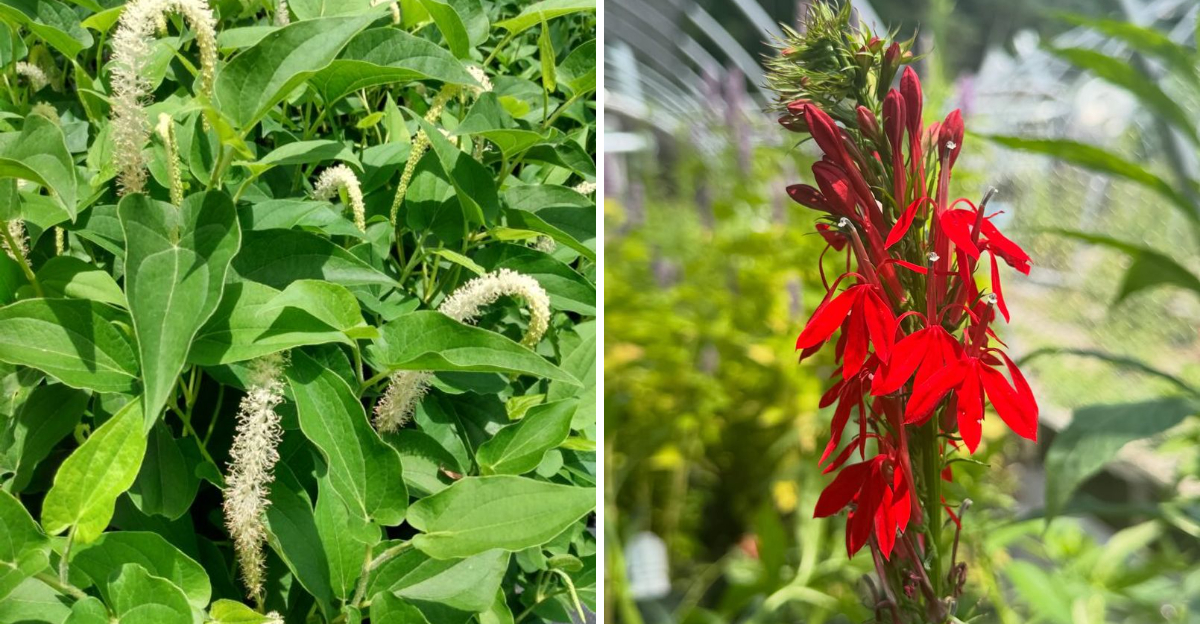
Lizard’s tail has one of the most distinctive flower spikes in any native wetland garden. The long white drooping blooms curve at the tip like, well, a lizard’s tail.
Beyond the looks, this plant creates dense, layered habitat that dragonflies genuinely use.
Saururus cernuus grows in shallow water and saturated soil across much of the eastern United States, including throughout the Southeast. It spreads by underground rhizomes and forms thick colonies over time.
Those colonies provide cover for dragonfly larvae and other aquatic insects.
Shaded and partially shaded water edges are where lizard’s tail really shines. Most aquatic plants prefer full sun, so lizard’s tail fills a gap in darker spots near trees or structures.
Dragonflies still patrol shaded water edges, especially in the morning and late afternoon.
The dense leaf cover over the water surface creates a microhabitat that supports the aquatic insect food chain. More aquatic insects mean more food for dragonfly larvae, which in turn supports a larger adult dragonfly population in your yard.
Plant lizard’s tail in up to six inches of standing water or in consistently saturated soil. It handles Georgia’s warm summers well and comes back strong each spring.
Shade tolerance makes it a practical choice for pond edges near established trees where other aquatic plants struggle to get enough light to perform.
9. Arrow Arum Handles Shallow Water Well
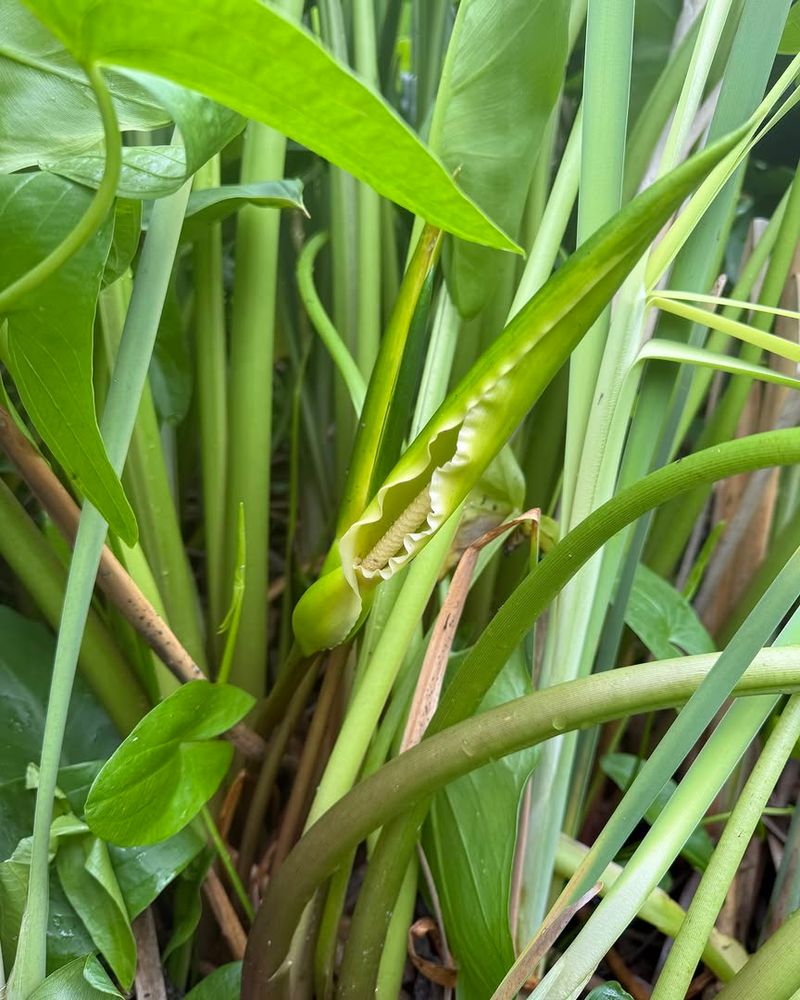
Arrow-shaped leaves rising straight out of shallow water make arrow arum one of the most recognizable plants along Southeast pond edges.
Dragonflies use those broad upright leaves as both perches and shelter, especially on windy days when smaller stems offer less stability.
Peltandra virginica is a native aquatic plant that grows in one to twelve inches of water. It spreads slowly by offsets and tends to form loose colonies along pond margins over several seasons.
Established colonies stay tidy without much intervention.
The broad leaf surface gives dragonflies a flat, stable landing spot, which is different from the narrow perches that rushes and sedges provide.
Having a mix of both types of perching surfaces in one planting area can support a greater variety of dragonfly species.
Submerged portions of arrow arum also provide structure for aquatic insects, including the larvae of dragonflies and other beneficial species. More structure in the water column generally means more places for larvae to shelter and hunt.
Plant arrow arum in full to partial sun in water that stays between one and six inches deep for reliable results. It works well alongside soft rush and pickerelweed in a layered pond edge planting.
Minimal care is needed once it is established.