More Owls Near Your Texas Home Means Fewer Rats (Here’s How To Attract Them)
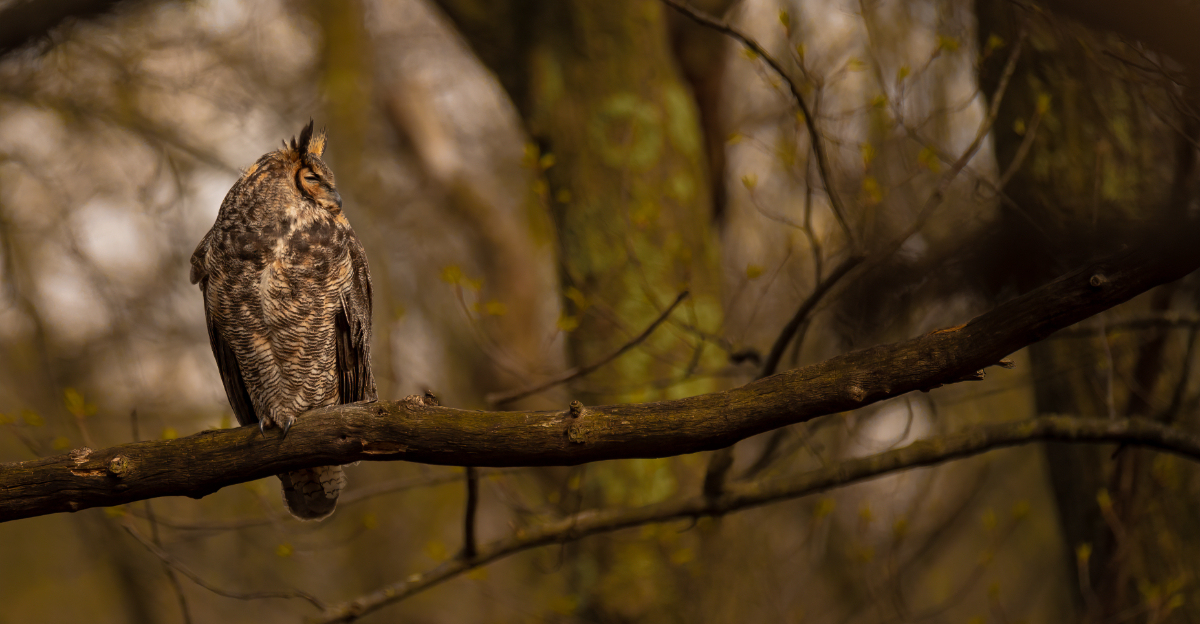
Texas rats don’t knock before moving in. They chew through garage insulation, and turn quiet backyards into their personal buffet.
Traps and poison only patch the problem. But your yard could hire a hunter who works every single night for free, and asks for nothing but a place to perch.
Owls are quietly reshaping how Texas homeowners handle rodent trouble. One nesting pair can wipe out rodent numbers fast enough to make traps feel almost pointless.
The secret isn’t luck. It’s turning your property into a spot these birds actually want to claim. Keep reading, your rat problem might be closer to solved than you think.
1. Install A Nest Box To Give Owls A Home
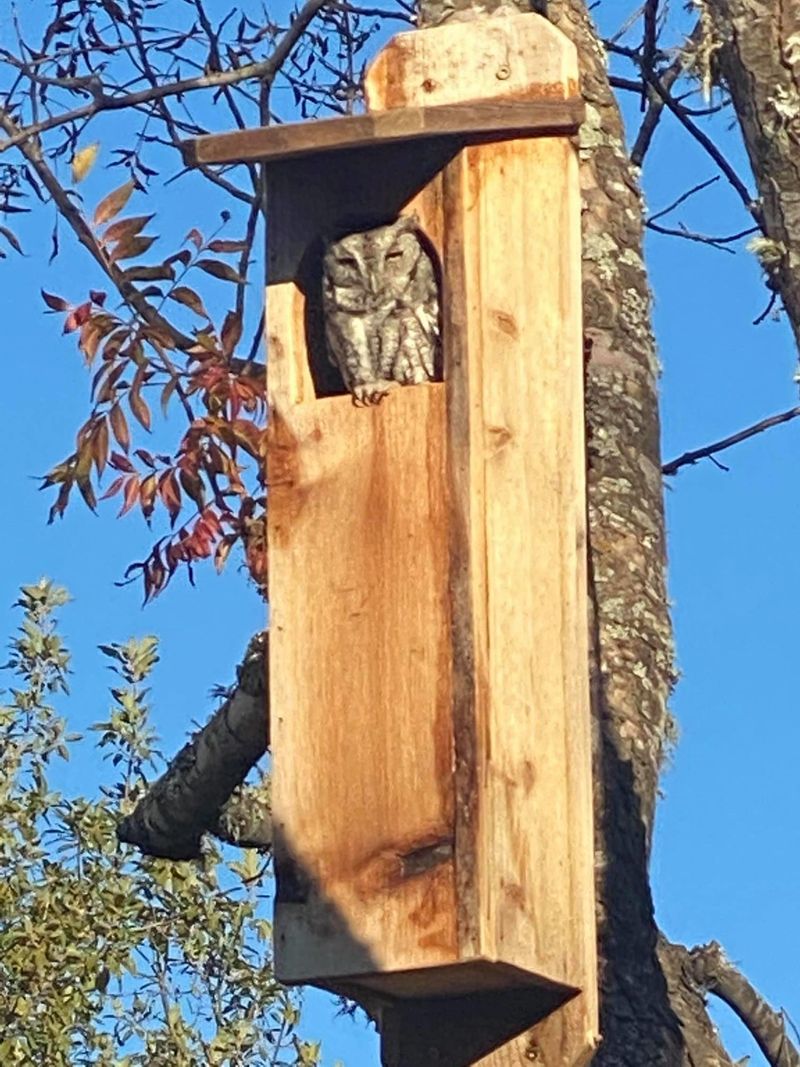
No tree hollow? No problem. A simple wooden nest box can give barn owls exactly the shelter they need to settle near your property.
Barn owls are cavity nesters, meaning they look for enclosed spaces to raise their young. Without natural hollows nearby, they will simply move on.
A nest box changes that equation fast. Mount it at least 10 to 15 feet off the ground on a sturdy pole or the side of a barn.
Face the opening away from prevailing winds and direct afternoon sun. Owls prefer a calm, shaded entry point that feels safe and hidden from predators.
Buy a pre-built box or build one yourself using untreated wood. Interior dimensions of roughly 10 by 18 inches with a 6-inch entry hole work well for barn owls.
Place the box near open fields or grassy areas where rodents are active. Owls hunt by flying low over open ground, so clear sightlines matter.
Clean the box out once a year after nesting season ends. Remove old nesting material and check for damage before the next pair moves in.
Do not disturb the box during nesting season, which typically runs from late winter through summer in Texas. Patience pays off big here.
Once a pair discovers your box, they often return year after year. A resident owl family near your Texas home is the best rat repellent money can almost buy.
2. Leave Standing Snags For Natural Roosts
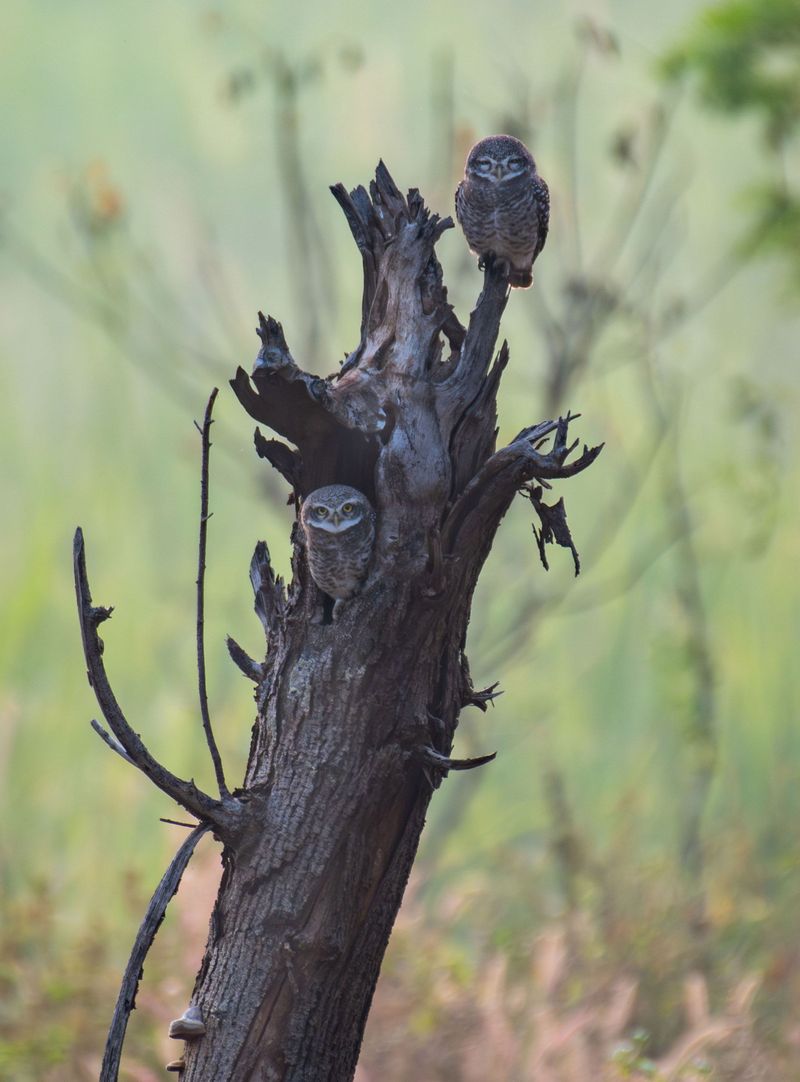
That bare, leafless tree in your backyard? Do not cut it down yet. Standing snags are some of the most valuable real estate an owl can find.
Owls need high perches to scan for prey below. A tall snag gives them an unobstructed view of your entire yard in seconds.
Great horned owls and barred owls especially love snags for roosting during daylight hours. They tuck into broken branches and blend in with the bark perfectly.
Snags also attract woodpeckers, which carve out cavities over time. Those hollows later become prime nesting spots for screech owls and other small species.
If the bare tree poses no safety risk to your home or family, leave it standing. Even a 10-foot stump can serve as a functional perch.
You can also create a snag intentionally by removing the top of a living tree. Ask a certified arborist to top a declining tree safely and leave the trunk.
Your Texas Garden Changes Every Week. Your Plan Should Too.
Gardening in Texas changes quickly throughout the season. Every Friday you’ll receive a simple weekly plan showing exactly what to plant, prune, fertilize, harvest, and protect so you never miss the right timing.
Position snags near open hunting areas like lawns, gardens, or pastures. The closer the perch is to active rodent zones, the more useful it becomes for a hunting owl.
Add a few natural branches at varying heights around the snag. This gives owls multiple landing options and makes the spot feel like a proper habitat.
Snags cost nothing and require zero maintenance. Letting nature do its job is sometimes the smartest move a Texas homeowner can make.
3. Reduce Outdoor Lighting To Support Night Hunting
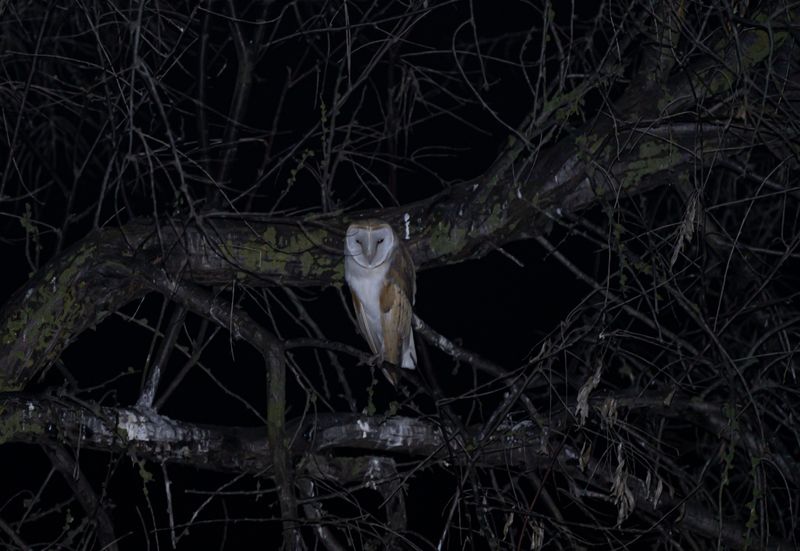
Bright lights at night work against an owl’s natural hunting rhythm. Artificial light disrupts their hunting patterns and drives prey into hiding before owls can catch them.
Rats and mice are smarter than they look. They avoid well-lit areas and stick to shadows, which means flood lights actually help rodents stay safe.
Owls rely on near-total darkness to hunt effectively. Their eyes and ears are tuned for low-light conditions that most humans find uncomfortable.
Swap out bright white flood lights for warm amber or red-toned bulbs near your yard. These wavelengths are less disruptive to nocturnal wildlife and still provide safety lighting for you.
Use motion-activated lights instead of lights that stay on all night. A light that only flicks on when you need it leaves the rest of the night dark for hunters.
Focus lighting downward and only where you actually need it. Shielded fixtures that point light toward the ground reduce sky glow and side scatter significantly.
Turn off decorative string lights and landscape spotlights after 10 p.m. Owls do much of their hunting during the darkest overnight hours, so keeping things dim then makes the biggest difference.
Talk to your neighbors if their lights spill into your yard. A friendly conversation about wildlife-friendly lighting can make a surprising difference across a shared fence line.
Dimming your outdoor lights is one of the easiest changes you can make. A darker yard is a hunting ground, and owls near your Texas home will notice quickly.
4. Skip Rodenticides That Poison Owls Indirectly
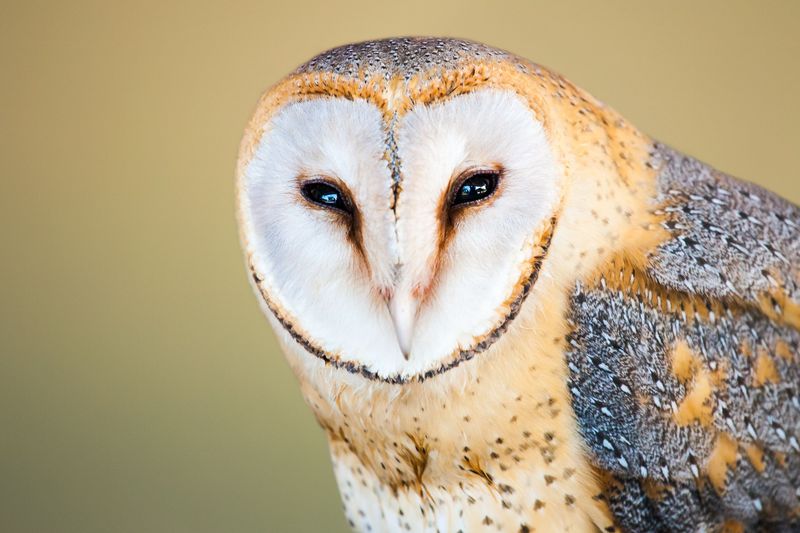
Poison bait stations seem like a quick fix for a rat problem. But they create a silent chain reaction that can wipe out the very owls you are trying to attract.
When a rat eats rodenticide, it does not pass away instantly. It stumbles around slowly for days, making it easy prey for a hungry owl.
The owl eats the poisoned rat and absorbs the toxin directly. This process, called secondary poisoning, has been linked to owl population declines across North America.
Anticoagulant rodenticides are the worst offenders. Products containing brodifacoum or bromadiolone stay active in animal tissue for weeks after consumption.
A single poisoned rat can carry enough toxin to harm a large raptor. Repeated exposure from multiple poisoned rodents can seriously harm an adult owl.
Snap traps are a far safer alternative for managing rat populations while you wait for owls to establish themselves. They are effective, affordable, and carry far lower risk of secondary harm.
If you must use a bait station, choose first-generation products with lower persistence in tissue. Read labels carefully and place stations only in fully enclosed tamper-resistant boxes.
Better yet, commit to a poison-free yard and let the owls handle the job naturally. It takes a few weeks for a nesting pair to get established, but the payoff is enormous.
Dropping rodenticides from your yard is one of the most important steps. Owls near your Texas home cannot thrive if the food supply is laced with toxins.
5. Add Native Plants That Support Rodent Prey
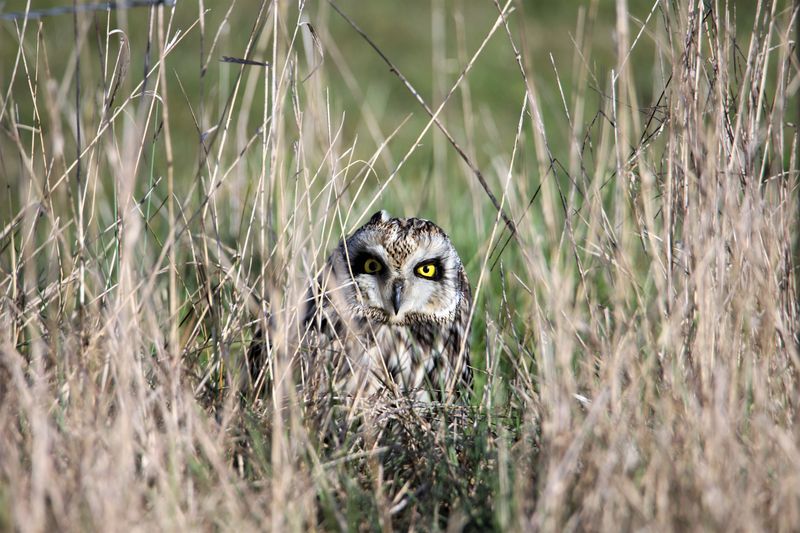
Owls do not move in without a reliable food source nearby. Native plants play a surprising role in keeping that food chain active and productive right in your yard.
Dense native grasses like little bluestem and Gulf muhly create perfect ground cover for mice and voles. Those small mammals become the main course for hunting owls every single night.
Native shrubs like beautyberry and native plum produce seeds and berries that attract small rodents to your yard. More rodents in a concentrated area means more hunting opportunities for owls.
Tall native grasses also create movement corridors along fence lines and garden edges. Owls track movement with incredible precision, and active corridors make hunting far more efficient.
Plant in clusters rather than isolated specimens. A dense patch of native grass gives rodents a reason to stay and gives owls a reason to keep coming back.
Avoid manicured lawns that eliminate all ground cover. A yard that looks too perfect from a landscaping standpoint often looks nearly empty from an owl’s perspective.
Native plants also attract insects, which draw in frogs, lizards, and other small prey that round out an owl’s diet. A biodiverse yard supports a broader hunting menu.
Stick to plants native to your specific region of Texas. The Hill Country, Gulf Coast, and Panhandle each have distinct plant communities that support different local prey species.
A well-planted yard is a living pantry for owls. Stock it right and the night shift will clock in regularly.
6. Keep Pets Indoors During Nighttime Hours
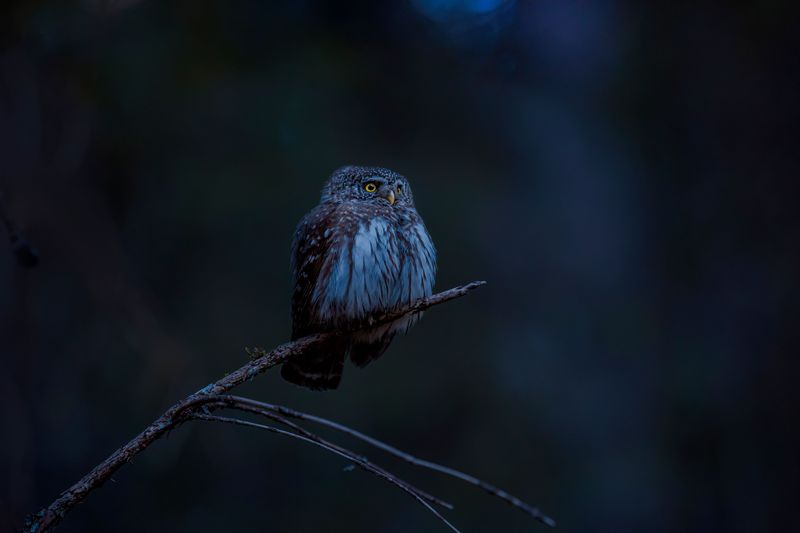
Your cat might think it owns the backyard at night. But that nighttime roaming habit could be costing you the owl population you are working hard to attract.
Cats are natural hunters and will chase, stress, or injure owls that land close to the ground. Even a brief encounter can cause an owl to abandon a territory it was just starting to claim.
Small dogs can also disturb roosting owls by barking or running toward perch sites. Consistent disruption teaches owls that your yard is not a safe place to settle.
Bring cats and small dogs inside before sunset. This simple habit protects local wildlife and keeps your pets safer from coyotes and other nocturnal predators active in Texas yards.
If your cat is used to outdoor access, transition gradually by shortening outdoor time each evening. A window perch or outdoor catio can keep them entertained without putting wildlife at risk.
Outdoor cats are also a significant threat to fledgling owls that land on the ground while learning to fly. Young owls spend several days on low branches and grass before mastering flight.
Keeping pets inside at night is not just about owls. It protects songbirds, lizards, frogs, and countless other species that make a healthy Texas yard come alive after dark.
Think of it as a small trade-off with a big payoff. A few hours of indoor time for your pet creates hours of uninterrupted hunting time for owls.
Safer nights for wildlife mean more owls near your Texas home. That is a win worth adjusting your routine for.
7. Add A Water Source For Owls To Use
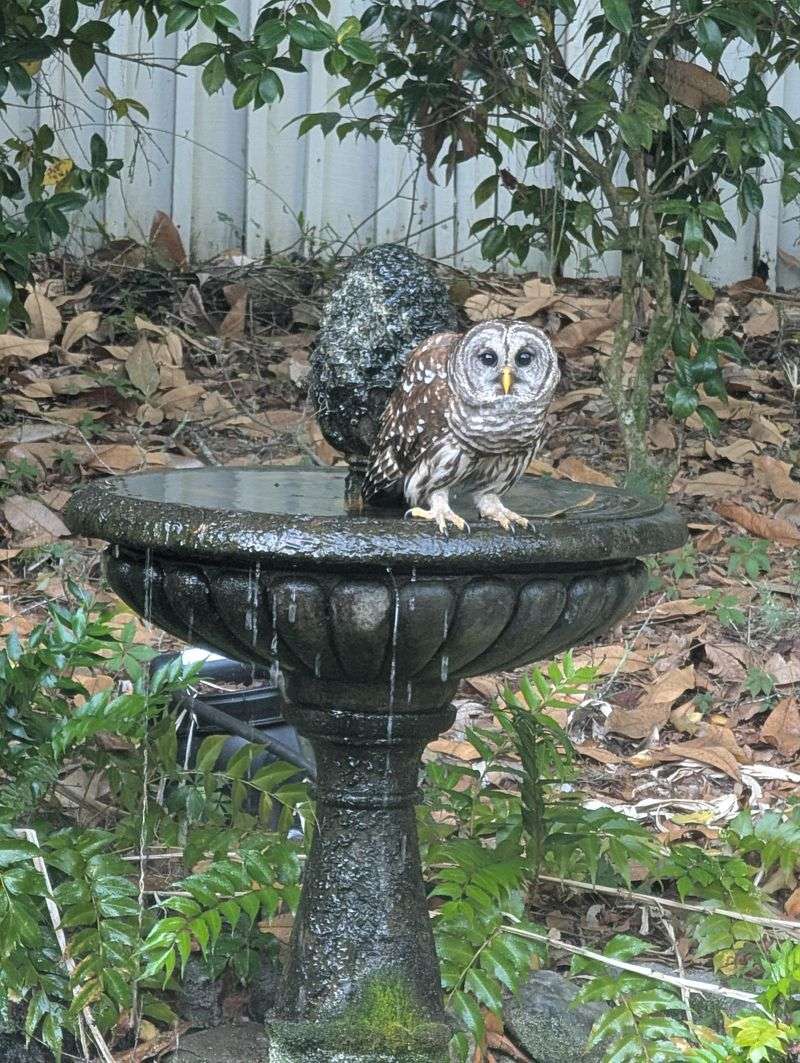
Owls get most of their hydration from the prey they eat. But during hot Texas summers, a fresh water source nearby makes your property significantly more attractive to them.
A shallow birdbath or ground-level basin works well. Owls prefer water that is no deeper than two inches, so they can stand comfortably and drink without issue.
Place the water source near a low perch or landing branch. Owls are cautious birds and prefer to survey an area before landing, so a nearby branch makes them feel secure.
Change the water every two to three days to keep it clean and fresh. Stagnant water grows algae and attracts mosquitoes, which creates more problems than it solves.
A small solar-powered pump or dripper adds movement to the water. Moving water reflects light and creates sound that draws wildlife in from a surprising distance.
Keep the birdbath in a shaded spot to slow evaporation during summer months. Texas heat can drain a shallow basin in less than a day if it sits in full sun.
Avoid placing water sources near areas with heavy human foot traffic. Owls need to feel undisturbed when they land to drink, especially during their first visits to a new yard.
Clean the basin with a stiff brush and plain water weekly. Skip soap or bleach, which can leave residue that irritates wildlife skin and eyes.
Water is a simple but often overlooked detail. Adding it to your setup gives owls one more reason to choose your yard over the neighbor’s.
8. Limit Noise And Activity Near Roosting Sites
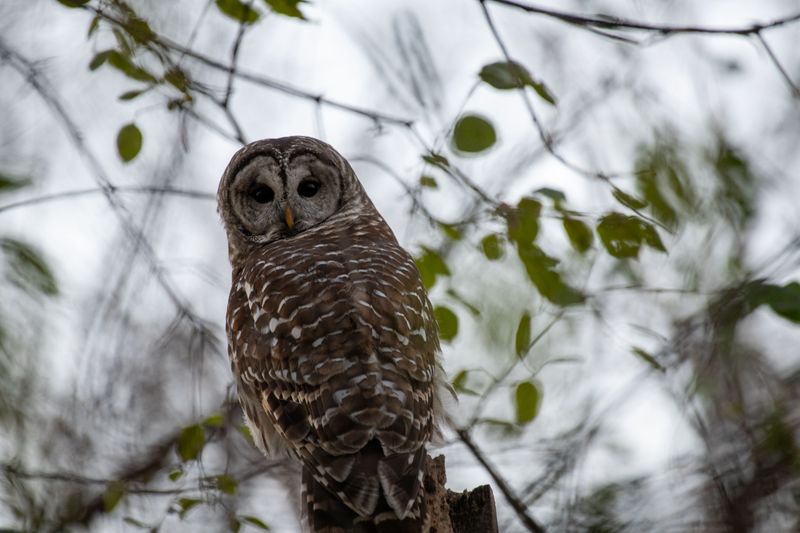
Owls are creatures of habit and quiet. Once they find a spot they like, any sudden noise or repeated disturbance can send them searching for calmer territory.
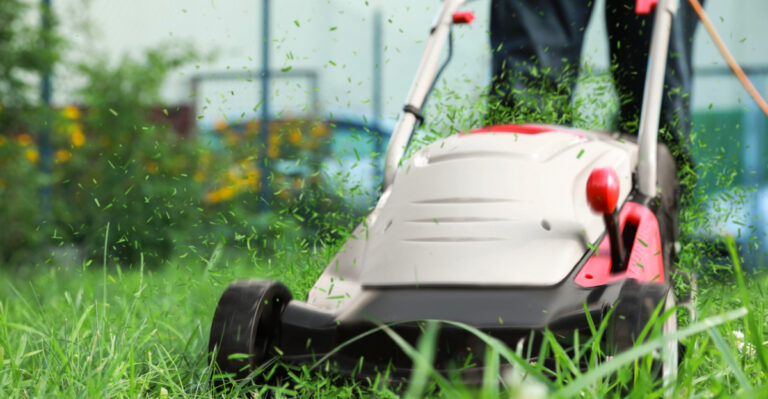
Loud lawn equipment running near a roost during the day is a common reason owls abandon a site. Gas-powered blowers and mowers are especially disruptive.
Schedule yard work away from known roosting areas when possible. If an owl has claimed a tree on the east side of your yard, start your mowing on the west side instead.
Avoid hosting loud outdoor gatherings near roost trees during nesting season. A single noisy afternoon can stress a nesting pair enough to cause nest abandonment.
Talk to your family about respecting owl zones in the yard. Kids especially love owls once they understand what they are and why they matter.
Set up a quiet observation spot at least 30 feet away from the roost. Watching from a distance with binoculars is far more rewarding than getting close and scaring the bird off.
If you have outdoor speakers, keep volume low and avoid playing music near trees where owls perch. Even distant bass can carry further than you’d expect at night.
Construction projects near roost sites should be timed outside of nesting season. Late fall through early winter is generally the safest window for noisy work in Texas yards.
A calm yard is an owl’s favorite yard. Give them the peace they need, and owls near your Texas home will stick around long enough to make a real dent in your rat problem.