What It Means When Storms Send Frogs To Your Indiana Porch
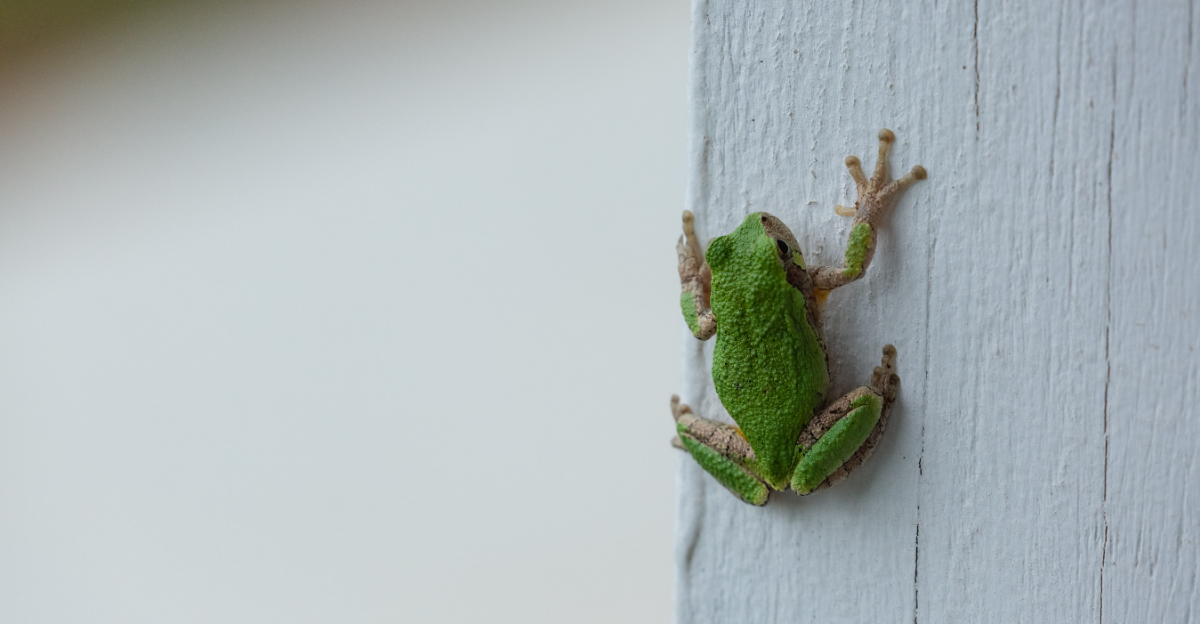
A tiny frog just moved on your porch, and it wasn’t the wind. Rain stops, and suddenly small bodies appear near your feet.
Frogs don’t fall from the sky onto your steps, despite old stories. Storms simply guide them toward you, and Indiana yards welcome plenty.
Humidity spikes around you while amphibians sense their sudden chance. Every downpour stirs movement across your lawn, driveway, and porch.
Tiny visitors aren’t lost or confused when they land near you. They’re following instinct older than any home you’ve ever built.
Indiana’s climate offers perfect conditions for frog appearances after storms. Backyards turn lively overnight, leaving you with unexpected company.
Curiosity builds fast once you spot that surprising tiny hop. Questions gather before you finish looking down at your steps.
Answers exist, and they’ll reveal far more than you’d expect. Your glance at that frog invites every detail still waiting for you.
Why Frogs Seek Shelter During Storms
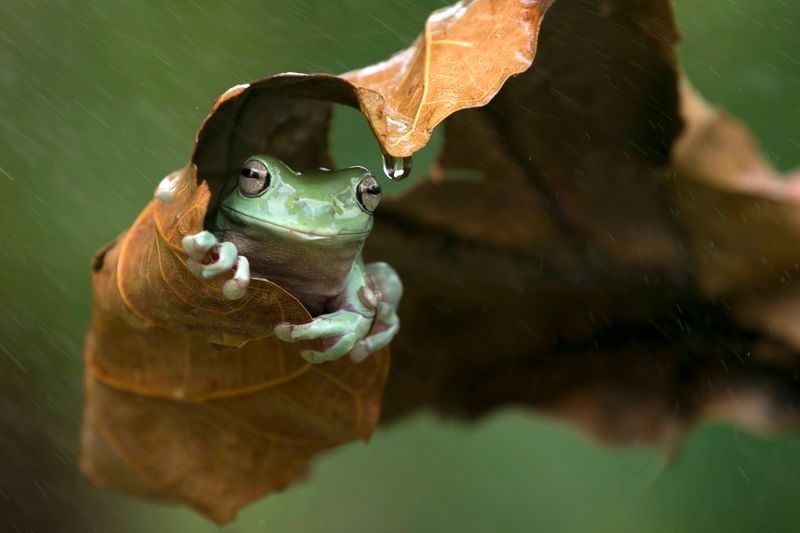
Rain triggers a burst of frog activity. The moisture, pressure drop, and rising humidity signal feeding time, mating season, and movement all at once.
Frogs breathe partly through their skin, so wet conditions feel like a full-body relief. Dry air is uncomfortable for them, and a storm creates ideal conditions for them.
When barometric pressure drops before a storm, frogs sense it fast. Their biology is tuned to weather in ways that researchers have documented in detail.
The rain also stirs up insects, earthworms, and other small prey. A post-storm porch light attracts insects, which in turn attracts frogs.
Your porch offers something extra: shelter without total darkness. The overhang blocks heavy rain while still keeping the air damp and bug-friendly.
Frogs are not lost or confused when they show up on your steps. They are making a smart, calculated move toward comfort and food.
What it means when storms send frogs to your Indiana porch is not a mystery at all. This is simply frog behavior at work, and your porch happened to be a convenient stop along the way.
Next time a storm rolls through, pay attention to what shows up. You might be surprised by how punctual these little amphibians actually are.
Common Indiana Species You Might Encounter
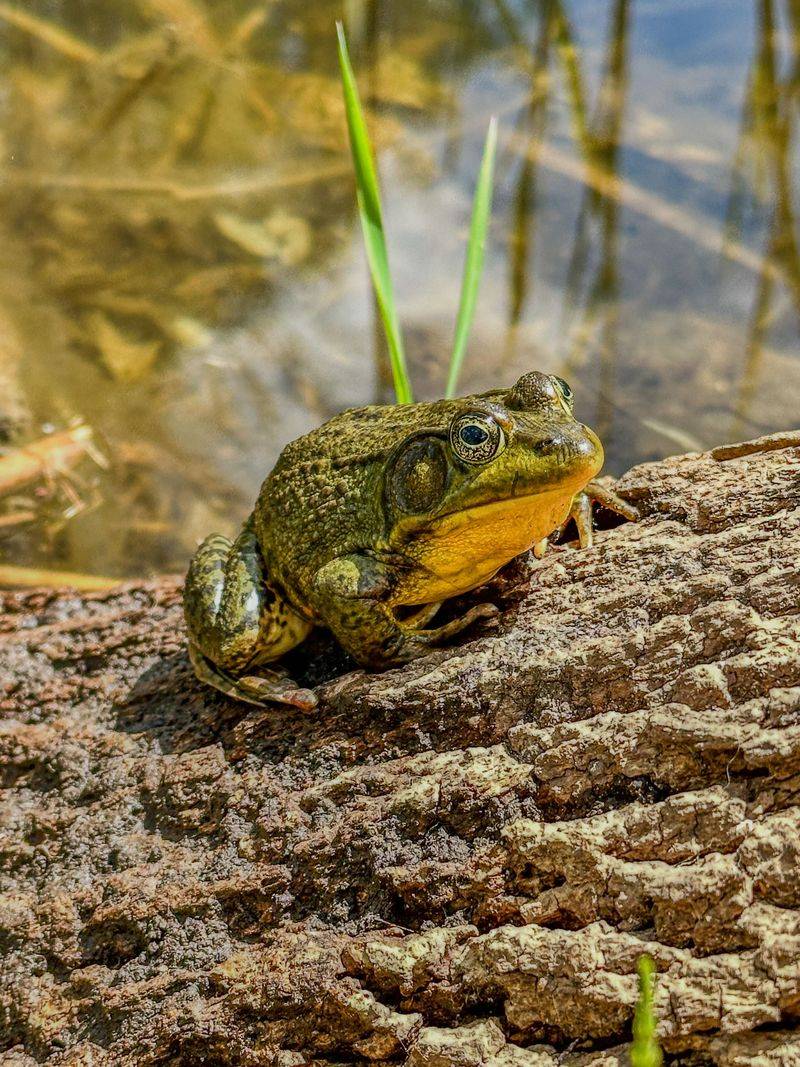
Not every frog on your porch is the same, and knowing who you are hosting makes the visit way more interesting.
According to the Indiana Department of Natural Resources, the state is home to more than a dozen frog and toad species, and several of them love suburban yards.
The gray tree frog is one of the most common porch visitors you will find. It is small, bumpy, and changes color slightly depending on its background.
Spring peepers are tiny but loud, and their high-pitched calls are most common during early spring breeding season, especially after rain. If you heard a chorus on a wet spring night, those little guys were almost certainly the source.
American toads are chunkier and slower-moving than true frogs. They tend to sit in one spot for a long time, which makes them easy to spot near porch lights.
Your Indiana Garden Changes Every Week. Your Plan Should Too.
Gardening in Indiana changes quickly throughout the season. Every Friday you’ll receive a simple weekly plan showing exactly what to plant, prune, fertilize, harvest, and protect so you never miss the right timing.
Green frogs look like miniature bullfrogs and often hang out near any standing water. A birdbath, a puddle, or even a clogged gutter can draw them in.
Cope’s gray tree frog looks nearly identical to the standard gray tree frog. The easiest way to tell them apart is by their call, which is slightly faster and higher-pitched.
Identifying your visitor takes only a quick phone photo and a free app like iNaturalist. Knowing the species helps you understand its habits and what it needs to thrive.
What it means when storms send frogs to your Indiana porch often starts with knowing exactly which neighbor just knocked on your door.
What Their Presence Says About Your Yard

A frog on your porch can be a sign of a healthy local ecosystem. These amphibians are picky about where they live, and their presence signals something good about your environment.
Frogs need clean water, healthy soil, and a decent insect population to survive. If they are hanging around your yard, all three of those boxes are likely checked.
Pesticide-heavy yards tend to drive frogs away fast. Their permeable skin absorbs chemicals easily, so they avoid spaces where the ground or air has been treated heavily.
A yard with native plants, leaf litter, and natural ground cover is frog paradise. Those features provide hiding spots, humidity, and a steady food supply throughout the warmer months.
If you have not used harsh chemicals and your lawn looks a little wild in spots, your yard conditions likely support amphibian habitat. The frogs noticed.
Standing water nearby, even a small amount, is another green flag. Frogs need water to breed, and proximity to a pond, creek, or rain garden makes your yard even more attractive.
Neighbors with manicured, chemically treated lawns may never see a frog. Your yard, by contrast, is sending out a welcome signal that travels surprisingly far.
What it means when storms send frogs to your Indiana porch is that your outdoor space is doing something right. Their presence can reflect positively on your yard’s ecological health.
The Role Frogs Play In Pest Control
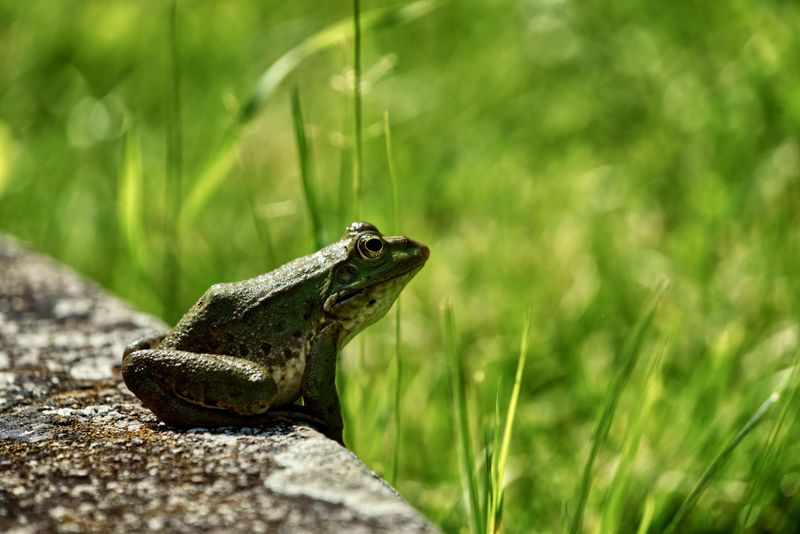
Frogs can reduce the need for insect control in your yard every single night. An adult frog can consume a large number of insects over the course of a season, with totals varying by species and habitat.
Mosquitoes, gnats, beetles, and moths are all on the menu. If you have been struggling with bugs on your porch all summer, a resident frog is genuinely helping more than you realize.
Toads are especially effective hunters because they are patient and strategic. They will park themselves under a porch light and wait for insects to come directly to them.
Gray tree frogs are agile climbers and can snag flying insects mid-air. Watching one hunt near a window screen on a warm night offers an agile, quick hunting display.
Frogs also eat agricultural pests that damage garden plants. Aphid populations, slug numbers, and caterpillar counts can all drop when frogs are active in the area.
Chemical pest control often harms the insects that frogs eat, which then harms the frogs themselves. Supporting your frog visitors means backing off on sprays and letting the food chain do its job.
The relationship is circular and surprisingly efficient. Fewer bugs mean less pressure on your plants, and healthy plants attract more insects, which feed more frogs.
What it means when storms send frogs to your Indiana porch is that frogs can provide a natural, ongoing form of pest control.
Is It Safe To Have Them Around
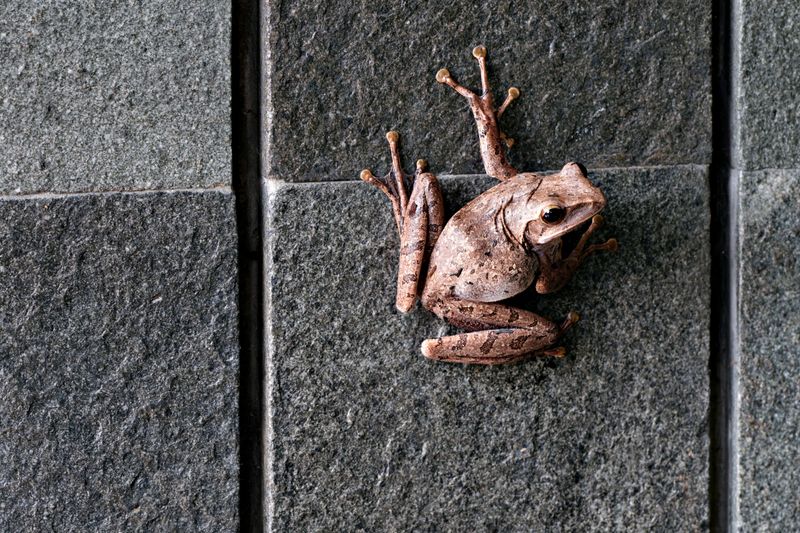
Spotting a frog on your porch might make some people jump back, but there is little cause for concern. Most species found in Indiana yards are completely harmless to humans and pets.
Toads do produce a mild skin secretion that can irritate a dog’s mouth if licked. It is not dangerous in small amounts, but it is unpleasant enough to deter most pets.
No Indiana frog species is venomous or poses any real threat to adults or children. You can safely observe them up close without any protective gear or special precautions.
Kids are naturally curious about frogs, and that curiosity is worth encouraging. Just remind them to wash their hands after handling any amphibian, since frogs can carry salmonella on their skin.
For people with sensitive skin, wearing gloves before picking one up is a smart and simple precaution. It also protects the frog, since human skin oils can irritate their permeable outer layer.
Cats are the bigger concern in this situation, since they may chase or harm frogs out of play instinct. Keeping outdoor cats supervised during peak frog activity hours is a considerate move.
Overall, a frog on your porch is about as low-risk as wildlife encounters get. They are shy, non-aggressive, and far more interested in the moth near your light than in you.
What it means when storms send frogs to your Indiana porch is simply a safe and welcome visit from a harmless neighbor passing through.
How To Make Your Porch More Frog Friendly
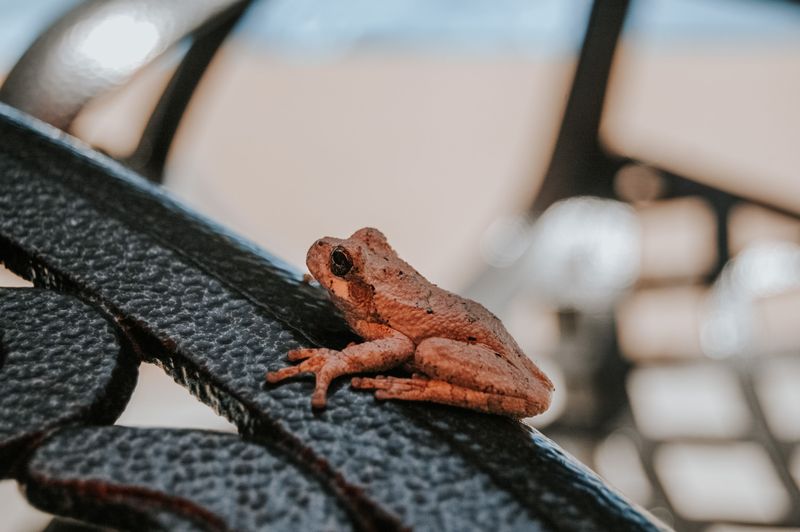
Once you realize frogs are good for your yard, you might actually want more of them sticking around. A few small changes to your porch setup can make it a regular stop on the local frog circuit.
Switch your porch light to a yellow or amber bulb instead of a bright white one. Yellow lights attract fewer flying insects, which sounds counterproductive, but they draw in the calmer moth species frogs prefer.
Add a shallow dish of clean water near the base of your porch steps. Frogs do not drink through their mouths; they absorb water through their skin, so even a small dish makes a real difference.
Leave a few flat stones or pieces of bark near the porch foundation. These create shady, moist hiding spots where frogs can rest during the heat of the day without drying out.
Plant native ground cover like wild ginger or ferns along the porch edge. Low, dense foliage gives frogs a sense of safety and keeps the microclimate around your steps cooler and more humid.
Avoid using pesticides or herbicides near your frog-friendly zone, as even a small amount of exposure can disrupt the local food chain that frogs depend on to survive.
Skip the pressure washing of your porch during peak frog season, which runs from late spring through early fall. The algae and moisture on older wood attract small insects that serve as a frog food source.
What it means when storms send frogs to your Indiana porch is an open invitation to build something better, one small habitat tweak at a time.