What Georgia Flowers To Plant Now For Color That Lasts Into Fall
Late summer does not have to mean fading flower beds and tired-looking yards. This is the moment when a few smart choices can keep color going much longer than you might expect.
Many flowers are already slowing down, but that does not mean the show is over. Some varieties are only beginning to hit their stride as the seasons slowly start changing.
Fresh blooms can carry a yard through the weeks ahead without demanding constant attention. Choosing the right plants now makes all the difference later.
Georgia still has plenty of growing season left to enjoy. There is more time than most homeowners realize to brighten outdoor spaces before fall arrives.
Do not settle for a yard that fades too soon.
The next planting decision could keep your landscape colorful long after summer starts giving way to autumn.
1. Black Eyed Susan Keeps Blooming With Very Little Care
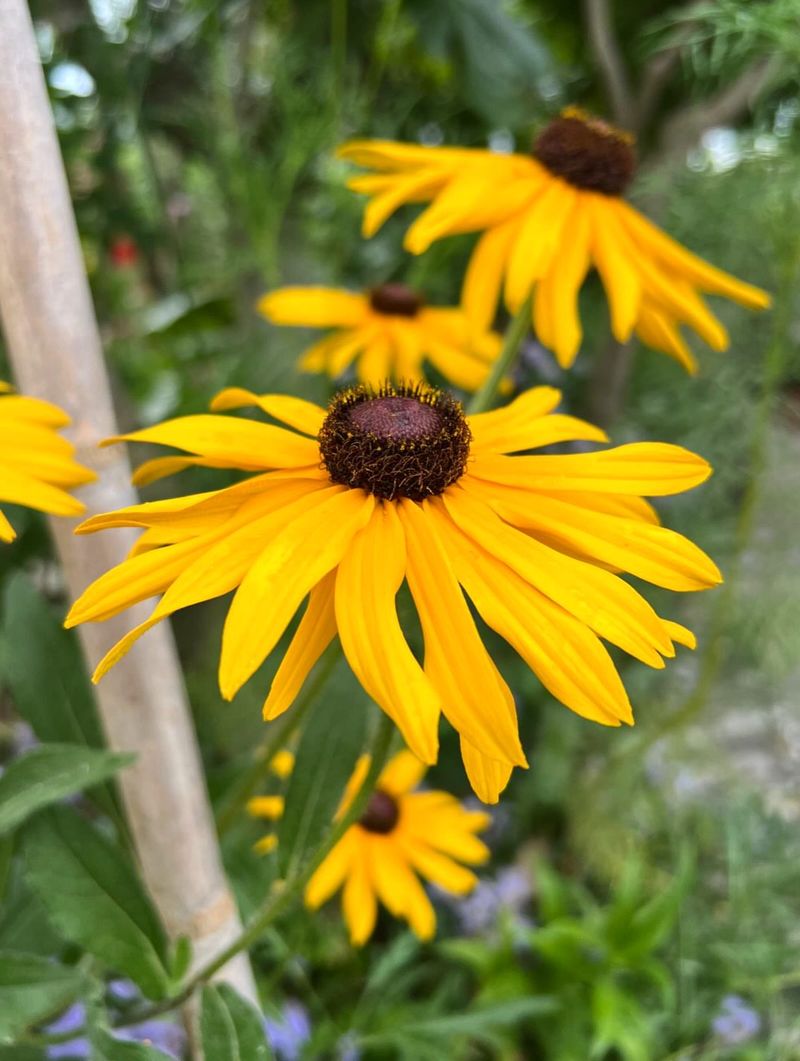
Few flowers earn their keep the way Black Eyed Susan does. Bright yellow petals around a dark center make it one of the most recognizable wildflowers in the Southeast.
Plant it now, and it will reward you with blooms from midsummer straight through fall.
Black Eyed Susan handles heat without much fuss. It prefers full sun and well-drained soil, but it tolerates poor soil better than most ornamental plants.
Once established, it rarely needs extra watering beyond normal rainfall in most seasons.
Deadheading spent blooms encourages more flowers to form. Without deadheading, the plant will self-seed and return next year on its own.
That self-seeding habit makes it a smart, low-effort choice for filling bare spots over time.
In a Georgia garden, this flower pairs well along borders or in naturalized areas. Butterflies and bees visit regularly, which adds movement and life to the space.
Rudbeckia hirta is the most common species, though several cultivars offer extended bloom times and slightly different heights. Expect plants to reach roughly two to three feet tall depending on conditions.
Spacing them about eighteen inches apart gives each plant room to spread without crowding. Good airflow also helps reduce the chance of powdery mildew in humid conditions.
2. Autumn Sage Handles Heat And Blooms Into Cooler Weather
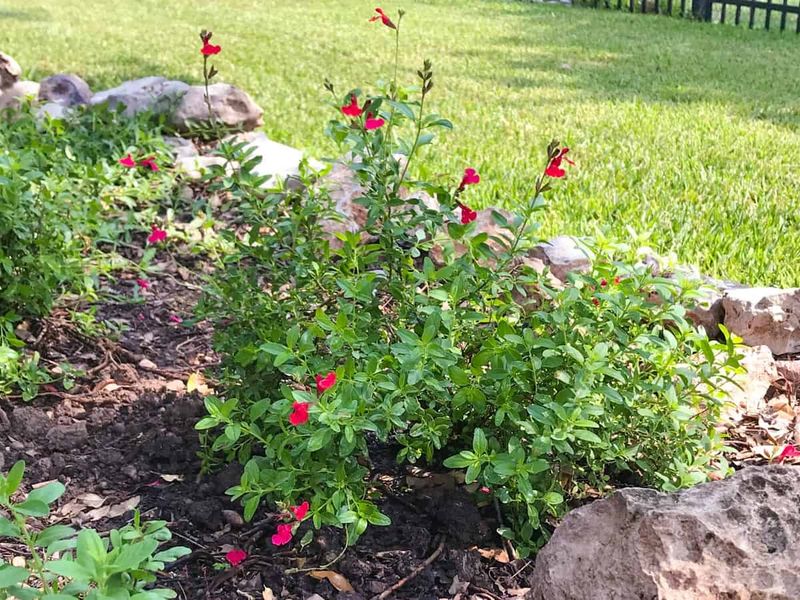
Autumn Sage surprises a lot of gardeners the first time they see it push out fresh blooms in October. Most plants are winding down by then, but this one is just hitting its stride.
It starts blooming in late spring and keeps going with breaks during the hottest weeks.
Salvia greggii is the botanical name, and it comes in red, pink, coral, and white varieties. Red is the most common and tends to be the most vigorous in Southern heat.
Full sun is a must, and drainage matters a lot since wet roots cause more problems than dry soil ever will.
Hummingbirds are drawn to the tubular flowers, especially the red and coral types. If you have a hummingbird feeder nearby, planting Autumn Sage close to it can double the bird activity in your yard.
That alone makes it worth the space.
Your Georgia Garden Changes Every Week. Your Plan Should Too.
Gardening in Georgia changes quickly throughout the season. Every Friday you’ll receive a simple weekly plan showing exactly what to plant, prune, fertilize, harvest, and protect so you never miss the right timing.
Plants stay relatively compact, usually reaching one to two feet tall and wide. Light trimming after each bloom flush encourages a fresh round of flowers.
In Georgia, this plant often behaves more like a perennial than an annual, returning reliably in mild winters. Heavy mulching around the base helps protect roots if temperatures drop sharply.
Give it room, give it sun, and it will keep performing long after summer flowers have faded.
3. Garden Mums Add Reliable Color Later In The Season
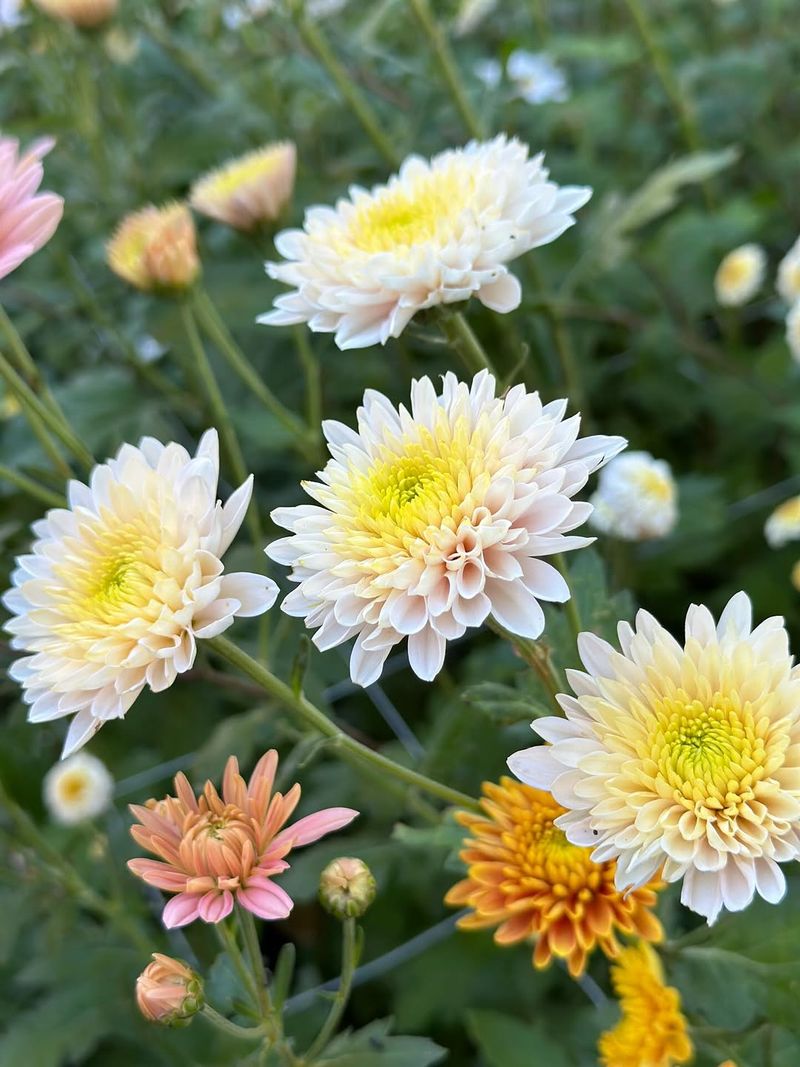
Nothing signals fall color quite like a pot of garden mums sitting on a front porch. Planted in the ground now rather than just dropped in a container, mums have time to root in and return year after year.
Container mums bought in fall rarely survive winter because they never get the chance to establish properly.
Chrysanthemum varieties bred for garden use are tougher than florist types. Look for labels that say garden mum or hardy mum when shopping.
These varieties root deeper and handle temperature swings better than the ones sold strictly for seasonal decoration.
Plant them in full sun with rich, well-drained soil. Work in some compost before planting to give roots a healthy start.
Water regularly until they settle in, then ease back a bit as cooler weather arrives.
Pinching back stems through early summer encourages bushier growth and more blooms by fall. Stop pinching around midsummer so the plant has time to set buds before shorter days trigger blooming.
Colors range from white and yellow to deep burgundy and bronze, offering plenty of options for matching or contrasting with other plants. Spacing about eighteen inches apart helps with airflow and reduces fungal issues in humid stretches.
Mums planted in well-prepared beds in a Southern garden can return for several seasons with minimal extra attention beyond basic cleanup each spring.
4. Mexican Bush Sage Attracts Pollinators With Long Lasting Flowers
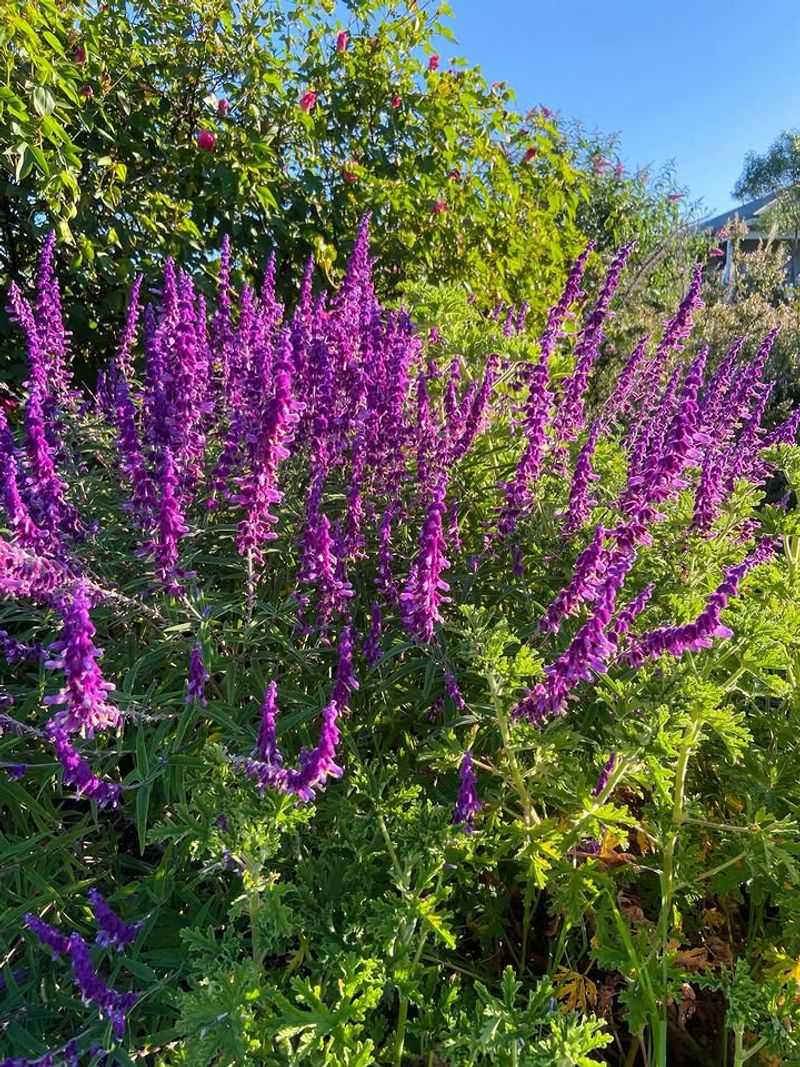
Mexican Bush Sage puts on one of the most dramatic late-season shows of any plant you can grow in the South. Tall purple and white spikes shoot up from silvery-green stems, and the whole plant can reach four feet or more by fall.
It draws in butterflies and hummingbirds at a time when other nectar sources are getting scarce.
Salvia leucantha is the botanical name, and it earns its spot in any sunny border. It blooms from late summer through frost, making it one of the longest-performing plants available for fall gardens.
The velvety purple calyxes hold their color even after the white flowers drop, extending the visual interest further.
Plant in full sun and well-drained soil. It handles drought reasonably well once established, though it benefits from occasional deep watering during dry stretches.
Avoid overwatering since soggy conditions stress the roots over time.
Cut plants back hard in late winter or early spring to encourage fresh, vigorous growth. Without pruning, the base can get woody and the plant may look untidy.
In warmer parts of the South, it often survives winter and returns from the roots. In colder zones, treating it as an annual and replanting is a reasonable approach.
Either way, the late-season payoff in color and pollinator activity makes Mexican Bush Sage one of the most rewarding choices for fall garden interest.
5. Swamp Sunflower Fills The Garden With Bright Fall Blooms
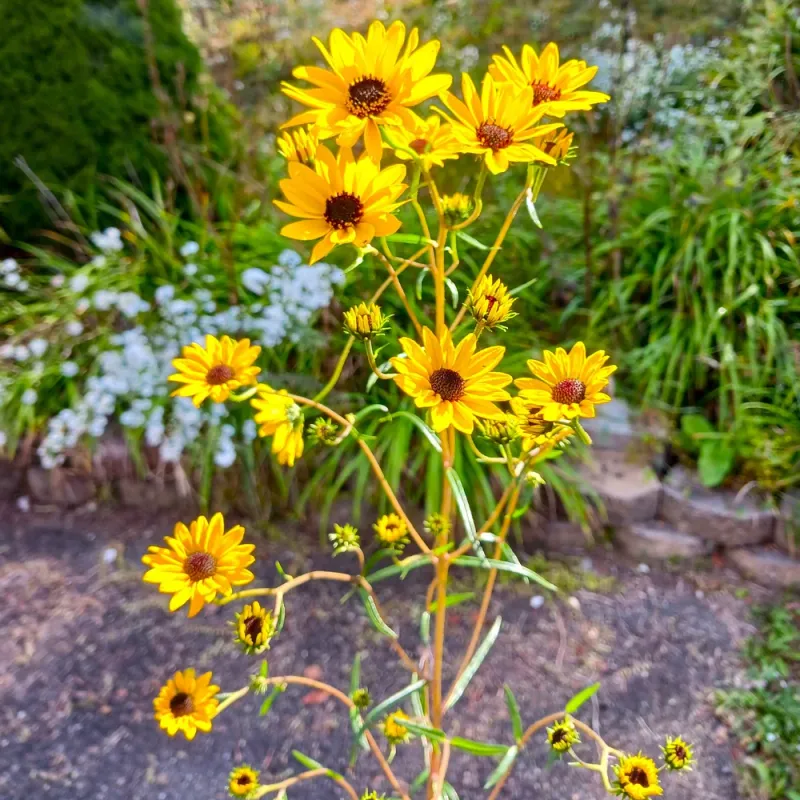
Swamp Sunflower earns its reputation as a fall powerhouse. By October, a single plant can be covered in dozens of small yellow flowers that look like miniature sunflowers.
The effect is bold, cheerful, and hard to miss from across the yard.
Helianthus angustifolius is native to the Southeast, so it already knows how to handle the region’s heat and occasional wet spells. It grows best in full sun but tolerates partial shade better than most sunflowers.
Moist soil suits it well, making it a good fit for low spots in the yard that stay damp after rain.
One thing to plan for is height. Swamp Sunflower can reach six to eight feet in a single season.
Placing it at the back of a border or along a fence line keeps it from overshadowing shorter plants. Staking may be needed in exposed spots where wind is a factor.
It spreads by underground rhizomes, so it can form a colony over time. Dividing clumps every few years keeps growth in check and gives you new plants to move around or share.
Butterflies, bees, and goldfinches all visit the blooms and seeds. For gardeners wanting a tall, native, low-maintenance option that delivers serious fall color in Georgia, Swamp Sunflower is worth every square foot of garden space it takes up.
6. Blanket Flower Thrives Through Heat And Dry Conditions
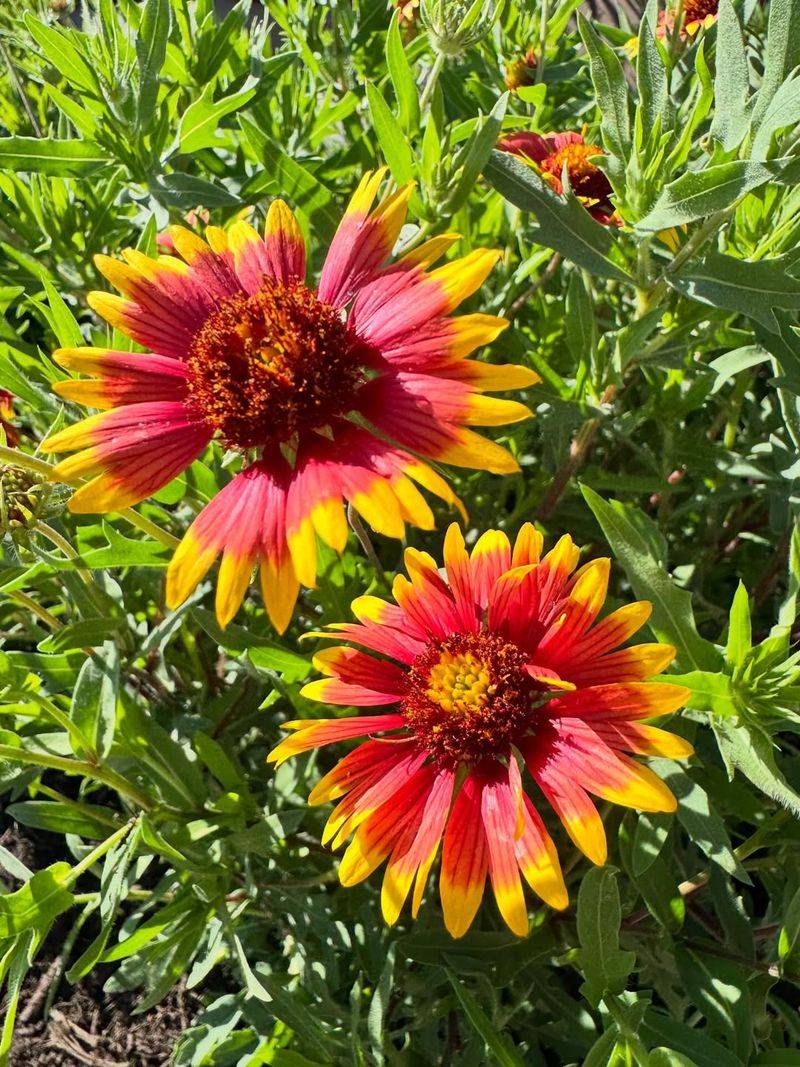
Bold red and yellow petals make Blanket Flower one of the most eye-catching plants in a summer-to-fall garden. It looks like something painted by hand, with warm tones that seem to glow in afternoon sun.
Few flowers hold up as well in heat and dry conditions.
Gaillardia x grandiflora is the most widely grown hybrid type, available in both annual and perennial forms. Perennial varieties take a season to establish but return reliably in subsequent years.
Annual types bloom heavily their first season, making them a good quick-fill option for bare spots.
Sandy or loamy, well-drained soil suits Blanket Flower best. Heavy clay holds too much moisture and can lead to root problems over time.
Raised beds or amended soil with added grit or coarse sand improves drainage significantly in problem areas.
Deadheading regularly keeps new blooms coming through summer and into fall. Without it, the plant slows down and puts energy into seed production instead of flowering.
Leaving a few spent heads toward the end of fall lets seeds drop and potentially sprout nearby next season. Full sun is a firm requirement since shaded plants tend to stretch and flop.
Blanket Flower is a strong performer in hot Southern gardens where many other flowering perennials struggle to keep up. Its compact size, roughly twelve to eighteen inches tall, makes it easy to fit into almost any planting design.
7. Blue Mistflower Brings Fresh Color As Summer Fades
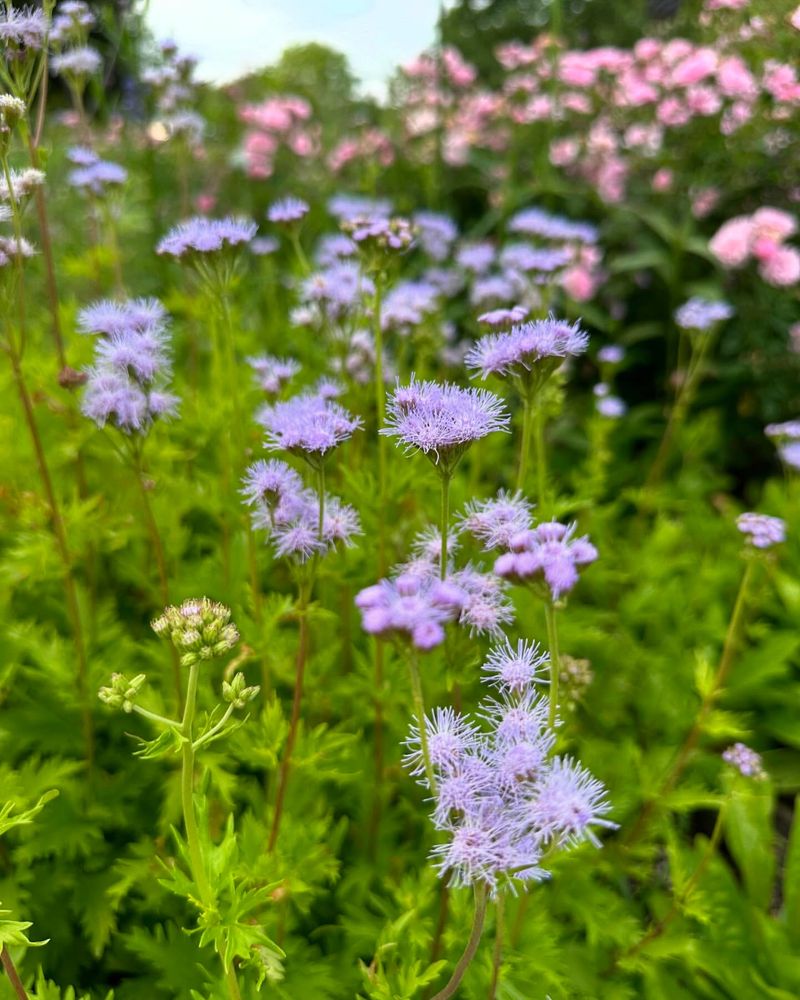
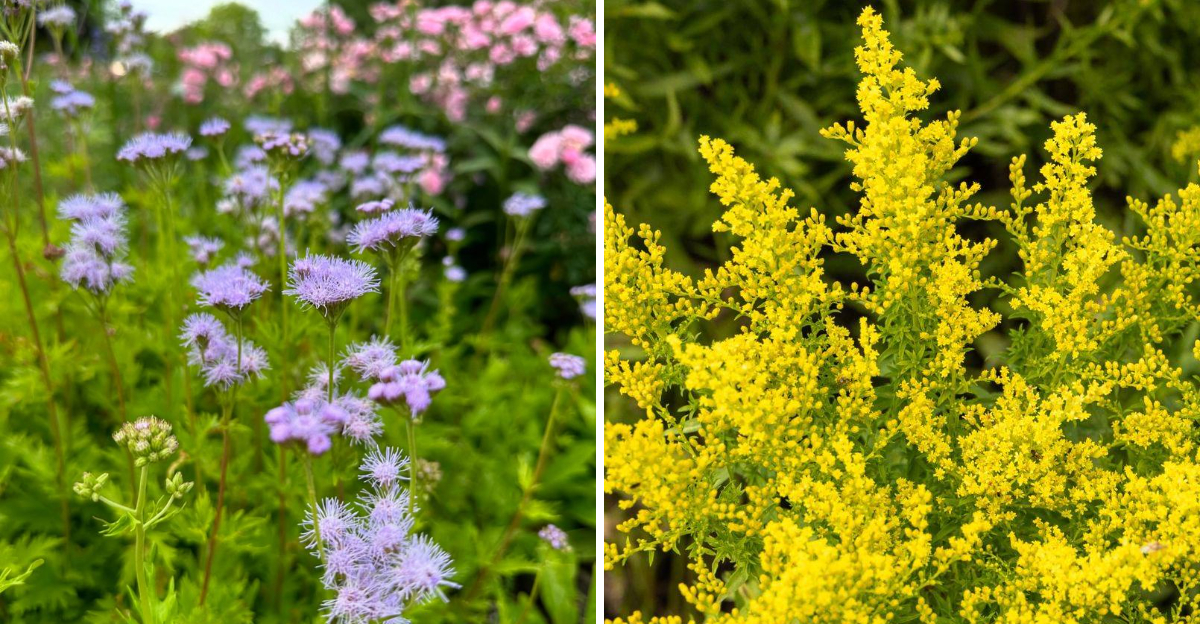
Just when the garden starts looking tired in late summer, Blue Mistflower shows up with soft blue-purple clusters that feel genuinely refreshing.
It is one of very few plants that blooms in true blue tones during fall, which makes it stand out in any planting scheme. Butterflies absolutely swarm it when it opens.
Conoclinium coelestinum is native to the Eastern and Southern United States, including much of the Southeast.
It prefers moist, partially shaded spots, which makes it a natural fit under trees or along shaded borders where other flowering plants often struggle.
Full sun works too, but consistent moisture becomes more important in those conditions.
Plants spread by underground runners and can form a wide patch over several seasons. That spreading habit fills in gaps nicely but requires occasional editing if space is limited.
Pulling or dividing excess growth in spring keeps things manageable without much effort.
Height typically reaches two to three feet, and the fuzzy flower clusters appear from late summer through October in most years. Pairing it with yellow or orange fall bloomers like Swamp Sunflower or Black Eyed Susan creates a striking color contrast.
In Georgia, it often naturalizes along stream banks and woodland edges, but it adapts well to cultivated garden beds with the right conditions. Minimal care is needed beyond occasional thinning and watering during dry spells.
8. Aromatic Aster Opens Just As Many Summer Flowers Slow Down
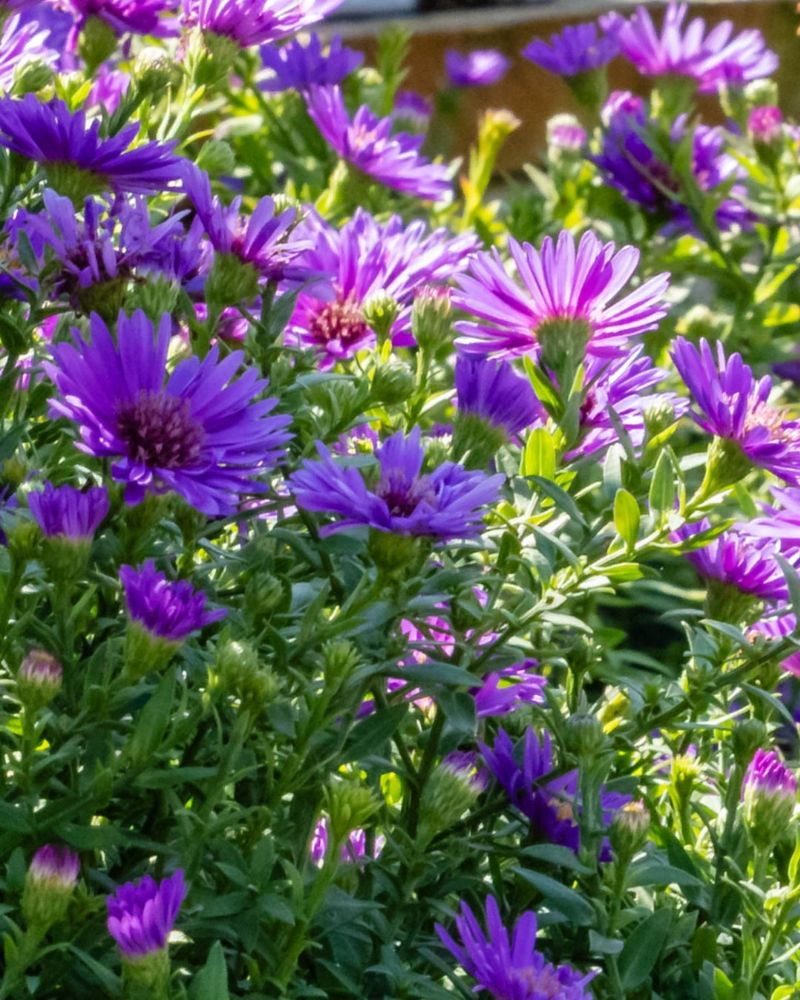
Timing is everything in a fall garden, and Aromatic Aster has it figured out. It holds back all season and then explodes with small lavender-purple flowers right when most summer bloomers are wrapping up.
That perfectly timed bloom makes it one of the most valuable plants for keeping color going through October.
Symphyotrichum oblongifolium is the botanical name, and it is native to North America. It handles drought, heat, and poor soil better than most asters.
Once established, it needs very little supplemental watering, which is a real advantage during hot late summers.
The foliage is fragrant when brushed or crushed, giving the plant an extra sensory quality beyond just the flowers. Bees and butterflies flock to it in fall, making it an important late-season food source for pollinators preparing for colder months.
Goldfinches sometimes visit the seed heads after blooming wraps up.
Plants grow roughly two to three feet tall and wide, forming a rounded mound of bloom by peak season. Cutting stems back by about half in early summer encourages a fuller, more compact shape and more flowers overall.
Without that trim, plants can get leggy. Full sun produces the best flowering results.
In a Southern fall garden, few native plants deliver this combination of drought tolerance, pollinator value, and pure visual impact at the exact right moment in the season.
9. Goldenrod Brightens Beds While Supporting Late Season Pollinators
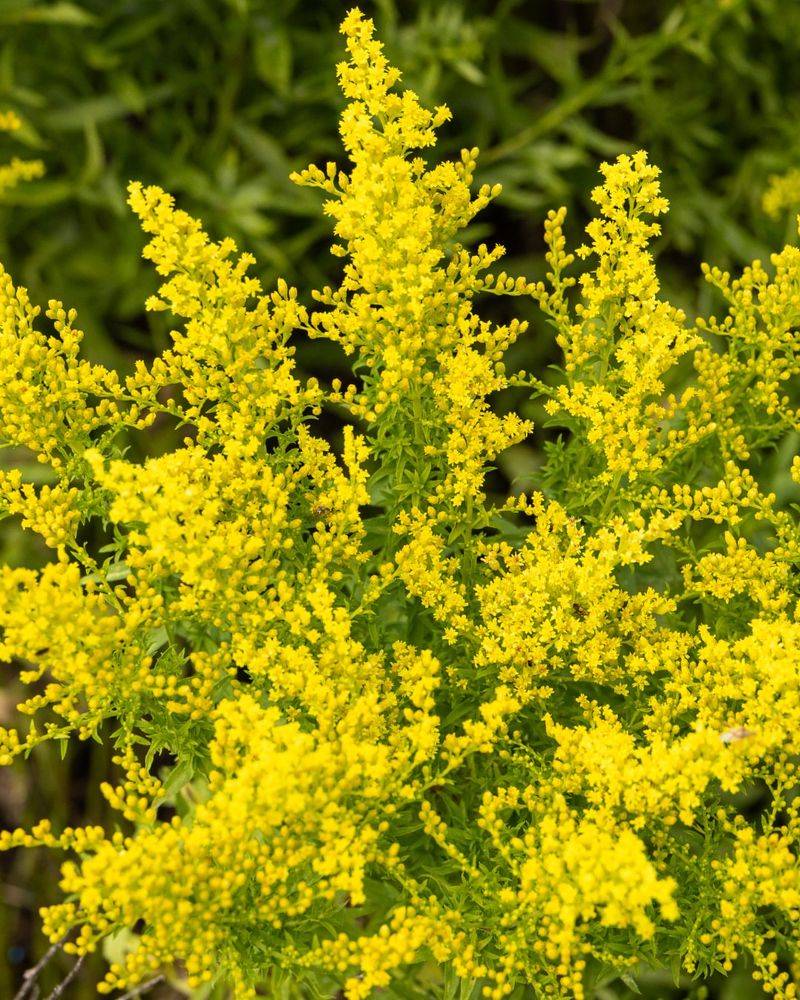
Goldenrod gets blamed for fall allergies far more than it deserves. The real culprit is usually ragweed, which blooms at the same time but releases airborne pollen.
Goldenrod pollen is heavy and sticky, carried mostly by insects rather than wind, so it rarely bothers allergy sufferers the way people assume.
Solidago species are native across much of North America, and several grow naturally throughout the Southeast. They thrive in full sun with average to poor soil, and established plants handle dry spells without complaint.
Rich, heavily fertilized soil tends to produce floppy, overgrown plants with fewer flowers, so less is more when it comes to soil amendments.
Bright yellow plumes arch gracefully above the foliage from late summer into October. The flowers attract an impressive variety of bees, wasps, beetles, and butterflies.
Few native plants support as many different pollinator species during a single bloom period.
Height varies by species, ranging from about two feet for compact varieties up to five or six feet for taller types.
Choosing a compact cultivar like Solidago rugosa ‘Fireworks’ or Solidago sphacelata ‘Golden Fleece’ keeps the plant manageable in smaller garden beds.
Cutting back after bloom prevents excessive self-seeding if that is a concern.
In Georgia, Goldenrod pairs beautifully with purple asters and native grasses for a classic fall combination that looks natural, polished, and genuinely inviting to wildlife.