Why Fire Ant Mounds Keep Reappearing In Georgia Yards After Heavy Rain
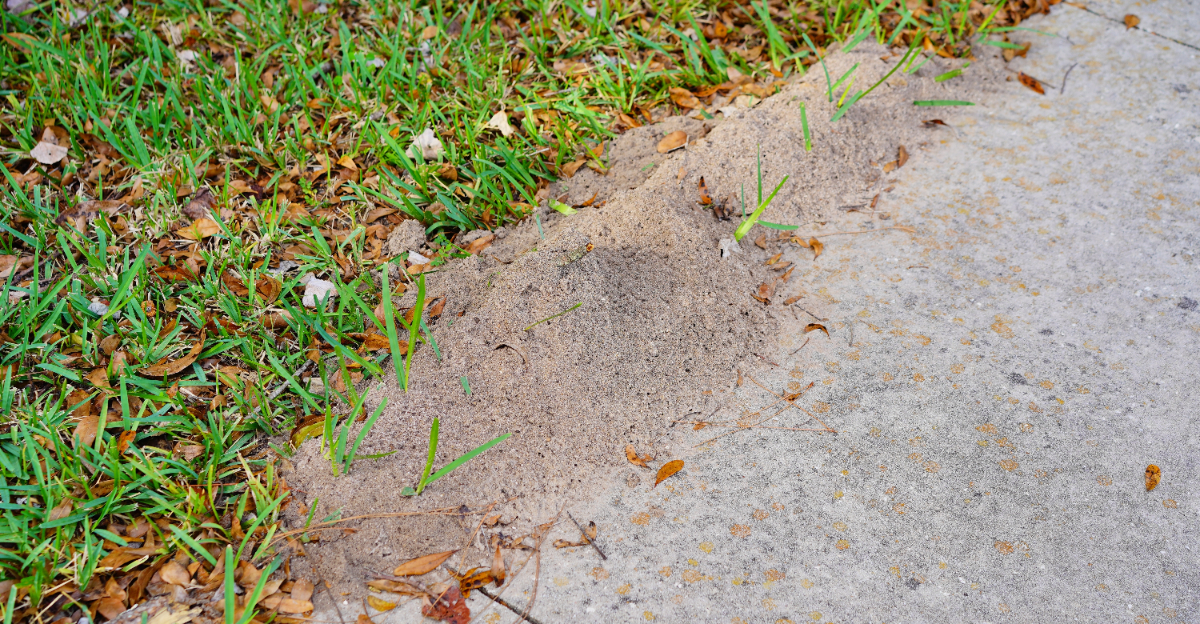
Heavy rain may seem like it should wash fire ant mounds away. Instead, many Georgia homeowners notice fresh mounds appearing soon after the ground begins drying again.
That pattern is not a coincidence. Fire ants respond quickly when changing soil conditions affect their existing colonies.
Ignoring new mounds rarely makes the situation better. Knowing why they return helps you decide the best time to take action.
A quick walk around your yard after the rain can reveal more than you expect. Early signs are often easier to spot than fully established mounds.
Do not assume the problem disappeared just because the weather changed. Fire ants are remarkably good at adapting to wet conditions.
Understanding what happens after heavy rain can help you stay one step ahead before new mounds become much harder to manage.
1. Heavy Rain Forces Colonies To Higher Ground
Rain does not wash fire ants away. When water starts flooding the ground, colonies move fast and with purpose.
Fire ant workers link their bodies together to form living rafts. These floating clusters can survive on the water’s surface until they reach dry land.
Once they find solid ground, they anchor and start rebuilding almost right away.
Heavy rain signals danger inside the nest. Workers grab eggs, larvae, and the queen, then push upward through the soil before tunnels fill with water.
Speed matters. Colonies that react slowly lose brood and struggle to recover.
In Georgia, summer storms can drop several inches of rain in a short window. Low-lying yards flood quickly, giving colonies very little time before water enters.
Mounds that appear in new spots right after a storm are often colonies that relocated from a flooded section of the yard.
Elevated areas become prime real estate for fire ants post-storm. Raised garden beds, lawn edges near pavement, and sloped terrain tend to attract new mound placement.
If you notice mounds popping up near walkways or patios after rain, flooding likely pushed that colony from somewhere nearby. Watching where mounds appear can reveal drainage patterns in your yard that you might not have noticed before.
2. Saturated Soil Floods Underground Tunnels
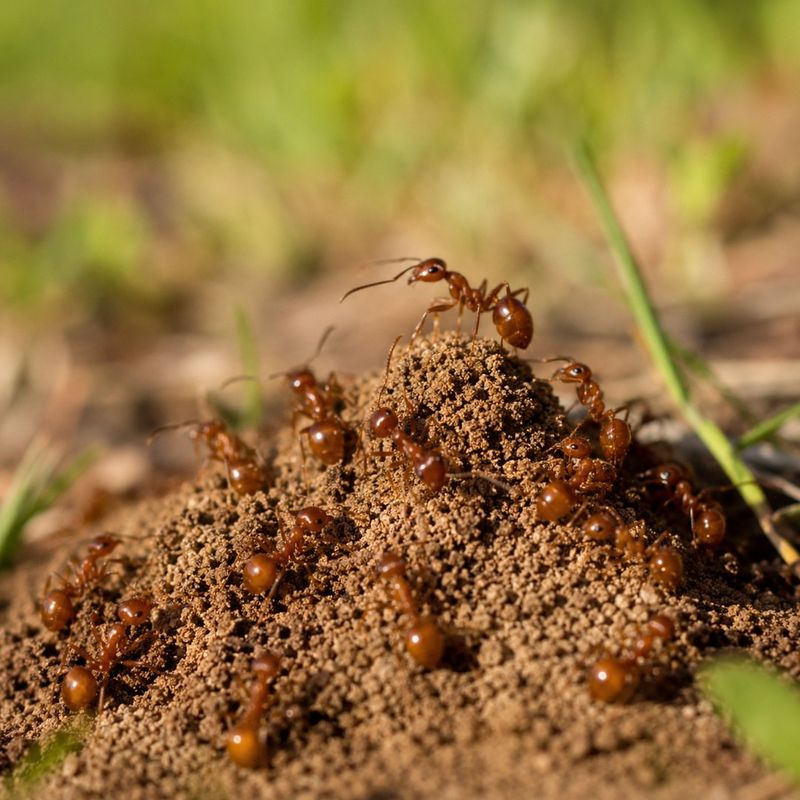
Fire ant colonies build deep, complex tunnel systems beneath your yard. Some extend more than three feet underground under the right conditions.
When rain saturates the soil, those tunnels fill with water fast. Brood chambers flood first since they sit near the lower sections of the nest.
Workers rush to move eggs and larvae upward before water reaches them. The whole process happens within minutes of heavy rainfall beginning.
Saturated soil also collapses tunnel walls. Loose, wet earth cannot hold structure the way dry or slightly moist soil can.
Collapsed sections force ants to carve new paths, which often means pushing fresh soil to the surface. That fresh soil pile is what you see as a new or rebuilt mound.
Soil type plays a big role here. Sandy soils drain faster and give tunnels more stability during rain.
Clay-heavy soils hold water longer and collapse more easily, making flooding worse for colonies living in those areas. Many Georgia yards sit on clay-rich soil, which can make flooding more severe and tunnel collapse more common after storms.
Your Georgia Garden Changes Every Week. Your Plan Should Too.
Gardening in Georgia changes quickly throughout the season. Every Friday you’ll receive a simple weekly plan showing exactly what to plant, prune, fertilize, harvest, and protect so you never miss the right timing.
After the water drains, ants immediately assess the damage. Repair begins within hours.
Workers clear debris, rebuild chambers, and reopen blocked tunnels. The mound you see the next morning reflects how much reconstruction happened overnight while you were asleep.
3. Hidden Colonies Build New Mounds Nearby
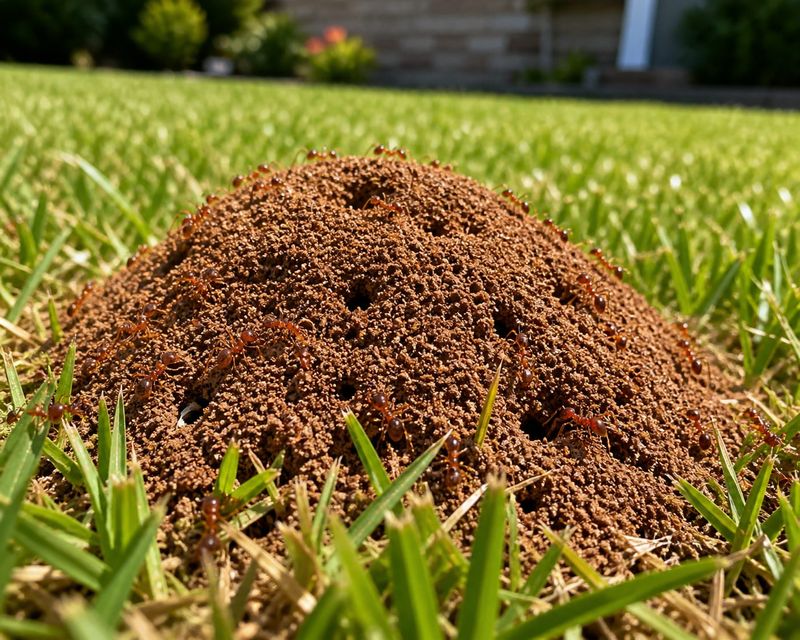
Not every fire ant colony makes itself obvious. Some colonies live just below the surface for weeks without forming a visible mound above ground.
These hidden colonies stay low-profile when conditions are stable. Soil temperature, moisture levels, and foot traffic all influence whether ants push soil upward.
A quiet colony can exist in your yard for a long time before you ever notice it.
Rain changes everything for hidden colonies. Flooding forces them to act.
Workers push soil upward rapidly to escape rising water, and that sudden activity creates a mound that seemed to appear out of nowhere. Homeowners often think a new colony invaded overnight.
In reality, it was already there, just out of sight.
Yards with thick grass cover tend to hide colonies better than bare or sparse lawns. Dense turf gives ants shade, insulation, and protection from surface disturbances.
Mowing rarely disturbs a colony that sits deep enough below the surface.
Spotting hidden colonies before they surface takes some patience. Look for subtle soil disturbances, small dirt clusters near grass roots, or areas where grass seems slightly raised without a clear reason.
After a rain event, walk your yard slowly and look for fresh mounds in places you have not seen them before. Early detection makes managing the situation much more practical before a colony grows larger.
4. Worker Ants Quickly Rebuild After The Rain
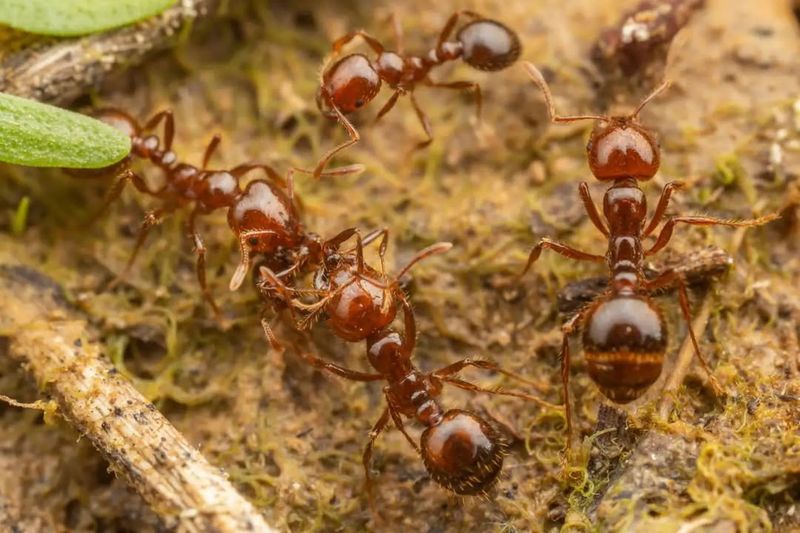
Fire ant workers are relentless rebuilders. Once rain stops and water drains, the work begins almost immediately.
A single colony can contain hundreds of thousands of workers. That number makes reconstruction happen at a pace that surprises most people.
What looks like a brand-new mound by morning may have been rebuilt entirely within just a few hours after the storm passed.
Workers operate in coordinated teams. Some clear flooded tunnels while others carry fresh soil upward.
Brood nurses focus on relocating eggs and larvae to dry chambers. The queen stays protected throughout.
Each ant has a role, and the colony functions like a well-organized crew working around the clock.
Moisture in the soil actually helps with rebuilding. Slightly damp soil is easier to move and pack than dry, hard ground.
Workers can shape chambers and tunnels more efficiently right after rain, which speeds up the entire process. That is one reason mounds appear so quickly after storms rather than days later.
Stomping or scattering a mound does not slow rebuilding much. Workers simply treat the disruption like another obstacle and adapt.
Unless the queen and brood are directly affected, the colony continues functioning and rebuilds from whatever remains.
5. Soft Soil Makes New Mounds Easier To Form
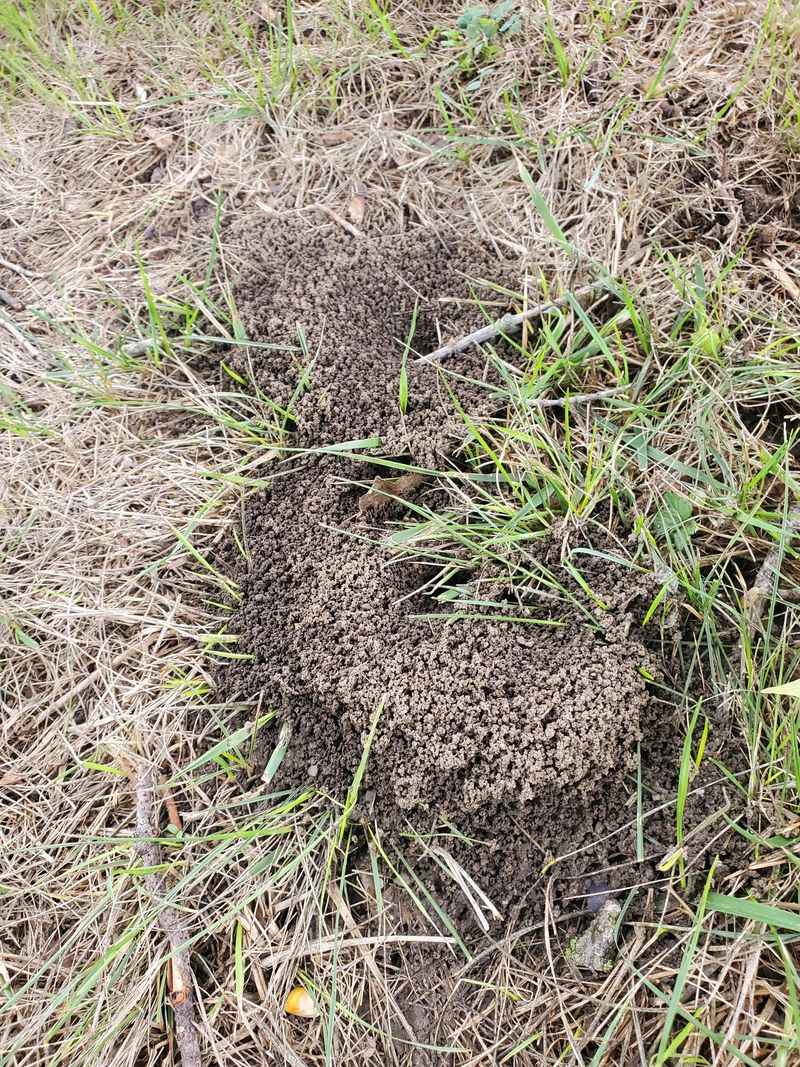
Wet soil is soft soil, and soft soil is exactly what fire ants prefer when building or relocating a mound. Rain creates near-perfect digging conditions.
Dry, compacted soil resists excavation. Workers have to spend more energy and time breaking through hard ground.
After rain softens the surface, ants move through it much faster. New mounds form in hours rather than days when soil conditions cooperate.
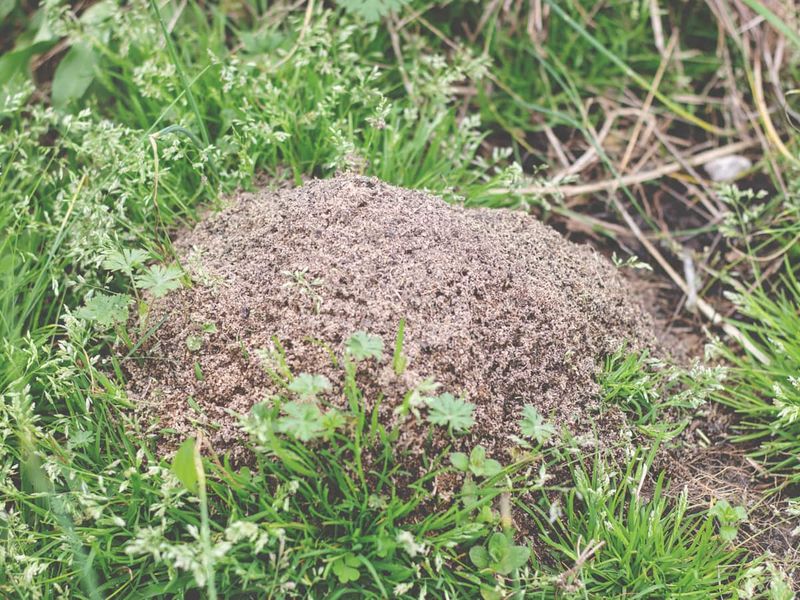
Fresh mounds built in soft post-rain soil tend to look loose and crumbly compared to older, more established ones. The soil has not been packed down yet, so the mound appears fluffy or uneven.
That texture is a sign the mound is newly formed, not one that has been sitting there for weeks.
Soil composition matters too. Loamy or mixed soils that hold some moisture without becoming completely waterlogged offer the best building conditions for fire ants.
Yards that drain well but retain a bit of moisture after rain are often the ones where mounds appear most frequently after storms.
Compacting soil in fire ant-prone areas can reduce how easily new mounds form, though it does not remove a colony. Heavily trafficked areas like driveways and walkway edges tend to see fewer mounds because the ground stays firmer.
6. One Yard Can Hold Several Colonies
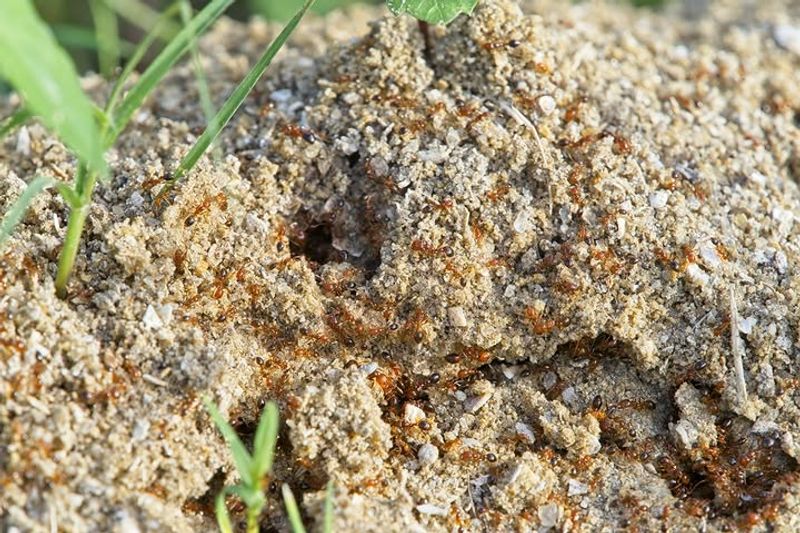
Finding one mound does not mean you have one colony. Georgia yards, especially those with established lawns, can host multiple separate colonies at the same time.
Fire ant colonies do not share territory cooperatively. Separate colonies compete for space and resources.
However, a large yard can support several colonies without much direct conflict if there is enough food and space to go around. Each colony builds its own tunnel system and defends its own mound independently.
After heavy rain, multiple colonies may surface at once. Flooding triggers mound-building activity across the whole yard simultaneously.
What looks like a sudden infestation may just be several existing colonies becoming visible at the same time after being forced upward by water.
Yards near wooded areas, weedy borders, or open fields tend to host more colonies than manicured, isolated lawns. Natural corridors give ant populations more ways to spread and establish new nests over time.
If your yard borders untreated land, re-invasion is common even after successful treatment.
Treating only the mounds you can see may leave other colonies untouched. A thorough yard inspection after rain can help identify all active mounds before they grow larger.
7. Disturbed Mounds Often Return In The Same Spot
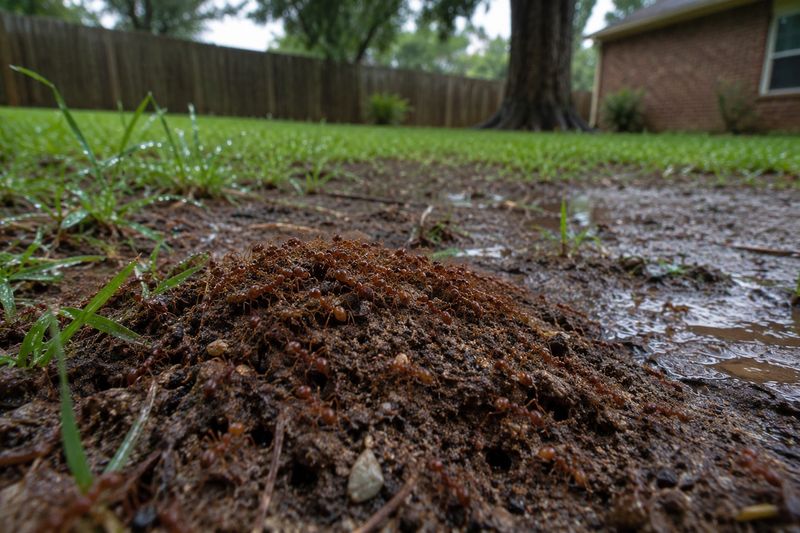
Flattening a mound feels satisfying, but that mound has a good chance of coming back in the exact same spot within days.
Fire ants do not abandon a location just because the surface was disturbed. As long as the queen and core colony remain intact underground, workers rebuild above whatever spot they were using before.
The tunnel network below still exists, and ants simply push new soil upward to restore the mound structure they lost.
Rain after a disturbance speeds up that return. Soft post-rain soil makes it easier for workers to push material upward quickly.
A mound you flattened before the storm may look fully rebuilt by the time the yard dries out. Repeat disturbance without treating the colony underground rarely produces lasting results.
Some spots attract repeated mound placement for specific reasons. Warm soil near concrete, areas with consistent sun exposure, or zones with nearby food sources all make certain locations more attractive to colonies.
Ants are not returning out of stubbornness. They are returning because the location still offers conditions that work for them.
Addressing the colony below the surface is what changes the outcome. Broadcast baits applied across the lawn target foraging workers and can reach the queen over time.
Mound treatments work faster but require direct contact to be effective.