Georgia Native Plants That Slow Runoff On Sloped Yards During Heavy Weekend Downpours
Saturday afternoon, the sky opens over a Gwinnett County backyard, and within ten minutes a brown ribbon of water is already carving down the slope behind the deck.
Mulch floats into the driveway. Fresh grass seed rides straight into the storm drain without much resistance.
By Sunday morning, a new gully cuts across the hillside, and a fresh layer of silt sits on the flower bed waiting at the bottom.
Reseeding that same bare patch every spring gets old fast, and most Georgia homeowners eventually start looking for something that actually works instead of something to redo annually.
The fix is not some magic barrier that stops water cold. Nothing does that during a real downpour, and anyone promising otherwise is selling something.
What actually works is slower, quieter, and already growing wild across the state.
Eight Georgia natives can go to work on a hillside starting this season, each one suited to a very specific spot on the slope, from the driest crest to the soggiest bottom edge.
Here is where each one belongs, and why.
1. Switchgrass Anchors Slopes With Deep Roots
Rain slams a bare Georgia hillside, and the water takes off before the soil gets a single sip. Switchgrass changes that math entirely.
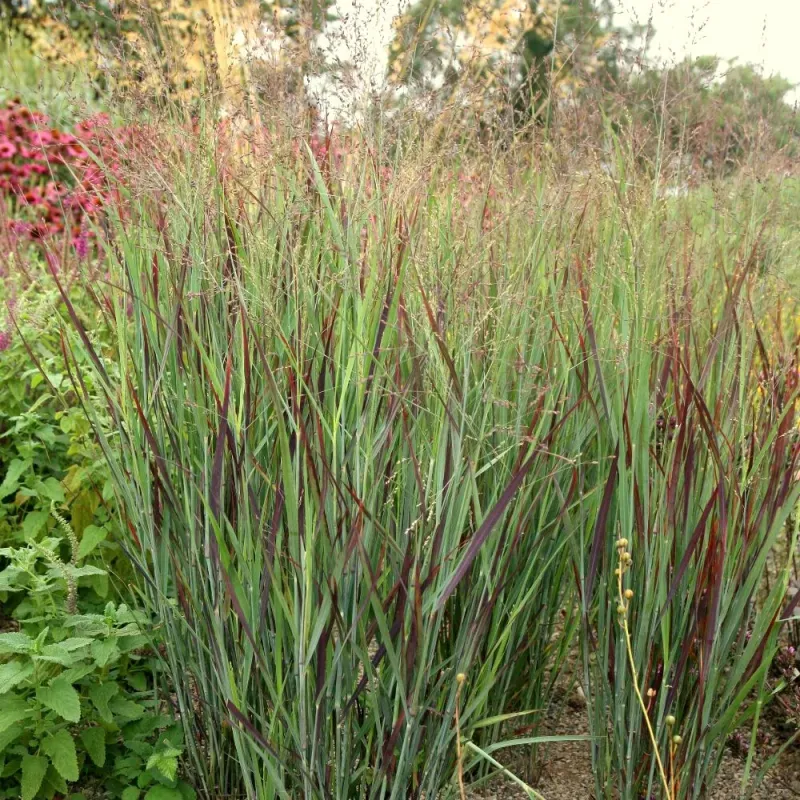
Its roots can push down several feet, weaving a fibrous net that grips clay and sandy loam alike.
Panicum virgatum grows in full sun and tolerates poor, compacted ground, which describes most builder-graded slopes around Atlanta and Macon perfectly.
Stems reach four to six feet and stay upright through winter storms instead of flopping. Those standing clumps act like small speed bumps, breaking a sheet of water into slower trickles that soak in.
Set plants two to three feet apart so clumps knit together within two seasons. Bare gaps between grasses become channels, and channels turn into gullies fast.
Mulch the open soil with pine straw while the grass fills in. Pine straw knits together on a grade far better than shredded bark, which floats off in the first weekend gully washer.
Look for cultivars such as Shenandoah or Northwind for tidier, more upright clumps.
Cut old stems back in late February, before new growth appears. Leave them standing all winter, since dried clumps still slow water and shelter sparrows.
Switchgrass will not defeat a downpour outright. It slows the water, spreads it out, and buys time for infiltration, which is the honest goal on any slope.
2. Little Bluestem Handles The Driest Ground
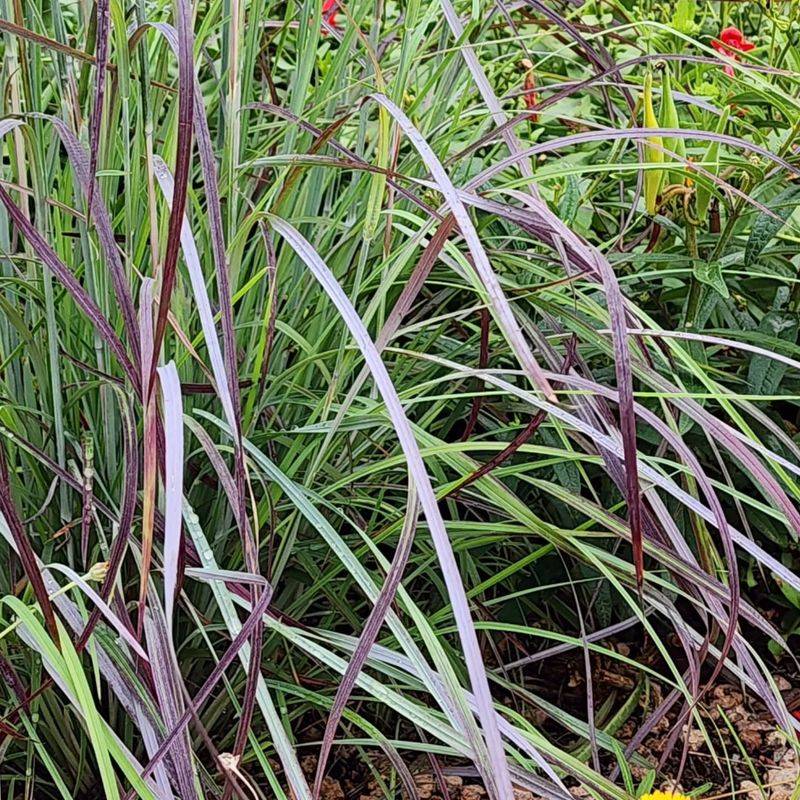
Skip the compost on this one. Little bluestem earns its keep in thin, gritty, sun-baked soil at the top of a slope, where water sheets off in seconds.
Schizachyrium scoparium sends roots down five feet or more in loose ground.
Above the surface it stays modest, roughly two to three feet tall, with blue-green stems that turn copper and cinnamon after the first cool nights.
Rich soil is its one real weakness. Fertilize it, or tuck it into a soggy pocket, and the clumps flop open like a busted umbrella.
Your Georgia Garden Changes Every Week. Your Plan Should Too.
Gardening in Georgia changes quickly throughout the season. Every Friday you’ll receive a simple weekly plan showing exactly what to plant, prune, fertilize, harvest, and protect so you never miss the right timing.
UGA Extension advice lines up here directly. Drought tolerant plants belong up high, moisture lovers belong down low.
Plant plugs eighteen to twenty-four inches apart in spring. Water weekly the first summer, then mostly leave it alone.
Established clumps handle August heat without a hose. Cut them back in late winter to a few inches above the crown.
Pair it with pine straw between plants for the first two years while roots establish.
Skipper butterflies lay eggs on the foliage, and sparrows work the seed heads all winter. Slower runoff plus a wildlife bonus, from a grass that asks for almost nothing.
3. River Oats Spread Fast In Shady Spots
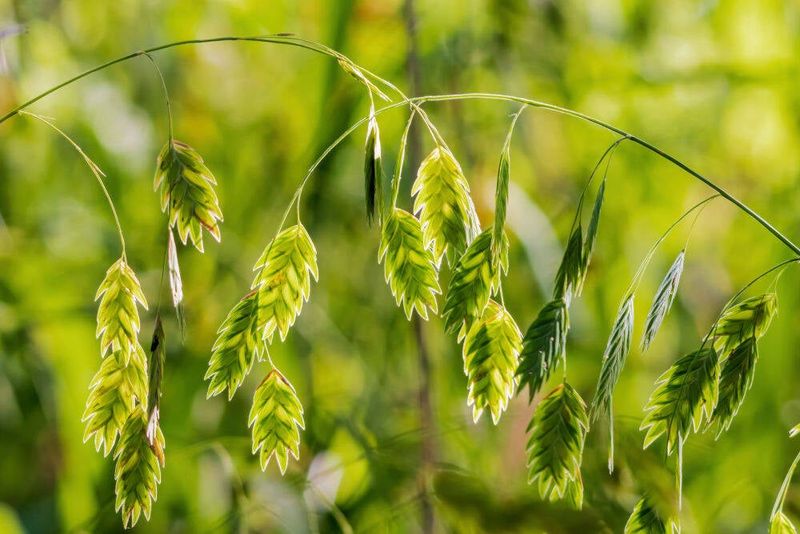
Under a stand of white oaks, most sun-loving grasses sulk. River oats do the opposite.
Chasmanthium latifolium thrives in dappled shade and holds bank soil where turf refuses to grow.
Dangling seed heads look like flattened green oats hanging from arching stems, rattling in a breeze. Plants reach two to four feet and spread two ways, by short rhizomes and by seed. Lots of seed.
On a large wooded slope, that enthusiasm becomes a feature. Seedlings fill bare pockets, and the surface layer stops moving during heavy weekend rain. In a tidy twelve-foot bed, the same habit turns into a chore.
Clip seed heads in early fall for more control. Dried stems hold up beautifully in a vase.
Give plants twelve to eighteen inches of space and water through the first dry spell. Once settled, they handle root competition from mature trees better than almost any other native grass in Georgia. Deer mostly ignore them too.
Combine river oats with a two to three inch pine straw layer and, on steeper grades, a few flat stones set across the fall line.
Cut old growth to the ground in February. Fresh shoots appear by late March, and the shade layer rebuilds quickly.
4. Virginia Sweetspire Loves Consistently Damp Soil
Water always ends up at the bottom of the hill. Plant something down there that enjoys the company.
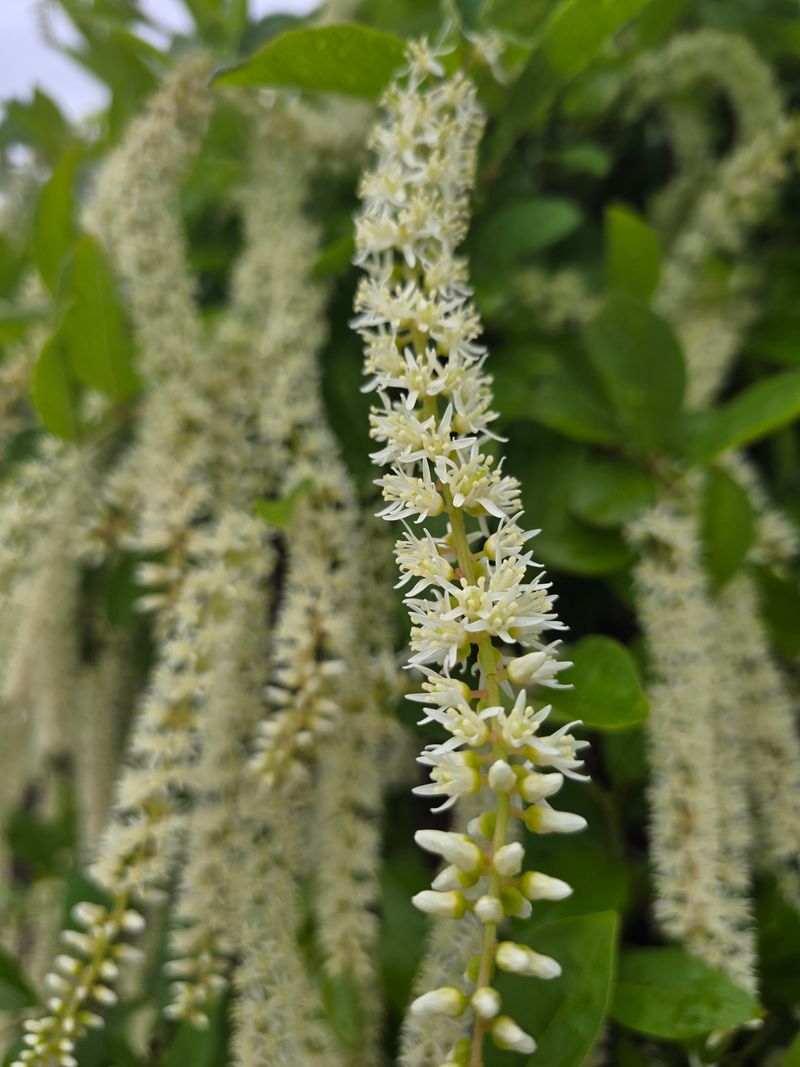
Virginia sweetspire, Itea virginica, shrugs off soggy ground that would rot most other shrubs.
Colonies form as the shrub suckers outward, which is precisely what a runoff catchment area needs. Stems and roots slow the last rush of water, drop out sediment, and let moisture percolate instead of racing toward the street.
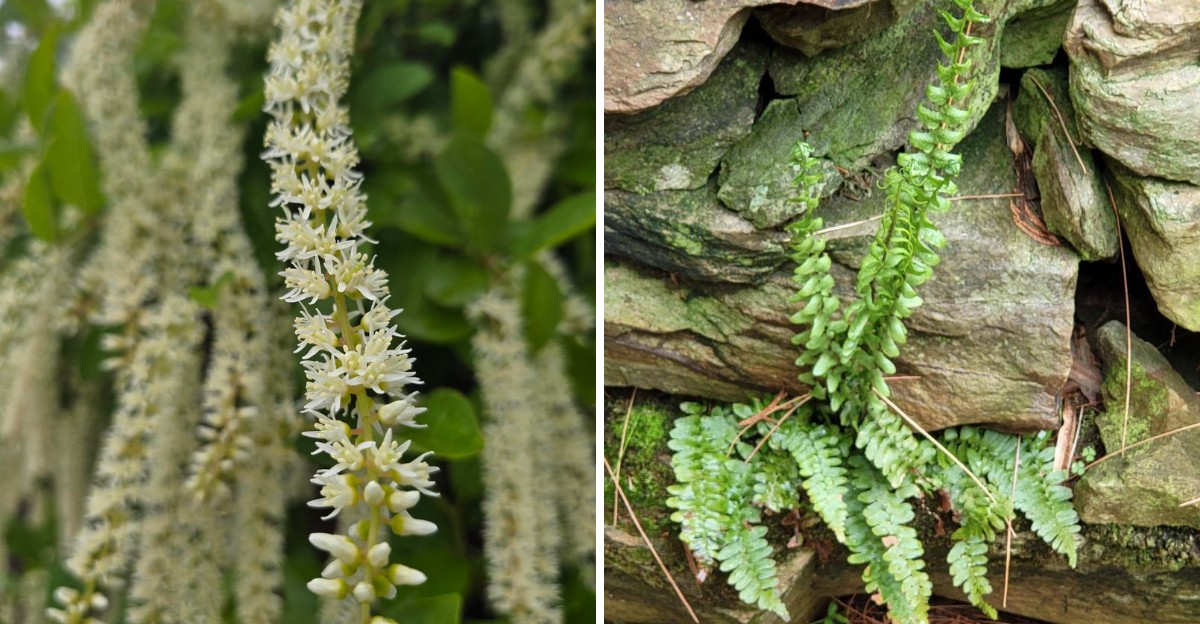
Late spring brings drooping white flower spikes with a light honey scent, and bees find them within days. Fall turns the leaves deep red and burgundy, often holding into December.
Henry’s Garnet is the cultivar most Georgia nurseries stock, reaching three to five feet tall and wider still.
Sun or shade both work, though flowering improves with more light. Rich, moist soil is ideal; a dry upper slope is not the place for it.
Set plants four feet apart along the toe of the slope, mulch with pine straw, and prune right after bloom if the colony wanders too far.
Pair it with cinnamon fern or soft rush for a layered base that keeps working after the storm clears.
A shrub thicket cannot fix drainage pouring from a downspout or a neighbor’s driveway. Redirect that water first. Sweetspire manages sheet flow, not a fire hose.
5. Wild Ginger Forms A Dense Ground Mat
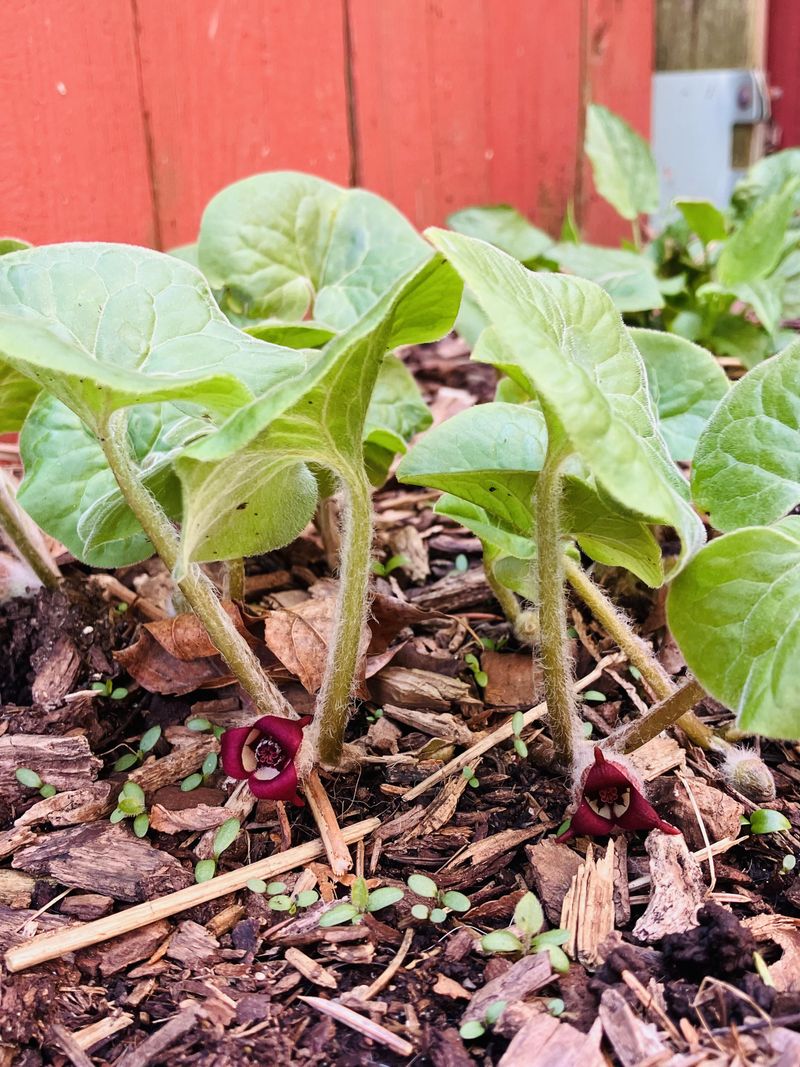
Peel back the leaf litter on a shady Georgia hillside in April, and a small, jug-shaped maroon flower might be sitting right on the ground. Wild ginger keeps its blooms at ant level.
Two kinds show up in local gardens. Asarum canadense drops its heart-shaped leaves in winter, while Hexastylis arifolia, the little brown jug native, stays evergreen with silver-mottled arrowhead leaves.
Both creep along the surface by rhizomes and knit into a dense mat four to eight inches tall. Raindrops strike leaves instead of bare dirt, and splash erosion drops sharply.
Wild ginger spreads at a walking-slow pace, so buy more plants than feel necessary and set them a foot apart. Full coverage takes three or four seasons.
Moist, humus-rich soil under hardwoods suits it best, and harsh afternoon sun scorches the foliage. Top-dress with shredded leaves each fall.
The roots carry a spicy smell, and early settlers used them as a seasoning substitute, though they are not the culinary ginger sold in stores. Leave the roots undisturbed.
Combine ginger with ferns and sedges rather than relying on it alone. Layers outperform any single groundcover on a shaded grade.
6. Christmas Fern Holds Soil Through Winter
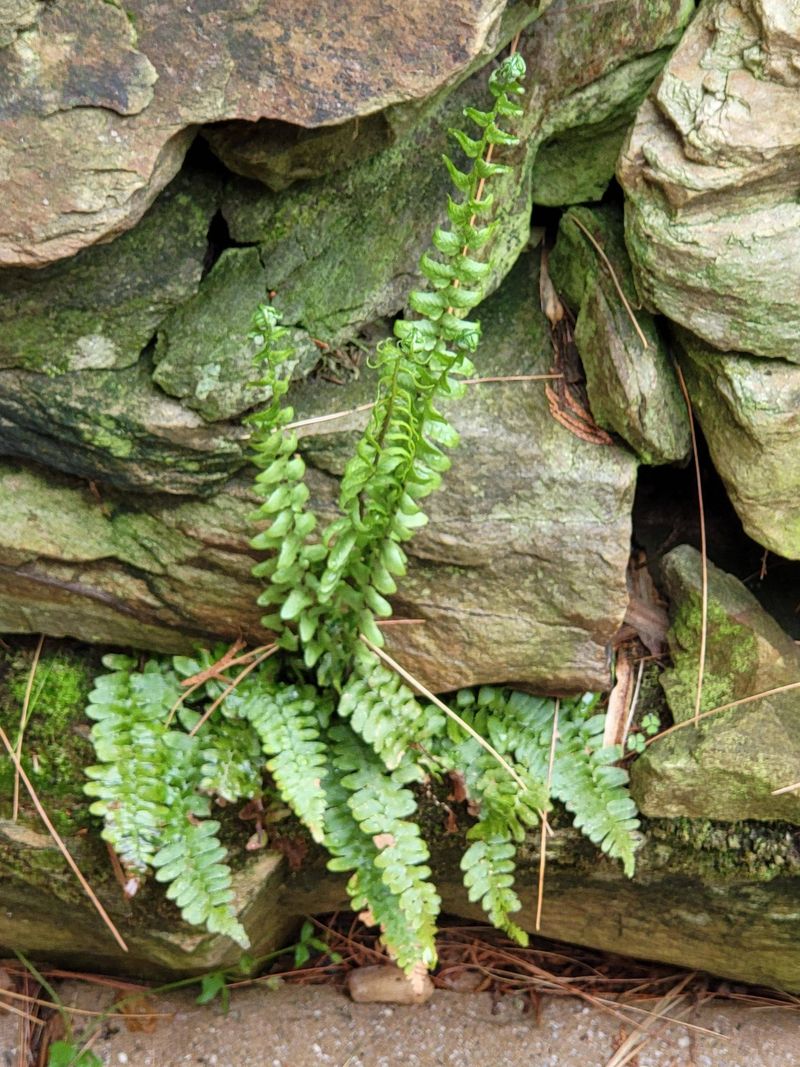
December is when most groundcovers quit. Christmas fern does not.
Polystichum acrostichoides keeps green fronds all winter in Georgia, which matters because our heaviest soil-moving rains often arrive between November and March.
Each leaflet carries a tiny lobe at its base, shaped a bit like a Christmas stocking. Colonial families cut the fronds for holiday decorating, and the name stuck.
Older fronds lie flat against the slope, pinning fallen leaves to the soil surface. That trapped litter forms a sponge layer that absorbs raindrop impact and holds moisture.
Clumps reach one to two feet and prefer shade to part shade with well-drained, humus-rich soil. Steep wooded banks under oaks and hickories are their natural home in north Georgia.
Space crowns eighteen to twenty-four inches apart, plant in fall or early spring, and keep the crown level with the soil rather than buried. Snip brown fronds in late winter before fiddleheads unfurl.
Deer browse it lightly and rabbits mostly pass it by.
Mix Christmas fern with wild ginger and river oats for three root depths at once: shallow mats, medium fibrous roots, and spreading rhizomes. Layered plantings intercept far more water than a single species ever will.
7. Muhly Grass Adds Late Season Color On Slopes
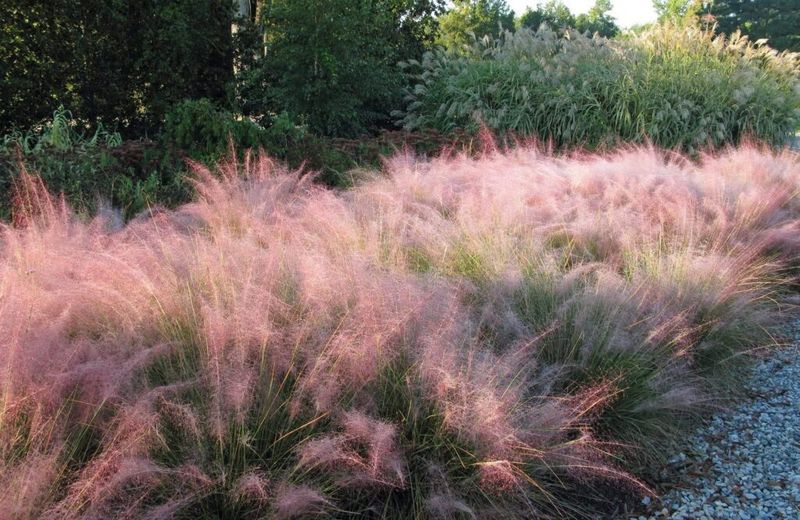
Late October, and a row of muhly grass along a sunny bank looks like pink smoke caught in the light. Muhlenbergia capillaris earns garden space on looks alone, then quietly handles slope duty on the side.
Clumps grow about three feet tall and equally wide, with fine wiry leaves above a dense crown of fibrous roots. Individual plants stay put rather than running.
Drainage decides success. Muhly grass wants full sun and soil that dries between rains, which places it on the upper and middle third of a slope, never the wet toe.
Heavy clay works if you plant on a slight mound and shut off irrigation once roots take hold. Overwatering causes floppy centers and root rot far faster than drought ever will.
Set plants two to three feet apart. Staggered rows running across the slope, rather than straight lines pointed downhill, catch water more effectively.
The pink haze is actually thousands of tiny flowers, fading to soft tan by December. Leave clumps standing until late February, then shear them to six inches.
Coastal Georgia gardeners get a bonus: this grass tolerates salt spray and sandy soil, which is why it turns up in dune plantings from Tybee to Jekyll.
8. Purple Coneflower Rounds Out A Sunny Slope
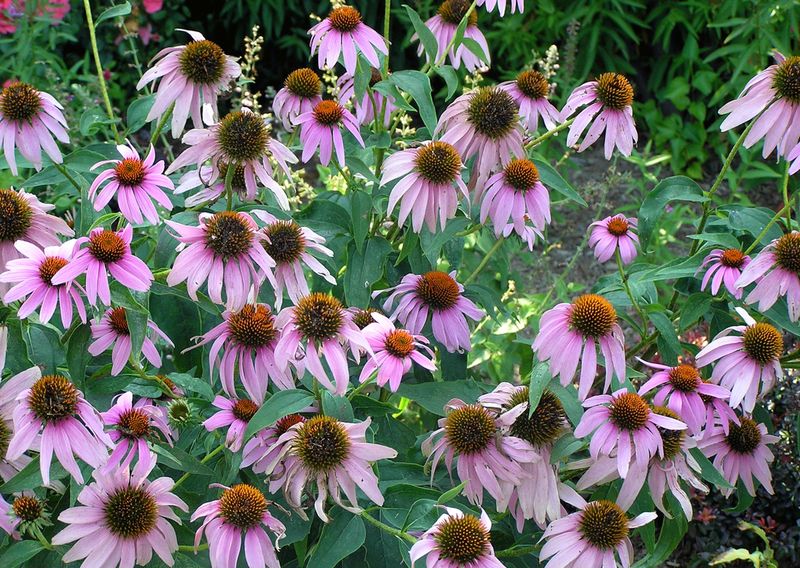
UGA Extension points to native wildflowers as a sunny slope solution for good reason. They settle in fast, ask for little, and add color to ground that used to wash away.
Echinacea purpurea anchors itself with a stout taproot plus branching side roots, a combination that reaches moisture other perennials miss. Plants stand two to four feet tall and bloom from June into September.
Sun is non-negotiable. Six hours minimum, well-drained soil, no heavy fertilizer. Coddled coneflowers grow leggy and lean sideways.
Sow seed or set one-gallon pots eighteen inches apart, mixed among switchgrass, little bluestem, and muhly grass. Blended plantings root at different depths and hold soil better than a single-species sweep.
Trim a few stems in midsummer for a second flush of flowers. Leave the remaining seed heads through fall. Goldfinches cling to them upside down all winter, and volunteer seedlings patch thin spots for free.
Plants alone are only part of the answer. Steep grades often need terracing, a swale, or rock set across the fall line, plus pine straw that stays put while roots develop.
Match drought tolerant species to the dry top, moisture lovers to the damp bottom, and expect two full seasons before a hillside truly holds.