The Most Underrated North Carolina Native Plant For Hot Curbside Strips That Bake By Afternoon
That thin ribbon of dirt between the sidewalk and the road looks harmless enough. In reality it’s one of the toughest microclimates in any North Carolina yard, baking under reflected heat with no shade and barely a drop of rain reaching the roots.
Compacted soil, road salt runoff, and foot traffic finish off whatever a hopeful homeowner tries to plant there. Petunias wilt within days. Even so-called tough groundcovers throw in the towel by midsummer.
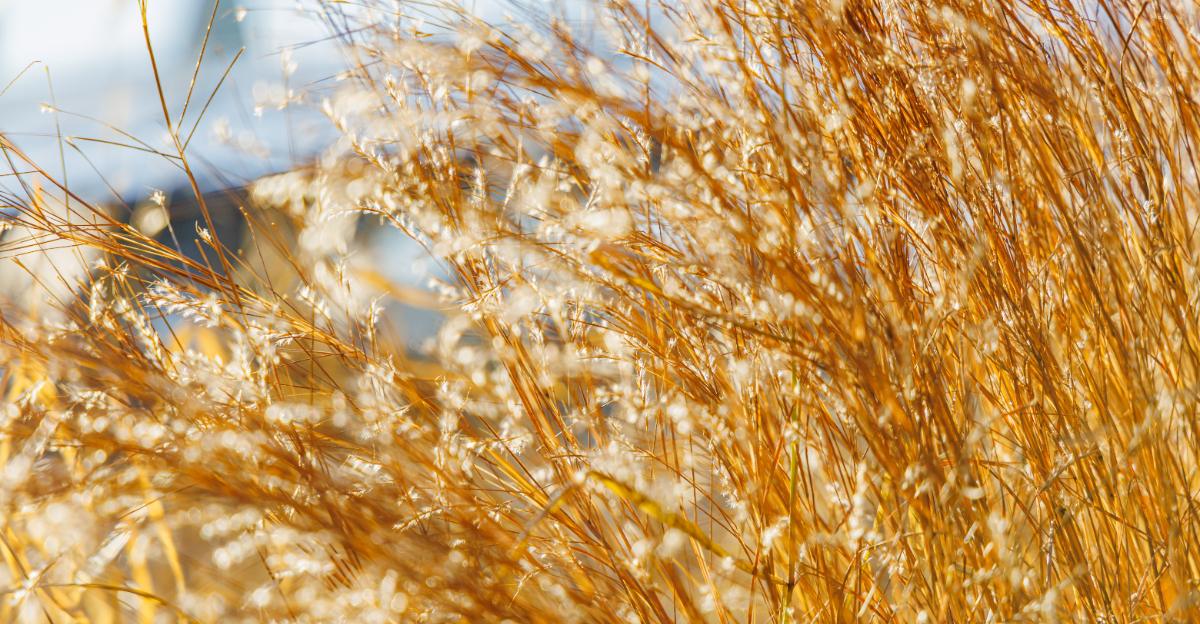
Yet drive through a few older North Carolina neighborhoods and you’ll spot the odd exception: a strip of grass that stays upright, coppery, and full through August heat that flattens everything around it.
Spot it a single time and your eye starts snagging on it everywhere else, on street after street, making you question every sad patch of dirt you’ve ever driven past.
This Native Grass Handles Reflected Heat And Poor Soil
Pavement radiates heat like a furnace in July. Little Bluestem laughs at that heat and keeps growing anyway.
Most ornamental grasses sold at garden centers are not built for reflected asphalt heat. They wilt, brown, and sulk by mid-August when temperatures peak.
Little Bluestem is different because it evolved across the open prairies of central and eastern North America. It spent thousands of years adapting to full sun, thin soil, and scorching summer days without complaint.
The secret weapon is its deep, fibrous root system. Those roots push down far below the compacted surface layer, finding moisture and nutrients that shallow-rooted plants simply cannot reach.
Poor soil rarely slows this grass down. Sandy soil, clay-heavy soil, or rocky ground all work fine because the plant does not demand rich conditions to perform well.
North Carolina gardeners who try to amend the soil before planting Little Bluestem are actually wasting their time. Overly fertile ground causes floppy, weak growth instead of the tight, upright clumps that make this grass so attractive.
Plant it lean, plant it dry, and let it do its thing. You will be rewarded with a grass that outperforms almost anything else available for this kind of demanding spot.
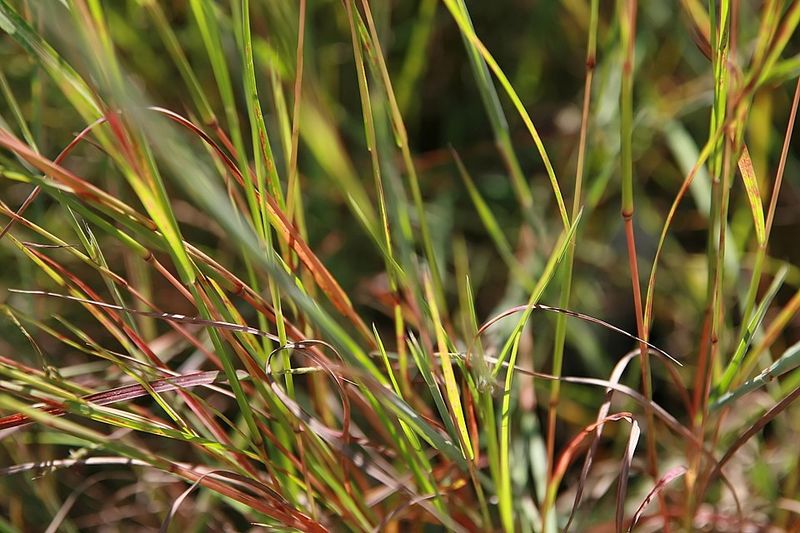
By midsummer, the blue-green blades stand upright and proud. No extra watering, no fertilizer, barely any fuss required.
Curbside Conditions Stress Roots With Drought And Compaction
Curbside strips are basically stress zones for plants. Foot traffic, parked cars, and road runoff chemicals all work against whatever grows there.
Soil compaction is the first thing working against it. When soil particles get pressed together tightly, roots cannot push through, water cannot drain, and oxygen levels drop to almost nothing.
Most flowering perennials give up fast under those conditions. Their roots hit the compressed layer and simply stop growing, leaving the plant stressed and stunted above ground.
Little Bluestem roots are wiry and persistent. They work through compacted layers slowly but steadily, finding cracks and pockets where other roots would quit entirely.
Your North Carolina Garden Changes Every Week. Your Plan Should Too.
Gardening in North Carolina changes quickly throughout the season. Every Friday you’ll receive a simple weekly plan showing exactly what to plant, prune, fertilize, harvest, and protect so you never miss the right timing.
Drought follows compaction as the second major stress. Curbside strips dry out faster than any other area in the yard because pavement draws moisture away from the soil rapidly.
A plant that cannot store water or access deep reserves will crisp up within days of a dry spell. Little Bluestem handles two to three weeks without rain without showing serious stress signs.
Road salt spray from winter maintenance is another threat most people forget about. Many ornamental grasses are salt-sensitive and suffer significant leaf burn after just one icy road treatment.
Little Bluestem shows solid salt tolerance compared to most alternatives. Its tough leaf structure resists chemical damage better, making it a smart pick for strips near busy roads.
Native Root Systems Anchor Plants Through Extreme Temperature Swings
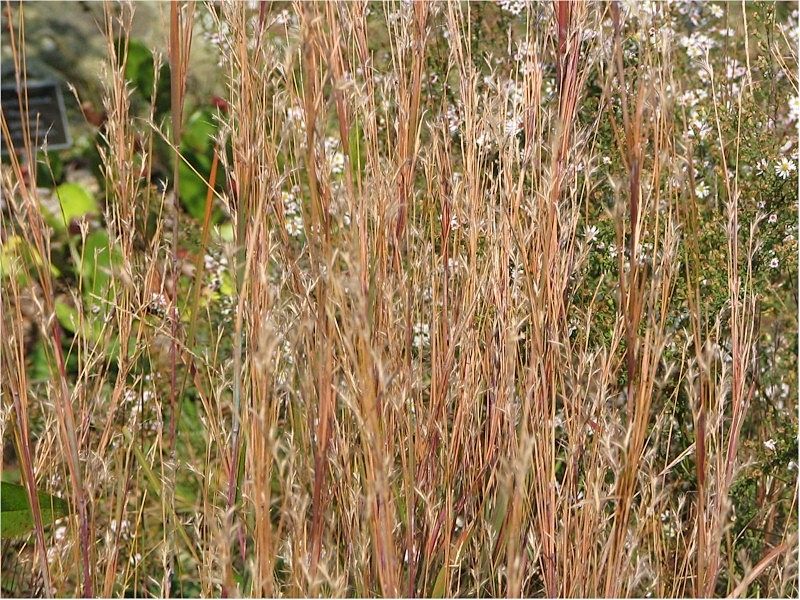
Temperature swings in curbside strips are extreme and fast. Asphalt surfaces can hit 150 degrees Fahrenheit on a summer afternoon and drop 60 degrees after a thunderstorm.
Most plant roots are not built to handle that kind of thermal shock repeatedly. Cell damage accumulates, nutrient uptake slows, and the plant gradually declines over a season or two.
Little Bluestem roots go deep enough to escape the worst of that surface temperature chaos. The lower soil layers stay far more stable in temperature, giving the roots a safe zone to work from.
Prairie grasses evolved with freeze-thaw cycles and brutal summer heat as normal conditions. That evolutionary history gives them a physiological edge that cultivated ornamentals simply do not have.
During a late frost in spring, shallow-rooted plants get heaved out of the ground as soil expands. Little Bluestem stays anchored because its roots extend well beyond the frost-affected zone.
Summer heat waves that leave annuals and weaker perennials wilted and spent do not rattle this grass at all. The deep roots keep pulling moisture while surface soil turns to powder around competing plants.
This anchoring ability also means the grass resists erosion during heavy rains. Curbside strips often flood briefly during storms, and the root mass holds soil in place during those events.
Strong roots are the foundation of everything good about this plant. That underground toughness is exactly why it holds up on North Carolina curbsides where so many other choices fail.
Low Maintenance Growth Suits Narrow Difficult Planting Areas
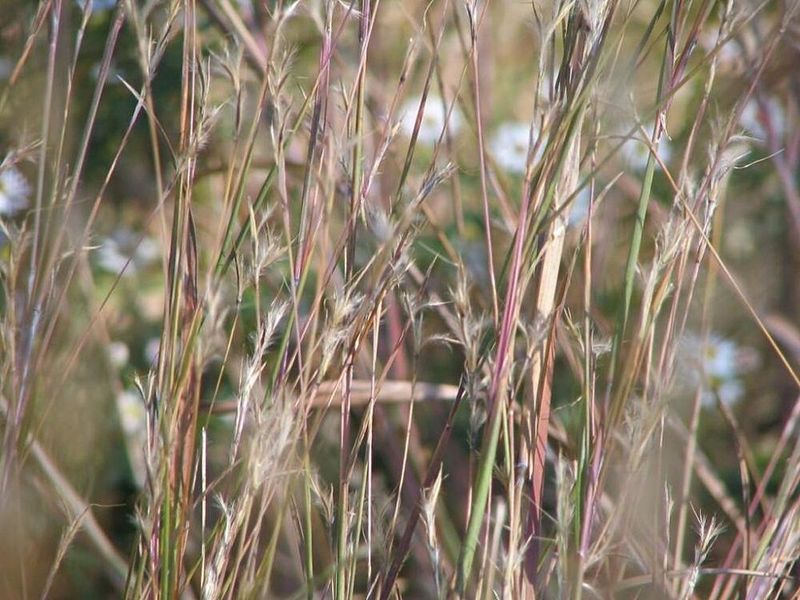
Narrow planting strips demand plants that stay in their lane. A grass that spreads aggressively or flops onto the sidewalk creates more problems than it solves.
Little Bluestem grows in tight, well-behaved clumps. Each plant stays roughly 18 to 24 inches wide without spreading by runners or rhizomes into neighboring spaces.
That clumping habit is a huge advantage in a 2-foot-wide strip. You can space plants properly and trust that they will not creep into the street or crowd each other out over time.
Maintenance needs are genuinely minimal once plants establish. Cut them back to about 4 inches in late winter before new growth begins, and that is essentially the entire annual care routine.
Removing spent blooms is not needed during the growing season. Spent flower heads stay attractive through fall and winter, so there is little reason to tidy up the plant mid-season.
Fertilizing is not only unnecessary but actually counterproductive. Extra nutrients push soft, floppy growth that looks messy and may require staking in an area where you want zero intervention.
Weeding around established clumps gets easier over time. Dense foliage shades out weed seedlings, reducing the maintenance burden in an area that is annoying to tend regularly.
Irrigation systems are rarely needed after the first season. One good watering routine during the first summer is all it takes to get roots established for long-term independence.
Seasonal Color Changes Add Interest Through Fall And Winter
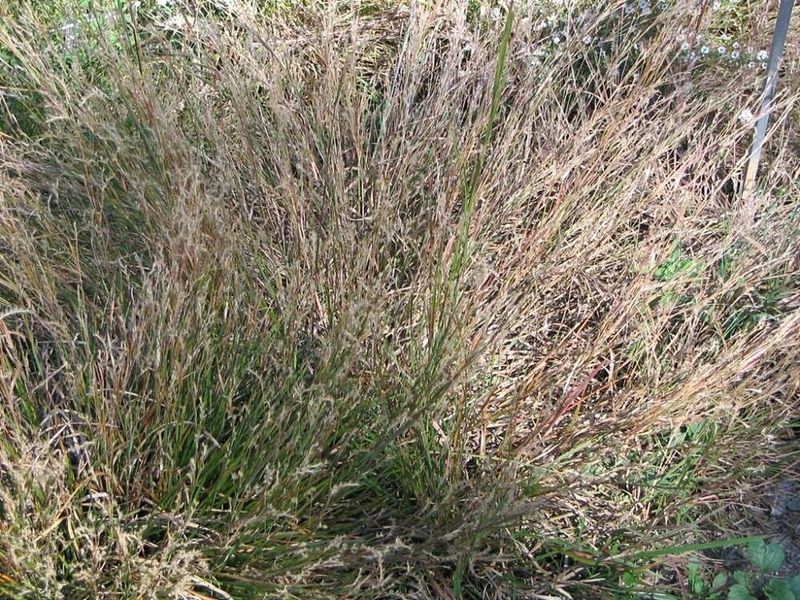
Most curbside plants go dull and forgettable by September. Little Bluestem is just getting started with its best performance of the year.
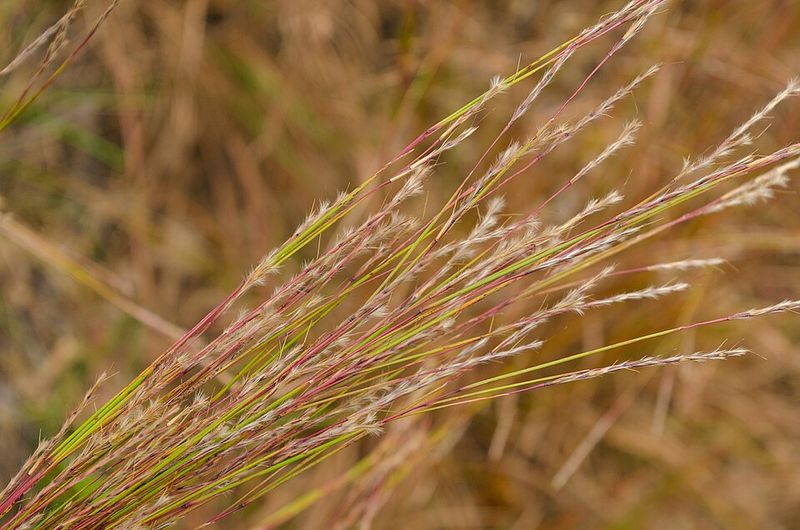
As temperatures cool in early fall, the blue-green summer blades begin shifting to shades of copper, rust, orange, and deep burgundy. The transformation happens gradually and looks intentional, like nature planned the whole color show.
Fluffy white seed heads appear at the tips of the stems in late summer. Those seed heads catch morning light and glow silver against the warm-colored foliage, creating a stunning contrast.
Neighboring plants that go brown and flat by October cannot compete with that display. Little Bluestem holds its color and structure well into December in most of the Piedmont and coastal plain regions.
Winter interest is a real bonus that most gardeners overlook when choosing curbside plants. Dried stems and seed heads provide texture and movement on gray winter days when everything else looks bare.
Birds actively visit the seed heads throughout fall and winter. Finches and sparrows pick the seeds directly from the stems, turning your curbside strip into a small wildlife feeding station.
Even after heavy snow, the stems pop back upright as conditions warm. The plant does not collapse or mat down the way many ornamental grasses do after ice events.
Come late winter, the copper-brown stems glow in low-angle sunlight. That final show before the spring cutback is a quiet, beautiful reward for doing almost nothing all year.
Pairing Little Bluestem With Other Tough Natives Nearby
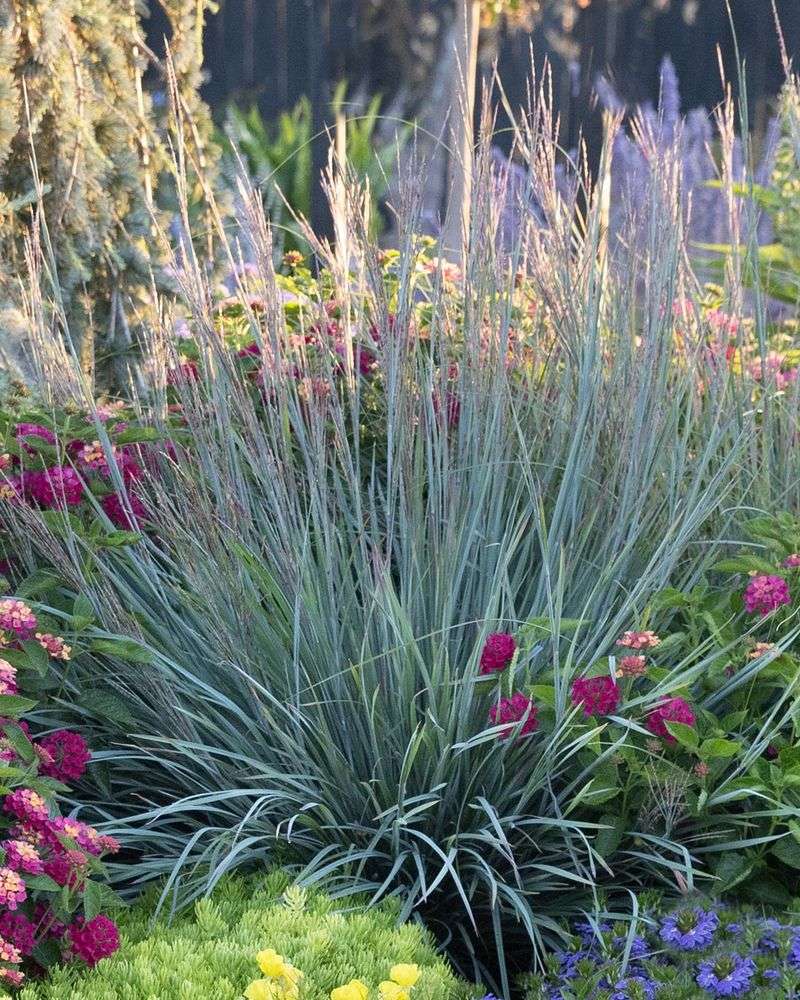
Planting Little Bluestem alone is a solid move. Pairing it with the right companions turns a curbside strip into a genuine showpiece.
Black-eyed Susans (Rudbeckia hirta) are a natural match. Both species evolved in similar open, sunny habitats and share the same tolerance for poor soil and summer drought.
The yellow blooms of black-eyed Susans contrast beautifully with the blue-green blades of the grass in midsummer. By fall, when the Rudbeckia fades, the grass takes center stage with its copper tones.
Purple coneflower (Echinacea purpurea) is another excellent pairing option. Its bold pink-purple flowers bloom in July and August, filling the color gap before Little Bluestem hits its fall peak.
Lyre-leaf sage (Salvia lyrata) works well as a low-growing front edge plant. It stays compact, tolerates dry shade under the grass clumps, and adds early spring blue flowers to the mix.
Avoid pairing with plants that need regular irrigation or rich soil. Incompatible water needs will either drown your grass or starve your companion plants, creating an uneven, struggling planting.
Spacing matters in a narrow strip. Keep companion plants at least 12 inches from each grass clump to allow air circulation and prevent moisture-related disease issues during humid summers.
A well-designed native planting along your curb signals something to every passerby. It says that someone here has found the one native grass that actually thrives on North Carolina’s toughest curbside strips.