The One Thing North Carolina Soil Needs In September To Guarantee Huge Fall Broccoli
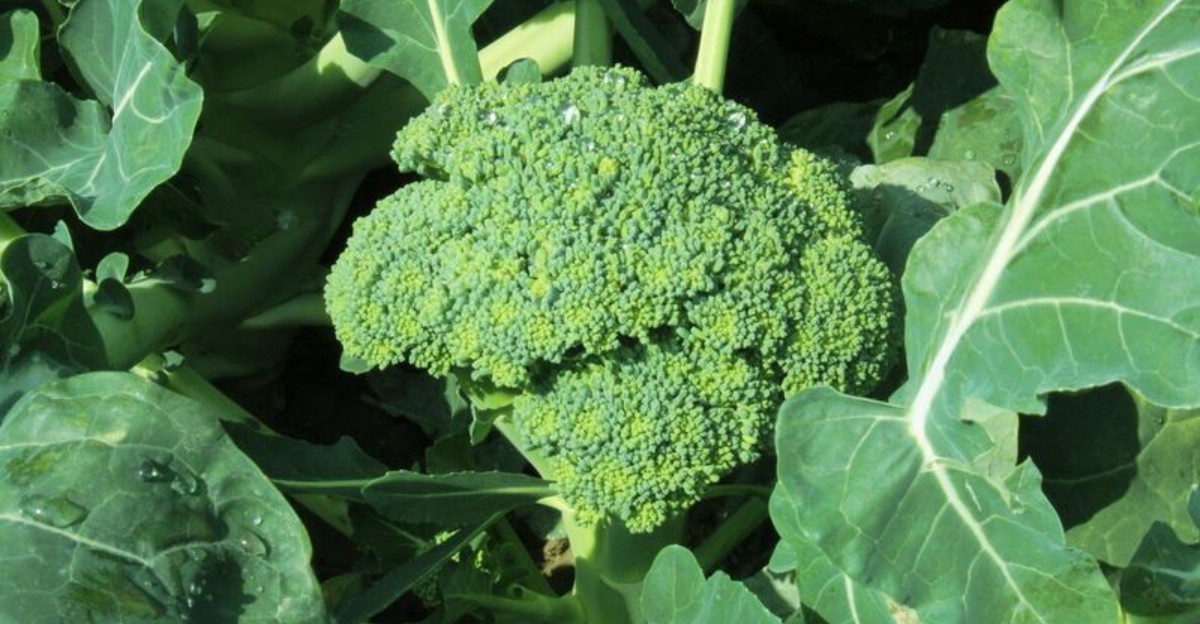
Fall broccoli has real potential in North Carolina gardens, but getting large, tight heads depends heavily on what the soil is set up to provide this month.
Broccoli is a heavy feeder, and without the right nutrient availability early in its growth, plants often stall out or produce small, loose heads instead of the full harvest gardeners hope for.
September planting means broccoli has a narrower window to grow before cooler weather slows things down, so the soil needs to be ready to support fast, steady growth right from the start.
Skipping this step is one of the most common reasons fall broccoli underperforms compared to spring crops. There’s only one thing North Carolina soil needs this September to give broccoli its best shot at a strong harvest.
1. Broccoli Needs Fertile Soil Before Head Formation
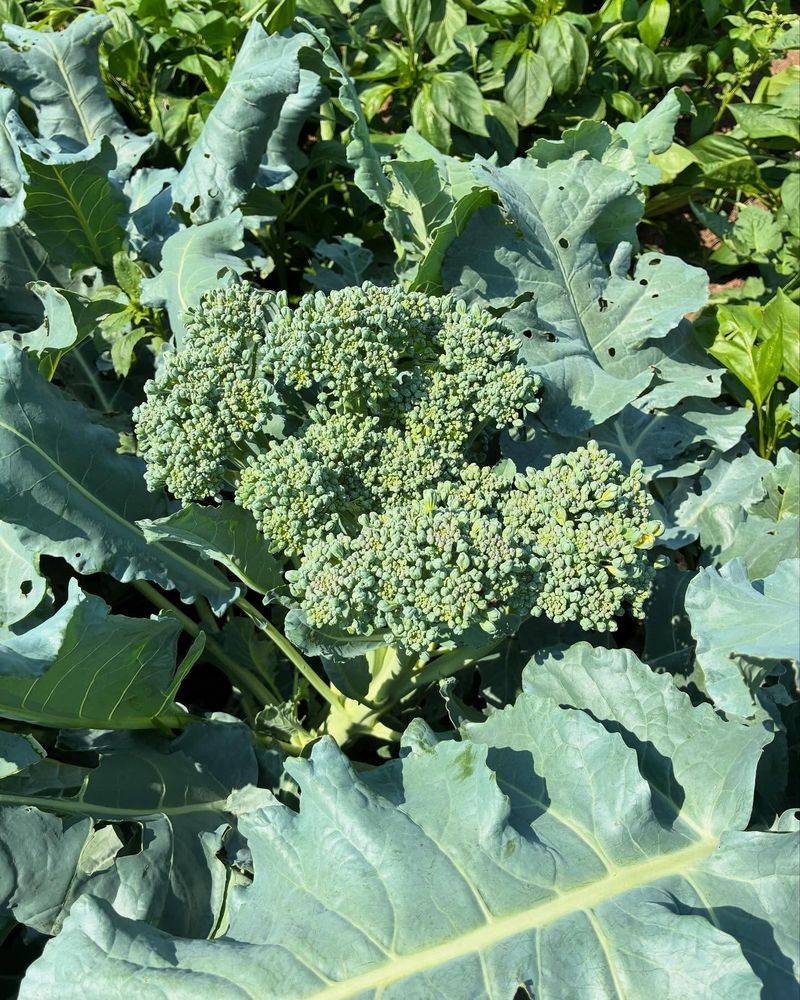
Broccoli is a hungry plant. It pulls a lot of food from the ground, and the richer your soil is, the bigger the heads you get later in fall.
Before your plants ever form those tight green crowns, they build strong roots and leaves. All of that growth takes energy, and that energy comes straight from nutrients in the soil.
September is the window when you set the stage. Working compost, aged organic matter, and a balanced fertilizer into your beds gives young plants a steady supply of food.
If the soil is poor or worn out from summer crops, broccoli struggles and often makes tiny, loose heads.
Think of it like packing snacks before a long trip. When food is ready and waiting, the plant never runs low during its fastest growing stage.
Test your soil early so you know what it lacks. Then mix in what it needs at least a week or two before planting your seedlings. This gives nutrients time to settle in.
Fertile ground also holds moisture better and supports helpful microbes that feed roots. Those tiny helpers break down organic matter into forms broccoli can actually use.
Keep feeding lightly through the season too. A side dressing of nitrogen a few weeks after planting keeps the growth going strong.
Set your soil up right in September, and your fall broccoli rewards you with heavy, dense heads that taste sweet after the first cool nights roll through North Carolina.
2. Nitrogen Drives Leaf Growth And Plant Size
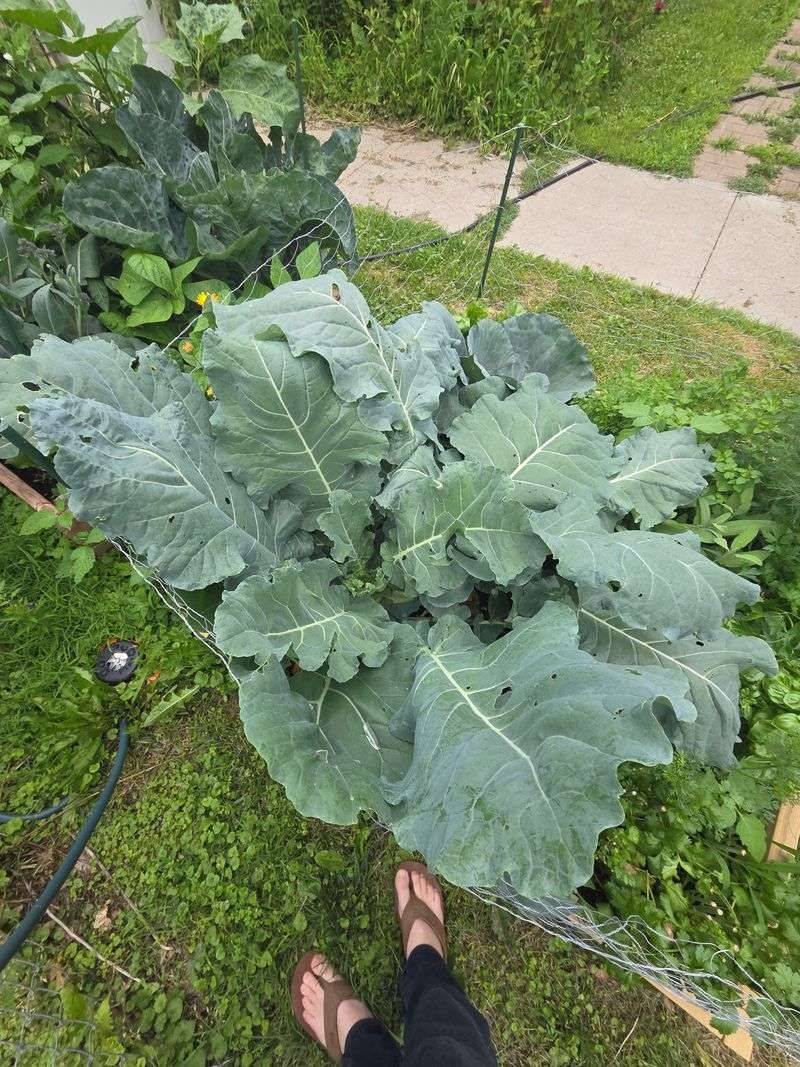
Green leaves are the engine of a broccoli plant. The bigger and healthier those leaves are, the more energy the plant makes for growing a large head.
Nitrogen is the nutrient that powers all that leafy growth. It helps plants build the deep green color you want to see and pushes them to grow wide and tall before heads form.
When nitrogen runs short, the signs show up fast. Lower leaves turn pale or yellow, growth slows down, and the whole plant looks weak and thin.
A plant like that simply cannot support a big harvest. Small leaves mean small heads, and that is not what you worked for.
In September, mix a nitrogen-rich fertilizer into your beds before planting. Blood meal, composted material, or a balanced garden blend all work well for this job.
Your North Carolina Garden Changes Every Week. Your Plan Should Too.
Gardening in North Carolina changes quickly throughout the season. Every Friday you’ll receive a simple weekly plan showing exactly what to plant, prune, fertilize, harvest, and protect so you never miss the right timing.
About three to four weeks after your seedlings go in, give them a second feeding along the row. This side dressing keeps leaves growing right up until heads start to form.
Be careful not to overdo it, though. Too much nitrogen can push soft, leafy growth that attracts pests and delays heading.
The goal is steady, even feeding. You want strong green leaves that stay healthy through the cool fall weather in North Carolina.
When your broccoli has enough nitrogen at the right time, it grows into a large, sturdy plant. That size is exactly what leads to the thick, full heads every gardener hopes to cut and carry inside.
3. Compost Builds Better Broccoli Soil
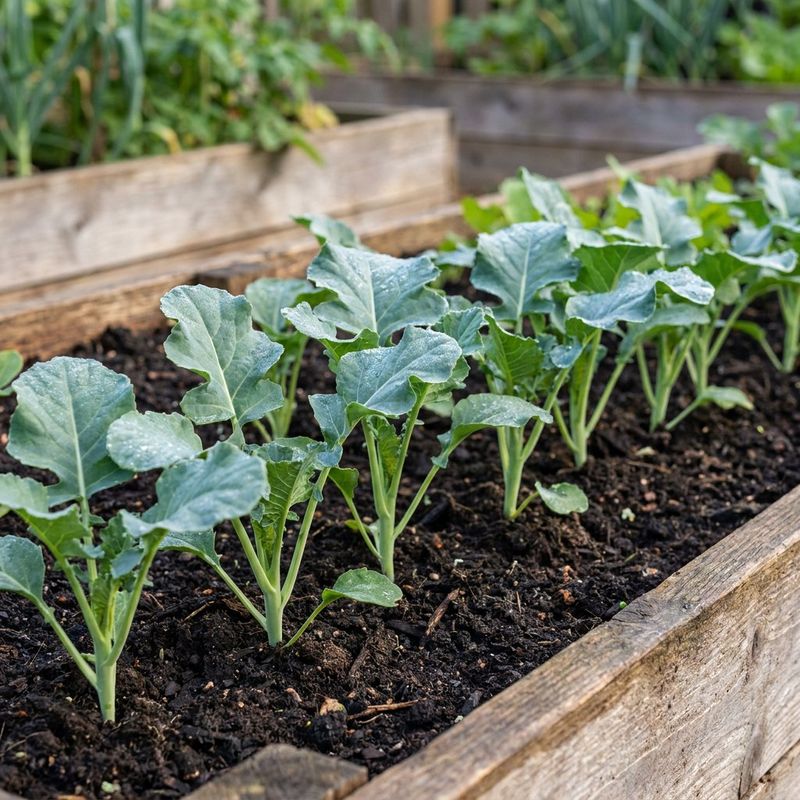
Compost is one of the best gifts you can give your garden. It works quietly under the surface, making everything about your soil better for broccoli.
Good compost improves the way soil holds together. Sandy ground grabs more moisture, and heavy clay loosens up so roots can spread and breathe.
It also feeds your plants slowly. As compost breaks down, it releases nutrients bit by bit, giving broccoli a steady meal instead of one big burst.
Moisture matters too, and compost helps there as well. Soil rich in organic matter stays damp longer, which keeps your fall crop from drying out on warm September afternoons.
Here is the key part. Use finished compost that looks dark, crumbly, and smells earthy. Fresh manure or raw scraps can burn roots and bring weed seeds or harmful bacteria into your bed.
Finished compost has already done its cooking. That means it is gentle, safe, and ready for your plants to use right away.
Spread a couple of inches over your bed and mix it into the top layer before planting. Your seedlings will settle right into that soft, welcoming home.
Compost also brings in earthworms and helpful microbes. These tiny workers keep the soil alive and turn organic matter into food roots can grab.
Add compost every fall, and your soil keeps getting richer year after year. That steady care builds the kind of ground where big, healthy broccoli heads grow almost on their own.
4. Soil Moisture Affects Head Development
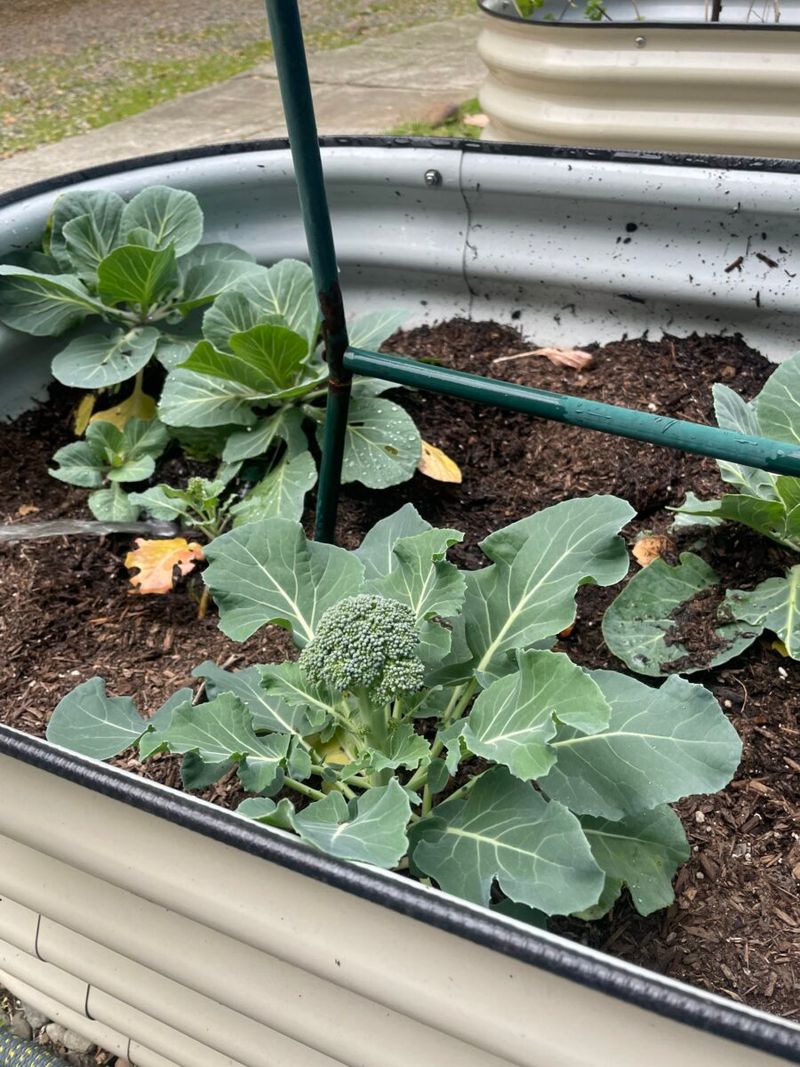
Water is the quiet helper behind every good broccoli head. Without steady moisture, even the healthiest plant struggles to make tight, heavy crowns.
Broccoli likes soil that stays evenly damp, never bone dry and never soaking wet. In North Carolina, September can swing from hot afternoons to cooler nights, so moisture needs a little attention.
When plants go thirsty, growth slows right down. Heads may form early, stay small, or open up loose instead of staying firm and tight.
Drought stress also makes broccoli bitter. That harsh flavor comes when plants get too dry during their fastest growing stage.
The fix is simple. Aim to give your plants about an inch of water each week, more during dry spells or when the sun is strong.
Deep watering beats a quick splash every time. Soaking the soil down to the roots teaches plants to grow strong and reach deep for moisture.
Check the ground with your finger before watering. If the top inch feels dry, it is time to give your broccoli a drink.
Try to water in the morning so leaves dry through the day. Wet leaves overnight can invite disease you would rather avoid.
Even moisture keeps everything moving smoothly, from leaf growth to head formation. The plant never gets shocked or stressed.
Stay steady with watering all through the season, and your fall broccoli rewards you with full, firm heads that hold together beautifully when you finally bring them to the kitchen.
5. Avoid Fertilizing Dry Or Stressed Plants
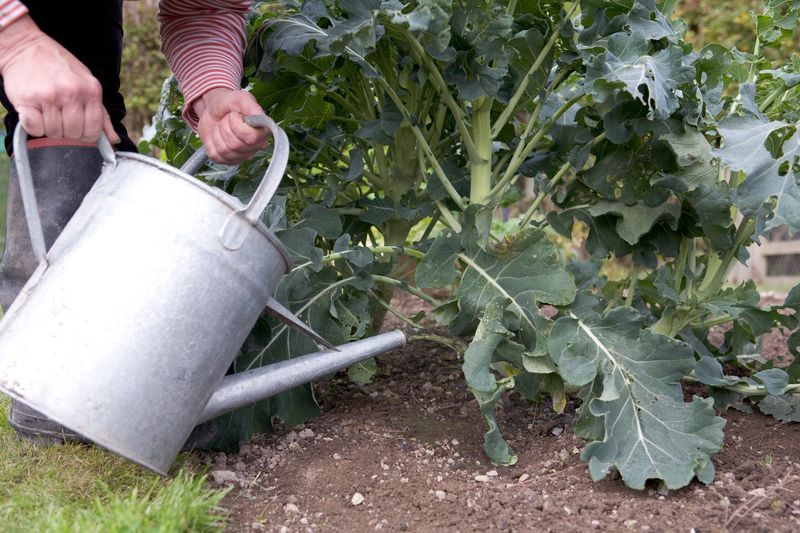
Timing matters when you feed your plants. Adding fertilizer to dry, stressed broccoli can do more harm than good.
When soil is bone dry, plant roots slow way down. They cannot pull in nutrients well, so much of your fertilizer just sits there unused.
Worse, strong fertilizer around dry roots can burn them. That damage sets your broccoli back right when you want it growing fast.
The smart move is to water first. Give thirsty plants a good deep drink and let the soil settle before you feed them.
Once the ground is nicely moist, roots wake up and start working again. Now they can grab those nutrients and put them to good use.
A stressed plant is a bit like someone who is tired and worn out. Piling food on them before they rest does not help much.
Look at your broccoli before feeding. If leaves droop or the soil feels dry and cracked, hold off on the fertilizer.
Water in the morning, let the plants perk back up, and feed them later that day or the next. They will take in nutrients far better once they are refreshed.
This little habit saves you money too. Fertilizer only helps when plants can actually use it, so wasting it on dry soil makes no sense.
Feed calm, well-watered broccoli, and you will see the difference. Strong roots pull in every bit of goodness, turning your fall crop into thick, healthy heads worth the wait.
6. Soil pH Determines Nutrient Availability
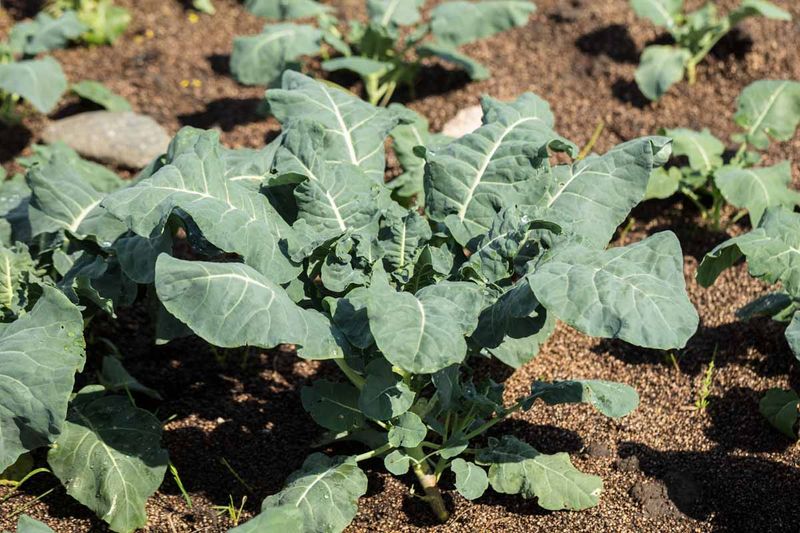
Soil pH is one of those hidden factors that makes a huge difference. It decides whether your broccoli can actually reach the nutrients waiting in the ground.
Broccoli grows best in slightly acidic soil, somewhere around 6.0 to 6.8 on the pH scale. In that sweet spot, nutrients unlock and roots can pull them in easily.
When pH drifts too high or too low, trouble starts. Even if your soil is full of food, plants cannot grab it, and growth stalls.
Much of North Carolina has naturally acidic soil. Sometimes it dips too low, which can lock up nutrients and slow your fall crop.
A simple soil test clears up the mystery. It tells you your exact pH and what your soil is missing before problems ever appear.
You can grab a home test kit or send a sample to your local extension office. The results guide every choice you make next.
If soil is too acidic, adding garden lime raises the pH. If it is too high, sulfur or organic matter can bring it back down.
Make these changes in early fall so they have time to work. pH shifts slowly, so testing in September gives you a head start.
Knowing your numbers takes the guessing out of gardening. You feed the soil exactly what it needs instead of hoping for the best.
Get the pH right, and every nutrient in your bed becomes available. That balance sets the stage for broccoli plants that grow big and strong.
7. Mulch Protects The Root Zone
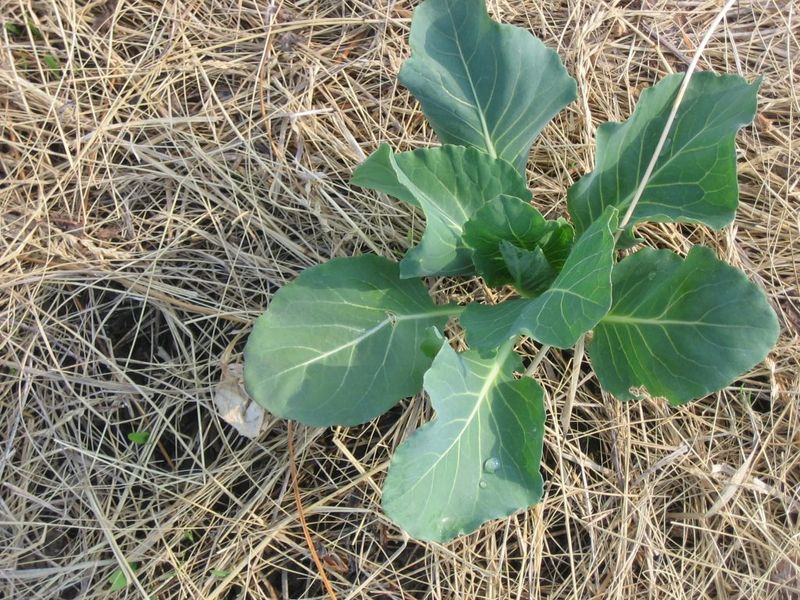
Mulch is like a cozy blanket for your garden bed. It works around the clock to keep your broccoli roots safe and comfortable.
A layer of organic mulch holds moisture in the soil. Water stays put longer instead of drying up under the September sun, so you water less often.
Temperature swings are common in North Carolina fall weather. Warm days and cool nights can stress roots, but mulch softens those swings and keeps things steady.
Straw, shredded leaves, or grass clippings all make great mulch. Spread a two to three inch layer around your plants, leaving a little space near the stems.
As mulch breaks down, it feeds the soil too. Bit by bit it adds organic matter, improving the ground for next season while helping this one.
Weeds are another problem mulch handles well. A thick layer blocks sunlight, so fewer weeds pop up to steal water and nutrients from your broccoli.
Roots love the calm environment mulch creates. Protected from harsh sun and drying wind, they grow deeper and stronger.
Mulch also keeps soil from packing down when rain pours. It cushions the surface, so water soaks in gently instead of running off.
Refresh your mulch if it thins out during the season. Keeping that cover in place means steady protection all fall long.
With mulch guarding the root zone, your broccoli faces less stress and grows more evenly. That calm, protected space helps plants pour their energy into building big, beautiful heads.
8. Healthy Soil Helps Broccoli Resist Problems
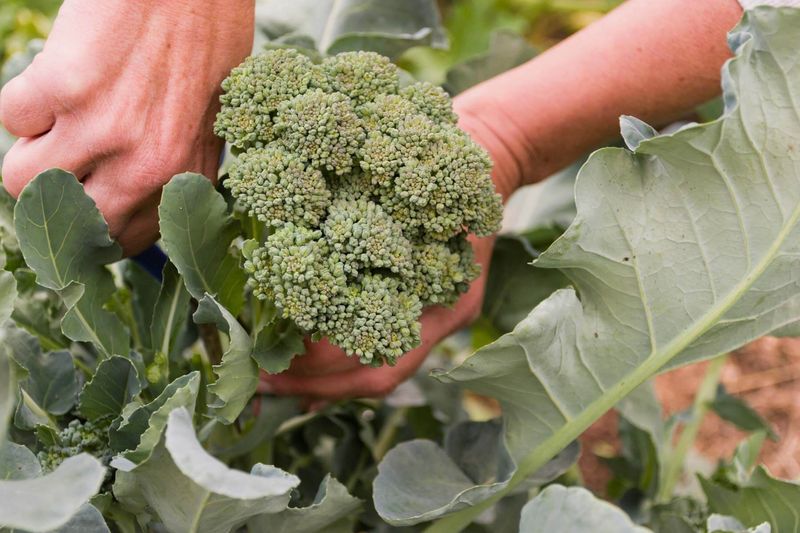
Strong soil grows strong plants, and strong plants handle trouble far better. Healthy ground is your best defense against pests, disease, and rough weather.
When soil has balanced fertility, broccoli grows steady and sturdy. Well-fed plants stand up to stress instead of falling apart at the first challenge.
Good drainage plays a big role too. Soil that lets extra water flow away keeps roots healthy and blocks the rot that soggy beds invite.
Organic matter ties it all together. It feeds helpful microbes, holds just enough moisture, and builds the kind of living soil that supports vigorous growth.
Pests often target weak plants first. A strong, well-nourished broccoli plant is tougher for bugs to damage and quicker to bounce back if they do.
Disease works the same way. Balanced soil and even moisture keep plants from getting stressed, and unstressed plants fight off problems more easily.
Weather in North Carolina can turn quickly in fall. Plants growing in rich, well-managed soil handle sudden heat or cool snaps with far less trouble.
Everything connects here. The compost, the nitrogen, the steady water, and the right pH all build toward one goal, tough and healthy broccoli.
Care for your soil, and it cares for your plants right back. That partnership pays off every time you head out to the garden.
Put these habits together in September, and your fall broccoli grows resilient and full. Big, firm heads become the natural reward for soil you treated well from the very start.