Skip Purple Fountain Grass In North Carolina Curb Beds And Plant This Native Grass Instead
That feathery, burgundy grass calling your name at the garden center comes with a catch most shoppers never think to ask about before checkout.
Plant it along a North Carolina curb bed, and within just a few seasons it can slip past your fence line, seeding itself into nearby woods and wild spaces you never meant to touch.
A native alternative delivers that same soft, swaying texture and airy movement, minus the tendency to wander far beyond where you originally planted it.
Swap smart, and your landscaping stays every bit as striking, while the local plants and wildlife around you keep their natural footing intact.
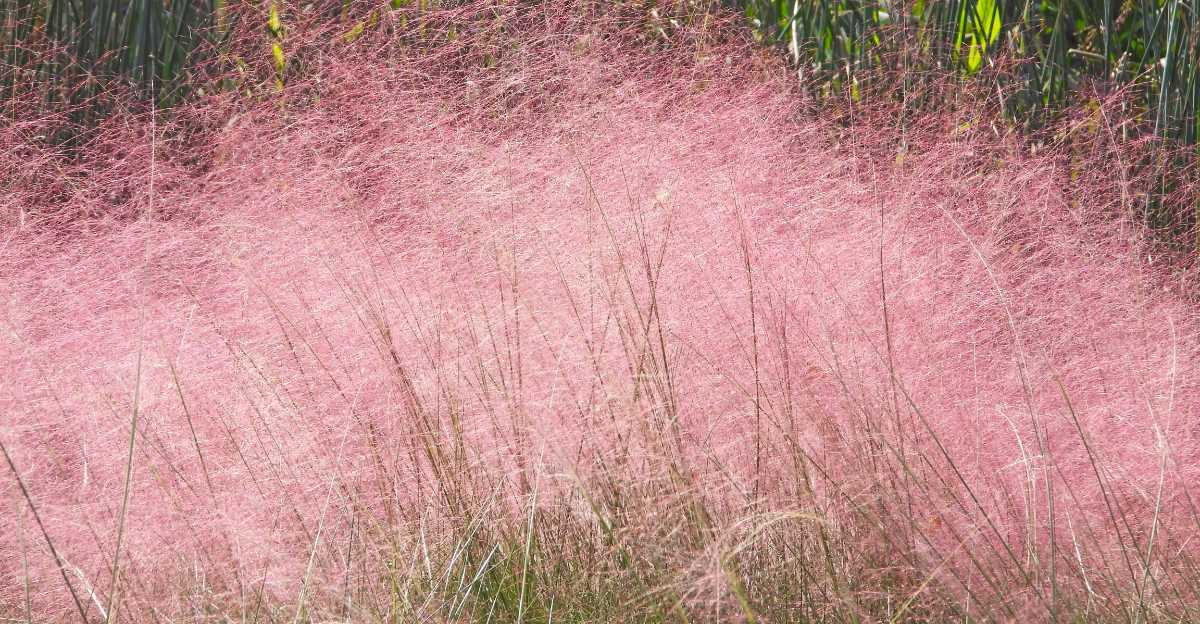
A Native Alternative Delivers The Same Airy Purple Plumes
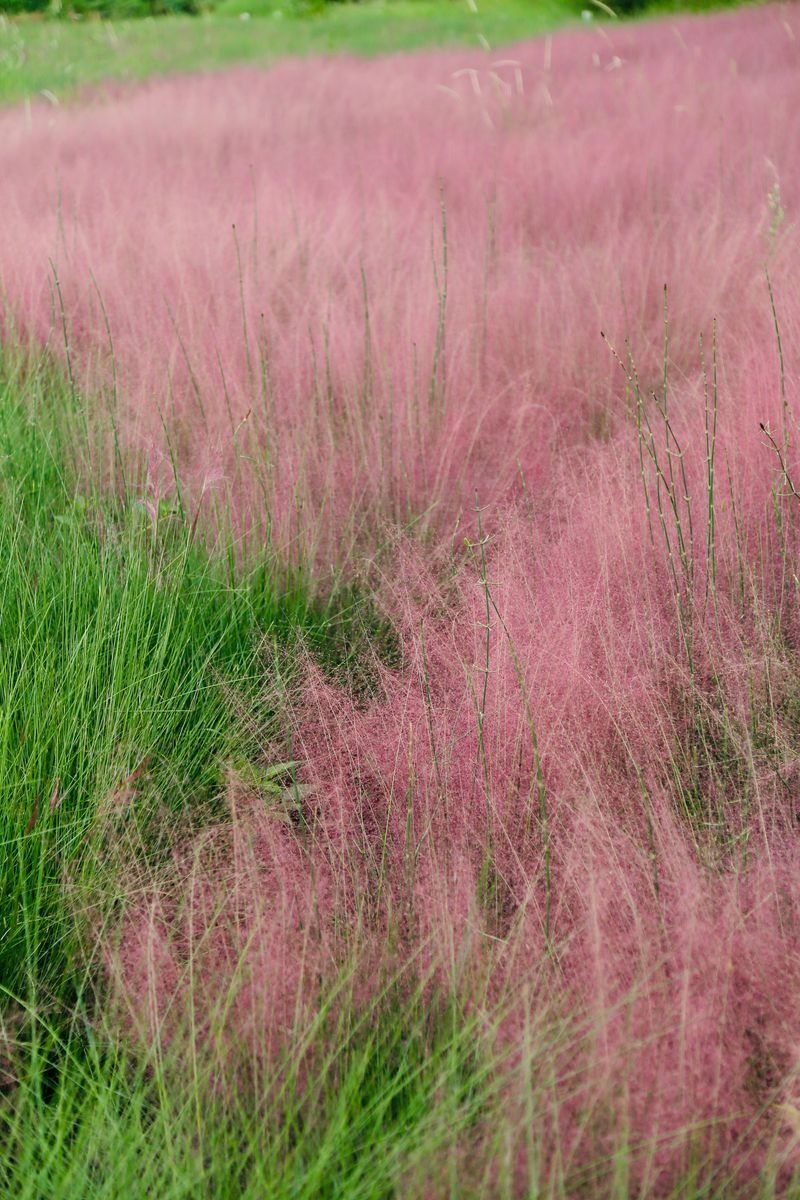
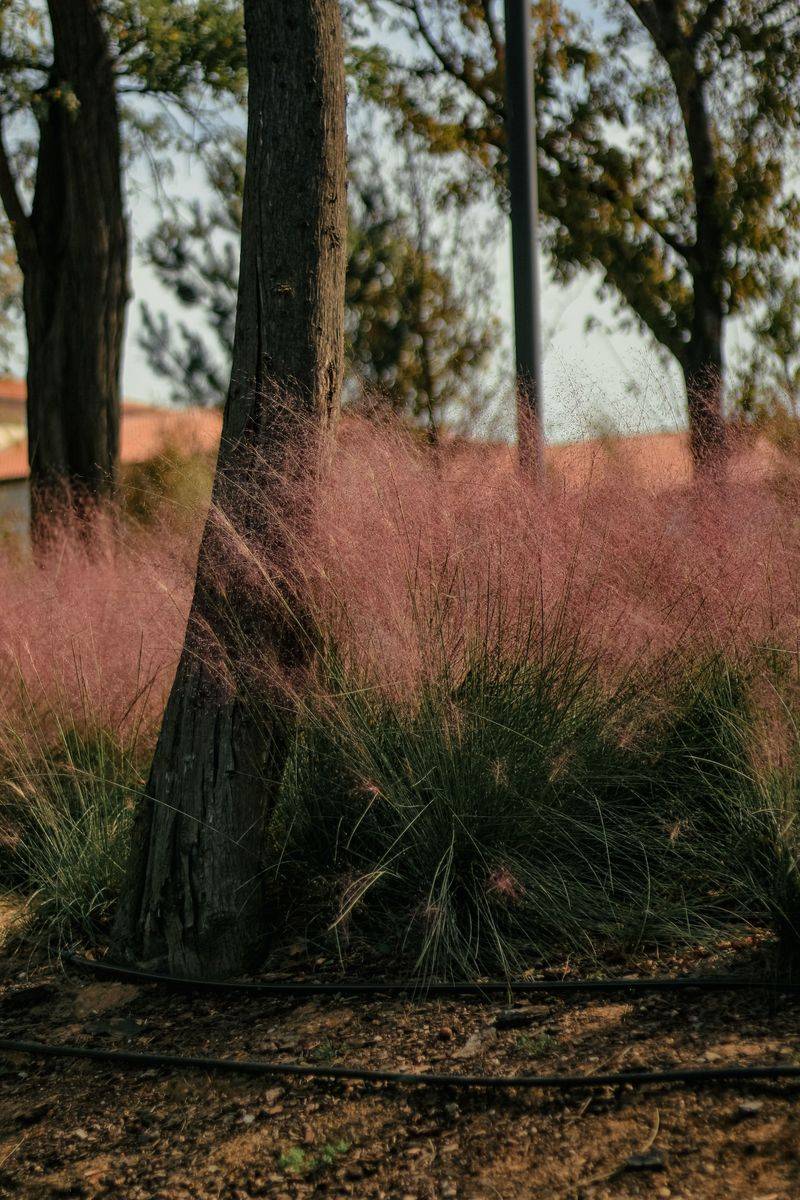
Muhly grass is the native swap that makes gardeners do a double take. Its cotton-candy pink plumes appear every fall and stop traffic in the best way.
Native to the eastern United States, muhly grass belongs here in a way purple fountain grass simply does not. It evolved with local soil, rainfall patterns, and seasonal temperatures.
The plumes on muhly grass are airy and luminous, especially in late afternoon light. They catch the breeze and glow like a soft pink cloud above the curb.
Unlike its invasive counterpart, muhly grass does not aggressively self-seed into surrounding areas. It stays politely in its lane, which makes it a dream for tidy curb beds.
This plant also handles heat and drought once it gets established. North Carolina summers can be brutal, and muhly grass takes that heat without skipping a beat.
Homeowners who have made the switch often notice muhly grass becoming the standout feature of the whole yard. The fall bloom season is truly showstopping.
Muhly grass grows in tidy clumps that reach about two to three feet tall. That compact size works perfectly along sidewalks and driveways without obstructing sightlines.
Skipping purple fountain grass in favor of muhly grass is not a compromise. You gain a plant with equal visual impact and far greater ecological benefit for the neighborhood.
Purple Fountain Grass Spreads Beyond Its Original Bed
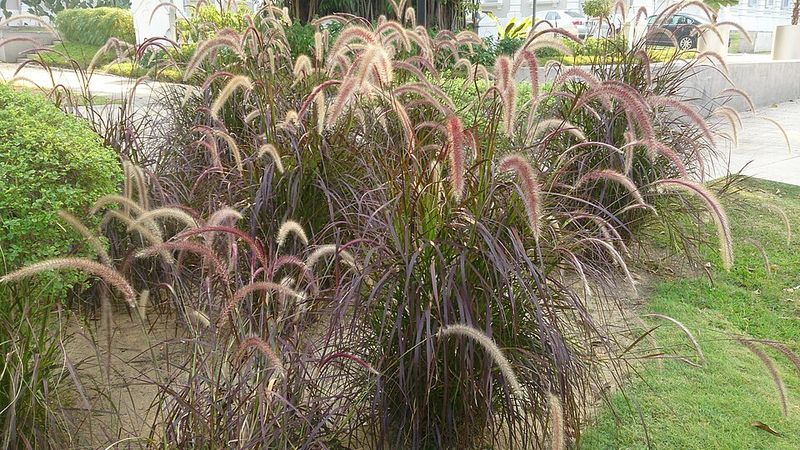
Purple fountain grass looks harmless in a pot at the nursery. But once it hits the ground, it has other plans.
This grass spreads by seed and can travel far beyond your curb bed. Wind carries those fluffy seed heads into nearby fields, roadsides, and natural areas.
In warm climates, purple fountain grass tends to outcompete its neighbors fast. It crowds out native plants that birds and pollinators depend on for survival.
North Carolina has a humid subtropical climate that allows this grass to naturalize rapidly. What starts as one clump can become a sprawling patch within a few growing seasons.
The grass is originally from Africa and parts of Asia. It did not evolve alongside local insects, birds, or soil microbes, so it offers little ecological value here.
Landscapers and homeowners often choose it for its burgundy color and fountain-like shape. Those features are genuinely beautiful, but beauty alone does not make a plant a good neighbor.
Your North Carolina Garden Changes Every Week. Your Plan Should Too.
Gardening in North Carolina changes quickly throughout the season. Every Friday you’ll receive a simple weekly plan showing exactly what to plant, prune, fertilize, harvest, and protect so you never miss the right timing.
Warmer regions of the country, especially the Southwest and West Coast, have flagged purple fountain grass as a plant of concern. Responsible gardeners are paying closer attention to what they put in visible, high-traffic spots like curb beds.
Pulling it out before it goes to seed is the smartest move. Replacing it with a native grass gives you color, texture, and peace of mind all season long.
Muhly Grass Adapts Easily To Sandy And Well Drained Soil
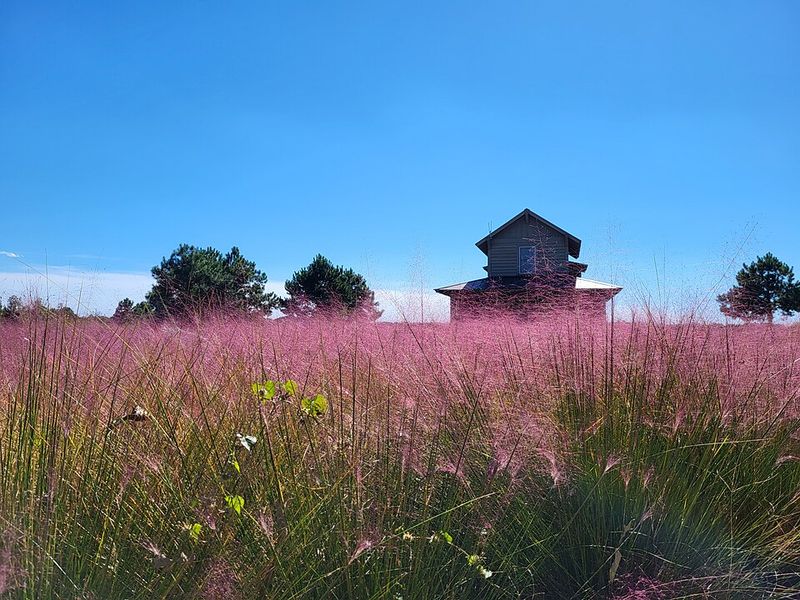
Sandy soil stumps a lot of gardeners, but muhly grass treats it like home. This plant actually prefers lean, gritty soil over rich, heavily amended beds.
Many curb beds in North Carolina sit on compacted or sandy ground near the road. That tough environment is exactly where muhly grass shines brightest.
Amending soil with heavy compost before planting muhly grass is actually unnecessary. Over-fertilizing can make the plant flop or grow too lush and lose its upright shape.
The roots of muhly grass go deep once established. Deep roots help the plant access moisture during dry spells without needing constant irrigation from the homeowner.
Drainage is the single most important factor for this grass. Soggy, waterlogged soil will cause root rot, so raised curb beds or sloped areas work especially well.
Coastal plain regions of the state have sandy soils that other ornamentals struggle in. Muhly grass thrives in those same conditions, making it a natural fit along roadsides and curbs.
North Carolina gardeners with clay-heavy soil can improve drainage by mixing in coarse sand or planting on a slight berm. A little prep work goes a long way with this grass.
Once muhly grass settles in after its first season, it rarely needs extra attention. That low-maintenance personality makes it one of the smartest choices for curb beds in the region.
Full Sun Exposure Brings Out Its Signature Pink Haze
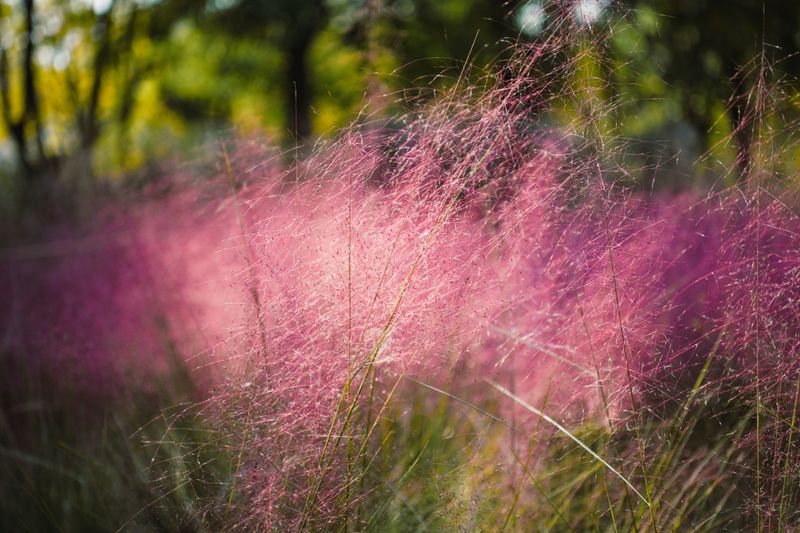
Sunlight is muhly grass’s best friend, full stop. Plant it in full sun and it rewards you with the most saturated, electric pink display you have ever seen in a yard.
North Carolina curb beds sit in sun-drenched spots, often baking in direct light for six to eight hours daily. That exposure is exactly what muhly grass needs to perform at its peak.
Shade reduces blooming significantly and causes the clumps to lean awkwardly toward light. For the best fall color show, choose the sunniest stretch of your curb for planting.
In peak bloom, the plumes catch golden afternoon light and glow with an almost neon warmth. Passersby often slow down for a second look.
The pink haze effect happens when hundreds of tiny florets catch and scatter light at once. It is a natural optical effect that few other plants can match.
Purple fountain grass also prefers full sun, so transitioning to muhly grass requires no location change. The same sunny curb bed works perfectly for both plants.
Morning sun followed by light afternoon shade is acceptable but not ideal. Maximum sun exposure equals maximum bloom density, and that is what creates the wow factor.
Planting muhly grass in a sun-soaked curb bed is one of the easiest garden decisions you can make. The payoff each October is well worth every minute of planning.
Local Wildlife Benefits More From Native Root Systems
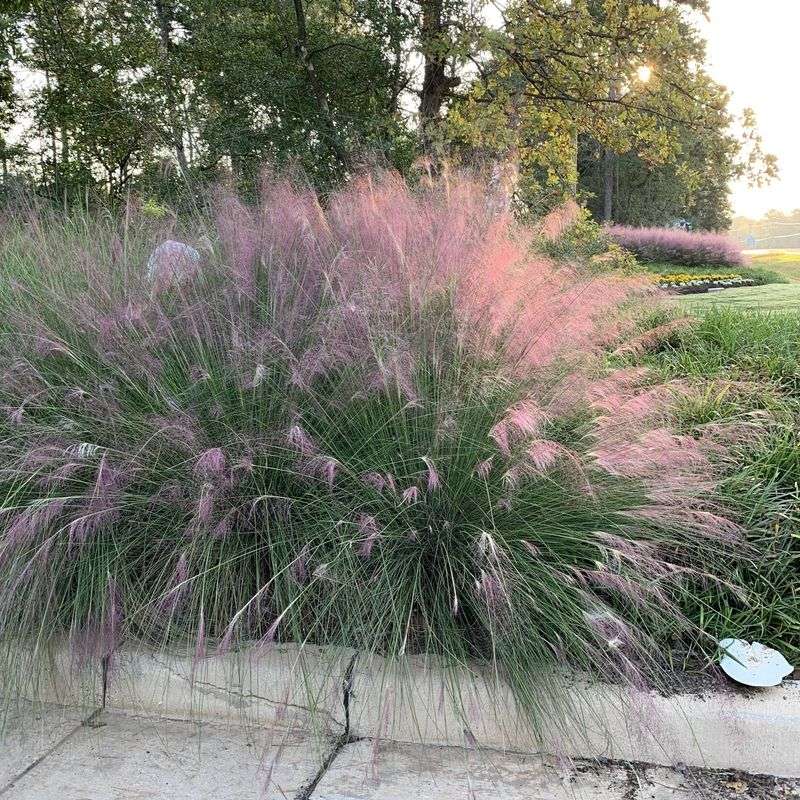
Roots matter more than most gardeners realize. Native grasses like muhly grass develop deep, complex root systems that support an entire underground food web.
Those roots create channels in the soil that improve water infiltration and reduce runoff. That matters a lot in neighborhoods where stormwater can rush down curbs and into storm drains.
Native bees and small pollinators visit muhly grass during its bloom period. The flowers provide a late-season food source when many other plants have already gone dormant.
Birds like finches and sparrows pick through the seed heads during fall and winter. That free bird feeder effect is something purple fountain grass simply cannot offer native species.
Insects that evolved alongside native grasses depend on them in ways scientists are still discovering. Larvae of certain moths and skippers use native grass blades as food and shelter.
Purple fountain grass, by contrast, is mostly ignored by local wildlife. Its unfamiliar chemistry offers little nutritional value to creatures that evolved with different plant species.
A single patch of muhly grass in a curb bed creates a small but meaningful habitat corridor. Even small urban plantings add up when neighbors across a street all make the switch.
Choosing native plants is a small decision with a lasting impact on the local landscape. The roots you cannot see are quietly doing ecological work that benefits the whole neighborhood.
Simple Care Steps Keep Curb Beds Looking Full Each Fall
Muhly grass care is refreshingly simple, especially compared to fussier ornamentals. Once established, this grass mostly takes care of itself through the seasons.
The main task is a yearly cutback timed to North Carolina’s late winter or very early spring window. Trim the clumps down to about four to six inches above the ground before new growth starts.
Cutting back too early in fall removes the plumes before they finish their show. Wait until late February or March to get the full visual benefit of the winter seed heads.
Fertilizing is rarely necessary and can actually hurt performance. Rich soil encourages floppy, overgrown clumps that lose the tight, fountain-like shape that makes muhly grass so appealing.
Watering deeply once a week during the first growing season helps roots establish faster. After that first year, rainfall alone usually keeps the plant healthy through typical summers.
Dividing clumps every three to five years keeps the plants vigorous and full-looking. Simply dig up the clump, split it with a sharp spade, and replant the divisions.
Pest problems are rare with muhly grass, which is another reason it beats many alternatives. Deer tend to leave it alone, and disease pressure is minimal in well-drained spots.
Skipping purple fountain grass and choosing muhly grass means less work every season. A thriving, low-effort curb bed full of native grasses is a goal any gardener can reach.