Connecticut Homeowners Are Missing This Silent Threat To Tulip Poplars
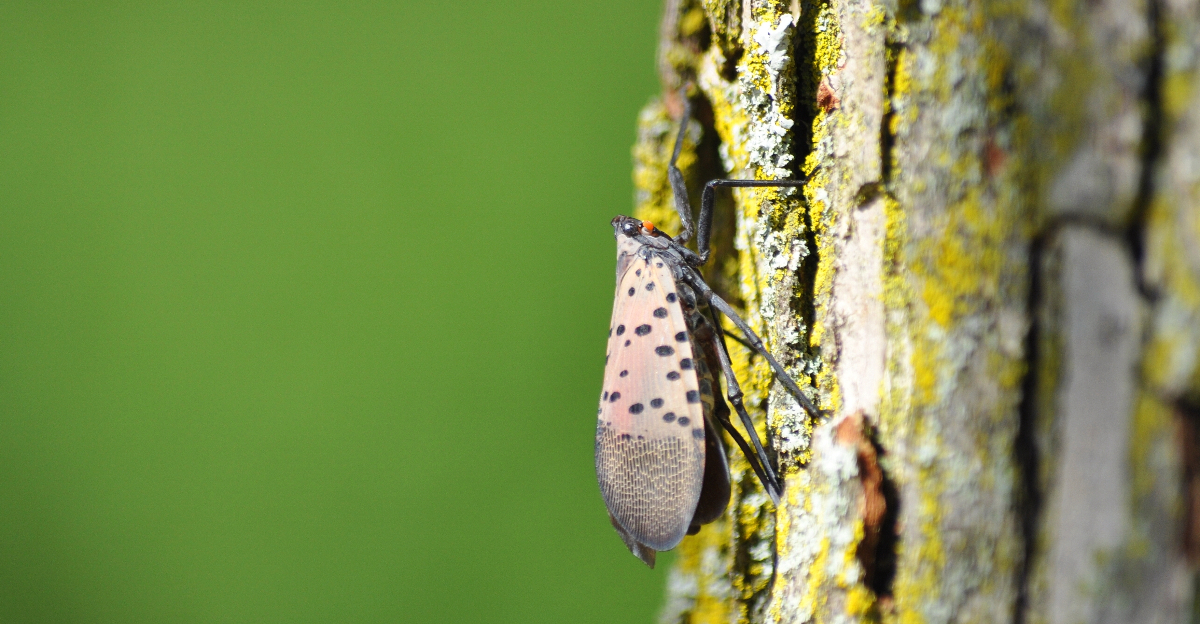
A strange insect just crossed into Connecticut, and it doesn’t care about your calm. Something new moves fast, feeds harder, and reaches trees you love.
Your tulip poplar looks perfectly fine right now, but that calm is deceptive. Another tree draws it in early, yet your tulip poplar isn’t spared for long. Sap moves slowly from your tree, and dark residue builds behind it.
Grapevines struggle worse, but Connecticut gives you no real comfort. Nobody warned you because nobody expected this speed. Populations spread near you, then multiply without notice at all.
Every season you wait without action costs more than the last. Waiting feels safe to you, but waiting only helps it. Changes build beneath your bark long before leaves show anything.
Confidence in your tree’s health right now is premature. Nothing about this creature ever slows down for you. You will not want to miss what happens next.
Meet The Spotted Lanternfly
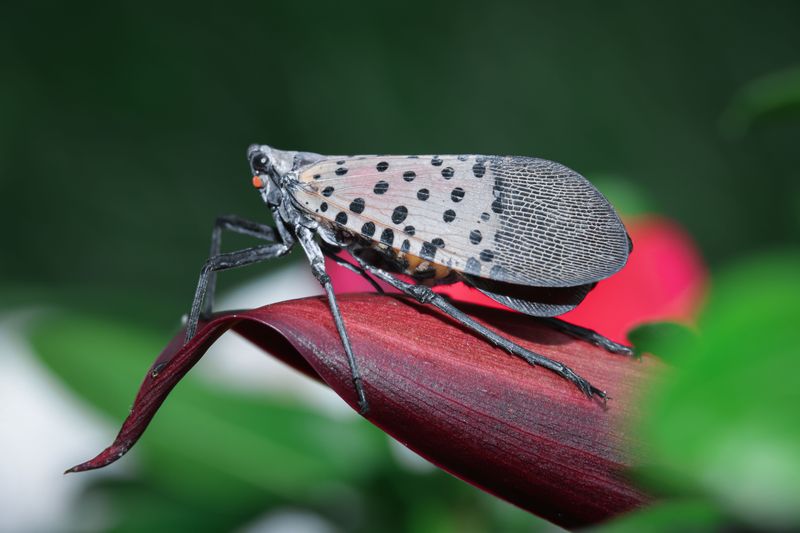
Picture a bug so bold it does not even try to hide. The spotted lanternfly is about an inch long, with striking red hindwings and polka-dot forewings. It looks almost decorative, which makes it easy to overlook as a real threat.
Native to Asia, this pest arrived in Pennsylvania around 2014. Since then, it has marched steadily into New England, including Connecticut. It travels on firewood, nursery plants, and even cars.
The spotted lanternfly targets over 70 plant species. Tulip poplars are one of several documented host trees, though tree-of-heaven remains the preferred host. Homeowners often mistake it for a harmless moth or decorative beetle.
Recognizing this insect is the first step toward protecting your trees. Adults appear in late summer, but nymphs start feeding as early as May. Knowing what to look for gives you a real head start.
The egg masses are easy to miss because they look like dried mud smears on tree bark. Each mass holds 30 to 50 eggs. One female typically lays one to two egg masses per season.
Spotted lanternflies feed in groups, which amplifies the damage quickly. A single tree can host dozens at once. Early identification is your strongest tool against this silent invader.
Why Tulip Poplars Are One Of Many Hosts

Tulip poplars are not just pretty trees. They are fast growers, excellent shade providers, and wildlife magnets. That makes them a crown jewel of any Connecticut yard.
Unfortunately, spotted lanternflies seem to agree. Extension research lists tulip poplars among the tree’s known hosts. Like many hardwoods, the tree’s sap provides an accessible food source for the insects.
Lanternflies use piercing mouthparts to tap directly into the tree’s vascular system. They drain the sap that carries nutrients from roots to leaves. Over time, this can gradually reduce the tree’s nutrient flow.
Tulip poplars already deal with stress from drought, heat, and urban soil. Adding a heavy pest load pushes them past their natural defenses. A stressed tree is a vulnerable tree.
The tree’s smooth, tall trunk also makes it easy for lanternflies to cluster in large numbers. They prefer to feed at mid-trunk height. That is exactly where homeowners forget to look.
Your Connecticut Garden Changes Every Week. Your Plan Should Too.
Gardening in Connecticut changes quickly throughout the season. Every Friday you’ll receive a simple weekly plan showing exactly what to plant, prune, fertilize, harvest, and protect so you never miss the right timing.
Connecticut’s growing lanternfly population means more trees face this pressure each season, and awareness matters more each year. Your tulip poplar may already be affected without showing obvious signs yet.
Protecting these trees means understanding why they are targeted. Once you know the connection, you can act faster. Speed matters when an invasive pest is involved.
Early Warning Signs To Watch For
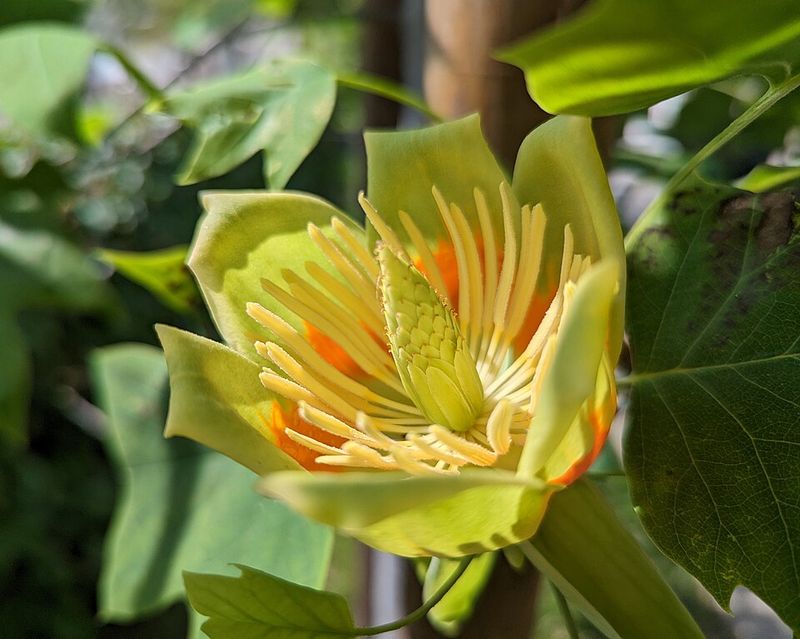
Most people do not notice a problem until the tree looks sick. By then, the spotted lanternfly has been feeding for weeks. Catching it early requires knowing the subtle clues.
One of the first signs is a sticky, shiny coating on leaves or the ground below the tree. This is called honeydew, and it is lanternfly waste. It smells faintly sweet and attracts ants and wasps.
Black sooty mold often grows on top of honeydew deposits. If your tulip poplar’s leaves look dusted with black powder, check for insects immediately. That mold means feeding has already been happening for a while.
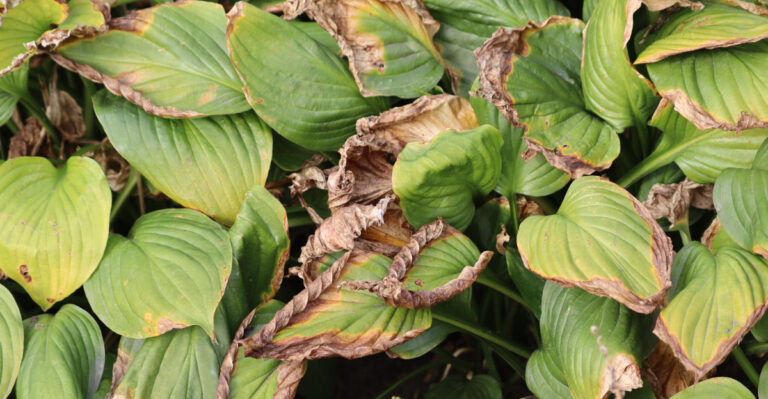
Wilting leaves in midsummer, when the tree should look lush, are another red flag. Nutrient loss from sap-feeding causes leaf edges to curl and brown. Many homeowners blame heat or drought instead.
Look for weeping sap trails on the trunk. These wet streaks appear where the insects pierce the bark. The sap may ferment and attract other insects to the area.
Egg masses on the lower trunk are easy to spot once you know what they look like. They appear as flat, grayish smears with a waxy coating. Scraping them off is one simple way to reduce next year’s population.
Training yourself to spot these signs early can save your tulip poplar. A quick weekly check during summer takes only minutes. That small habit can make a big difference.
How The Damage Progresses Over Time
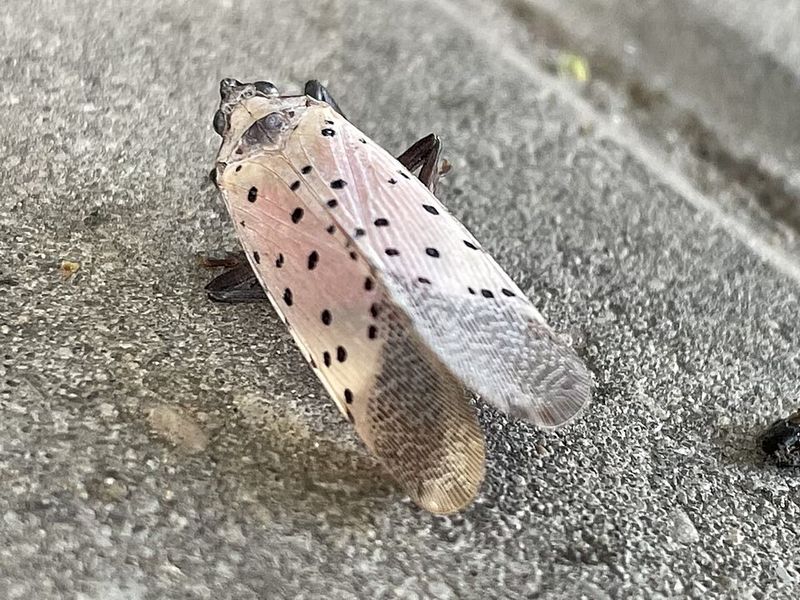
Spotted lanternfly damage does not happen overnight. It builds slowly, season after season. Understanding the timeline helps you act before the situation becomes serious.
In the first season of infestation, your tulip poplar may show only minor stress. Leaf tips might yellow slightly. You could easily miss it or blame the weather.
With repeated seasons of feeding, sap loss can become more noticeable, and nutrient movement may be affected. Branch tips may start to decline, a condition called tip decline. Tip decline is a clear sign the tree is under pressure.
Once branch tips begin to weaken, the stress has moved deeper into the tree’s system. Recovery becomes harder from this point forward.
In severe cases, repeated heavy feeding weakens the tree’s natural defenses. These opportunistic problems are more likely to take hold in an already-weakened tree.
The honeydew that drips from feeding sites creates a cascading problem. Sooty mold blocks sunlight from reaching leaves. Without sunlight, photosynthesis slows and the tree loses even more energy.
Over multiple seasons without intervention, a tulip poplar can show cumulative signs of stress. The process is slow enough that homeowners often do not connect the dots. That slow pace is exactly why steady monitoring matters for trees across Connecticut.
The Honeydew Problem You Should Understand
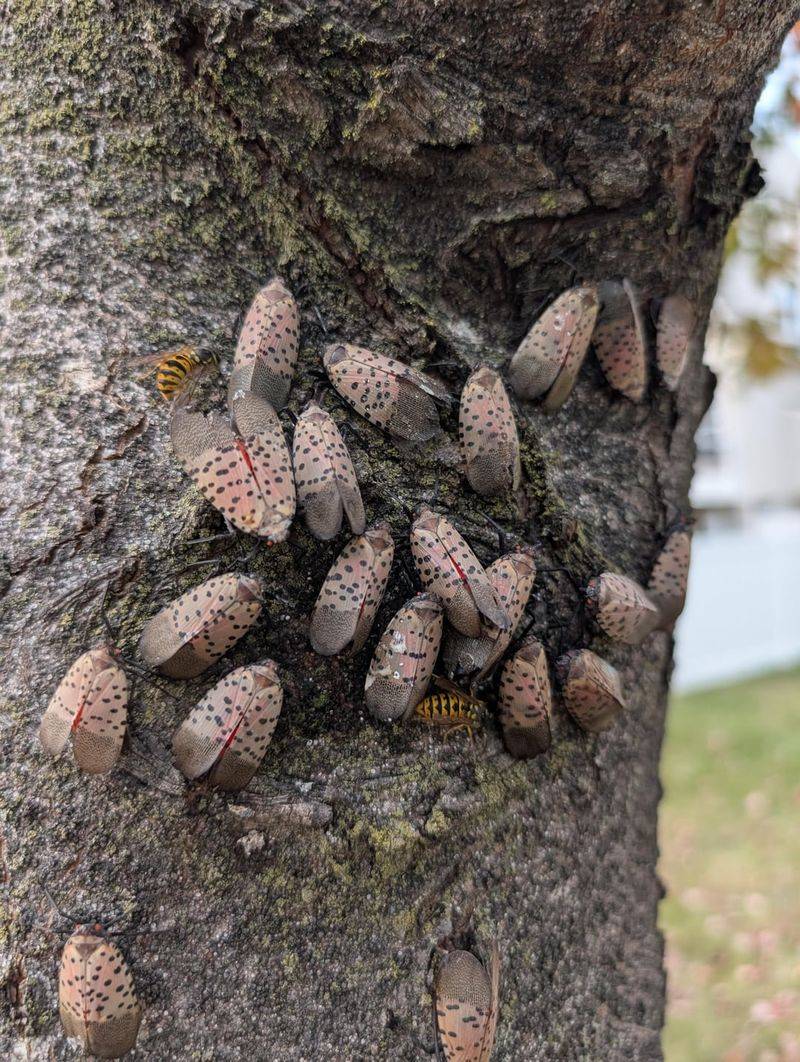
Honeydew sounds harmless, even pleasant. But when spotted lanternflies produce it in large quantities, it creates a chain reaction of problems. Most homeowners have no idea this sticky substance is even connected to a pest.
Lanternflies excrete honeydew as a byproduct of sap feeding. It drips from leaves and coats everything below the tree. Patio furniture, cars, and garden plants all end up covered in it.
The sugar in honeydew attracts stinging insects like yellow jackets and hornets. Suddenly, spending time near your tulip poplar becomes uncomfortable. What started as a tree problem becomes a backyard problem.
Ants farm honeydew actively, which can disrupt the natural insect balance in your yard. They protect lanternflies from predators in exchange for access to the sweet liquid. This relationship helps the pest population grow faster.
Black sooty mold, which grows on honeydew, is not just ugly. It physically blocks sunlight from reaching the leaf surface. A leaf that cannot photosynthesize provides little benefit to the tree.
Sooty mold is stubborn and spreads quickly during humid Connecticut summers. It can jump to nearby shrubs and plants. Before long, a single infested tulip poplar becomes a mold source for the whole garden.
Addressing honeydew means addressing the lanternfly infestation directly. Cleaning surfaces helps temporarily, but the root cause must be treated. Your tulip poplar needs real protection, not just surface cleanup.
Seasonal Patterns To Track Each Year
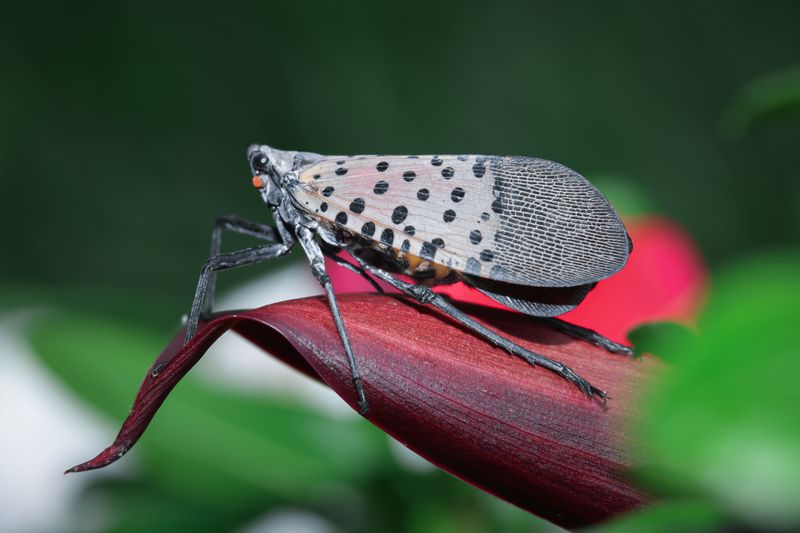
Spotted lanternflies follow a predictable seasonal pattern. Knowing that pattern gives you a window to act before damage peaks. Most homeowners miss this window entirely.
Egg masses overwinter on tree bark, rocks, and even outdoor furniture. They hatch in late April or May when temperatures warm up. The tiny black nymphs that emerge are easy to overlook.
Early nymphs are small and dark with white spots. They feed on softer plant material at first. By July, they develop into red nymphs that are easier to spot but already causing damage.
Adult lanternflies emerge in late July through August. This is when populations become most visible and most damaging. Homeowners often notice the problem only at this peak stage.
Adults feed heavily through September and into October. They are building energy reserves for egg-laying. The more they feed, the more eggs they produce for next season.
Egg masses are typically laid from late September into the fall, with timing varying by region. They are deposited on any flat surface, not just trees. Checking your car, patio furniture, and fences is part of managing the problem.
Understanding this cycle lets you target each stage strategically. Scraping eggs in winter prevents spring hatching.
Treating nymphs in May stops them before they become adults. Timing is everything when dealing with the spotted lanternfly threat to tulip poplars.
Steps To Protect Your Tulip Poplars
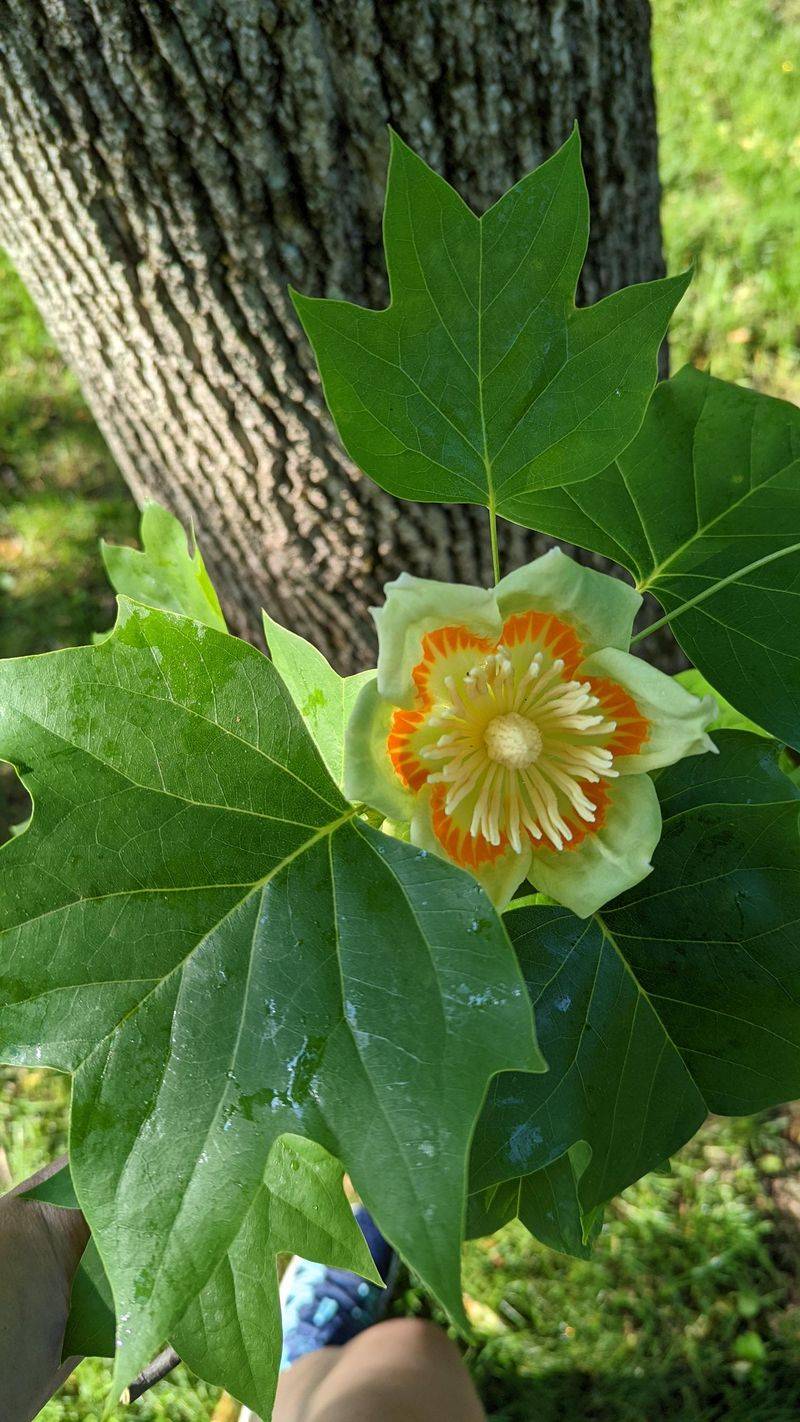
Protecting your tulip poplar starts with consistent monitoring. Walk around the tree at least once a week during warm months. Look low on the trunk where lanternflies prefer to gather.
Scraping egg masses is one of the most effective low-cost actions you can take. Use a stiff card or putty knife to scrape them into a bag of rubbing alcohol. This stops the eggs from hatching and reduces next season’s population.
Sticky bands wrapped around the trunk can trap nymphs as they climb. Make sure to check and replace these bands regularly. Trapped birds or beneficial insects should be freed right away to avoid unintended harm.
Neem oil sprays applied to the trunk and lower branches can deter feeding. It works best on nymphs rather than adults. Apply it in the early morning when lanternflies are less active.
Systemic insecticides, applied by a licensed professional, can protect the tree from the inside. The tree absorbs the treatment and it affects feeding insects.
This method can be effective against heavy infestations, though a licensed arborist can advise on tulip poplar-specific application.
Keeping your tree healthy makes it more resistant to pest pressure. Proper watering, mulching, and fertilizing all help. A strong tree bounces back faster than a stressed one.
Removing nearby tree-of-heaven plants is also a smart move. That invasive tree is a preferred host and acts as a local breeding ground. Removing it reduces the overall lanternfly pressure in your yard.