This Porch Plant Makes Rats And Roaches Less Welcome In Connecticut

Every Connecticut porch has an uninvited visitor, and it doesn’t knock. Rats slip through gaps at dusk.
Roaches settle into damp corners where firewood sits stacked or old boxes gather dust. Most homeowners reach for traps or sprays, and most give up after a season of half-results.
But there’s a gentler fix growing in plain sight, one that smells sweet to us and completely unwelcome to pests.
Catnip, the plant your cat can’t resist, hides a chemical called nepetalactone that sends rodents and insects looking elsewhere.
Researchers have measured its effect against some of the most popular commercial repellents, and catnip holds its own, sometimes outperforming them.
It’s affordable, low maintenance, and thrives in Connecticut’s unpredictable weather without much fuss.
If pests have made themselves comfortable on your porch, a Connecticut backyard experiment with catnip might be the simplest fix you haven’t tried yet. This humble plant deserves a real look before the season turns.
Why Connecticut Porches Attract Rats And Roaches
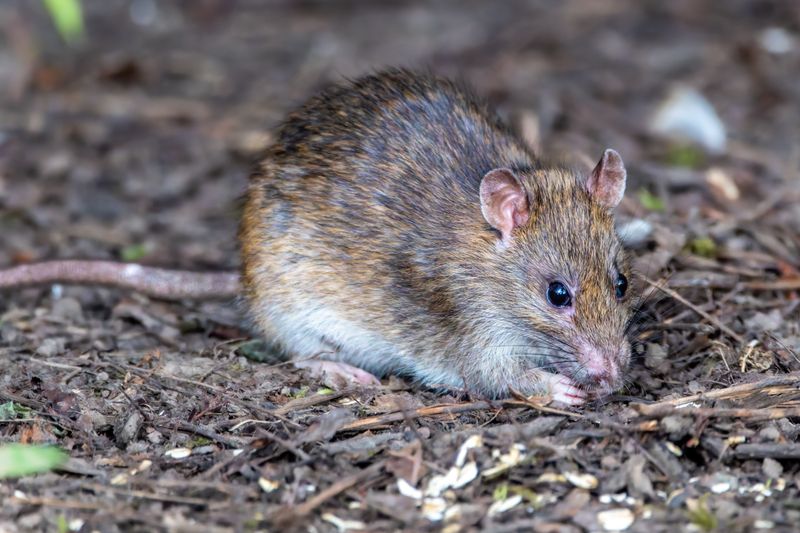
Porches offer an easy environment for pests to settle in. They offer shelter, warmth, and easy access to food scraps left behind after cookouts or casual evenings outside.
Connecticut’s seasonal shifts make things worse. Cold winters push rats and roaches indoors or into sheltered spots, and your porch is often the first stop on their journey.
Rats are clever animals. They scout locations for weeks before settling in, looking for consistent food sources and low foot traffic areas nearby.
Roaches love moisture and clutter. A porch with potted plants, stored firewood, or a recycling bin becomes a favorable habitat for these resilient insects.
Connecticut’s older housing stock adds another layer of vulnerability. Gaps in wood siding, cracks in porch foundations, and aging lattice panels create easy entry points for small rodents.
Suburban sprawl across the state has pushed wildlife habitats closer to residential zones. That means more rats are foraging in yards, gardens, and yes, right onto your porch steps.
The problem is not just gross. Rats spread disease, chew through wires, and contaminate surfaces. Roaches trigger allergies and carry bacteria that no family wants near their front door.
Most people reach for traps or sprays when they spot a pest. But those solutions are reactive, not preventive, and they rarely address what made the porch attractive in the first place.
A smarter approach starts before pests arrive. Changing what your porch smells like is one of the most underrated strategies available to homeowners today.
The Underrated Porch Plant Worth Growing

Most people think of catnip as a cat toy. Turns out, it is one of the most underestimated pest-repelling plants you can grow on a porch.
Catnip belongs to the mint family. Its scientific name is Nepeta cataria, and it has been used in folk remedies and garden pest control for centuries across Europe and North America.
The plant grows bushy and full, reaching about two to three feet tall when happy. Its gray-green leaves have a soft, velvety texture and a sharp, herbal scent that humans find pleasant but pests find unbearable.
Your Connecticut Garden Changes Every Week. Your Plan Should Too.
Gardening in Connecticut changes quickly throughout the season. Every Friday you’ll receive a simple weekly plan showing exactly what to plant, prune, fertilize, harvest, and protect so you never miss the right timing.
Small white and lavender flowers bloom from summer into early fall. Those blooms attract pollinators like bees and butterflies, making catnip a double win for your porch garden.
Catnip is incredibly low maintenance. It thrives with minimal watering, tolerates partial shade, and bounces back fast after being trimmed or disturbed by a curious cat.
You can find catnip at most garden centers across the state, especially in spring and early summer. Seeds are widely available online and sprout easily in basic potting soil.
Growing it in containers is a smart move for porches. Pots let you move the plant to wherever pest pressure is highest, giving you flexible, targeted protection all season.
Gardeners who already grow herbs like basil or lavender will find catnip fits right in. It looks great, smells interesting, and earns its place on any porch with minimal fuss.
The Science Behind Nepetalactone’s Repellent Power

Nepetalactone sounds like something from a chemistry exam. But understanding it is the key to knowing why catnip actually works against pests.
This natural compound is produced in tiny glands on catnip leaves and stems. When the plant is brushed, crushed, or disturbed, those glands release a strong aromatic oil into the surrounding air.
Research from Iowa State University found nepetalactone to be dramatically more effective at repelling cockroaches than DEET, the same chemical used in many commercial bug sprays sold at hardware stores.
A separate Iowa State study on mosquitoes found nepetalactone roughly ten times more effective than DEET.
The compound works by overwhelming the olfactory systems of insects and rodents. Their sense of smell is their primary navigation tool, and nepetalactone essentially scrambles that signal.
Rats rely heavily on scent to communicate, mark territory, and locate food. Introducing a strong, unfamiliar chemical scent like nepetalactone into their environment disrupts those routines significantly.
Roaches have chemoreceptors on their antennae that detect environmental chemicals. Nepetalactone triggers a strong avoidance response in these receptors, sending roaches in the opposite direction. The oil does not linger forever in open air.
That is why having a living plant, rather than a dried bundle, provides more consistent and renewable exposure for passing pests. Scientists are still studying the full range of insects affected by nepetalactone.
Research has confirmed it also repels mosquitoes, with early findings suggesting it may deter aphids and certain beetles as well, making it broadly useful in any outdoor setting.
Why This Plant Thrives In Connecticut’s Climate

Connecticut weather can be moody. Winters are cold, summers are humid, and spring arrives like it is always in a rush to leave again.
Catnip handles all of that surprisingly well. It is a hardy perennial in USDA zones 3 through 9, and Connecticut falls squarely in zones 6 and 7.
That means once established, catnip comes back every spring without replanting. You put in the effort once, and the plant rewards you with seasons of natural pest protection.
Hot, humid Connecticut summers are actually ideal for nepetalactone production. Heat encourages the plant to produce more of the aromatic oils that make it effective against pests.
Catnip tolerates the state’s occasional drought spells without much complaint. Its root system goes deep, pulling moisture from lower soil layers when the surface dries out between rain events.
Fall is when catnip really shows off its toughness. While other herbs start to fade, catnip keeps flowering and producing leaves well into October in many parts of the state.
Winter dormancy is no problem either. The plant fades back to the ground, but its root system survives even hard freezes and pushes up fresh growth come April or May.
For Connecticut gardeners who want low-effort, high-reward plants, catnip checks every box. It asks for little, grows fast, and shows up reliably when the next pest season rolls around.
How To Place And Use Catnip On Your Porch

Placement matters more than most people realize. Dropping one pot in the corner and hoping for the best is not going to send pests running for the hills.
Start by identifying where pests enter or linger most often. Common spots include gaps near the foundation, corners behind furniture, and areas close to trash storage or pet food.
Put catnip pots near those high-traffic pest zones. Pests encounter the scent before they even reach the spots they are targeting, which disrupts their approach early.
Flanking your porch door with two catnip containers is a smart move. Every time you or a guest opens the door, the movement brushes the leaves and releases a fresh burst of scent.
Crushed catnip leaves can also be scattered along the porch perimeter. Fresh crushing releases a concentrated dose of nepetalactone right where you need it most.
Refreshing your crushed leaves every few days keeps the scent active. Dried or wilted leaves lose their potency, so staying on top of this small task makes a big difference.
If you have a cat at home, use caution. Your pet will absolutely notice the plant and may try to roll on it or eat it, which is harmless but could damage your pest defense setup.
Combining catnip with other repellent herbs like mint or lavender creates a layered scent barrier. Pests face multiple unfamiliar smells at once, and most will choose easier territory elsewhere.
Realistic Expectations For What It Can And Can’t Do

Catnip is not a magic eraser. Setting honest expectations before you plant will save you a lot of frustration down the road.
What catnip does well is deter. It creates an olfactory barrier that makes pests less likely to approach, linger, or establish a presence on your porch.
What it cannot do is clear out an existing infestation. If rats have already nested nearby or roaches have moved indoors, catnip alone will not solve that problem on its own.
Think of catnip as a first line of defense, not a complete pest management system. It works best when combined with good sanitation habits and removing food sources that attract pests.
Sealing gaps in your porch structure, securing trash lids, and removing standing water are all steps that dramatically improve catnip’s effectiveness. The plant handles the scent barrier while those actions cut off the welcome mat.
Effectiveness also varies by season. Summer, when the plant is actively growing and producing oils, delivers the strongest repellent effect.
Winter dormancy means you lose that protection temporarily. Dried catnip sachets placed near pest entry points can bridge that seasonal gap.
They are not as powerful as fresh leaves, but they maintain some level of deterrence during cold months.
Used consistently and strategically, catnip is a legitimate tool in your porch pest control arsenal. This porch plant makes rats and roaches far less welcome, and that alone makes it worth every bit of effort.