Why Brown Spots Are Spreading On Hydrangea Leaves Across New Jersey This Season
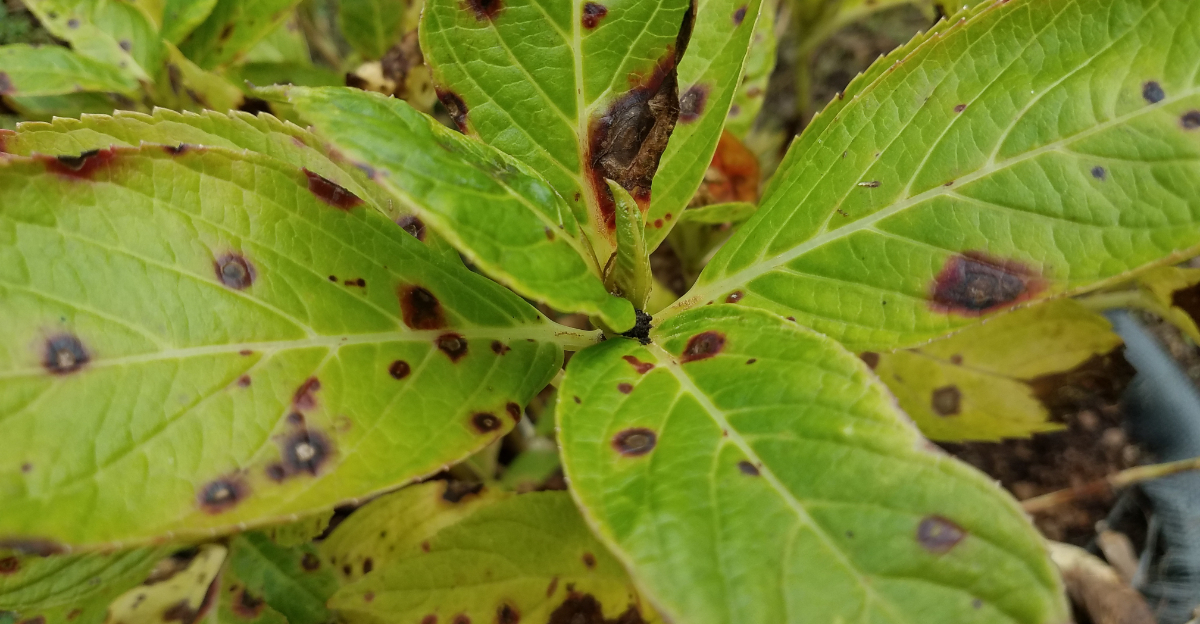
Dark spots are quietly creeping across your hydrangea leaves right now. Your first instinct is probably to blame the weather. Fungal spores multiply quickly in humid conditions New Jersey experienced this summer.
Moisture clings tightly to your foliage overnight, creating perfect breeding grounds. Small marks can double in size within just days. Left untreated, entire leaves can slowly wilt into brittle brown husks.
Gardeners across New Jersey are noticing this exact pattern lately. Rain keeps falling, temperatures keep climbing, and fungus keeps winning. Few warned you how quickly this could escalate.
Every leaf you lose weakens next year’s blooms. Roots absorb that stress long before flowers show it.
Waiting rarely helps once fungal infections take hold. Confusion delays your next move while damage keeps building.
Knowledge moves faster than uncertainty ever will. That plant deserves better than guesswork right now. You need to know exactly what’s affecting your plant before it worsens.
1. Fungal Spots Thrive In Humidity
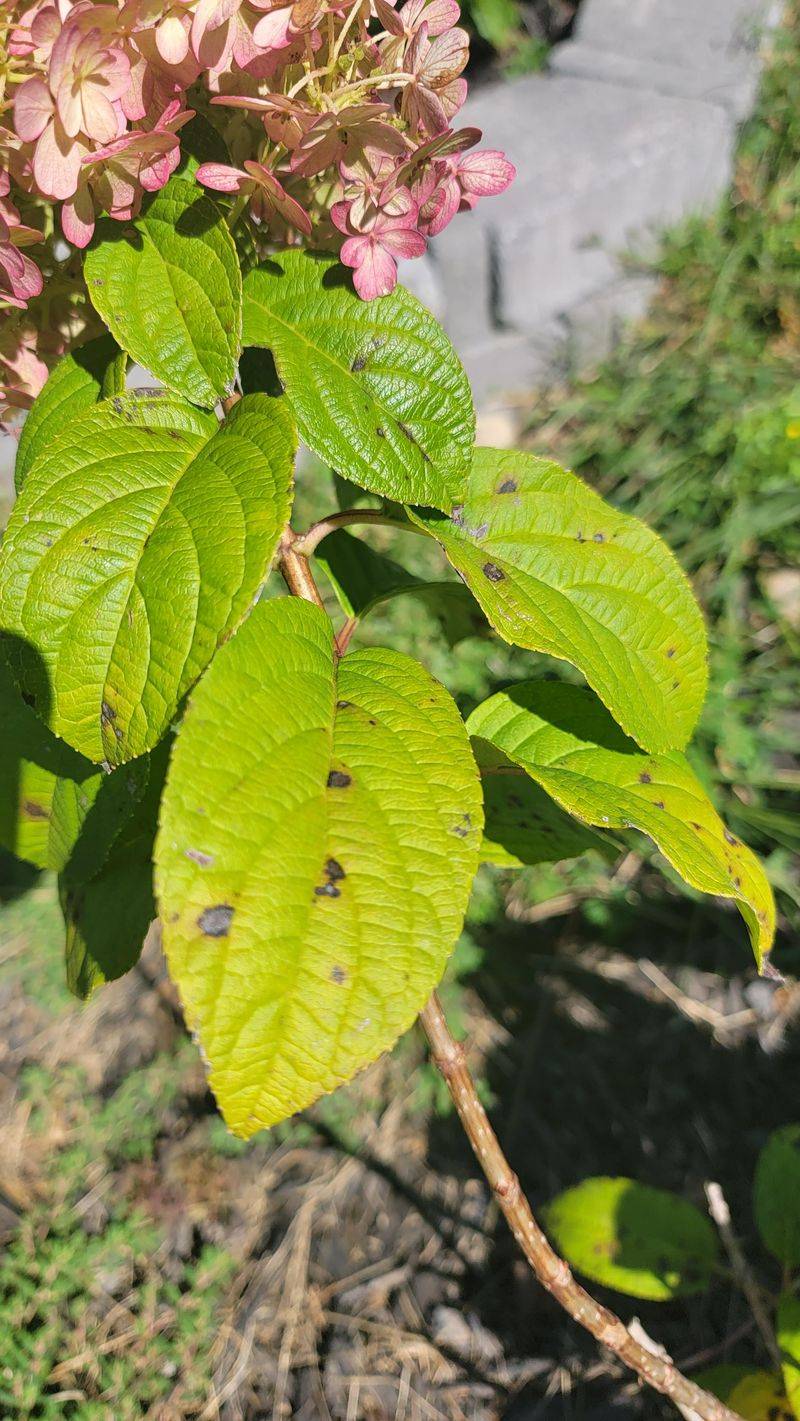
Humid air creates favorable conditions for fungal disease. When humidity stays consistently high, fungal spores germinate and spread more quickly on hydrangea leaves.
Brown spots are spreading on hydrangea leaves because the air this season has been unusually thick and wet. Fungi need moisture to germinate, and New Jersey summers have been delivering plenty of that lately.
The spots usually start small, almost like freckles on the leaf surface. Then they grow outward, sometimes developing a yellow halo around the brown center.
Many gardeners mistake early fungal spots for sunburn or drought stress. Knowing the difference saves you from treating the wrong problem entirely.
Fungal infections tend to appear on lower leaves first, where airflow is weakest and moisture lingers longest. Once you see spots climbing toward the top of the plant, the infection has already spread significantly.
Reducing ambient humidity around your plants is not always possible outdoors. However, strategic planting and pruning can lower the moisture bubble that surrounds each shrub.
Morning sun helps dry leaf surfaces quickly after overnight dew. A spot with several hours of direct sunlight helps leaves dry faster and lowers their vulnerability.
Fighting humidity starts with understanding your yard’s microclimates. Some corners trap moisture longer than others, and those are the spots where fungal problems always hit first.
2. Overhead Watering Spreads Spores
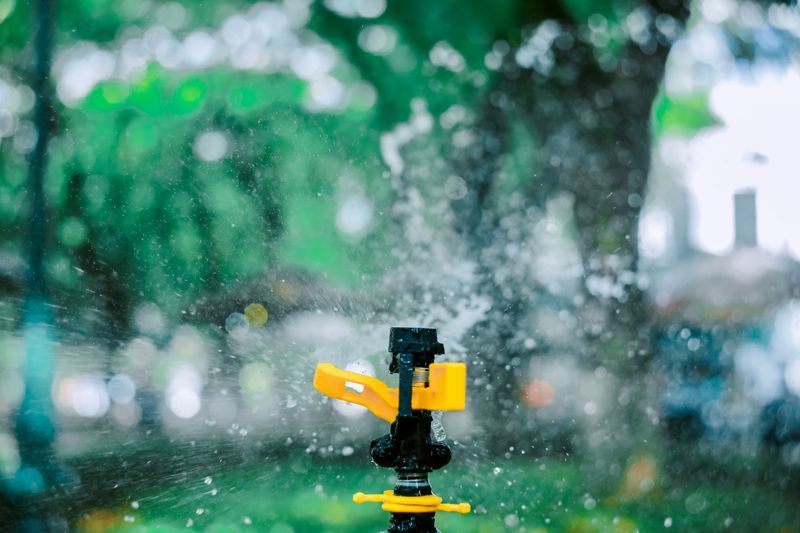
Watering from above feels natural, but it is one of the fastest ways to spread fungal disease through your garden. Each water droplet that hits an infected leaf picks up spores and carries them to healthy leaves nearby.
Overhead sprinklers can inadvertently spread spores from leaf to leaf. The force of the spray dislodges spores that would otherwise stay put on a single leaf.
Switching to drip irrigation or a soaker hose changes everything for hydrangea health. Water goes straight to the roots, and the leaves stay dry and far less inviting to fungi.
If you must water by hand, aim at the soil line and keep the hose nozzle low. Avoid watering in the evening, since wet leaves sitting overnight in cool air are prime fungal targets.
Your New Jersey Garden Changes Every Week. Your Plan Should Too.
Gardening in New Jersey changes quickly throughout the season. Every Friday you’ll receive a simple weekly plan showing exactly what to plant, prune, fertilize, harvest, and protect so you never miss the right timing.
Many gardeners water their plants the same way they always have, never connecting the habit to the spreading brown spots. Making one simple change in technique can slow an infection noticeably within a week.
Early morning is the best time to water if overhead watering is your only option. The sun rises quickly and dries the leaf surfaces before fungi have time to settle in.
Consistency matters more than most people realize when managing fungal pressure. A single careless watering session during peak humidity can undo two weeks of careful disease management in your garden.
3. Poor Airflow Traps Moisture
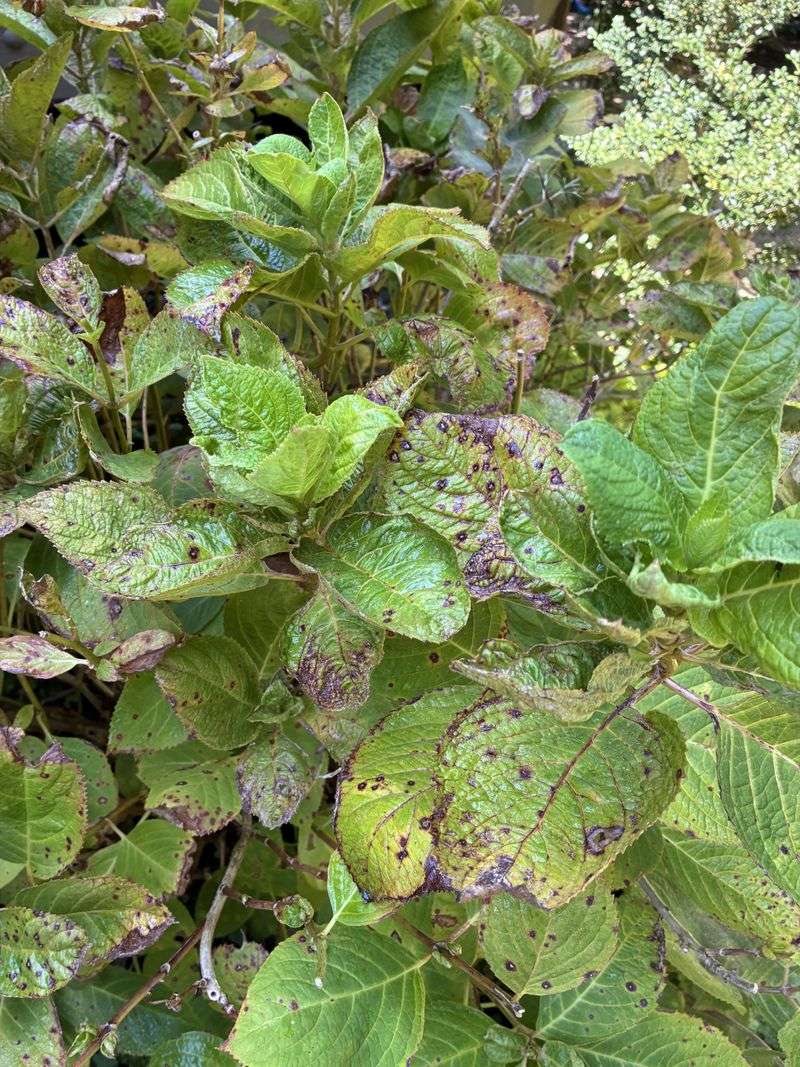
Densely planted shrubs create localized humid microclimates that favor fungal growth. When shrubs grow too close together, air cannot circulate freely between stems and leaves.
Stagnant air means wet leaves stay wet far longer than they should after rain or morning dew. That extended window of moisture is exactly what fungal spores need to germinate and take hold.
Pruning for airflow is one of the most underrated tools in a gardener’s toolkit. Removing crowded interior branches opens up the canopy and lets breezes pass through rather than around the plant.
Good airflow also helps the soil surface dry out faster between waterings. Dry soil around the base of a plant reduces the splash-back effect that sends spores upward onto lower leaves.
Many gardeners hesitate to prune hydrangeas out of fear of cutting off next season’s blooms. However, strategic thinning of non-flowering stems does not hurt flower production and can dramatically improve plant health.
Spacing plants properly at the time of planting prevents most airflow problems before they start. The general rule is to give each hydrangea at least as much space as its mature width requires.
If your plants are already overcrowded, selective pruning is your best short-term fix. Even removing a few interior branches can create enough airflow to meaningfully lower the humidity inside the plant’s canopy.
4. Cercospora Fungus Targets Leaves
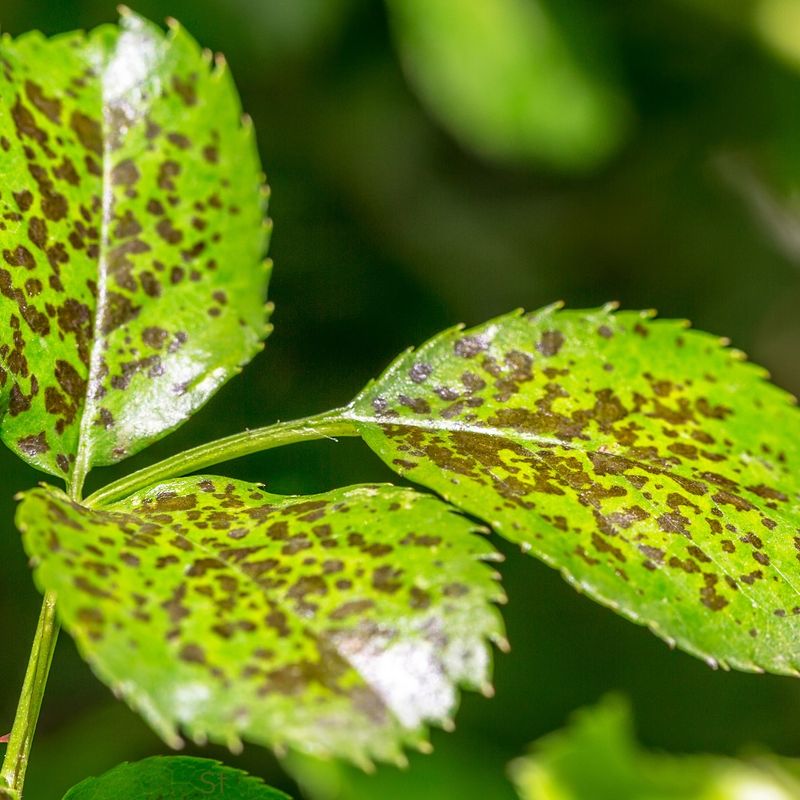
Cercospora leaf spot is one of the most common culprits behind those spreading brown circles on hydrangea foliage. This specific fungus has a signature look that sets it apart from other leaf diseases.
Infected leaves typically show circular spots with tan or gray centers and dark brown borders. A yellow halo often rings the outer edge, giving the leaf a bruised, waterlogged appearance.
Cercospora thrives in warm, humid conditions, which makes late summer in New Jersey almost ideal for its spread.
Removing fallen leaves from around your plants is one of the most effective prevention steps you can take. Those decomposing leaves on the ground are loaded with spores waiting for the next rain to splash them upward.
Copper-based fungicide sprays are widely recommended for managing Cercospora outbreaks. Applying them preventively before symptoms appear works far better than spraying after the infection is already visible.
Always follow label directions when using any fungicide product around garden plants and pets. Reapplication on a regular schedule during wet weather, following product label directions, keeps protective coverage consistent.
The good news is that Cercospora rarely causes serious harm to a mature hydrangea. Managing it consistently each season reduces the fungal population over time and leads to noticeably cleaner foliage year after year.
5. Wet Weather Speeds Fungal Growth

This season has been unusually wet across much of the region, and hydrangeas are showing the effects. Rainfall totals above seasonal averages create extended periods of leaf wetness that accelerate fungal development.
Fungi reproduce by releasing spores, and rain is the most efficient transport system those spores have. A single heavy downpour can rapidly scatter spores across a garden.
The longer a leaf stays wet, the higher the risk of fungal infection becomes. This season’s pattern of frequent rain followed by cloudy, humid days has been nearly perfect for disease progression.
Gardeners cannot control the weather, but they can control how they respond to it. Inspecting plants closely after every significant rain event helps catch new infections while they are still small and manageable.
Fungicide applications before a predicted rainy stretch offer better protection than spraying after the fact. Preventive fungicide application is more effective than treating an infection after it appears.
Some gardeners use a simple rain gauge to track weekly totals and adjust their fungicide schedule accordingly. Weeks with over an inch of rainfall typically warrant more frequent protective sprays on susceptible plants.
Patience and persistence are your two best tools during a wet season. Staying consistent with monitoring and treatment keeps the fungal pressure manageable even when the forecast refuses to cooperate with your garden plans.
6. Crowded Plants Spread Disease Faster
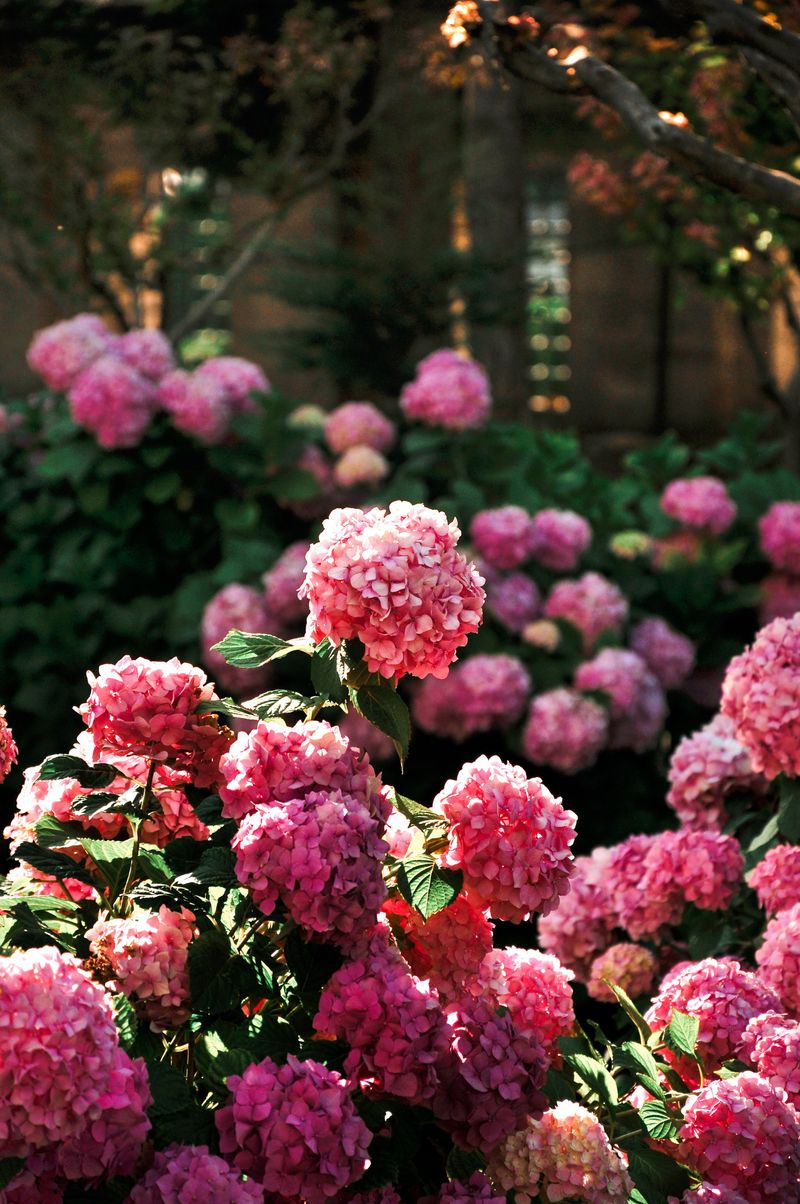
Planting hydrangeas too close together allows disease to spread easily from plant to plant. Disease moves from plant to plant with almost no resistance when foliage overlaps constantly.
When leaves from neighboring shrubs brush against each other, they exchange moisture and any fungal spores living on those wet surfaces. One infected plant can seed an entire row of healthy shrubs within a single wet week.
Spacing is everything when it comes to disease management in a garden bed. Most hydrangea varieties need adequate space between plants to maintain healthy airflow and reduce leaf contact; exact spacing depends on the variety.
If your current layout is too crowded, consider transplanting one or two shrubs to open up the spacing. Early spring or late fall are the safest times to move established hydrangeas without causing too much root stress.
Raised garden beds sometimes make spacing problems worse by concentrating plants in a small footprint. If you grow hydrangeas in a raised bed, be extra vigilant about pruning and thinning throughout the growing season.
Mulching between plants helps by reducing soil splash-back during rain, which limits how far spores travel upward. A two-inch layer of wood chip mulch around each plant base makes a noticeable difference in disease pressure.
Crowded gardens feel lush and full, but that density comes with a hidden cost. Giving plants room to breathe is one of the most powerful disease-prevention choices a gardener can make.
7. Stressed Plants Grow More Susceptible
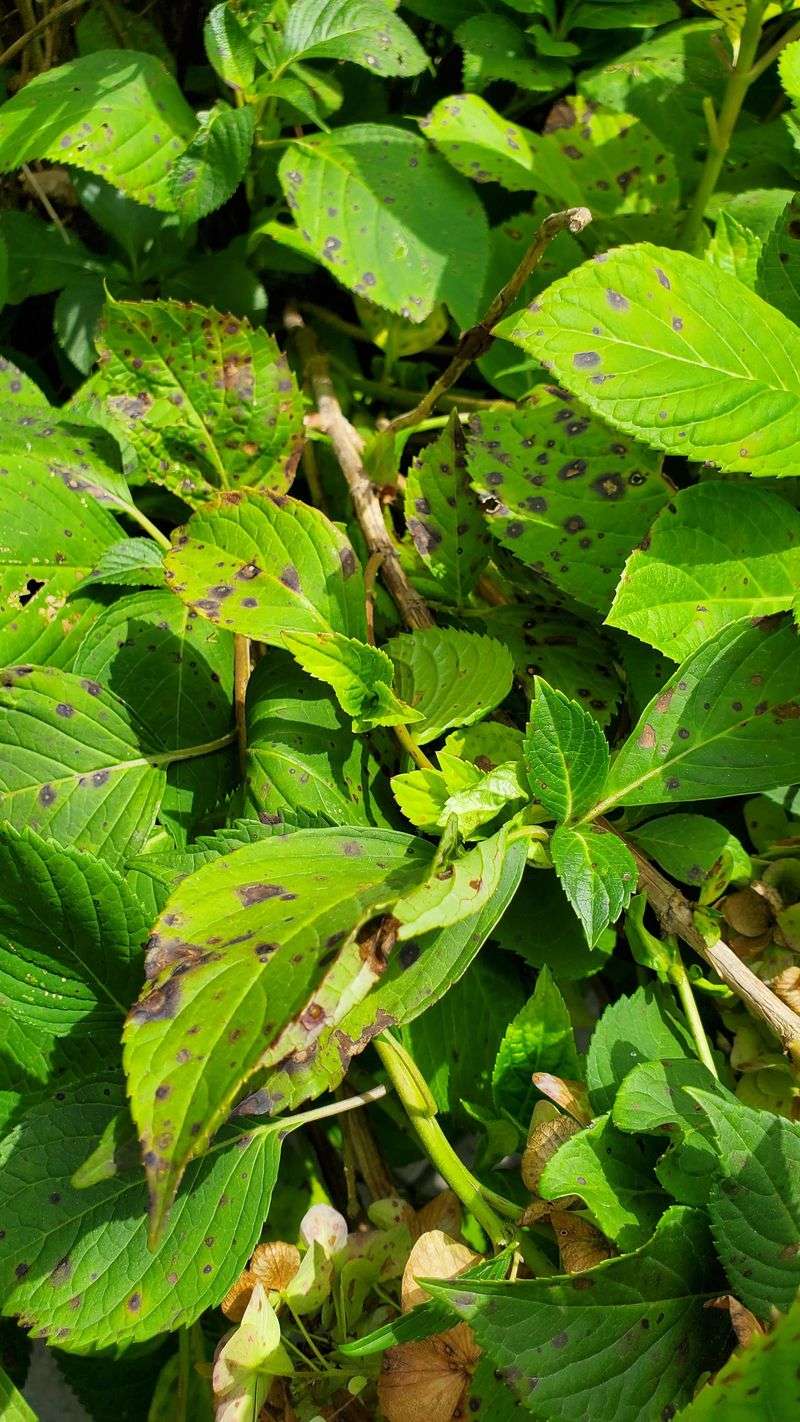
A stressed hydrangea becomes significantly more vulnerable to fungal pathogens. Plants under stress have weakened immune responses, making it much easier for disease to take hold and spread.
Drought stress, nutrient deficiency, and transplant shock all lower a plant’s natural defenses. When a hydrangea is struggling just to survive, it has fewer resources left to resist fungal infection.
Inconsistent watering is one of the most common stressors that backyard gardeners overlook. Letting a plant dry out completely between waterings and then flooding it causes repeated stress cycles that add up over a season.
Soil health plays a big role in how resilient your hydrangeas are against disease. Plants growing in compacted, nutrient-poor soil simply cannot mount the same defense as those in rich, well-amended garden beds.
A balanced slow-release fertilizer applied in spring gives plants the nutritional foundation they need for the whole growing season. Avoid over-fertilizing with high-nitrogen products, which push fast leafy growth that is softer and more vulnerable to fungal infection.
Mulching around the root zone helps regulate soil moisture and temperature, reducing one major source of plant stress. Consistent moisture levels mean the plant is not swinging between drought and flood every few days.
Healthy plants are not immune to brown spots on hydrangea leaves, but they recover faster and spread disease less readily. Investing in soil and watering habits pays off every single season in your garden.
8. Rain Splashes Spores Between Leaves
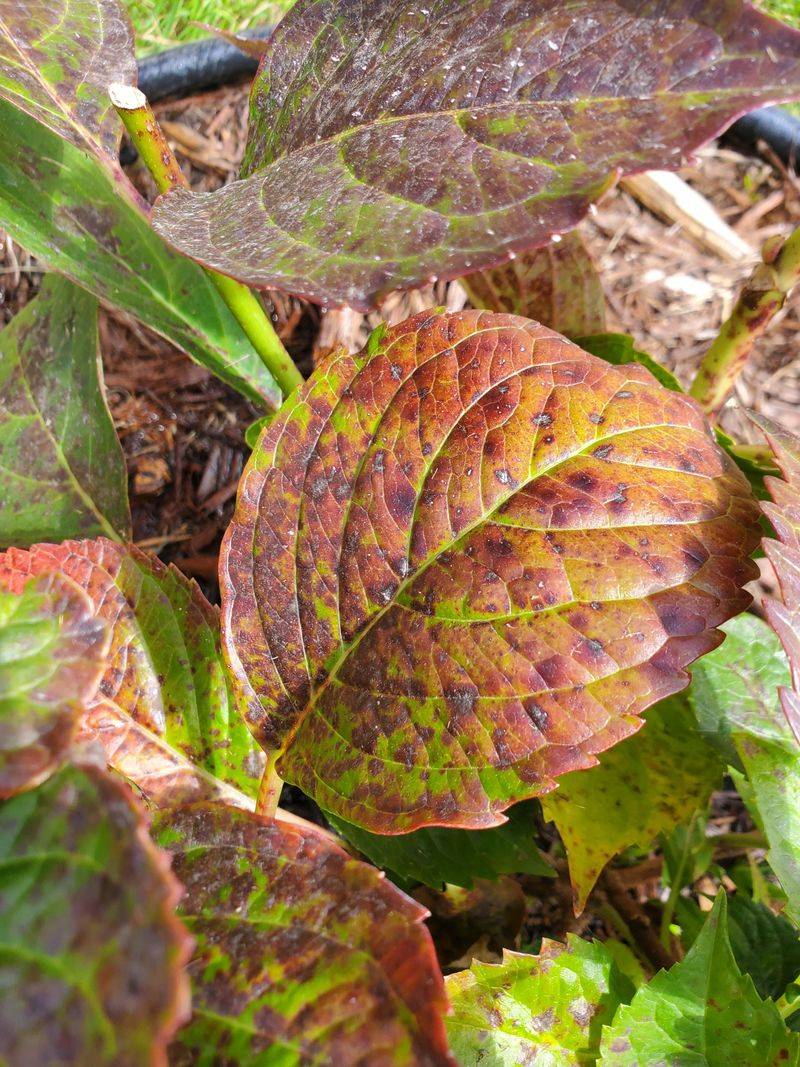
Watch a raindrop hit a leaf and you will see tiny droplets scatter outward in every direction. Each one of those micro-splashes can carry fungal spores from an infected leaf to a perfectly healthy one nearby.
This splash dispersal is how brown spots on hydrangea leaves jump from the lower canopy to the upper leaves so quickly. Gravity brings spores down through fallen debris, and rain sends them right back up again.
Research on splash dispersal shows spores can travel a surprising distance from their source during a single moderate rainfall event.
Placing a physical mulch barrier around the base of each plant interrupts this cycle at the soil level. When spores cannot splash up from infected debris on the ground, the infection cycle slows considerably.
Some gardeners use a temporary plastic sheeting trick during forecasted heavy rain events. Laying sheets around the base of plants blocks soil splash-back without harming the plant during short rain events.
Row covers and garden fabric can also reduce direct rain impact on foliage during especially heavy downpours. These tools are not permanent solutions, but they offer meaningful short-term protection when disease pressure is already high.
Understanding how spores travel changes how you approach garden cleanup. Removing infected leaf debris promptly, especially before a rain, breaks the splash cycle and protects your hydrangeas from another season of spreading brown spots.