The Fast-Growing Vine Quietly Spreading Through New Jersey And How To Remove It
Somewhere in New Jersey, a vine is taking over a barn. Not suddenly, not overnight, but methodically, leaf by leaf, stem by stem, until the structure underneath simply disappears.
This plant grows a foot a day in summer heat. It overwhelms trees, pulls down fences, and wraps itself around anything that holds still long enough.
It arrived from Asia decades ago, welcomed in with good intentions, and has been quietly making itself at home ever since.
New Jersey yards, fence lines, and tree edges are where it does its most patient work. The problem with pushing back is that most people start too late, move too gently, or quit after one season.
Growth continues regardless of removal attempts. It shows up every spring, a little further into your yard than last year, a little harder to pull back than the year before. So how much of your backyard are you willing to lose?
It Takes Over New Jersey Backyards And Most Homeowners Never See It Coming
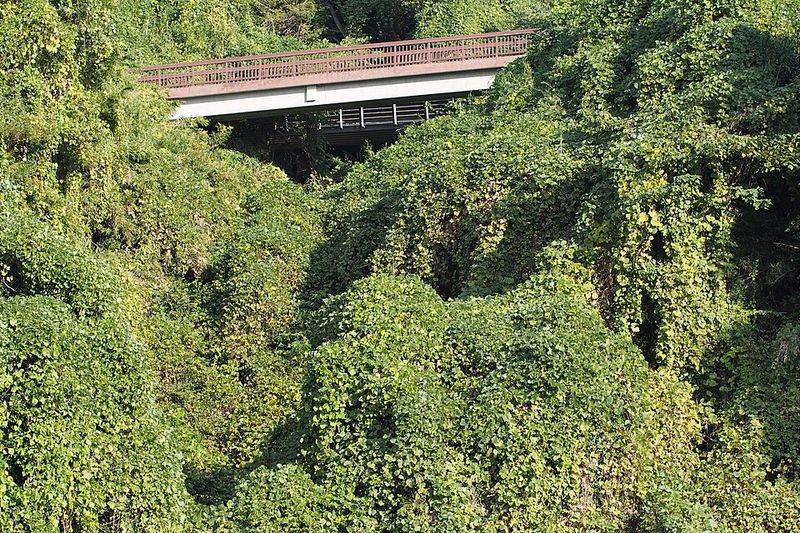
Kudzu does not knock before it enters your yard. One summer, your fence looks fine. The next, it is buried under a wall of green. This fast-growing vine is officially called Pueraria montana.
It was introduced to the United States from Japan in 1876 at the Philadelphia Centennial Exposition, initially as a decorative plant before widespread government promotion followed.
Back then, people loved it. By the mid-1900s, the government even paid farmers to plant it for erosion control. Nobody guessed it would become one of the most persistent invasive plants in the country.
Kudzu grows up to one foot each day during peak summer heat. That is an unusually fast growth rate by any measure. One single plant can spread 60 feet in a single season.
It wraps around trees, fences, power lines, and even old cars. The vines get so heavy that they snap tree branches and block sunlight completely. Anything underneath slowly gets cut off from the light it needs.
Most homeowners in New Jersey spot it too late. The vine blends in with other greenery until it has already claimed serious ground.
By the time you notice, it may have spread across hundreds of square feet. The roots go deep underground, sometimes reaching six feet or more. Shallow pulling does almost nothing to stop it.
Effective removal requires more than surface-level pulling. Understanding what kudzu is and how it behaves is the first step toward taking your yard back.
Why Kudzu Spreads So Fast In New Jersey’s Climate
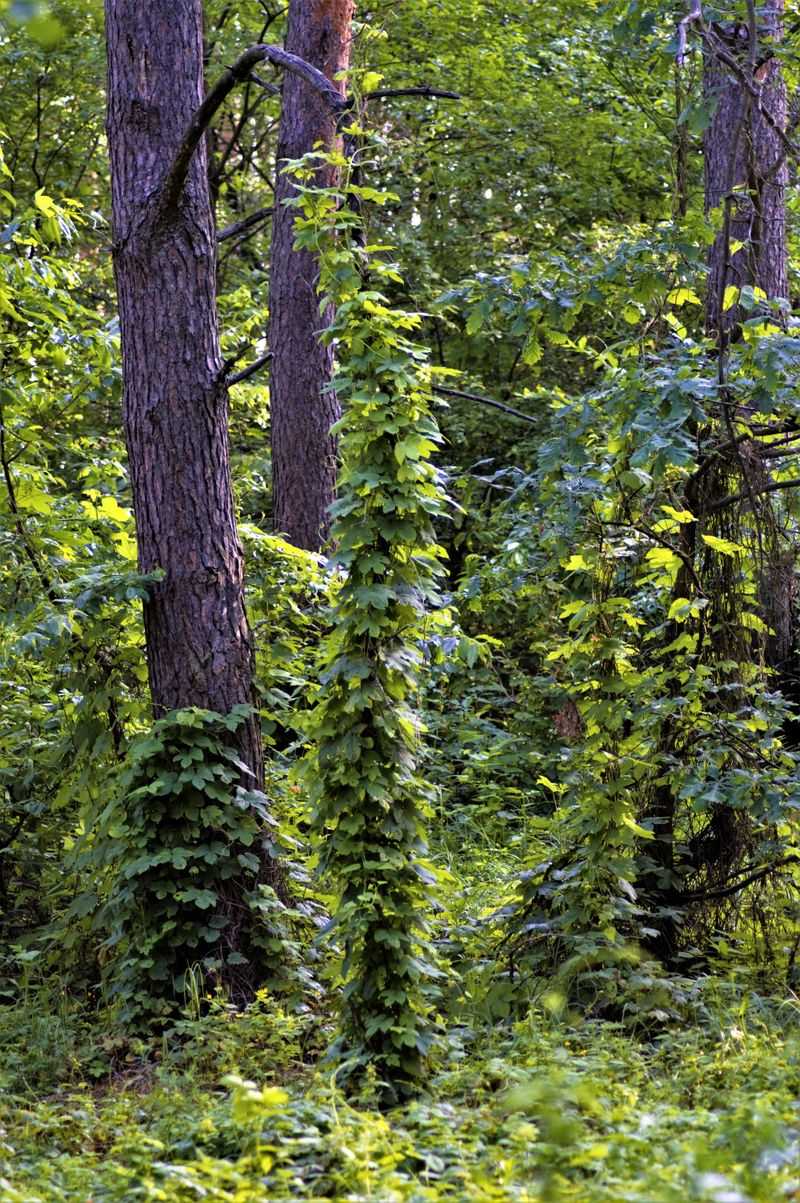
Warm summers and humid air are basically a welcome mat for kudzu. New Jersey’s climate checks every box this vine loves most.
Kudzu thrives in temperatures between 59 and 95 degrees Fahrenheit. The Garden State hits that range for a solid chunk of the year.
That gives the vine plenty of time to establish and expand. Rainfall in New Jersey also plays a big role.
The state gets about 45 inches of rain annually. Kudzu drinks that up and uses every drop to push new growth outward.
Your New Jersey Garden Changes Every Week. Your Plan Should Too.
Gardening in New Jersey changes quickly throughout the season. Every Friday you’ll receive a simple weekly plan showing exactly what to plant, prune, fertilize, harvest, and protect so you never miss the right timing.
The vine spreads in three main ways. It grows from its existing roots, it sends out runners that root wherever they touch soil, and it can spread through seeds carried by birds and wind.
That triple threat makes containment genuinely tough. You cut one runner, and three more are already touching down nearby. The plant does not slow down just because you are paying attention.
Disturbed soil makes things worse. Construction sites, roadsides, and cleared land are prime targets. Any bare patch of earth is an open invitation for kudzu to move in fast.
Southern states have dealt with this vine for longer, but kudzu has been creeping northward for years. Warmer winters mean the plant pushes through seasons it once could not.
New Jersey is squarely in its path now. Knowing why it spreads so aggressively helps you stop it smarter.
Spotting Kudzu Early Before It Spreads Further
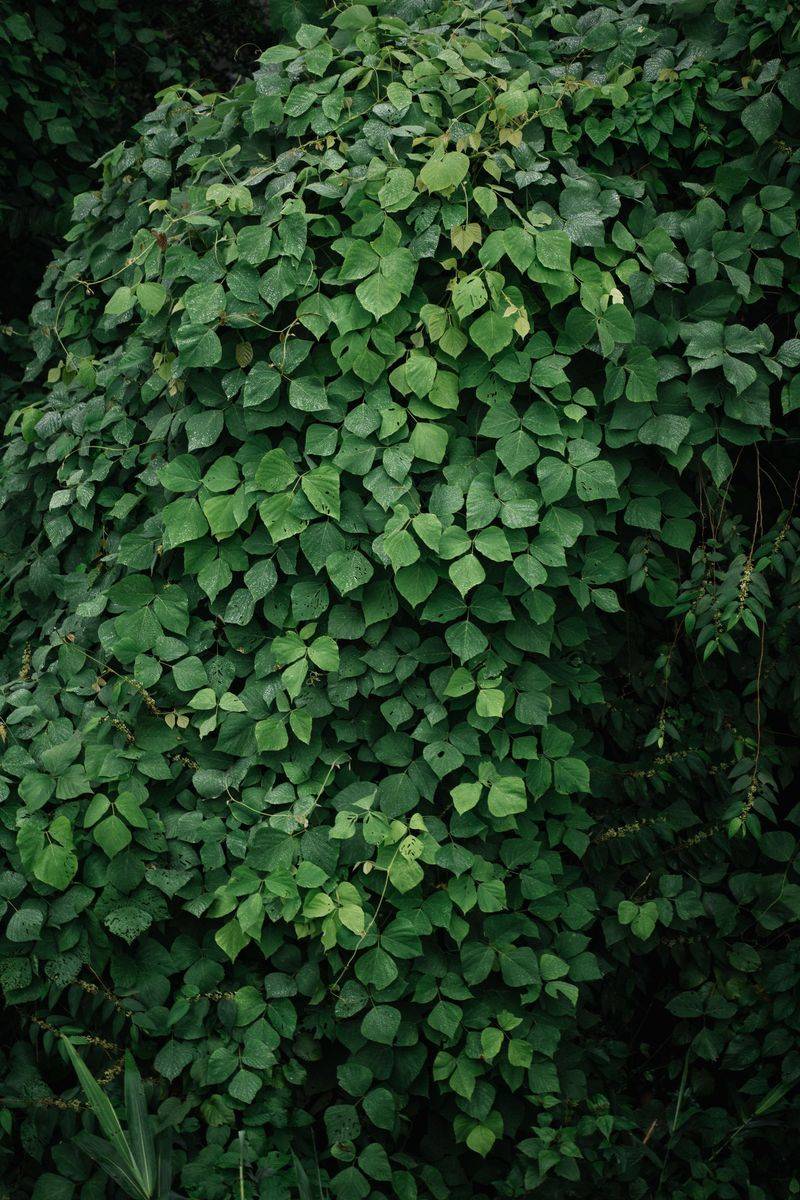
Early detection is everything with this plant. Catching kudzu when it is young saves you months of hard work later. The sooner you spot it, the easier the removal process becomes.
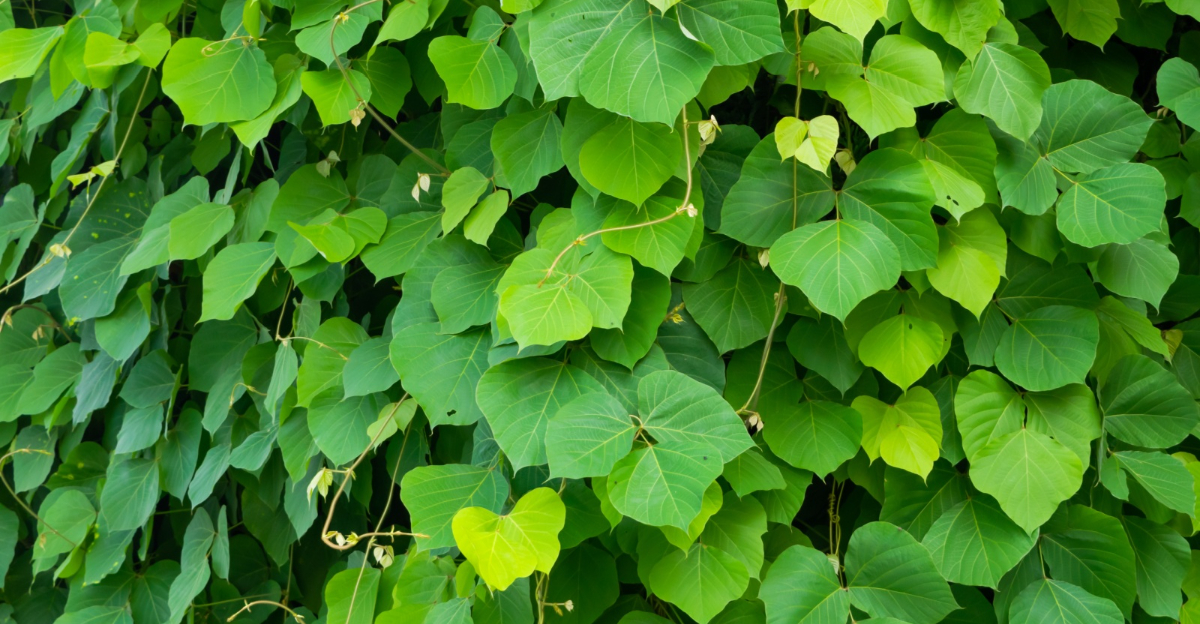
Kudzu leaves are large, dark green, and usually grow in groups of three. Each leaflet can be up to four inches wide.
They have a slightly fuzzy texture on the underside that sets them apart from most yard plants.
In late summer, kudzu produces small purple flowers with a grape-like scent. That sweet smell in an unexpected place is often the first clue for homeowners.
If you catch a whiff near your fence line, go investigate right away. The vines themselves are thick and woody over time.
Young stems start out green and soft. Older growth turns tan and rope-like, sometimes reaching the thickness of a garden hose.
Check the edges of your property first. Kudzu almost always enters from the perimeter before moving inward. Fence lines, tree lines, and areas near roads are the usual entry points.
Look for vines climbing trees or shrubs. If you see green growth covering the shape of a tree rather than growing naturally from it, that is a red flag worth checking.
Kudzu drapes over everything like a heavy green blanket. Take photos and compare them week to week during summer.
Growth that doubles in size quickly is a strong sign. Catching it in the first season makes removal far more manageable.
Proven Ways To Stop Kudzu From Spreading In Your Yard
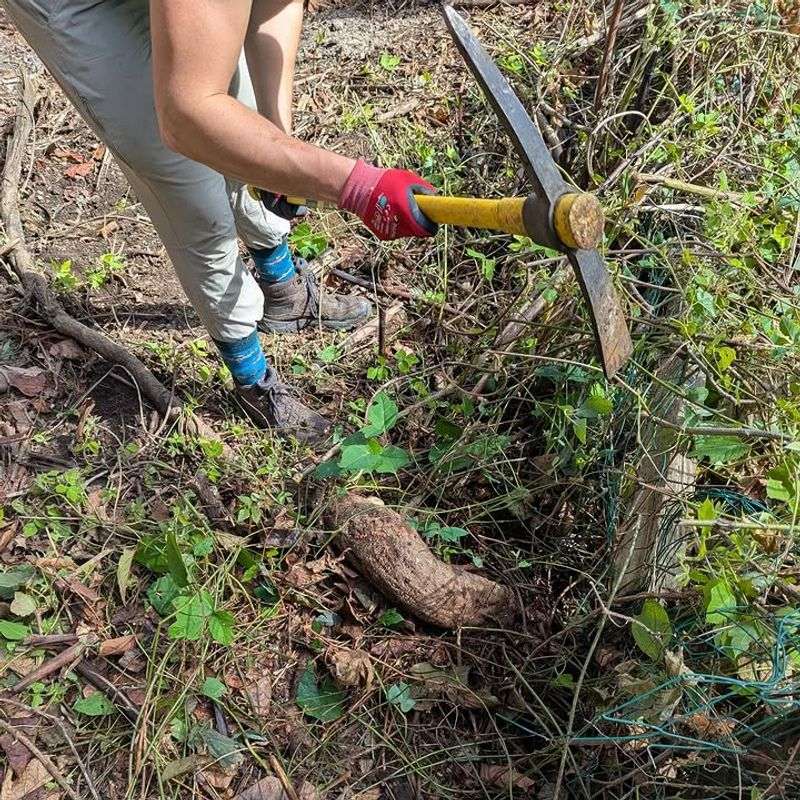
Rolling up your sleeves is the starting point. Removal takes effort, but the right approach makes a real difference.
Consistency matters more than brute force here. Mowing is one of the most effective manual methods.
Cut kudzu down to the ground every one to two weeks throughout the growing season. Repeated cutting exhausts the root system over time.
Grazing animals like goats are surprisingly useful. Goats eat kudzu aggressively and do not mind the tough vines.
Some communities in the South have used goat herds to suppress large infestations, though grazing manages growth rather than eliminating the root system entirely.
For smaller patches, hand pulling works when the soil is moist. Grab the vine as close to the ground as possible. Pull slowly and steadily to get as much root as you can without snapping the stem.
Herbicides can be effective when used correctly. Products containing triclopyr or glyphosate are commonly recommended for kudzu.
Always follow label directions carefully and apply during active growing periods for best results.
Cut the vines first, then apply herbicide directly to the freshly cut stems. This method gets the chemicals into the root system faster.
Waiting too long after cutting reduces how well the treatment works. Smothering with heavy black plastic sheeting is another option for smaller areas. Pin the plastic down tightly and leave it for at least two full growing seasons.
Light deprivation weakens the root system significantly over time. Persistence is the real secret weapon. One season of effort rarely finishes the job completely.
Calling A Professional To Help Get Kudzu Under Control

Sometimes the infestation is simply too large to handle alone. Knowing when to call for backup is a smart move, not a defeat. Professionals have tools and training that most homeowners do not.
Licensed applicators can use commercial-grade herbicides not available to the general public. These products work faster and penetrate deeper into established root systems.
A single professional treatment may achieve results that years of DIY spraying have not. Look for contractors who specialize in invasive plant removal. Not every landscaper has experience with kudzu specifically.
Ask directly whether they have handled large-scale kudzu removal before hiring anyone. Get at least three quotes before committing. Prices vary widely depending on the size of the infestation and the methods used.
A written plan of action should be part of any serious estimate. Some professionals use a combination of mechanical removal and chemical treatment. They may cut back the bulk of the growth first, then follow up with targeted herbicide applications.
This layered approach tends to be more thorough than either method alone. Ask about follow-up visits. Kudzu regrowth is common after a single treatment.
A reputable company will schedule return appointments to check on regrowth and address it before it gets out of hand again.
Your county extension office is a great free resource too. Many offices offer advice on invasive plant management and can point you toward certified professionals in your area.
Do not underestimate that local knowledge. Calling in help early saves money and prevents the problem from doubling in size by next season.
Keeping Kudzu From Coming Back Next Season

Winning this season does not guarantee peace next year. Kudzu root systems are stubborn and patient. Prevention and monitoring are what protect your progress long-term.
Check your yard every spring as soon as temperatures warm up. New kudzu sprouts emerge from dormant root crowns and look like small, innocent leafy shoots.
Catching them early stops a full comeback before it starts. Keep your lawn and borders healthy and dense. A thick, well-maintained lawn leaves little bare soil for kudzu runners to grab onto.
Healthy ground cover is one of your best natural defenses. Plant native ground covers along fence lines and woodland edges.
Native plants compete aggressively with invasive species for nutrients and space. Species like Virginia creeper or wild ginger are solid choices for shady spots.
Avoid disturbing soil unnecessarily near previously infested areas. Tilling or digging can bring dormant root fragments back to the surface.
Those fragments can sprout new growth surprisingly quickly in warm conditions. Set a seasonal reminder on your phone for June, July, and August.
Those are the peak growth months when vigilance matters most. A quick weekly walk around your property takes less than ten minutes and can save you hours of work. Share what you learn with neighbors too.
Kudzu does not respect property lines. If the yard next door is untreated, the fast-growing vine will find its way back to yours eventually. Staying consistent year after year is how you truly win against this persistent plant