Why More Georgia Gardeners Are Planting Basil With Fall Tomatoes
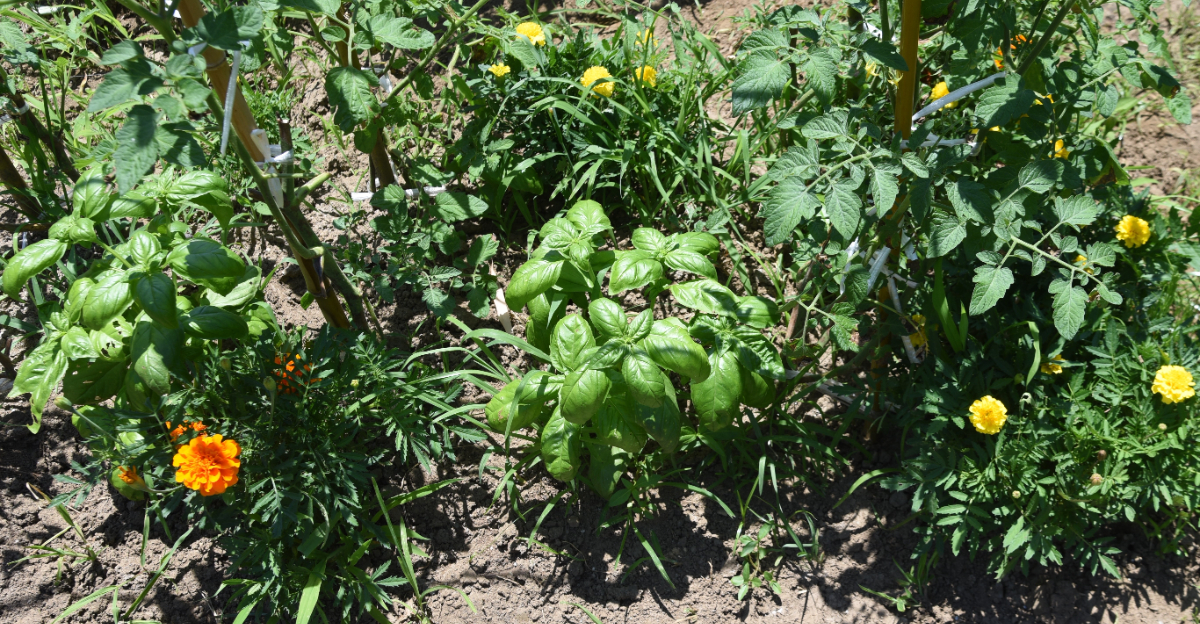
Fall tomato gardens often have an unexpected helper growing right beside them. Basil is gaining attention among gardeners who want to make the most of their vegetable beds during the changing season.
The pairing of these two plants has been used for years, but many growers are taking another look at why it works so well. A simple addition can bring more value to a garden space.
When planning a fall harvest in Georgia, think beyond the main crop and consider what grows nearby. Companion planting can change the way a garden feels and functions.
This combination is becoming popular for more than just appearance. There is a reason experienced gardeners keep bringing basil back near their tomatoes.
The benefits behind this pairing may surprise you.
1. Similar Water Needs Make Irrigation Easier
Watering two different crops with different needs is a headache most gardeners would rather skip. Basil and tomatoes line up surprisingly well when it comes to moisture requirements.
Both prefer soil that stays consistently moist but drains well enough to avoid soggy roots.
During a Georgia fall, afternoon heat can still be intense through September and into October. Soil dries out faster than you might expect.
Having two plants with similar thirst means you can set up one watering schedule and stick to it without second-guessing yourself.
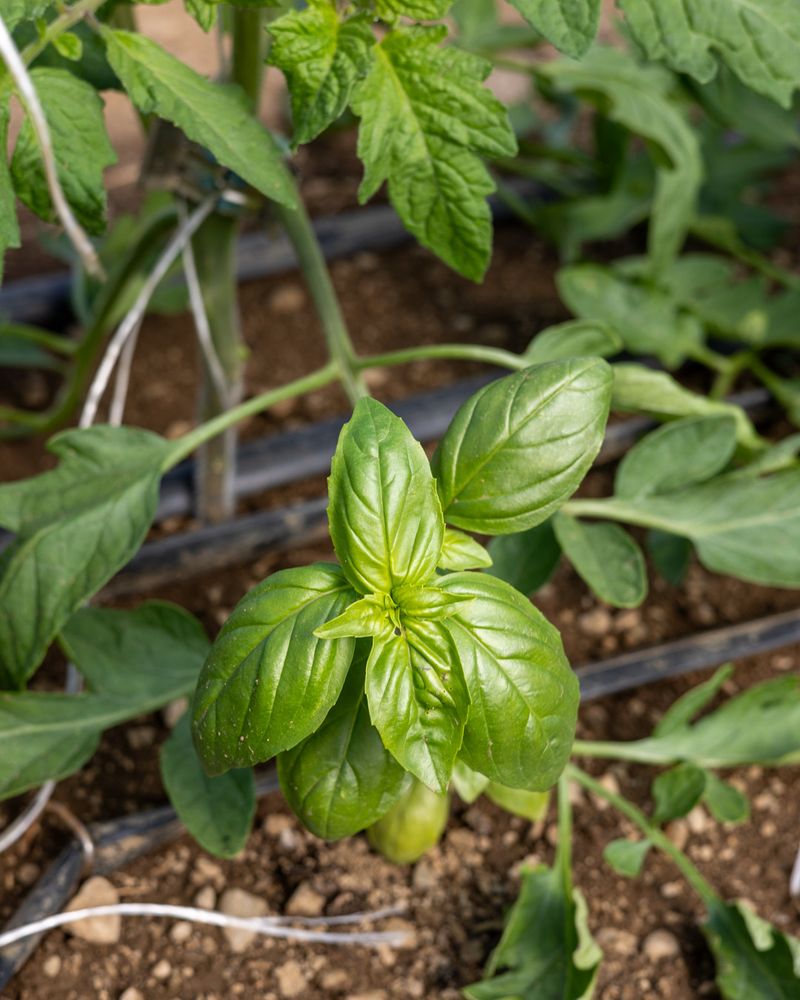
Drip irrigation works especially well for this combination. A single line along the row can serve both crops without wasting water on bare soil or foliage.
That matters when water bills climb during dry spells.
Overhead watering tends to encourage fungal issues on tomato leaves, so keeping moisture at the root level benefits both plants. Basil is also prone to downy mildew when its leaves stay wet for long periods.
Consistent, targeted watering protects both crops at once.
Pairing plants with compatible water needs reduces the guesswork and the effort involved in fall garden maintenance. Less time fussing over irrigation means more time enjoying the harvest.
2. Basil Creates Living Mulch Around Tomato Plants
Bare soil in a garden bed is rarely a good thing. It bakes under the sun, loses moisture fast, and invites weeds to move in.
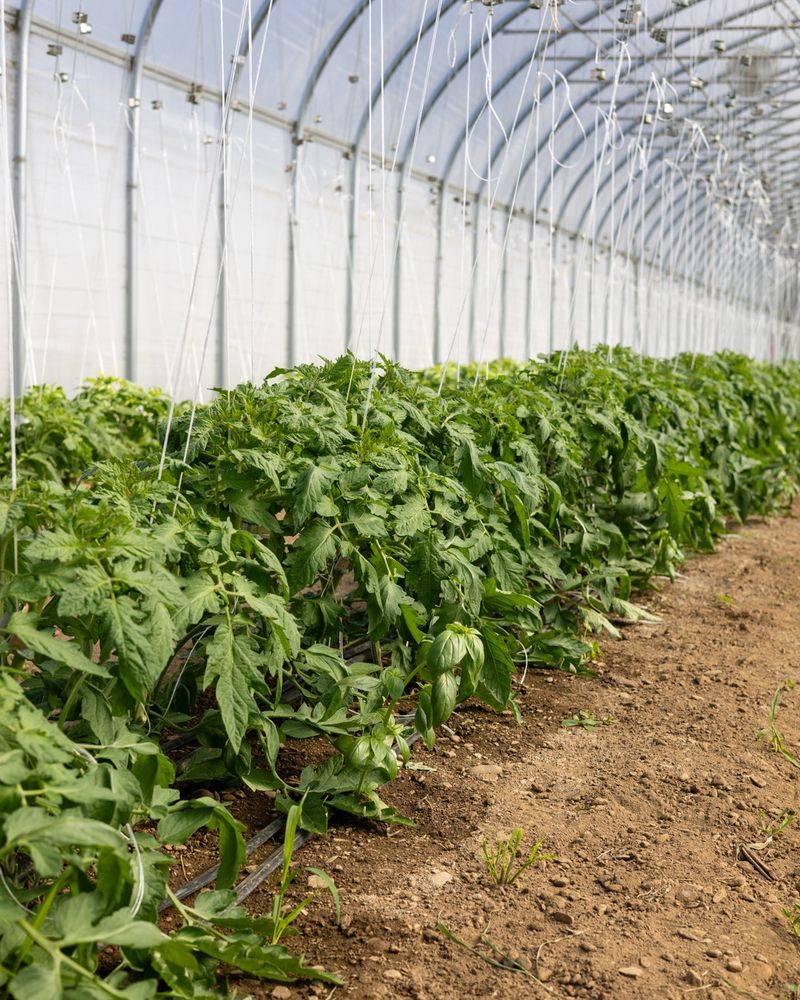
Basil planted close to tomato stems can act as a living ground cover that naturally shields the soil below.
When basil fills in around tomato plants, its broad leaves shade the surface. That shade slows evaporation and helps keep soil temperatures from swinging too high during warm fall afternoons.
Cooler, more stable soil tends to support healthier root activity.
Living mulch also buffers the impact of heavy rain. In Georgia, fall can bring short but intense rain events.
When raindrops hit bare soil, they dislodge particles and can cause compaction over time. A layer of basil leaves breaks that impact before it reaches the ground.
Unlike straw or wood chip mulch, basil contributes organic matter as older leaves fall and break down. That slow addition of plant material can gradually improve soil structure in the bed.
It is a subtle benefit, but one that adds up across a season.
Your Georgia Garden Changes Every Week. Your Plan Should Too.
Gardening in Georgia changes quickly throughout the season. Every Friday you’ll receive a simple weekly plan showing exactly what to plant, prune, fertilize, harvest, and protect so you never miss the right timing.
Getting this effect requires planting basil close enough to provide real coverage. Spacing plants about ten to twelve inches apart usually allows enough spread without crowding.
Compact basil varieties tend to work better for this purpose than tall, leggy types.
3. Flowers Attract Bees And Other Pollinators
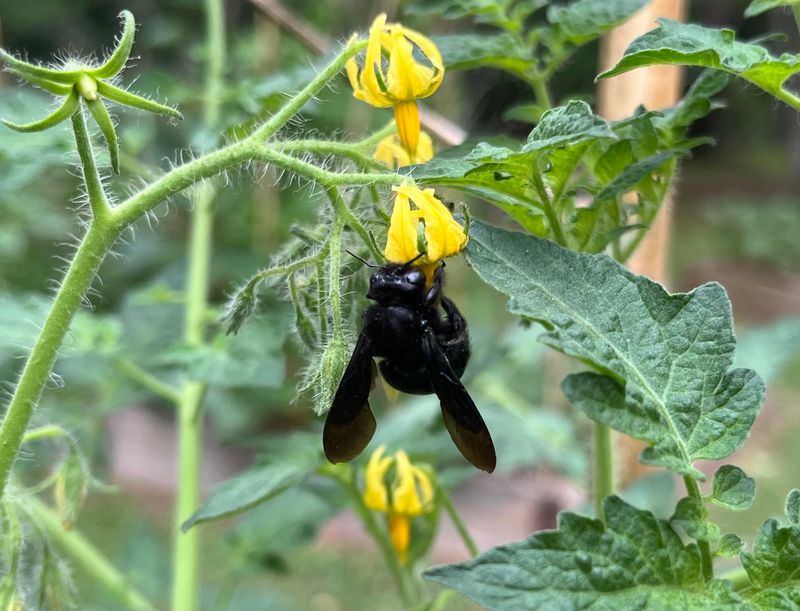
Basil flowers might seem like a nuisance to some gardeners, but letting a few plants bolt can actually bring real benefits to a fall tomato bed. Bees are drawn to basil blooms, and more bees in the garden means better pollination for nearby tomatoes.
Fall tomato crops sometimes struggle with pollination. Cooler nights and shorter days affect how actively pollinators move through the garden.
Having a consistent nectar source like flowering basil can help draw them in more reliably during that slower period.
Bumble bees are especially useful for tomato pollination because they use a behavior called buzz pollination. They vibrate their bodies at a specific frequency that shakes pollen loose from tomato flowers.
More bumble bee activity around basil blooms can translate to better fruit set on nearby tomato plants.
Other beneficial insects visit basil flowers too. Small wasps and hoverflies are among them, and some of these also feed on common garden pests.
A plant that attracts both pollinators and pest predators earns its space in a fall garden bed.
Letting one or two basil plants flower while keeping others trimmed gives you the best of both worlds.
4. Strong Fragrance Can Confuse Some Garden Pests
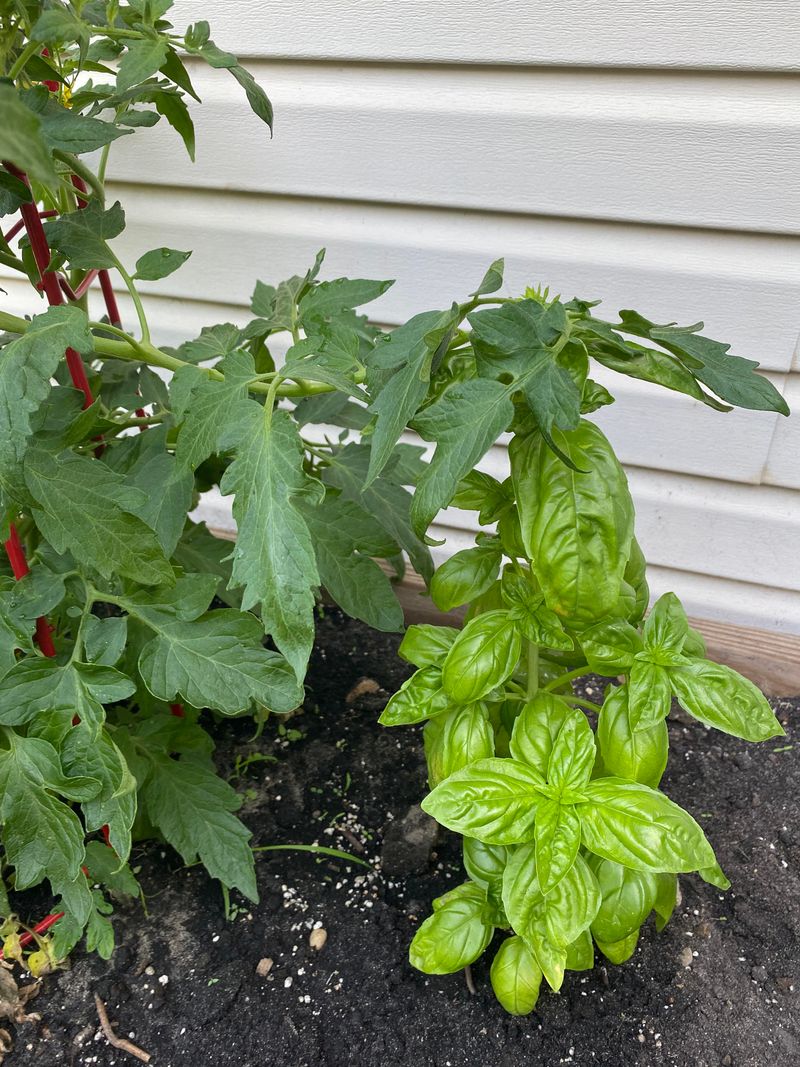
Basil has one of the most distinctive scents in any vegetable garden. That sharp, sweet fragrance comes from volatile oils in the leaves, and those same oils may affect how certain insects navigate through a planting area.
Some gardeners report fewer aphids and whiteflies around tomato plants when basil is grown nearby. The idea is that the strong scent can interfere with how pests locate their preferred host plants.
Pest insects often rely on scent cues to find food sources, and an overpowering nearby smell can disrupt that process.
It is worth being clear that this effect is not consistent or guaranteed. Pest pressure depends on many variables including local insect populations, weather, and garden layout.
Basil is not a substitute for proper pest monitoring or other management strategies.
That said, adding aromatic plants to a vegetable bed is a low-cost, low-effort approach that many experienced gardeners include as one layer of a broader pest management plan. It does not require any special equipment or chemicals.
Crushing a few basil leaves near problem areas releases more of those volatile oils into the air. Some gardeners do this deliberately when they notice early pest activity.
5. Frequent Harvesting Delays Seed Production
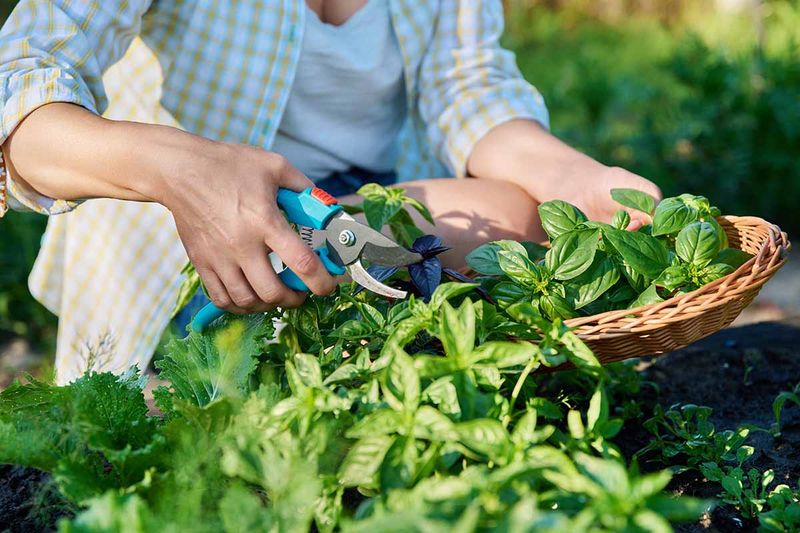
Basil has one strong biological drive once temperatures start to cool: flower and set seed as fast as possible. Left unchecked, a basil plant shifts most of its energy toward reproduction, and leaf production slows down noticeably as a result.
Regular harvesting interrupts that cycle. Every time you pinch off the top growth, the plant responds by pushing out new side shoots.
More branching means more leaves, and the plant stays productive for a longer stretch of the season.
For fall gardeners in the Southeast, this matters because the window between planting and the first cold snap can be tight. Getting the most out of each basil plant during that window requires consistent attention.
Skipping harvests for even a couple of weeks can allow flower stalks to develop and reduce overall leaf yield.
Harvesting also benefits the tomato companion in an indirect way. A bushy, well-trimmed basil plant provides better ground coverage and stays more compact.
That shape works better as a living mulch and keeps the plant from shading out tomato foliage at awkward angles.
Aim to harvest basil every seven to ten days during peak growth. Cut just above a leaf node to encourage branching.
6. Dense Growth Helps Soil Hold Moisture
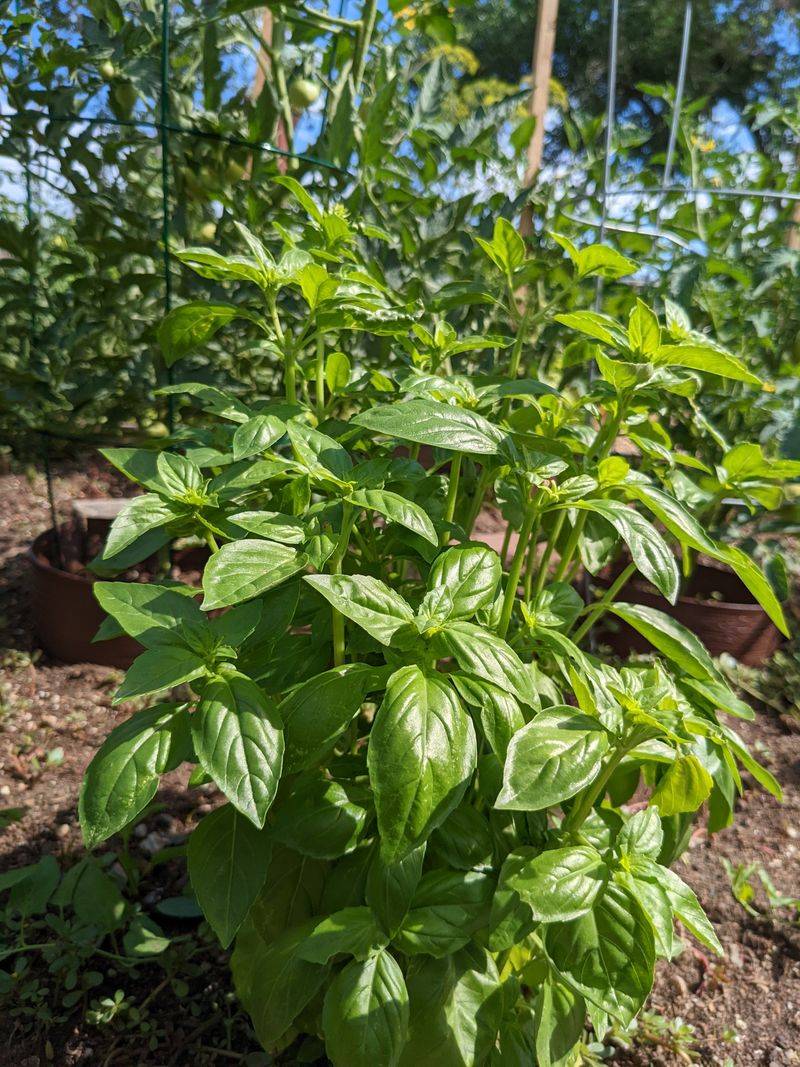
Soil moisture loss is a constant challenge in Southern gardens, especially when fall warmth lingers well past what the calendar might suggest.
Dense basil growth above the soil surface creates a kind of canopy effect that slows that moisture loss throughout the day.
When basil plants fill in tightly, they reduce the amount of direct sunlight hitting the soil. Less direct sun means less evaporation.
Soil that retains moisture longer requires less frequent watering, which saves both time and resources over the course of a season.
Root competition is a real consideration when planting densely. Basil roots are relatively shallow compared to tomato roots, which reach deeper into the soil profile.
That difference in root depth means the two plants are generally pulling moisture and nutrients from different zones, reducing direct competition between them.
Soil that stays consistently moist without being waterlogged supports stronger microbial activity. Healthy soil biology breaks down organic matter more efficiently and can make nutrients more accessible to plant roots.
Keeping soil moisture stable is one of the simpler ways to support that process.
Planting basil at a density that promotes full coverage without extreme crowding takes some planning. Leaving eight to ten inches between plants usually allows enough airflow to reduce fungal risk while still achieving the moisture-retaining canopy effect.
7. Fast Growth Reduces Weed Competition
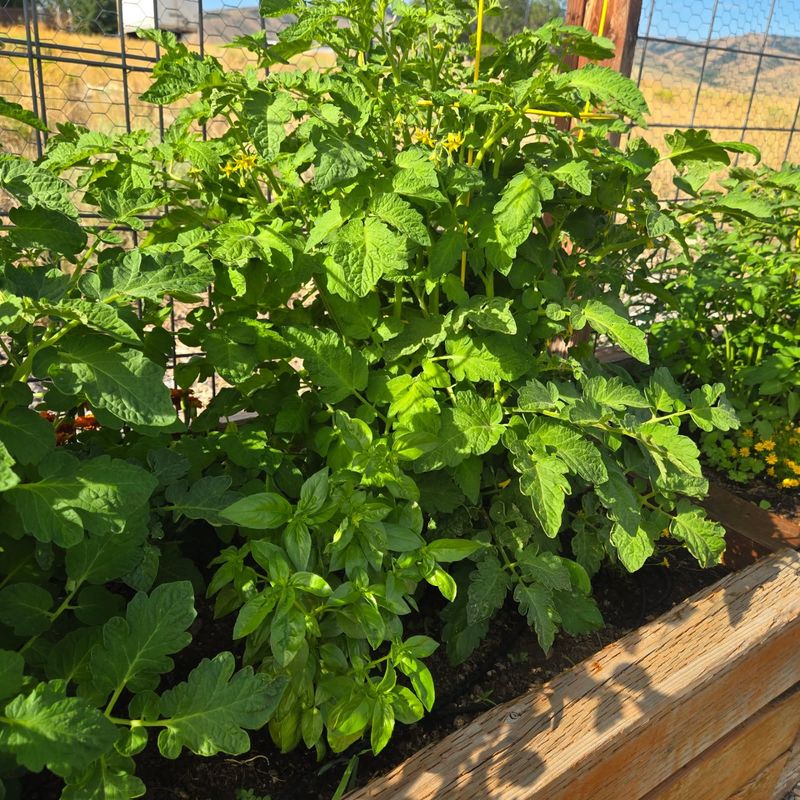
Weeds move fast. An empty patch of soil in a fall garden can go from bare to covered in a matter of days, especially after a rain.
Basil grows quickly enough under warm conditions to beat many common weeds to the available space.
Speed matters in companion planting. A slow-establishing ground cover gives weeds time to take hold before it can provide any real competition.
Basil, when started from transplants rather than seed, can begin filling in gaps around tomato plants within days of going into the ground.
Fewer weeds mean less time pulling them and less root disturbance near tomato plants. Disturbing the soil around established tomatoes can damage shallow feeder roots, which affects how well the plant absorbs water and nutrients.
Basil coverage helps avoid that problem by suppressing weed growth before it starts.
Weed suppression through dense planting is not a perfect solution. Some persistent weeds will push through even thick basil coverage.
Combining basil as a living mulch with a thin layer of organic mulch around the base of tomato plants offers more reliable weed control than either method alone.
Georgia gardeners who have tried this combination often note that fall beds stay cleaner with less manual weeding. That time savings adds up across a season.