What Georgia Gardeners Should Do With Oakleaf Hydrangeas For A Beautiful Summer Display
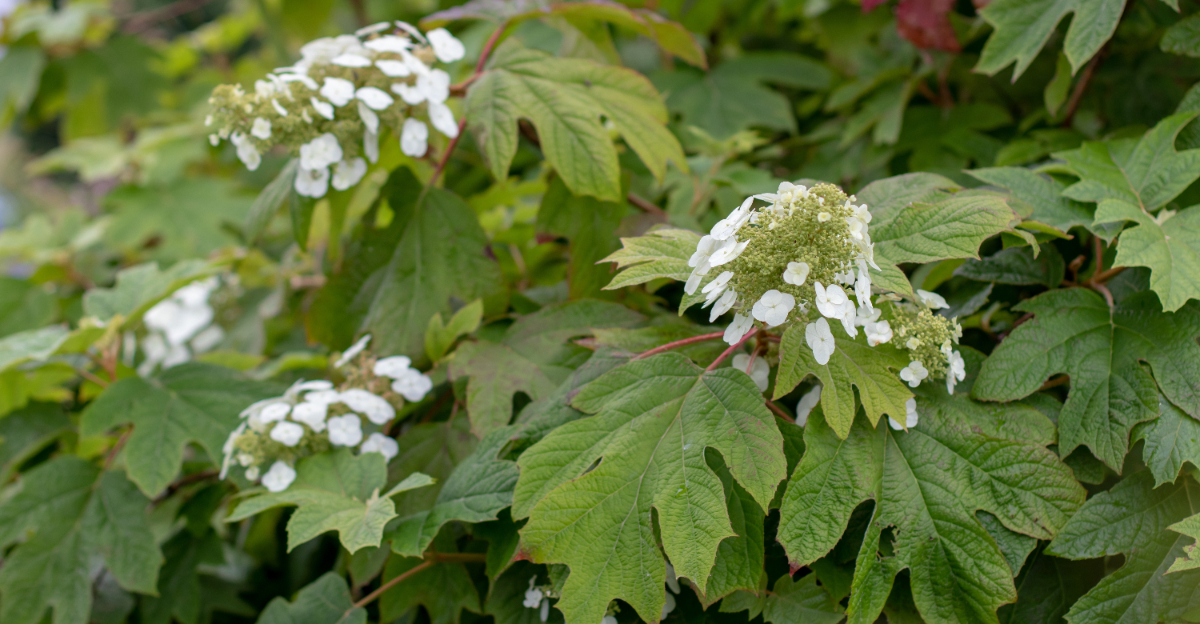
Every garden has that one plant people keep checking on as summer gets closer. Not because something is wrong with it, but because the anticipation starts building.
New growth appears, flower buds begin forming, and it becomes clear that the plant is getting ready for its biggest moment of the year.
Oakleaf hydrangeas often fall into that category.
There is something satisfying about watching a shrub settle into the landscape and then put on a display that feels bigger and better with each passing season. The catch is that this does not happen by accident.
Timing matters, especially when summer is right around the corner and plants are shifting into a new stage of growth.
For gardeners in Georgia, this is one of those moments when a few minutes spent outside can pay off for months.
The shrub may already look good today, but what happens next can have a big impact on how much attention it gets later in the season.
1. Give Oakleaf Hydrangeas Deep Watering During Dry Periods
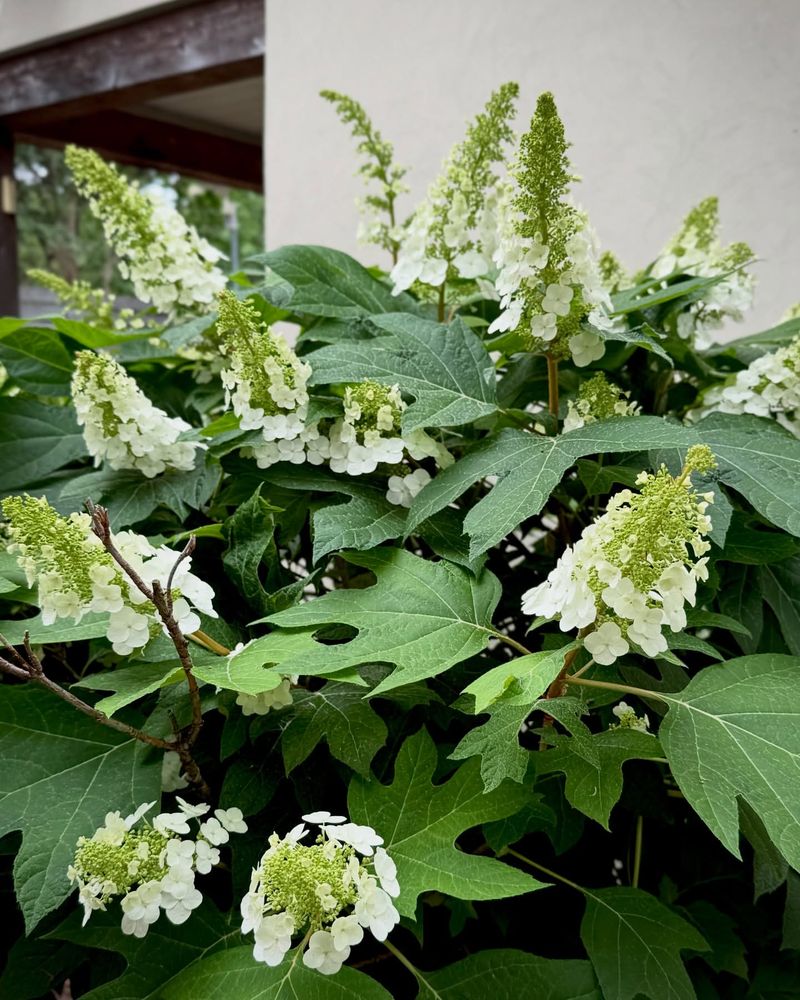
Shallow watering is one of the biggest mistakes gardeners make with these shrubs. Oakleaf hydrangeas have deep root systems, and a quick sprinkle at the surface barely reaches them.
During dry stretches in summer, aim to water slowly and deeply. Let the water soak down at least six to eight inches into the soil.
This encourages roots to grow downward rather than spreading near the surface where they dry out faster.
Early morning is the best time to water. Watering in the evening can leave moisture sitting on leaves overnight, which sometimes leads to fungal issues.
Morning watering gives foliage time to dry out before temperatures drop.
A soaker hose works really well around the base of these shrubs. It delivers water directly to the root zone without splashing leaves.
Run it slowly for thirty to forty-five minutes during dry spells.
Sandy soils drain fast and may need watering two to three times per week during heat waves. Clay soils hold moisture longer but can get waterlogged if overdone.
Check the soil a few inches down before deciding whether to water.
Wilting leaves in the morning are a clear sign the plant needs water right away. Afternoon wilting is normal during peak heat and does not always mean the soil is dry.
2. Refresh Mulch Before Summer Heat Arrives
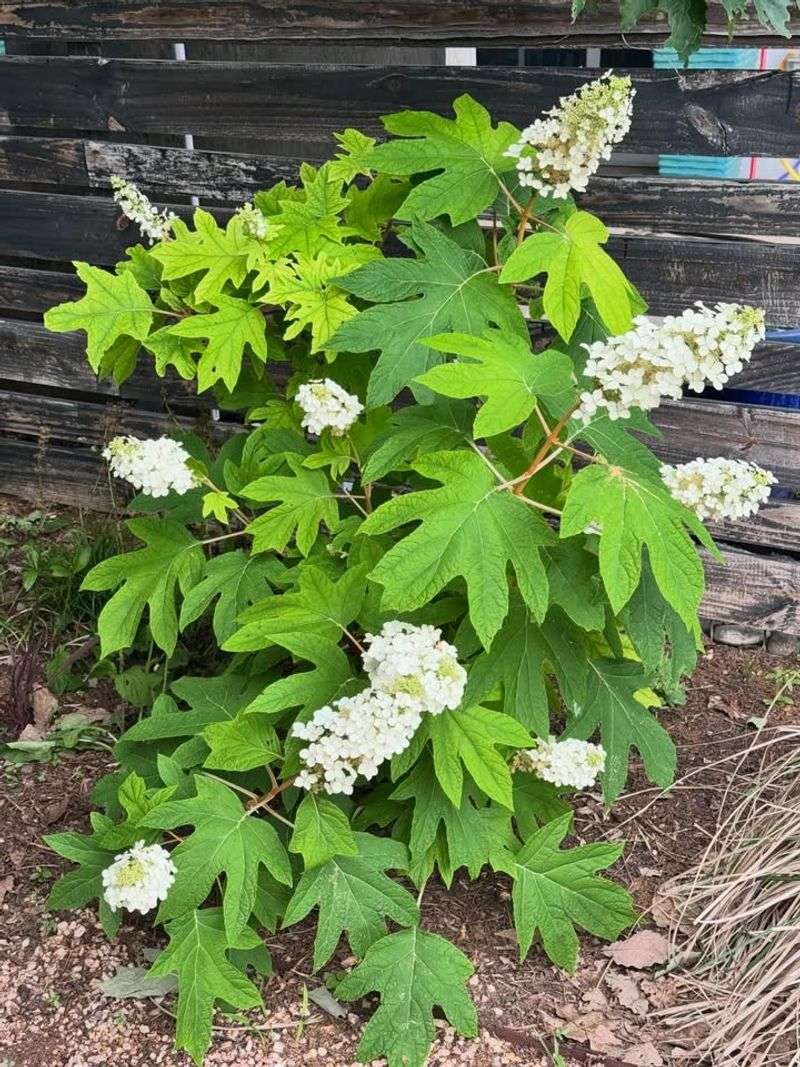
Mulch breaks down over winter and spring, and by the time summer heat arrives, that protective layer is often too thin to do much good. Refreshing it before temperatures climb makes a real difference.
A two to three inch layer of organic mulch around the base of the shrub holds moisture in the soil, keeps roots cooler, and reduces how often you need to water. It also slowly adds nutrients back into the soil as it breaks down.
Shredded leaves, pine straw, and wood chips all work well. Pine straw is especially popular in the South because it stays in place even during heavy rain and does not wash away easily on sloped beds.
Your Georgia Garden Changes Every Week. Your Plan Should Too.
Gardening in Georgia changes quickly throughout the season. Every Friday you’ll receive a simple weekly plan showing exactly what to plant, prune, fertilize, harvest, and protect so you never miss the right timing.
Keep mulch pulled a few inches back from the main stem. Piling it right against the base can trap moisture against the bark and create conditions that weaken the plant over time.
A small gap makes a big difference.
Spread mulch out to the drip line of the shrub if possible. Roots extend well beyond the visible canopy, and covering that area helps protect them from heat and moisture loss.
Before adding fresh mulch, rake away any old material that has compacted into a dense mat.
3. Remove Spent Flower Panicles After Blooming
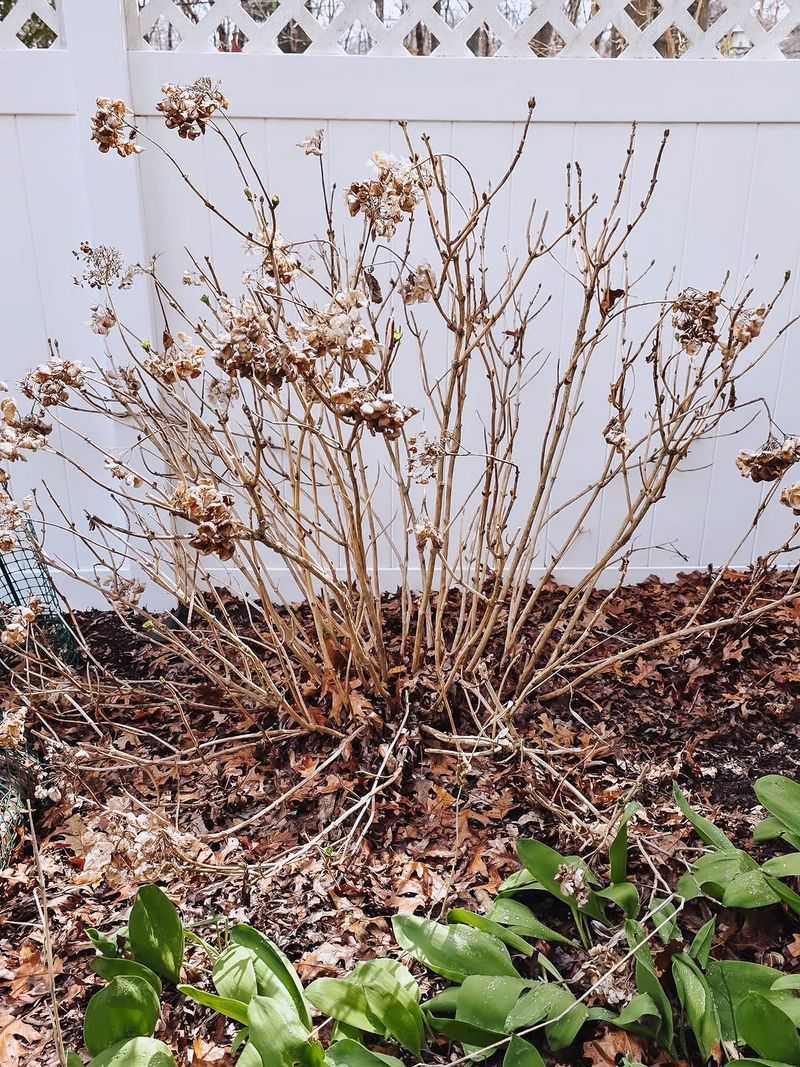
Once those big white panicles start turning brown and papery, a lot of gardeners wonder whether to cut them off or leave them alone. Removing spent blooms is a personal choice, but there are real benefits to doing it.
Cutting off faded flower heads redirects the plant’s energy away from seed production. That energy goes back into the roots and foliage instead, which helps the shrub stay strong heading into late summer and fall.
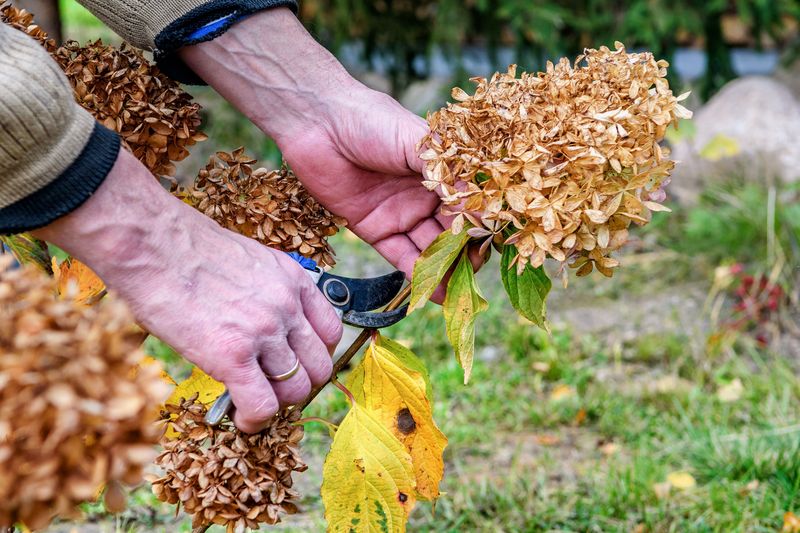
Use clean, sharp pruning shears when removing spent panicles. Cutting just below the flower head, right above the first set of healthy leaves, is the right approach.
Avoid tearing or snapping them off by hand, which can damage the stem.
Oakleaf hydrangeas bloom on old wood, meaning next year’s flower buds develop on the same stems that bloomed this year. Removing only the flower head and not the stem below it is important.
Cutting too far down removes the buds that will produce next summer’s flowers.
Some gardeners in Georgia leave a few dried panicles on the shrub through fall and winter for visual interest. The papery brown blooms actually look nice against fall foliage and winter structure.
Removing them in late winter before new growth starts is perfectly fine too.
4. Keep Roots Cool With A Fresh Layer Of Mulch
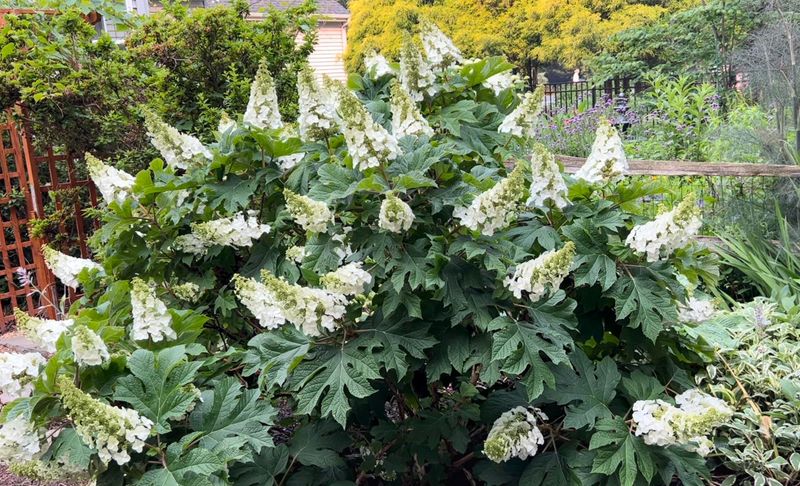
Root health drives everything above ground. When roots overheat in summer, the whole shrub suffers, no matter how well you water or fertilize.
Soil temperatures in full sun can climb dramatically during peak summer months. A fresh layer of mulch acts like insulation, keeping the soil several degrees cooler underneath.
That cooler root zone means less stress on the plant overall.
Organic mulches work best because they gradually break down and improve soil structure. Pine bark, shredded hardwood, and pine straw are all solid options.
Each one moderates soil temperature while also holding in moisture between watering sessions.
Aim for a consistent two to three inch depth across the entire root zone. Thinner layers lose their effectiveness quickly in hot weather.
Thicker than four inches can sometimes restrict airflow and cause its own set of problems.
Check the mulch depth every few weeks during summer. It compresses and breaks down faster in heat and humidity.
Adding a thin top-up layer when it drops below two inches keeps protection consistent without overdoing it.
Weed pressure also drops significantly with proper mulch coverage. Fewer weeds mean less competition for water and nutrients, which is a real bonus during the hottest part of the growing season.
5. Avoid Heavy Pruning After Flower Buds Form
Grabbing the pruning shears in late spring or early summer feels productive, but it can seriously set back next year’s flower display. Timing matters more than most people realize.
Oakleaf hydrangeas set their flower buds on old wood, usually by mid to late summer. Any heavy pruning done after those buds form removes the blooms before they ever get a chance to open next season.
Light cleanup is fine year-round. Removing a broken branch, cutting out a crossing stem, or trimming a wayward shoot will not cause problems.
The issue is hard, heavy pruning that removes large portions of the shrub after bud set.
If pruning is needed for shape or size, late summer right after blooming finishes is a reasonable window. Early spring, before new growth pushes out, is another option.
Both allow the plant to recover and set new buds on a normal schedule.
Overgrown shrubs sometimes need more significant trimming. In those cases, doing it gradually over two or three seasons is smarter than cutting everything back at once.
Gradual reduction keeps some blooms happening each year.
Suckers sometimes sprout from the base of the plant. Removing them promptly redirects energy back to the main shrub and keeps the overall form tidy without risking bud loss.
6. Check Soil Moisture Before Reaching For The Hose
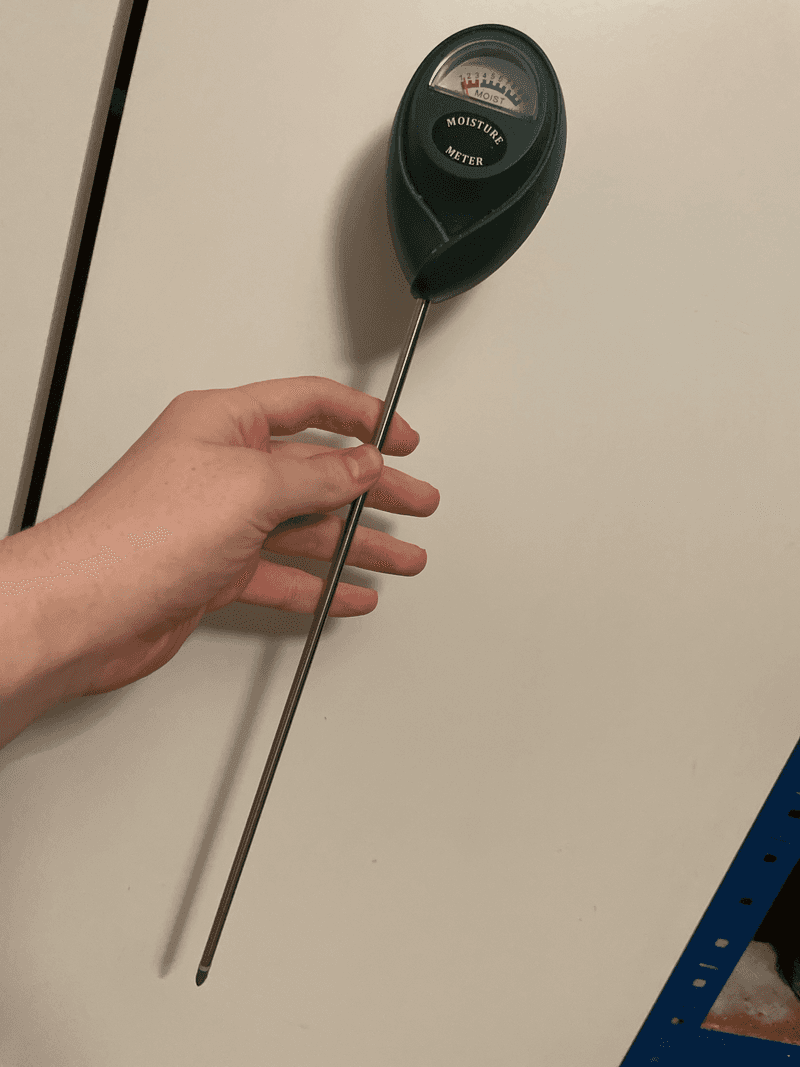
Overwatering is a real problem with hydrangeas, and it happens more often than people expect. Roots sitting in soggy soil can weaken fast, especially in heavy clay common across parts of the South.
Before watering, push a finger two to three inches into the soil near the base of the shrub. If the soil feels moist at that depth, hold off.
If it feels dry or barely damp, go ahead and water deeply.
A simple moisture meter is another easy option. They are inexpensive and take the guesswork out of the process entirely.
Just insert the probe and read the result. No experience needed.
Afternoon leaf droop on hot days is not always a sign of drought stress. Oakleaf hydrangeas commonly wilt slightly during peak afternoon heat even when soil moisture is perfectly fine.
Check the soil in the early morning before making a watering decision.
Rain can be deceptive too. A brief afternoon shower often does not penetrate deep enough to matter.
After a rain event, still check soil depth before skipping a scheduled watering session.
Soil type changes how quickly moisture moves. Sandy soils drain fast and dry out quickly.
Clay soils hold moisture much longer.
7. Support Healthy Growth With Compost Around The Base
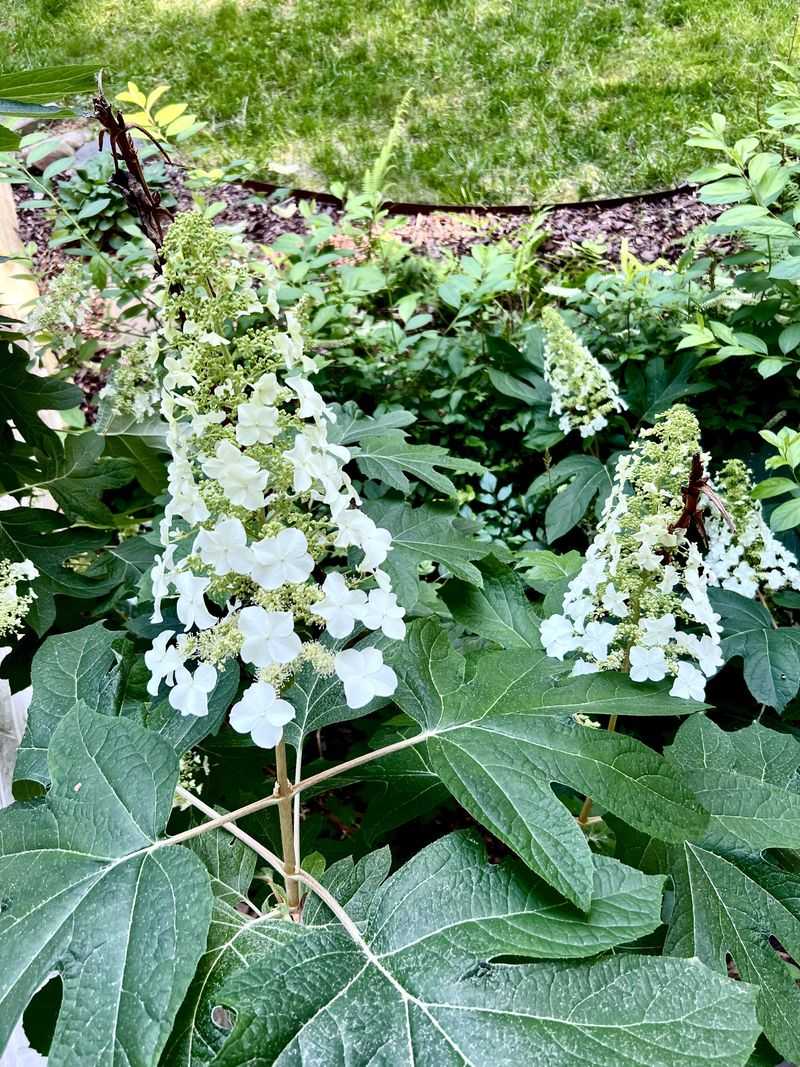
Compost is one of the most underused tools in the home garden. A simple annual application around the base of an oakleaf hydrangea can noticeably improve soil quality and plant health over time.
Apply a one to two inch layer of finished compost around the root zone each spring or early summer. Avoid piling it against the main stem.
Spread it out toward the drip line where feeder roots are most active.
Compost improves both sandy and clay soils. It helps sandy soil hold moisture and nutrients longer.
In clay soil, it gradually improves drainage and aeration, creating a better environment for roots to grow and breathe.
Unlike synthetic fertilizers, compost releases nutrients slowly. There is no risk of burning roots with a heavy dose.
It feeds the soil ecosystem, which in turn feeds the plant in a steady, balanced way throughout the season.
Worms and beneficial soil organisms are drawn to compost-amended soil. Their activity improves soil structure even further, making it easier for roots to spread and access both water and nutrients without extra effort from you.
Homemade compost works great if you have it available. Bagged compost from a garden center is equally effective and widely available across Georgia.
Either option delivers real benefits with minimal effort.