The Silent Signal That Makes Tomatoes Stop Producing Fruit
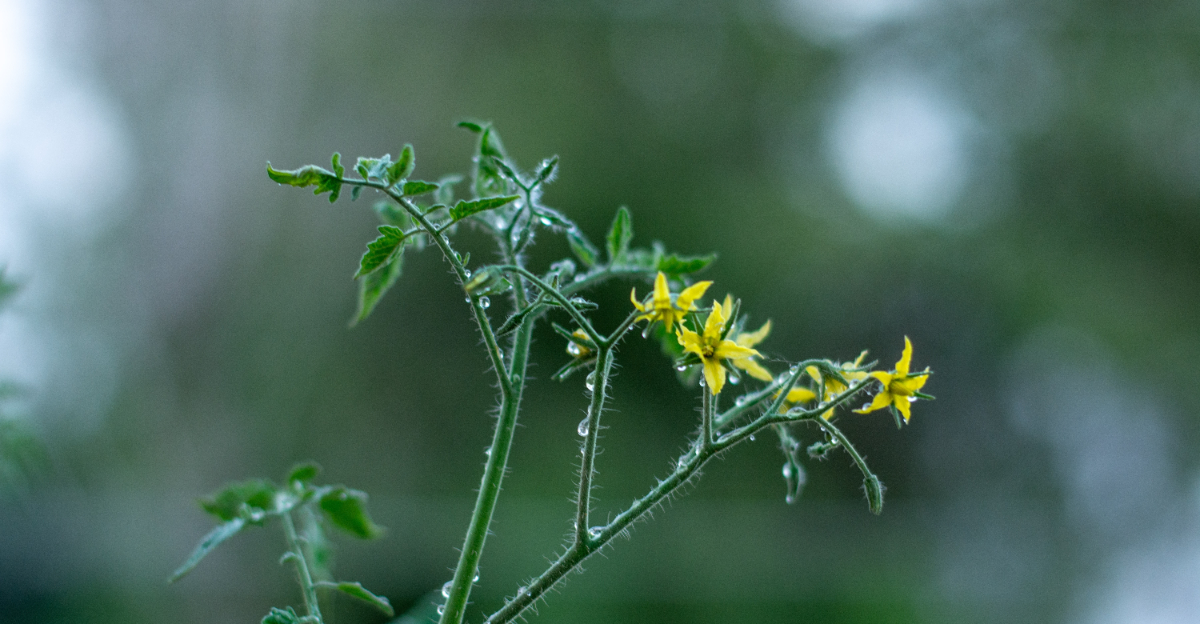
Your tomato plant just changed its mind overnight. Flowers on your vines bloomed, then quietly disappeared. Nothing in your garden explained this sudden strange shift.
Yet your stems stayed completely empty despite every ounce of effort you gave. Gardeners everywhere still notice your tomatoes doing this every summer.
Heat spikes and sudden cold snaps affect your plant more than you realize. Something inside your flowers stops working before pollination occurs. Blame shifts quickly, but confusion never helps your garden recover.
Understanding exactly what triggers your plant’s response changes everything for you. Summers alone can challenge your tomatoes with wide temperature swings. Wind disrupts your pollen at exactly the wrong moment.
Humidity plays tricks, sometimes helping, sometimes quietly hurting your chances. Every factor combines, working against the fruit you want.
Overlooking these signals only guarantees another disappointing season for you. What happens next depends entirely on what you discover right now.
What’s Really Going On When Blooms Won’t Turn Into Fruit
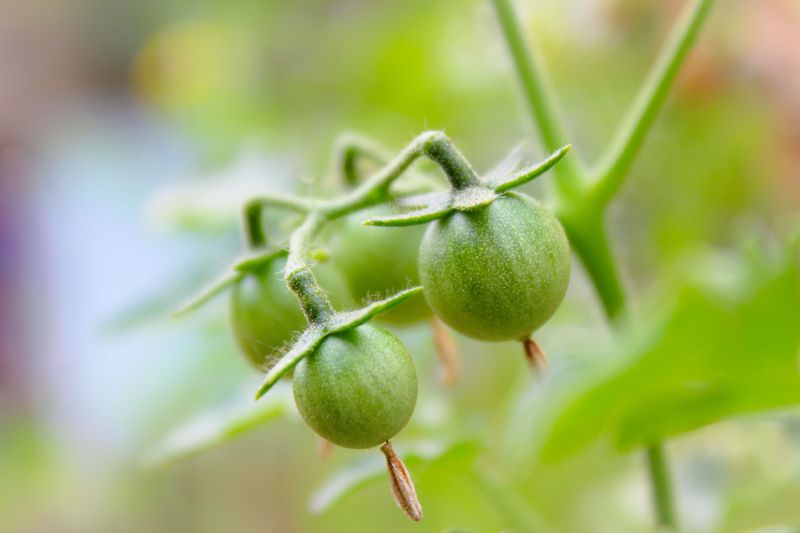
Your tomato plant is covered in flowers, but the fruit never comes. That is the classic sign of blossom drop, and it can feel like a mystery.
Tomato flowers are designed to self-pollinate. Each blossom carries both male and female parts inside a single bloom.
When conditions are right, pollen moves from the anther to the stigma. That transfer triggers fruit development.
When conditions are wrong, the plant simply drops the flower before pollination happens. This is a natural stress response in the plant.
The plant is protecting its energy. It would rather drop a flower than waste resources on fruit it cannot support.
Think of it like a factory shutting down a production line. The raw materials are there, but the machine stops when something is off.
Blossom drop is not random. It follows a pattern tied directly to environmental stress and biological signals inside the plant.
Understanding that pattern is the first step toward fixing it. Your garden is giving you clues every single day.
Flowers that drop before opening point to one set of causes. Flowers that open and then fall point to another.
Paying attention to timing helps you narrow down the problem quickly. Watch your plants closely for just a few days.
The silent signal your tomatoes send through dropped blooms is actually loud once you know what to look for. Start listening now.
The Real Culprit Behind Blossom Drop
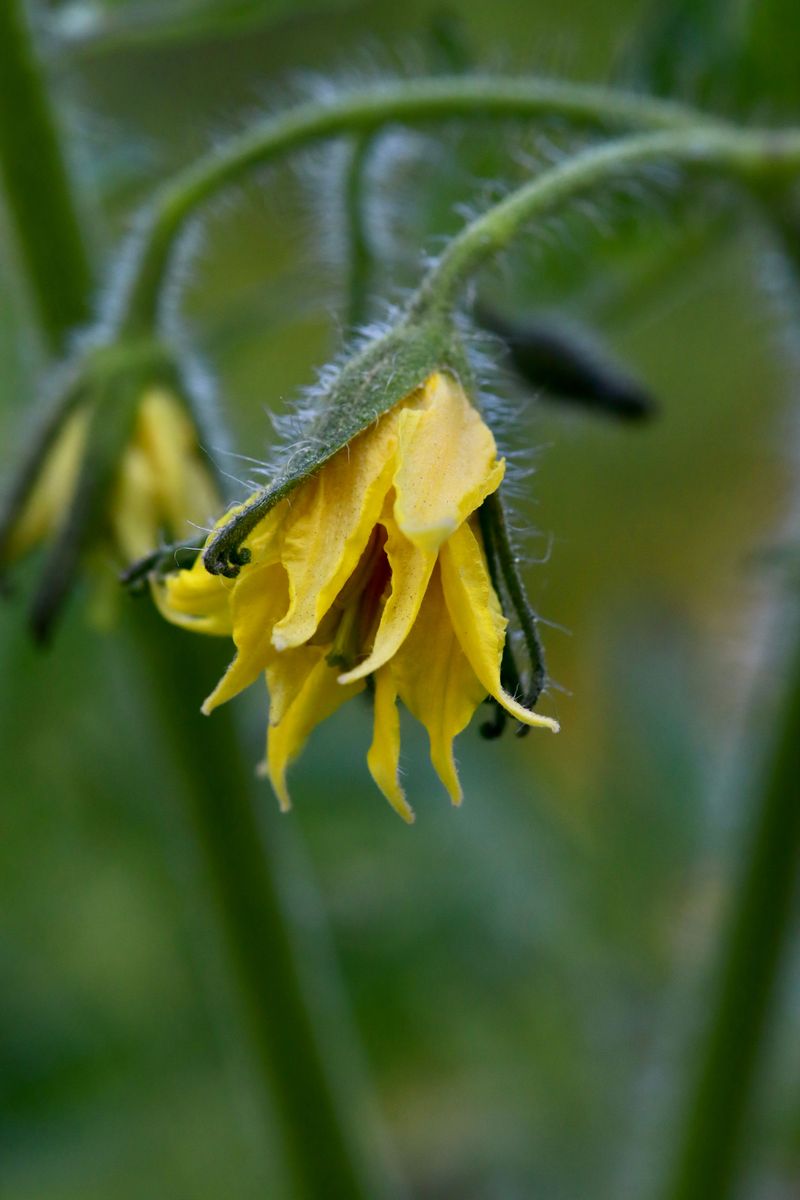
Blossom drop is often mistaken for gardener error. The real culprit is usually temperature, not technique.
Tomatoes have a fairly narrow comfort zone. Daytime temps between roughly 70 and 85 degrees Fahrenheit tend to be ideal for fruit set.
When nights stay consistently above 70 degrees, pollination often becomes unreliable. The plant reads that heat as a signal to stop producing.
High humidity also plays a sneaky role. When moisture in the air is too high, pollen clumps together and cannot move freely.
Low humidity causes the opposite problem. Pollen dries out and loses viability before it can reach the stigma. Both extremes lead to the same result: no fruit. The plant drops the bloom and moves on.
Nitrogen overload is another major cause of blossom drop. Too much nitrogen pushes the plant to grow leaves instead of fruit.
Lush, dark green foliage with no fruit is a classic sign of nitrogen excess. Pull back on heavy fertilizers if you see this.
Inconsistent watering also triggers blossom drop. A plant that swings between soaking wet and bone dry gets stressed fast.
Stress tells the plant to conserve energy. Dropping flowers is one of the first ways it does that.
Blossom drop is a clear signal something needs adjusting. Once you spot the real cause, the fix is usually simpler than you think.
How Heat And Cold Affect Tomato Pollen Viability
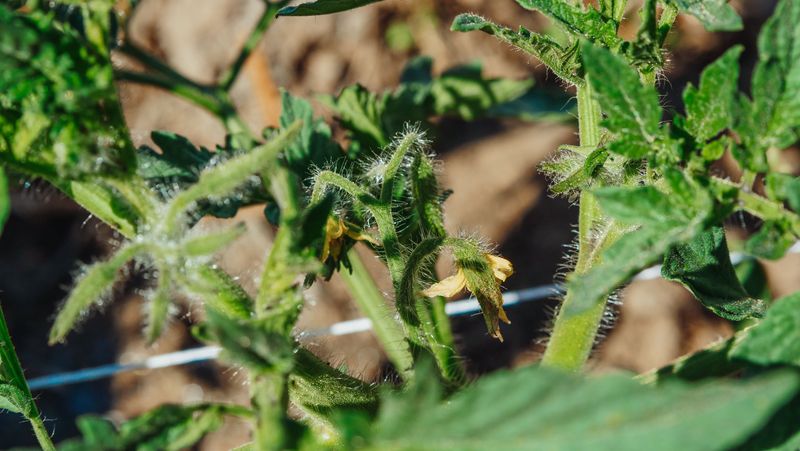
Pollen is more fragile than most people realize. A few degrees in either direction can shut down fruit production completely.
When daytime temps climb above roughly 95 degrees Fahrenheit, pollen viability tends to drop sharply. It simply cannot fertilize the flower anymore.
These thresholds shift somewhat depending on the tomato variety and your local climate. That is why mid-summer gardens often go quiet. The plants look healthy, but no new tomatoes are forming.
Cool weather causes a different kind of problem. Below roughly 55 degrees at night, pollen release tends to slow down significantly.
The flower may open and look perfect, but nothing is happening inside. No transfer means no fruit.
Late spring planting often runs into this problem. A few cold nights early in the season can stall fruit set for weeks.
Extended heat waves significantly reduce fruit set. Even one week of 95-plus degree days can affect an entire round of blooms.
Shade cloth can help during extreme heat. A moderate shade cover reduces plant temperature without blocking all sunlight.
Row covers work well on cold nights. They trap warmth around the plant and protect pollen from temperature drops.
Timing your planting around your local climate is one of the smartest moves you can make. Know your average last frost and first heat wave dates.
Temperature is not something you can fully control, but you can work with it. Small adjustments make a big difference in your final harvest.
Other Hidden Causes Of Poor Fruit Set
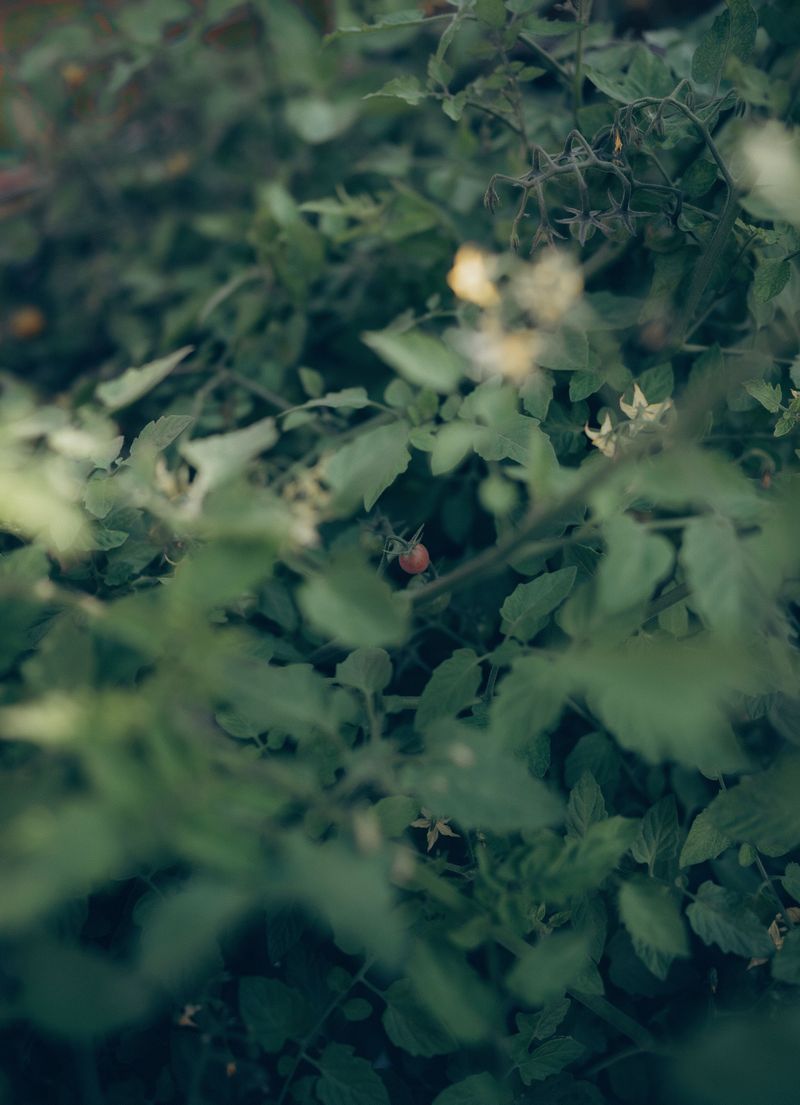
Temperature gets most of the blame for blossom drop, but other causes hide in plain sight. Some of them are surprisingly easy to fix.
Lack of pollinators is a big one. Bees and other insects help move pollen even in self-pollinating plants like tomatoes.
If your garden has few bees, fruit set declines. Planting flowers nearby attracts more pollinators to the area.
Wind also helps tomatoes pollinate. A gentle breeze shakes the flowers just enough to move pollen inside the bloom.
Plants grown in enclosed spaces miss out on that natural movement. A small fan blowing nearby can mimic wind effectively.
Root-bound plants struggle to set fruit too. When roots have nowhere to go, the plant shifts into survival mode.
Transplanting into a larger container or raised bed often solves this problem fast. Roots need room to support flowering.
Disease pressure is another sneaky factor. Fungal infections and viruses can disrupt the hormonal signals that trigger fruit development.
Yellowing leaves combined with blossom drop often point to a viral issue. Check for spotted or mosaic-patterned foliage as a clue.
Overcrowding reduces airflow and increases humidity around the flowers. That creates exactly the wrong conditions for pollen transfer.
Spacing plants generously apart improves air circulation significantly. Better airflow means healthier blooms and stronger fruit set.
These hidden causes are worth checking before you assume the worst. Most of them have simple, low-cost solutions waiting for you.
How To Diagnose What’s Happening In Your Garden
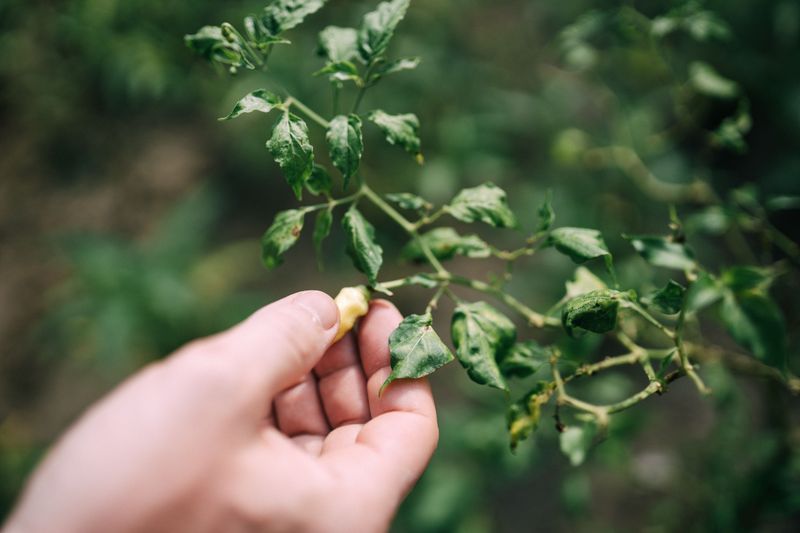
Good diagnosis starts with good observation. Spend five minutes a day watching your tomato plants closely.
Notice when the flowers are dropping. Are they falling before they open, or after they bloom fully?
Pre-bloom drop usually points to temperature stress or root problems. Post-bloom drop often signals a pollination failure.
Check your overnight temperatures with a simple outdoor thermometer. A min-max thermometer shows you the full range, not just the current reading.
Record those numbers for a week. Patterns become obvious fast when you write things down.
Look at your soil moisture next. Push your finger two inches into the soil near the base of the plant. If it feels dry at that depth, the plant is thirsty. If it feels soggy, you may be overwatering.
Examine the leaves for color changes. Dark green and lush often means too much nitrogen. Pale yellow means something else entirely.
Check the stems and undersides of leaves for pests. Spider mites and aphids cause stress that leads to blossom drop.
Look at your plant spacing too. If plants are touching each other, airflow is compromised and humidity builds up.
Take photos as you observe. Comparing images from day to day reveals changes you might miss with a quick glance.
Diagnosing blossom drop takes careful, methodical observation. Each clue you find brings you one step closer to a full harvest.
Simple Fixes To Get Your Tomatoes Fruiting Again
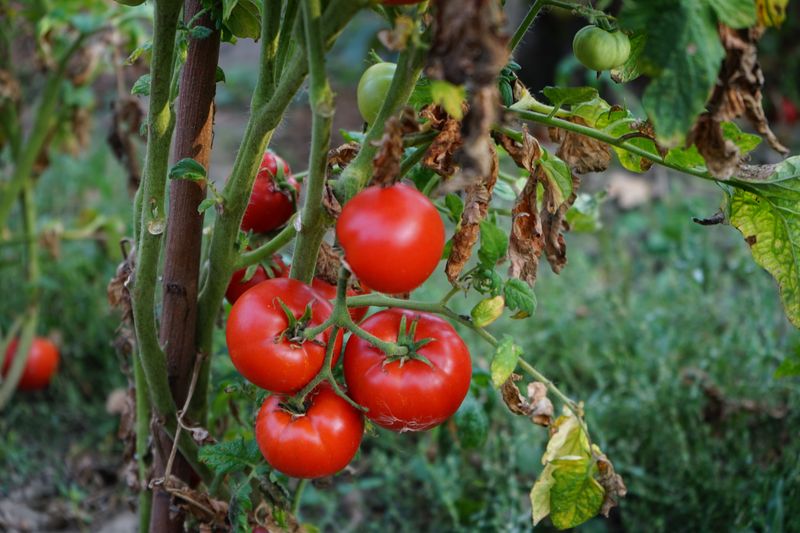
Once you know the cause, fixing blossom drop is usually straightforward. You do not need expensive products or special equipment.
Start by adjusting your watering schedule. Deep, consistent watering once or twice a week works better than shallow daily watering.
Mulching around the base of the plant helps retain moisture. A two-inch layer of straw or wood chips makes a noticeable difference.
If heat is the problem, try hand-pollinating during the cooler parts of the day. Early morning is the best time for this.
Use an electric toothbrush or a small paintbrush to gently vibrate or brush the open flowers. That mimics the buzz of a bee.
Switch to a low-nitrogen fertilizer once your plants start flowering. A product higher in phosphorus supports blooming and fruit development.
Look for fertilizers labeled for tomatoes or for fruiting plants specifically. The numbers on the label tell you the nutrient ratio.
If pollinators are scarce, plant marigolds, basil, or zinnias nearby. Those flowers attract bees that will also visit your tomatoes.
Prune overcrowded branches to open up the canopy. Better light and airflow improve conditions for pollination quickly.
If night temps are too high, try a shade cloth during the hottest weeks. Cooling the plant by even five degrees helps pollen survive.
Making tomatoes stop producing fruit is never the goal, and with these fixes, it does not have to be the outcome. Your harvest is closer than you think.
When To Accept The Season And Plan Smarter Next Time
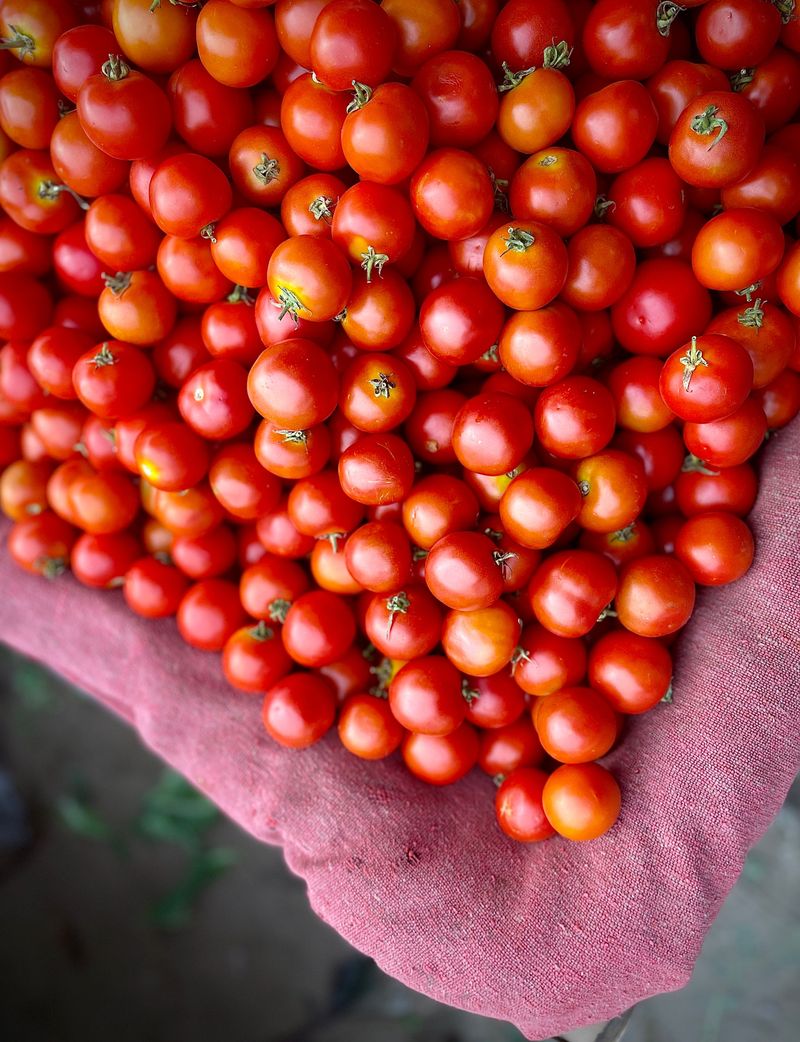
Sometimes blossom drop is seasonal, and no quick fix will change that. Accepting this is not giving up, it is gardening smart.
Mid-summer heat waves in hot climates often cause a natural pause in fruit set. The plant will resume once temps drop.
That pause can last several weeks, depending on your climate. Staying patient during that window is one of the hardest parts of gardening.
Use the waiting time wisely. Prune, feed, and water consistently so the plant is strong when cooler weather returns.
Keep a garden journal this season. Write down planting dates, temperatures, fertilizer types, and when blossom drop started.
That record becomes a roadmap for next year. You will know exactly what to change and when to change it.
Choosing heat-tolerant tomato varieties is a long-term solution worth considering. Ask your local nursery for varieties bred to set fruit in high temps.
Ask your local nursery which types perform best in your specific climate. Local knowledge beats general advice every time.
Planting in early spring and again in late summer avoids the worst of summer heat. Two shorter seasons often outperform one long one.
Cover crops planted after your tomatoes come out can improve soil health for next year. Better soil means stronger plants with better fruit set.
Blossom drop is not the end of your growing season. Every season teaches you something that makes the next one better.