The North Carolina Native That Looks Stressed In August But Is Actually Perfectly Healthy
Spotting a patch of yellowing, wilting foliage in your shaded North Carolina garden in August can trigger full gardener panic mode almost instantly.
The urge to grab the watering can, start digging around, or diagnose some kind of serious problem is completely understandable.
But before you do any of that, here is something genuinely reassuring to know: what you are looking at might be completely normal.
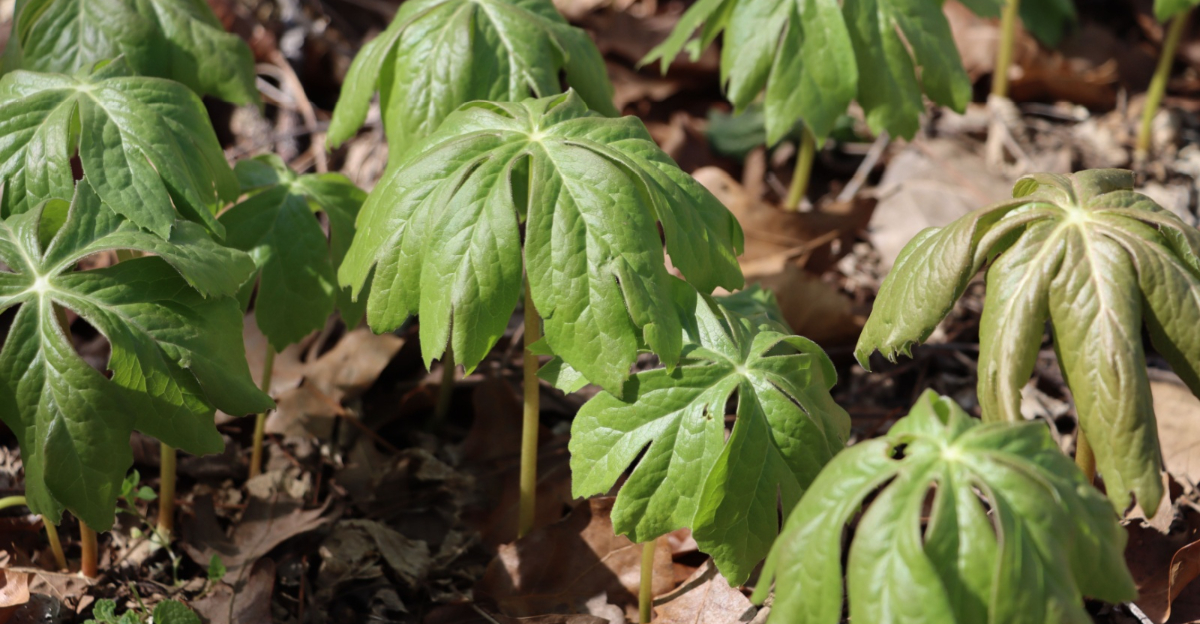
Mayapple, a native woodland perennial that grows across North Carolina, has a well-established habit of fading and quietly disappearing by late summer as part of its natural growth cycle.
It is not struggling. It is just done for the season, thank you very much.
That said, dry August conditions and soil disturbance can sometimes complicate things, so knowing the difference between healthy fading and a real issue is actually worth understanding.
1. Mayapple Naturally Fades In Summer
Walking past a shaded bed in late July and spotting a patch of drooping, yellowed foliage can feel alarming, especially when you were admiring those same plants just a couple of months earlier.
Mayapple, known botanically as Podophyllum peltatum, is a native woodland perennial that follows its own internal calendar, and that calendar does not match what most gardeners expect from a summer garden.
Unlike many perennials that look their best in the heat of summer, Mayapple tends to wrap up its above-ground activity well before the season ends.
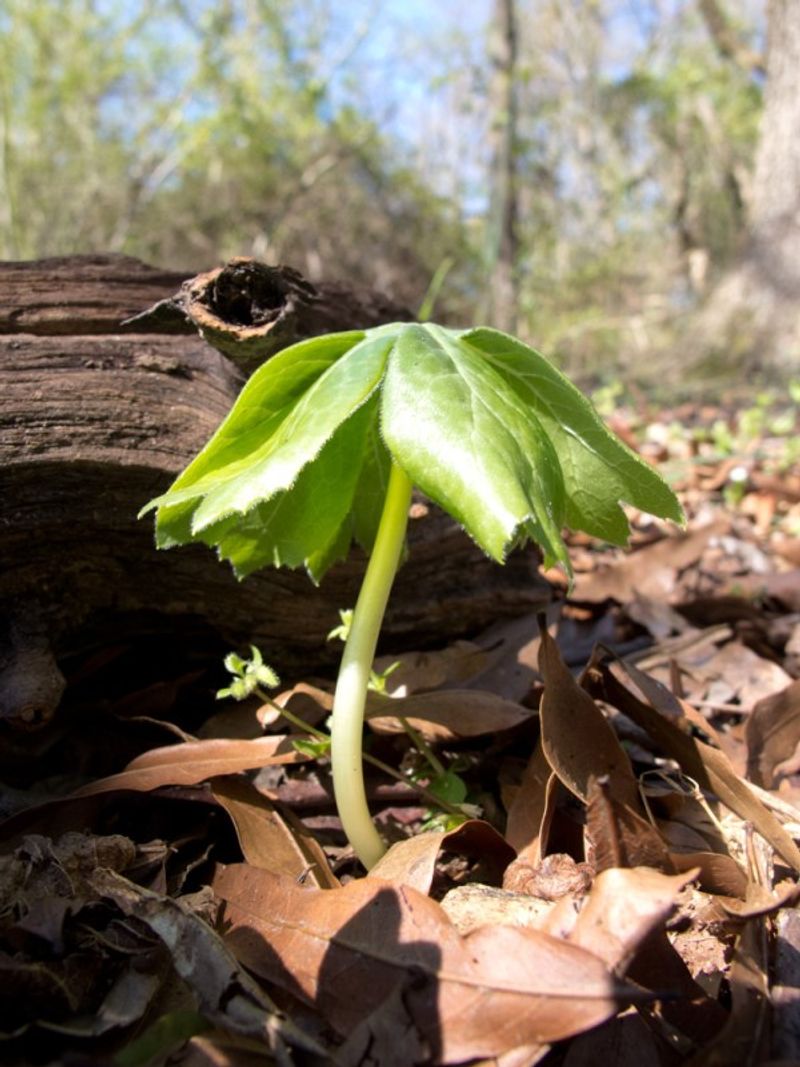
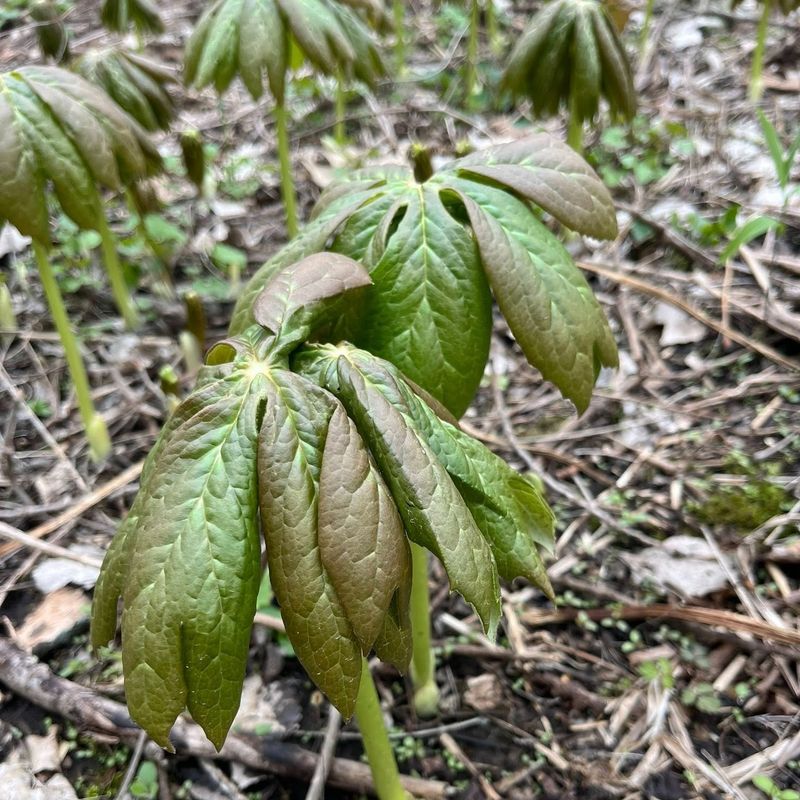
It pushes up in early spring, spreads its large umbrella-shaped leaves, flowers briefly, and then begins to slow down as temperatures climb.
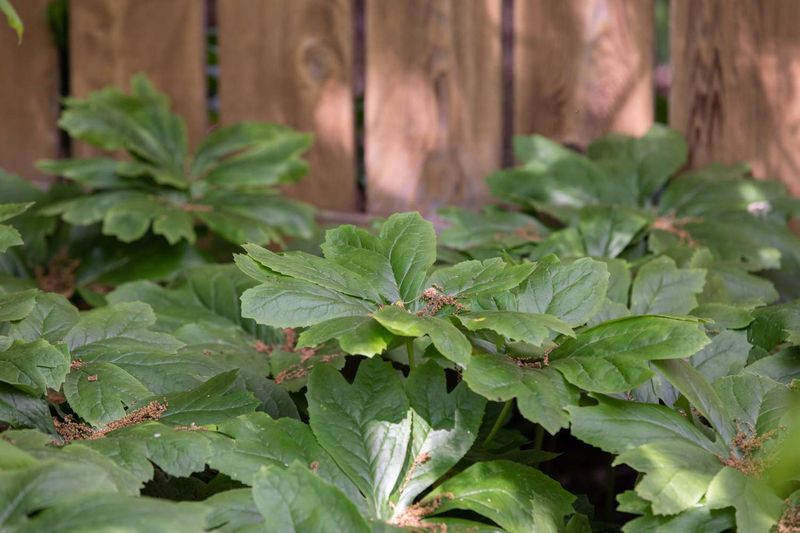
By the time August arrives in North Carolina, the foliage may already look tired, yellow, or partially gone.
This pattern is not a sign of failure. It reflects how the plant evolved to thrive in eastern woodland ecosystems, where spring light filters through bare tree canopies and summer brings deep shade and heat.
Mayapple takes advantage of that early-season window and then pulls back. North Carolina gardeners who understand this rhythm are less likely to panic when the foliage starts looking rough.
Knowing that summer fading is built into the plant’s biology makes it much easier to leave the area alone and let the process unfold naturally without unnecessary intervention.
2. Yellow Leaves Can Signal Dormancy
Yellowing leaves on a plant usually send a clear message that something is wrong, and in many cases that instinct is correct. With Mayapple, though, the situation is more nuanced.
The yellowing that appears on the large, lobed leaves in midsummer is often the plant’s way of beginning its retreat underground rather than a sign of disease or drought damage.
Chlorophyll breaks down as the plant redirects energy away from its leaves and back into its underground rhizomes. The result is a gradual color shift from deep green to pale yellow, sometimes followed by the leaves collapsing entirely.
In North Carolina woodland beds, this process can begin as early as late June and may be nearly complete by mid-August depending on the site conditions and the year’s weather patterns.
Your North Carolina Garden Changes Every Week. Your Plan Should Too.
Gardening in North Carolina changes quickly throughout the season. Every Friday you’ll receive a simple weekly plan showing exactly what to plant, prune, fertilize, harvest, and protect so you never miss the right timing.
Gardeners who see this happening should take a moment before acting. Check whether the soil is bone dry, since real drought stress can accelerate the decline beyond what is normal.
Look at whether nearby plants are also struggling, which might point to a broader issue. But if the soil has reasonable moisture and the rest of the bed looks fine, yellow Mayapple leaves in summer are most likely just the plant doing what it naturally does.
North Carolina summers are intense, and Mayapple has learned to work around them by stepping back early rather than fighting through the heat.
3. Disappearing Foliage Is Often Normal
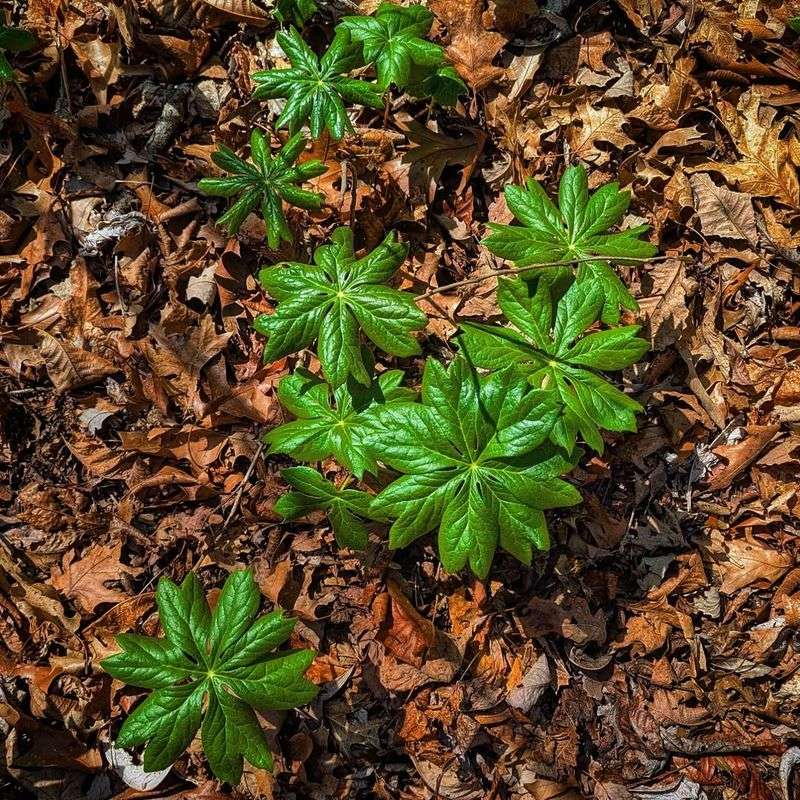
One of the most startling things a North Carolina gardener can encounter in a shaded bed is a bare patch of ground where a thriving plant stood just weeks before.
Mayapple is one of those plants that can vanish so completely in summer that it leaves no visible trace above the soil surface.
When the foliage collapses and breaks down, the area can look like something went wrong or like the plant was never there at all.
New gardeners who planted Mayapple in the spring sometimes assume the plant did not survive the heat, especially if they did not mark the spot beforehand.
This leads to unnecessary digging, replanting, or replacing the area with something else entirely.
In reality, the underground rhizome is likely sitting right where it has always been, resting quietly until conditions improve. Mayapple spreads through a horizontal root system that can persist for years in the right woodland setting.
North Carolina’s native plant gardens and naturalized shaded borders are full of plants like this that disappear seasonally without any real harm done. The key is recognizing that bare soil in August does not mean a lost plant.
Giving the area space, avoiding foot traffic over the root zone, and resisting the urge to dig are the most helpful things a gardener can do when Mayapple foliage goes missing in the summer months.
4. Spring Is When Mayapple Shines Most
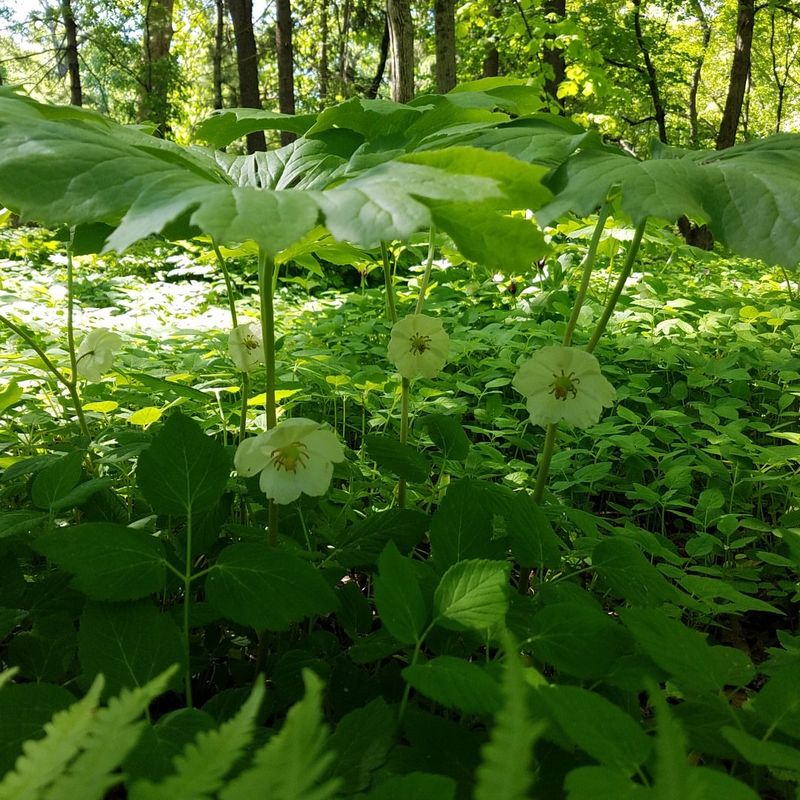
Few sights in a North Carolina woodland garden compare to a healthy patch of Mayapple in full spring growth.
The large, deeply lobed leaves push up from the ground like folded umbrellas and then unfurl into a bold, layered canopy that can carpet a shaded area in just a few weeks.
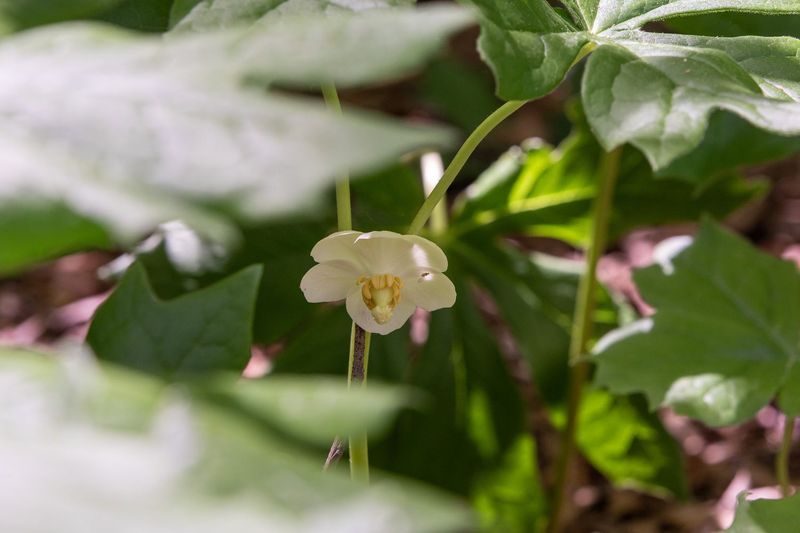
The white flowers appear beneath the leaf canopy, tucked between the stems of two-leaved plants where they are easy to miss unless you crouch down to look. They bloom briefly in spring before the plant shifts its energy toward developing fruit.
The combination of dramatic foliage and delicate hidden flowers gives Mayapple a charm that few native perennials can match during that early-season window.
This spring performance is the reason many North Carolina gardeners choose Mayapple for shaded borders, woodland edges, and naturalized areas under large trees. It fills space beautifully during a time when many other plants are still getting started.
Understanding that this early-season peak is followed by a predictable decline helps set realistic expectations. The plant is not struggling when it fades in summer; it already finished most of its important seasonal work by May or June.
Appreciating Mayapple for its spring contributions rather than expecting it to look good year-round makes it a much more satisfying addition to a North Carolina native plant garden.
5. Woodland Conditions Help It Return
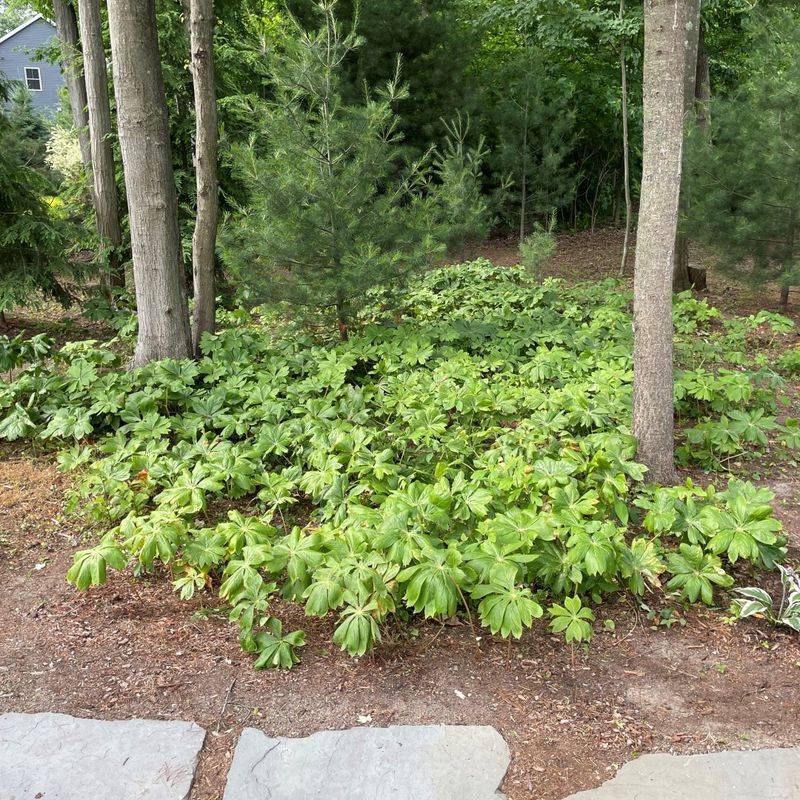
Shaded beds with good organic matter and consistent moisture tend to support Mayapple far better than exposed, dry, or heavily disturbed areas.
The plant evolved in eastern woodland ecosystems where leaf litter builds up naturally, tree canopies filter harsh sunlight, and soil stays relatively cool even during warm months.
In North Carolina residential landscapes, recreating those conditions does not require a lot of effort.
Letting fallen leaves accumulate over the planting area through winter and into spring provides natural insulation and slowly breaks down into the kind of rich, loose soil that Mayapple’s rhizomes appreciate.
Avoiding heavy foot traffic over the root zone also helps, since compacted soil can limit how well the underground parts spread and recover from one season to the next.
Sites with deep shade, a layer of organic mulch, and reasonable soil moisture give Mayapple the best chance of returning reliably each spring.
Spots that are too sunny, too dry, or too disturbed may produce weaker plants that fade earlier and return less consistently.
North Carolina gardeners working with challenging shaded areas often find that Mayapple performs better when the site is treated more like a woodland floor than a traditional garden bed.
Small adjustments to mulch depth, soil disturbance habits, and nearby tree root competition can make a meaningful difference in how the plant behaves from year to year.
6. Mark The Spot Before Leaves Vanish
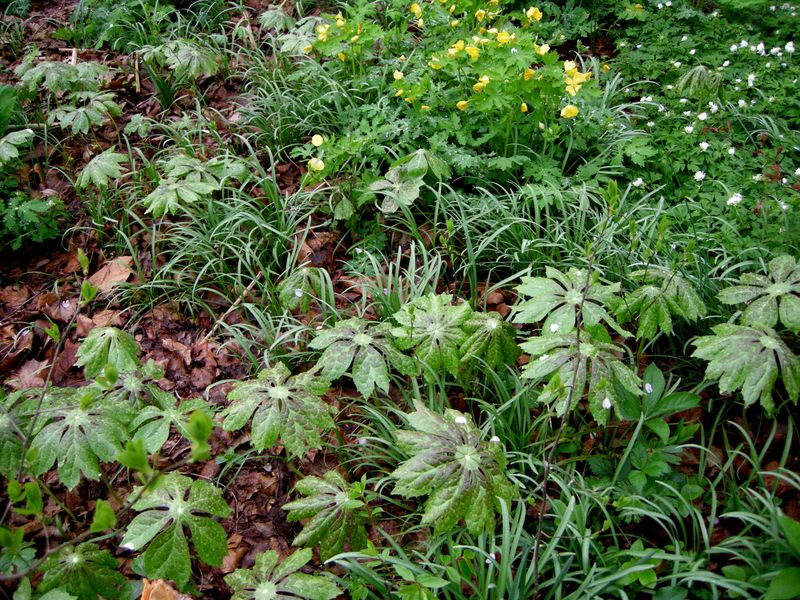
Experienced native plant gardeners learn this lesson early: mark your Mayapple before the foliage disappears.
Once the leaves collapse and break down in late summer, there is very little left above the soil to show where the plant is growing, and that invisible zone becomes a risk area for accidental digging, planting, or foot traffic.
Simple plant markers, small stakes, or even a ring of stones placed around the colony in spring can save a lot of trouble later in the season.
Some gardeners take a photo of the bed in May when the Mayapple is at its fullest so they have a visual reference for where the plants were growing.
That kind of low-effort documentation pays off when you are trying to add new plants to the bed in fall and need to avoid disturbing existing root zones.
North Carolina gardeners who grow Mayapple alongside other native perennials sometimes find it helpful to pair it with plants that look their best in summer and fall.
This creates a layered bed where something is always filling the visual space, even when the Mayapple has retreated underground.
Ferns, wild ginger, and other shade-tolerant groundcovers can grow alongside Mayapple without competing too heavily for resources.
Planning the bed with seasonal succession in mind keeps the space looking intentional rather than patchy during the months when Mayapple is no longer visible above ground.
7. Dry August Weather Can Speed The Fade
August in North Carolina can be brutally dry in some years, and that kind of heat and drought can push Mayapple into dormancy faster than usual.
What might normally be a gradual fade over several weeks can happen in a matter of days when the soil dries out completely and temperatures stay high for extended stretches.
This accelerated decline is not necessarily a sign that the plant is in trouble, but it does suggest that site conditions may be worth evaluating.
A Mayapple growing in a spot that receives more sun than it prefers, or in soil that drains too quickly, may fade earlier and more dramatically than one growing in a well-shaded spot with consistent moisture.
Comparing how plants in different parts of the yard are responding can offer useful clues about which locations are working well and which might benefit from some adjustment.
Supplemental watering during extreme dry spells may help slow the decline in some situations, though it is not a substitute for choosing the right site from the beginning.
North Carolina summers vary considerably from year to year, and plants in marginal spots tend to show the effects of a tough summer more clearly than those in ideal conditions.
If a Mayapple consistently fades very early or fails to return the following spring, revisiting the site’s light exposure, soil quality, and drainage is a reasonable next step before concluding the plant is simply not suited to the area.
8. Healthy Roots Stay Hidden Underground
Long after the leaves have collapsed and the above-ground portion of the plant has broken down completely, Mayapple’s rhizomes continue their quiet work beneath the soil surface.
These horizontal underground stems are how the plant stores energy, spreads gradually through a planting area, and survives the summer months without any visible foliage.
The rhizome system is also what makes Mayapple a long-lived perennial in the right conditions. Once established in a suitable North Carolina woodland bed, a colony can persist and slowly expand year after year without needing to be replanted.
The underground network connects individual stems and allows the plant to share resources across the colony, which is part of why a healthy patch tends to return more reliably than a single isolated plant.
Gardeners who dig into a dormant Mayapple area risk cutting through or damaging these rhizomes, which can set the plant back significantly.
If you are unsure whether roots are present in a particular spot, probing gently with a hand trowel rather than turning the soil over completely is a safer approach.
North Carolina native plant enthusiasts who have learned to trust the underground portions of ephemeral and semi-ephemeral species tend to have better results over time.
Patience, careful site management, and a willingness to leave the soil undisturbed through late summer and fall are the simplest ways to support a Mayapple colony between growing seasons.