Plant These 12 Bulbs Right Now For An Unforgettable Spring Garden
Frost hasn’t reached your soil yet, but your spring already hangs in the balance. You hold more power over April than you think.
Autumn choices test every bulb you plant this fall. Poor timing weakens your effort before a single shoot appears.
Depth decides whether your tulips rise or simply stall. Certain bulbs need real cold before they’ll ever bloom for you.
Others forgive you, thriving even when planted late or shallow. Unpredictable weather makes your bulb choices critical.
Small missteps quietly limit your entire season of color. Smart choices turn your bare dirt into something people photograph.
Every variety you choose carries its own hidden schedule. Knowing these differences separates your thriving garden from a patchy mess.
Momentum builds beneath your feet long before green appears. Nothing here happens by accident, and you control every bit. Your next move decides whether your April turns spectacular or forgettable.
1. Tulips
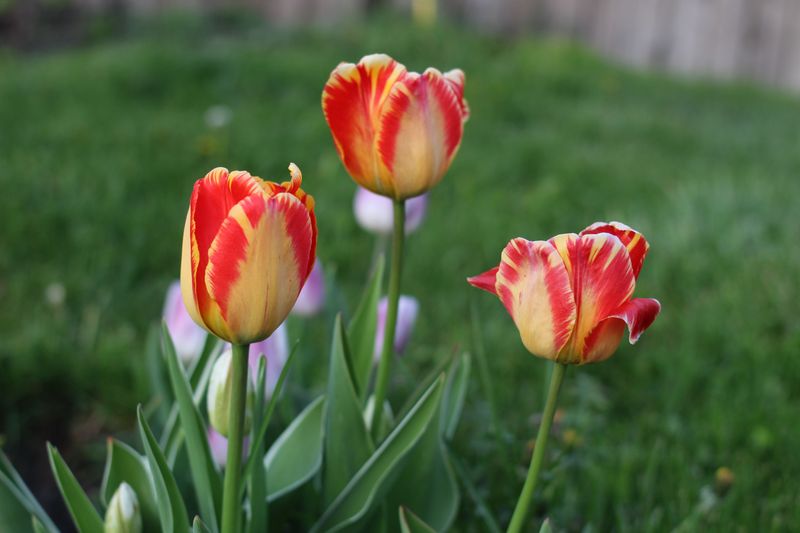
Few flowers announce spring quite like a tulip. Their bold, cup-shaped blooms in almost every color imaginable have made them a garden favorite for centuries.
Tulips belong in every fall planting list. Plant them 6 to 8 inches deep in a sunny spot with well-draining soil, spacing bulbs about 4 to 6 inches apart.
They prefer a cold winter rest, which is exactly why fall planting works so well. Most varieties bloom in mid to late spring, giving you weeks of color right when you need it most.
Mix early, mid, and late-season varieties for a rolling display that lasts longer than you might expect. Red, pink, white, purple, and even nearly black options exist, so the design possibilities are endless.
Squirrels love tulip bulbs, so consider planting them under a wire mesh barrier if pests are a problem in your area. A little protection now means a full, lush display come April. Your neighbors will absolutely stop to stare.
2. Daffodils
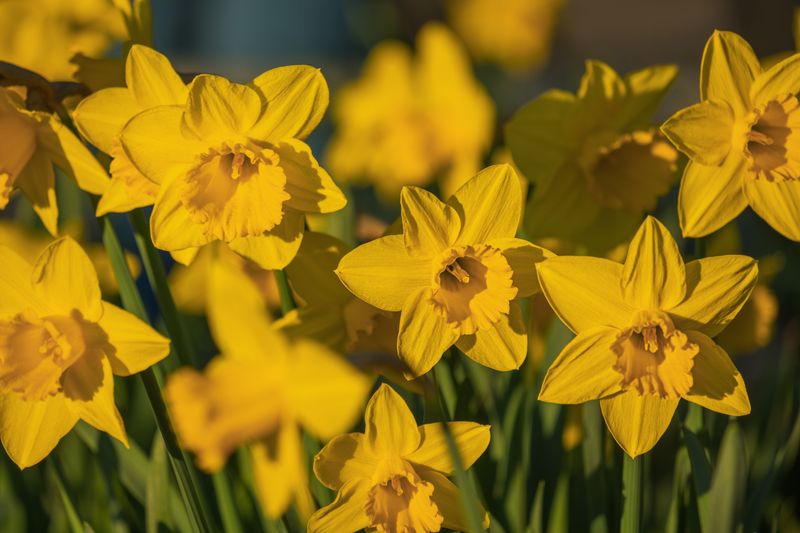
Daffodils are the comeback kids of the spring garden. Plant these fall bulbs once, and they return bigger and better every single year without much fuss from you.
One of their best qualities is that deer and squirrels leave them completely alone. The bulbs contain a compound that animals find unappetizing, making them a low-stress option for gardeners in wildlife-heavy neighborhoods.
Plant daffodil bulbs 6 inches deep and 6 inches apart in a sunny to partly shaded location. They are incredibly forgiving and adapt well to most soil types as long as water drains away properly.
Classic yellow is the most recognized look, but white, peach, orange, and bicolor varieties are widely available and stunning. Miniature types like Tete-a-Tete work beautifully in containers or along garden borders.
After blooming, let the foliage fade back on its own before cutting it down. Those leaves are feeding the bulb for next year’s show, so patience pays off here. A naturalized daffodil patch grows more gorgeous with every passing season.
3. Hyacinths
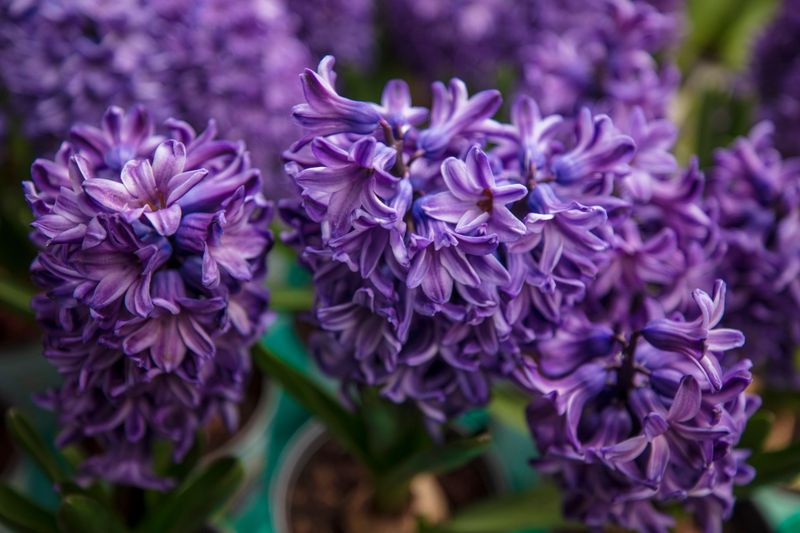
Hyacinths do not just look incredible, they smell incredible. One cluster of blooms can perfume an entire yard on a warm spring afternoon, drawing attention from anyone nearby.
These chunky, densely packed flower spikes come in purple, pink, white, red, blue, and yellow. They are among the most fragrant of all spring-blooming bulbs, which makes them a favorite for planting near porches and walkways.
Plant hyacinth bulbs about 6 inches deep and 6 inches apart in full sun or light shade. Good drainage is essential since soggy soil causes bulbs to rot before they even get a chance to shine.
They typically bloom in early to mid-spring, often right alongside early tulips and late daffodils. That overlap creates a layered, lush look in the garden that feels professionally designed.
Wear gloves when handling hyacinth bulbs because the outer skin can cause mild irritation for some people. It is a small precaution for a big reward. Once you smell a hyacinth in bloom, you will wonder how you ever gardened without them.
4. Crocuses
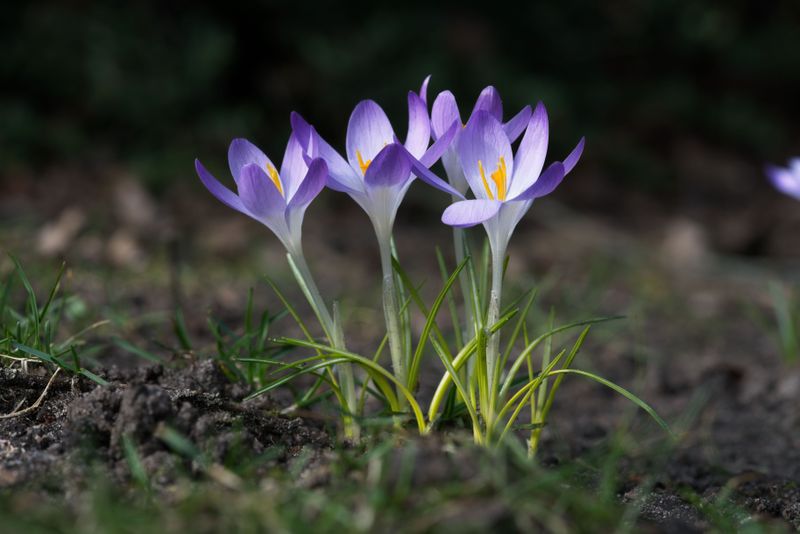
Crocuses are the brave little pioneers of spring. They push up through frozen ground and sometimes snow, delivering color weeks before most other flowers even think about waking up.
These small but mighty bloomers are perfect for tucking into lawn edges, rock gardens, or under deciduous trees. They naturalize beautifully, spreading into larger clumps over the years with minimal effort from you.
Plant crocus corms about 3 to 4 inches deep and 3 inches apart in fall. They prefer full sun but tolerate partial shade, especially if the shaded spot gets good light in early spring before trees leaf out.
Purple, white, yellow, and striped varieties are all easy to find at garden centers or online. Planting a mix of colors creates a cheerful patchwork effect that looks spontaneous and natural.
Squirrels sometimes dig up crocus corms, so planting them in clusters beneath a wire mesh layer helps protect your investment.
Once established, they spread on their own and reward your patience every March. Spring suddenly feels a lot closer when crocuses appear.
5. Alliums
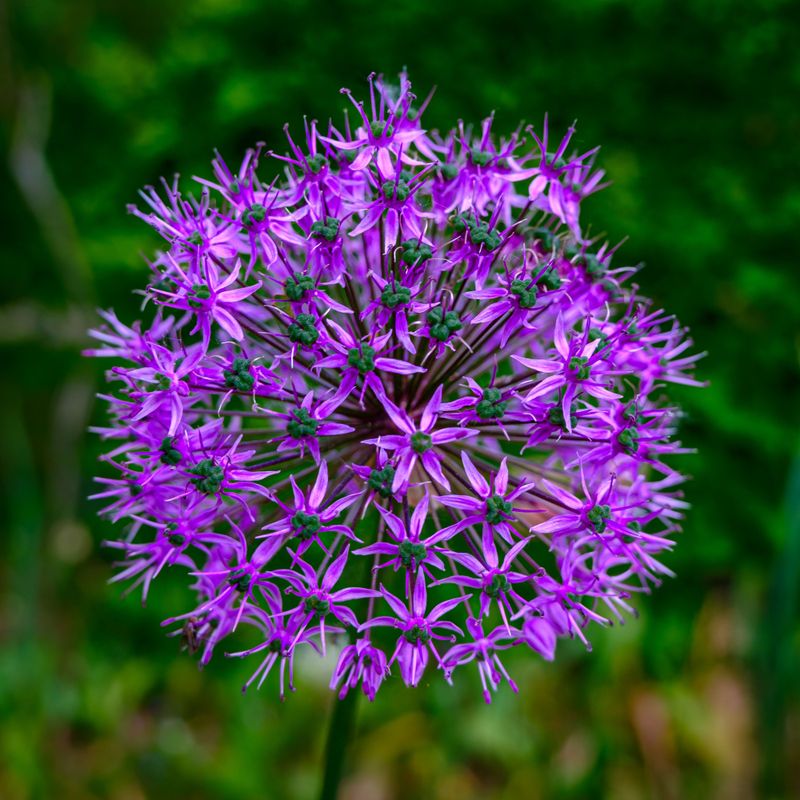
Alliums have an unusual, striking shape, and that is exactly why gardeners love them. Their perfectly round, soccer-ball-sized flower heads rise on tall stems and create a bold visual effect in any garden bed.
These are the ornamental cousins of onions and garlic, and they share that family’s no-nonsense attitude about pests. Deer, rabbits, and most insects avoid alliums entirely, making them one of the lowest-maintenance bulbs you can grow.
Plant allium bulbs in fall at a depth of two to three times their diameter, in full sun with well-draining soil. Spacing depends on variety, but larger types like Gladiator or Globemaster need about 8 inches between bulbs.
They bloom in late spring to early summer, bridging the gap after tulips and daffodils fade. Their dried seed heads also look fantastic in the garden through summer, adding structure long after the bloom is gone.
Pair alliums with ornamental grasses or low-growing perennials to create a layered, eye-catching display.
Their vertical presence adds a bold architectural element that few other bulbs can match. Once you grow alliums, they become a permanent fixture in your fall planting routine.
6. Grape Hyacinths
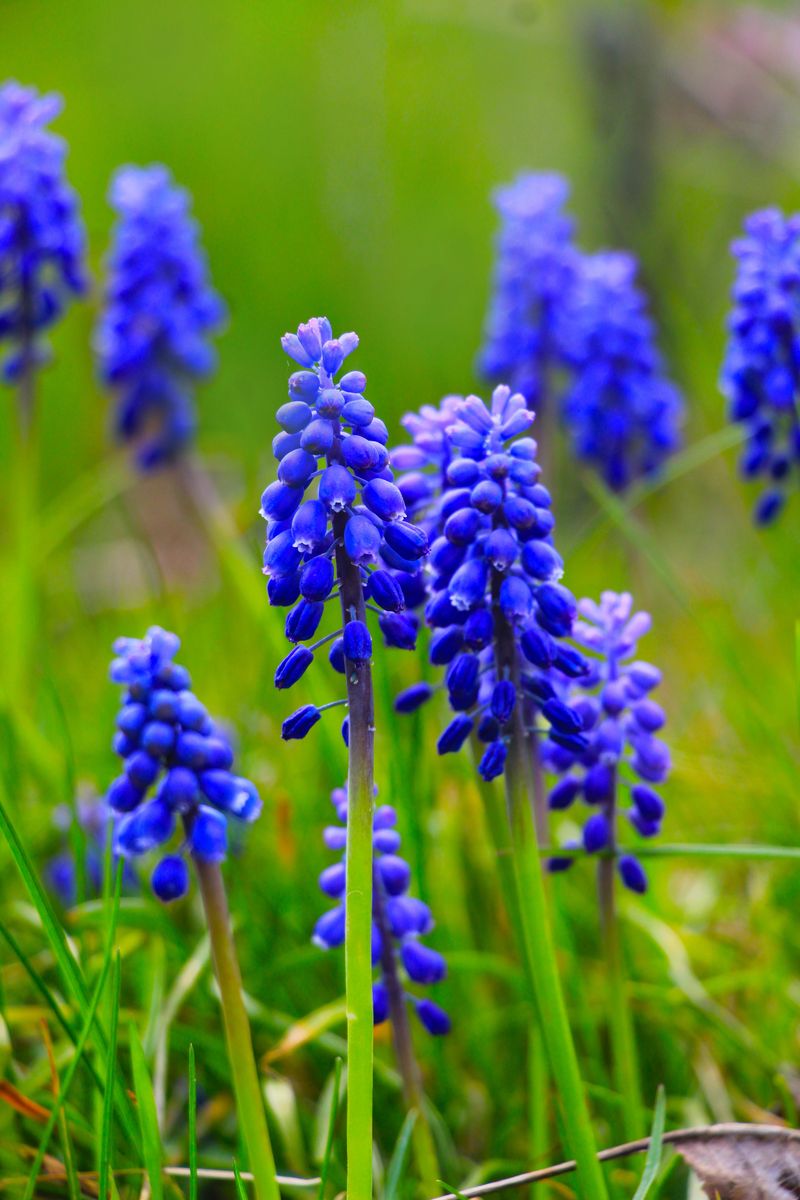
Grape hyacinths are the reliable workhorses of the spring bulb world. Those tiny clusters of cobalt blue and violet flowers look like little bunches of grapes, and they spread eagerly year after year.
Muscari is one of the easiest bulbs you can plant, full stop. Tuck them 3 inches deep and 3 inches apart in fall, and they basically take care of themselves from that point forward.
They bloom in early to mid-spring, right alongside daffodils and early tulips. The deep blue color is rare among spring flowers, which makes Muscari a striking contrast partner for yellow or white blooms nearby.
These bulbs naturalize quickly, forming dense, flowing drifts of color over just a few seasons. Plant them along pathways, in rock gardens, or at the front of borders where their small stature can shine without getting lost.
Muscari also works beautifully in containers, especially when layered beneath taller tulip bulbs in a technique called lasagna planting.
That layering trick gives you a multi-bloom display from a single pot. Few bulbs offer this much color for so little maintenance.
7. Snowdrops
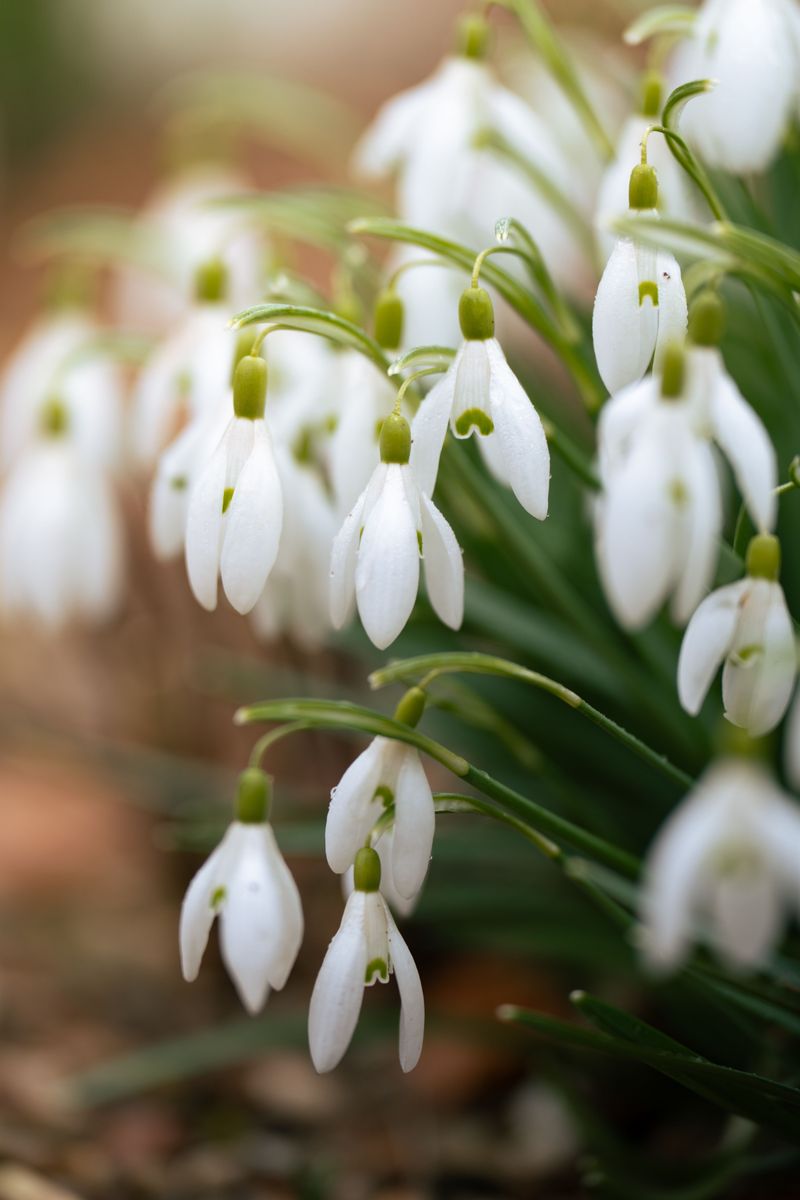
Snowdrops are an early and reliable bloomer. While the rest of the world is still bundled in winter coats, these tiny white blooms appear, sometimes while snow is still on the ground.
They are among the earliest spring bulbs to flower, often showing up in January or February depending on your climate zone. That early arrival makes them incredibly valuable for pollinator support when little else is blooming.
Plant snowdrop bulbs in fall about 3 inches deep and 3 inches apart, ideally in a partially shaded spot with moist but well-draining soil. They love the dappled light beneath deciduous trees, where they naturalize into gorgeous sweeping drifts over time.
Snowdrops are best planted fresh in fall while the bulbs are not yet dried out. Look for firm, plump bulbs and get them in the ground promptly for the best results come late winter.
Their nodding, bell-shaped white flowers with green markings are understated but deeply elegant. Once a colony establishes itself in your yard, it becomes one of the most anticipated sights of the entire year. Small flowers, noticeable visual impact.
8. Fritillaria
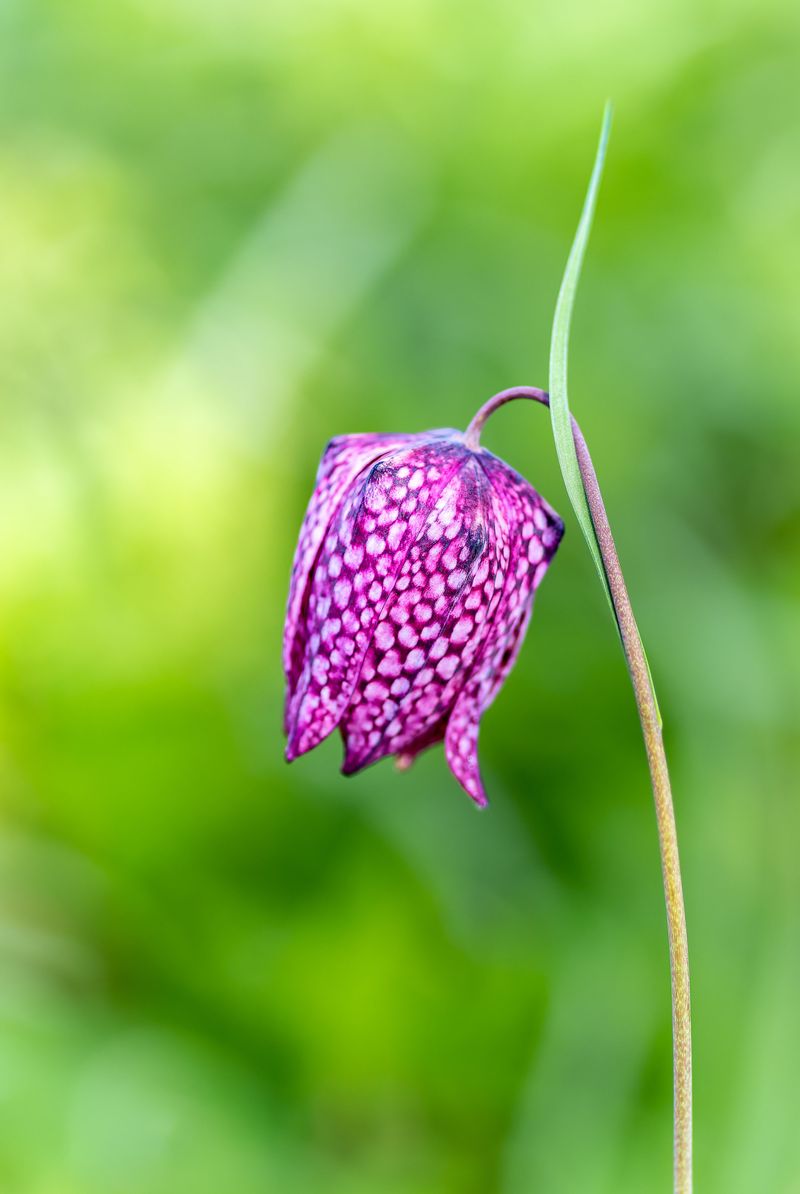
Fritillaria is an unusual addition to a spring garden. These unusual, nodding bell-shaped flowers come in patterns so intricate they appear finely detailed, making every bloom feel like a small work of art.
The most popular variety, Fritillaria meleagris, features a remarkable checkerboard pattern in purple and white. It stands out from most other spring-blooming bulbs.
Plant fritillaria bulbs in fall about 4 inches deep and 6 inches apart in a spot with partial to full sun and excellent drainage. They dislike sitting in wet soil, so raised beds or slopes work particularly well for them.
Crown imperial fritillaria, a taller and bolder relative, produces clusters of orange or yellow flowers beneath a leafy crown. Both types bloom in mid-spring and add a touch of the unexpected to any planting scheme.
Deer and rodents tend to avoid fritillaria bulbs, which is a genuine bonus for gardeners who deal with those pests. The bulbs have a distinct scent that most animals find off-putting. Plant some this fall and prepare to answer a lot of curious questions next spring.
9. Anemones
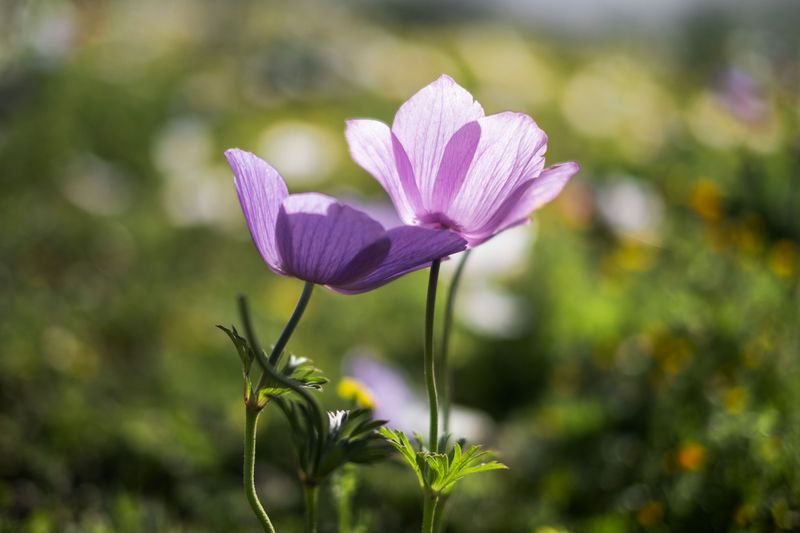
Anemones bring a relaxed, wildflower look to the spring garden. Their poppy-like blooms in rich jewel tones stand out against their deeply cut green foliage with a distinctive, detailed look.
Anemone blanda is known for its cold tolerance and is a strong choice for fall planting across most of the country. Soak the small, knobbly corms in water overnight before planting to give them a head start on hydration.
Plant them about 2 to 3 inches deep and 3 to 4 inches apart in full sun or partial shade. They are not fussy about soil as long as it drains well, and they spread readily once established in a spot they like.
Blue, white, pink, and magenta shades are all available, and mixing them creates a wildflower meadow effect that feels natural and relaxed. They bloom in early to mid-spring, adding color at a time when the garden is just warming up.
Anemones are also wonderful cut flowers, lasting well in a vase and brightening up indoor spaces too. Plant a generous patch and you will have enough blooms to share. Bold color, minimal fuss, maximum reward.
10. Scilla
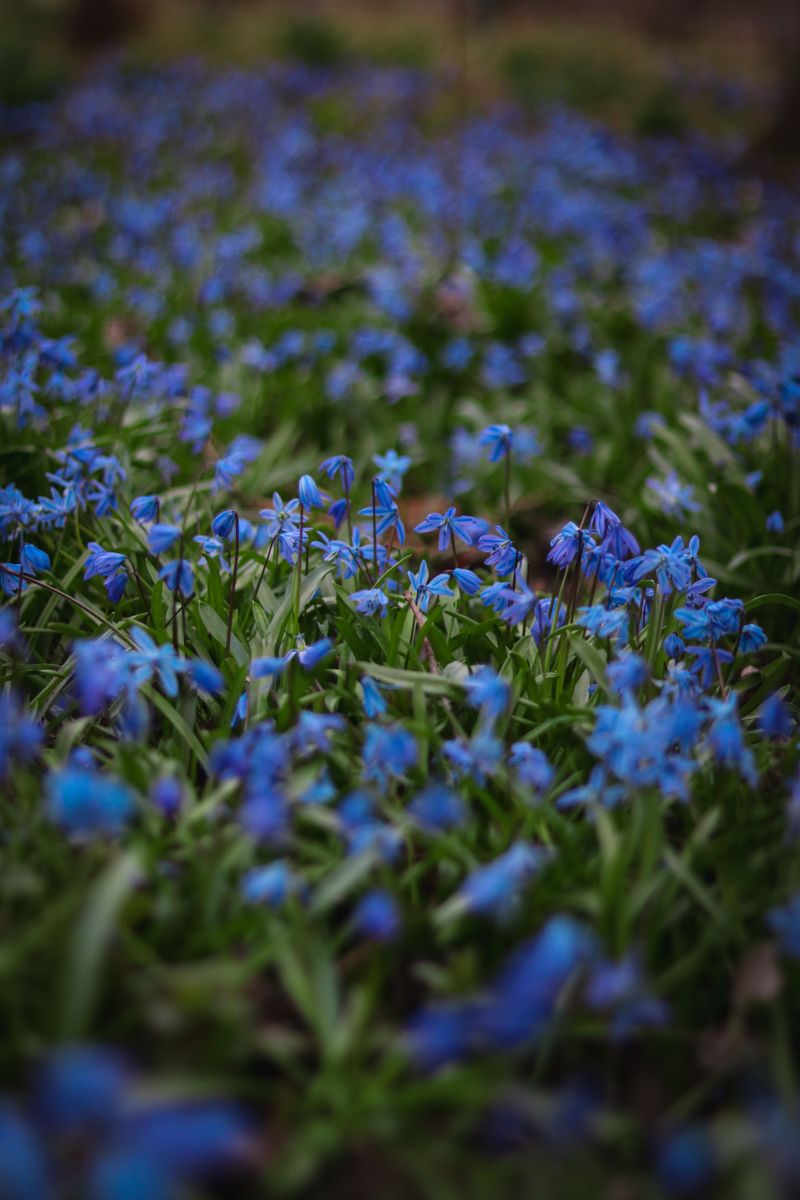
Scilla creates a dense blue ground-cover effect that draws attention in spring gardens. Patches of Scilla siberica spread beneath trees in dense, colorful clusters.
These small but prolific bulbs naturalize aggressively, multiplying each year until you have a flowing river of blue through your lawn or garden beds. They are one of the most satisfying long-term investments in fall bulb planting.
Plant scilla bulbs about 3 inches deep and 3 inches apart in fall, in full sun to partial shade. They are especially happy under trees where they can bloom before the canopy leafs out and blocks the light.
Scilla siberica blooms in early spring with nodding clusters of intense cobalt blue flowers. The color is so vivid and saturated that it almost looks unreal on a sunny March morning.
These bulbs are also deer-resistant and rodent-resistant, which makes them a smart choice if your yard attracts wildlife.
Once you plant them, they essentially take care of themselves season after season. A single fall planting of scilla can continue blooming reliably in your garden for many years.
11. Ranunculus
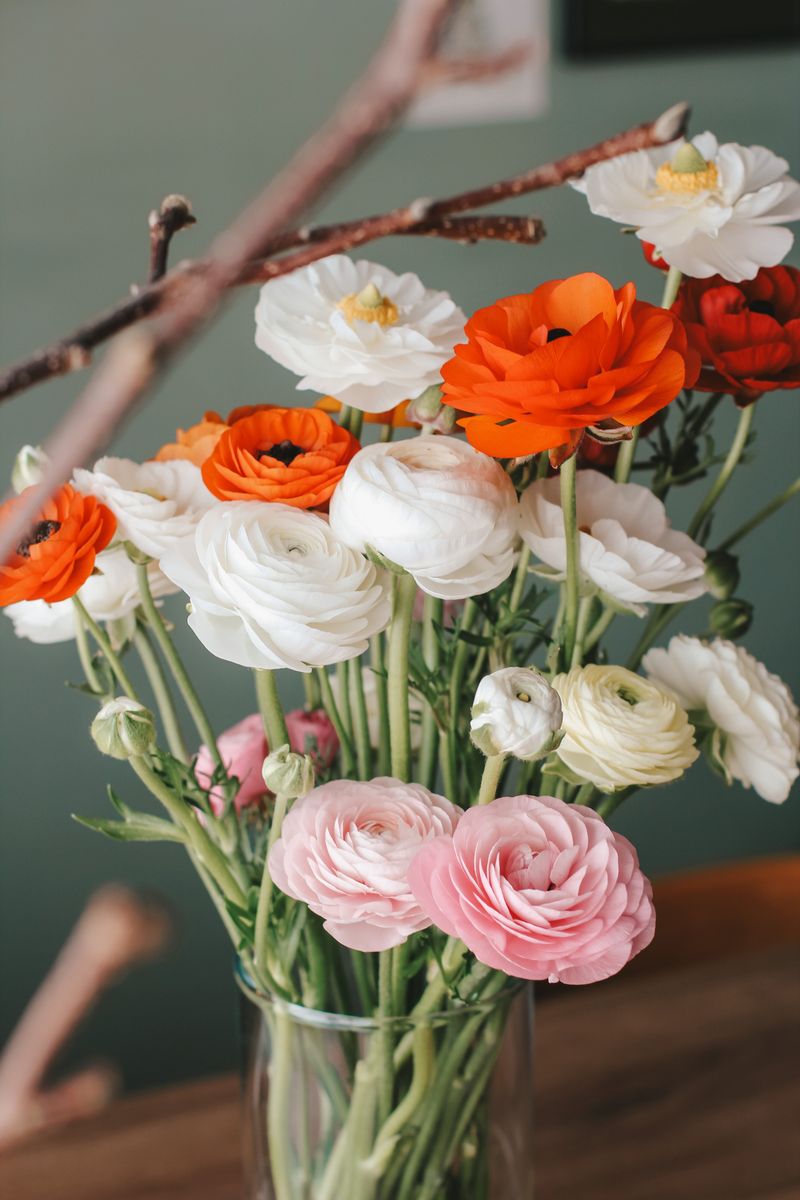
Ranunculus flowers look like they belong in a high-end floral arrangement, and the good news is you can grow them yourself for a fraction of the cost. Their tightly layered petals in soft, luminous shades are detailed and visually striking up close.
Plant ranunculus corms in fall in warmer USDA zones, generally zone 7 or above, where winters stay mild. Check your local extension office for the exact recommendation in your area.
In colder zones, plant them in early spring or overwinter the corms indoors and replant when frost danger has passed.
Soak the claw-shaped corms in water for a few hours before planting to rehydrate them. Then set them about 2 inches deep with the claws pointing downward, spaced about 6 inches apart in full sun.
They thrive in cool spring weather and produce an astonishing number of blooms per plant over several weeks.
Colors range from white and cream to deep coral, red, and burgundy, often with a subtle gradient effect within each flower.
Ranunculus are also exceptional cut flowers, often lasting a week or more in a vase with fresh water and regular care.
Growing your own means you can have fresh-cut blooms on your table all spring long. Luxury florals, grown right in your own backyard.
12. Dutch Iris
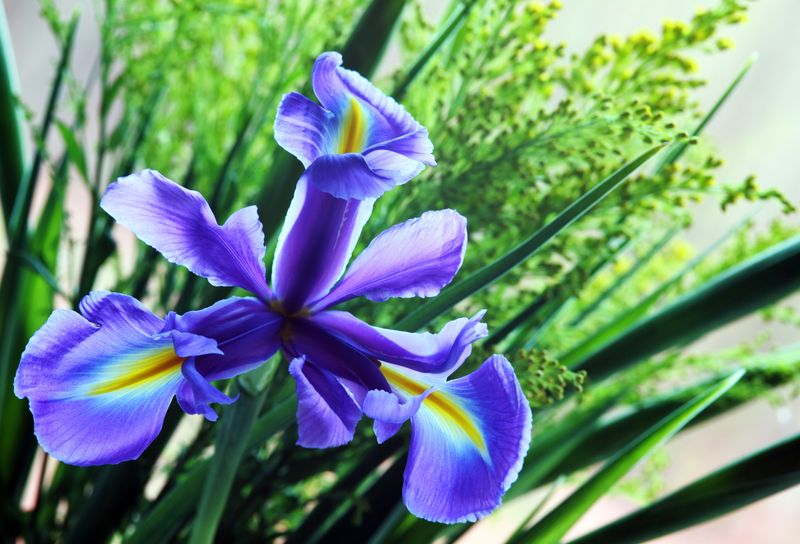
Dutch iris are tall, elegant, and visually striking in the garden. Their striking blooms in purple, blue, yellow, and white stand at attention on long, sturdy stems above sword-like foliage.
These are bulbous irises, not the rhizome type, which means they are planted in fall just like tulips and daffodils. Plant them about 4 inches deep and 4 inches apart in a sunny, well-draining location for best results.
Dutch iris bloom in mid to late spring, often right after tulips finish their show. That timing is strategic because they fill the gap before summer perennials take over, keeping your garden looking full and intentional.
Their blooms are exceptional for cutting, often lasting several days in a vase with proper care. Many home gardeners plant a dedicated cutting row just for Dutch iris to keep fresh arrangements flowing through the season.
In colder climates, mulching over the planting site in late fall helps protect the bulbs from deep freezes. A light layer of straw or shredded leaves does the job perfectly without smothering the bulbs.
A show-stopping spring garden would not be complete without at least one row of Dutch iris standing tall.