This Oregon Garden Habit Is Attracting More Rats Than Homeowners Realize
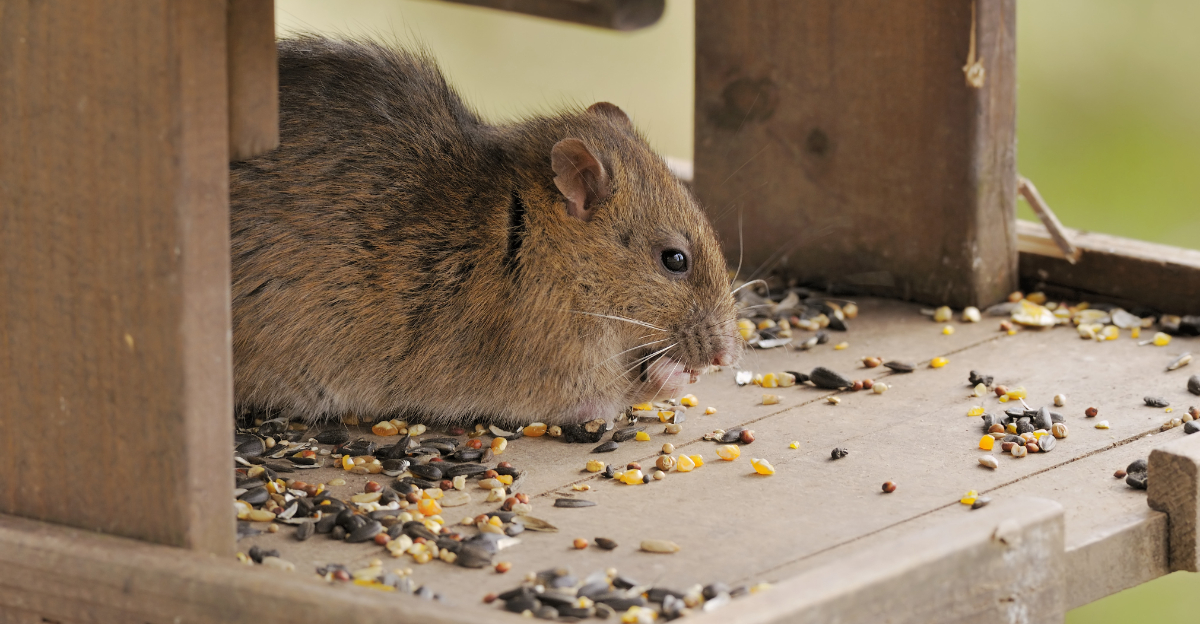
A small daily habit meant to bring more life into the yard may also be inviting the wrong kind of visitor.
In Oregon gardens, rats are quick to notice reliable food sources, especially when scraps collect beneath shrubs, decks, fences, or outdoor structures.
The problem often develops gradually, so homeowners may see only a few scattered clues before activity increases.
Droppings, gnaw marks, shallow burrows, and nighttime rustling can all point to a food supply that has become far too convenient.
Removing one obvious source may not solve everything if leftovers are still reaching the ground or being stored carelessly nearby. The good news is that this does not require giving up on backyard wildlife altogether.
A few practical changes can make the space much less rewarding for rodents. First, though, it helps to identify the innocent-looking routine that may be feeding them every single day.
1. Make Sure You Avoid The Following
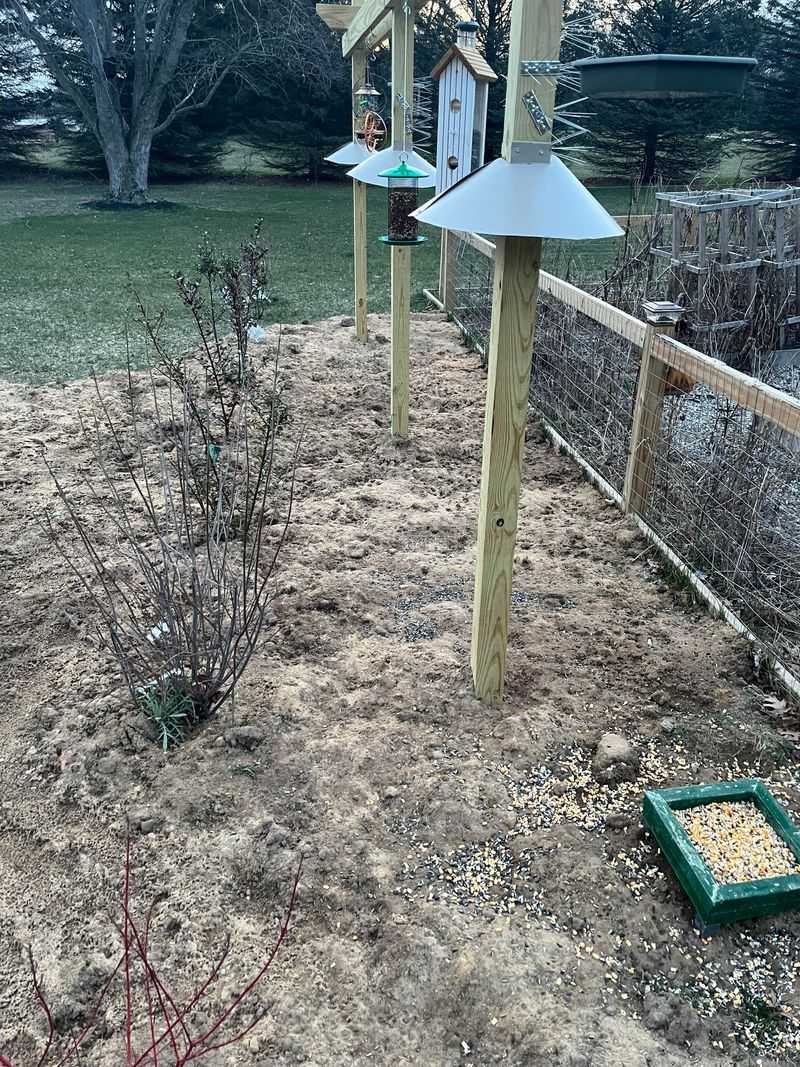
Most bird lovers do not think twice about the mess under their feeders. Birds are sloppy eaters, and seeds fall to the ground constantly.
Over time, that pile of spilled seed becomes a serious problem.
Rats can smell food from far away, and a growing mound of birdseed is basically a flashing neon sign that says “free meal here.”
Rats are ground foragers by nature. They prefer to eat low to the ground where they feel safe and hidden.
A pile of seed sitting right under a feeder is exactly the kind of setup they love. They can eat quickly, hide easily, and come back night after night without much risk.
In Oregon’s damp climate, wet seed also starts to rot, and rotting seed smells even stronger to rodents. That smell travels farther than you might expect.
Neighbors have reported seeing rats in yards they had never noticed before, and the culprit was often a neglected feeder area just a few houses away.
Cleaning up fallen seed every day or two is one of the most effective things you can do. Use a small rake or broom to clear the area under your feeder regularly.
You can also place a tray under the feeder to catch falling seeds before they hit the ground. Small habits like these make a big difference in keeping rats from settling in.
2. Turning The Ground Into A Rat Buffet
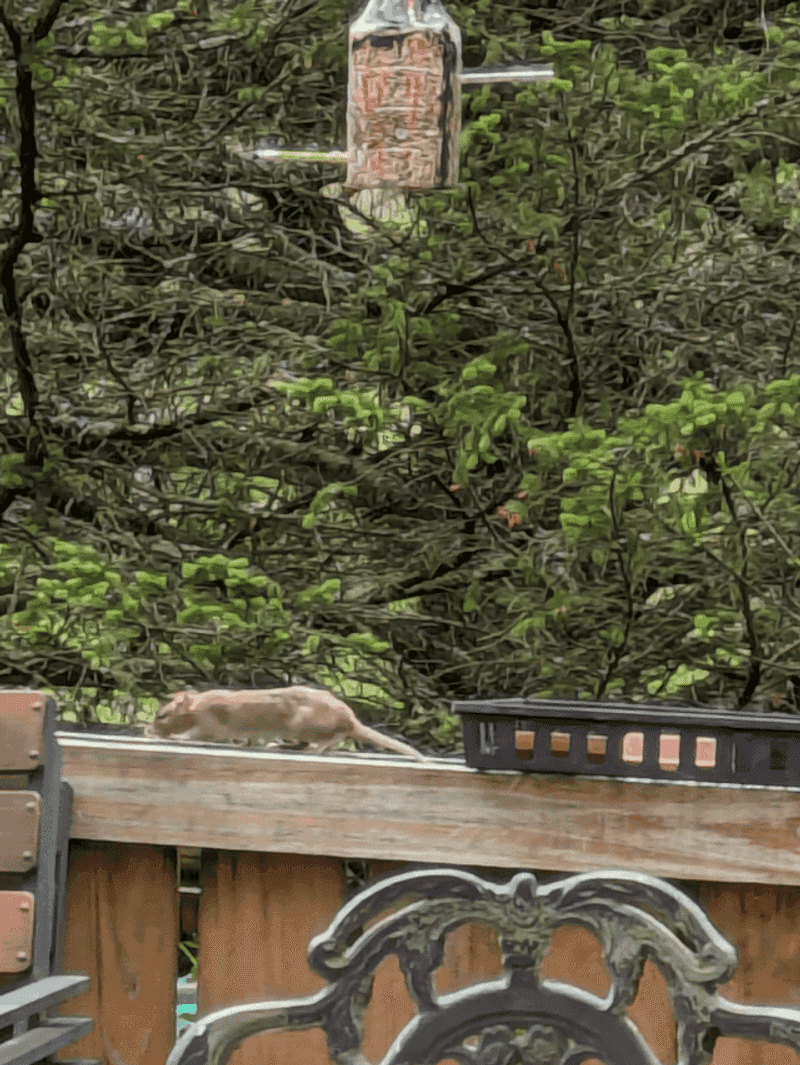
Picture this: seeds on the ground, a half-eaten apple that fell from a tree, some compost that missed the bin, and a pile of cracked corn near the garden bed. To a rat, that is not a backyard.
That is a buffet. Many homeowners do not realize how many different food sources they are accidentally leaving out at once.
Rats are opportunistic eaters. They will eat seeds, fruit, vegetables, pet food, and even certain plants.
When your yard has multiple food sources spread across the ground, rats do not just visit once. They move in.
They build nests nearby and start raising young ones close to that reliable food supply.
The danger is not just one pile of seeds. It is the combination of food sources that makes your yard so attractive.
Your Oregon Garden Changes Every Week. Your Plan Should Too.
Gardening in Oregon changes quickly throughout the season. Every Friday you’ll receive a simple weekly plan showing exactly what to plant, prune, fertilize, harvest, and protect so you never miss the right timing.
A feeder with spillage plus a fruit tree plus an open compost bin is a three-course meal waiting every evening. Rats quickly learn the layout of your yard and return on a regular schedule.
Start by doing a walk-through of your yard and looking at it from a rat’s point of view. What is on the ground?
What smells strong? What is easy to reach?
Picking up fallen fruit, securing your compost, and managing birdseed are all steps that work together. No single fix solves everything, but combining them creates a yard that is much less inviting to hungry rodents.
3. Ignoring Seeds Birds Knock Down Every Day
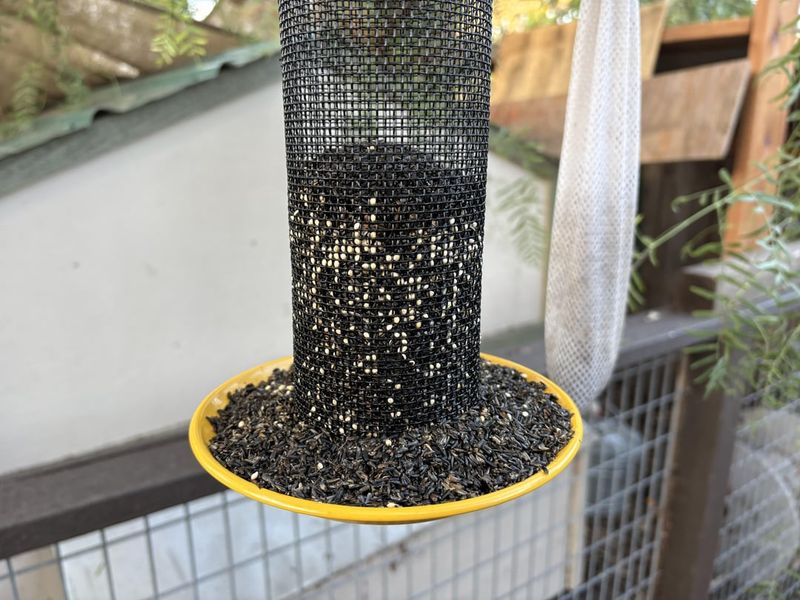
Birds are messy, and that is just part of their charm. Finches, sparrows, and other common backyard visitors toss seeds aside constantly while searching for their favorites.
In just one day, a busy feeder can send dozens of seeds raining down to the ground. Most homeowners see this and think nothing of it.
Rats see it and think “dinner.”
The problem with ignoring daily seed drop is that it builds up fast. What starts as a light dusting on Monday can become a noticeable layer by Thursday.
By the weekend, you have a small seed pile sitting in a spot that stays damp from morning dew. That combination of food and moisture is exactly what rats look for when scouting a new area.
Rats are creatures of habit. Once they find a spot where food appears every day, they begin visiting on a regular schedule.
They often arrive after dark, so you may not notice them for weeks. By the time you spot signs of rats, they have usually been visiting for a while already.
A simple fix is to check the ground under your feeder every evening before it gets dark. Sweep or rake up any seeds that have fallen during the day.
This one step can break the cycle before rats have a chance to discover your yard. Pair it with a feeder that has a tray attachment, and you cut down on spillage by a large amount.
4. Leaving Feed Out Long After Sunset
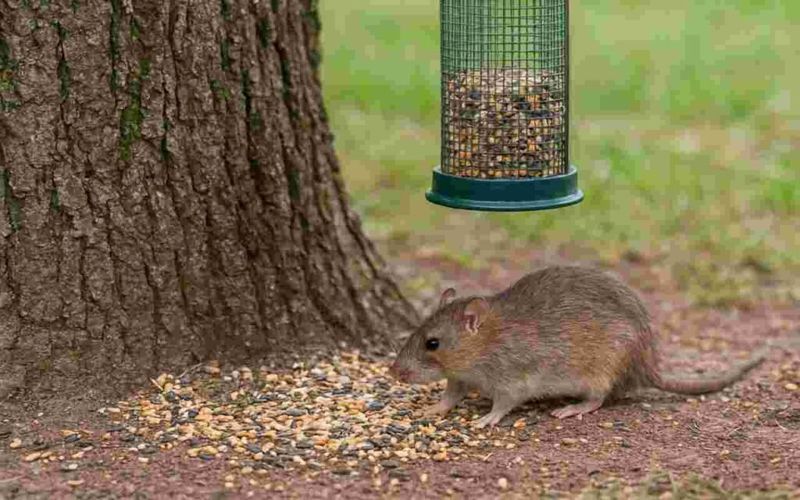
Rats are nocturnal. That means they do their best work at night, while most homeowners are inside watching TV or sleeping.
Leaving a full bird feeder out after dark is one of the most common and most overlooked habits that brings rats into a yard. Birds are not eating after sunset, but rats absolutely are.
Many people fill their feeders in the morning and forget about them. The birds eat during the day, and then the feeder just sits there through the night.
If it still has food in it by dusk, rats will find it. They are excellent climbers and can reach feeders that seem out of reach.
Pole-mounted feeders, hanging feeders, and tray feeders are all accessible to a determined rat.
This is a bigger issue in Oregon than in many other parts of the country because the mild climate keeps rats active even in winter. There is no cold snap that slows them down.
A feeder left out on a January night is just as tempting to a rat as one left out in July.
A smart solution is to bring your feeder inside each evening, or at least empty it before sunset. Store the seed in a sealed metal container that rats cannot chew through.
Some homeowners also use feeders with weight-sensitive perches that close off access when a heavier animal like a rat tries to eat. These small investments protect your yard in a big way.
5. Using Cheap Mixes Birds Toss Aside
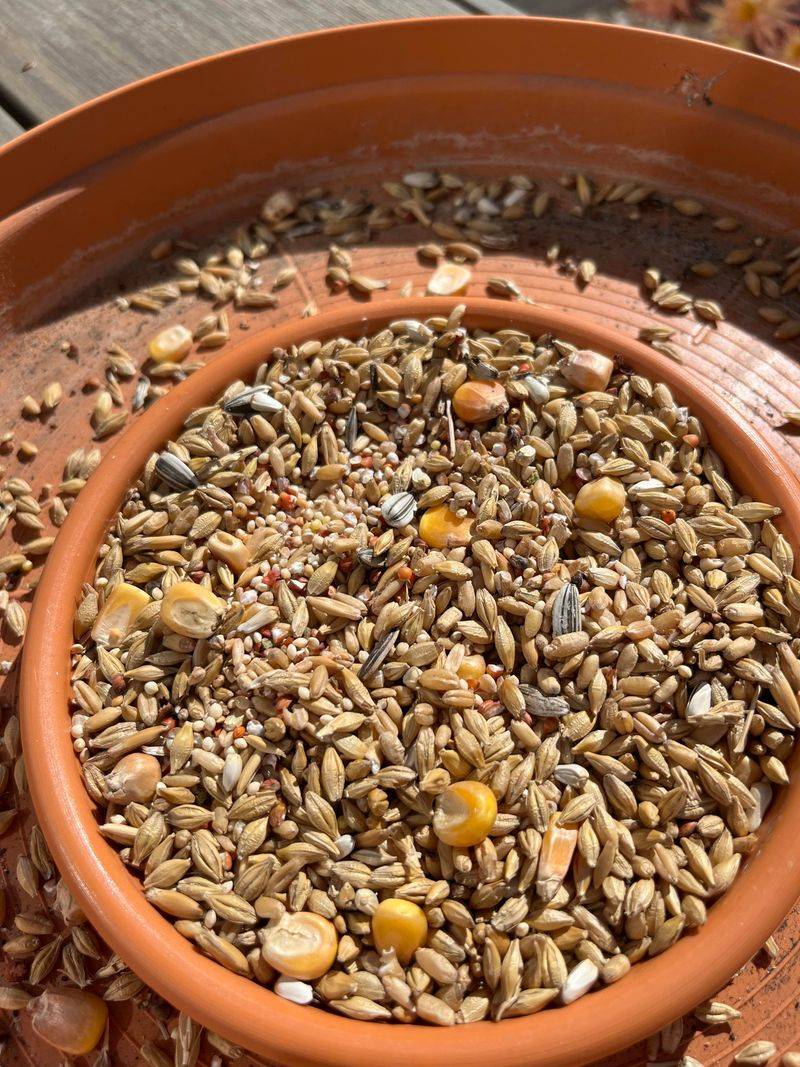
Not all birdseed is created equal, and the cheap stuff can actually make your rat problem worse. Budget seed mixes are often loaded with filler seeds like milo, red millet, and oats.
Most backyard birds in this region do not want those seeds. They sort through the mix, toss the unwanted seeds aside, and eat only what they like.
All those rejected seeds land on the ground and pile up fast.
Here is the frustrating part: rats are not picky. They will eat the filler seeds that birds ignore.
So while you are spending money on cheap seed thinking you are saving a little cash, you are actually creating a ground-level food source that birds skip but rats love. The math does not work in your favor.
Quality seed mixes that include sunflower seeds, safflower, and nyjer attract more birds and create less waste. Birds tend to eat more of what they actually want, which means less ends up on the ground.
Less waste on the ground means fewer reasons for rats to visit your yard. Spending a little more on better seed often saves you from a much bigger pest problem later.
Check the ingredient list before buying. If milo or red millet is listed first, put it back.
Look for mixes that lead with sunflower seeds or nyjer. Your birds will be happier, your yard will be cleaner, and rats will have fewer reasons to stick around your garden.
6. Forgetting To Sweep Around The Feeder
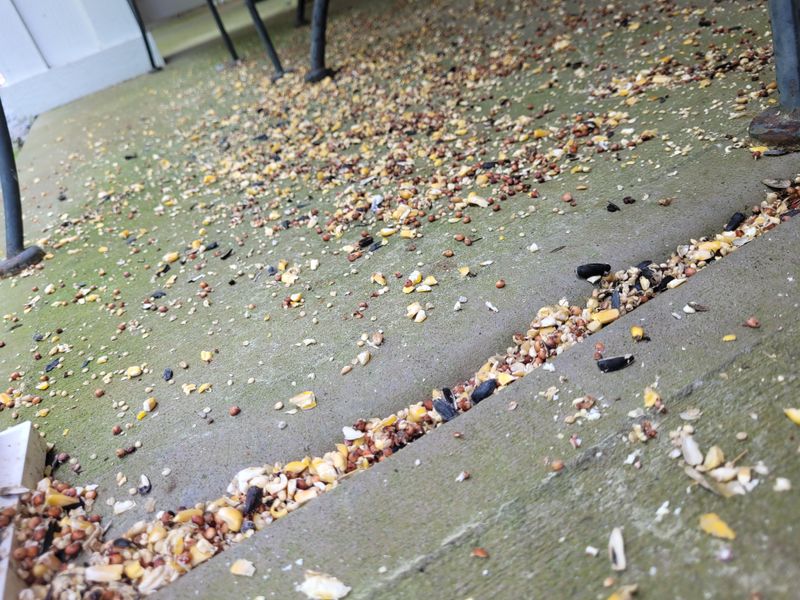
Sweeping might not sound exciting, but it is one of the most powerful habits you can build to keep rats away from your yard. Seed husks, shells, and debris collect around feeders quickly.
Even when the seeds themselves are gone, the smell and residue left behind can still attract rats. They use their nose more than their eyes, and old seed debris smells like food to them.
Most homeowners clean their feeders occasionally but forget about the ground beneath them. That ground area is where the real trouble builds up.
Rain can push seed debris into corners, along fence lines, and into cracks in pavement. All of that organic material holds scent and gives rats a reason to keep investigating your yard night after night.
In the wet climate of this region, debris also breaks down and molds quickly. Moldy seed material smells even stronger than fresh seed.
Rats and mice are drawn to fermented and decaying organic matter. Letting that material sit under your feeder for weeks is like leaving a welcome note for every rodent in the neighborhood.
Set a regular sweeping schedule. Twice a week is a good target for most yards.
After sweeping, you can dispose of the debris in a sealed trash bag rather than leaving it in an open bin nearby. A clean feeder area sends a clear message to rodents that your yard is not a reliable food source.
Consistency is everything when it comes to keeping them away.
7. Placing Feeders Too Close To Fences And Sheds
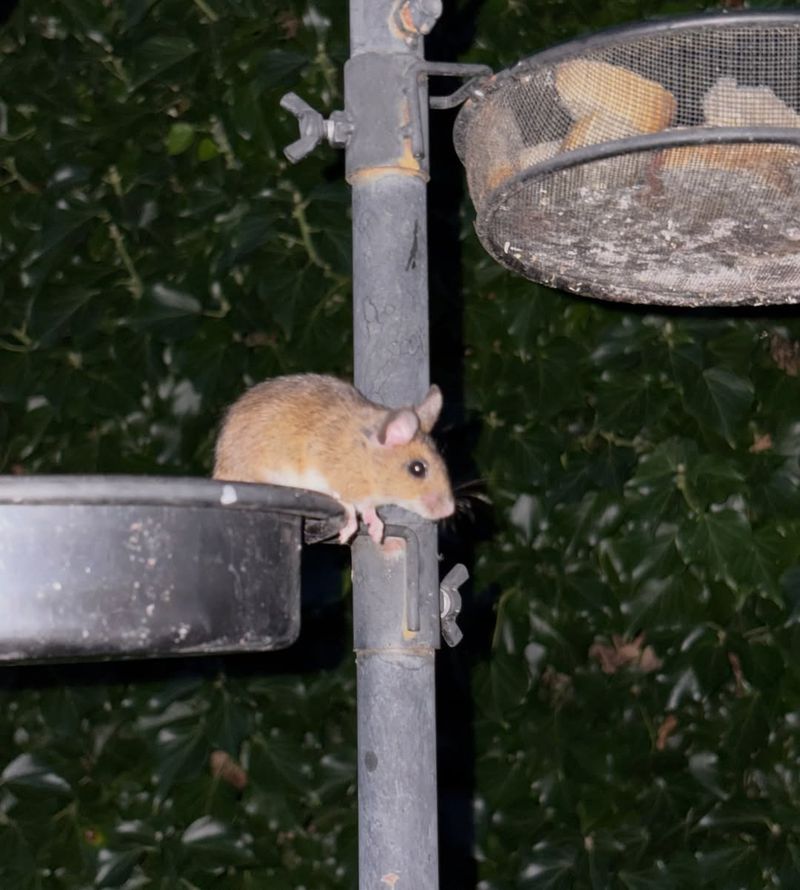
Where you put your bird feeder matters just as much as how you manage it. Feeders placed near fences, sheds, or dense shrubs give rats the perfect setup.
Rats like to travel along edges. They run beside walls, fences, and structures rather than crossing open ground.
A feeder close to a fence is basically on their regular route already.
Sheds and fences also give rats places to hide, nest, and watch. They can observe your feeder from a safe distance, wait until things are quiet, and then move in for food without much risk.
The closer your feeder is to these structures, the easier it is for rats to access it without feeling exposed.
Many Oregon homeowners place feeders near fences because it looks nice or because that is where they have always put them. It feels natural to tuck a feeder into a corner of the yard.
But that cozy corner is exactly where rats feel most comfortable exploring after dark.
Moving your feeder to an open area of the yard, away from fences and outbuildings, forces rats to cross open ground to reach it. Rats avoid open spaces because they feel vulnerable there.
Mounting your feeder on a smooth metal pole with a baffle also makes it much harder for rats to climb up. Even a few feet of distance from a fence can reduce rat activity around your feeder significantly.
8. Giving Rats An Easy Nighttime Food Source
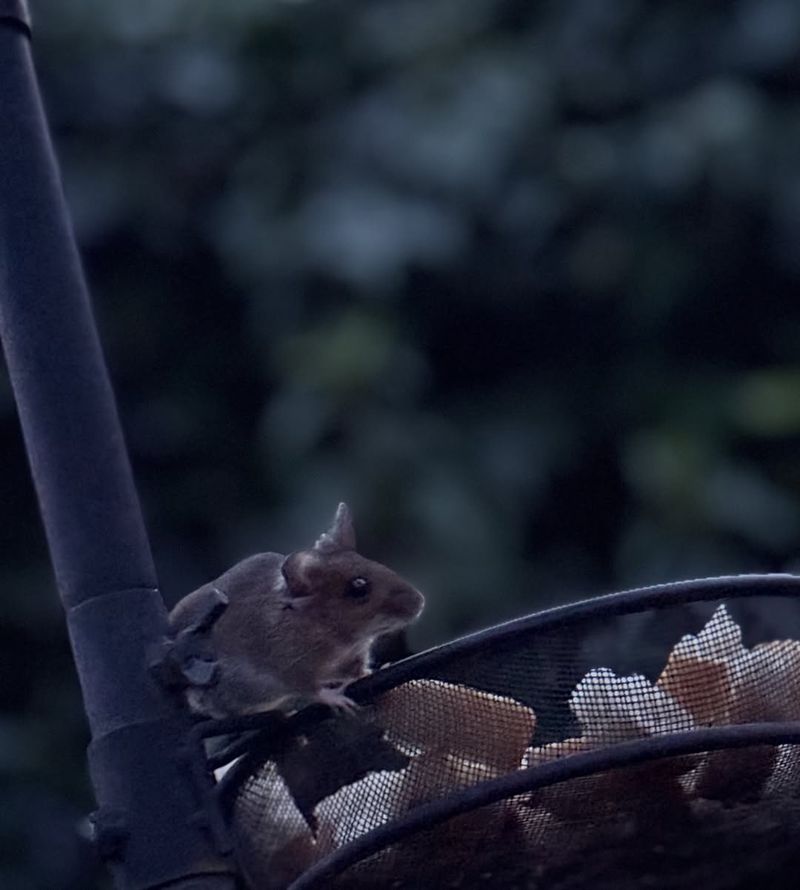
Rats are incredibly good at finding patterns. If food is available in your yard at the same time each night, they will show up at that time like clockwork.
Many homeowners unknowingly set this pattern by leaving feeders full, seed on the ground, and pet food outside overnight. Over time, rats come to rely on your yard as a guaranteed stop on their nightly rounds.
Once a rat establishes a feeding routine in your yard, breaking that routine takes real effort. They are persistent and will return to a spot for days even after the food is gone, hoping it comes back.
If it does come back, even occasionally, they stay. The habit of leaving easy food out at night is one of the hardest rat-attracting habits to reverse once it takes hold.
Rats also communicate. When one rat finds a reliable food source, others follow.
What starts as one or two visits can turn into a group situation within a few weeks. Signs like droppings near your feeder, chewed wood near sheds, or scratching sounds at night are all clues that rats have made your yard part of their routine.
Breaking the cycle starts with removing the nighttime food source completely. Bring feeders in before dark.
Pick up fallen seed each evening. Store all outdoor pet food in sealed containers.
These steps disrupt the pattern rats have learned and make your yard far less predictable as a food stop. Over time, they will move on to easier options elsewhere.