What A Toad Under Your Maryland Steps Really Says About Your Yard
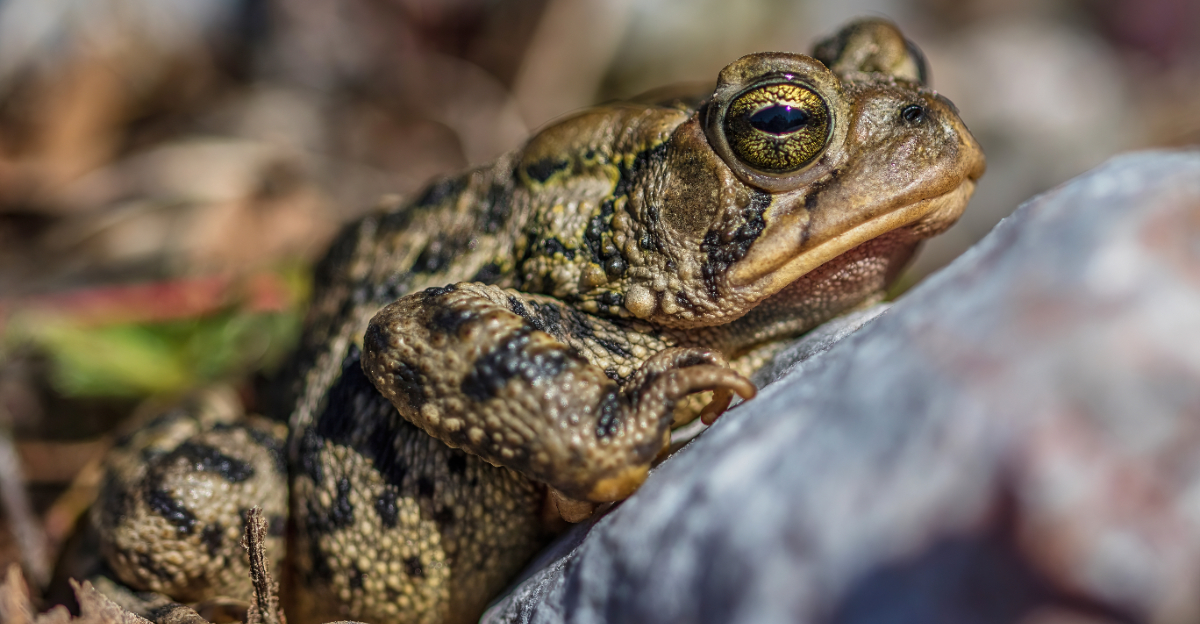
You crouch down to move a flowerpot and something blinks back at you from the shadows. A toad, motionless, watching you like it owns the place. Most people jump back or grab a shovel, but that little visitor just handed you a compliment.
A toad doesn’t settle just anywhere. It scouts for damp soil, shade thick enough to hide in, and a steady buffet of insects within hopping distance.
So if one has claimed a spot by your foundation, your yard passed a test you didn’t even know it was taking. Chemical-heavy lawns and sunbaked dirt send toads packing within days.
This one stayed. That’s not luck, it’s a quiet nod from nature saying your little patch of earth is doing something most yards never manage.
Toads Signal A Healthy Insect Population
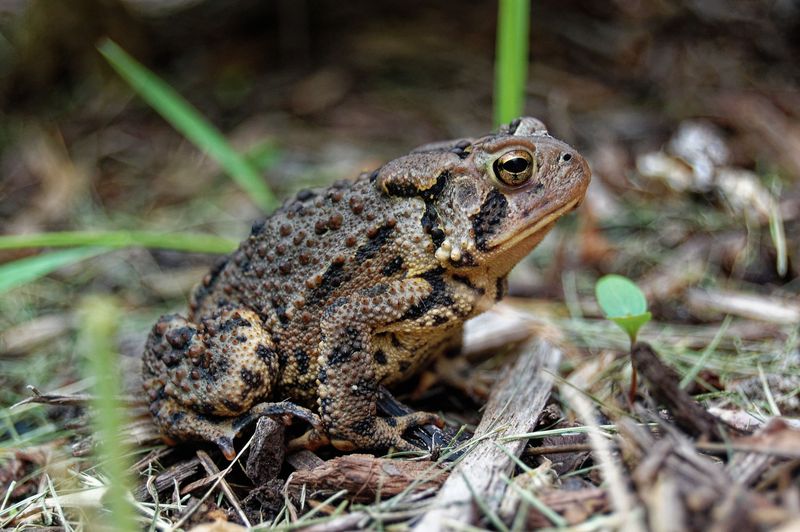
Bugs everywhere might sound like a nightmare, but a toad disagrees completely. An adult American toad can eat up to 1,000 insects in a single season.
That level of appetite only works if your yard has a rich, thriving insect community to begin with. Insects are the foundation of a healthy outdoor ecosystem.
Your yard’s soil, plants, and leaf litter all support a web of tiny creatures. When that web is strong, predators like toads show up to take advantage of the buffet.
A toad under your Maryland steps is proof that your yard is producing enough insect life to sustain a larger animal. Sparse, chemically treated lawns simply don’t offer enough food.
Toads skip those yards entirely and move on to greener pastures. Healthy insect populations also mean healthy soil.
Decomposers, beetles, and ground-dwelling bugs break down organic matter and aerate the earth. When a toad moves in, it confirms that underground activity is happening at a productive level.
You might not see most of those insects because they hide in mulch, under leaves, or inside rotting wood. The toad sees them just fine. Its sticky tongue is basically a precision bug-detection tool operating around the clock.
Having a robust insect population also supports birds, bats, and other beneficial wildlife. Your yard becomes a linked system where every creature plays a role.
That toad under your steps is the most visible sign that the whole system is working beautifully together.
Moist Shaded Spots Attract Toads Naturally
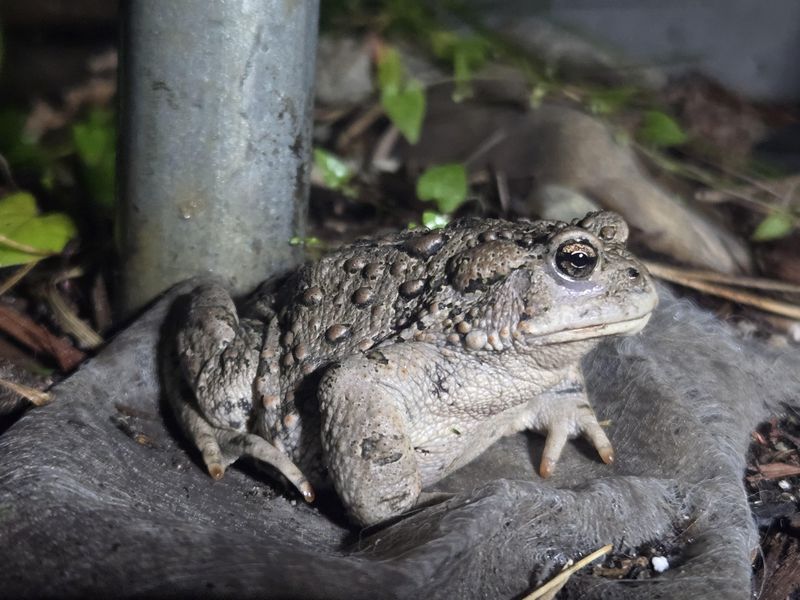
Cool, damp, and dark: that is a toad’s idea of a perfect afternoon. Toads are amphibians, meaning their skin needs moisture to stay healthy. Without it, they dry out fast and have to move on to find better conditions.
The space under your porch steps is a jackpot for a toad on a hot summer day. Concrete and stone hold coolness well, and the shade protects against direct sun.
Moisture from nearby soil or mulch completes the picture perfectly. If a toad chose your steps specifically, your yard likely has natural moisture-retaining features nearby.
Dense ground cover, mulched beds, or a low spot that holds rainwater all create the kind of microclimate toads seek out instinctively. Gardens with thick plant layers stay cooler and damper at ground level.
Your Maryland Garden Changes Every Week. Your Plan Should Too.
Gardening in Maryland changes quickly throughout the season. Every Friday you’ll receive a simple weekly plan showing exactly what to plant, prune, fertilize, harvest, and protect so you never miss the right timing.
That layer of leaf litter or wood chip mulch acts like a sponge. Toads burrow into it or rest beneath it during the hottest parts of the day.
Shaded areas also tend to have softer soil, which matters for toads. They like to partially bury themselves when resting or hiding from predators.
Hard, compacted ground makes that impossible and sends them looking elsewhere for shelter. A yard that naturally creates these moist, shaded pockets is doing something most Maryland gardeners work hard to achieve.
Good soil structure, strategic plant placement, and moisture retention all come together in spaces toads love. Your steps just happen to be the most obvious hiding spot in an already welcoming outdoor environment.
Toads Provide Free Pest Control All Season
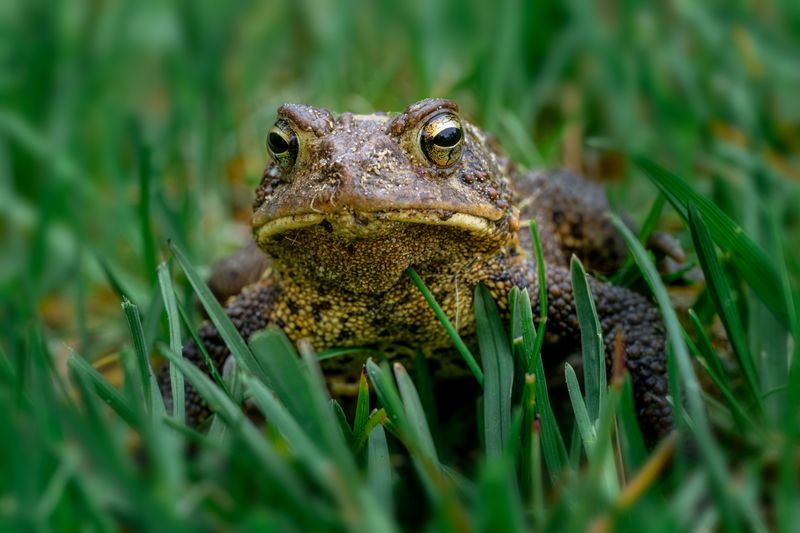
Forget the pesticide aisle for a moment and think about what a toad does for your garden budget. One toad working your yard from spring through fall can consume tens of thousands of insects over a season.
That is a lot of free labor with zero side effects. Slugs, beetles, grubs, mosquitoes, and caterpillars are all on the menu.
These are the same pests that gardeners spend serious money trying to manage every year. A resident toad handles them quietly and consistently without any help from you.
Toads are nocturnal hunters, so they go to work right when many pest species become most active. Mosquitoes swarm at dusk, and slugs emerge after dark to chew through your hostas.
The toad is already out there, handling business while you sleep. Unlike chemical sprays, a toad does not harm beneficial insects like bees and butterflies.
It hunts by movement and proximity, targeting what is close and crawling. Pollinators flying above are not part of the equation at all.
Having a toad under your steps means your vegetable garden, flower beds, and lawn are all getting passive protection. You did not hire a pest control service or set any traps.
Nature just sent its own specialist and asked for nothing in return. Gardeners who welcome toads often notice fewer chewed leaves and less slug damage over time.
The results are gradual but real. Keeping that toad comfortable and safe is one of the smartest low-effort moves any Maryland homeowner can make this season.
Simple Ways To Keep A Toad Habitat Safe
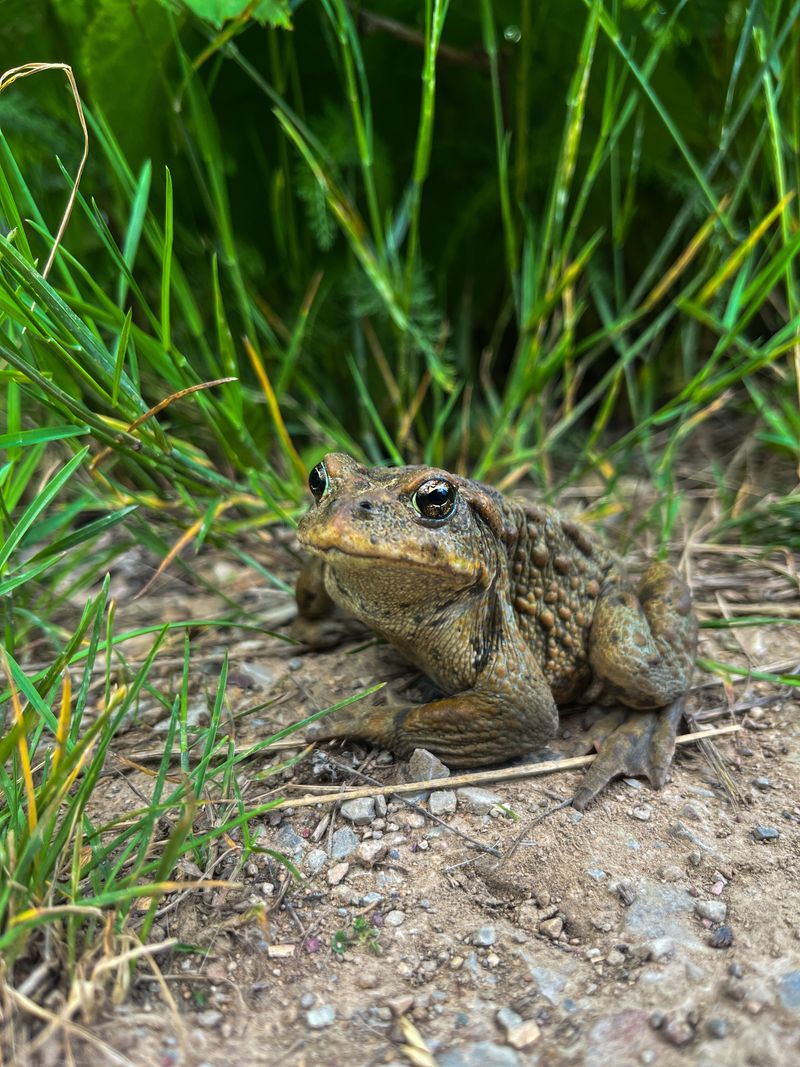
You found a toad, and now you want to keep it around. Smart move. A few small changes to your yard habits can turn a casual toad visit into a long-term residency that benefits your whole outdoor space.
Start by skipping chemical pesticides and herbicides near the areas where the toad hangs out. Toads absorb substances directly through their skin, so what you spray on your lawn goes straight into their bodies.
Even products labeled safe for humans can be harmful to amphibians. Reduce or eliminate the use of synthetic fertilizers near garden beds and moist soil areas.
Runoff from these products can affect the small water sources toads depend on for hydration. Natural compost and organic soil amendments are much friendlier to your new yard resident.
Keep a shallow dish of fresh water near the toad’s favorite spot during dry summer stretches. Toads do not drink through their mouths but absorb water through their belly skin.
A clean, shallow dish placed at ground level is all they need to stay hydrated. Avoid mowing over leaf piles or thick mulch areas without checking first.
Toads rest in these spots during the day and can be injured by lawn equipment. A quick visual scan before mowing takes seconds and could save a life.
Leave a small section of your yard a little wild: some leaf litter, a log, or a rock pile creates natural shelter options. Toads thrive in yards that offer variety and cover.
Small intentional choices from you add up to a genuinely toad-friendly Maryland yard.
Signs Your Yard Is Becoming More Toad Friendly
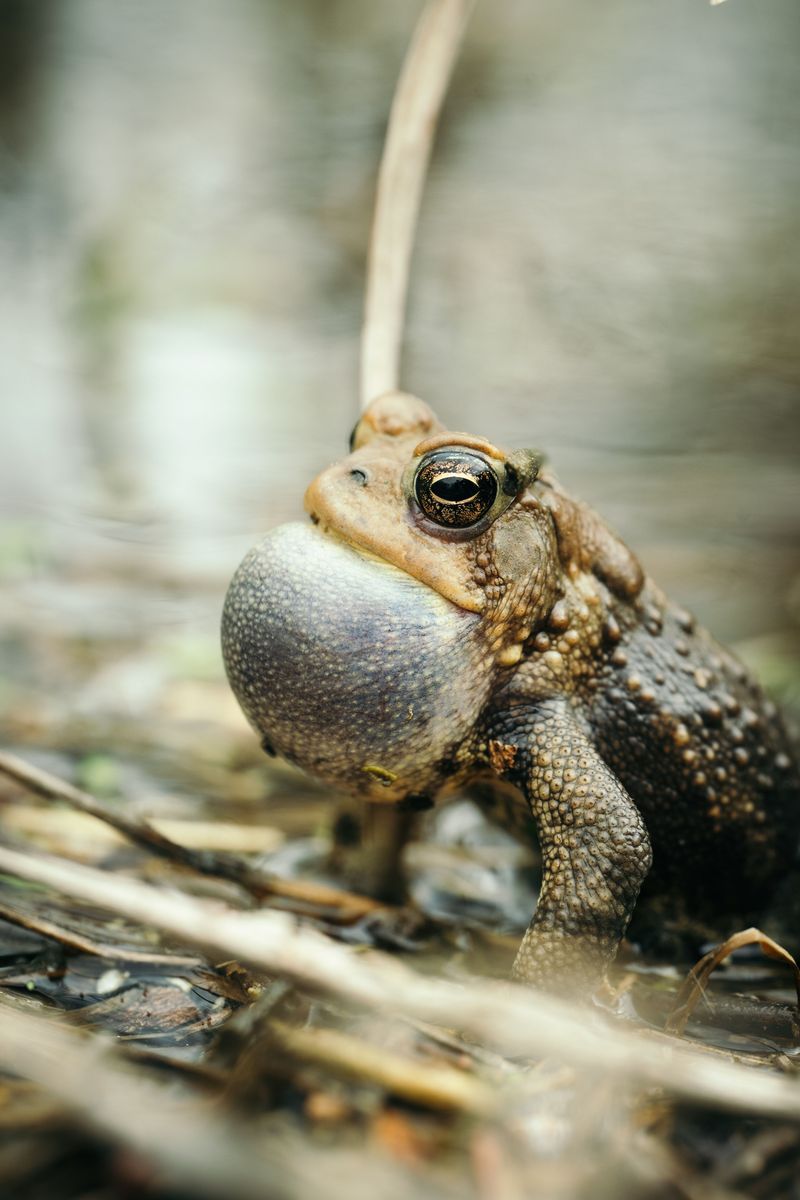
Spotting one toad is exciting, but noticing a pattern of toad activity means your yard has genuinely leveled up. Multiple sightings over a season, or seeing toads in different areas of your property, are strong signals that conditions are improving year over year.
One of the clearest signs is the presence of toad eggs or tadpoles in a nearby water source. Toads breed in shallow ponds, birdbaths, or even drainage ditches with standing water.
If they are reproducing near your yard, they consider it home territory. Reduced pest damage on your plants without any chemical intervention is another strong clue.
When your hostas stop disappearing overnight and your tomatoes look cleaner, something is managing those slugs and beetles. A healthy toad population is often the quiet reason behind that improvement.
Soft, loamy soil throughout your Maryland garden beds suggests good organic matter and moisture retention. Toads prefer this type of ground for burrowing and resting.
If your soil has improved over time through composting and mulching, you have made your yard more appealing to the whole food chain. An increase in bird activity, fireflies, and other wildlife in your yard also points to a healthier ecosystem.
Toads are one piece of a larger puzzle. When that puzzle starts coming together, you notice more life showing up from all directions.
Finding a toad under your Maryland steps is not an accident or a fluke. Your yard earned that visitor through good soil, natural moisture, and a living insect community. Keep nurturing those conditions and your yard will keep rewarding you.
Toads Often Return To The Same Spot Year After Year
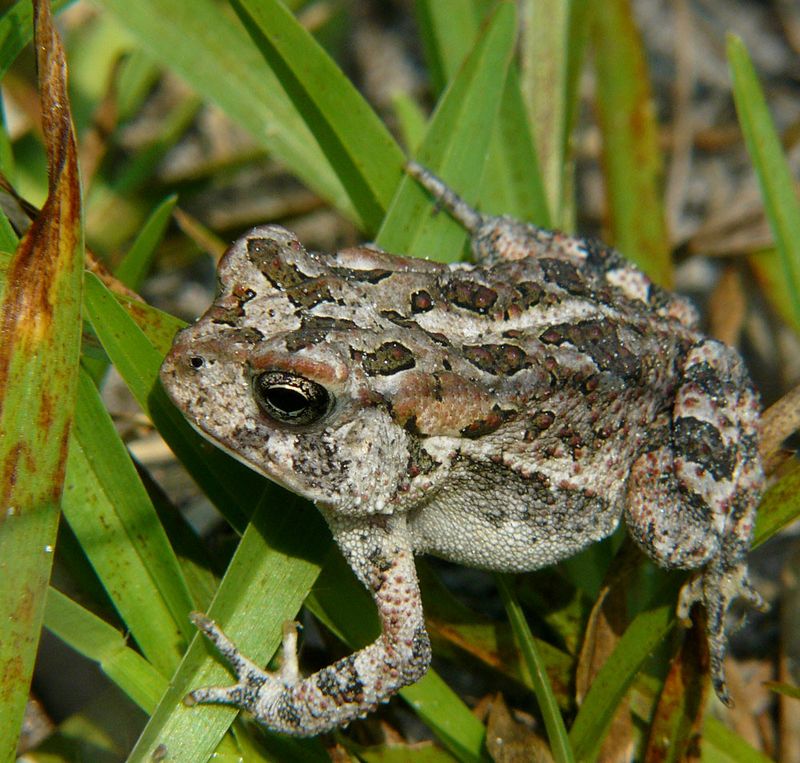
That toad under your steps didn’t stumble in by accident. Amphibians called philopatric species tend to return to the exact same shelter, sometimes for years in a row.
If last summer’s visitor is back this season, it likely never left the neighborhood. Toads can travel surprisingly short distances between their winter burrow and summer hunting grounds.
A reliable hiding spot near food and moisture becomes a fixture in their internal map. Once they memorize it, they rarely bother searching elsewhere.
This loyalty says something about your yard’s consistency. Conditions have to stay stable, season after season, for a toad to keep choosing the same address.
Disrupting that spot with heavy digging, new pesticides, or removed ground cover can break years of habit. A returning toad is a small vote of confidence you don’t want to lose by accident.
Researchers who study toad populations often use this exact loyalty to track long-term habitat health. A single marked toad reappearing in the same yard year after year tells them the surrounding conditions have remained genuinely stable.
Your own yard works the same way, minus the clipboard and tracking tags. Every spring that toad resurfaces, it’s quietly confirming that whatever you’re doing underground and in the soil is still working exactly as it should.