Never Repot Your California Houseplants While They Are Heat Stressed
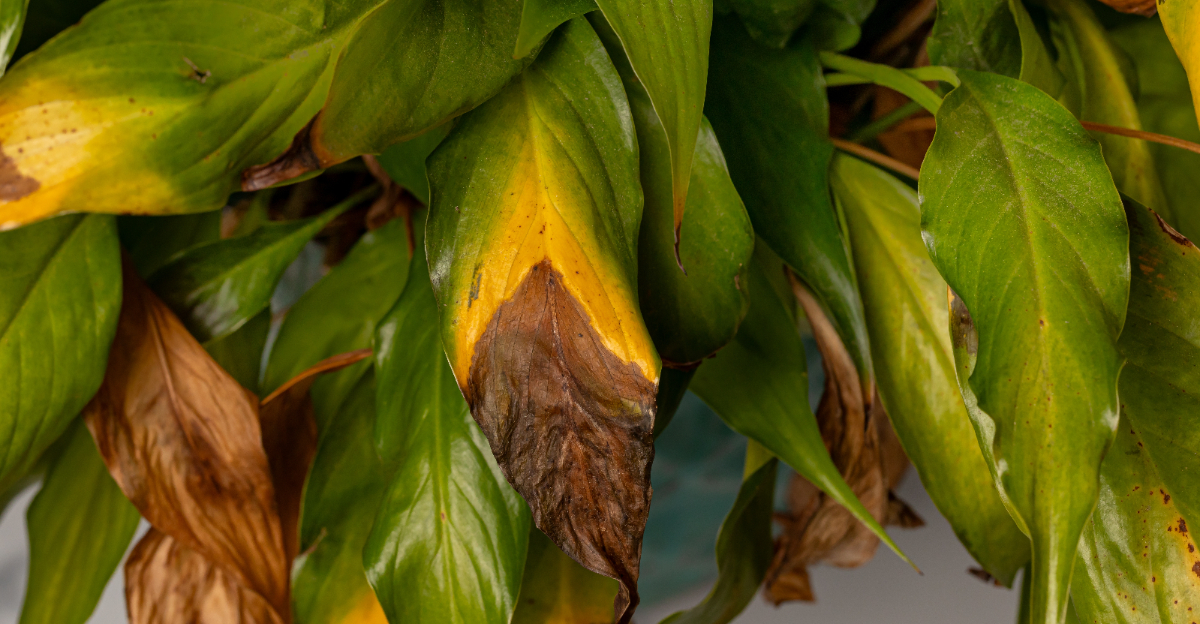
Picture this: it’s the middle of a California heat wave, your monstera looks thirsty and sad, and you decide today’s the day to give it a bigger pot. Bad move.
Your plant is already fighting to survive triple-digit temperatures, and yanking it out of its container adds a shock its roots simply can’t handle right now.
Every root system has a breaking point, and heat pushes plants dangerously close to it. Add fresh soil and a new container into that mix, and you’re asking an already exhausted plant to recover from two crises at once.
Every wilted leaf tells a different story, and not all of them call for the same response. Read the wrong one as a green light to repot, and you could turn a struggling plant into a lost cause.
Recognizing Heat Stress Before You Reach For Fresh Soil
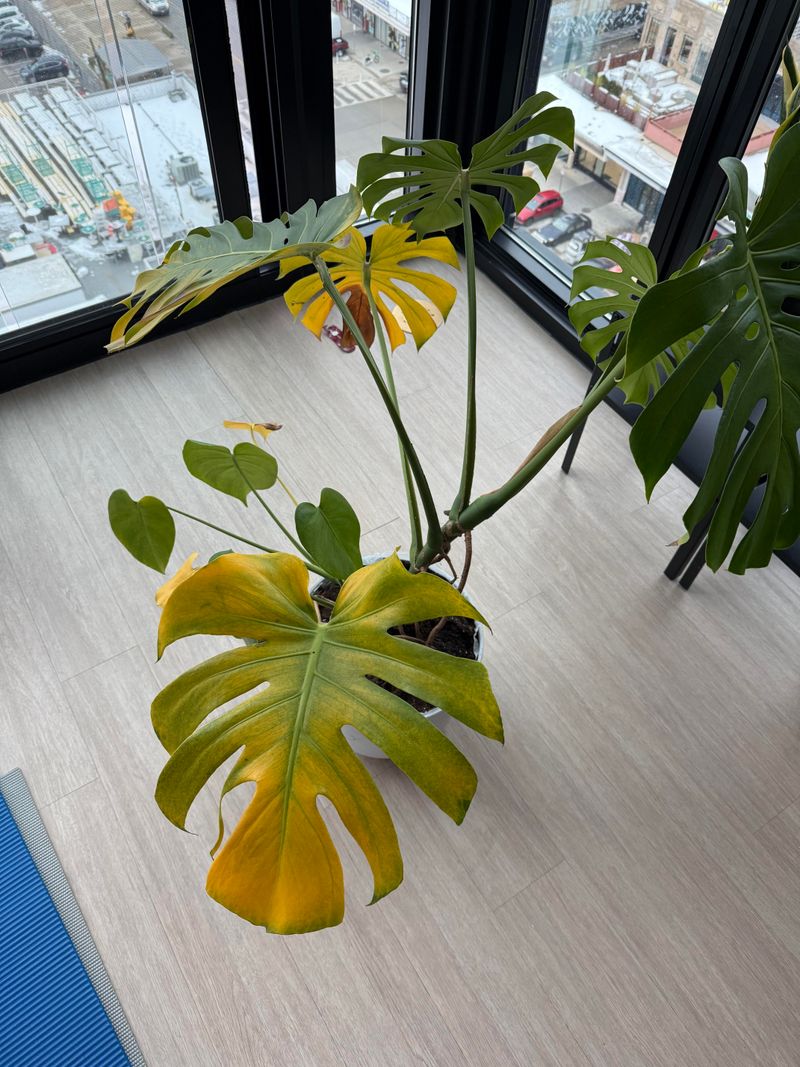
Your plant is basically sending out an SOS. Drooping leaves, crispy edges, and soil that pulls away from the pot edges are all classic heat stress signals.
A stressed plant cannot absorb water efficiently, even when the soil feels damp. Its root system slows down dramatically, and nutrient uptake grinds to a near halt.
Spotting these signs early saves you from making a costly mistake. Reaching for fresh soil when your plant looks rough feels instinctive, but it is the wrong move.
Heat stressed houseplants need stability above everything else. Disrupting the root zone right now would be like moving someone’s bed during a fever.
Check for yellowing lower leaves, a dull or grayish-green color, and leaves that feel papery. These are all signs your plant is conserving energy, not thriving.
Touch the pot itself. If the container feels hot to the touch, your roots are cooking from the outside in.
Curling or rolled leaves are another red flag worth watching. Your plant is literally shrinking its surface area to cut down on water loss, a defense mechanism, not a request for new soil.
Heat stress often gets mistaken for underwatering, which leads to overcompensating with the hose. That extra moisture on top of already struggling roots can do more harm than the heat itself.
Shade, airflow, and consistent watering fix most heat stress issues faster than any soil change. Give your plant a chance to recover before you even think about repotting.
California Summers Intensify Root Shock Fast
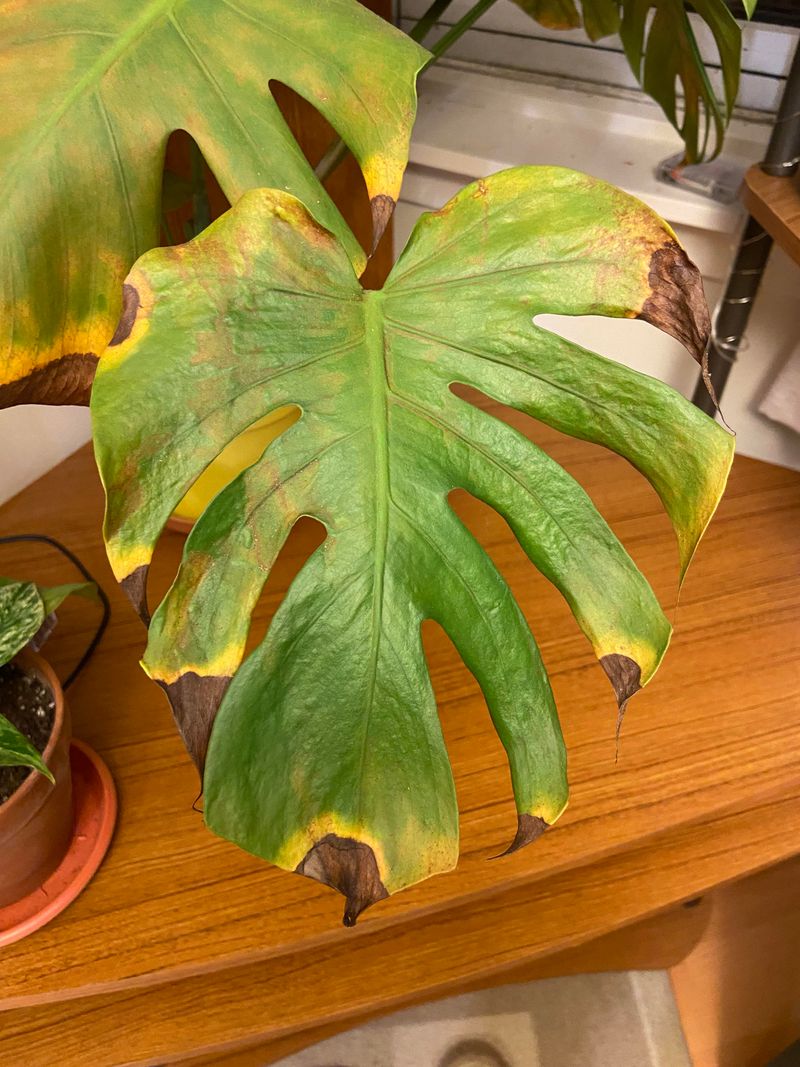
Root shock hits differently when the temperature outside reads triple digits. California summers push houseplants to their absolute limits, and bare roots exposed to that heat can suffer damage quickly.
When you pull a plant from its pot, the roots hit open air immediately. In a cool environment, they bounce back quickly, but summer heat dries them out before you can even scoop new soil.
The stress compounds fast. A plant already struggling with heat now has to redirect all its energy toward root repair instead of basic survival.
Think of it like running a marathon and then being asked to sprint an extra mile. The body, or in this case the root system, simply cannot keep up.
Your California Garden Changes Every Week. Your Plan Should Too.
Gardening in California changes quickly throughout the season. Every Friday you’ll receive a simple weekly plan showing exactly what to plant, prune, fertilize, harvest, and protect so you never miss the right timing.
Southern California homes without air conditioning can hit 85 degrees indoors easily. Even air-conditioned spaces near west-facing windows get dangerously warm in July and August.
Even the potting mix itself heats up fast under direct sun, sometimes reaching temperatures far higher than the air around it. Roots sitting in that overheated soil are already compromised before you even lift the plant out.
Roots are sensitive organs. They detect temperature, moisture, and pressure changes in real time, and sudden disruption during peak heat sends the plant into full panic mode.
Waiting for even a two-week cool stretch makes a measurable difference. Your plant will thank you with stronger new growth once temperatures drop to a manageable range.
Signs A Plant Actually Needs Repotting
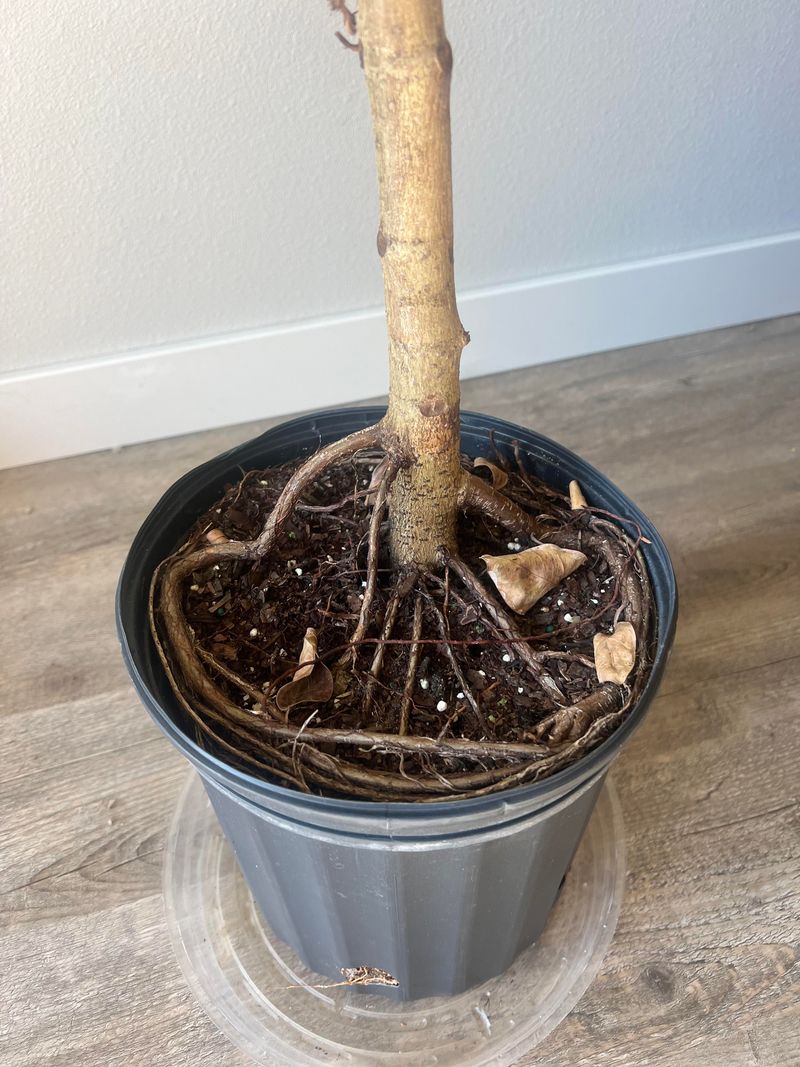
Roots sneaking out of the drainage holes are the clearest sign your plant has outgrown its home. When roots circle the inside of a pot repeatedly, the plant is officially root-bound.
Another telltale sign is water rushing straight through the pot without being absorbed. That means roots have taken up so much space that soil can barely hold moisture anymore.
Stunted growth during the active growing season is also a red flag. If your plant stopped pushing out new leaves despite good light and regular watering, it might be cramped.
A pot that seems to dry out faster than usual is another clue worth noting. Dense root mass leaves less room for soil, so water disappears within days instead of the week or more you’d expect.
Lift the pot and check the bottom. A thick mat of roots pressing against the drainage holes confirms the plant needs more room soon.
Knowing these signs helps you plan ahead. You can identify the need for repotting in spring, then wait until late summer or early fall to actually do it.
Timing is everything in plant care. A root-bound plant in winter is far safer to repot than a heat stressed one in August.
Make a note on your phone when you first notice these signs. That way you have a plan ready the moment cooler weather arrives in your area.
Timing Container Changes Around Cooler Weather
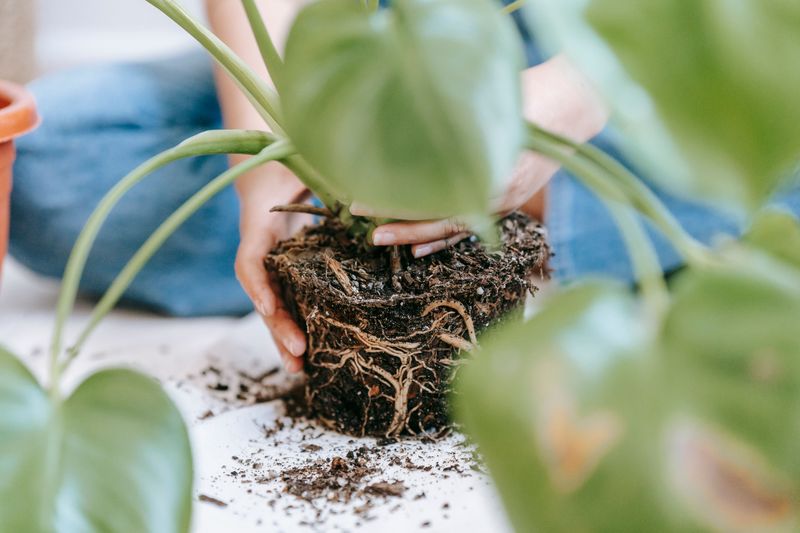
The sweet spot for repotting California houseplants is early spring or early fall. Temperatures are mild, days are shorter, and plants are naturally primed for a little disruption.
September and October bring real relief to most California regions. Coastal areas cool down first, while inland valleys follow a few weeks later.
Aim for a day when outdoor temps stay below 80 degrees. Even better, do your repotting in the early morning when indoor temperatures are at their lowest point.
Cloudy days are your secret weapon during transition months. Repotting under overcast skies reduces stress even further, since your plant isn’t fighting direct sun on top of adjusting to its new pot.
Spring repotting works especially well because plants are entering their growth phase. Fresh soil and extra root space give them exactly the fuel they need to push out new leaves.
If you missed spring and summer is already roasting, wait it out. A few extra weeks in a tight pot will not hurt nearly as much as repotting during a heat wave.
Mark your calendar for late September as a reliable target date. By then, most of California has shed its most brutal heat.
Planning ahead removes all the guesswork. You will feel confident and calm rather than reactive and rushed when the right window finally opens up for your plants.
Steps To Take While You Wait Out The Heat
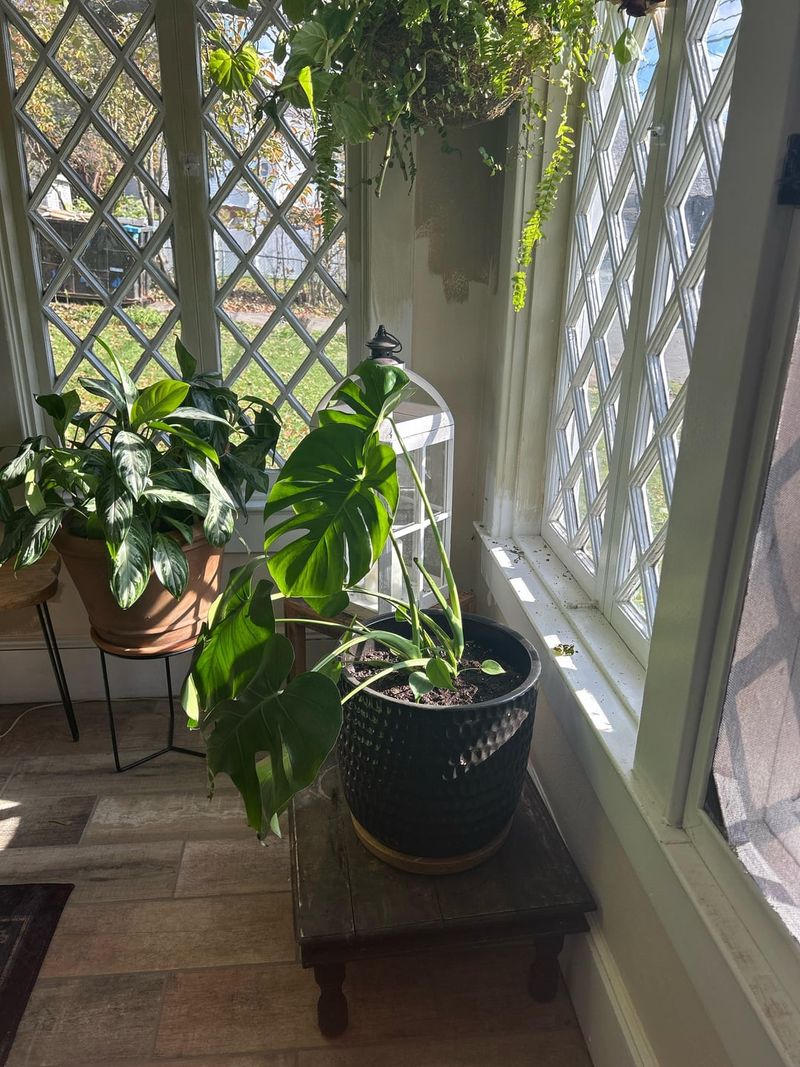
Waiting does not mean doing nothing. There are smart, supportive steps you can take right now to help your plant survive until repotting season arrives.
Move your plant away from south or west-facing windows during peak afternoon hours. Direct summer sun through glass can raise leaf temperatures noticeably.
Group your plants together to create a small humidity zone. Plants release moisture through their leaves, and clustering them helps each one stay a little cooler.
Add a thin layer of mulch or damp moss on top of the soil. This slows evaporation and keeps the root zone from overheating between waterings.
Water more frequently but in smaller amounts. Deep watering during a heat wave can actually suffocate roots that are already struggling to breathe.
A small fan set to low can reduce leaf temperature significantly. Gentle airflow mimics outdoor breezes and helps plants regulate their internal temperature more effectively.
Avoid fertilizing during extreme heat. Fertilizer salts can burn already-stressed roots, making a tough situation much worse for your heat stressed houseplants.
These small adjustments add up to big results. Your plants will enter fall in far better shape, ready for a smooth and successful container change.
Reviving Stressed Houseplants Without Disturbing Roots
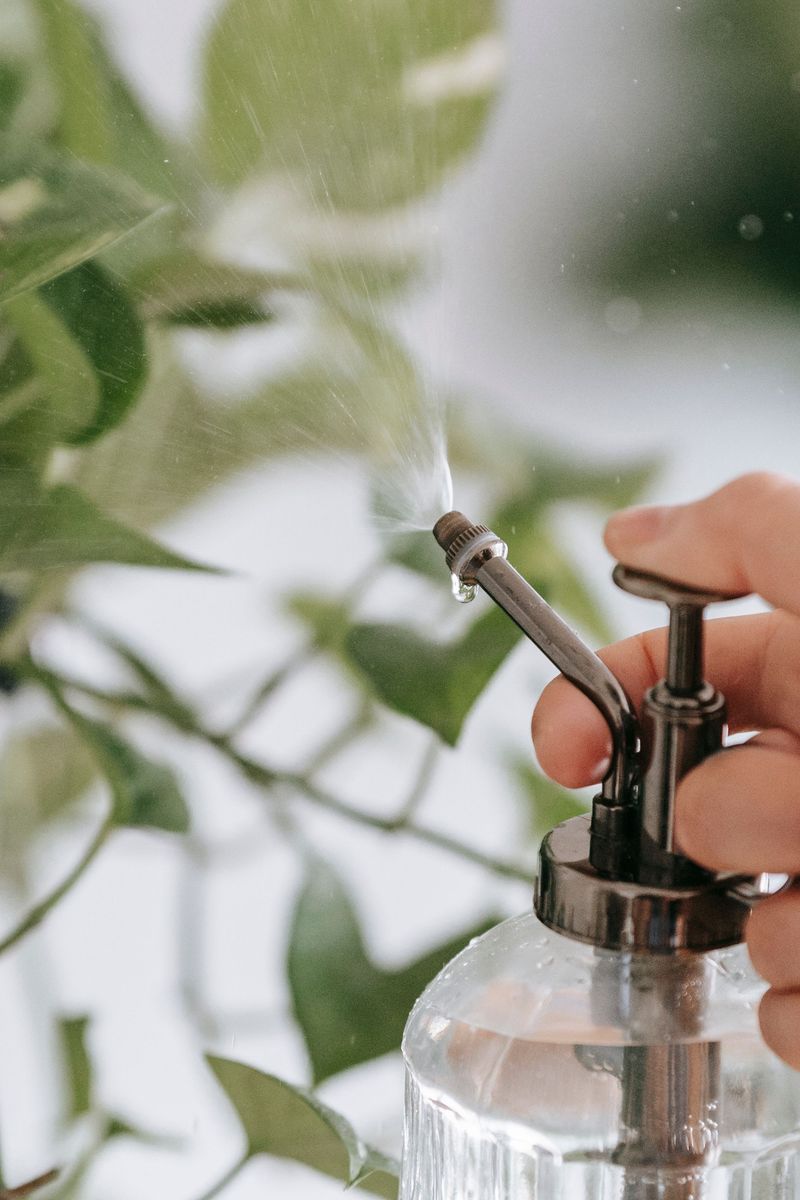
Recovery does not require a shovel. Most heat stressed plants rebound beautifully with targeted, gentle care that never touches the root system at all.
Start with a thorough leaf wipe-down using a damp cloth. Dust and grime on leaves block light absorption and slow down the recovery process considerably.
Try bottom watering instead of pouring water from the top. Set the pot in a shallow tray of water for 20 minutes and let the soil soak it up naturally.
Bottom watering encourages roots to grow downward toward moisture. That builds a stronger, deeper root system without any physical disruption to the existing structure.
Misting leaves in the early morning adds surface moisture without soaking the soil. This is especially helpful for tropical houseplants that naturally prefer humid environments.
Cut off any brown or crispy leaves cleanly with sterile scissors. Removing dry tissue lets the plant redirect energy toward healthy new growth instead of wasted repairs.
Introduce a diluted seaweed or kelp solution once temperatures drop below 80 degrees. This gentle tonic supports root health and helps stressed plants rebuild their natural resilience.
Patience is the most powerful tool in your kit. Give your plant two to three weeks of consistent care before expecting visible signs of a full turnaround.