Why Artificial Turf Is Being Banned In More California Cities, Not Just Regulated
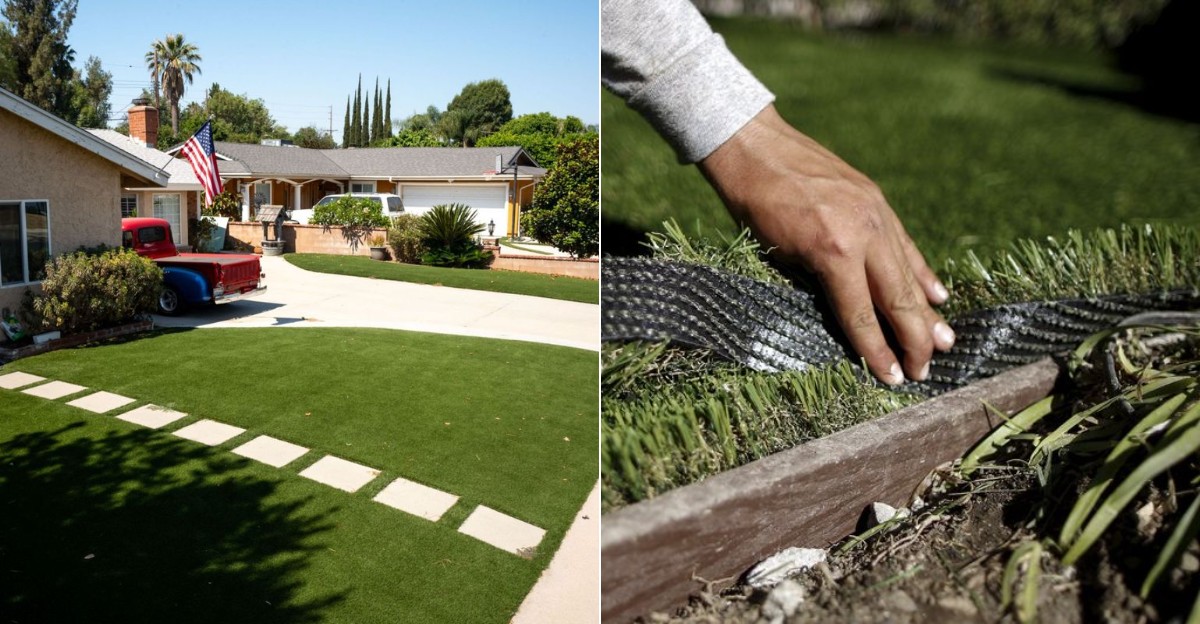
That perfectly green artificial lawn may look like the ultimate California shortcut. No mowing, less watering, and a yard that stays green through another dry summer. So why are some California cities saying you cannot install it at all?
The answer is more complicated than water savings. Concerns about heat, drainage, chemicals, environmental impacts, and how synthetic turf fits into long-term landscaping policies are changing the way some communities approach it.
New state rules have also given local governments more room to set their own restrictions, which means the rules in one city may look very different just down the road.
If you are thinking about replacing your lawn with artificial turf, do not assume you can simply order the material and start installing.
Your city may have its own rules, and those rules could affect what you are allowed to put in your yard.
1. Some California Cities Now Prohibit Synthetic Turf
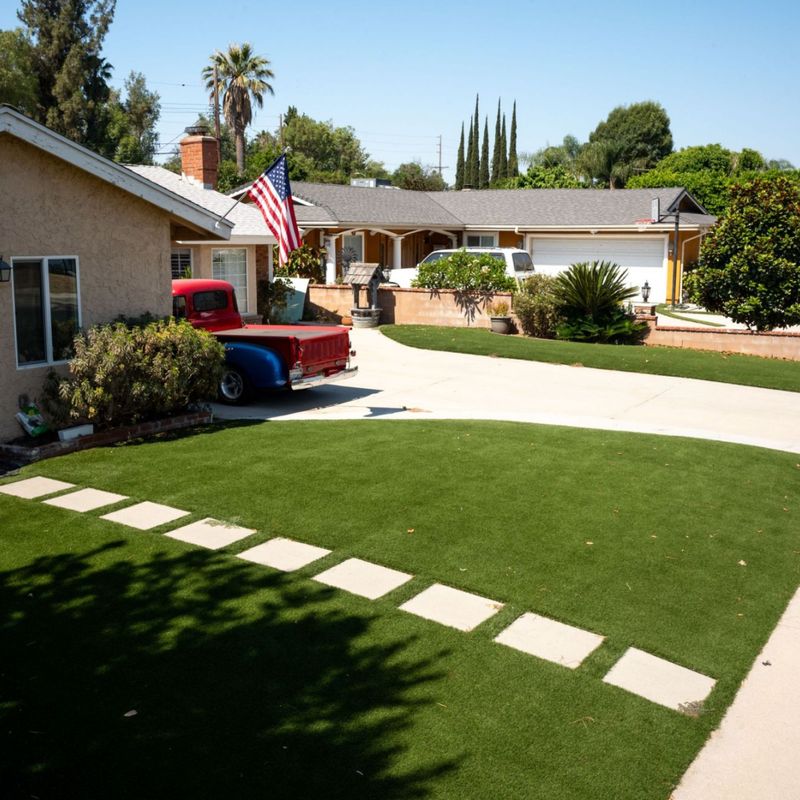
A handful of California cities have moved past simple guidelines and now flat-out forbid new synthetic lawns. Places like San Marino and parts of the Bay Area have led the way with these stricter choices.
The reasoning often comes down to long-term environmental goals. Leaders want yards that support soil health, insects, and natural water flow. Plastic grass, they argue, does none of those things.
What makes a ban different from a rule is how firm it is. A regulation might say where you can install turf or how much you can use. A ban simply says no new installations at all.
Homeowners in these areas sometimes feel caught off guard. They may have budgeted for fake grass only to learn it is no longer allowed.
If you live in one of these cities, check your local code before spending a dime. Codes change often, and what was fine last year may be blocked today.
Fun fact worth knowing: some bans only apply to front yards that face the street. Back yards can have looser rules.
The takeaway is simple. Never assume synthetic turf is legal just because your neighbor has it. Call your city planning office and ask directly, so you avoid fines and wasted money on a project you cannot keep.
2. Local Rules Can Be Stricter Than State Rules
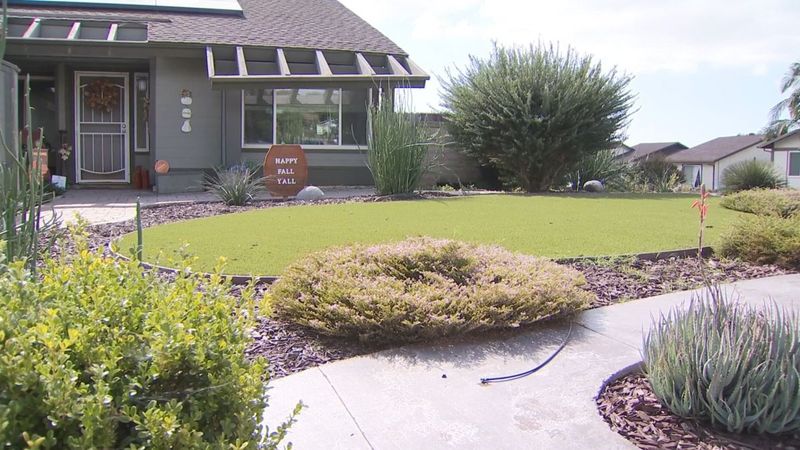
Many folks assume state law is the final word, but that is not how it works here. California often sets a baseline, then lets cities add their own tougher requirements on top.
Take water-saving laws as an example. The state has encouraged drought-friendly yards for years. Yet a city can decide that living plants, not plastic, are the only approved path.
That layered system surprises people who move from one town to another. What was perfectly legal in one place can be banned just a few miles away.
Cities have this power because they control zoning and building permits. They can shape how neighborhoods look and function based on local values.
Before starting any yard project, it helps to think local first. Your city rules usually matter more than the general state guidance you read online.
Your California Garden Changes Every Week. Your Plan Should Too.
Gardening in California changes quickly throughout the season. Every Friday you’ll receive a simple weekly plan showing exactly what to plant, prune, fertilize, harvest, and protect so you never miss the right timing.
A smart move is to gather everything in writing. Ask for the exact code section that applies to your address.
You might also attend a city council meeting if changes are being discussed. Your voice can shape how these rules turn out.
The main lesson is to respect the layers. State law opens the door, but your city decides how wide that door swings for synthetic turf on your property.
3. PFAS Concerns Are Part Of The Debate
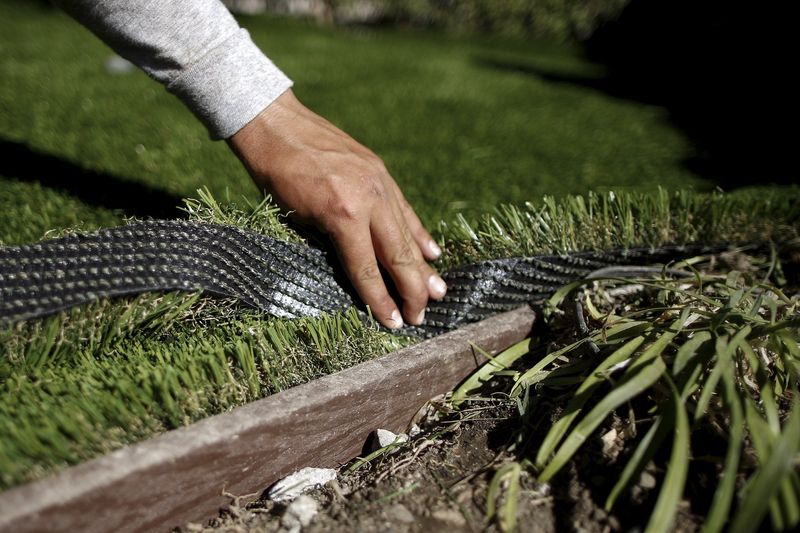
Scientists have found certain man-made chemicals called PFAS in some artificial turf products. These are sometimes nicknamed forever chemicals because they break down very slowly in nature.
That slow breakdown is exactly what worries city officials. Once these chemicals enter soil or water, they can linger for a very long time.
Research on the health effects is still growing. Even so, many leaders prefer to act with caution rather than wait for full answers.
Not every turf product contains high levels of these substances. Manufacturing varies widely from brand to brand.
The trouble is that testing every batch is hard for a city to manage. Banning new turf becomes a simpler way to reduce the risk overall.
If you already own synthetic grass, there is no need to panic. Simple habits like washing hands after outdoor play can lower exposure.
For anyone shopping around, ask sellers for PFAS-free certifications. Reputable companies are starting to offer cleaner options.
Here is something interesting: PFAS were first created decades ago for nonstick pans and waterproof gear. Their presence in lawns is a newer discovery.
The bottom line is that chemical safety now sits at the heart of this discussion, pushing some cities toward full bans instead of light rules.
4. Artificial Turf Can Create More Heat At Ground Level
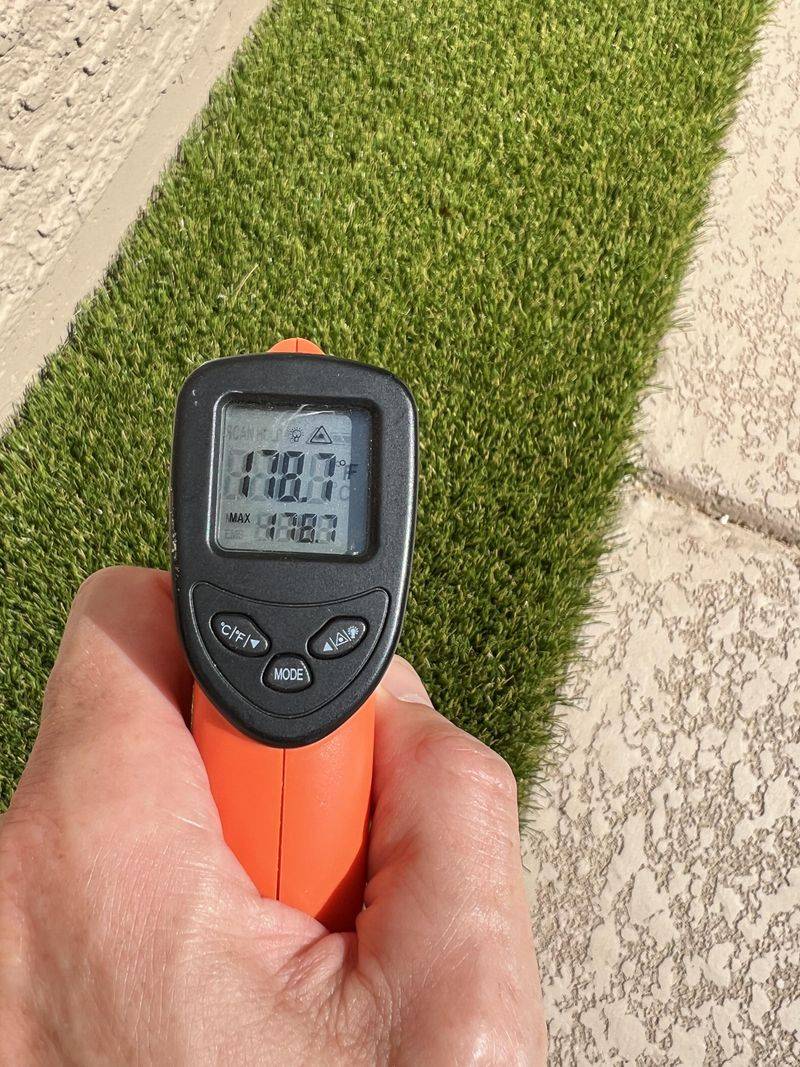
On a sunny day, fake grass can get shockingly hot underfoot. Some tests have measured surface temperatures far above what natural grass ever reaches.
That extra heat does more than sting bare feet. It can make an entire yard feel warmer and less comfortable in summer.
Living plants cool the air through a natural process that releases moisture. Plastic blades simply soak up sunlight and radiate it back.
Cities in hot regions take this seriously. They worry about neighborhoods turning into little heat pockets during heat waves.
For families with young children or pets, the risk of burns is real. A surface that hot can cause injury during play.
If you have turf already, adding shade helps a lot. Trees, umbrellas, or pergolas can bring temperatures down.
Watering the surface briefly also cools it, though that partly cancels the water-saving benefit people wanted in the first place.
A quick tip: test the surface with your palm before letting kids or pets outside. If it feels too warm for your hand, it is too warm for them.
The heat factor gives cities one more strong reason to favor living landscapes that keep yards and streets cooler for everyone nearby.
5. Drainage Is Another Local Concern
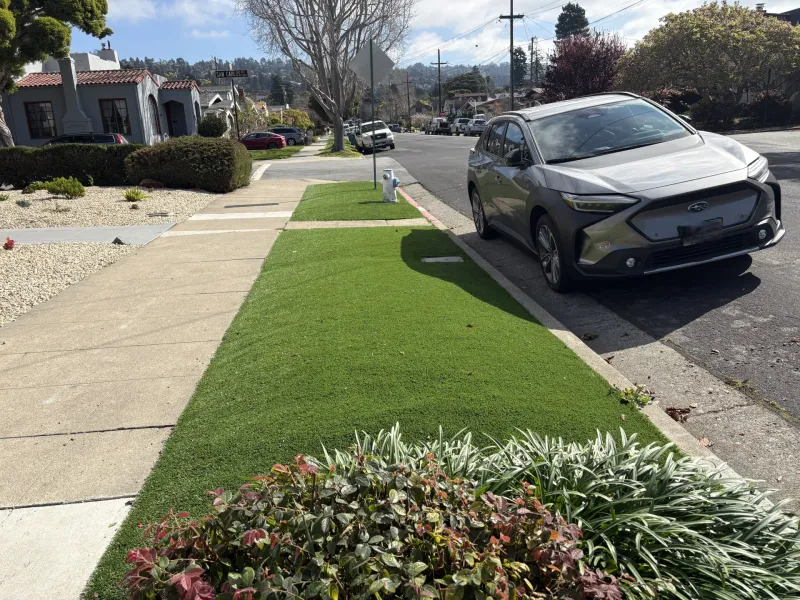
Rainwater has to go somewhere, and turf changes how that happens. Natural soil soaks up water slowly and helps refill underground supplies.
Plastic grass often sits on compacted ground or a solid base. That can cause water to run off faster instead of sinking in.
Fast runoff creates problems for whole neighborhoods. It can overload storm drains and carry pollution into local creeks.
City engineers pay close attention to these patterns. When many yards drain poorly, flooding risks climb during heavy storms.
Good turf systems include drainage layers, but not every install is done right. Cutting corners leads to puddles and soggy spots.
If you own synthetic grass, watch how it handles rain. Standing water after a storm is a warning sign of drainage trouble.
You can sometimes improve things by adding a proper gravel base or a French drain. A landscaper can check what your yard needs.
Natural yards handle rain more gently in most cases. Roots create tiny channels that guide water into the earth.
Because drainage affects the entire community and not just one home, cities feel justified stepping in. Banning turf becomes a way to protect shared water systems and reduce the burden on aging storm drain networks.
6. Water Savings Do Not Guarantee Approval
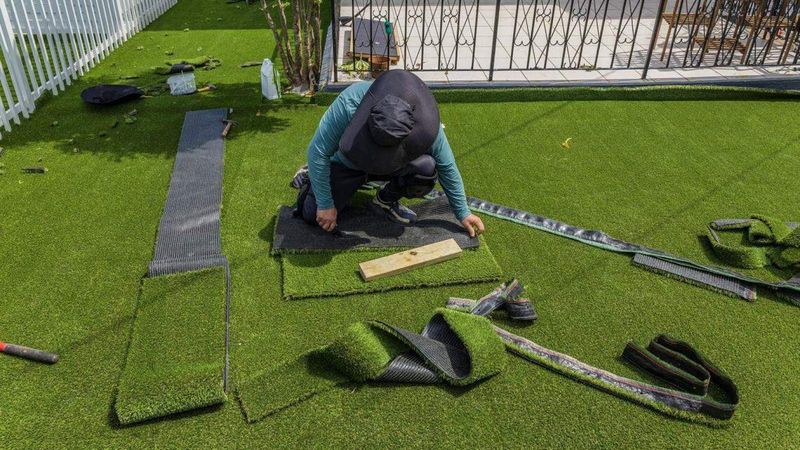
Saving water sounds like a golden ticket in California, and it truly matters. Still, cities look at the bigger picture before saying yes to turf.
Officials weigh heat, chemicals, drainage, and wildlife alongside water use. When those other factors pile up, water savings alone may not tip the scale.
There is also a strong push toward native plants. Local flowers and shrubs can save nearly as much water while helping bees and birds.
That comparison changes the math. If a plant-based yard delivers similar savings plus extra benefits, cities often prefer it.
People sometimes feel this is unfair. After all, they chose turf partly to be responsible during droughts.
The truth is that responsibility now has many angles. A choice that helps one goal can hurt another.
For homeowners, the smart path is exploring low-water gardens before defaulting to plastic. Many rebate programs reward native landscaping.
Check with your water district for cash-back offers. These programs can make a living garden surprisingly affordable.
A helpful note: some cities offer free design help for drought-friendly yards. Taking advantage of that support can lead to a beautiful, approved result.
The key idea is that water savings help your case but rarely close the deal on their own anymore.
7. HOA Rules Can Add Another Restriction
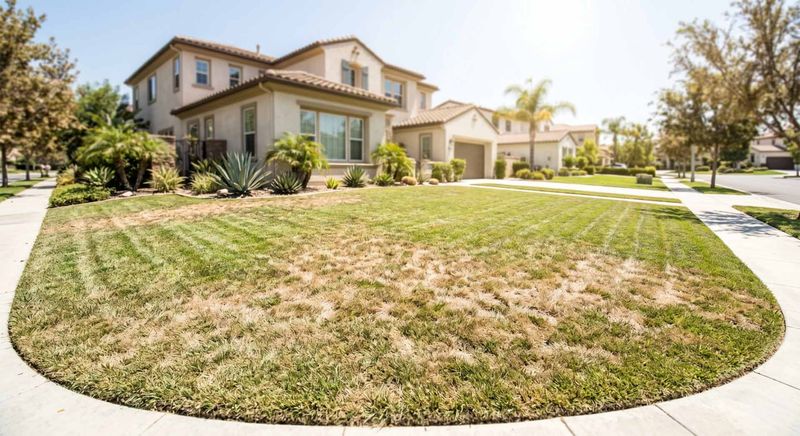
Even when your city allows turf, your homeowners association might not. HOAs set their own rules for how yards should look and feel.
These groups care a lot about a consistent neighborhood appearance. Some love the tidy look of synthetic grass, while others forbid it completely.
That creates a second layer of approval on top of city law. You could clear one hurdle only to trip on the next.
California has passed laws protecting drought-friendly landscaping from overly strict HOAs. Yet the details can still get complicated.
Before you install anything, read your HOA agreement carefully. Look for sections on landscaping and outdoor materials.
It also helps to submit your plans in writing first. Getting approval on paper protects you from future disputes.
Neighbors sometimes clash over these choices. A clear, polite request to the board can prevent hard feelings later.
If your HOA says no, ask about their reasoning. Sometimes a small design change wins their support.
Here is a useful reminder: HOA fines can add up fast for unapproved work. Patience upfront saves money down the road.
Balancing city rules and HOA rules takes a little homework. Doing both correctly keeps your yard project smooth, legal, and free from surprise penalties or forced removals.