How To Stop Blossom Drop On California Tomatoes During Severe Heat
California heat can turn a tomato plant from promising to frustrating in a single afternoon.
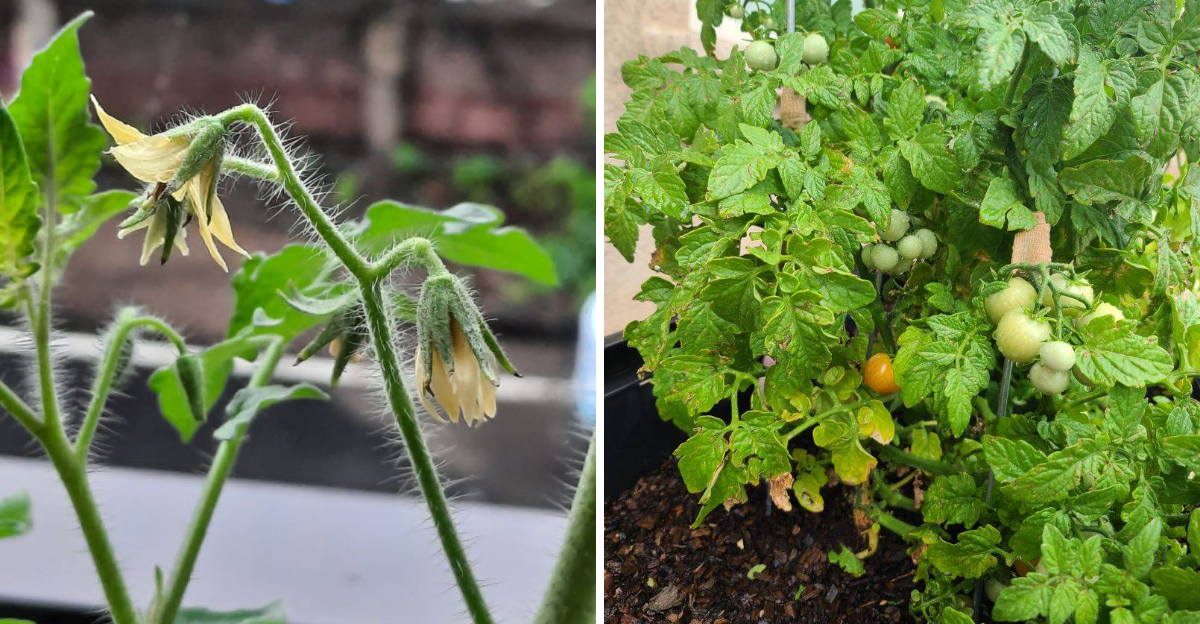
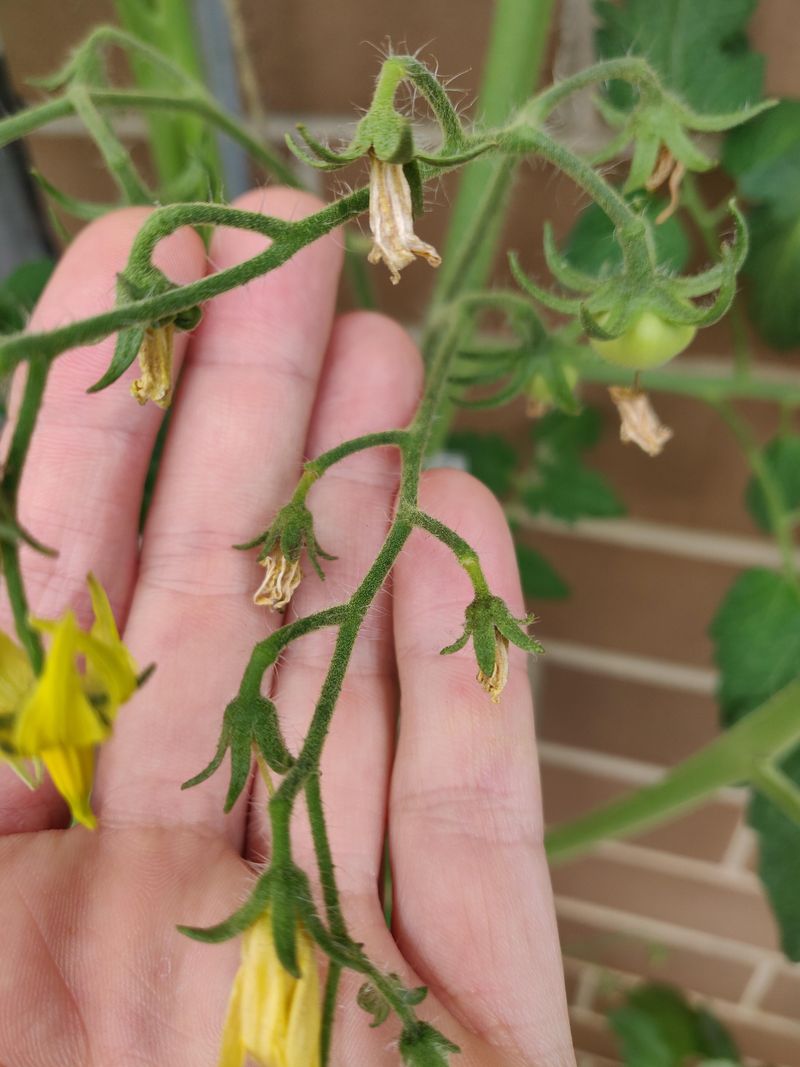
One morning, yellow flowers cover the vines. By evening, several are lying on the soil with no tiny fruit behind them.
That is blossom drop.
Extreme heat can disrupt pollination, reduce pollen quality, and push the plant into survival mode just when you want it setting fruit.
Inland gardens feel the problem most sharply, especially during long stretches of hot days followed by warm nights.
The good news is that gardeners still have useful ways to reduce the stress.
Steady root moisture, cooler soil, afternoon shade, careful pruning, and smarter fertilizer choices can all help a tomato plant hold together until conditions improve.
So what deserves attention first?
Start with the root zone, then protect the canopy and flowers from the worst heat.
You cannot control a California heat wave, but you can make sure your tomato plants face it with fewer extra problems stacked against them each day through the hottest weeks of summer.
1. Keep Root Moisture Steady Through The Heat
A tomato flower can handle a hot afternoon better when the roots are not already thirsty.
Wild swings between soaked soil and a dry root zone add another layer of stress during a heat wave. The plant has to protect itself first, and flowers are easy to sacrifice when water becomes unreliable.
Check moisture below the surface.
Push a finger or wooden dowel several inches into the soil near the root zone. Dry soil at that depth means the plant needs a slow, thorough drink. Cool, damp soil means there is still usable moisture below.
Morning checks work especially well during severe heat.
A bed that stayed moist for three days in June may dry much faster during triple-digit afternoons. Containers and raised beds can lose moisture even faster than in-ground soil.
Do not wait for dramatic wilting.
Leaves may droop temporarily during the hottest part of the day even with adequate moisture, so check the soil before adding water. Repeated wilting paired with dry soil is the stronger warning.
Keep the goal simple: steady moisture rather than constant saturation.
Tomatoes do not need swampy roots to survive heat. They need reliable access to water.
A flower already dealing with brutal temperatures has enough drama. The irrigation schedule does not need to audition for a second role.
2. Shade Plants During Brutal Afternoon Sun
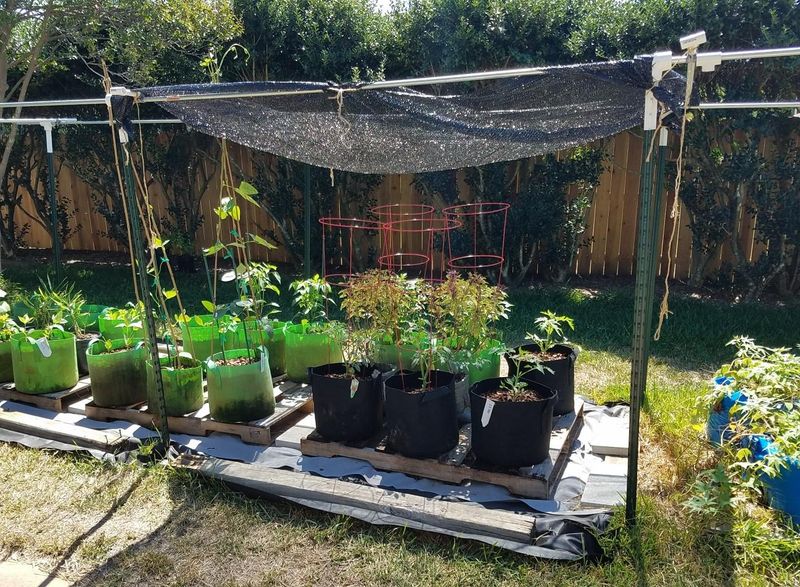
By midafternoon, an inland California tomato bed can feel less like a garden and more like an oven with stakes.
That intense exposure can push flower and leaf temperatures beyond what the plant handles comfortably. Tomato pollen becomes less reliable during prolonged heat, especially when days climb into the mid-90s or higher and nights stay unusually warm.
Temporary shade can soften the peak.
A 30 to 40 percent shade cloth gives plants useful relief without turning the bed dark. Suspend it above the canopy on stakes or a simple frame so hot air can escape around the sides.
Focus protection on the harshest afternoon hours.
Your California Garden Changes Every Week. Your Plan Should Too.
Gardening in California changes quickly throughout the season. Every Friday you’ll receive a simple weekly plan showing exactly what to plant, prune, fertilize, harvest, and protect so you never miss the right timing.
Morning sun is still valuable for photosynthesis and flower activity. The goal is not to hide tomatoes from summer. It is to reduce the few hours that create the greatest heat load.
Keep the cloth off the foliage.
Fabric pressed directly against leaves can trap heat and rub against tender growth. Open space above the plants allows air to move and keeps the canopy cooler.
An open-sided setup also leaves access for bees.
Shade cloth cannot make a 105-degree day behave like May.
It can shave the edge off the stress, and that smaller temperature burden may help more flowers hang on until the weather becomes cooperative.
3. Mulch To Cool The Root Zone
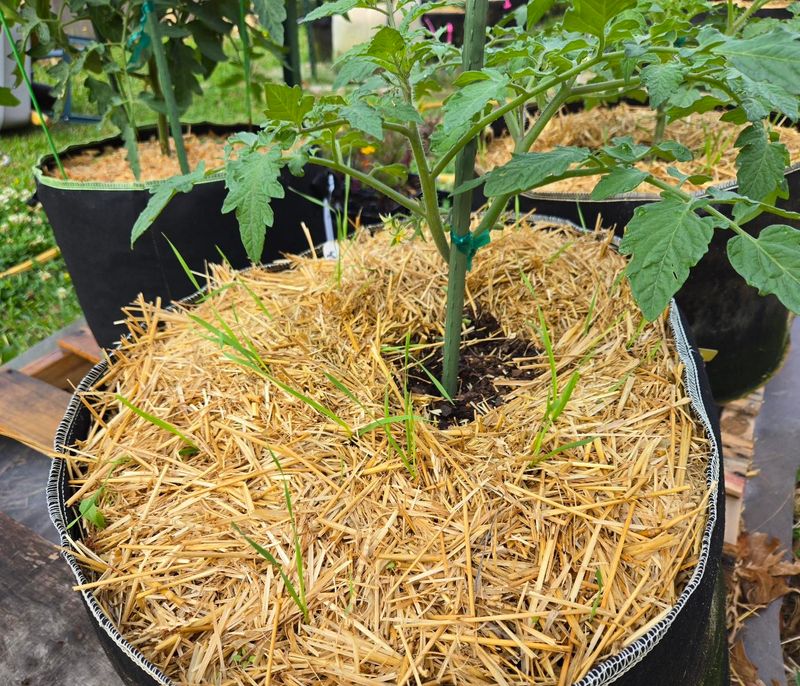
Bare garden soil absorbs an astonishing amount of summer heat.
Around tomatoes, roots can sit beneath a surface that bakes all afternoon while moisture disappears faster than the plant can comfortably replace it.
Mulch changes that environment.
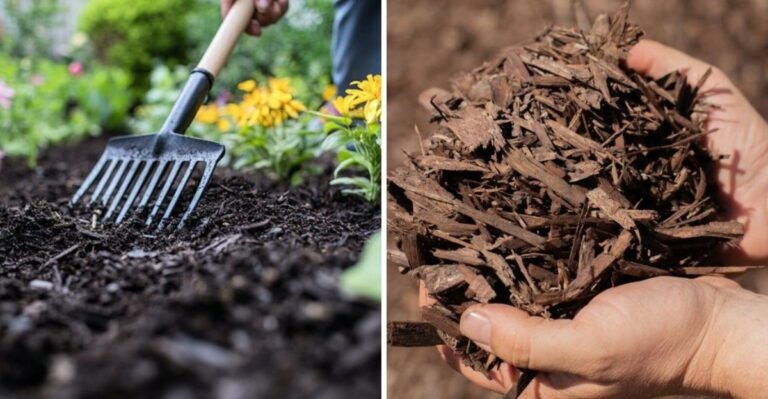
Spread two to four inches of straw, shredded leaves, or wood chips around the plants. Extend the layer across the wider root area rather than building one small ring beside the stem.
Leave the main stem uncovered.
A gap of a few inches around the base keeps damp mulch from resting against the plant and improves airflow around the crown.
The biggest payoff comes underground.
Mulch slows evaporation, moderates soil temperature, and helps each deep watering last longer. That steadier root zone removes one source of stress while flowers cope with extreme air temperatures.
Check the layer midway through summer.
Organic material settles and breaks down after repeated watering. A thin, patchy layer may no longer provide much insulation, so top it up where bare soil begins showing.
Pull a little mulch aside when checking moisture rather than judging the bed by the surface.
California sunshine can fry an exposed garden bed with impressive efficiency.
A simple blanket of organic material keeps the roots from joining the barbecue and gives the plant a steadier base through the hottest stretch.
4. Skip Heavy Nitrogen While Flowers Are Setting
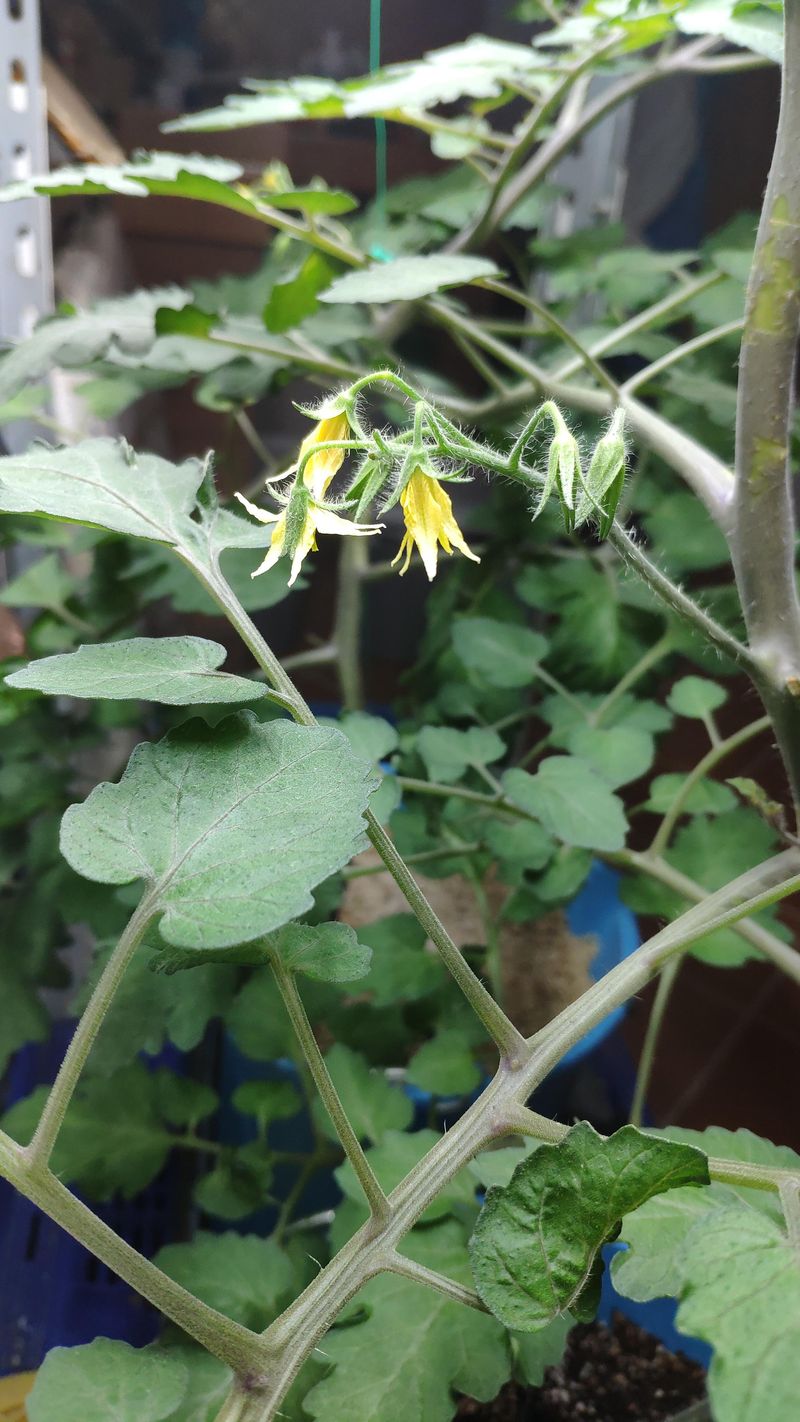
A tomato plant covered in dark green leaves can look spectacular while producing almost nothing for dinner.
Heavy nitrogen can push that exact imbalance.
Once flowering begins, large fertilizer doses may encourage rapid leafy growth instead of helping the plant direct energy toward fruit production.
During severe heat, that extra growth adds another demand on roots already working hard to keep the canopy hydrated.
Hold back on aggressive feeding.
A plant entering a heat wave does not need to be pushed into a growth spurt. Keep nutrition moderate and avoid repeated high-nitrogen applications while blossoms struggle to set.
Fertilizer cannot repair heat-damaged pollen.
That matters because blossom drop often tempts gardeners to add more plant food. The problem may be temperature, not hunger, and a stronger dose does nothing to cool a flower.
Look at the whole plant.
Pale growth or a clear nutrient deficiency deserves attention. A vigorous green plant that drops flowers during extreme heat usually needs cooler conditions more than another scoop from the fertilizer bag.
Apply necessary feeding during a cooler part of the day and water it into the root zone.
Tomatoes are already ambitious plants. During a California heat wave, they do not need a motivational speech from a bag of nitrogen. They need enough resources to stay steady until fruit-setting weather returns.
5. Protect The Leaf Canopy From Hard Pruning
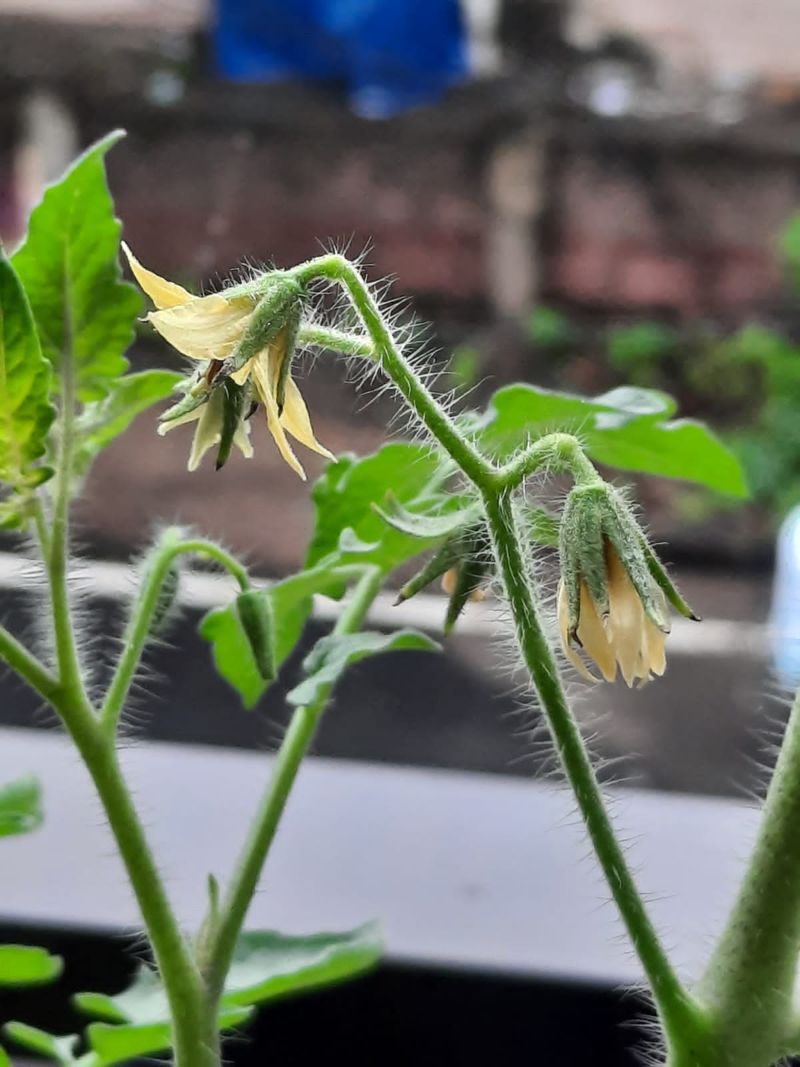
A leafy tomato plant carries its own shade structure.
The canopy protects flowers and fruit from direct sun, shades part of the soil, and gives the plant the leaf area needed to fuel recovery once temperatures ease.
Hard pruning removes that protection at exactly the wrong moment.
Stripping large numbers of leaves or aggressively removing suckers during severe heat can expose flowers and fruit to stronger solar radiation while reducing the plant’s ability to cool itself through transpiration.
Keep pruning selective.
Broken, diseased, or badly crowded stems can come out. Healthy foliage doing useful shade work should stay until the heat breaks.
This matters especially for plants facing western sun.
A flower tucked beneath leaves may experience a gentler microclimate than one hanging fully exposed to a blazing afternoon. Mature fruit also gains some protection from sunscald beneath a healthy canopy.
Do not chase perfect neatness.
A sprawling tomato in August can look unruly and still function exactly as it should. Tying stems to supports is often better than cutting them away.
Save major reshaping for a cooler stretch.
During severe heat, leaves are not clutter. They are the awning, the cooling system, and the solar panels all at once. Let them keep their jobs.
6. Water Deeply Instead Of Splashing The Surface
A quick splash across the surface can make a tomato bed look watered without doing much for the roots that matter.
Shallow irrigation keeps moisture close to the hottest, fastest-drying layer of soil. During severe heat, that zone can lose water rapidly and leave the plant stressed again only hours later.
Slow the watering down.
Drip irrigation or a soaker hose can deliver moisture into the root zone with less runoff. Run the system long enough for water to move well below the surface.
Check the depth afterward.
Dig a small test hole away from the main stem or use a soil probe. Moisture should extend deep into the active root zone rather than stopping after the first few inches.
Early morning is a strong watering window.
The soil can absorb moisture before the worst heat arrives, and roots begin the day with a better reserve. Keeping water close to the soil also avoids routinely soaking foliage.
Deep watering does not mean flooding the bed.
The right duration depends on soil texture, emitter rate, plant size, and weather. Sandy soil behaves differently from heavy clay, so use what the ground shows you.
A tomato with deeper access to moisture is less vulnerable to one scorching afternoon.
The hose should not merely make the dirt look darker. It should reach the part of the soil where roots can use the relief.
7. Choose Heat Tolerant Tomatoes For Hotter Regions
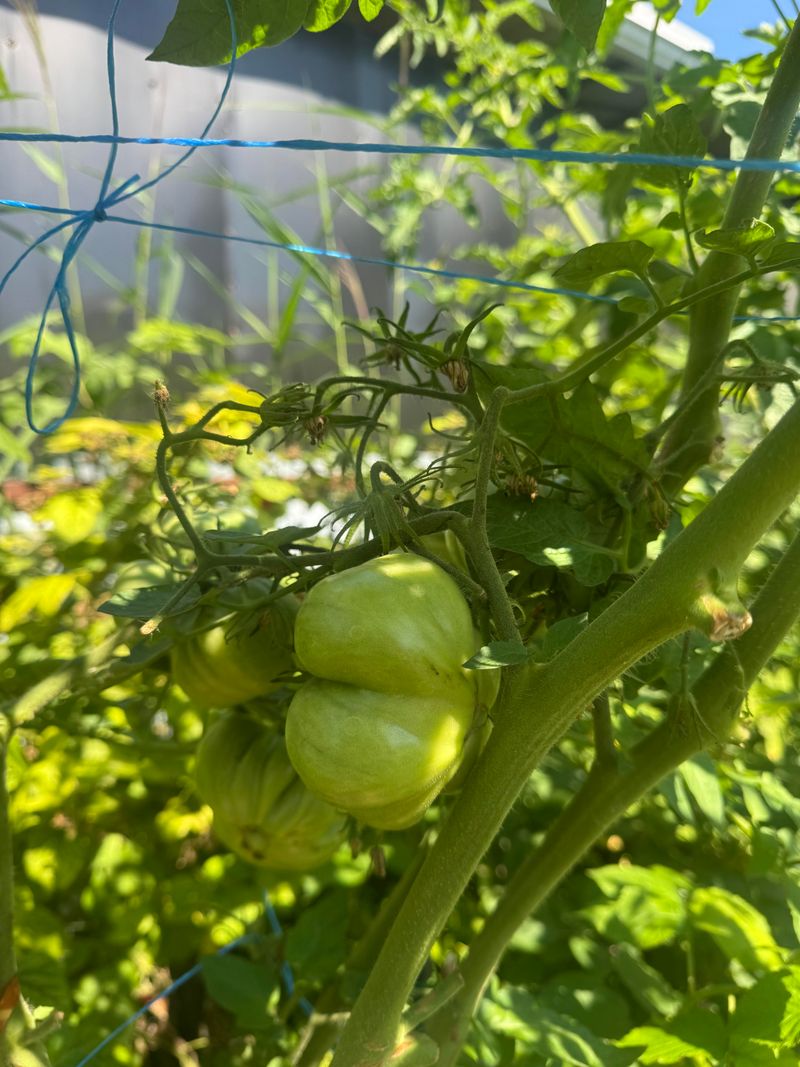
Some tomatoes handle California heat with far more patience than others.
Large-fruited varieties can become frustrating in hot inland regions when flower after flower drops through midsummer. Certain heat-set cultivars and many smaller-fruited tomatoes tend to keep producing under warmer conditions more reliably.
Variety choice gives you an advantage before the heat arrives.
Look for seed or transplant descriptions that mention heat tolerance, heat set, or performance in warm climates. Local independent nurseries can also be useful because they see which cultivars return every year in nearby gardens.
Cherry and grape tomatoes are worth considering.
Their smaller fruit and vigorous growth often make them more forgiving during difficult summer weather, though performance still varies by cultivar and location.
Keep regional differences in mind.
A tomato that thrives near the coast may behave very differently in the Central Valley or Inland Empire. California contains too many summer climates for one variety list to fit every garden.
Use your hottest weeks as the test.
A cultivar that repeatedly holds flowers and sets fruit through those conditions deserves another place next season. One that shuts down for months may suit an earlier planting window.
Changing varieties is not surrendering to the weather.
It is choosing a tomato that speaks the same climate dialect as your garden, which saves a lot of arguing by July.
8. Expect Fruit Set To Pause During Extreme Heat
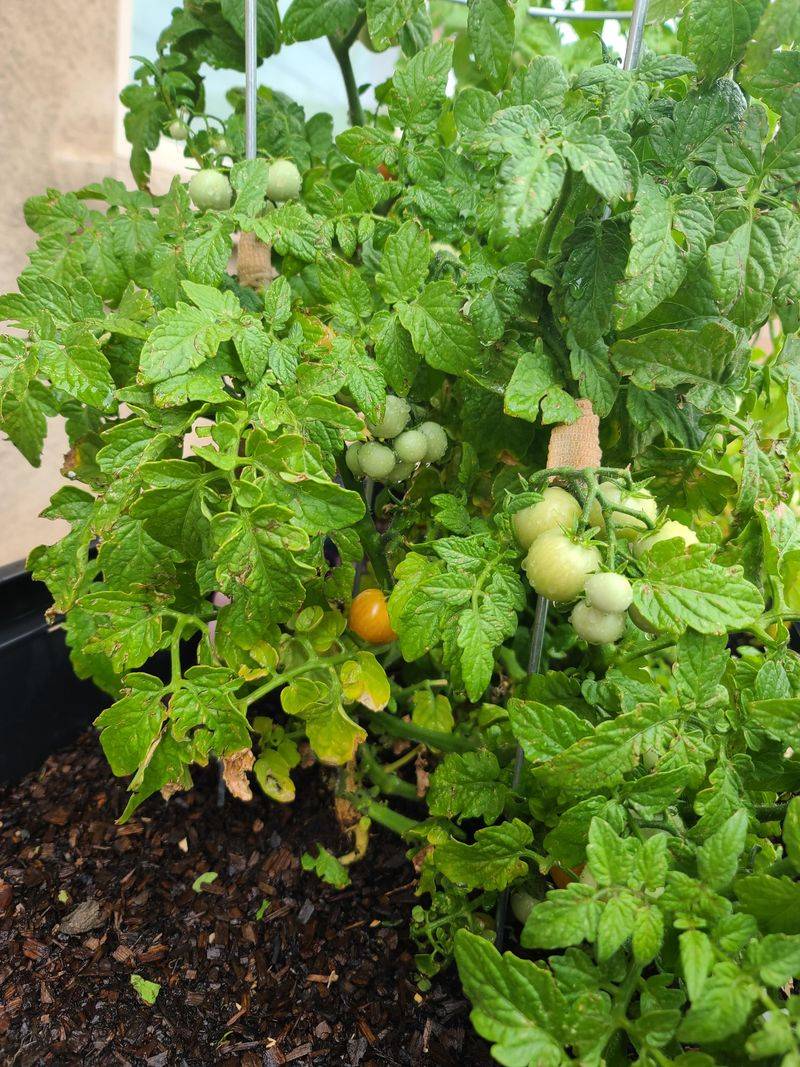
Sometimes the best tomato fix is recognizing that the plant is not broken.
Extreme heat can temporarily stop successful pollination even in a well-watered, well-mulched garden. Pollen quality drops, flowers fail to set, and the plant sheds blossoms that would require more energy than conditions allow.
That pause can be frustrating.
It is also temporary.
Once daytime temperatures moderate and nights become cooler, healthy tomato plants often begin setting fruit again. In many hot California gardens, late summer or early fall brings a second wave of flowers that finally hold.
Your job during the pause is preservation.
Keep roots evenly moist, maintain mulch, protect the canopy, and use shade during the harshest afternoons. Avoid pulling plants simply because July or August production slowed sharply.
Watch new growth.
Healthy leaves and fresh flower clusters show that the plant still has potential once the weather shifts. Serious disease, stem damage, or a failing root system are different problems and deserve separate attention.
Patience can produce a surprisingly good fall crop.
A plant that survives the hottest stretch in strong condition is ready to use the first run of friendlier nights.
Tomatoes do not read harvest schedules.
During a severe California heat wave, they may simply close the fruit-setting department for renovations. Keep the building standing, and business can reopen when temperatures cooperate.