The Fall Crops Oregon Gardeners Should Start Before September Sneaks Up
Late August can make an Oregon garden feel much more generous than it really is.
The soil is warm. Evenings still feel soft. Tomatoes may still be producing, and September looks comfortably far away on the calendar.
That illusion can cost a fall harvest.
Many cool-season crops need their roots established before shorter days and colder nights slow everything down. Wait too long, and a healthy seedling may simply run out of useful growing weather.
Oregon makes the timing even trickier.
A planting date that works beautifully in Corvallis can miss the mark in Bend. Coastal gardens may keep going after inland beds have already felt their first hard cold.
So what deserves space before August slips away?
The best choices include quick roots, cool-loving brassicas, and one herb that rewards patience far beyond fall.
Start with your local frost window, then work backward from maturity. A few well-timed rows now can keep the garden productive long after summer crops start surrendering space to October and the first cold mornings.
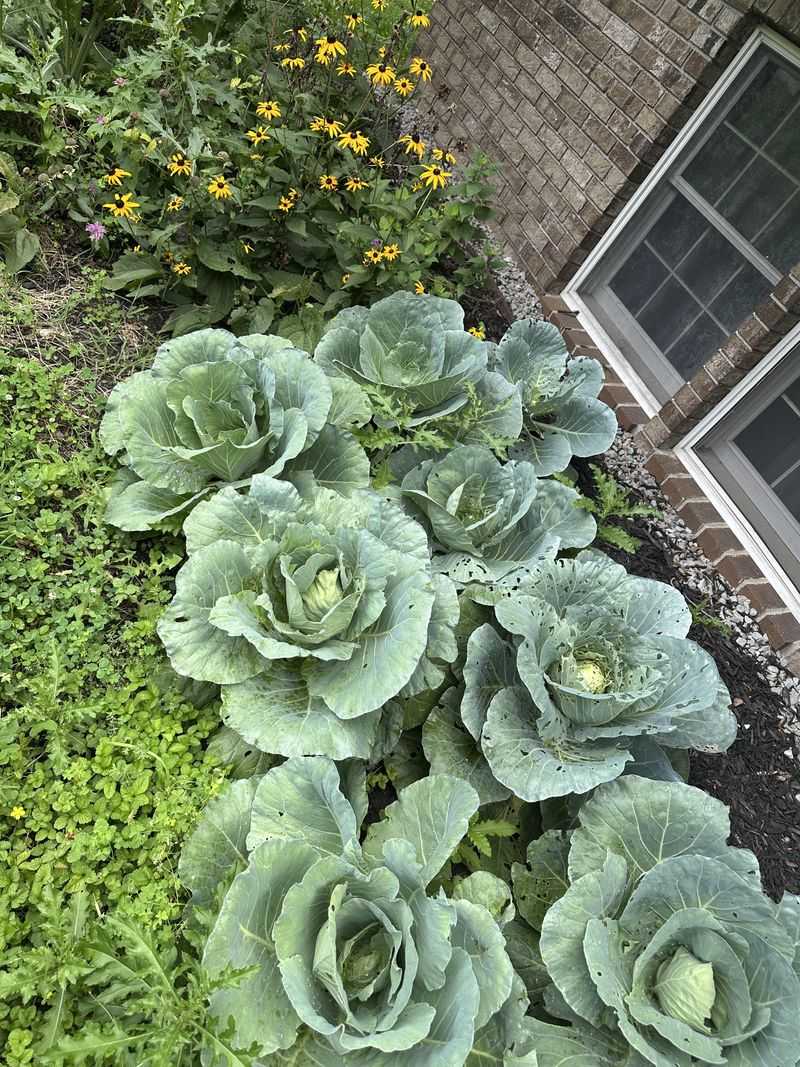
1. Plant Fall Cabbage While August Is Open
Late August can make an Oregon garden feel much more generous than it really is.
The soil is warm. Evenings still feel soft. Tomatoes may still be producing, and September looks comfortably far away on the calendar.
That illusion can cost a fall harvest.
Many cool-season crops need their roots established before shorter days and colder nights slow everything down. Wait too long, and a healthy seedling may simply run out of useful growing weather.
Oregon makes the timing even trickier.
A planting date that works beautifully in Corvallis can miss the mark in Bend. Coastal gardens may keep going after inland beds have already felt their first hard cold.
So what deserves space before August slips away?
The best choices include quick roots, cool-loving brassicas, and one herb that rewards patience far beyond fall.
Start with your local frost window, then work backward from maturity. A few well-timed rows now can keep the garden productive long after summer crops start surrendering space to October and the first cold mornings.
2. Set Broccoli Before September Arrives
Broccoli rewards the gardener who notices the calendar before the weather feels like fall.
The Willamette Valley planting window often lands from late July into mid-August. By September, the remaining daylight and warmth may no longer give young plants enough time to build tight heads before cold weather slows them down.
Transplants make the most sense now.
Choose starts about four to six weeks old with sturdy stems and healthy leaves. Set them roughly 18 inches apart and water the root zone well after planting.
A hot August afternoon can still be rough on fresh transplants.
Temporary afternoon shade for the first few days can reduce stress while roots settle. Once the plants stand firm, give them full sun and steady moisture.
Broccoli also appreciates fertile soil.
Compost worked into the bed before planting can support early growth. A modest side-dress later may help the crop keep moving, but avoid turning the bed into a fertilizer contest. Strong leaves matter, yet the real prize is a compact central head.
Your Oregon Garden Changes Every Week. Your Plan Should Too.
Gardening in Oregon changes quickly throughout the season. Every Friday you’ll receive a simple weekly plan showing exactly what to plant, prune, fertilize, harvest, and protect so you never miss the right timing.
Cool nights often improve flavor as the season advances.
Cut the main head before the flower buds loosen. Leave the plant in place afterward because smaller side shoots can keep coming for weeks in milder Oregon valleys.
Broccoli likes fall so much that summer is basically its awkward orientation period. Get the transplant settled now, and October can handle the part this crop actually enjoys.
3. Get Cauliflower Into The Ground
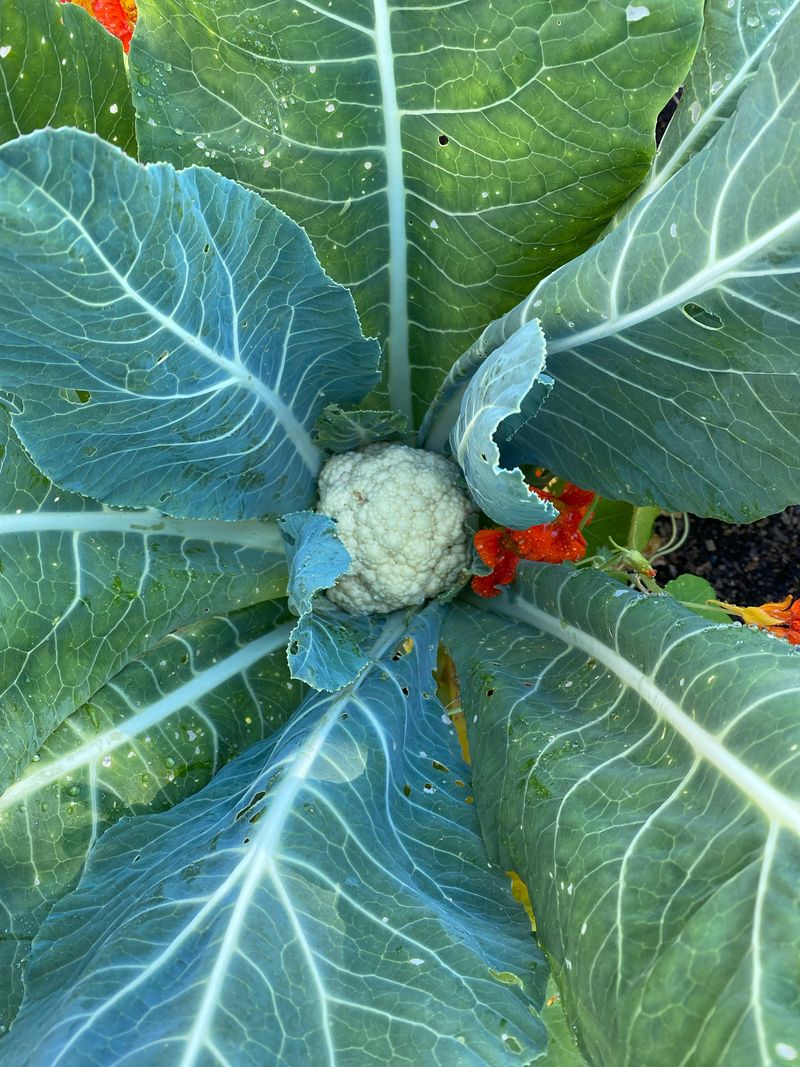
Few fall vegetables make gardeners watch the thermometer as closely as cauliflower.
This crop likes consistency. A rough heat spell, dry soil, or a late start can leave the developing head loose or undersized. That is why Oregon gardeners usually need cauliflower established earlier than some faster fall crops.
In the Willamette Valley, late July into very early August is the safer window for many fall varieties. Colder inland areas often need an even earlier start.
Use healthy transplants and give them room.
Space plants about 18 to 24 inches apart. Keep the soil evenly moist from establishment through head formation, because cauliflower does not shrug off drought stress the way tougher vegetables can.
Drip irrigation or a soaker hose keeps water near the roots without soaking the broad leaves.
Once a white curd reaches about two inches across, fold several outer leaves loosely over the head. That cover protects the curd from strong light and helps it stay pale and mild.
Check it every few days because a nearly ready head can move past its best stage surprisingly fast.
Do not let cauliflower’s reputation scare you away. It is particular, not impossible.
Give it an early start, steady moisture, and enough space, then let Oregon’s cooler fall weather do the rest. This crop may demand more attention than a turnip, but it also delivers the kind of harvest that makes all that hovering look completely reasonable.
4. Sow Turnips For Cool Weather Roots
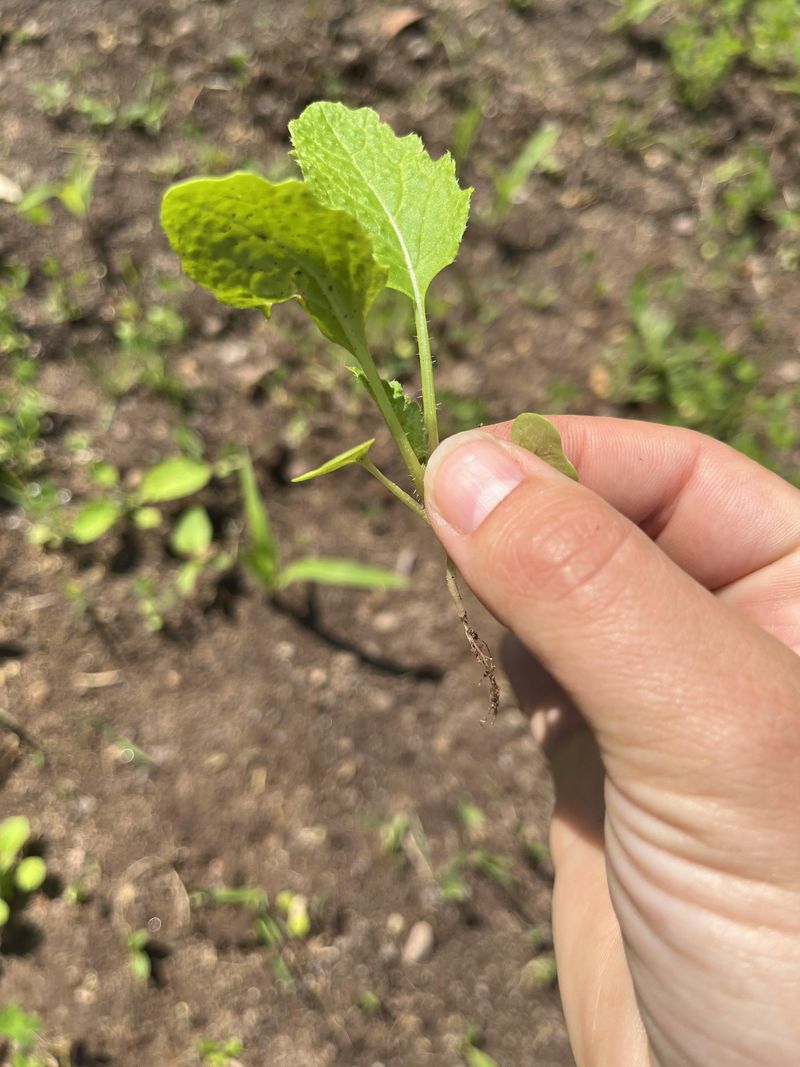
Turnips are the crop to choose when the calendar has already started making threats.
Many varieties can reach harvest size in roughly 35 to 60 days, which gives Oregon gardeners a useful late-summer window.
Valley gardens can often sow from late July through mid-August, while colder central and high-elevation sites need the earlier side of that range.
Direct sow about half an inch deep.
Leave roughly 12 inches between rows, then thin seedlings to 4 to 6 inches apart once they reach about 2 inches tall. That space matters because crowded plants make plenty of leaves and disappointingly small roots.
The thinnings still belong in the kitchen.
Young turnip greens can go straight into a skillet, soup, or salad. One thinning session can feel much less wasteful once dinner gets involved.
Keep the seedbed evenly moist until sprouts establish.
Warm soil usually brings quick germination, but a dry surface can stall tender seedlings before they gain momentum. After roots start to swell, consistent moisture helps keep the texture smooth and the flavor milder.
Cool nights are part of the reward.
A light frost can sweeten the roots, so there is no need to panic at the first chilly forecast. Coastal gardeners may even have room for a later sowing than inland growers.
Turnips are fast, practical, and refreshingly low on drama. They see September approaching and respond by getting straight to work.
5. Start Chinese Cabbage For Fall
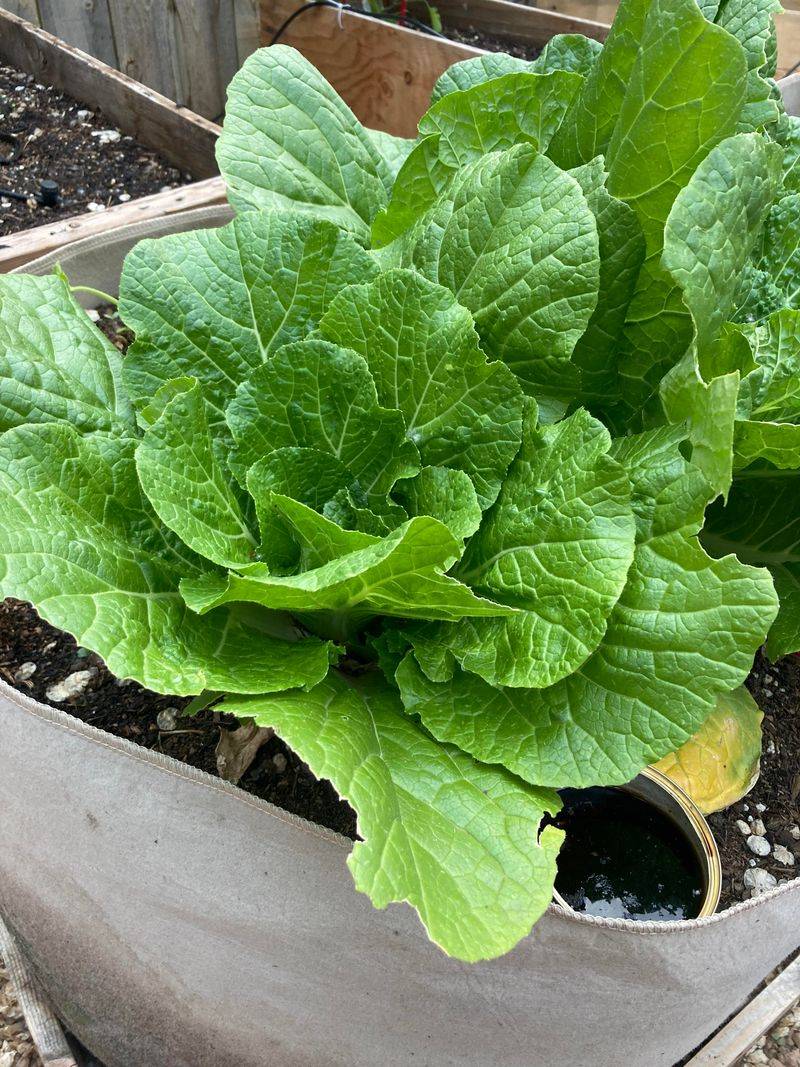
Chinese cabbage has a much better relationship with cooling weather than with summer heat.
Hot conditions can push the plant toward premature flowering instead of a solid head. Late summer gives Oregon gardeners a chance to move the crop toward the kind of shorter, cooler days it prefers.
In the Willamette Valley, mid to late August can work well for many plantings.
Coastal gardens may have a little more room because fall stays milder. Colder inland areas need an earlier start so heads can mature before hard freezes become regular.
Keep moisture steady from the beginning.
Chinese cabbage builds a large amount of tender leaf tissue, and dry swings can interrupt that growth. Drip irrigation works well, though any method that keeps the root zone evenly moist can do the job.
Space plants about 12 to 18 inches apart.
That gives the heads room to fill without turning the row into a crowded wall of leaves. A light row cover can offer extra protection once colder nights arrive.
Harvest timing depends on variety, but many heads need roughly 70 to 85 days.
That makes August more important than it looks.
Chinese cabbage can seem calm above ground while the calendar does all the shouting. Give it enough time now, and the plant can spend October doing what it does best: turning a cool patch of soil into one very satisfying head.
6. Seed Parsley For A Long Harvest
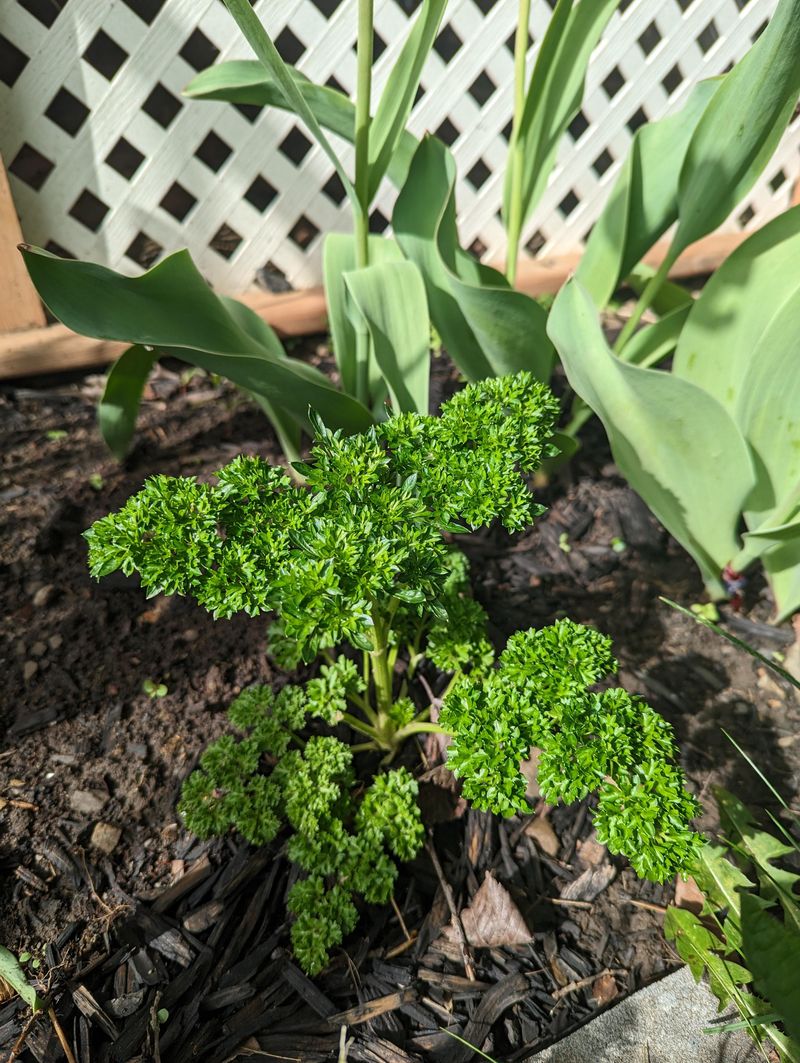
Parsley asks for patience before it gives anything back.
Those seeds can sit quietly for two to four weeks, which makes late summer the right moment to start them for a long cool-season harvest. Warm soil helps, but the seedbed still needs steady moisture until sprouts appear.
Soak the seeds in warm water for about 24 hours before sowing.
That simple step can soften the seed coat and may shorten the wait. Plant shallowly, keep the surface damp, and resist the urge to dig around after a week just to check progress.
Both flat-leaf and curly parsley can work well in Oregon.
Flat-leaf types bring stronger flavor to cooked dishes. Curly parsley tends to handle cold well and gives the garden a compact, tidy look.
Once established, plants can keep producing through fall and into winter in milder coastal and valley locations.
Containers offer extra flexibility. A pot can move under cover when a harder freeze threatens, while in-ground plants may slow down and resume growth once conditions improve.
Harvest outer stems first.
Leave the center intact so fresh leaves continue to develop. That pattern can keep one plant useful for months.
Parsley moves at the pace of someone who knows the soup will still be there later. Start it before September, keep the seedbed patient and moist, and the slow beginning can pay you back long after faster fall crops have left the garden.
7. Get Parsnips Growing While Soil Is Warm
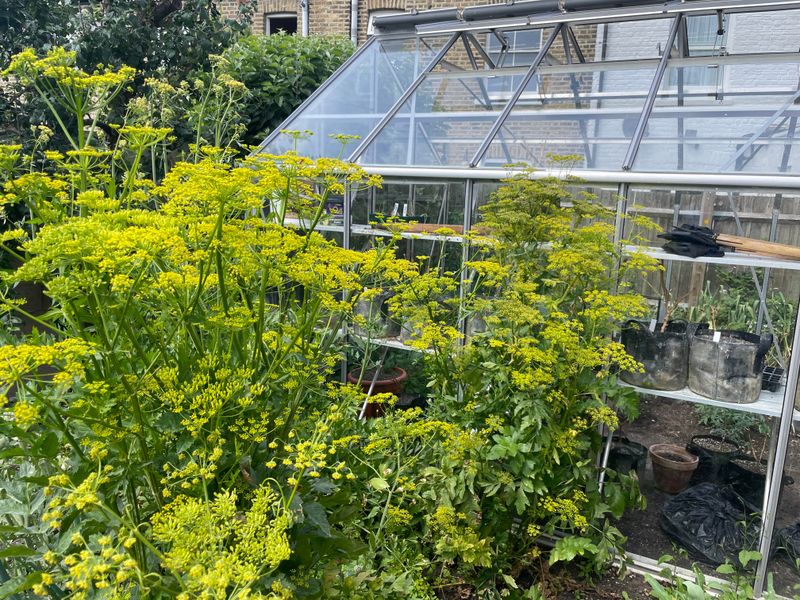
Parsnips play the long game, which makes every remaining warm week valuable.
Many varieties need around 100 to 130 days from seed to harvest. Oregon gardeners who waited until early August are already pushing the calendar, so faster-maturing varieties deserve priority.
Fresh seed matters more than usual.
Parsnip seed loses vigor quickly, and older packets can leave a row frustratingly bare. Sow current-season seed thickly, then thin established seedlings to about 4 to 6 inches apart.
The soil needs preparation before sowing.
Deep, loose ground gives the roots room to grow straight. Rocks and compacted layers can create forks and short, twisted roots that are much harder to peel later.
Avoid fresh manure in the bed because it can encourage misshapen roots.
Warm soil helps germination, but parsnips still take their time. Two or three weeks before emergence is not unusual. Keep the seedbed consistently moist through that wait.
The reward arrives after cold weather.
Frost can sweeten the roots as starches convert to sugars, which is why many Oregon gardeners leave mature parsnips in the ground well into late fall. In milder valley and coastal sites, harvest can stretch into December.
Parsnips are not the crop for someone who wants applause next week. They are the quiet investment at the back of the garden, patiently turning August effort into a much sweeter cold-weather payoff.
8. Sow Spinach For The Cooler Weeks Ahead
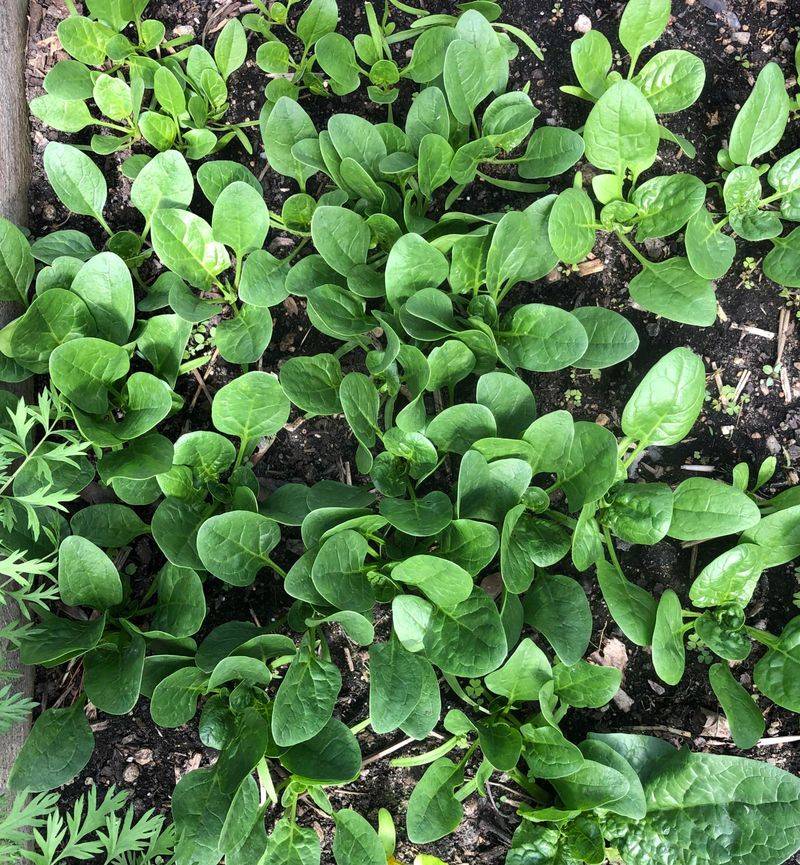
Late August soil may still feel warm, but spinach already has its eye on October.
This leafy crop prefers cooler weather and can keep producing after many summer vegetables slow down. The challenge is getting seeds through the warmer germination period without letting the seedbed dry out.
Choose a spot with full sun or light afternoon shade.
Sow seeds about half an inch deep and keep the upper soil consistently moist until seedlings appear. Warm ground can slow spinach germination, so a light layer of fine compost or temporary shade cloth can help keep the seed zone cooler.
Once seedlings establish, thin them to roughly 3 to 4 inches apart.
That space gives each plant enough room to build a useful rosette without turning the row into a crowded patch of small leaves.
Oregon’s regional differences matter here too.
Willamette Valley and coastal gardeners can often continue sowing into September for later harvests. Central Oregon and higher-elevation gardens need an earlier start because colder nights arrive faster.
Use succession sowing for a longer harvest.
Plant a short row, then add another one about two weeks later where the season allows. Cooler fall temperatures usually improve leaf quality and reduce the rush toward flowering.
Spinach does not need August to feel like fall yet.
It just needs enough moisture to get started before September finally brings the weather it has been waiting for.