Should You Fertilize Oregon Vegetables During A Heat Wave?
Feeding vegetables during a heat wave can sound like a smart way to help them power through stress.
Sometimes, though, fertilizer adds another burden when plants are already struggling to keep up with extreme temperatures.
Roots may absorb nutrients differently in hot, dry soil, and a strong feeding at the wrong moment can leave crops looking worse instead of better.
The confusing part is that pale leaves or slowed growth can resemble a nutrient problem even when heat is the real cause.
That makes timing far more important than reaching automatically for the fertilizer bag. Established vegetables, young transplants, and container crops may all react differently during the same stretch of weather.
Before adding anything, it helps to look at soil moisture and how the plants are behaving through the day. A heat wave changes what vegetables need most, and fertilizer may not be the first answer.
1. Watering First Before Reaching For Fertilizer
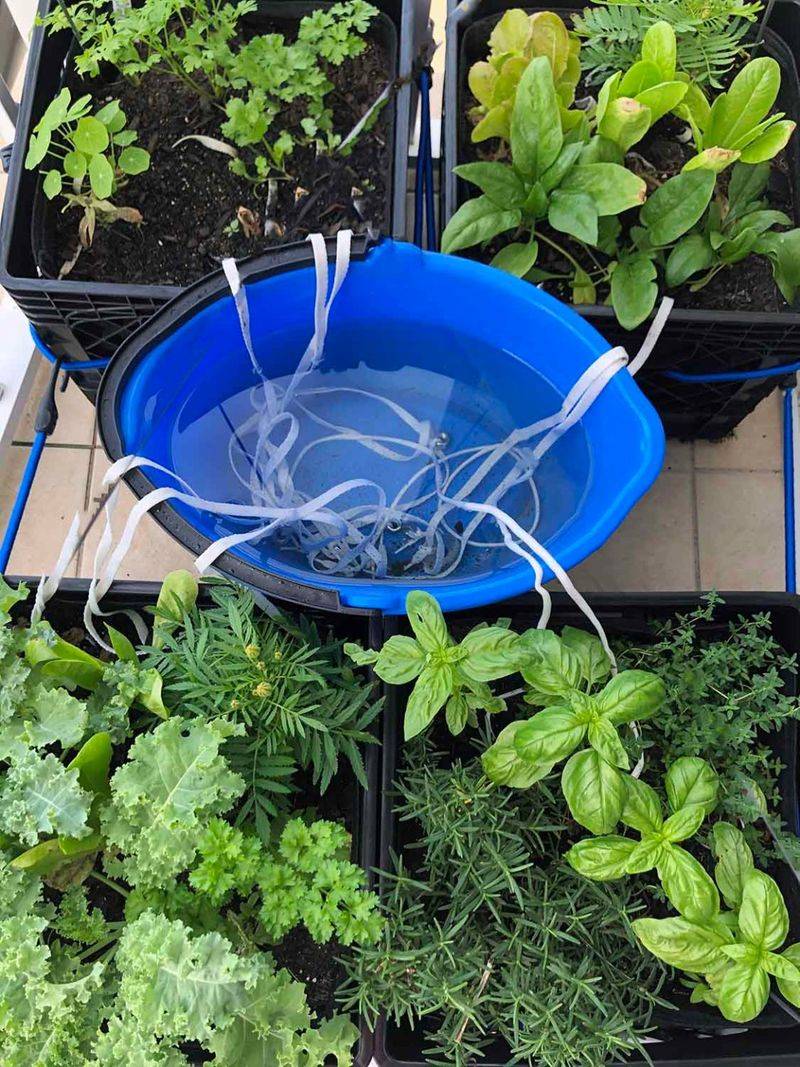
Before you even think about fertilizer, water is what your garden needs most during a heat wave. Plants that are dry and stressed cannot use nutrients properly.
Fertilizer needs moisture to dissolve and move through the soil to reach plant roots. Without enough water, fertilizer just sits in the soil and can even build up to harmful levels.
When temperatures spike, soil dries out faster than usual. Watering deeply and consistently is the single most important thing you can do during a heat wave.
Aim for slow, deep watering early in the morning so the water soaks in before the sun heats up the soil. This helps roots stay cool and moist throughout the day.
Shallow watering is a common mistake during hot weather. It only wets the top layer of soil and does not reach the deeper roots where plants actually drink.
Deep watering encourages roots to grow downward, where the soil stays cooler and holds moisture longer. A soaker hose or drip irrigation system works great for this.
Once your plants are getting steady, deep water, they will handle heat much better. Fertilizing a thirsty plant is like feeding someone who is dehydrated.
The body cannot process food without enough fluids. Make sure your vegetables are well-watered for several days before you consider adding any fertilizer back into your routine.
2. Heat-Stressed Roots Do Not Need A Big Meal
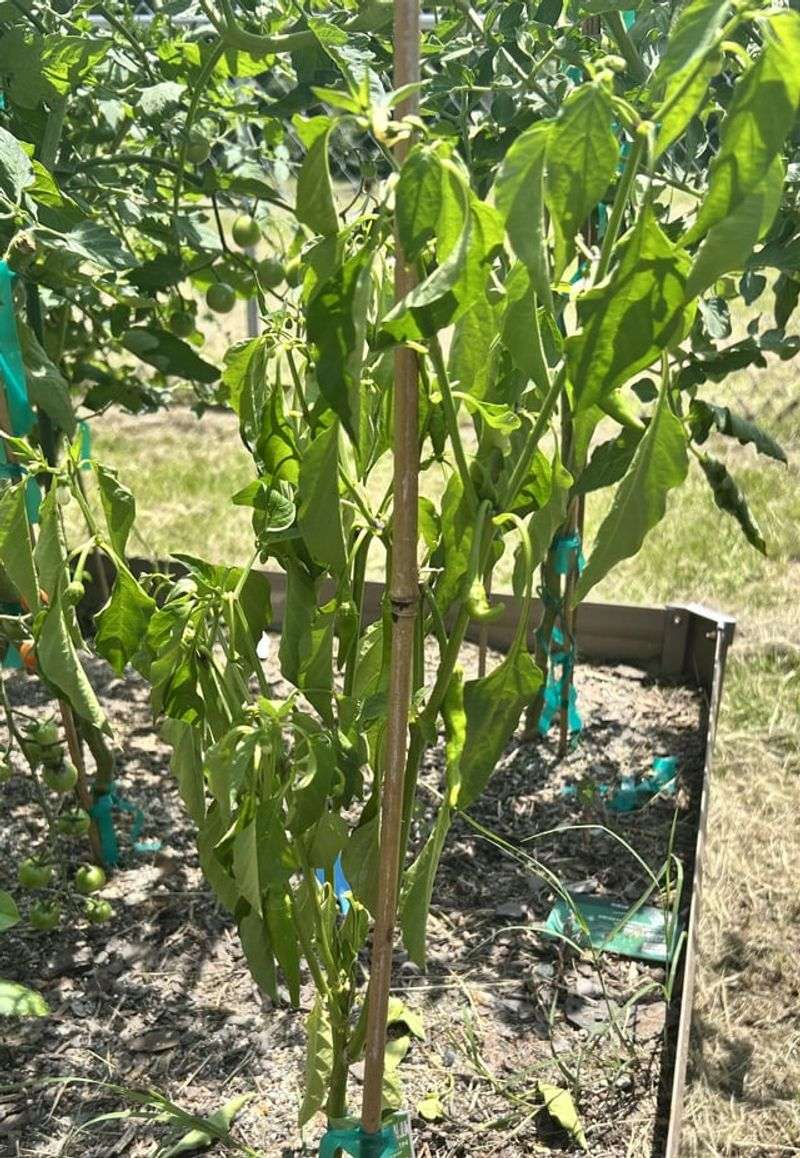
Plant roots are incredibly sensitive to temperature changes. When the soil heats up above 85 degrees Fahrenheit, roots slow down significantly.
They stop absorbing water and nutrients at their normal rate. Pushing fertilizer into the soil during this time does not help.
The roots simply cannot take it in the way they normally would.
Think of it like this: when you feel overheated and exhausted, eating a large meal is the last thing your body wants. Plants work the same way.
Heat-stressed roots are working overtime just to keep the plant alive. Adding a heavy dose of fertilizer puts extra pressure on a system that is already struggling to keep up.
Nitrogen is the nutrient most commonly found in vegetable fertilizers. It encourages fast, leafy growth.
Your Oregon Garden Changes Every Week. Your Plan Should Too.
Gardening in Oregon changes quickly throughout the season. Every Friday you’ll receive a simple weekly plan showing exactly what to plant, prune, fertilize, harvest, and protect so you never miss the right timing.
But during a heat wave, that kind of rapid growth is the opposite of what a stressed plant needs. New growth is tender and soft, and it wilts quickly in extreme heat.
Pushing new growth during a heat wave can weaken the plant overall.
Healthy roots are the foundation of a productive vegetable garden. During a heat wave, the best thing you can do is protect those roots.
Mulch the soil around your plants to keep the ground cooler. Hold off on heavy fertilizing until the weather cools down and roots can function normally again.
3. Heavy Feeding Can Make Wilting Even Worse
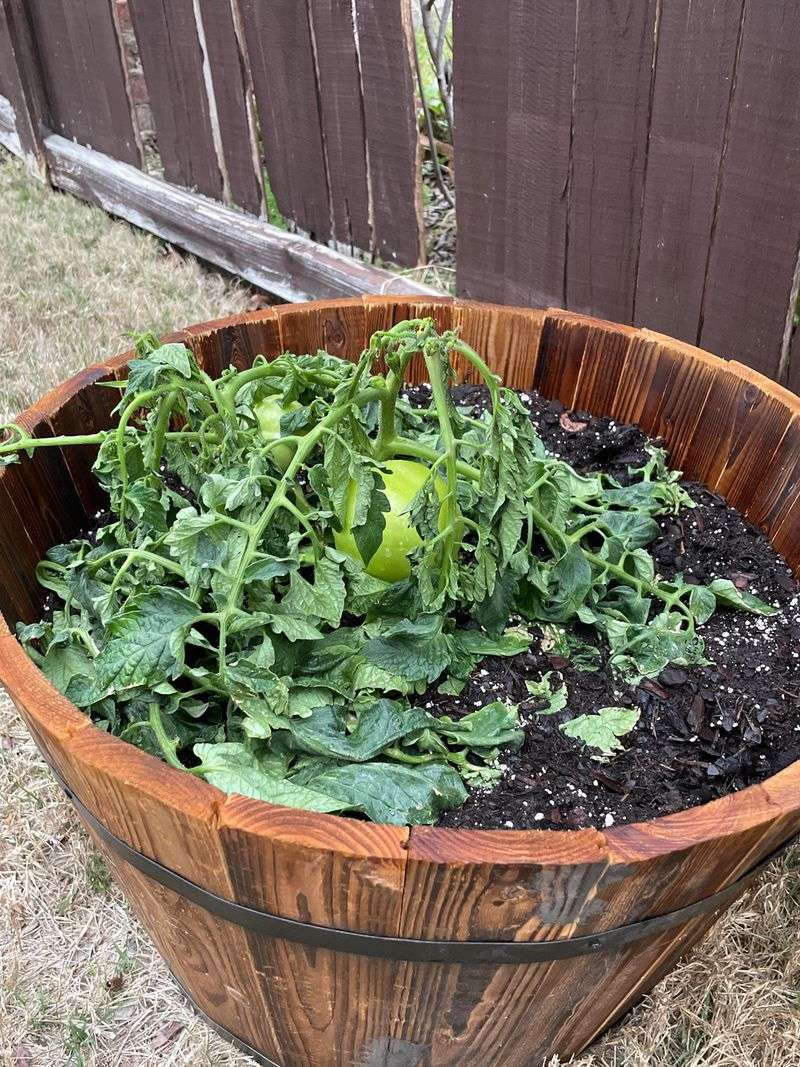
Wilting is a sign that your plant is struggling to stay hydrated. During a Oregon heat wave, you might notice your vegetables drooping in the afternoon even after watering.
That is normal. But if you add a heavy fertilizer application on top of that stress, you can make the wilting much worse and harder to recover from.
High concentrations of fertilizer in the soil create what is called a salt buildup. When there is too much salt in the soil, water actually moves away from the roots instead of into them.
This process is called osmotic stress. The plant ends up losing moisture instead of gaining it, which makes wilting more severe and recovery slower.
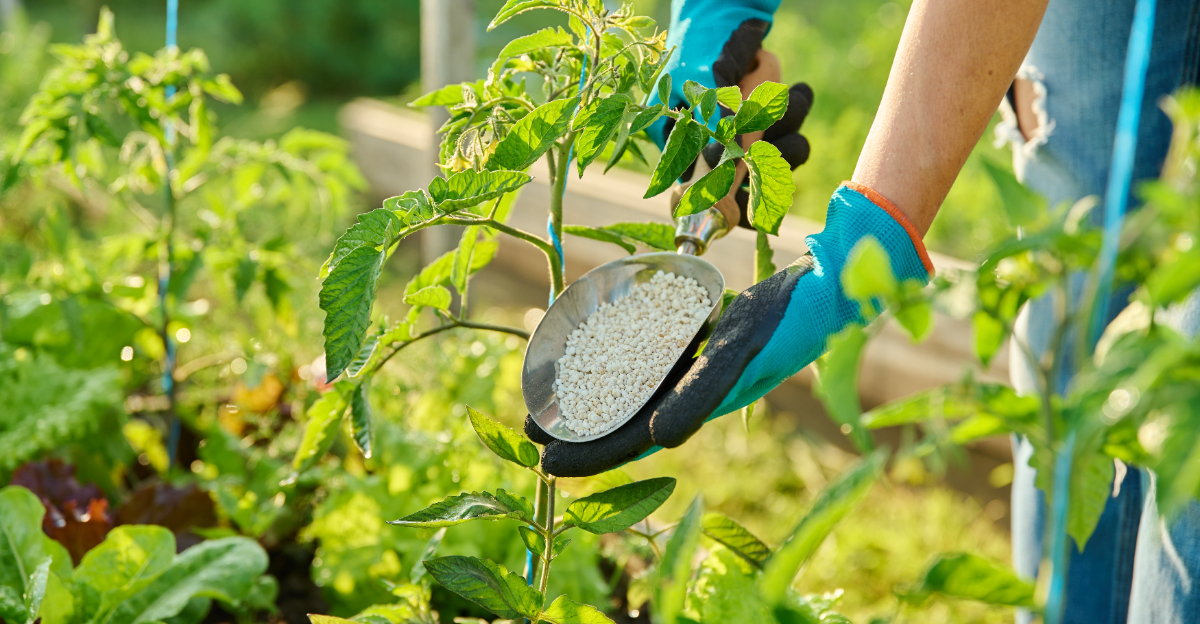
Granular fertilizers are especially risky during hot, dry conditions. They sit in the soil and concentrate as the water evaporates.
If you have already applied granular fertilizer before the heat wave hit, water the area deeply to help dilute those salts and flush them away from the root zone.
Watching your plants closely during a heat wave gives you useful information. If they are wilting in the morning before the sun gets strong, that is a red flag.
Morning wilting usually means the roots are under serious stress. Hold back on any fertilizer during this time and focus on keeping the soil moist and the roots cool with a thick layer of mulch around each plant.
4. Skipping Strong Fertilizer On 100-Degree Days
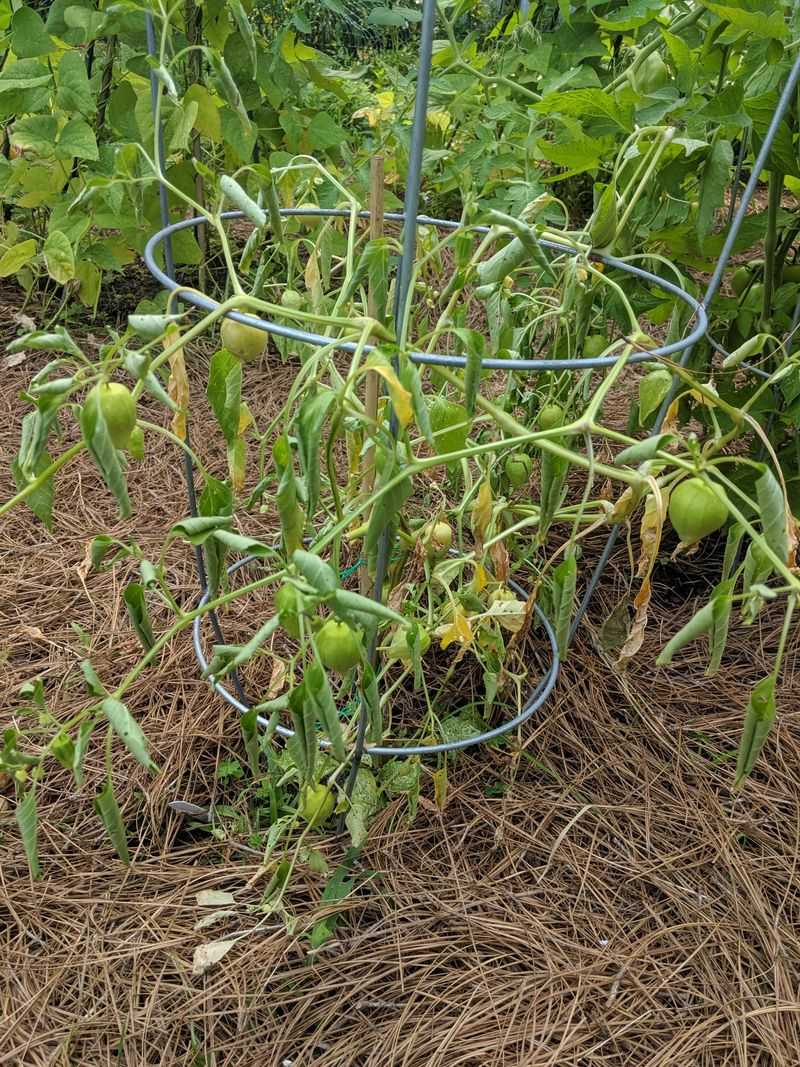
When the forecast shows triple-digit temperatures, put the fertilizer away. On days when it hits 100 degrees or higher, your vegetables are in survival mode.
They are not growing, they are not producing, and they are not ready to take in nutrients. Any fertilizer you apply on those days is mostly wasted and can cause more harm than good.
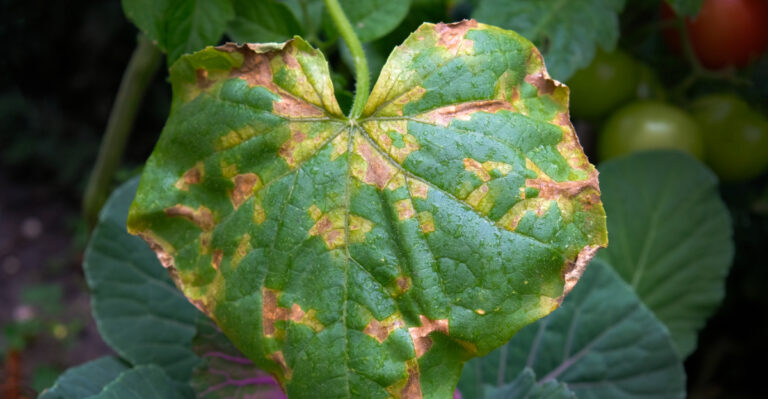
Strong fertilizers, especially those with high nitrogen content, can burn plant tissue when the weather is extremely hot. Fertilizer burn shows up as brown, scorched edges on leaves.
It can spread quickly during a heat wave when plants are already weakened. Once fertilizer burn sets in, it is hard to reverse and slows the plant’s ability to recover.
Organic fertilizers like compost and worm castings are gentler than synthetic ones. Even so, during a 100-degree heat wave, it is best to skip them too.
Organic fertilizers still break down and release nutrients into the soil. During extreme heat, those nutrients can still build up faster than stressed roots can absorb them.
Oregon summers have become hotter and longer in recent years. Gardeners across the state have had to rethink their summer care routines.
Skipping fertilizer on the hottest days is one of the easiest adjustments to make. Mark your calendar to resume feeding once temperatures drop back below 85 degrees consistently.
Your plants will respond much better to nutrients when conditions are right.
5. Liquid Feed Can Hit Stressed Roots Too Fast
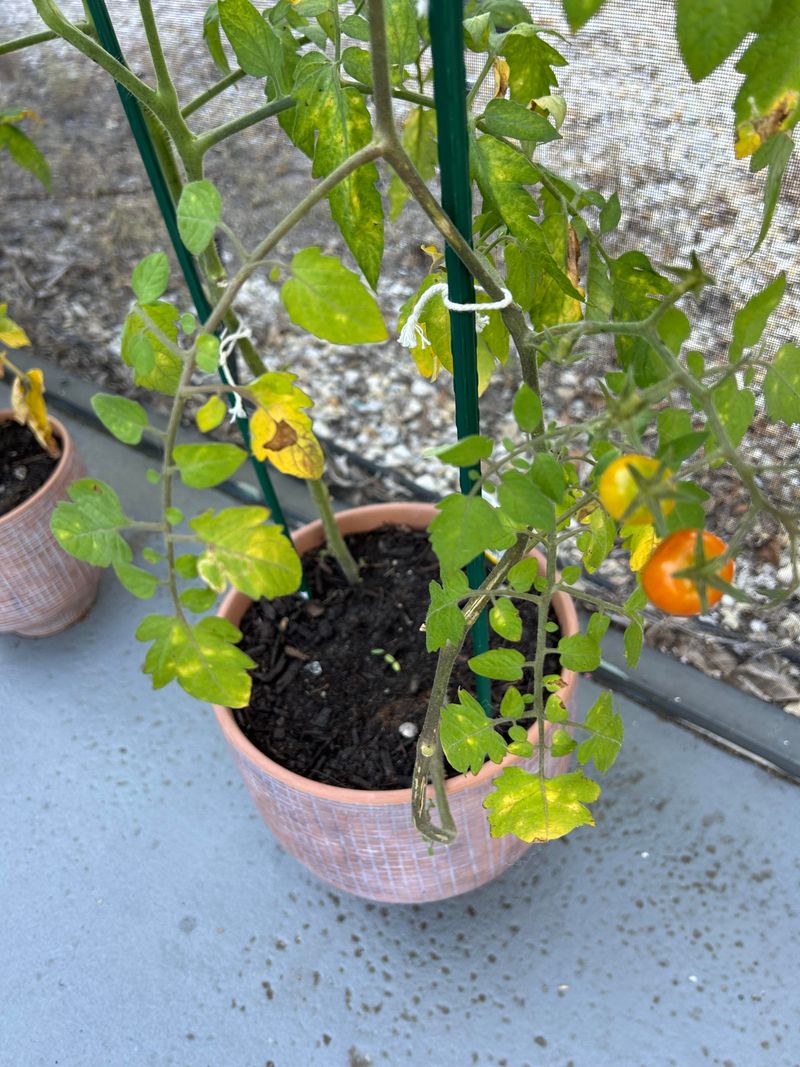
Liquid fertilizers are often seen as a quick fix because they work faster than granular types. But speed is not always a good thing, especially when your plants are already under heat stress.
Liquid fertilizer delivers nutrients directly to the root zone in a form that plants can absorb almost immediately. During a heat wave, that fast delivery can overwhelm roots that are barely functioning.
Foliar feeding, which means spraying liquid fertilizer directly on leaves, is another method gardeners use. During hot weather, this can be especially risky.
Liquid droplets on leaves can act like tiny magnifying glasses under intense sunlight. They concentrate heat on the leaf surface and can cause spotting or scorching that weakens the plant further.
Even diluted liquid fertilizers should be used with caution during a heat wave. If you feel like you must apply something, cut the recommended dose in half or even to one-quarter strength.
Apply it early in the morning when temperatures are still cool. Never apply liquid fertilizer in the afternoon heat when roots and leaves are already stressed from the sun.
A better short-term option during extreme heat is a light application of liquid seaweed or kelp extract. These are not heavy fertilizers.
They contain natural compounds that help plants manage stress more effectively. Many gardeners in the Pacific Northwest swear by them during hot spells.
They support the plant without overloading it with nutrients it cannot use right now.
6. Waiting Until Plants Perk Back Up
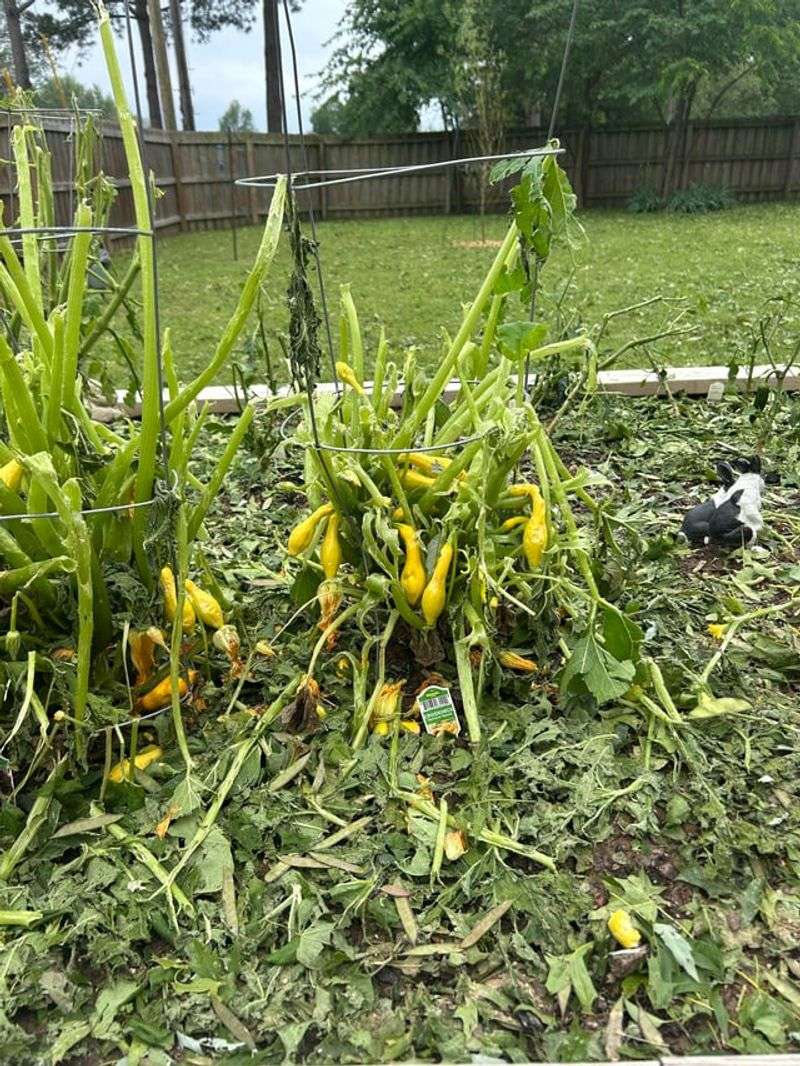
Patience is one of the most powerful tools in a gardener’s toolbox. After a heat wave passes, it can take a few days for your vegetables to bounce back.
Leaves may still look a little tired, and growth may be slow. Rushing to fertilize before plants have fully recovered is a common mistake that can set them back even further.
Watch for clear signs that your plants are recovering before you start feeding again. Upright stems, firm leaves, and new growth are all good signals.
If a plant is still drooping in the morning or showing signs of stress, give it more time. Watering consistently and keeping the soil mulched will speed up recovery more than any fertilizer will at this stage.
Once plants perk back up and temperatures stay below 85 degrees for a few days in a row, you can gradually reintroduce fertilizer. Start with a gentle, balanced option rather than a high-nitrogen formula.
A balanced fertilizer with equal parts nitrogen, phosphorus, and potassium gives recovering plants steady support without pushing them too hard too fast.
Recovery feeding is a great time to add compost around the base of your plants. Compost improves soil structure, adds beneficial microbes, and releases nutrients slowly over time.
It is one of the safest and most effective ways to feed vegetables after a stressful heat event. Your garden will thank you for taking the slow and steady approach during and after a heat wave.
7. Tomatoes And Peppers Need Less Pushing In Extreme Heat
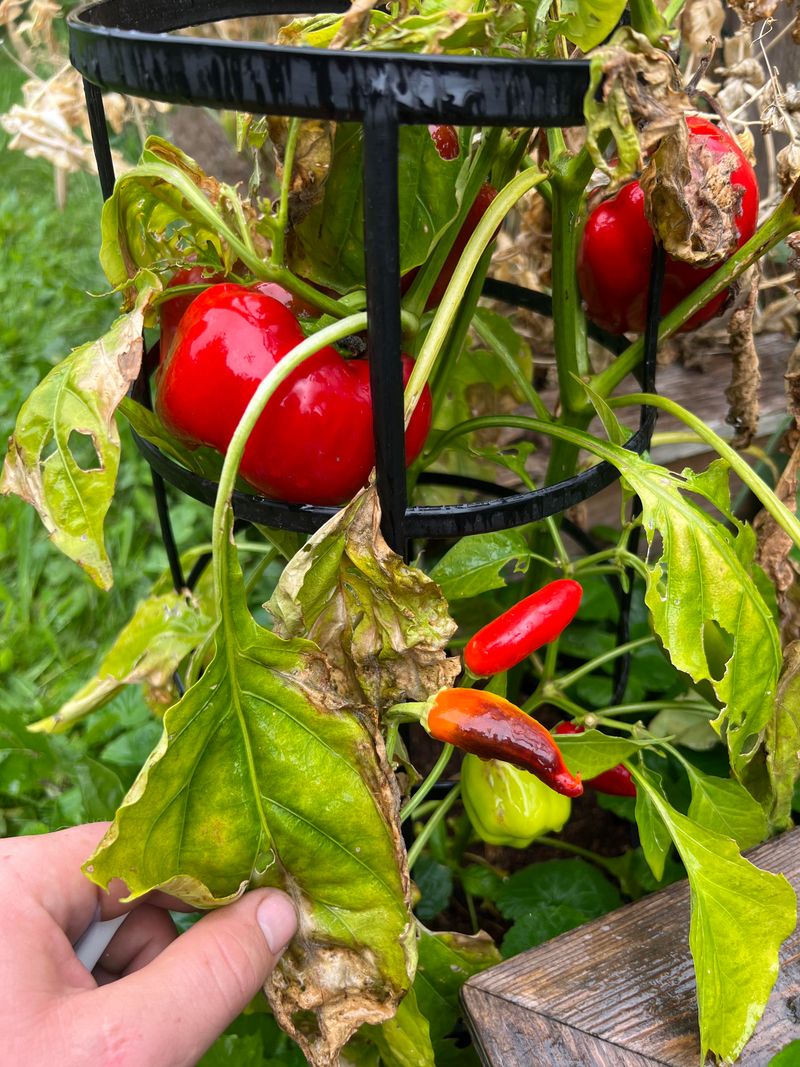
Tomatoes and peppers are two of the most popular vegetables grown across Oregon, and they both have a tricky relationship with extreme heat. Many gardeners assume that heavy feeding will push these plants to produce more fruit during summer.
In reality, once temperatures climb above 95 degrees, tomatoes and peppers often stop setting fruit altogether, no matter how much fertilizer you use.
High heat causes pollen to become sterile in tomatoes. Even if the flowers open, they cannot be pollinated properly.
Peppers experience something similar. Pushing these plants with nitrogen-heavy fertilizers during a heat wave encourages leafy growth, but that growth will not turn into fruit until cooler nights return.
You end up with big bushy plants and very little to harvest.
Instead of heavy feeding, focus on keeping tomatoes and peppers stable during extreme heat. Consistent watering, shade cloth during peak afternoon hours, and thick mulch around the base will do far more good than fertilizer.
A light application of potassium-based fertilizer can help strengthen cell walls and improve the plant’s ability to handle heat stress.
Once nighttime temperatures drop back below 70 degrees, tomatoes and peppers will start setting fruit again on their own. That is the right time to resume a regular feeding schedule.
A balanced fertilizer applied every two to three weeks after the heat breaks will support a strong late-season harvest. Timing your fertilizer around the weather, not just the calendar, makes all the difference.