Simple Oregon Fuchsia Care Mistakes That Cut Summer Blooms Short
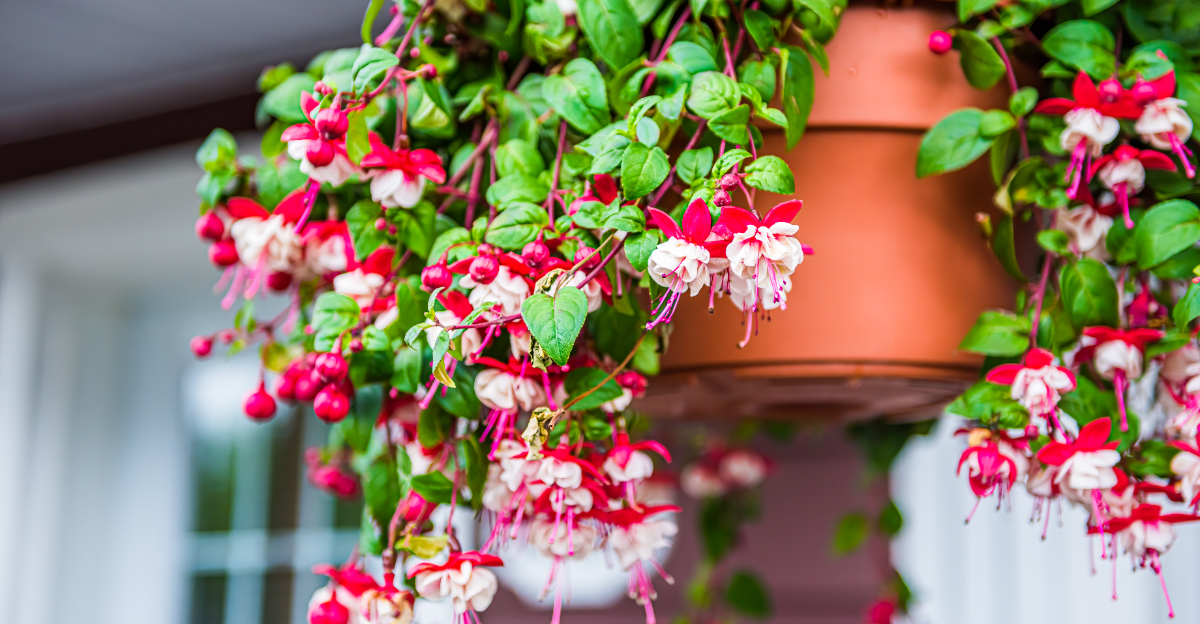
Those fuchsia baskets stopped every neighbor in their tracks back in May. Now the blooms look tired, the leaves droop by afternoon, and something clearly shifted once the heat rolled in.
Oregon summers have a sneaky way of exposing small gardening habits that never mattered much before. A watering schedule that worked fine in April can quietly starve or drown these plants once temperatures climb.
Fuchsias aren’t shy about showing displeasure. Buds drop, colors wash out, and stems stretch thin long before anyone notices what actually went wrong.
Most of these setbacks trace back to a handful of habits gardeners repeat without realizing it, and untangling them takes far less effort than the trouble they’ve been causing all along.
1. Overwatering Roots Instead Of Misting Leaves
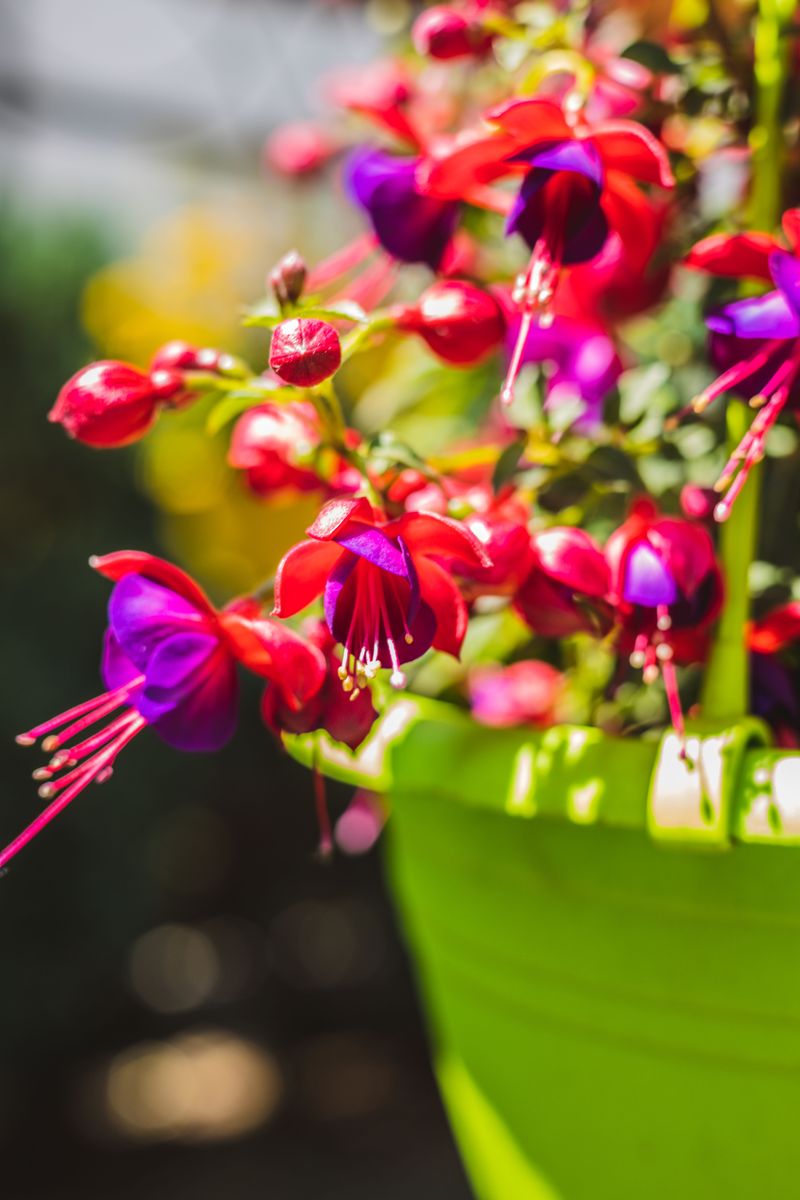
Soggy roots are a silent threat to fuchsia blooms. Many gardeners think more water means more flowers, but that logic backfires fast.
When soil stays waterlogged, roots lose access to oxygen and stop sending nutrients to the plant.
You end up with yellow leaves, dropped buds, and a plant that looks exhausted before summer even peaks. The fix is simpler than you think.
Check the soil before every watering session. Stick your finger about an inch into the mix, and only water if it feels dry at that depth.
Misting the leaves and stems is a totally different story. A light mist on a warm afternoon actually helps fuchsias thrive by cooling the foliage and boosting humidity.
Oregon mornings can feel damp, but afternoon heat pulls moisture away quickly. Misting around midday gives plants a refreshing boost without oversaturating the roots below.
Good drainage is essential for healthy fuchsias. Make sure your pots have holes at the bottom and that water flows freely through the soil.
Avoid letting pots sit in saucers filled with standing water. Even a small amount of trapped water underneath a pot can keep roots too wet for too long.
Think of watering fuchsias like seasoning food. A little at the right time makes everything better, but too much ruins the whole thing.
2. Planting Fuchsias In Direct Afternoon Sun
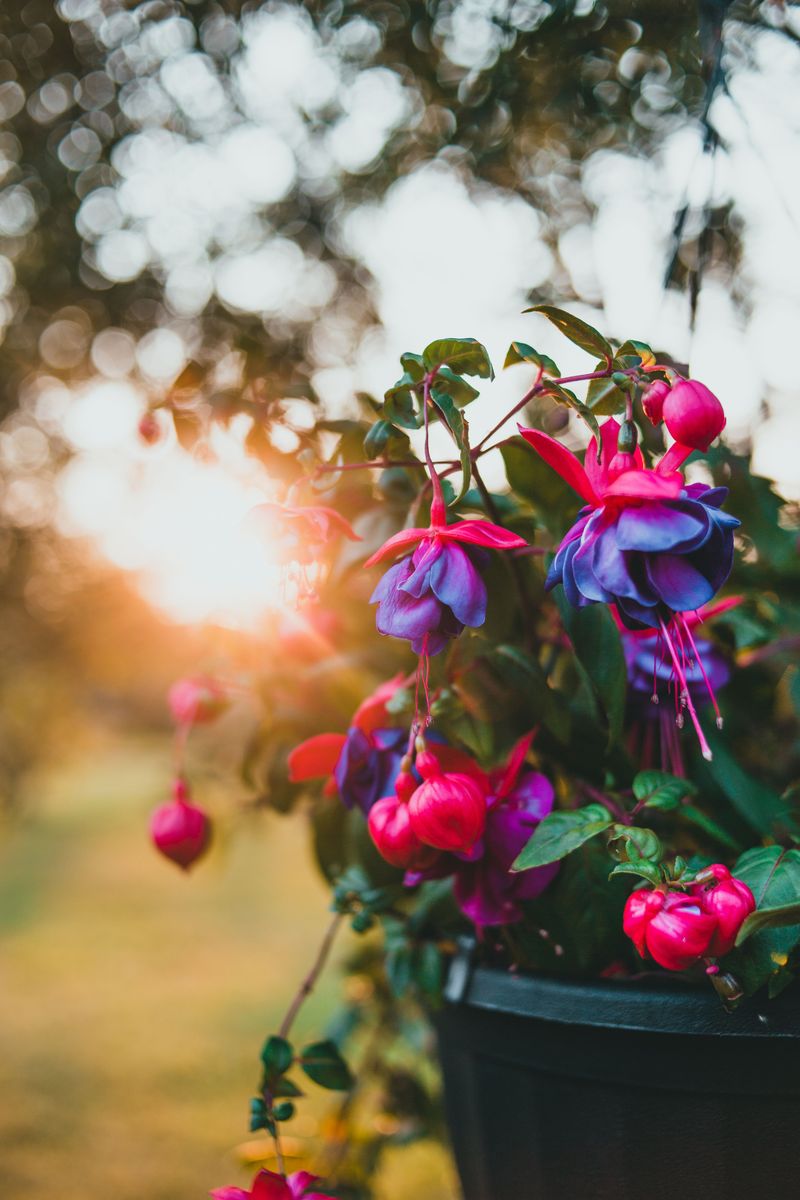
Fuchsias love light, but afternoon sun is a real struggle for them. These plants evolved under forest canopies, where light was filtered and soft.
Direct afternoon sun in Oregon can push temperatures past what fuchsias handle well. Leaves scorch, flowers drop, and the whole plant starts to look defeated by mid-July.
Morning sun is the sweet spot for healthy fuchsia growth. A spot that gets bright light from sunrise until about noon is nearly perfect for these shade-preferring bloomers.
East-facing patios and north-side garden beds are goldmines for fuchsia placement. They offer enough light for strong growth without the brutal heat of a west-facing wall.
If your plant is already in a sunny spot, moving it is the best option. Container fuchsias are easy to relocate, so shifting a pot to a shadier corner takes only minutes.
For in-ground plants, consider adding a shade cloth during the hottest weeks. A 30-percent shade cloth can noticeably lower leaf temperature and protect tender blooms.
Your Oregon Garden Changes Every Week. Your Plan Should Too.
Gardening in Oregon changes quickly throughout the season. Every Friday you’ll receive a simple weekly plan showing exactly what to plant, prune, fertilize, harvest, and protect so you never miss the right timing.
Watch how your fuchsia responds after you move it. Perky leaves and new bud formation within a week are signs that the new location is working well.
Afternoon shade also reduces how often you need to water. Cooler soil holds moisture longer, which means less work for you and a happier plant overall.
Getting placement right from the start saves a whole season of frustration. Your blooms will thank you with color that lasts all summer long.
3. Skipping Regular Removing Spent Blooms
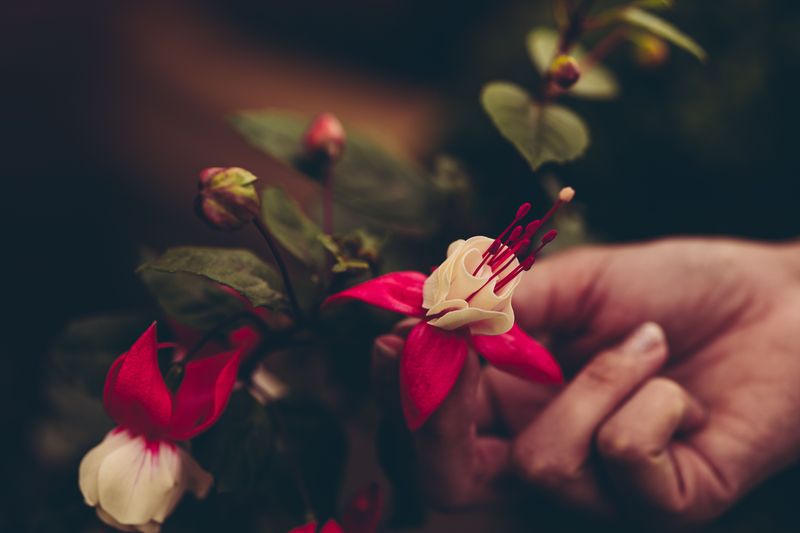
Leaving spent flowers on a fuchsia plant is like leaving dirty dishes in the sink. The longer you wait, the worse the problem gets.
Spent blooms signal the plant to shift its energy toward making seeds. Once that happens, new flower production slows down noticeably.
Removing spent blooms means taking off faded or finished flowers before they form seed pods. It sounds tedious, but it only takes a few minutes every few days.
Pinch off the entire flower, including the small swollen base behind the petals. That base is where seeds form, so removing it fully is the key move
Plants that get their spent blooms removed regularly produce significantly more flowers throughout the season. The energy that would go to seeds gets redirected into fresh flower buds instead.
Make this task part of your morning routine during peak bloom season. A quick walk around your pots or beds with a small basket keeps plants looking tidy and productive.
Some gardeners use small scissors or pinching shears for cleaner cuts. Either tool works fine as long as you remove the spent bloom all the way to the stem.
You might notice tiny green berries forming if you miss a round of grooming. Snap those off right away, because seed pods drain energy fast.
Staying on top of spent blooms also improves air circulation around the plant. Better airflow reduces the chance of mold and fungal issues sneaking in during humid Oregon summers.
Keep at it all season, and your fuchsia will reward you with nonstop color.
4. Using The Wrong Fertilizer Ratio For Blooms
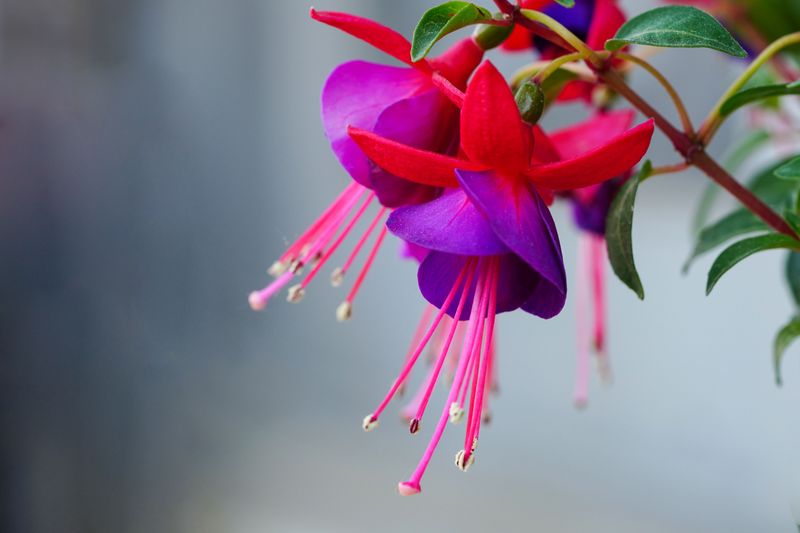
Fertilizer labels can feel like a foreign language, but understanding them changes everything for fuchsia blooms. Those three numbers on the bag represent nitrogen, phosphorus, and potassium.
Nitrogen is the first number, and it drives leafy green growth. Too much of it and your fuchsia becomes a lush bush with almost no flowers.
Phosphorus, the middle number, is the bloom booster you actually want. A higher middle number pushes the plant toward producing more buds and stronger flowers.
Potassium, the third number, supports overall plant health and root strength. A balanced potassium level keeps your fuchsia resilient through heat and stress.
For fuchsias, look for a fertilizer labeled something like 15-30-15 or similar. The higher phosphorus content tells the plant to focus on flowering rather than foliage.
Avoid all-purpose lawn fertilizers on fuchsias. Those products are loaded with nitrogen, and they will push out leaves at the expense of every bloom you were hoping for.
Feed your fuchsia every one to two weeks during the growing season. Consistent, light feeding works better than occasional heavy doses that can burn roots.
Water your plant before applying liquid fertilizer. Applying fertilizer to dry soil can shock the roots and cause more harm than good.
Slow-release granular fertilizers are a convenient option for busy gardeners. Sprinkle them on top of the soil once a month and let rainfall do the rest of the work.
Getting the ratio right is one of the fastest ways to boost bloom production noticeably.
5. Ignoring Pot Size And Root Crowding
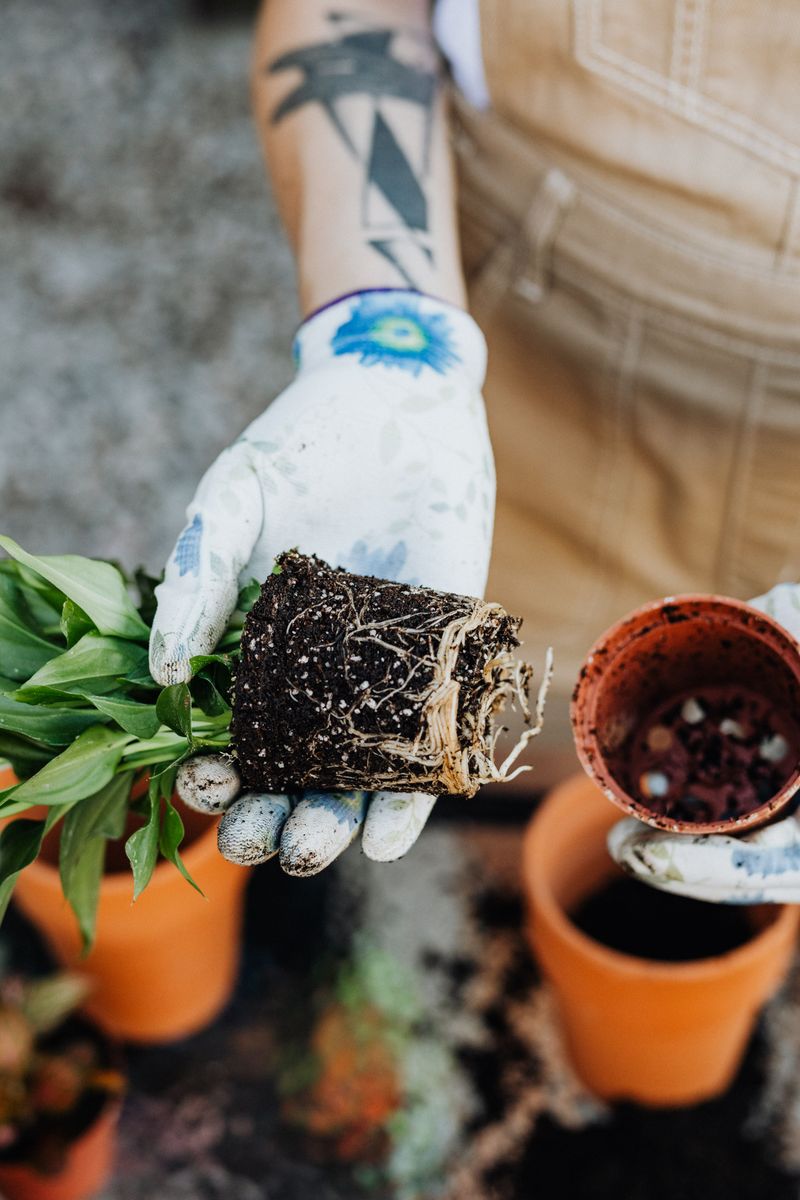
A fuchsia crammed into a tiny pot is like trying to run a marathon in shoes two sizes too small. Something eventually gives out.
Root crowding happens when a plant outgrows its container and roots have nowhere left to expand. The plant stresses out, flower production drops, and growth slows to a crawl.
Check for root crowding by gently tipping the pot and sliding the plant out. If roots are circling the bottom in tight loops, it is time to size up.
Choose a new pot that is two to three inches wider than the current one. Going too large too fast can cause water retention problems, so increase size gradually.
Use a well-draining potting mix when repotting your fuchsia. A mix designed for containers or hanging baskets works better than dense garden soil.
Loosen the root ball gently before placing the plant in its new home. Breaking up tightly wound roots encourages them to spread outward into fresh soil.
Water thoroughly after repotting to help the roots settle. Keep the plant in a shaded spot for a few days while it adjusts to its new space.
Fuchsias in the right-sized pot produce noticeably more blooms. Roots that have room to breathe support stronger stems and larger flower clusters.
Check pot size at the start of each growing season. A plant that thrived last year may already need more room before the first buds even appear.
Giving roots space is one of the simplest upgrades you can make for summer-long color.
6. Ignoring Oregon Summer Heat Waves
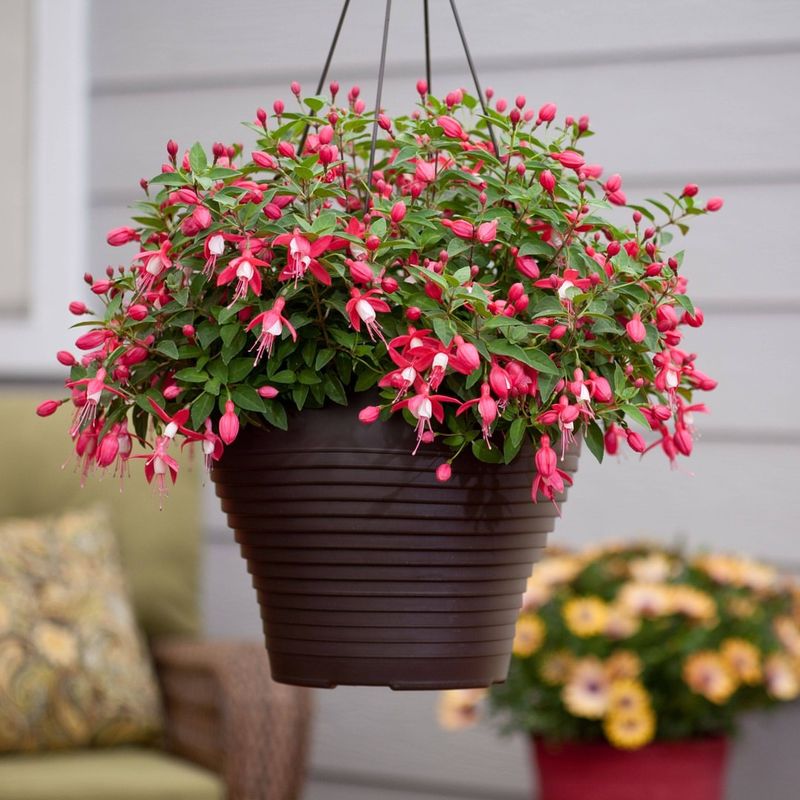
Oregon summers have gotten hotter, and fuchsias feel every degree of that change. What worked for care in May can completely fail during a July heat wave.
Fuchsias prefer temperatures between 55 and 75 degrees Fahrenheit. Once the thermometer climbs past 85, plants start to shut down their blooming process as a stress response.
During heat waves, move container fuchsias to a cooler, shadier spot immediately. Even shifting a hanging basket under a covered porch can make a measurable difference in plant health.
Increase misting frequency on hot days to cool the foliage. A light spray in the early morning and again in late afternoon helps the plant manage temperature spikes.
Watering needs also change during heat waves, so check soil moisture more often. Hot air and intense sun pull water from soil much faster than on a mild day.
Avoid fertilizing during extreme heat periods. Fertilizer pushes growth, and pushing a stressed plant during a heat wave can cause more damage than benefit.
Watch for bud drop as an early warning sign of heat stress. If buds are falling off before they open, your plant is telling you it needs relief right away.
After a heat wave passes, fuchsias often bounce back with proper care. Resume regular watering and feeding once temperatures return to a comfortable range for the plant.
Staying responsive to shifting conditions is the key to protecting blooms through summer heat. Pay attention to what the plant shows you, and act quickly when conditions shift.
7. Neglecting Consistent Pruning Through The Season
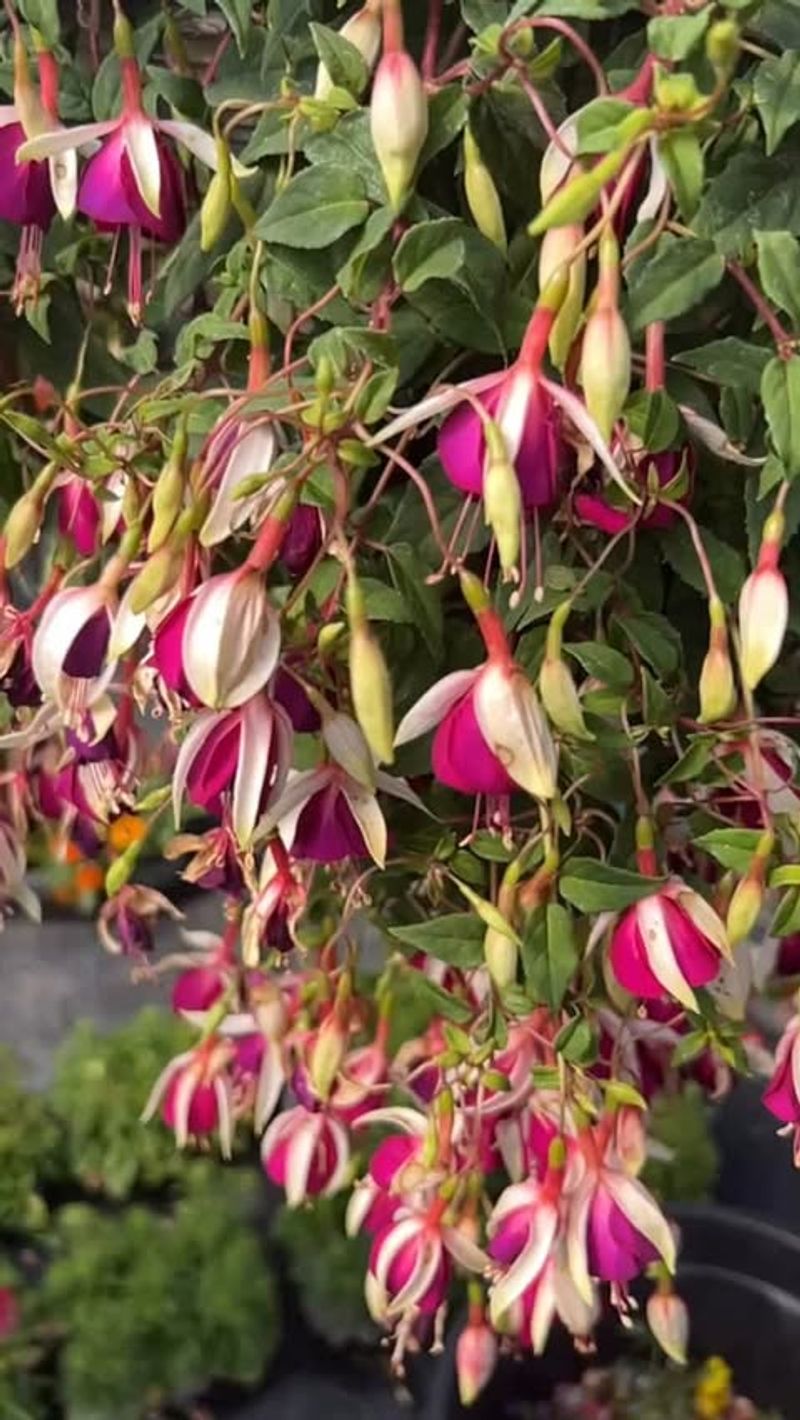
An unpruned fuchsia gets leggy, loses its shape, and stops blooming the way it should. Consistent pruning through the season is what keeps the flowers coming.
Many gardeners prune once in spring and then forget about it. That single session is a great start, but fuchsias benefit from light trimming throughout the entire growing season.
Leggy stems are a clear signal that pruning is overdue. Long, bare stems with just a few leaves at the tip are wasting the plant’s energy on structure instead of blooms.
Pinch back the tips of new growth every couple of weeks during summer. Removing just the top inch or two of a stem encourages the plant to branch out and form new bud sites.
More branching means more places where flowers can form. Think of each pinch as an investment in a fuller, more colorful plant two to three weeks down the road.
Use clean, sharp scissors or pruning snips for best results. Dull tools crush stems instead of cutting cleanly, which invites disease and slows healing.
Focus your pruning on stems that look weak, overcrowded, or are growing inward. Opening up the center of the plant improves air movement and light penetration.
Do not be afraid to cut back a stem that has stopped producing buds. A hard cut on a tired stem often triggers a fresh flush of new growth and flowers.
Pruning is a conversation between you and your plant. Stay attentive, trim often, and your fuchsia will keep performing all the way through late summer.
8. Letting Pests Go Unchecked On New Growth
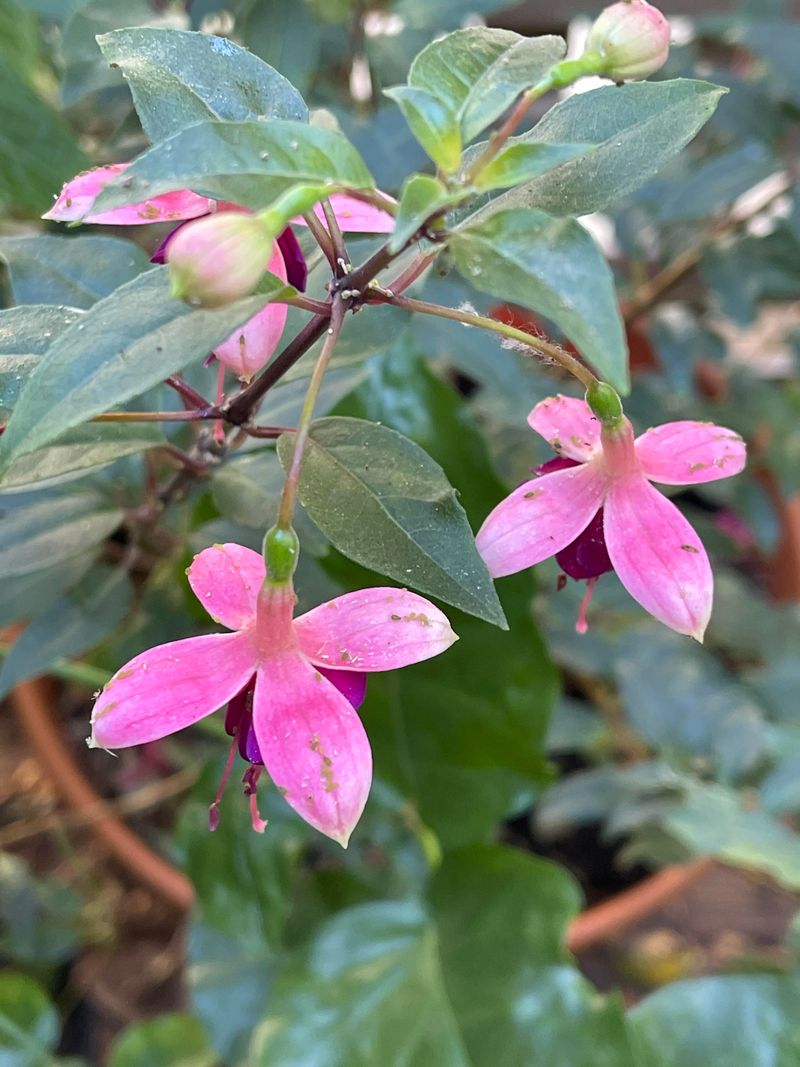
Soft, tender new growth on a fuchsia is basically an invitation for pests. Aphids, spider mites, and fuchsia gall mites all target the freshest parts of the plant first.
Pest monitoring is often the most overlooked part of summer plant care until damage is already visible. By then, a small problem has usually become a much bigger one that is harder to manage.
Check new growth at least twice a week during summer. Flip leaves over and look closely at stems, because many pests hide on the underside where they are hard to spot.
Aphids are small, pear-shaped insects that cluster on young stems and buds. A strong spray of water from a hose knocks most of them off and disrupts their feeding cycle.
Spider mites thrive in hot, dry conditions, making Oregon heat waves their perfect opportunity. Fine webbing on leaves and a dusty, pale appearance are early warning signs of an infestation.
Insecticidal soap spray is effective against both aphids and spider mites. Apply it in the early morning or evening to avoid burning leaves in direct sunlight.
Fuchsia gall mite is a more serious pest that causes twisted, distorted new growth. Remove and bag any affected growth immediately, because this mite spreads quickly between plants.
Neem oil is a good preventative treatment for general pest control on fuchsias. A weekly application during peak pest season keeps populations from building up to damaging levels.
Staying ahead of pests protects your blooms and keeps your plant strong all season long.