These Are The Arizona Native Vines That Bloom Without High Water Bills
A bare Arizona wall can hold heat all afternoon, which makes covering it with a thirsty vine feel like an expensive landscaping decision.
Native vines offer another route.
Several Arizona species can climb fences, trellises, arbors, and patio structures while using far less supplemental water once their roots are established.
Some bring bright flowers. Others earn their space through shade, berries, wildlife value, or dramatic seasonal color.
The catch is location.
Phoenix, Tucson, Prescott, Flagstaff, and the Verde Valley ask very different things from a climbing plant. A vine that thrives beside a cooler canyon may struggle badly against a low-desert block wall.
So which natives make the most sense?
Start with heat exposure, elevation, soil drainage, and the amount of irrigation available after establishment. Then choose a support strong enough for the mature plant.
Low-water does not mean no-water.
The right vine simply makes better use of what Arizona gives it, bringing vertical color and cover without turning every bloom into another reason to run the drip line again.
1. Let Yellow Orchid Vine Handle The Desert Heat
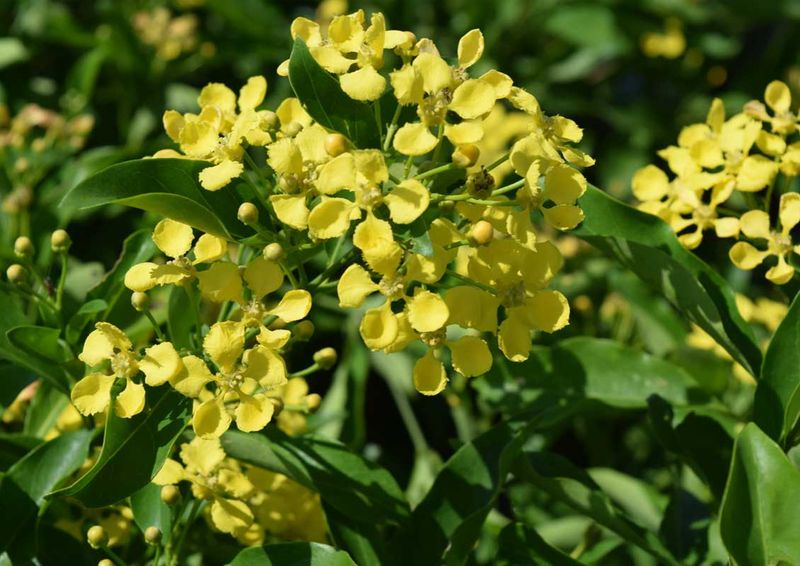
A west-facing wall can be brutal, yet yellow orchid vine is built for the kind of heat that sends fussier climbers looking for shade.
Known botanically as Callaeum macropterum, this Sonoran Desert native produces clusters of bright yellow flowers through warm weather, often responding especially well around the monsoon season.
Papery winged fruits follow and add another layer of interest after the main bloom.
Give the vine full sun and excellent drainage.
It climbs by twining, so wire, lattice, or another narrow support gives the stems something to wrap around. Mature growth can spread 15 to 20 feet, which makes a sturdy structure more useful than a tiny decorative trellis.
Water regularly during establishment.
Once the roots have settled, switch toward deeper, less frequent irrigation and let the soil dry between sessions. That rhythm suits the plant better than constant shallow watering.
Heavy clay that stays wet is the bigger danger.
A desert vine may tolerate punishing air temperatures and still object strongly to saturated roots.
Yellow orchid vine works especially well in southern Arizona and other warm sites that resemble its native range.
It brings the color many gardeners want from an ornamental climber without demanding the same irrigation schedule as a thirstier landscape vine. The wall gets flowers, pollinators get a stop, and the water bill gets a little less exercise.
2. Give Desert Snapdragon Vine A Small Trellis
Not every Arizona patio needs a vine capable of swallowing an arbor.
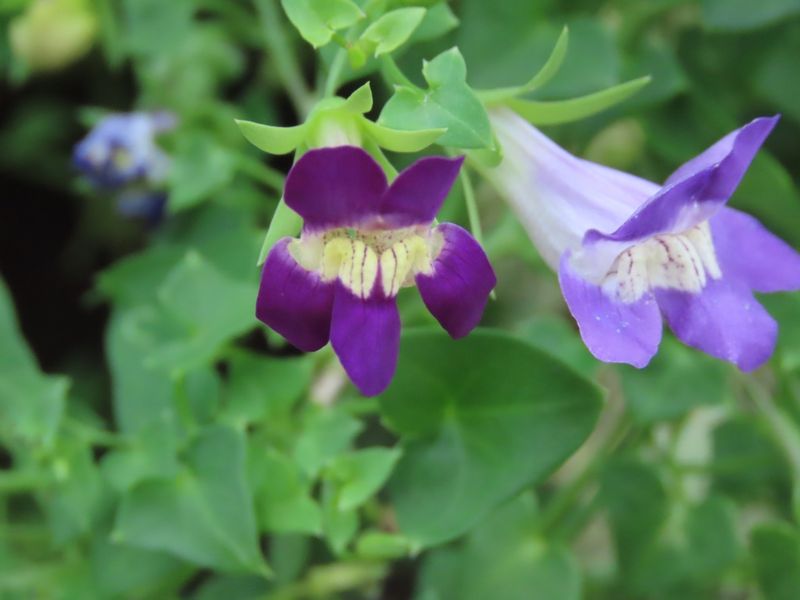
Desert snapdragon vine, Maurandella antirrhiniflora, stays lighter and more compact, making it useful around small trellises, wire panels, courtyard fences, and container supports.
The flowers resemble miniature snapdragons.
Pink to violet blooms with pale throats appear mainly during the cooler part of the growing season in low-desert areas, while higher or milder locations can carry flowers longer.
Give the stems something slender to climb.
This vine uses delicate tendrils rather than heavy twisting stems, so fine wire, mesh, or twiggy support works better than a broad smooth post.
Your Arizona Garden Changes Every Week. Your Plan Should Too.
Gardening in Arizona changes quickly throughout the season. Every Friday you’ll receive a simple weekly plan showing exactly what to plant, prune, fertilize, harvest, and protect so you never miss the right timing.
Mature growth often stays around three to six feet, which keeps it much easier to manage than the largest vines on this list.
Low-desert afternoon shade can help extend its good looks.
Phoenix and similarly hot sites may be too intense against a reflective west wall, while morning sun and later protection create a gentler microclimate.
Water consistently during the first season.
After establishment, deeper irrigation spaced farther apart usually suits the plant better than frequent surface watering. Fast drainage remains important.
Desert snapdragon vine also works as a loose groundcover when it has nothing to climb.
That flexibility makes it especially useful in smaller Arizona gardens where one plant needs to earn its space without behaving like it owns the entire fence line.
3. Grow Arizona Passion Flower For A Wilder Look
Some native vines earn their place with flowers alone.
Arizona passion flower adds a second reason by supporting wildlife at the same time.
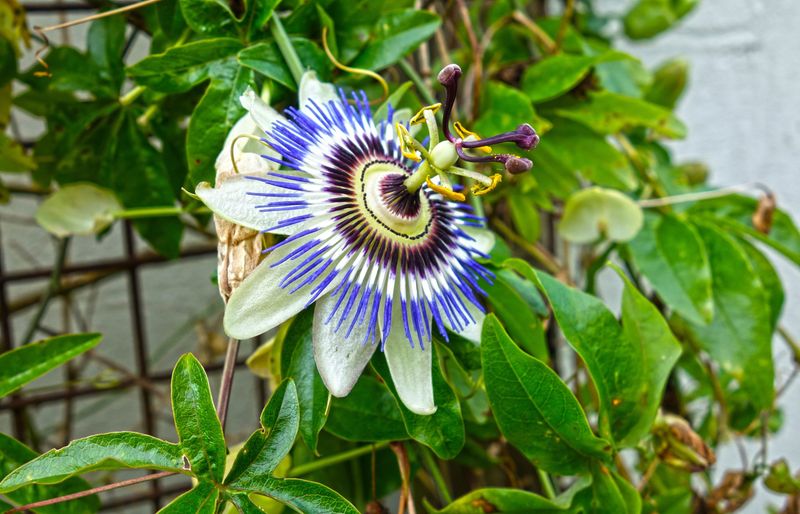
Passiflora arizonica produces intricate blooms with layered petals and a fringe of filaments that look unusually elaborate for a plant adapted to the Southwest. Summer moisture can trigger flowering, giving the vine its strongest show around warm-season growth.
Provide wire, mesh, or lattice.
Coiling tendrils grip narrow supports easily, and established vines can spread across a substantial trellis section when conditions suit them.
Sun exposure depends heavily on location.
In hotter low-desert gardens, afternoon protection can reduce stress and help the foliage stay in better condition. Cooler foothill or higher-elevation sites can often handle stronger exposure.
The wildlife connection is especially useful.
Native passion flowers can serve as host plants for butterflies, which means the vine contributes more than nectar. Caterpillars may chew some foliage as part of that relationship, so pristine leaves should not be the goal.
Regular irrigation matters during establishment.
Once rooted, the vine can handle a lower-water routine when soil drains well and deep watering reaches the root zone.
Arizona passion flower is not the tidiest climber in the garden.
Give it room to wander and a support that accepts a little wildness. The reward is a vine that turns a plain structure into both a flowering feature and a small piece of working habitat.
4. Try Arizona Grape Ivy On A Tough Sunny Support
Flowers do not have to carry the whole show.
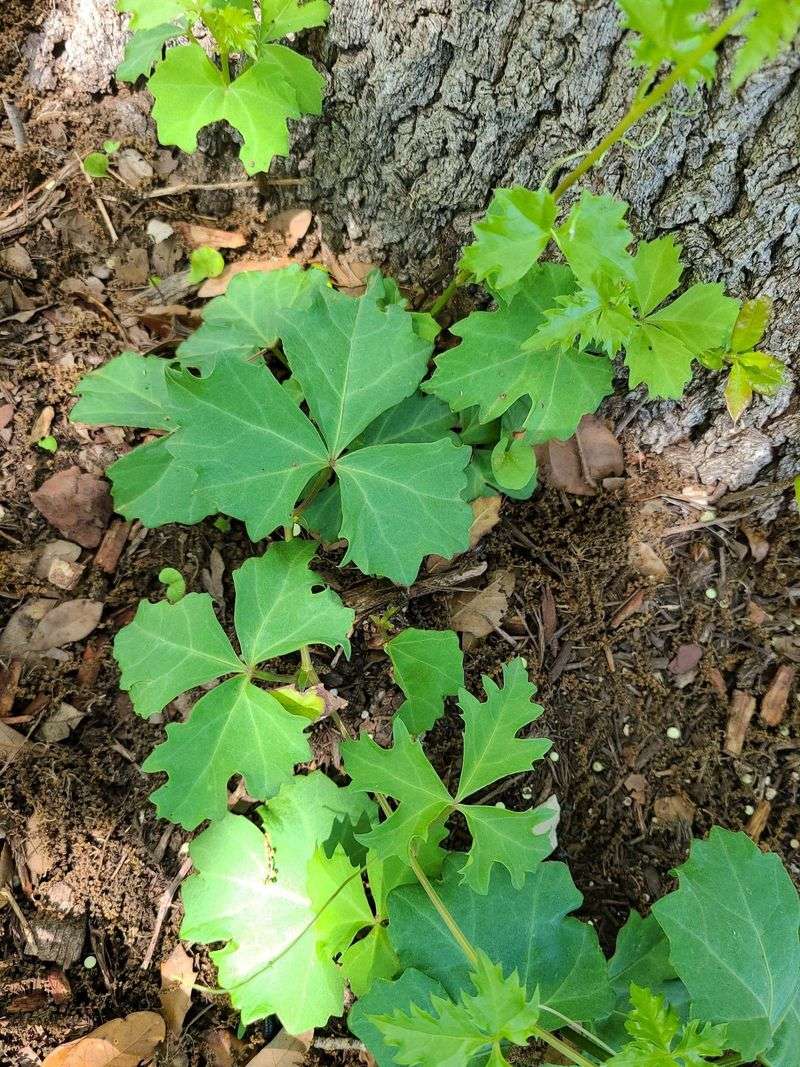
Arizona grape ivy, Cissus trifoliata, earns its place through durable foliage and a willingness to climb hot, exposed structures that can challenge softer ornamental vines.
The leaves are divided into three leaflets and create a broad green texture against masonry, fencing, or trellis work. Flowers are small and easy to overlook, so this species belongs on the list for coverage rather than a dramatic floral display.
Tendrils help the plant climb.
Give it a sturdy support because mature growth can become substantial once the roots are established. Chain-link fencing and larger trellises work especially well.
One of its strengths sits underground.
Storage structures around the root system help the plant recover after drought stress or cold damage, giving it a useful reserve during Arizona’s difficult stretches.
Full sun is possible in much of its native range.
Even so, low-desert reflected heat from west-facing walls can push any container or newly planted vine harder than open desert soil would. Establishment water remains important.
After the first growing period, use deep irrigation during long dry spells and allow the soil to drain well between sessions.
Arizona grape ivy is the practical choice for gardeners who care more about green coverage than showy blossoms.
It is the work boot of the group. Not flashy, not delicate, and perfectly happy taking on the fence while the flowering vines compete for compliments.
5. Give Canyon Grape Room To Ramble
Canyon grape does not understand the concept of a tiny trellis.
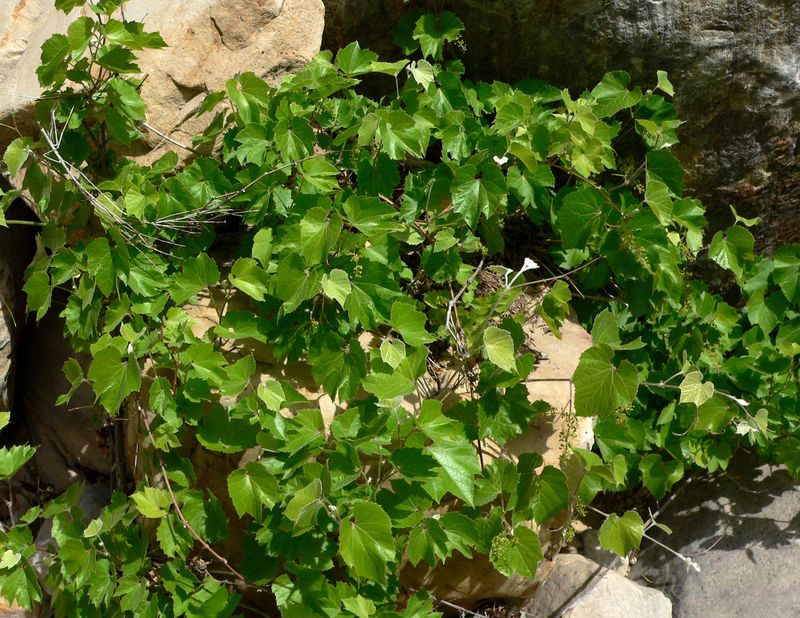
Vitis arizonica is a vigorous native climber that can stretch 20 feet or more across a strong arbor, pergola, fence, or large tree. That size makes it useful where summer shade and broad coverage matter more than compact growth.
The flowers are small and greenish.
Fruit becomes the stronger feature later, ripening into clusters of dark grapes that attract birds and other wildlife. The broad deciduous leaves can create dense summer cover before dropping during the colder season.
Moisture needs are higher than those of the most xeric vines here.
Canyon grape naturally occurs around canyons, washes, and places with better access to seasonal moisture.
A specimen in Prescott or another suitable higher-elevation site may settle into the landscape far more easily than one pushed against a scorching Phoenix wall.
Give it deep soil and a sturdy structure.
A lightweight decorative support can disappear under mature growth surprisingly fast.
Water deeply during establishment, then adjust irrigation to elevation, soil, and seasonal conditions rather than forcing the plant onto a desert-shrub schedule.
Good drainage still helps, even though the species appreciates more moisture than yellow orchid vine.
Canyon grape makes the most sense where its natural habitat has a close match.
Give it room, a little moisture, and something strong to climb, and it can turn a bare structure into a broad summer canopy without requiring lawn-level irrigation.
6. Use Virginia Creeper Where Arizona Runs Cooler
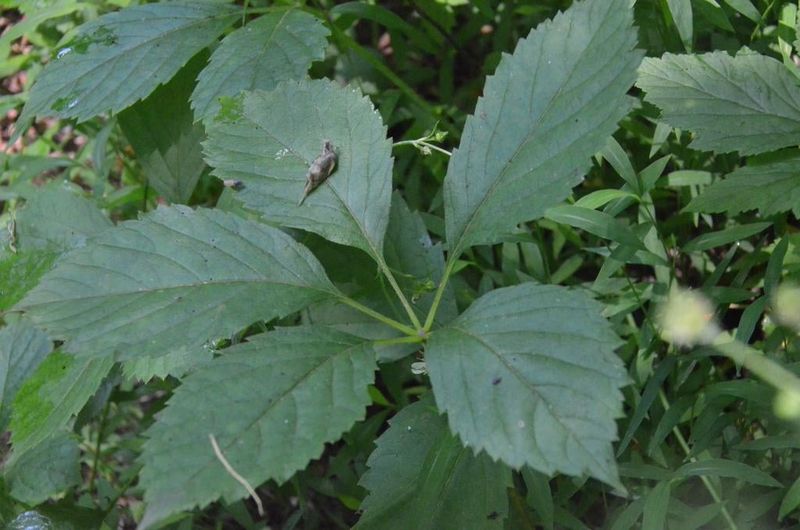
Arizona does not end at the low desert.
In cooler parts of the state, native Virginia creeper relatives offer a completely different kind of vertical interest.
Parthenocissus vitacea is associated with cooler Arizona habitats and performs best around places such as Prescott, the Verde Valley, mountain foothills, and other sites where summer nights are less punishing than Phoenix.
The flowers are not the attraction.
Five-part leaves provide summer coverage, then shift toward red, orange, and burgundy as autumn temperatures drop. Small dark berries follow and can feed birds, though people should leave those fruits alone.
Tendrils help the vine climb walls, fencing, and sturdy structures.
Mature growth can cover a broad surface, so choose a location where expansion is welcome rather than spending every season cutting it back from windows and gutters.
Established plants can handle dry periods in suitable climates.
That does not make this a low-desert wall vine. Phoenix heat and reflected afternoon exposure can turn a naturally moderate water need into a much larger irrigation demand.
Use it where elevation already supplies part of the climate advantage.
Deep watering during establishment helps roots settle, and a well-drained site prevents winter moisture from becoming another stress.
For cooler Arizona gardeners, this vine trades flashy flowers for something rarer in the state: broad green summer cover followed by a genuine burst of autumn color.
7. Give Western White Clematis The Right Arizona Site
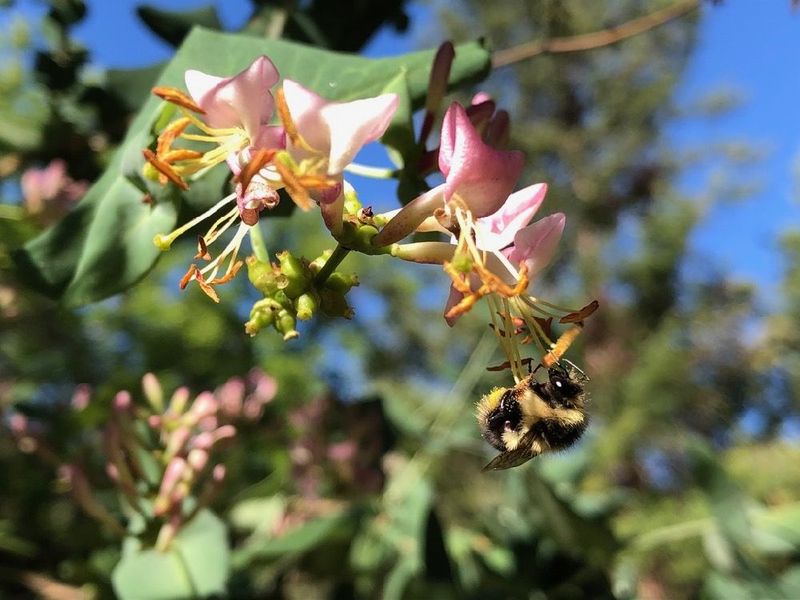
Western white clematis proves that native does not automatically mean desert-dry.
Clematis ligusticifolia occurs in riparian corridors, canyon edges, and moister woodland settings across parts of central and northern Arizona. Those habitats explain exactly where the vine works best in a home landscape.
Summer brings clusters of small creamy white flowers.
Later, feathery seed heads create a silvery effect across the vine and often become the more memorable ornamental feature.
Give it a fence, arbor, or sturdy mesh.
Leaf-stem tendrils help the plant climb, and mature vines can spread 15 to 20 feet or more in favorable conditions.
Moisture is the deciding factor.
This clematis wants better access to water than the true low-desert species on the list. Prescott, Payson, the White Mountains, and naturally moist Verde Valley sites provide a much more realistic fit than an exposed Phoenix block wall.
Partial shade can also help in warmer locations.
Deep establishment watering remains essential, followed by irrigation that reflects the naturally moister habitat rather than a strict xeriscape schedule.
That means the vine can still be lower-water than many exotic ornamentals in the right Arizona setting, but it should not be sold as a no-irrigation desert climber.
Site matching keeps the promise honest.
Western white clematis rewards cooler gardens with flowers, soft seed heads, and broad natural coverage. Put it where moisture already makes sense, and the vine can flourish without becoming a permanent argument with the hose.