9 Reasons Massachusetts Gardeners Should Plant Marigolds This Summer
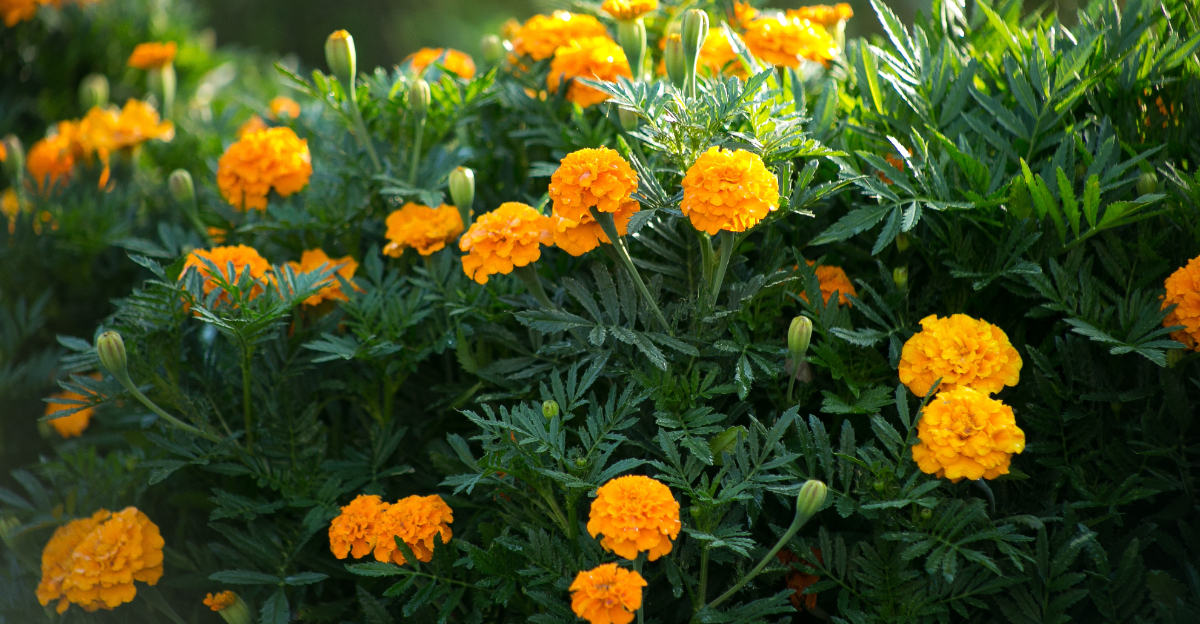
Marigolds hide a secret most gardeners never learn. You already have everything these flowers need nearby.
Bright petals mask a surprisingly practical purpose underneath. Bugs steer clear once marigolds settle into your beds.
Vegetables planted beside them grow fuller and taste sweeter. Color fills your garden within a few weeks.
Sunlight matters, yet these blooms handle almost any condition. Massachusetts summers test plants, but marigolds flourish anyway.
Beginners see results almost as fast as experts do. Across Massachusetts, soil varies, yet marigolds adjust easily.
Every dollar spent returns far more than you expect. Soil quality beneath your feet improves with each season.
Nothing else delivers this much value for so little effort. Your garden gains momentum the moment marigolds take root.
Give them soil, sunlight, and space, and watch everything change. Weeds lose ground wherever marigolds quickly take over. Turning away now means missing the best season yet.
1. Bright Blooms Add Color All Summer
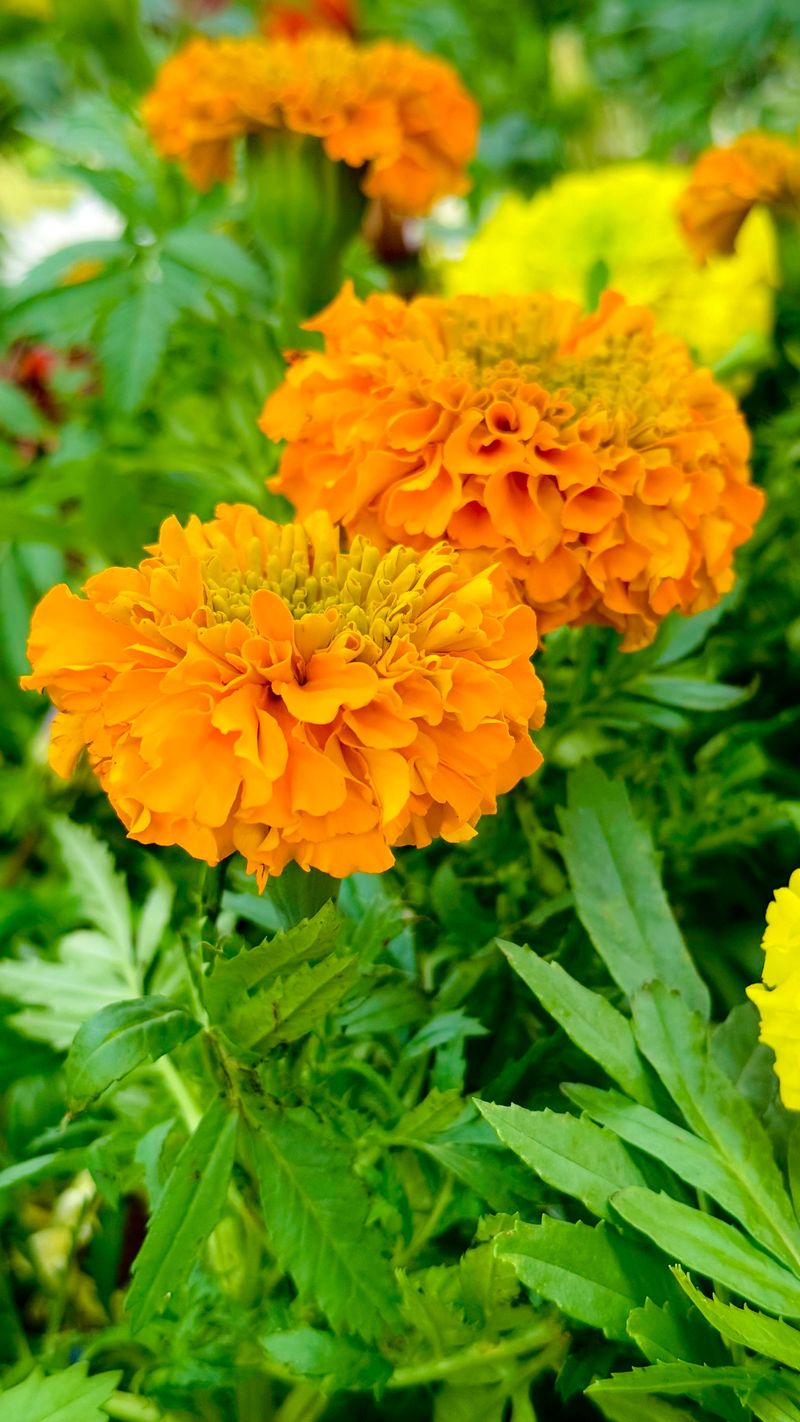
Picture your garden in mid-July, overflowing with warm golden tones that glow in the afternoon sun. Marigolds deliver that exact scene, and they continue blooming until the first frost arrives.
Unlike many flowering plants that peak and fade fast, marigolds bloom continuously from late spring through fall. That means months of color without replanting or fussing over bare patches.
In Massachusetts, summers can feel short and precious. Growing seasons vary by region, but many areas see frost-free conditions roughly from May through October.
Marigolds come in shades of deep orange, bright yellow, and rich burgundy. You can mix varieties to create a layered, almost painterly effect in any bed or border.
French marigolds stay compact and tidy at about twelve inches tall. African varieties grow tall and bold, making them ideal as dramatic backdrops behind shorter plants.
Many gardeners find that marigolds give their yard a polished, well-designed look without a large investment. The blooms are full, round, and notably uniform for flowers grown from seed.
Planting marigolds for Massachusetts gardens means committing to a summer that stays colorful and alive. That steady burst of warmth is reason enough to grab a seed packet today.
2. Pest-Repelling Scent Keeps Bugs Away
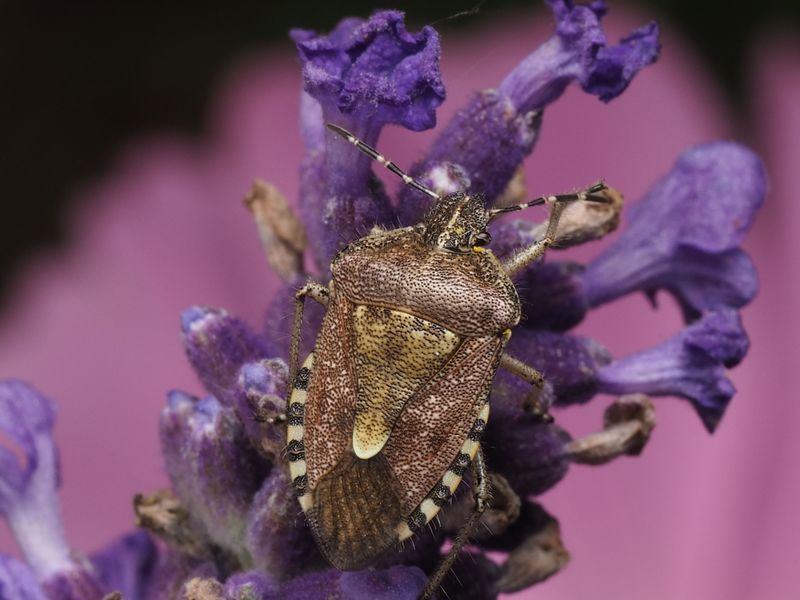
Marigolds smell wonderful to most people, but insects tell a very different story. The sharp, slightly spicy scent that rises from marigold foliage is deeply offensive to many common garden pests.
Aphids, whiteflies, and nematodes are among the bugs that steer clear of marigold-heavy gardens. That built-in defense system means less time spraying chemicals and more time actually enjoying your yard.
The secret lies in natural compounds found in marigold leaves and roots, such as thiophenes. Insects tend to avoid the area as a result.
Gardeners in Massachusetts deal with a full roster of summer pests. Japanese beetles, squash bugs, and tomato hornworms can seriously damage a garden bed within days if left unaddressed.
Planting a ring of marigolds around vulnerable crops creates a natural barrier. It is not a guarantee, but it significantly reduces pest pressure without any chemical help.
Your Massachusetts Garden Changes Every Week. Your Plan Should Too.
Gardening in Massachusetts changes quickly throughout the season. Every Friday you’ll receive a simple weekly plan showing exactly what to plant, prune, fertilize, harvest, and protect so you never miss the right timing.
Some gardeners even crush marigold leaves and rub them on their skin as a mild insect deterrent during outdoor work. It is a quirky trick, but longtime growers swear by it.
Pest control does not have to come in a spray bottle. Marigolds offer a fragrant, flower-powered solution that makes your garden smell great and keeps bugs less likely to stick around.
3. Companion Planting Boosts Nearby Vegetable Growth
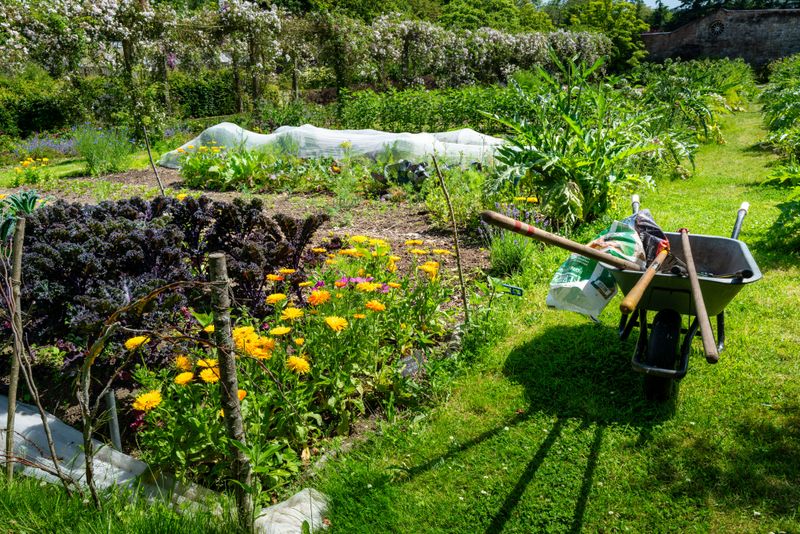
Farmers have been tucking marigolds beside vegetables for centuries, and modern gardeners are rediscovering exactly why. The relationship between marigolds and food crops is a long-standing and well-known pairing in companion planting.
Root-knot nematodes are microscopic soil pests that can stunt or destroy tomatoes, peppers, and carrots. Certain marigold varieties release a chemical in their roots that can help suppress nematode populations, especially when grown as a dedicated cover crop.
Tomatoes and marigolds are the classic pairing that most gardeners know about. Plant them side by side and you will likely notice healthier foliage and stronger fruit production by August.
Squash, cucumbers, and beans also benefit from nearby marigold plantings. The repellent effect extends beyond nematodes to include beetles and other above-ground nuisances that love to munch on vines.
Beyond pest control, marigolds attract beneficial insects like parasitic wasps that prey on caterpillars and aphids. Your garden essentially builds its own pest management team.
Spacing matters when companion planting. Aim to plant marigolds every two to three feet along the edges of vegetable rows for the best coverage and airflow.
Companion planting with marigolds is one of those strategies that feels almost too simple to work. Trust the long history of gardening wisdom behind it, and your vegetable harvest should noticeably improve.
4. Drought Tolerance Suits Dry Summer Stretches

Anyone who gardened through a dry Massachusetts summer knows the stress of watching plants wilt by noon. Marigolds tolerate that kind of heat well.
Once established, marigolds need surprisingly little water to stay healthy and blooming. Their roots go deep enough to find moisture even when the top inch of soil feels bone dry.
Climate patterns in New England have been shifting, and dry spells in July and August are becoming more common. Choosing drought-tolerant plants is no longer optional for smart gardeners.
Marigolds originally come from arid regions of Mexico and Central America. That heritage gives them a built-in toughness that most ornamental flowers simply cannot match.
Overwatering is actually a bigger risk than underwatering with marigolds. Soggy soil leads to root rot, which can weaken or destroy a healthy plant within a week.
A good rule of thumb is to water deeply once a week during dry spells and let the soil dry out between sessions. Marigolds respond better to that rhythm than to daily light sprinkles.
Mulching around the base of your plants helps retain soil moisture and keeps roots cooler on scorching afternoons. That small step can stretch your watering schedule by several extra days.
Drought-tolerant flowers like marigolds give you one less thing to worry about during a hot, hectic summer. They thrive when other plants tap out.
5. Fast Growth Fills Gaps In Beds
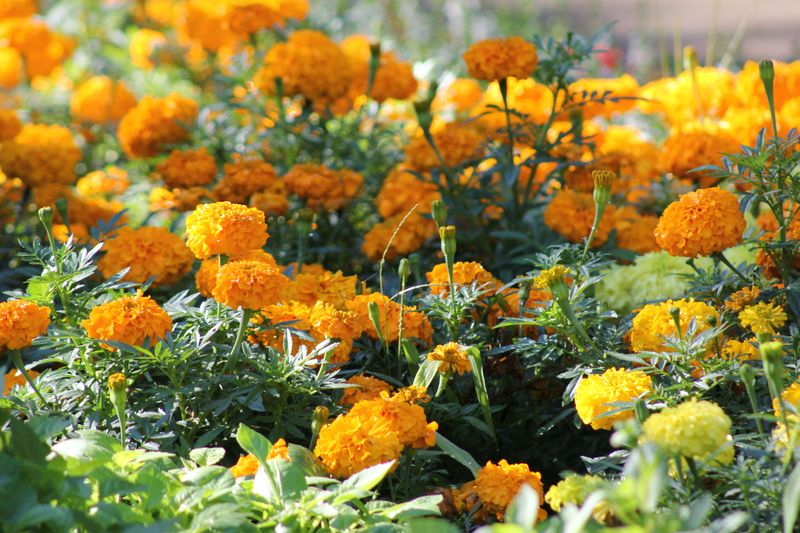
Bare patches in a garden bed are basically open invitations for weeds. Marigolds grow fast enough to close those gaps before opportunistic weeds even get a foothold.
From seed to first bloom, marigolds typically take about eight weeks. That timeline makes them one of the quickest flowering plants you can start from scratch in a home garden.
If you missed the early planting window, do not panic. Marigolds started from transplants in late June can still fill in beautifully and bloom well into September.
Massachusetts gardeners often face the challenge of staggered planting schedules. A crop of spring bulbs finishes, and suddenly you have a wide-open bed that looks sad and forgotten.
Drop a few marigold seedlings into those empty spots and the transformation is almost instant. Within two weeks, you will see lush foliage spreading to cover the bare soil.
Marigolds also self-sow lightly at the end of the season. Letting a few spent flowers drop their seeds means a surprise crop of volunteers the following spring.
Fast-growing plants are a gardener’s best tool for keeping beds looking intentional and full. Marigolds are the reliable workhorse that shows up on time, every single time.
6. Pollinators Flock To Their Vibrant Flowers
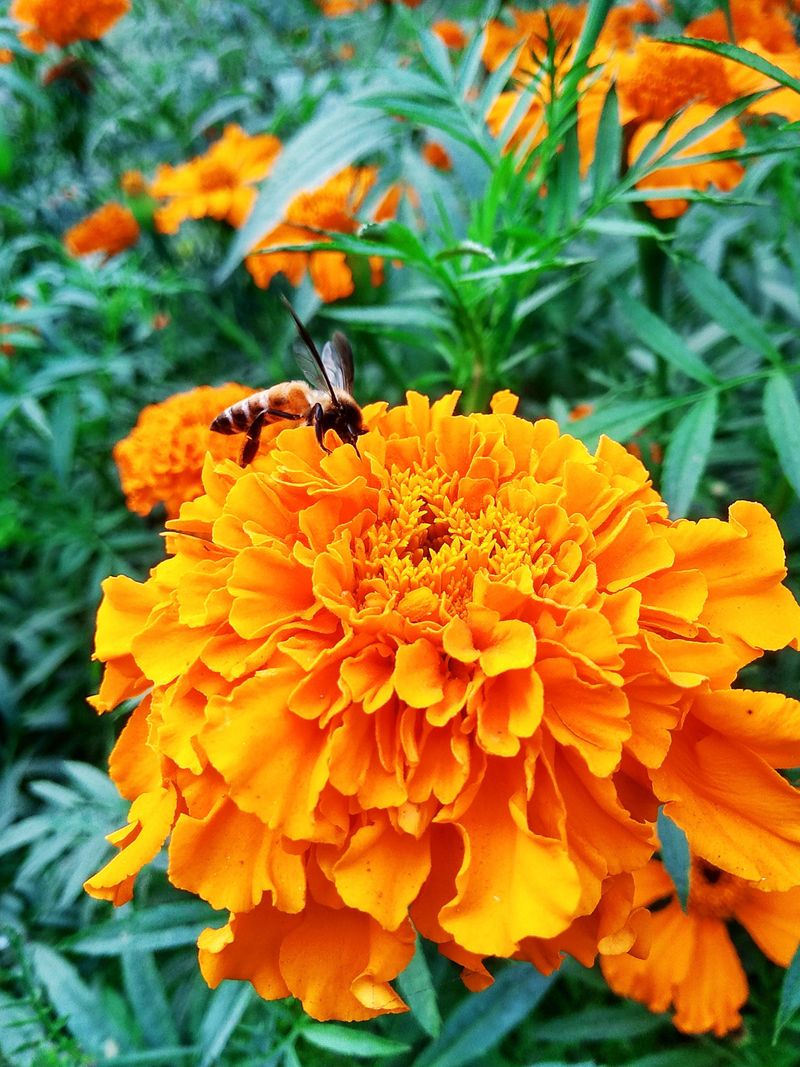
Watch a patch of marigolds for five minutes on a warm afternoon, and you will see a steady parade of bees, butterflies, and hoverflies. These blooms are a strong nectar source for pollinators.
Single-petaled marigold varieties are especially attractive to pollinators because the pollen and nectar are easy to access. Double-petaled types still draw visitors but require a bit more effort from smaller insects.
Honeybees and native bumblebees are the most frequent guests, and they are also the most important. Their visits to your marigolds often lead them straight to neighboring vegetable flowers, boosting your harvest.
Monarch butterflies, which migrate through Massachusetts mainly in late summer, are known to stop at marigold patches for a quick fuel-up. Planting a dense cluster gives them a reliable rest stop.
Pollinators are under serious pressure from habitat loss and pesticide use across New England. Every garden that offers reliable nectar sources becomes part of a larger ecological support network.
You do not need a massive yard to make a difference. Even a window box or a container garden planted with marigolds can attract dozens of pollinators over the course of a summer.
Planting marigolds is a small act with a big ripple effect. Your garden becomes a valuable habitat for pollinators, and the pollinators who visit will repay you with a more productive growing season.
7. Low Maintenance Fits Busy Garden Schedules

Not everyone has hours to spend on their knees in the garden every weekend. Marigolds were practically designed for people with packed schedules and limited patience for fussy plants.
They ask for very little: decent sunlight, occasional watering, and a quick pinch of spent blooms every week or two. That is the entire care routine for a thriving marigold bed.
This simple habit sounds fancy, but it just means removing old flowers before they go to seed. This simple step keeps plants blooming vigorously instead of shifting energy into seed production.
Marigolds are remarkably resistant to most common fungal diseases when planted in a sunny, well-drained spot. Good air circulation does most of the disease prevention work for you.
They do not need fertilizing if your soil has even modest nutrients. Over-fertilizing actually causes lush foliage at the expense of flowers, which is the opposite of what you want.
Compared to roses, dahlias, or even petunias, marigolds demand almost nothing in return for months of reliable color. That trade-off is genuinely hard to beat.
Busy parents, professionals, and weekend warriors all find marigolds to be a perfect fit. Plant them once, give them a little attention, and they handle the rest on their own.
8. Deer Resistance Protects Surrounding Plants
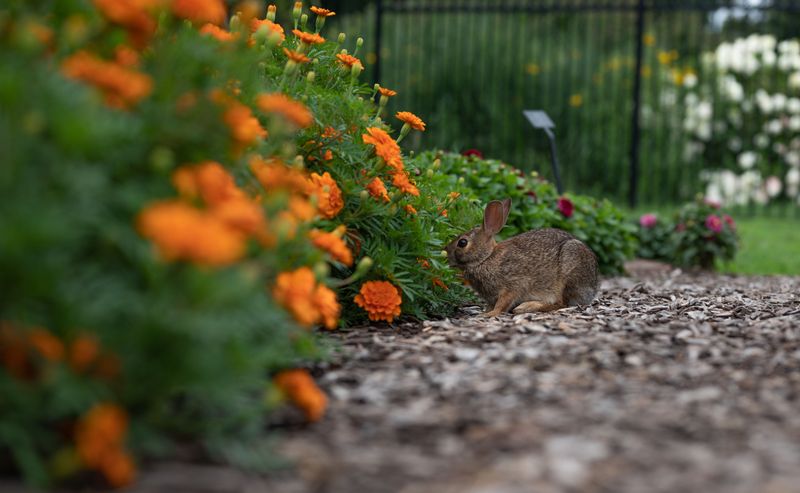
Deer are a persistent challenge in many Massachusetts neighborhoods, especially in suburban and semi-rural areas near wooded land. One hungry deer can significantly damage a garden bed overnight.
Marigolds are widely considered one of the more deer-resistant flowering plants, though no plant is completely deer-proof. The same strong scent that bothers insects also tends to discourage browsing wildlife.
Planting a perimeter of marigolds around your more vulnerable flowers and vegetables creates a scent barrier that encourages deer to look elsewhere for dinner. It is not foolproof, but it is remarkably effective.
Hostas, daylilies, and impatiens are among the plants deer absolutely love to eat. Surrounding them with marigolds gives those tasty plants a fighting chance through the summer.
Some gardeners report that even a single row of marigolds along the garden edge is enough to redirect deer traffic. The smell alone seems to encourage them to move on.
For best results, use taller African marigold varieties as the outer border. Their stronger scent and larger size make a more convincing deterrent than smaller French types.
Protecting your garden from deer does not require expensive fencing or chemical repellents. A cheerful row of marigolds might be the most effective solution you never expected to work this well.
9. Affordable Seeds Make Planting Budget-Friendly
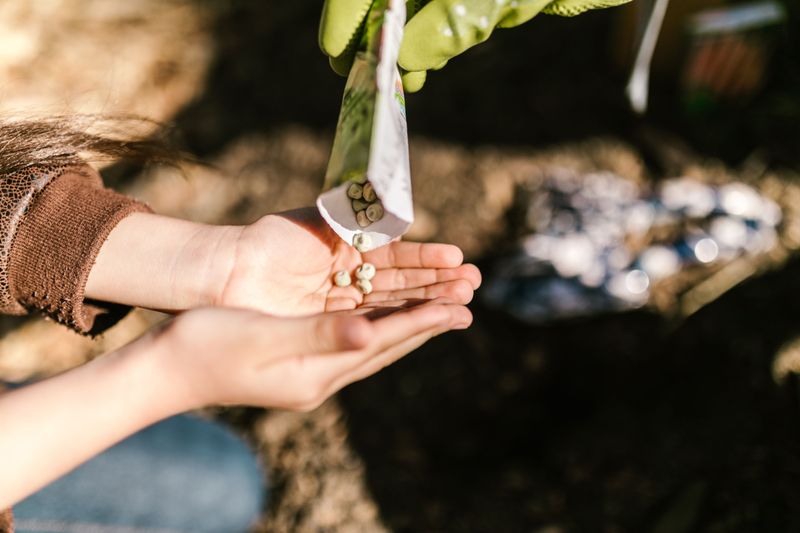
Gardening can get expensive fast, between soil amendments, tools, and specialty plants. Marigolds are a welcome reminder that beautiful gardens do not require a big budget.
A single packet of marigold seeds is typically inexpensive and contains enough seeds to fill an entire garden bed. Check current prices at your local nursery or garden center for the best deal.
Starting from seed is easy and satisfying. Sow them directly in the ground after your local last frost date, which can range from late April to early June depending on your region of Massachusetts, and stand back.
If you prefer a head start, seeds germinated indoors four to six weeks before transplanting give you blooms even earlier. A basic seed tray and a sunny windowsill are all you need.
Buying a flat of marigold transplants from a local nursery is also an affordable option, with prices varying by nursery and season. Either route fits comfortably into a tight gardening budget.
At the end of the season, collect dried seed heads from your best plants and store them in an envelope over winter. Next spring, you plant for free.
Planting marigolds for Massachusetts gardens is one of the smartest low-cost moves any gardener can make. Strong color, solid benefits, and low cost make these cheerful blooms an easy addition to any garden.