Why Mourning Doves Choose Your Massachusetts Yard To Nest
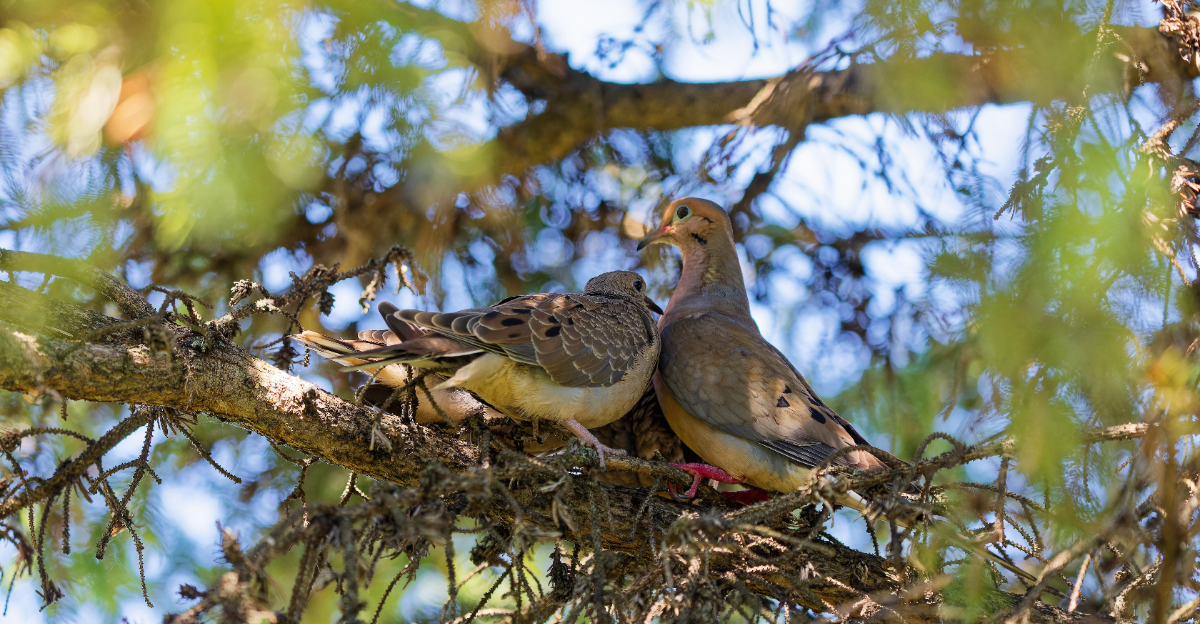
A pair of speckled brown birds lands on your porch railing, then simply stays. They tilt their heads, blink slowly, and settle in like they’ve done this a hundred times before.
That quiet confidence is the calling card of the mourning dove, and if you live in Massachusetts, chances are you’ve already met one. These birds don’t wander into random yards by accident, they scout for specific signs first.
Your patio, your feeder, even that overgrown corner near the stone wall, all of it might be sending an open invitation. Once you know what draws them in, their soft coo stops feeling random and starts feeling like a signal you can read.
By the end of this piece, you’ll spot the pattern too.
Open Ground With Nearby Cover They Can’t Resist
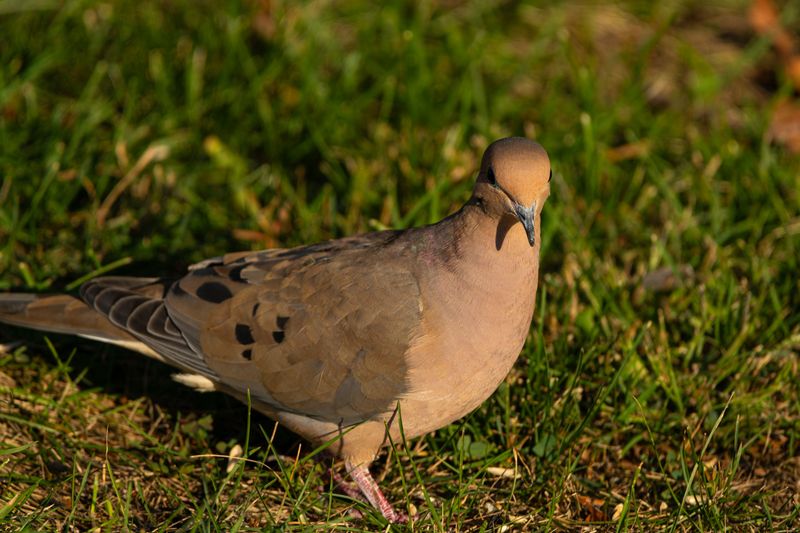
Picture a quiet morning and a dove walking slowly across your lawn, head bobbing with each step. That image is not random chance.
Mourning doves actively seek yards where open ground sits close to protective cover. They are ground feeders by nature, which means short grass and bare patches are prime real estate for them.
A wide lawn with a clear line of sight helps them spot danger quickly. Safety matters more to these birds than almost anything else.
The magic happens at the edge where your open yard meets a shrub row or fence line. That transition zone is where mourning doves feel most confident feeding.
They can grab seeds and retreat to cover within seconds. Scattered leaf litter, garden borders, and gravel paths all count as attractive foraging ground.
These birds do not need a manicured space. They actually prefer a slightly messy, natural-looking yard over a perfectly trimmed one.
If your lawn has thin patches near a garden bed or hedgerow, you are already offering prime dove territory. Adding a thin layer of mixed seeds directly on the ground near shrubs seals the invitation.
Ground-level feeding stations work even better than hanging feeders for attracting mourning doves in Massachusetts yards.
Dense Evergreens And Shrubs Make The Best Nesting Spots
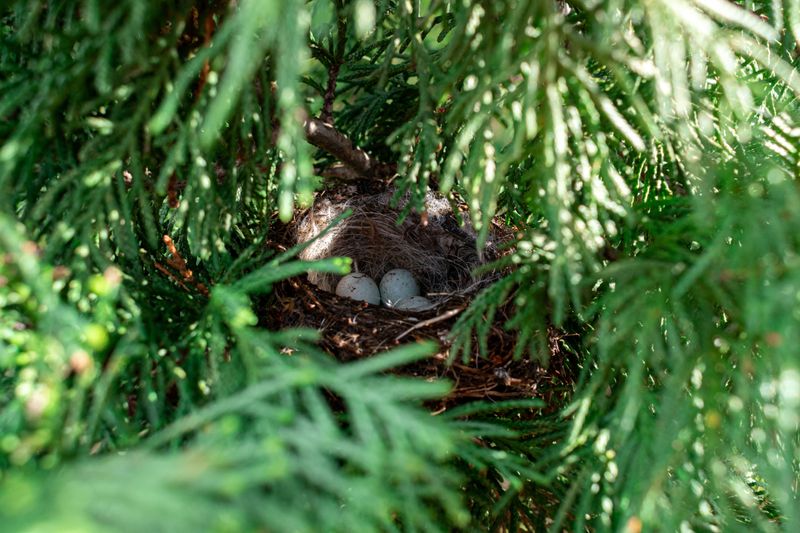
Mourning doves are not picky architects, but they are picky real estate agents. They want a sturdy platform with thick cover overhead, and your yard’s evergreens might be exactly what they are shopping for.
Unlike many songbirds, mourning doves build notoriously flimsy nests. A loose collection of twigs balanced on a branch sounds unreliable, and honestly, it is.
That is why dense cover matters so much to them. Thick shrubs and low evergreen branches give the nest extra structural support.
The surrounding foliage hides it from hawks and crows. A nest tucked inside a juniper or arborvitae is practically invisible from the outside.
Rhododendrons, boxwoods, and spruce trees are particularly popular nesting sites across Massachusetts yards. These plants stay green all year, offering consistent shelter even in early spring when other trees are still bare.
Doves often begin nesting earlier than most people expect. If you have a row of arborvitae along your property line, check it carefully in spring.
Your Massachusetts Garden Changes Every Week. Your Plan Should Too.
Gardening in Massachusetts changes quickly throughout the season. Every Friday you’ll receive a simple weekly plan showing exactly what to plant, prune, fertilize, harvest, and protect so you never miss the right timing.
You might find a nest sitting quietly low in the branches, sometimes just a few feet up. Mourning doves prefer nesting heights between five and twenty-five feet, making backyard shrubs ideal candidates.
Planting or maintaining dense evergreen hedges is one of the best things you can do for nesting mourning doves. They reward that effort with a nesting season that can stretch from April through August in Massachusetts.
They’re Surprisingly Comfortable Around People
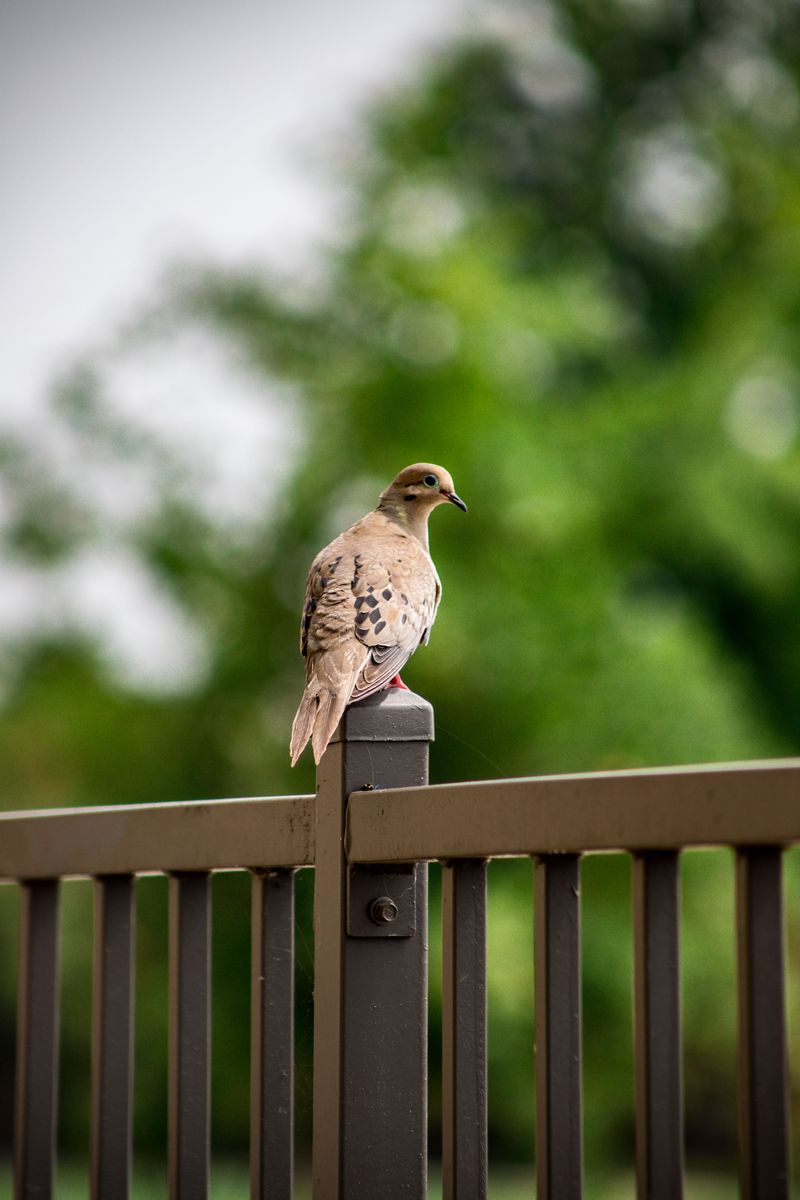
Most wild birds scatter the moment a human walks outside. Mourning doves tend to sit still, watch you calmly, and then go right back to whatever they were doing.
That easygoing personality is one reason they nest so close to homes. These birds have lived alongside humans for generations.
They have adapted to the noise, movement, and activity of suburban life in ways that other species simply have not. A lawn mower running nearby barely gets their attention.
Mourning doves generally show a higher tolerance for human activity than many comparable backyard birds. That tolerance is not accidental.
It developed over decades of living in neighborhoods, farms, and parks across North America. For homeowners, this means you can enjoy watching a nesting pair without worrying about disturbing them.
Normal yard activity like gardening, walking, or even children playing rarely causes them to abandon a nest. They are genuinely unbothered by daily life.
That said, sudden loud noises or approaching within a few feet of an active nest can cause brief stress. Giving them a respectful distance during incubation keeps everyone comfortable.
A few yards of space is usually more than enough. Their calm temperament makes mourning doves one of the most rewarding backyard birds to observe.
Once they decide your yard is safe, they treat it like home, and watching them raise a family is one of the small rewards of a shared backyard.
A Reliable Food And Water Source Seals The Deal
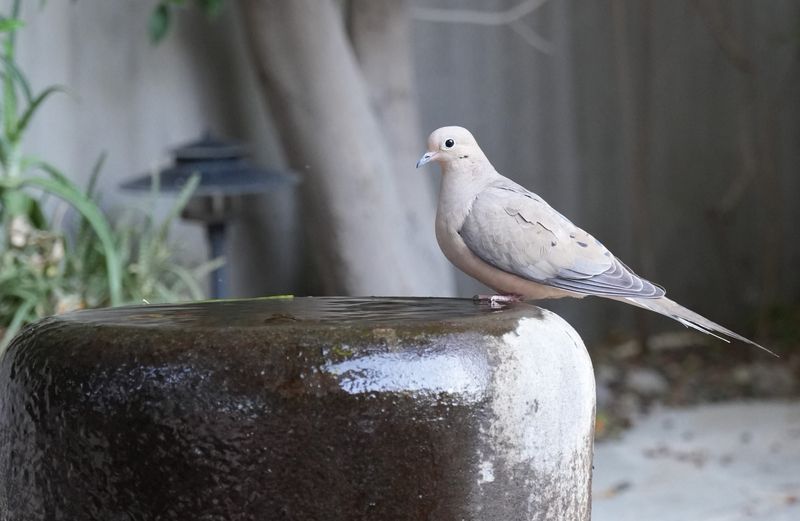
Imagine finding a neighborhood with great restaurants and a working water fountain on every block. That is exactly how mourning doves experience a well-stocked yard.
Food and water together are an almost irresistible combination for nesting birds. Mourning doves eat almost exclusively seeds.
Millet, sunflower seeds, cracked corn, and safflower are among their favorites. Scattering these directly on the ground near shrub borders mimics the natural feeding conditions they prefer in the wild.
A platform feeder set low to the ground also works well. Hanging tube feeders are less effective because doves struggle to perch on narrow rails.
Giving them a wide, flat surface to stand on makes feeding comfortable and easy. Water is just as important as food when it comes to attracting nesting pairs.
A shallow bird bath placed near ground level is ideal. Doves prefer to approach water from the ground rather than jumping up to a tall pedestal.
Keep the bath clean and filled consistently throughout spring and summer. Algae buildup or stagnant water can drive birds away fast.
A simple scrub every few days keeps the bath fresh and inviting. Yards that offer both a consistent seed supply and clean water tend to see mourning doves return season after season.
Once a pair discovers your yard has everything they need, they begin treating it as a permanent home base. Consistent resources are the key to long-term nesting success.
Why They Keep Coming Back To The Same Spot
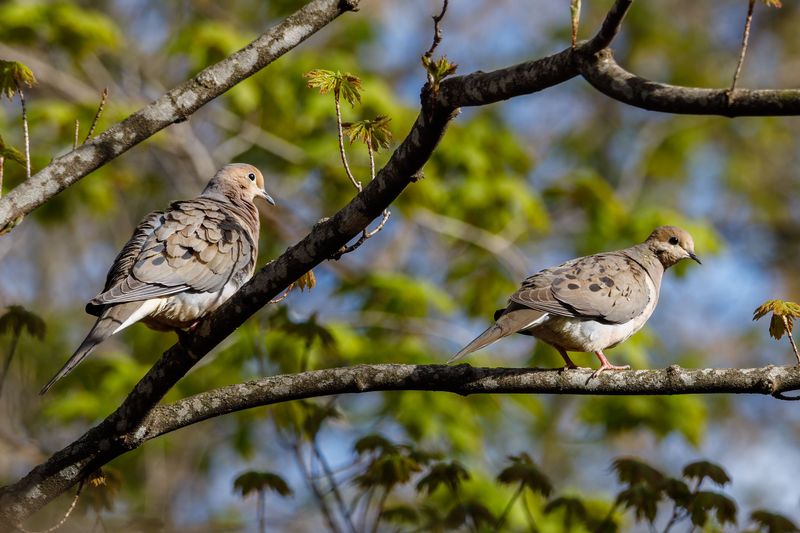
Mourning doves have a remarkable sense of place. Once they find a yard that meets their needs, they often return to nest in the exact same spot year after year. That loyalty is not coincidence.
Biologists call this behavior site fidelity, and it is well documented in mourning doves. A pair that successfully raised chicks in your arborvitae last spring has a strong pull to return to that same shrub next season.
Success breeds loyalty. The male typically scouts the nesting location first. He will perch nearby, coo persistently, and display for a female.
If she approves, the pair begins building together, often reusing materials from an old nest or building directly on top of it. Your yard’s consistency matters more than you might expect.
A stable food source, undisturbed nesting cover, and a reliable water supply signal to returning doves that conditions remain favorable. Disrupting any of those elements can break the cycle.
Homeowners who avoid trimming hedges during nesting season often report seeing the same pair return multiple times per year. Mourning doves can raise two to three broods in a single season in Massachusetts.
The same nest site may host back-to-back families from April through August. Watching that return happen is one of the quiet joys of backyard birding.
You begin to recognize individual pairs by their habits and routines. That familiarity turns a simple yard into a small piece of habitat worth watching.
Everything A Nesting Pair Actually Needs From Your Yard
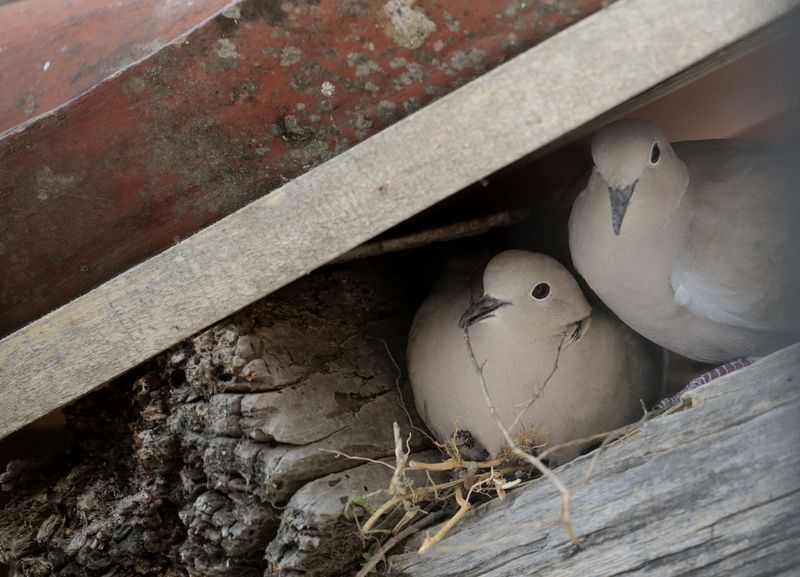
Strip away all the bird science and you are left with a simple truth: mourning doves need four things to choose your Massachusetts yard.
They want food on the ground, water nearby, dense cover for nesting, and a feeling of safety. That list is shorter than most people expect.
The nesting structure itself is minimal. A male gathers small twigs and pine needles while the female arranges them into a shallow cup.
The whole process takes just a few days. They are not building a mansion, just a functional platform.
Both parents share incubation duties, which is less common among backyard birds. The male sits on the eggs during daylight hours while the female takes the night shift.
That teamwork continues through the two-week incubation period. After hatching, the chicks are fed crop milk, a protein-rich fluid produced in the parents’ digestive tracts.
This early feeding stage lasts only a few days before seeds are gradually introduced. The young birds grow fast and leave the nest within two weeks of hatching.
Keeping your yard calm and consistent during nesting season is the most helpful thing you can do. Avoid heavy pruning near active nests.
Limit pesticide use so the ground stays seed-friendly and chemical-free. A yard that welcomes mourning doves does not need to be elaborate.
Simple choices like leaving a brush pile, planting a dense hedge, or placing a low bird bath can make all the difference for a nesting pair of mourning doves.